
 Worksheets
Materials, Fasteners, and Hardware
Total questions: 88
Worksheet time: 44mins
Dimensional and engineered lumber are used for what purpose in agricultural projects?
They are used as building materials for structures such as barns and sheds.
They are used as fertilizers for crops.
They are used as irrigation systems for fields.
They are used as pesticides for pest control.
Types of metals used for agricultural projects include:
Steel, aluminum, copper, and iron
Plastic, wood, glass, and rubber
Paper, cardboard, fabric, and foam
Ceramic, porcelain, glass, and clay
Composite materials used for agricultural projects are typically made from:
A combination of two or more different materials to enhance properties
Pure metals only
Single type of plastic
Natural wood without any additives
Appropriate fasteners should be chosen for agricultural projects.
Bolts and nuts
Paper clips
Plastic ties
Staples
Choose appropriate hardware for agricultural projects.
Tractor
Laptop
Microscope
Printer

Wood is commonly used in construction and other projects because it is
heavy and rigid
strong, flexible, lightweight
expensive and rare
not sustainable
Which of the following is NOT a property of wood mentioned in the passage?
Shaped easily
Sustainable resource
Conducts electricity
Strong, flexible, lightweight.
Fill in the blank: Wood is a ________ resource.
sustainable
non-renewable
artificial
finite
Types of wood include ________ and ________.
Softwood and Hardwood
Oak and Pine
Maple and Cedar
Birch and Teak
Wood can be shaped easily.
True
False
Which of the following is a type of wood? Choose the correct answer.
Softwood
Metal
Plastic
Glass
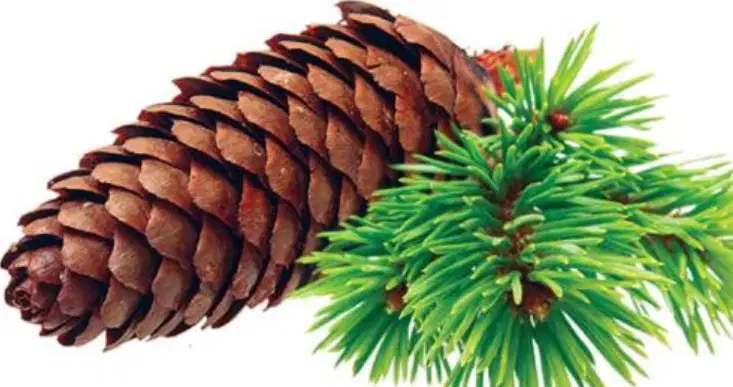
Which type of tree trunk does softwood come from?
Angiosperm
Gymnosperm
Monocot
Dicot

Softwood is less dense than hardwoods.
True
False

Fill in the blank: Softwood is commonly used for _______ for structures.
framing
flooring
roofing
plumbing
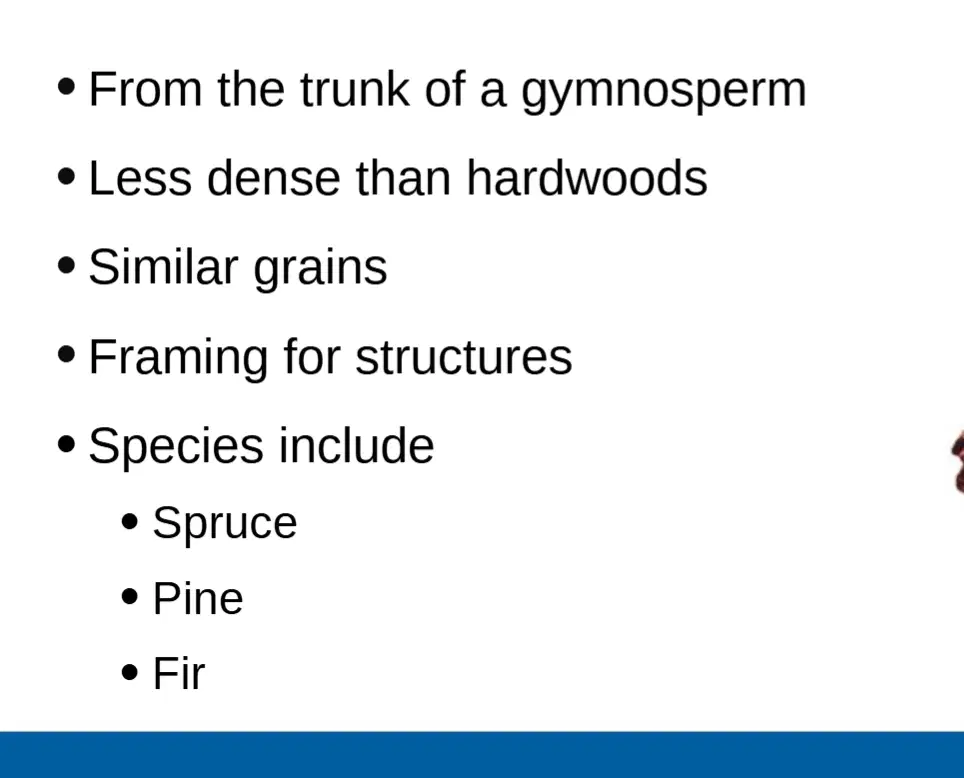
Which of the following is NOT a species of softwood?
Spruce
Pine
Fir
Oak
Softwood species include Spruce, Pine, and Fir.
True
False
Softwood grains are usually _______.
Similar
Very different
Absent
Wavy

Fill in the blank: Softwood is from the trunk of a _______.
gymnosperm
angiosperm
fern
moss
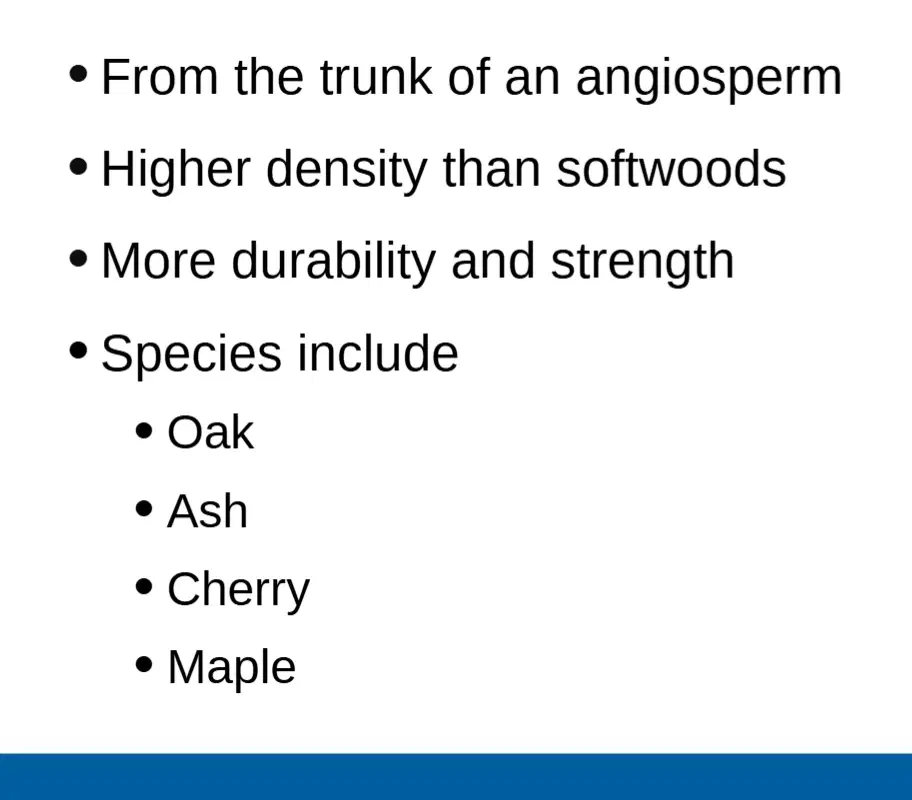
Which type of tree trunk does hardwood come from?
Gymnosperm
Angiosperm
Conifer
Fern
Hardwood has a _______ density than softwoods.
higher
lower
equal
variable

Which of the following is a characteristic of hardwood?
Less durable
More durability and strength
Lower density
Grows faster
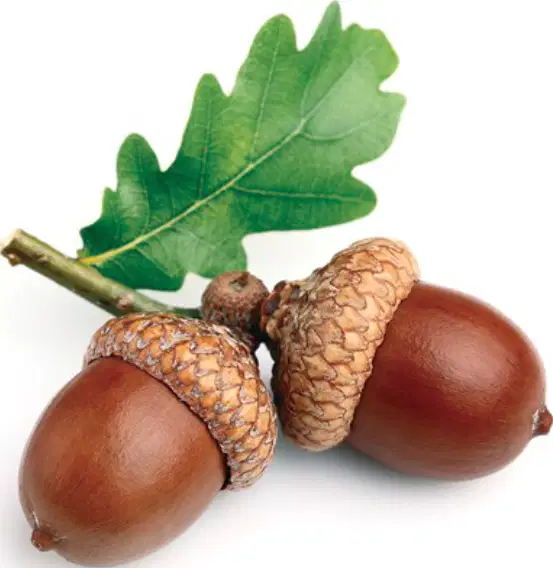
Which of the following is NOT a species of hardwood?
A) Oak
B) Ash
C) Pine
D) Maple
Is Cherry a species of hardwood?
True
False
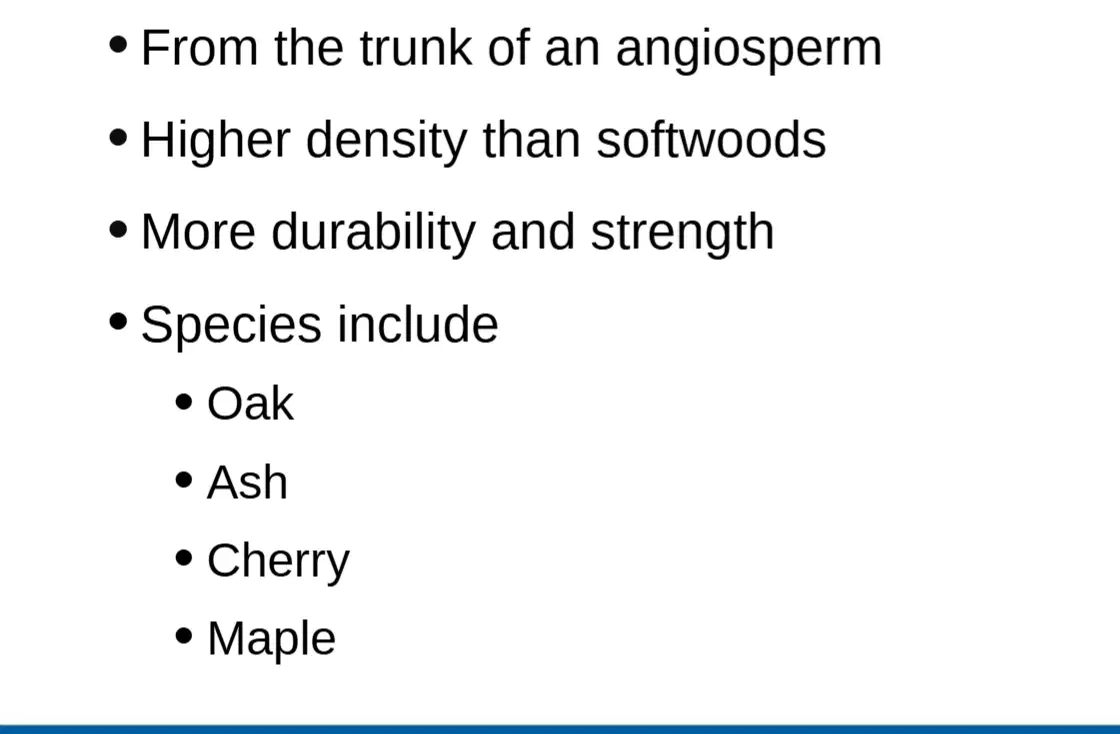
Fill in the blank: Species of hardwood include Oak, Ash, Cherry, and _______.
Maple
Pine
Cedar
Spruce
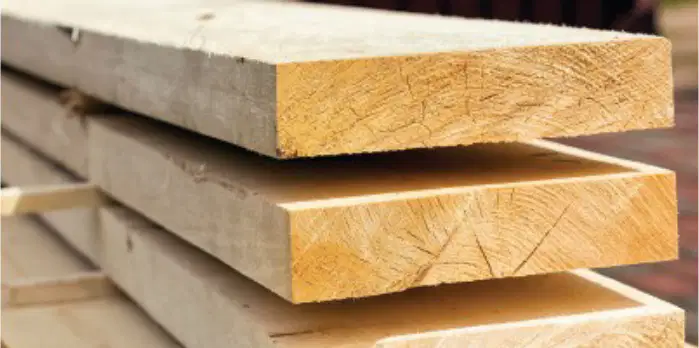
What does dimensional lumber refer to? Fill in the blank: Dimensional lumber is cut to standardized ______ and depth.
width
color
grain
texture
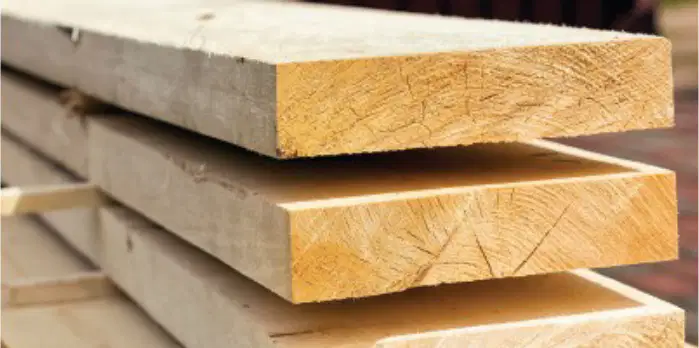
Which of the following is a type of dimensional lumber?
Quarter-sawn
Cross-laminated
Veneered
Laminated veneer lumber
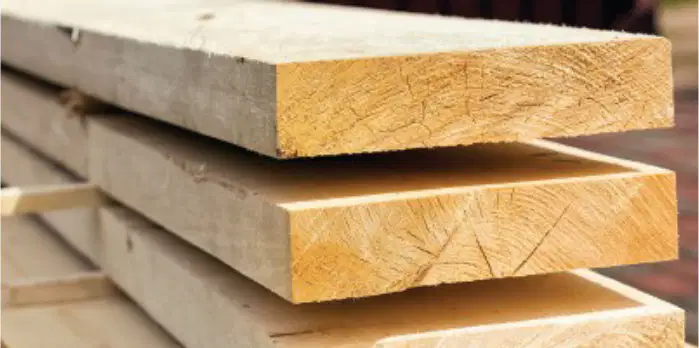
Which of the following is NOT a type of dimensional lumber listed in the image?
Plain-sawn
Engineered
Quarter-sawn
Cross-sawn
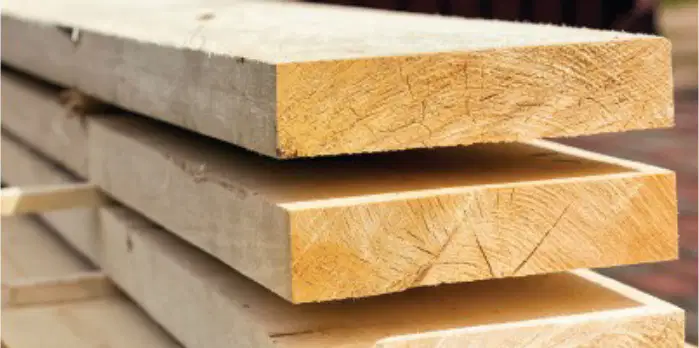
List any one type of dimensional lumber mentioned in the image.
Quarter-sawn, Plain-sawn, or Engineered
Plywood, MDF, or OSB
Steel, Aluminum, or Copper
Brick, Stone, or Concrete
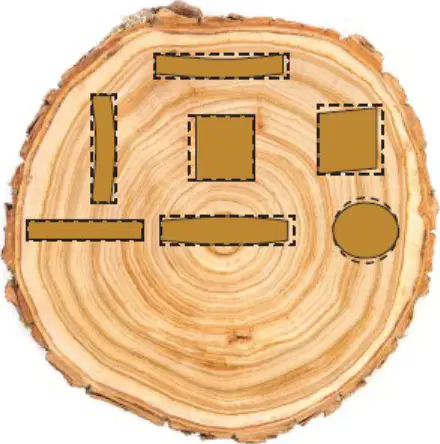
Quarter-sawn lumber is cut from ______-diameter hardwoods.
large
small
medium
narrow
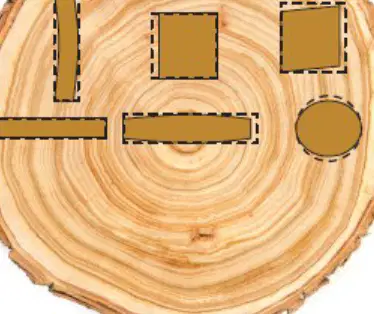
The growth rings in quarter-sawn lumber are ______ to the wide face of the board.
perpendicular
parallel
diagonal
curved
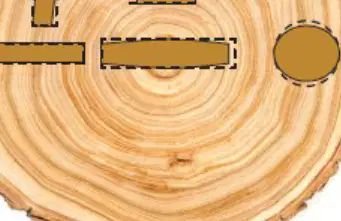
Quarter-sawn lumber is (A) weaker and more prone to distortion (B) stronger and less prone to distortion (C) the same as plain-sawn lumber. Choose the correct option.
weaker and more prone to distortion
stronger and less prone to distortion
the same as plain-sawn lumber
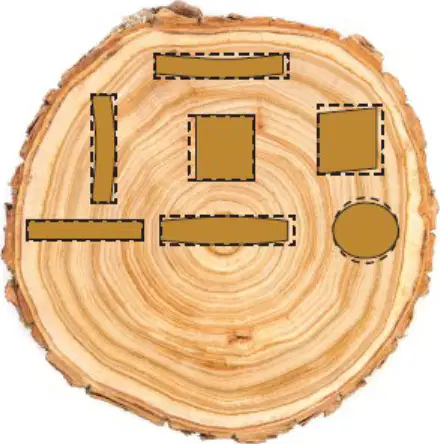
Quarter-sawn lumber is used when ______ are important.
aesthetics
cost savings
structural strength
ease of installation
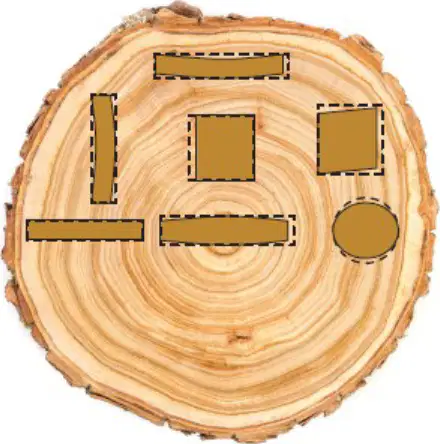
Quarter-sawn lumber is more costly to produce.
True
False
Plain-sawn lumber is cut in large slabs across one face of the _____
log
beam
board
panel
Boards with nearly perpendicular grain are a characteristic of which type of lumber?
Quarter-sawn lumber
Plain-sawn lumber
Rift-sawn lumber
Engineered wood
Plain-sawn lumber creates less waste but leads to more cupping, twisting, and warping of individual boards.
True
False
Pressure-treated lumber is dimensional lumber that has been processed with chemicals to increase ______ and rot resistance.
insect
color
weight
flexibility
Pressure-treated lumber is used in which of the following environments?
Dry indoor environments
Corrosive environments and when wood is in contact with the ground
Only for decorative purposes
None of the above
Before use, pressure-treated lumber should be acclimated to the ______ environment.
intended
outdoor
humid
temporary
What are two benefits of engineered lumber mentioned in the slide?
Increased strength and more flexibility
Lower cost and lighter weight
Natural appearance and water resistance
Faster growth and easier cutting
Engineered lumber is produced using ______ pieces from other processes.
scrap
fresh
whole
unused
Which of the following is NOT listed as a type of engineered lumber?
Laminated
Plywood
Solid wood
Oriented strand board
Types of engineered lumber include: Laminated, Plywood, Laminated veneer lumber, and ______.
Oriented strand board
Solid oak
Natural cedar
Bamboo
Engineered lumber is a wood product produced using scrap pieces from other processes.
True
False
How is laminated lumber formed?
By adding adhesives and compressing layers of wood together.
By carving a single block of wood into shape.
By melting wood and pouring it into molds.
By weaving thin wood strips together.
Which of the following is a type of laminated lumber?
Plywood
Solid wood
Particle board
MDF
Which of the following is NOT a type of laminated lumber?
Laminated veneer lumber
Oriented strand board
Plywood
Solid wood
List any two types of laminated lumber.
Plywood, Laminated veneer lumber
Brick, Concrete
Steel, Glass
Marble, Granite
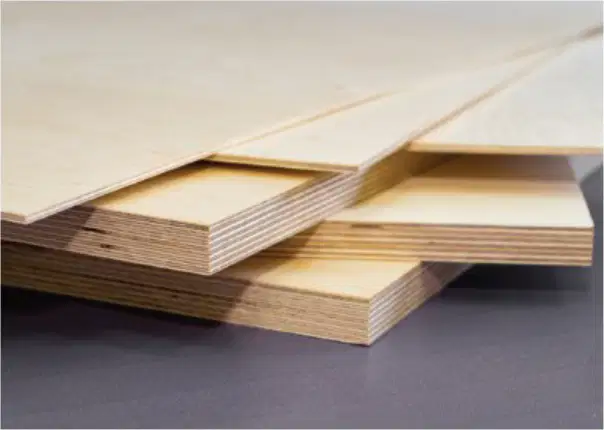
How is plywood formed?
By gluing layers of veneer together.
By melting wood and casting it into sheets.
By compressing sawdust into boards.
By weaving thin wood strips together.
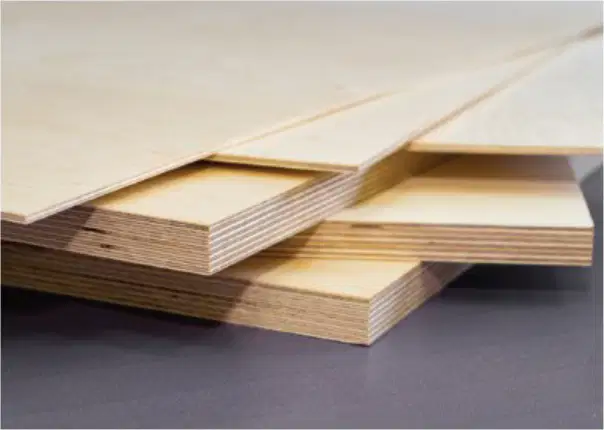
What is the standard size of a plywood sheet?
4' × 8' sheet
3' × 6' sheet
5' × 10' sheet
2' × 4' sheet
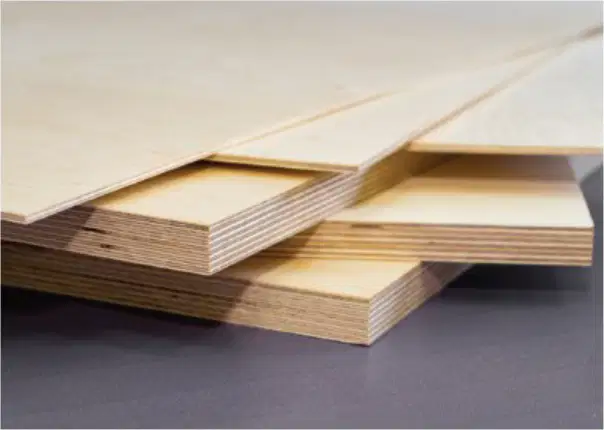
Plywood is used for which of the following?
Flooring
Sheathing
Concrete forms
All of the above

In plywood, layers are laid in (a) directions.
Same
Alternating
Random
Opposite
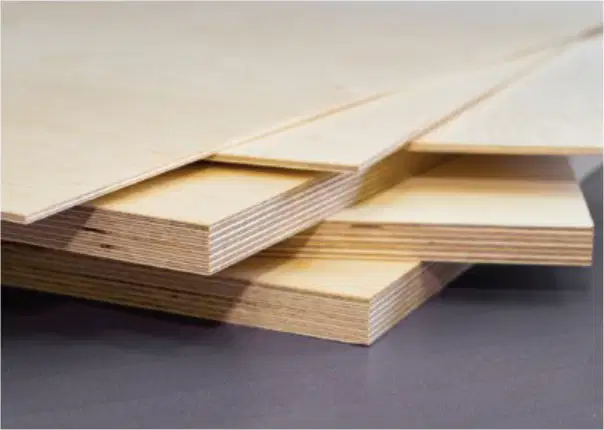
Match the following characteristics with plywood:
4' × 8' sheet
C
Flooring, sheathing, and concrete forms
A
Layers of veneer glued together
B
Laminated Veneer Lumber (LVL) is made with a series of ______ laid into dimensional lumber shape.
veneers
fibers
beams
strips
The manufacturing process of Laminated Veneer Lumber (LVL) is similar to which material?
Particle board
Plywood
Solid wood
MDF
Laminated Veneer Lumber (LVL) is ______ than the natural counterpart.
stronger
weaker
heavier
softer
Laminated Veneer Lumber (LVL) is usually limited to ______ use.
indoor
outdoor
marine
underground
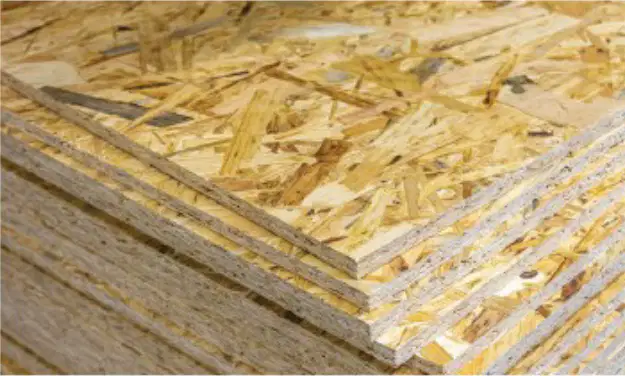
What is Oriented Strand Board (OSB) made with?
Thin layers of wood chips with adhesive
Solid wood planks
Metal sheets
Plastic fibers
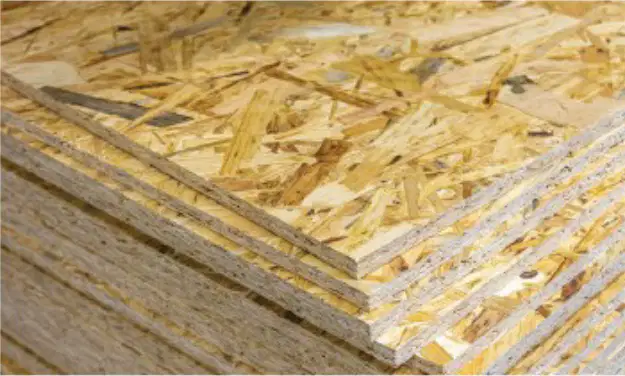
OSB is used when ______ and cost are important but aesthetics are not.
strength
color
texture
weight
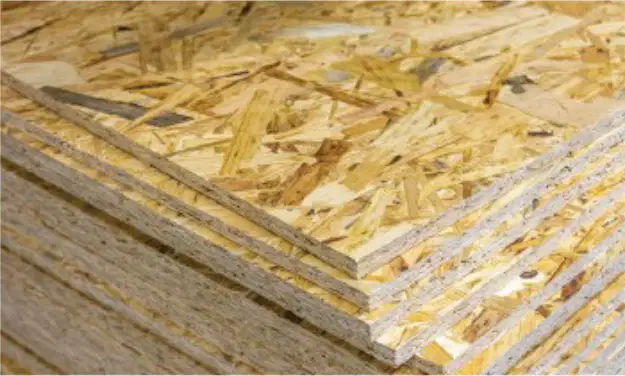
Which of the following is NOT a common use for Oriented Strand Board (OSB)?
A) Sheathing
B) Subflooring
C) Forms
D) Furniture making
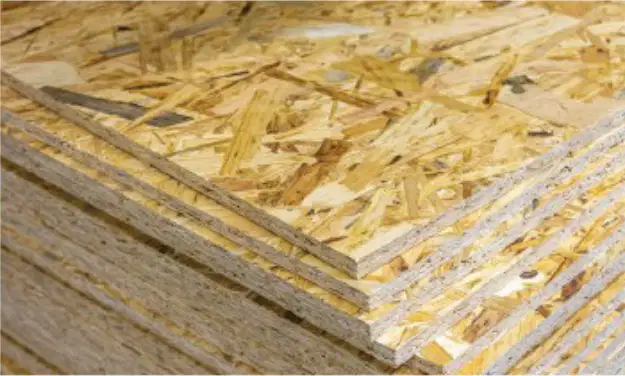
Oriented Strand Board (OSB) is primarily used for its aesthetic appearance.
True
False
What materials are engineered ceiling or floor joists made with?
OSB and dimensional lumber
Concrete and steel
Plastic and metal
Brick and mortar
Joists are ________ beams for long spans.
load-bearing
decorative
non-structural
temporary
Engineered I-beams are OSB centers capped with ________.
dimensional lumber
plywood sheets
steel plates
plastic strips
Are laminated structural members more resistant to distortion?
True
False
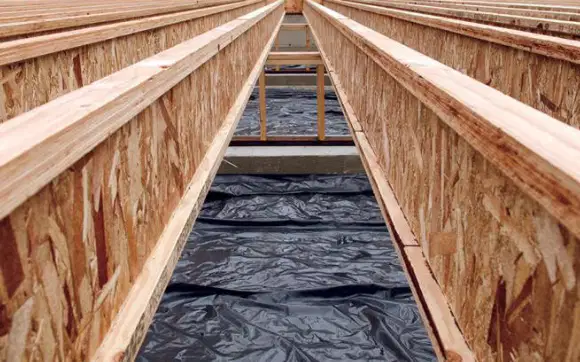
Refer to the image of engineered I-beams. What is a key feature of these beams?
They are made entirely of metal
They have OSB centers capped with dimensional lumber
They are hollow
They are made of plastic
According to the slide titled 'Metals', what determines the best metal or combination of metals suited to a project?
End use determines the best metal or combination of metals suited to the project.
The color of the metal determines the best metal or combination of metals suited to the project.
The cost of the metal is the only factor in determining the best metal or combination of metals suited to the project.
The availability of metals in the local market determines the best metal or combination of metals suited to the project.
Which of the following is NOT listed as a characteristic to consider when choosing metals?
A) Strength
B) Weight
C) Color
D) Corrosion resistance
Fill in the blank: One characteristic to consider when choosing metals is ________.
Strength (or any of the listed characteristics)
Color only
Taste
Smell
'Ability to hold an edge' is a characteristic to consider when selecting metals for a project.
True
False
List any two characteristics to consider when choosing metals for a project.
Strength, Weight, Ability to hold an edge, Corrosion resistance, Finish (any two)
Color, Smell, Taste, Flexibility (any two)
Transparency, Magnetism, Taste, Odor (any two)
Elasticity, Flammability, Sweetness, Acidity (any two)
Which of the following is a ferrous metal?
Copper
Cast iron
Brass
Aluminum
Which of the following is a nonferrous metal?
Steel
Iron-based
Bronze
Cast iron
Fill in the blank: ________ is an example of a ferrous metal.
Steel
Copper
Aluminum
Brass
Fill in the blank: ________ is an example of a nonferrous metal.
Copper
Iron
Nickel
Lead
What are ferrous metals?
Ferrous metals are iron-based metals.
Ferrous metals are copper-based metals.
Ferrous metals are aluminum-based metals.
Ferrous metals are gold-based metals.
Which of the following is NOT a beneficial characteristic of iron-based metals?
A) Malleability
B) Ductility
C) Luster
D) Flammability
Malleability is the property of metal that allows it to be ________ or pressed into shape.
hammered
dissolved
burned
frozen
Ductility is the property of metal that allows it to be ________ reshaped.
permanently
temporarily
randomly
easily
Luster is the ability of a metal to ________ light.
reflect
absorb
transmit
scatter
Which of the following is a commonly used iron-based alloy?
Cast iron
Bronze
Aluminum
Copper
Select all that are commonly used iron-based alloys:
Spring steel
Tool steel
Steel
Mild steel
Cast iron
Luster is the ability of a metal to reflect light.
True
False
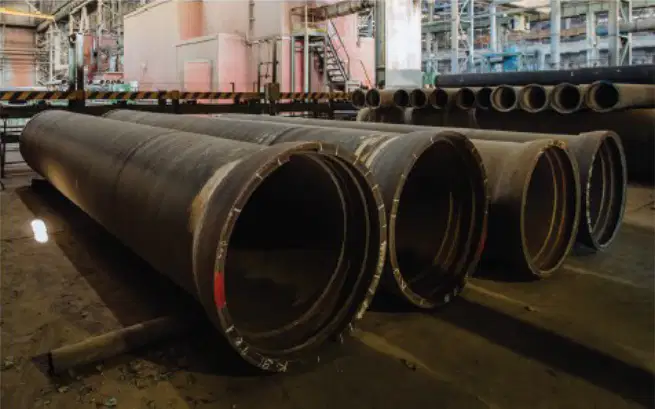
Cast iron is an iron alloy high in which element?
Carbon
Oxygen
Nitrogen
Hydrogen
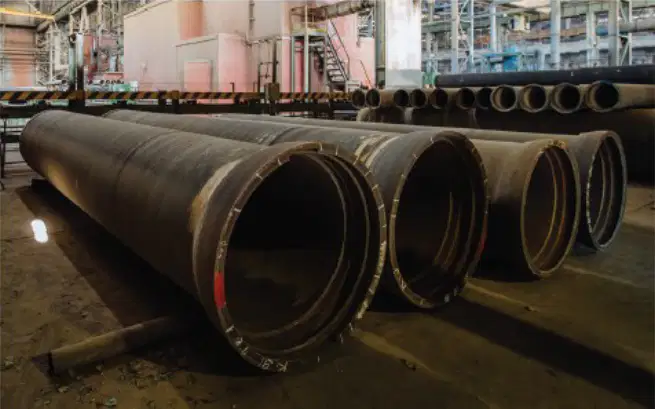
Which of the following is NOT a property of cast iron?
Hard
Brittle
Easily repaired
Resists wear
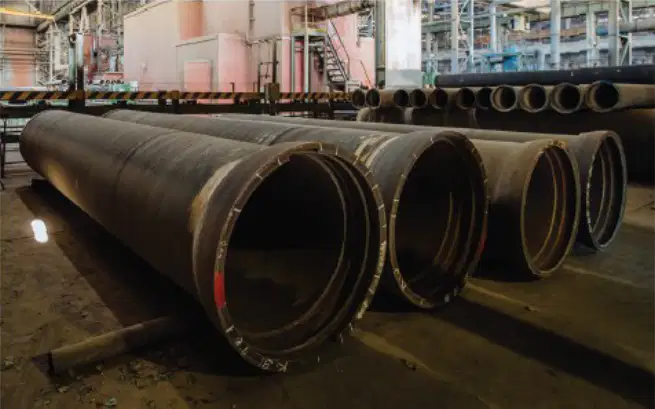
Fill in the blank: Cast iron can be affected by quick ______ changes.
temperature
pressure
color
weight
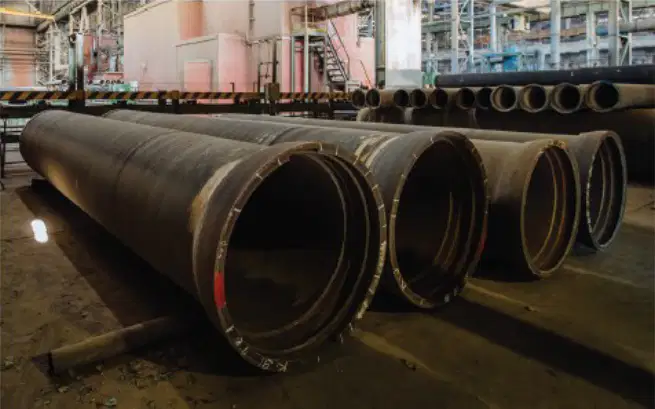
Which of the following is a type of cast iron?
White cast iron
Blue cast iron
Red cast iron
Green cast iron
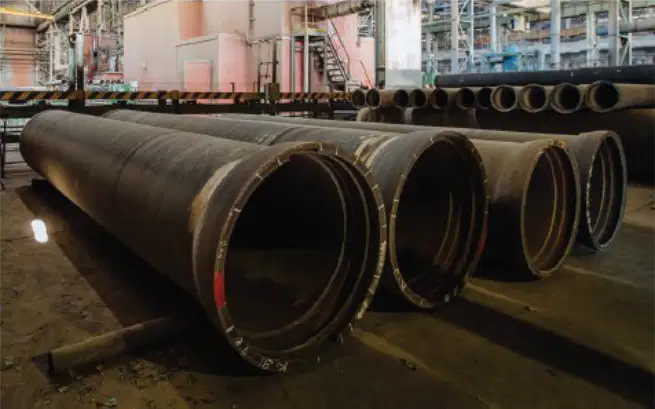
List any two types of cast iron mentioned in the passage.
Grey cast iron and white cast iron
Ductile iron and stainless steel
Malleable iron and carbon steel
Alloy steel and pig iron

