Worksheets
45 IG Class Competition
Total questions: 205
Worksheet time: 6hrs 54mins
What is the pigment in chloroplasts that performs photosynthesis?
Chlorosynthesis
Chlorophyll
ADP
Electron Transport

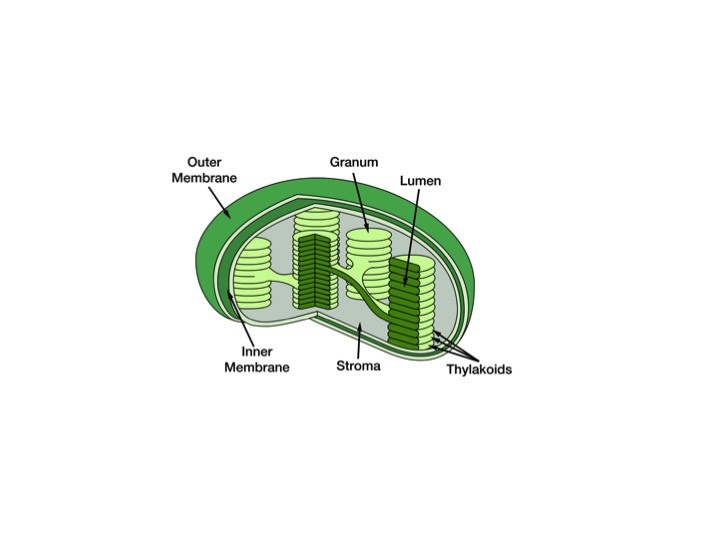
The stacks of disks in the chloroplast are called:
Lamellae
Grana
Stroma
Thylakoid

The interior space of the chloroplast is called:
Lamellae
Grana
Stroma
Thylakoids
Where does the light independent reaction take place?
Matrix
Stroma
Thylakoid membrane
Cytoplasm
Which of the following equations represents the overall chemical reaction for photosynthesis?
6O2+ 6H2O → C6H12O6+ 6O2
C6H12O6 + 6H2O→ 6O2+ 6O2
6CO2+ 6H2O→ C6H12O6+ 6O2
6O2 + 6H2O→ C6H12O6 + 6CO2
Which organisms perform Photosynthesis?
Only Autotrophs
Only Heterotrophs
Autotrophs and Heterotrophs
What are the products of photosynthesis?
water and carbon dioxide
oxygen and glucose
oxygen and carbon dioxide
oxygen and water
Chloroplasts are...
Structures of animal cells to produce ATP
Organelles where lipids are elaborated
Specialized structures of plants where food is made
Waste organelle of plants
Most plants appear green because chlorophyll
absorbs green light.
absorbs violet light.
does not absorb green light.
does not absorb violet light.
Where do the light-dependent reactions occur?
thylakoid membrane
stroma
mesophyll
mitochondria
Where does the Light Independent Reactions (Calvin Cycle) occur?
thylakoid
stroma
lumen
mitochondria
What is the main function of the cuticle on a leaf?
To allow air to enter and exit the leaf
To keep the leaf from drying out
To perform photosynthesis
To transport nutrients
What are the openings on the lower leaf epidermis called?
Chloroplasts
Stoma
Xylem
Guard cells
Which cells control the opening and closing of the stoma?
Guard cells
Bundle sheath cells
Palisade cells
Spongy cells
What is the primary role of the palisade layer in a leaf?
Structural support
Gas exchange
Water transport
Photosynthesis
Which type of vascular tissue carries water from the roots into the leaves?
Epidermis
Xylem
Petiole
Phloem
The less tightly packed area in this portion of the leaf increases space for gas exchange.
cuticle
palisade layer
spongy layer
vascular bundle
What are the green structures containing chlorophyll inside the palisade cells called?
Stoma
Chloroplasts
Xylem
Cuticle
What is the main function of the stomata located on the leaf surface?
Protection against pests
Transport of nutrients
Gas exchange
Water absorption
Which part of the plant is primarily involved in absorbing water and nutrients from the soil?
Stem
Leaves
Roots
Flowers
What is the function of the phloem in plants?
Transporting water from roots to leaves
Providing structural support
Transporting sugars downward from the leaves
Facilitating gas exchange
The maintenance of an organism’s internal environment is called:
compensating
homeostasis
balancing
routine
In a drug ________, the body responds to a certain medication as if it is harmful.
misuse
allergy
overdose
side effect
TRUE OR FALSE. Heroin is often cut with other dangerous substances.
True
False
Substances used to treat symptoms of an illness or to cure, manage or prevent a disease are called _______________.
Medications
Drugs
Unintentionally not following a medication’s instructions is medication ______________.
allergy
overdose
abuse
misuse
A condition in which a person can no longer control his or her drug use is called:
Addiction
Tolerance
Withdrawal
Dependence
Any reaction to a medicine other than the one intended.
Tolerance
OTC medicine
Addcition
Side effect
Catalyst
When a person's body has become used to the effects of the a drug or medicine and needs a greater amount to be effective.
Stimulant
Side Effect
Tolerance
Addcition
Craving
Prescription medicines
are not drugs.
can be bought only with a doctor’s written order.
can be bought without a doctor’s permission.
are illegal for teens
You should not use a drug if...
The presciption label says its expired
The prescription is for someone else
The dosage is unclear
All of the above
It is considered drug abuse if you take your own prescription drugs for any purpose
other than what they were intended for.
True
False
The majority of alcohol consumed by underage drinkers is in the form of _______ drinking
Moderate
binge
heavy
alcohol use disorder
Encouraging a person’s unhealthy behaviors, such as alcohol use disorder is called _____.
detoxification
refusal skills
Education Programs for Alcohol Awareness
Enabling
About ________ people die from alcohol-related causes each year.
88,000
880
8,800
88
Developing and practicing _______ skills can help you say “no” when someone offers you alcohol.
Detoxication
social groups
Refusal
Family
Which are harmful effects of an alcohol use disorder.
Chronic Diseases such as cirrhosis of the liver
Running faster
Being healthy
Losing Weight
TRUE OR FALSE. Alcohol effects and is associated with health issues in every single organ and body system.
True
False
Alcohol is a type of drug known as a _________.
Suppressant
Depressant
Stimulus
It is not a drug.
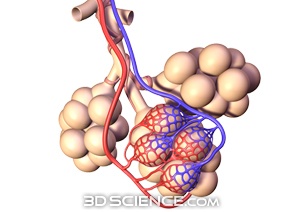
When you breathe, your lungs take in ___ and remove ___.
air/oxygen
oxygen/carbon dioxide
carbon dioxide/waste
waste/air
Many chemicals in cigarettes are considered carcinogenic because they cause what?
Emphysema
Cancer
Heart disease
Liver Failure
What is tar?
A plant used to make cigarettes
A toxic metal found in rechargeable batteries
A chemical released by the body in exciting situations
A sticky substance formed by cigarette smoke
Smoking interferes with the lungs' ability to provide what to the rest of the body?
Oxygen
Ammonia
Water
Carbon dioxide
Nicotine puts the most stress on which organ?
Lungs
Heart
Liver
Eyes
Cigarettes and e-cigarettes both contain:
Nicotine
Tobacco
Formaldehyde
Tar

What is Heroin
opioid Drug
White or brown powder
injections
medicine
The word cut means:
To be absent from a place without authorization
To add a substance to another, especially to a drug or an alcoholic drink, usually to make it weaker or cheaper
To divide a drug dosage into smaller portions
To trim or shorten the length of something being smoked
How is heroin used?
Orally, by taking pills
Injected, snorted or smoked
Eaten in food
By prescription
Aside from the dangers of the drug itself, what other risks are there from heroin use?
Contracting AIDS, hepatitis (liver disease) and other diseases from infected needles
Allergic reaction to the drug, including hives
Spreading contracted disease to sexual partners or to newborns
Both contracting AIDS, hepatitis (liver disease) and other diseases from infected needles, as well as spreading contracted disease to sexual partners or to newborns

Each white spot is a different antibiotic.
How many antibiotics does the bacteria seem to be resistant to?
2
3
All of them
None of them
If you take antibiotics, the non-resistant bacteria die while the resistant bacteria survive and pass their antibiotic resistance trait to their offspring. This is an example of...
DNA replication
natural selection
meiosis
a virus
Taking antibiotics when they are not needed can weaken the effectiveness of the antibiotics.
True
False

Which are most closely related to biotechnology?
medicine and agriculture
construction and engineering
electricity generation
communication and information technology

Which best describes a controversial issue associated with the use of genetically modified crops?
the use of genetically modified crops to increase potential yield
the short term use of genetically modified crops in helping people in developing countries
the development of genetically modified crops which are resistant to herbicides
the long term effects which may arise from the use of genetically modified crops

Which of the following is the process of using technology to create or change the DNA of living things?
Genetic modification
Machinery
Pest resistant crops
Transpiration
Which of these is not a way in which biotechnology can benefit agriculture?
increase crop population
reducing the loss of crops due to insects
producing better-tasting food
improving farm machinery
Which of these is a type of genetic modification?
Pure breeding
Kidney Surgery
Gene inserting
Use of herbicides

Step 1: The process begins by identifying the part of (a) – the gene – that codes for the production of a desired (b) . Enzymes called (c) are used to cut the DNA on either side of the (d) . These enzymes cut DNA molecules at particular points. They leave short lengths of unpaired bases at either end of the cut DNA, called (e) .

Step 2: Next, (a) are removed from (b) . The ring of DNA in the plasmid is cut, using the same (c) that were used for cutting the human DNA. The reason for using the same restriction enzyme is so that the (d) on the plasmid DNA are complementary to the sticky ends that were left on the (e) .

Step 3:
The human (a) and the cut plasmids are now mixed together. The sticky ends on the human DNA pair up with the complementary sticky ends on the plasmid DNA. Another (b) , called (c) DNA 连接酶, links the two strands firmly together, closing the (d) . Now we have bacterial plasmids that contain the human gene. They are called (e) 重组质粒.
Step 4:
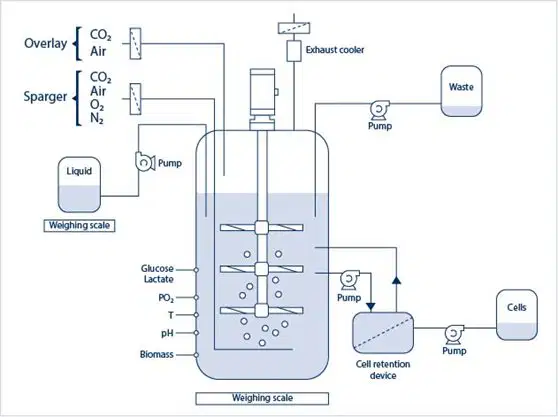
Next, these (a) are added back to the (b) . These are now genetically modified bacteria because they contain (c) as well as their own. The GM bacteria are put into (d) , where they reproduce asexually to form large populations. They express the gene for the human protein – that is, they use the code on the human DNA to make the (e) , which can be extracted from the fermenters and purified.

Which of the following is true for Golden rice?
It has yellow grains, because it was soaked in yellow dye
It is Vitamin A enriched, with can help prevent child blindness
It is pest resistant, with a gene from Bacillus thuringiensis
It is drought tolerant, developed using Agrobacterium vector

another word for farming
agriculture
technology
specialization
shrine
A system to bring water to crops
migration
agricultural revolution
irrigation
nomad
Which is a positive result of the use of biotechnology in agriculture?
increased cost
increased yield
increased use of pesticides
increased use of preservatives
genetically Identical
Clones
Twins
Doppleganger
Triplets
Heritable changes in DNA
Mutations
Maize
Genes
DNA
The application of technological process, invention, or method of living organisms.
Biotechnology
Hybridization
Biology
Selective Breeding
GM-
General money
Genetic
medicine
Genetically Modified
Genetic Mutation
The chemical molecule that is the basic genetic material found in all cells.
DNA
GMO
Hybrid
Protein
Which of the following is the process of using technology to create or modify living things?
Biotechnology
GMO
Pest resistant crops
Transpiration
Which positive ways has Biotechnology impacted our environment?
Reduced Pesticides use
Improved color and taste of vegetables
Improved our waterways
All of the above
Vaccines are made form biotechnology. ( true or false)
False
True
The process of changing a gene to treat a genetic disease or disorder. It is one of the products of the human genome project.
cloning
hybridization
gene therapy
selective cutting

A circular DNA that is usually found in all bacteria is called
tRNA
virus
plasmid
amino acid
A genetically engineered DNA made from two different organisms is called
mutated DNA
replicated DNA
recombinant DNA
translocated DNA

The transfer of a gene from the DNA of one organism into another organism, to produce an organism with desired traits
stem cell research
genetic engineering
human genome project
global warming project
A protein that regulates glucose level in the bloodstream is called
insulin
enzyme
collagen
hemoglobin
A young and unspecialized cells that can develop into different types of human body cells
stem cells
body cells
small cells
large cells

An international collaborative effort to map and sequence the DNA of the entire human genome.
RNA Biology
Stem Cell Research
Human Genome Project
Water and Sanitation Project
A method of breeding that allows only those individual organisms with desired characteristics to produce the next generation(example, Super Cow)
hybridization
inbreeding
selective breeding
selective cutting
All of an organisms genetic material( or all your set of genes) is called
organs system
organism
genome
organs
The process of separating DNA fragments to produce DNA fingerprints is called
cloning
genetic splicing
gel electrophoresis
DNA fingerprinting

The scientific theory of evolution is supported by different types of evidence. The diagrams below show the skeletons of two different animal species. How does comparing the skeletons of these animals provide support for the scientific theory of evolution?
A. It provides information about the organisms' habitats.
B. It shows possible common ancestry between organisms
C. It provides information to determine the organisms' ages
D. It shows possible chromosomal similarities between organisms.
According to fossil records, the horses that lived 50 million years ago were much smaller, weaker and slower than modern horses. Which process is most likely responsible for the changes that have led to the increased size, strength, and speed in horses?
A. commensalism
B. inbreeding
C. migration
D. evolution by natural selection

The diagram illustrates an embryonic stage of two organisms.Which of the following can be determined by observing the embryos shown in the diagram?
A. The organisms share a common ancestry.
B. The organisms belong to the same genus.
C. The organisms are native to the same geographic areas
D. The organisms will grow into anatomically similar adults.

Scientists have found evidence that about 2.4 million years ago a gene regulating jaw muscles mutated and may have led to the more graceful human jaw we see today. The diagram below shows the skulls of 3 hominid species. Which statement below most closely explains the link between jaw size and hominid evolution?
A. The jaws of hominids evolved to be smaller and less protruding over time.
B. The jaws of hominids evolved to be larger and more protruding over time.
C. There appears to be no change in the jaws of hominids over time.
D. The jaws of hominids changed over time due to a change in brain size.

Scientists are studying the evolutionary history of a group of plants in the United States, and they developed an evolutionary tree, as shown below.Which statement can be inferred from the evolutionary tree?
A. Species 1 is most closely related to Species 8.
B. Species 2 is most closely related to Species 3.
C. Species 3 is most closely related to Species 7
D. Species 5 is most closely related to Species 6.
Scientists are studying the evolutionary history of a group of plants in the United States, and they developed an evolutionary tree, as shown below.What information about the organisms best helps the scientists to determine the evolutionary relationships among them?
A. DNA sequences
B. Anatomical features
C. Habitat types
D. Reproductive Strategies
Organisms classified as fungi have unique characteristics. Which of the following characteristics is found only in organisms classified in the kingdom fungi?
A. single cells without a nucleus
B. multicellular with chloroplasts
C. multicellular filaments that absorb nutrients
D. colonies of single, photosynthetic cells that reproduce asexually

The diagram below represents possible evolutionary pathways of certain organisms. Which species is most closely related to species L?
A. species E
B. species F
C. species G
D. species I
Which kingdoms have photosynthetic organisms?
A. fungi and plants
B. fungi and protists
C. protists and plants
D. plants and animals

Some characteristics of a recently discovered organism are listed in the following table. Based on the given characteristics, this organism would be classified in which kindgom?
A. eubacteria
B. fungi
C. plantae
D. protista
The conversion of atmospheric nitrogen into ammonia, a form of nitrogen plants can readily use, is called -
denitrification.
ammonification.
nitrogen fixation.
nitrification.
To obtain the nitrogen they need, animals depend on many different microscopic ____________________ to convert nitrogen at all stages of the nitrogen cycle.
protozoa
bacteria
worms
insects
The atmosphere is made up of mostly nitrogen. The percentage of nitrogen in the atmosphere is approximately _____.
60%
78%
83%
51%
(a) converts ammonia and ammonium into nitrite and nitrate.
Select all answers below that are stages of the nitrogen cycle.
Nitrogen fixation
Diffusion
Ammonification
Nitrification
How do animals get the nitrogen they need?
From the air they breathe
From the water they drink
From the food they eat
From the sun
What process occurs when dead plant and animal matter decomposes and nitrogen is released back into the atmosphere?
Assimilation
Fixation
Ammonification
Denitrification
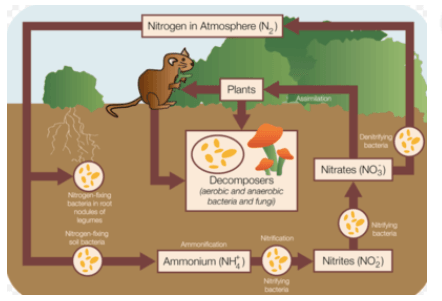
A correct path that nitrogen could take would be
air -> animals -> plants -> bacteria
animals -> air -> bacteria -> plants
bacteria -> air -> plants -> animals
air -> bacteria -> plants -> animals
The diagram below shows the carbon cycle.
Press the hotspot for where you would find fossil fuels.
The diagram below shows the carbon cycle.
Press the hotspot for where you would find carbon dioxide.

PRE-INDUSTRIAL
Fossil fuels include carbon rich materials such as (a) , (b) , and (c)
sunlight
coal
crude oil
natural gas
The diagram below shows a portion of the carbon cycle,
Select where photosynthesis takes place
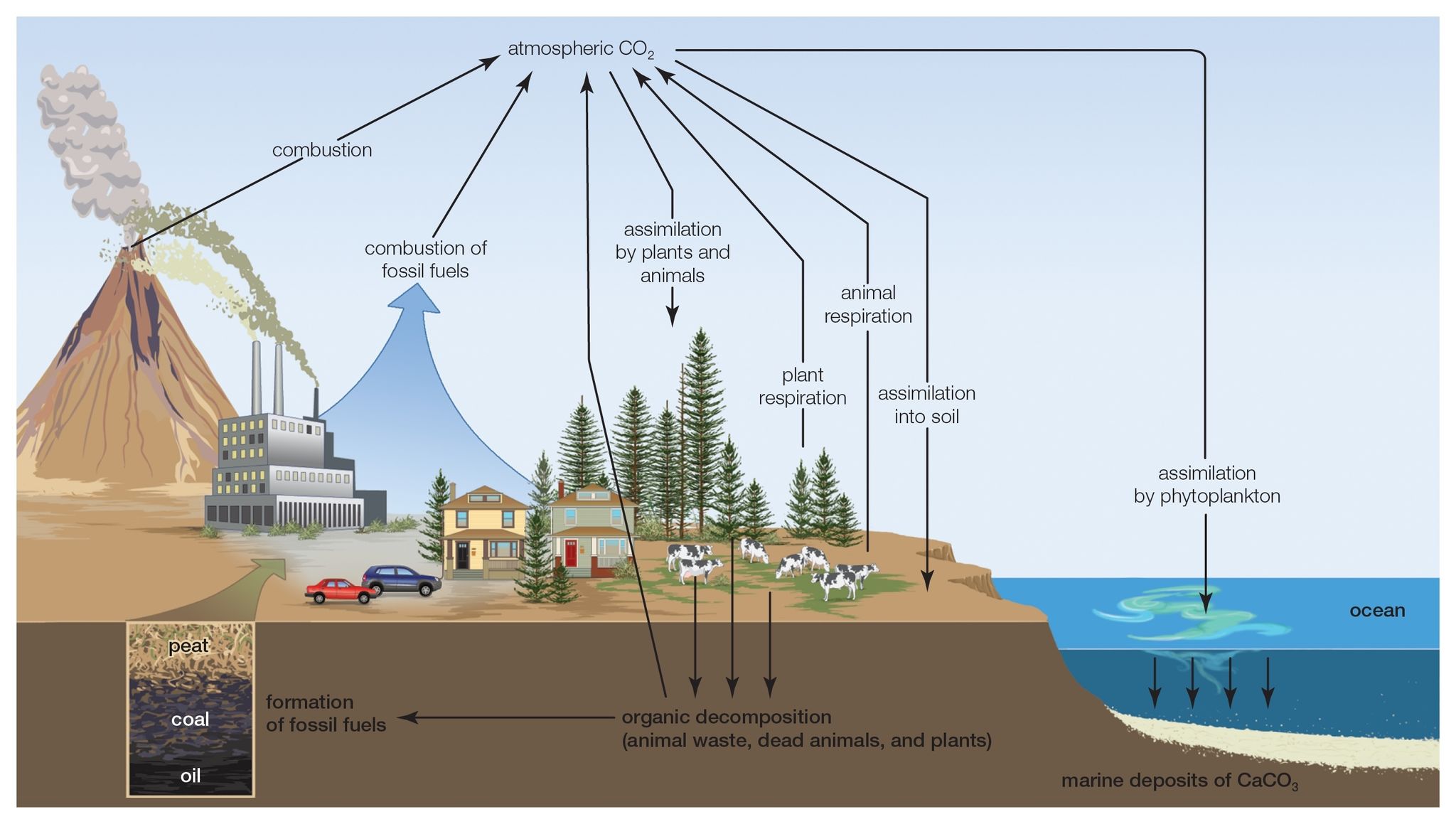
Which of the following add carbon dioxide to the atmosphere?
volcanoes
combustion of fossil fuels
animal and plant respiration
all of these
The average temperature of the surface of Earth has increased approximately 1°C in the past century. Which reason best explains this increase in temperature?
lower levels of ozone in the atmosphere
lower levels of nitrogen in the atmosphere
higher levels of carbon dioxide and other greenhouse gases in the atmosphere
higher levels of oxygen in the atmosphere
What will happen to the population when the birth rate is larger than the death rate?
grow
shrink
stay the same

What type of growth is represented behind?
exponential
logistics
a good kind
representative

In a forest ecosystem, which of the following is the best example of a limiting factor for a rabbit population?
Squirrel Population
Sunlight
Grass available
An environmental factor such as predation, disease, and competition that depends on the number of members in a population per unit
dispersion
density- independent factor
density- dependent factor
population growth rate
An environmental factor such as storms and extreme heat or cold that affects population regardless of their density
density- dependent factor
population density
dispersion
density- independent factor
When a population has reached carrying capacity
Growth & Immigration are equal to Death & emigration
Growth & Immigration are less than Death & emigration
Growth & Immigration are greater than Death & emigration
Growth is exponential

Review: What type of growth curve is shown in the picture?
Logistic
Exponential

What age groups does the bottom of a population pyramid represent?
The elderly
The working adults
The children
Males

What does the whole right side of the population pyramid represent?
Males
Females
Unemployed
Young people

What age group does the top of the population pyramid represent?
The working people
The rich people
The elderly
The young people

What growth rate does this population pyramid represent?
Rapid Growth
Slow Growth
Negative Growth
Zero Growth

What population growth rate does this population pyramid represent?
Zero Growth
Negative Growth
Slow Growth
Rapid Growth

Which population growth rate does this pyramid represent?
Rapid Growth
Slow Growth
Negative Growth
Zero Growth
All the living organisms in an environment
Biotic factors
Abiotic factors
Mark ALL the biotic factors
Owl
Temperature
Grass
Soil
Non-living factors of the environment
Biotic factors
Abiotic factors
Area where an organism lives
Niche
Abiotic factor
Habitiat
Biotic factor
The functional role or job of an organism within an ecosystem
Habitat
Abiotic factors
Niche
Symbiosis
Any relationship in which two different species interact
Predator
Symbiosis
Parasitism
Commensalism
Type of symbiotic relationship where BOTH organisms BENEFIT
Mutualism
Commensalism
Parasitism
Commensalism
Both species benefit
One species benefits the other species neither benefits or is harmed
One species benefits the other is harmed
Type of symbiotic relationship where one species BENEFITS and the other species is HARMED
Mutualism
Commensalism
Parasitism
Predators:
organisms that hunt other organisms
organisms that are being hunted
A tapeworm lives inside the intestines of an human causing the human to become sick.
This is which symbiotic relationship:
Mutualism
Commensalism
Parasitism
Bats pollinate cacti, and then in the spring these cacti produce fruit for the bats
This is which symbiotic relationship:
Mutualism
Commensalism
Parasitism
Barnacles hitch a ride on the bottom of a blue whale. The whale isn't harmed or benefited by this interaction
This is which symbiotic relationship
Mutualism
Commensalism
Parasitism
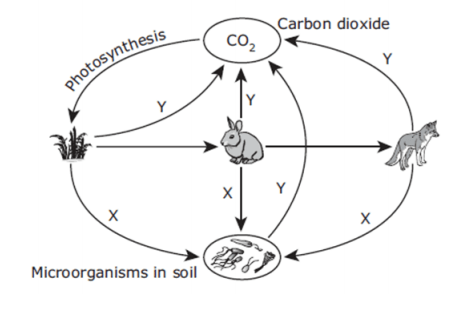
The diagram shows the flow of organic molecules through an ecosystem. What two processes are identified by the labels X and Y?
X : Respiration
Y : Predation
X : Adaptation
Y : Decomposition
X : Fermentation
Y : Nitrogen Fixation
X : Decomposition
Y : Respiration
Which of the following is an example of a decomposer?
Owl
Fish
Tree
Mushroom
When humans EXHALE, we release __________________.
Oxygen
Carbon Dioxide
Nitrogen
Water
How is the carbon cycle similar to the water cycle?
Both involve liquid substances falling to the Earth from the atmosphere?
Neither process works at low temperature.
Both involve the transfer of substances between animals, plants, and the Earth.
Both involve the transfer of substances between the earth and outer space.

According to the image, what is the producer?
plant
insect
mouse
snake

According to the image, what is the primary consumer in the food chain?
plant
insect
mouse
snake

What kind of organisms are usually at the top of the food chain?
producers
herbivores
omnivores
carnivores
Which is a MAJOR cause of acid rain?
spraying pesticides on crops
burning fossil fuels for energy
dumping sewage in rivers
using Nuclear power stations
Which is a result of human activities?
decay of leaves in a forest
acid rain kills fish in a lake
volcanic eruptions
bad weather
Acid rain has a pH LESS than
6
7
8
3
How does acid rain affect humans?
air pollution gets into our lungs and water
It burns our clothes
it makes us blind
it makes us blonde
What human activity is the main cause of acid rain?
cars
deforestation
coal power plants / power stations
volcanoes
What is the original cause of eutrophication?
Too many predators
Too many herbivores
Excess fertilizer
Too much oxygen
Which describes a dead zone?
An area of low oxygen in water
A single point where water drains to
Where fresh water and salt water meet
One of the primary human causes of dead zone formation is:
Burning of fossil fuels
Deforestation
Overfishing
Farming with fertilizers
In eutrophication, dissolved oxygen levels decrease because
bacteria use it as they decompose organic material
algae uses it during photosynthesis
it reacts with hydrogen to form H2O (water)
fish use it up as they consume algae
What is the very next thing that happens after fertilisers enter a river in eutrophication?
Fish die due to a lack of oxygen
Plants below the surface die due to a lack of sunlight
The number of aerobic bacteria increases
Fast growth of plants
In eutrophication, what does 'algal bloom' refer to?
The rapid increase in the number of bacteria
The rapid increase in the number of plants
The rapid decrease in the number of fish
The rapid increase in the amount of nitrates in the river
When algae levels increase in a body of water, it
cuts off light to plants at the bottom.
increases light to the plants on the bottom.
causes dissolved Oxygen levels increase.
causes bacteria populations decrease.
Hypoxia is a state of depleted oxygen in water.
True
False
In a dead zone, _________ levels are really low such that living organisms are not able survive.
nitrogen
oxygen
fertilizer
carbon dioxide
Which describes primary treatment?
coagulation
filtration and removal of debris, sand, grit, etc.
flocs
concentation
Which substance is used in a sewage treatment system to kill harmful bacteria?
ammonia
chlorine
sand
soap
Which indicates that a body of water is contaminated by human waste water?
low BOD and a fecal coliform bacteria count of zero
high levels of nutrients, such as nitrogen and phosphorus, an high BOD
low BOD and low levels of nutrients, such as nitrogen and phosphorus
low levels of nutrients, such as nitrogen and phosphorus, and a fecal coliform bacteria count of zero
Which one is the characteristic of wastewater?
Does not contain pathogenic micro-organisms
Safe to health
Used water from residential, commercial, and industrial areas
Free from breeding sites for insects, pests and micro organism
What type of cell does chloroplast belong in?
Plant Only
Both Plant and Animal
Animal Only
What type of cell does a cell membrane belong in?
Plant Only
Animal Only
Both Plant and animal
What type of cell does the cytoplasm belong in?
Plant Cell Only
Animal Cell Only
Plant and Animal Cell
What type of cell contain a nucleus?
Prokaryotic cells like bacteria.
Eukaryotic cells like bacteria.
Eukaryotic cells like plant and animal cells.
Prokaryotic cells like plant and animal cells.
Cell Membrane
regulates what goes into and out of the cell
Cell Wall
gives structure to plant cells
Chloroplast
site of photosynthesis in plant cells
Mitochondrion
converts energy from food into energy a cell can use
Nucleus
contains genetic material and controls the use of genes; found in eukaryotic cells
During osmosis
water moves from high to low concentration
large or oddly shaped molecules move across a cell membrane
water moves when energy is used
proteins are built
Osmosis is the movement of _____ across a membrane.
food
energy
oxygen
water
A person would never have pure water put into their veins in a hospital because their cells would...
Shrink/Dehydrate
Expand
What is diffusion?
when molecules move
when molecules move from a high concentration to a low.
no movement
molecules move everywhere
Why can't you drink salt water?
It's hypertonic to your cells
It's hypotonic to your cells
It's isotonic to your cells
It's paratonic to your cells
Ideally, your cells should be in a(n) _______ solution
Hypertonic
Hypotonic
Isotonic
Cola
An animal cell placed in a hypertonic (salty) solution will
Shrink
Swell
Stay the same

The diagram shows two chambers with different concentration of molecules separated by a selectively permeable membrane. Predict what will happen to the water molecules ?
move from B to A due to diffusion
move from B to A due to osmosis
move from B to A due to active transport
move from A to B due to osmosis

This red blood cell swell and burst in a ....solution
hypotonic
isotonic
elektronic
hypertonic
Why is diffusion so important in biology?
It's the basic power source for most types of cells
It allows substances to move across cell membranes
It prevents toxins from entering our bodies
Without diffusion, cell division could not take place

What is the definition of Selective Permeability?
The movement of materials across the cell membrane that requires NO ENERGY from the cell.
The movement of materials through (or across) the cell membrane
The ability of the cell membrane to allow some things to pass through while preventing other things from passing through.
The movement of molecules from an area of high concentration to a area of low concentration

DNA stands for...
Deoxyribose Acid
Deoxynucleic Acid
Deoxyribonucleic Acid
Ribonucleic Acid
If one side of DNA is ATTA what would the complementary strand look like?
CGGC
GCCG
TAAT
ATTA
Cystosine is always paired with ______________.
Adenine
Thymine
Guanine
It doesn't match with anything
The shape of DNA looks like a twisted ladder, known as
helicase
a double helix
a triple helix
Where is DNA found in the cell?
Mitochondria
Ribosomes
Nucleus
Endoplasmic Reticulum
Guanine bonds with ______________.
Adenine
Guanine
Cytosine
Thymine
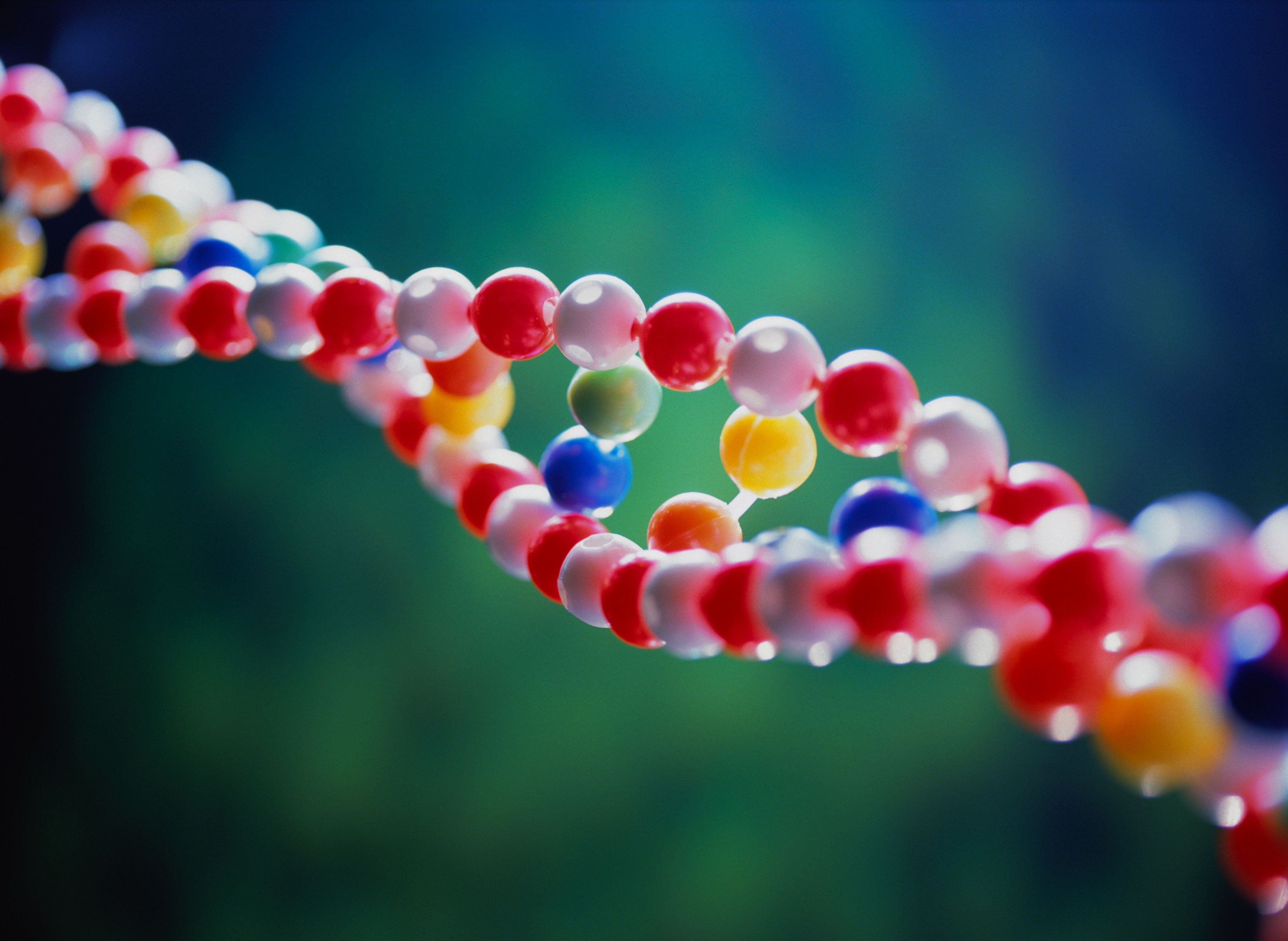
Why is DNA important?
it is very small and very complicated
it's in everything
it serves as the blueprint for traits of all living things
because we eat it every day for energy
Which of these is NOT in DNA?
Adenine
Thymine
Guanine
Uracil
Cytosine
What are the 4 nitrogen bases?
adenine, thymine, cytoplasm, and guanine
adenine, thymine cytosine, and guanine
adenine, thymine, cytosine, and gylcerol
adenine, thymine, cytosine, and glucose
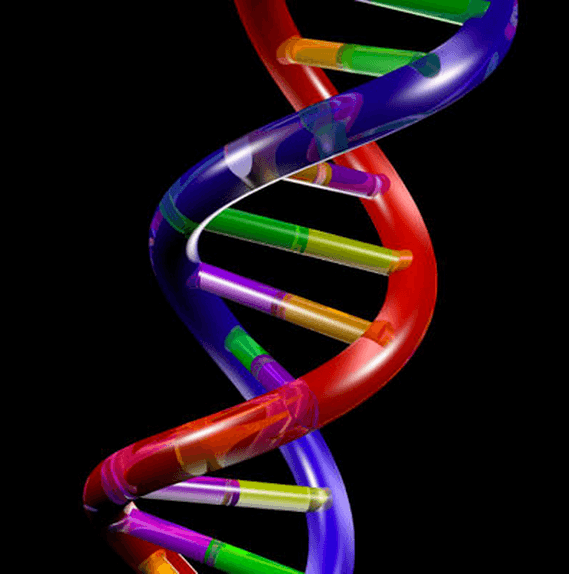
What determines the code, or information, of a DNA molecule?
the shape (structure) of the nitrogen bases
the order (sequence) of the nitrogen bases
the color of the nitrogen bases
the frequency (number) of nitrogen bases
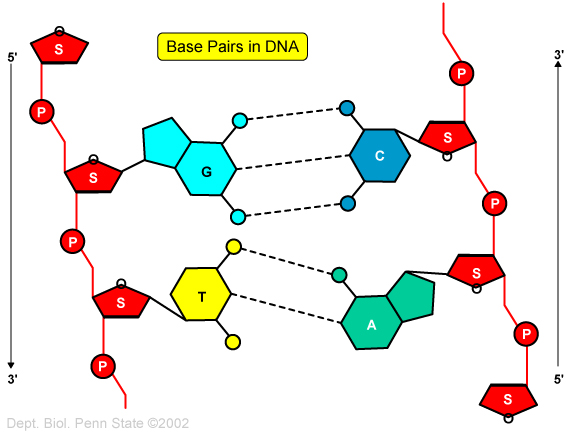
Nitrogenous bases are joined by which type of bond?
polar bonds
ionic bonds
covalent bonds
hydrogen bonds

How did Rosalind Franklin's photo 51 affect the work of Watson and Crick? (picture is shown)
It was used to determine the physical structure of DNA
It was used to identify the four bases that make up DNA
It was used to determine the theory of independent assortment
It was used to show DNA was the molecule of inheritance

Nucleotides are made up of a sugar, phosphate, and..?
nitrogenous base
nucleic acid
cholesterol
fatty acid

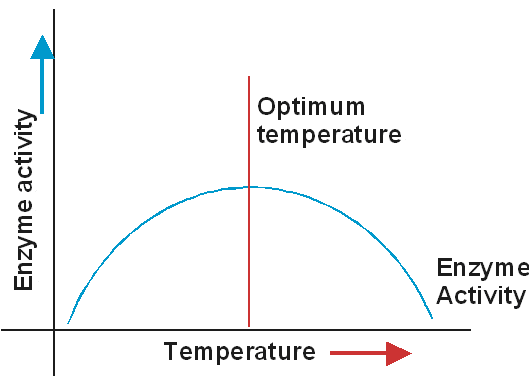
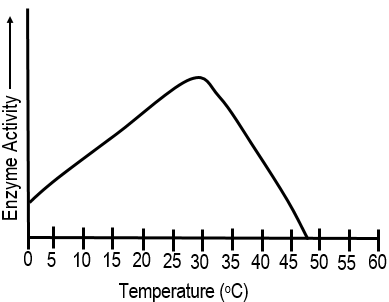
At high temperatures enzyme activity declines because:
enzymes denature changing the shape of the active site
enzymes disappear
Increased H-Bonding
fit with the substrate causing a reaction