
 Worksheets
Chapter 3 - Review
Total questions: 52
Worksheet time: 26mins
The area to the rear of the car not seen in mirrors is...
not necessary for driver vision.
a blind spot
seen by adjusting mirrors
directly behind the car
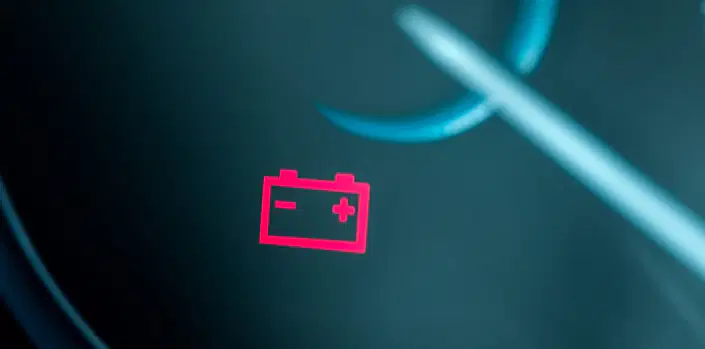
What does this warning light mean?
Everything is normal.
There is a problem in the electrical/charging system.
The headlights are on high beam.
The seat belt reminder light is designed to:
Tell everyone to put their dang seat belts on !
Indicate that all doors are locked.
Turn off when belts are unfastened.
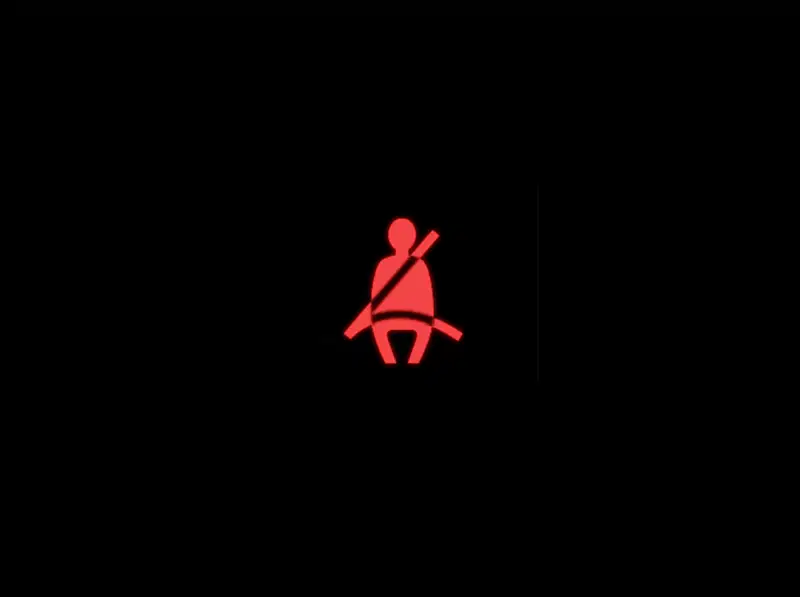
What does this warning light mean?
Remind occupants to fasten their safety belts.
Indicate that all doors are locked.
Turn off when belts are unfastened.
If the air-bag system is not operating correctly:
The warning light will stay on.
The vehicle will shut down.
A reset button will fix it.
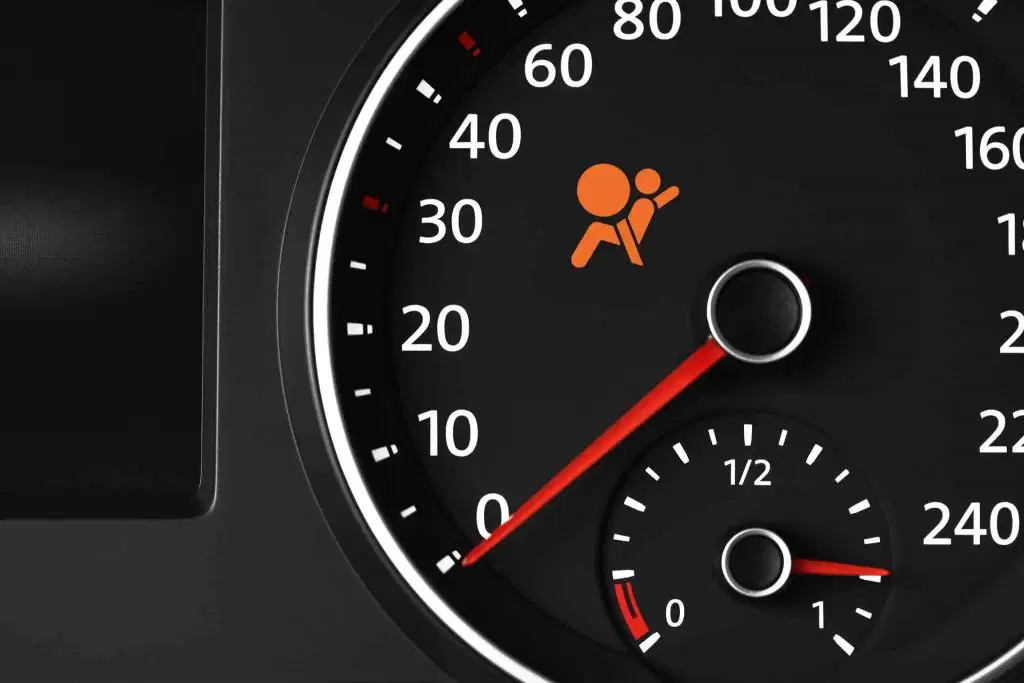
What does this warning light mean?
Airbags are not working or inactive.
The vehicle will shut down.
A reset button will fix it.
Pressing the brake pedal also:
Applies the parking brake.
Turns on the rear brake lights to warn drivers behind you.
Turns on the brake-system warning light.
Trying to start an engine that is already running can:
Improve fuel economy.
Damage the starter motor.
Reset warning lights.
Before pulling away from the right curb, your final check should be:
Over your left shoulder and mirrors again.
Only the inside rearview mirror.
Over your right shoulder only.
In an automatic transmission, you should shift between Drive and Reverse:
Only when the vehicle is completely stopped.
While rolling slowly.
While accelerating.
For a routine stop, the safest technique is to:
Gradually decrease brake pressure as you approach your stopping point.
Brake hard at the end.
Pump the brakes rapidly.
When stopped briefly and expecting to move again soon (e.g., at a red light), the gear selector should be:
Drive (D), with your foot on the brake.
Park (P).
Neutral (N).
To make the stop feel smooth at the very end, you should:
Ease off a small amount of brake pressure in the last 1–2 seconds.
Apply more pressure in the last 1–2 seconds.
Shift to Neutral as you stop.
The primary purpose of cruise control is to:
Maintain a selected speed on highways/expressways.
Control the car in all weather.
Prevent speeding tickets automatically.
A safety belt should be adjusted so it:
Fits snugly against your body.
Is loose for comfort.
Is worn under your arm.
Even with mirrors adjusted properly, you still have:
No blind spots.
Blind spots that require a shoulder check.
A full 360-degree view.
When entering your vehicle from the street side, you should:
Face oncoming traffic and open the door only when it’s safe.
Open the door quickly without looking.
Stand with your back to traffic.
The last thing you should do when leaving your car is:
Leave the windows open.
Lock all doors.
Turn on the hazard flashers.
To alert drivers behind that you intend to slow or stop, you can:
Tap the brake pedal to flash the brake lights.
Turn on your high beams.
Sound the horn twice.
Hand-over-hand steering means:
Letting the wheel slide through your hands.
Crossing one hand over the other to continue turning the wheel.
Steering with one hand only.
The oil-pressure warning light indicates:
Oil is not circulating at proper pressure.
The coolant is low.
The fuel tank is full.
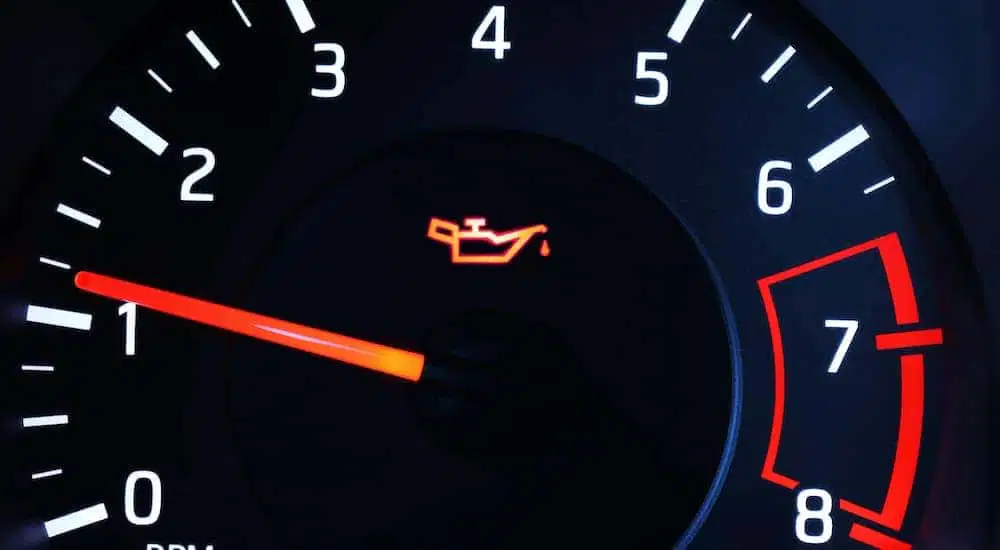
What does this warning light mean?
Oil is not circulating at proper pressure.
The coolant is low.
The fuel tank is full.
The charging/alternator warning light is best described as:
A test light that proves the alternator is fine.
An indicator of trouble in the charging system.
A reminder to change the oil.
The seat belt reminder light turns on primarily to:
Confirm the air bags are armed.
Prompt occupants to buckle up.
Signal that the engine is cold.
If the air-bag warning light stays on during driving, you should assume:
The system may not deploy properly in a crash.
The horn is disabled.
The brakes will fail.
In the ACC position of the ignition switch:
Electrical accessories can be used without the engine running.
The engine idles at low speed.
The transmission shifts automatically.
When you press the brake pedal, drivers behind you are alerted because:
The turn signals activate.
The brake lights illuminate.
The headlights flash.
Repeatedly turning the key on a running engine can:
Save battery life.
Cause expensive starter damage.
Improve alternator output.
Just before you leave a parking spot at the curb, you should check:
Only the rearview mirror.
Mirrors and then over your left shoulder for the blind spot.
Only the side mirror on the right.
Shifting from Drive to Reverse in an automatic while moving can:
Be done at low speed.
Damage the transmission; always stop first.
Improve stopping distance.
To stop smoothly in normal driving, you should:
Start braking early and ease off pressure as the car settles to a stop.
Brake late and hard.
Coast in Neutral.
At a temporary stop (such as at a stop sign) in an automatic, the correct gear is:
Drive (D).
Park (P).
Reverse (R).
As your vehicle comes to the last few feet of a stop, the best technique is to:
Maintain the same brake pressure.
Release a little pressure to avoid a jolt.
Press harder to stop faster.
Cruise control is most appropriate when:
Traffic is light and speeds are steady on highways.
Driving on winding city streets.
Driving in stop-and-go rush hour.
To indicate a left turn, move the turn-signal lever...
up so the lever remains on.
down so the lever remains on.
up with a light touch.
With inside and outside mirrors set correctly, you still must:
Ignore blind spots.
Check blind spots with a quick shoulder glance before moving.
Rely only on the rearview mirror.
When approaching your car from the street side, you should:
Move toward the front to see oncoming traffic and wait for a gap.
Keep your back to traffic.
Open the door immediately.
Before walking away from a parked vehicle, you should:
Leave it in Neutral.
Lock all doors.
Leave the lights on.
To let following drivers know you’ll slow down gently, you can:
Tap the brake pedal lightly to activate the brake lights.
Wave your hand out the window.
Turn on your turn signal.
Hand-over-hand steering is used primarily when:
Making sharper turns where more wheel rotation is needed.
Driving straight at highway speed.
Backing straight in a parking lot.
To indicate a right turn, move the turn-signal lever...
up so the lever remains on.
down so the lever remains on.
down with a light touch.
The alternator/charging light coming on indicates:
Trouble in the electrical system that charges the battery.
Low engine temperature.
A burned-out headlight.
The seat belt reminder is:
A prompt to fasten belts for safety.
A signal that cruise control is engaged.
A parking brake indicator.
If the air-bag system isn’t ready to protect you, the car typically:
Shows a warning light that remains on.
Lowers the windows automatically.
Activates the horn.
In ACC mode, which statement is true?
Accessories like the radio can be used without starting the engine.
The engine idles at half speed.
The transmission is locked in Park.
Depressing the brake pedal communicates to drivers behind because:
A buzzer sounds outside the car.
Red brake lights illuminate at the rear.
The hazard lights flash automatically.
Continuing to turn the key after the engine has started:
Risks damaging the starter mechanism.
Heats the engine faster.
Extends battery life.
Before merging into traffic from a curb, the correct final visual check is:
Over your left shoulder to cover the blind spot.
Over your right shoulder only.
Down at the instrument panel.
Before shifting from park to drive, you should...
shift into neutral and wait a second
press down on the brake pedal
apply the parking brake
The best description of a smooth, routine stop is:
Early, steady braking with pressure reduced as you reach your stop.
Coasting to a stop without braking.
Braking hard in the last few feet
12.Which of the following statements about blind spots is true?
They are eliminated if you have one outside mirror on each side of the vehicle.
Large trucks have bigger blinds spots than most passenger vehicles.
Blind spots can be checked by looking in your rear view mirrors.

