
 Worksheets
Types of Hypersensitivities
Total questions: 96
Worksheet time: 48mins

What is the mediator for Type I hypersensitivity?
IgE
IgG/IgM
Antigen-antibody complex
T cells

Which antigen form is associated with Type II hypersensitivity?
Soluble antigen
Cell-bound antigen
Soluble/cell bound antigen
Antigen-antibody complex

Fill in the blank: The mechanism of action for Type III hypersensitivity involves antigen-antibody complexes being deposited in tissues where they activate _______ chain causing local inflammation and recruitment of leukocytes.
complement
cytokine
immunoglobulin
histamine

Which of the following is an example of Type IV hypersensitivity?
Anaphylaxis
Acute transfusion reaction
Rheumatoid arthritis
Contact dermatitis

What is the time course for Type I hypersensitivity?
Immediate-phase: minutes; Late-phase: 8-12 hours
Immediate-phase: 24-48 hours; Late-phase: 72 hours
Immediate-phase: seconds; Late-phase: 1-2 hours
Immediate-phase: 12 hours; Late-phase: 24-36 hours
Which hypersensitivity type is mediated by T cells?
Type I
Type II
Type III
Type IV

Which type of hypersensitivity is associated with food allergies?
Type I
Type II
Type III
Type IV

Systemic lupus erythematosus is an example of Type III hypersensitivity.
True
False

What is the mechanism of action for Type II hypersensitivity?
IgG/IgM antibodies bind to cell antigens, leading to complement activation and destruction of the cell
T cells directly attack and destroy infected cells
IgE antibodies trigger mast cell degranulation and histamine release
Immune complexes deposit in tissues, causing inflammation and tissue damage
What is an example of a Type I hypersensitivity reaction?
anaphylaxis
contact dermatitis
serum sickness
tuberculin reaction
Type II hypersensitivity reactions are immune responses against antigens that are integral part of cell membrane and are usually associated with autoimmune disorders. They are antibody mediated (IgG or IgM). What is an example of a Type II hypersensitivity reaction?
Blood transfusion reactions
Serum sickness
Contact dermatitis
Anaphylactic shock
Which type of hypersensitivity reaction is mediated by immune complexes and causes vasculitis?
Type III
Type I
Type II
Type IV
Type IV hypersensitivity reactions are purely cell mediated immune responses associated with chronic inflammation. What is an example of a Type IV hypersensitivity reaction?
contact dermatitis
anaphylaxis
serum sickness
hemolytic anemia
According to the mnemonic provided, what does 'ABCD' stand for in hypersensitivity reactions?
I = allergic anaphylactic, II = antibody, III = immune complex, IV = delayed
I = antibody, II = allergic anaphylactic, III = delayed, IV = immune complex
I = immune complex, II = delayed, III = antibody, IV = allergic anaphylactic
I = delayed, II = immune complex, III = allergic anaphylactic, IV = antibody
What type of hypersensitivity reaction is associated with latex allergy?
Type I
Type II
Type III
Type IV
The protein found in natural latex rubber products is a specific _______.
allergen
enzyme
vitamin
carbohydrate
The allergen in latex causes interaction with IgE.
True
False
True or False: The incidence of latex allergy is decreasing.
True
False
Which group is especially susceptible to latex allergy?
Teachers
Health care workers
Engineers
Artists
Which of the following is a latex cross-reactive food?
Apple
Chicken
Rice
Beef
Which of the following is NOT a latex cross-reactive food?
Banana
Carrot
Fish
Celery
Fill in the blank: _______ is a latex cross-reactive food that starts with the letter 'K'.
Kiwi
Kale
Kumquat
Kohlrabi
List any three latex cross-reactive foods mentioned in the image.
Banana, Avocado, Chestnut
Apple, Carrot, Potato
Tomato, Grape, Mango
Peach, Pear, Pineapple
Which of the following is a way allergens can contract in Type I Hypersensitivity?
Inhaled (plant pollens, fungal spores, animal dander, house dust, grass, ragweed)
Ingested (foods, food additives, drugs)
Injected (insect or other venom, drugs, biologic substances such as contrast dyes)
Skin or mucous membrane contacted (latex, pollens, foods, environmental proteins)
All of the above
Fill in the blank: Allergens can be contracted by being ________ (e.g., plant pollens, fungal spores, animal dander, house dust, grass, ragweed).
inhaled
digested
absorbed through skin
injected
Fill in the blank: Allergens can be contracted by being ________ (e.g., foods, food additives, drugs).
ingested
touched
inhaled
seen
Fill in the blank: Allergens can be contracted by being ________ (e.g., insect or other venom, drugs, biologic substances such as contrast dyes).
injected
inhaled
digested
absorbed
Fill in the blank: Allergens can be contracted by ________ (e.g., latex, pollens, foods, environmental proteins) contacting the skin or mucous membrane.
skin or mucous membrane
digestive enzymes
bloodstream only
respiratory muscles
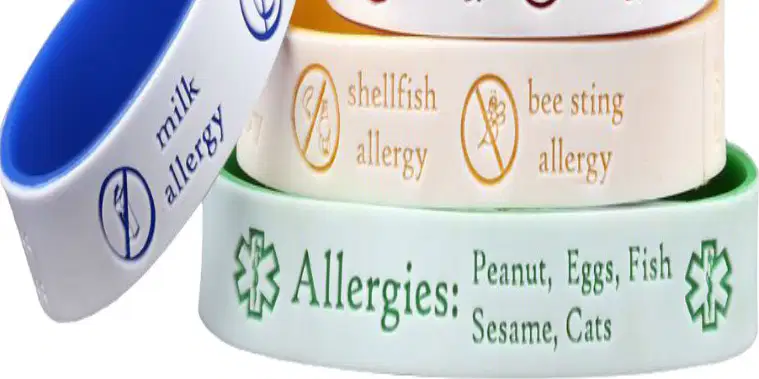
Which of the following is NOT listed as a common allergy on the wristbands in the image?
Peanut
Dairy
Shellfish
Wheat

Bee sting allergy is an example of an allergen that can be contracted by injection.
True
False

What is one of the 5 cardinal signs of inflammation?
Warmth
Paleness
Numbness
Dryness
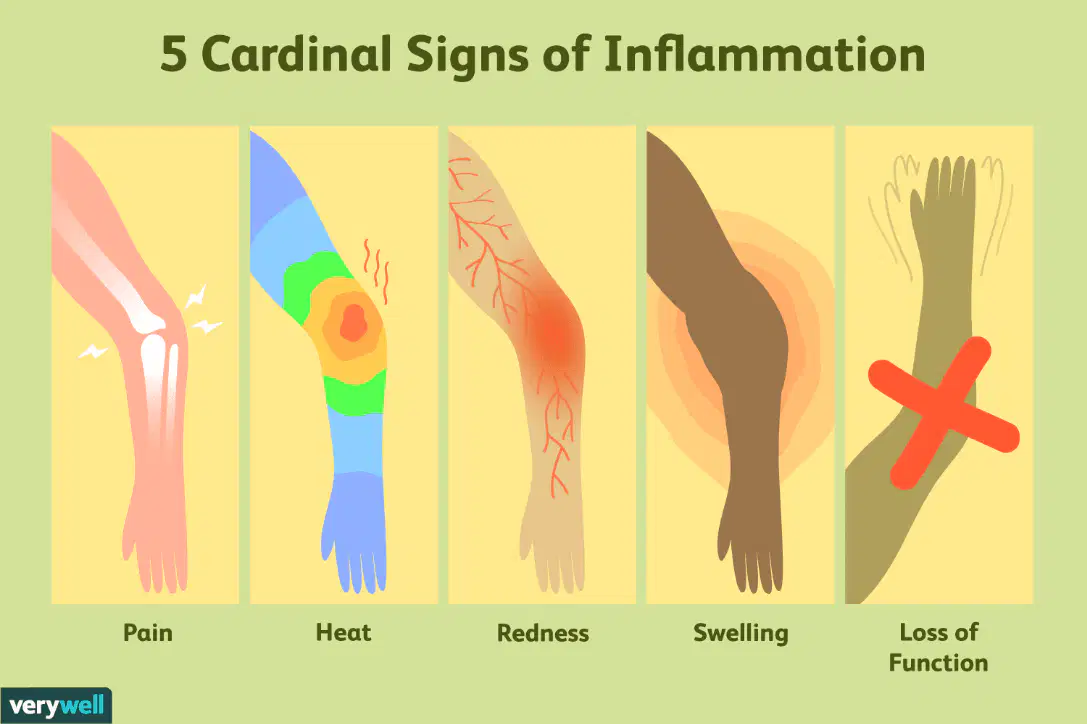
What is one of the 5 cardinal signs of inflammation?
Redness
Numbness
Itching
Bruising

What is one of the 5 cardinal signs of inflammation?
Swelling
Fever
Headache
Nausea
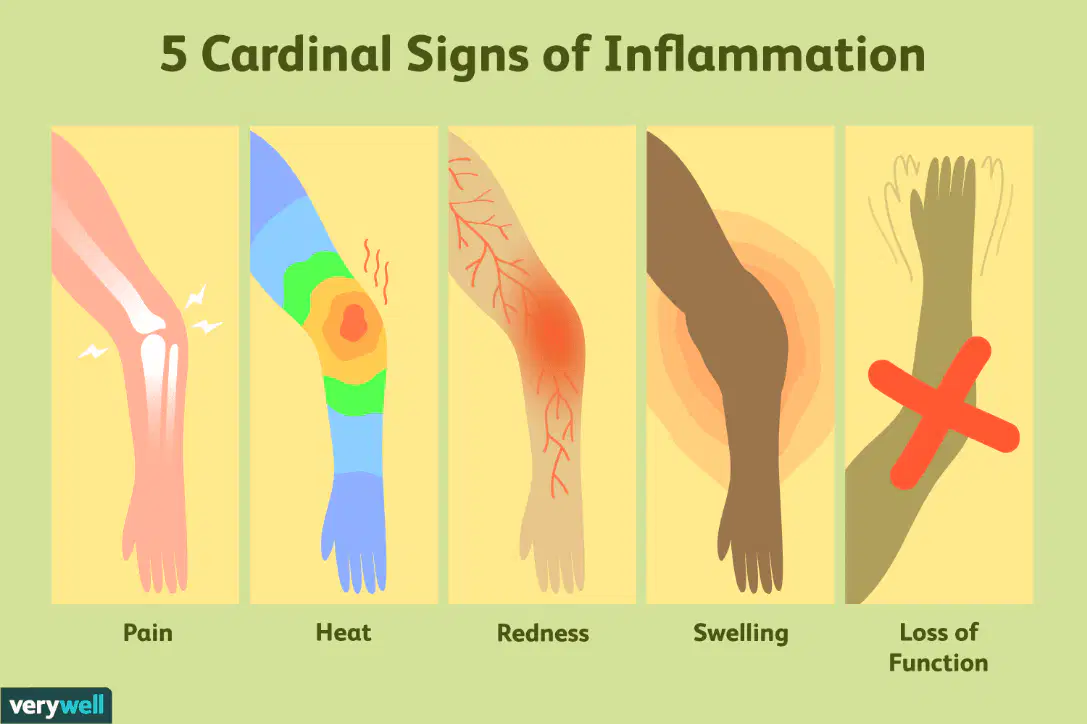
What is one of the 5 cardinal signs of inflammation?
Pain
Fever
Nausea
Dizziness

What is one of the 5 cardinal signs of inflammation?
Decreased function
Increased appetite
Improved vision
Lowered blood pressure
Which category does Birch belong to?
Trees
Grasses
Weeds
Molds
Which category does Bahia belong to?
Trees
Grasses
Weeds
Indoor
Which category does Sage belong to?
Trees
Grasses
Weeds
Indoor

Which category does Cat belong to?
Trees
Indoor
Weeds
Molds
Which category does Mold (alternaria alternata) belong to?
Trees
Grasses
Indoor
Molds
What type of hypersensitivity reaction is angioedema?
Type I
Type II
Type III
Type IV
Which of the following areas can be affected by angioedema?
Lips
Face
Tongue
All of the above
Fill in the blank: Angioedema involves the blood vessels and all layers of the skin, mucous membranes, and ______ tissues in the affected area.
subcutaneous
muscular
cartilaginous
osseous
Which class of medication is associated with angioedema when used for hypertension?
Beta-blockers
ACEIs (-pril)
Calcium channel blockers
Diuretics
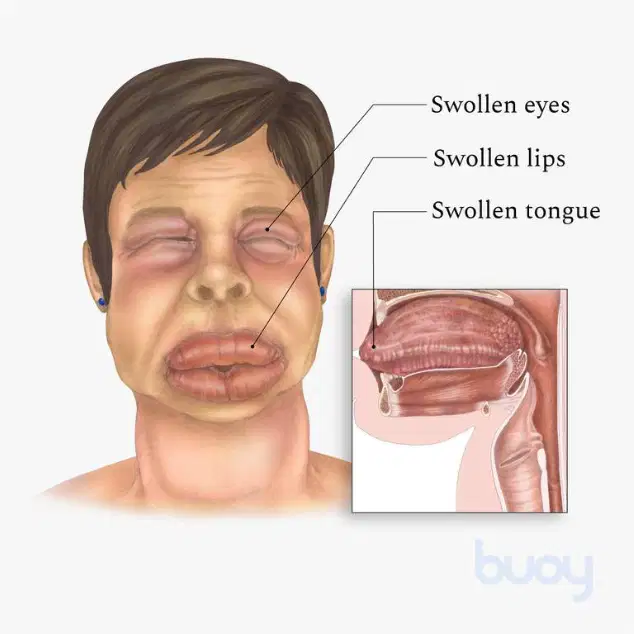
According to the diagram, which of the following is NOT a symptom of angioedema?
Swollen eyes
Swollen lips
Swollen tongue
Swollen ears
Which type of drugs are especially important to consider in the history when assessing for angioedema?
Antibiotics
Blood pressure control drugs
Painkillers
Antidepressants
Which of the following is a physical assessment finding in angioedema?
Lip swelling and itching in the back of the throat
Rash on the arms
Fever
Joint pain
Fill in the blank: Deep, firm swelling of the _______, lips, tongue, and neck is a sign of angioedema.
face
hands
feet
arms
Difficulty speaking and drinking can be a symptom of angioedema.
True
False
Which of the following is NOT a symptom of angioedema?
Nasal swelling
Difficulty speaking
Itching in the back of the throat
High blood sugar
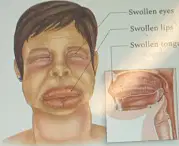
The image shows a person with swollen lips. Which physical sign of angioedema is being demonstrated?
Swelling of the lips
Rash on the arms
Bruising of the face
Redness of the eyes
Which of the following is the first step in the interventions for angioedema?
Ensure an adequate airway
Stop the reaction
Administer corticosteroids
Provide oxygen
Fill in the blank: One of the interventions for angioedema is to ensure an adequate _______.
airway
pulse
temperature
reflex
Which drug therapies are mentioned as interventions for angioedema?
Antibiotics and Antivirals
Corticosteroids and Epinephrine
Insulin and Metformin
Antihistamines and Decongestants
Oxygen and possible intubation or tracheostomy are interventions for angioedema.
True
False
What is a medical emergency associated with Type I Hypersensitivity?
Anaphylaxis
Myocardial infarction
Stroke
Diabetic ketoacidosis
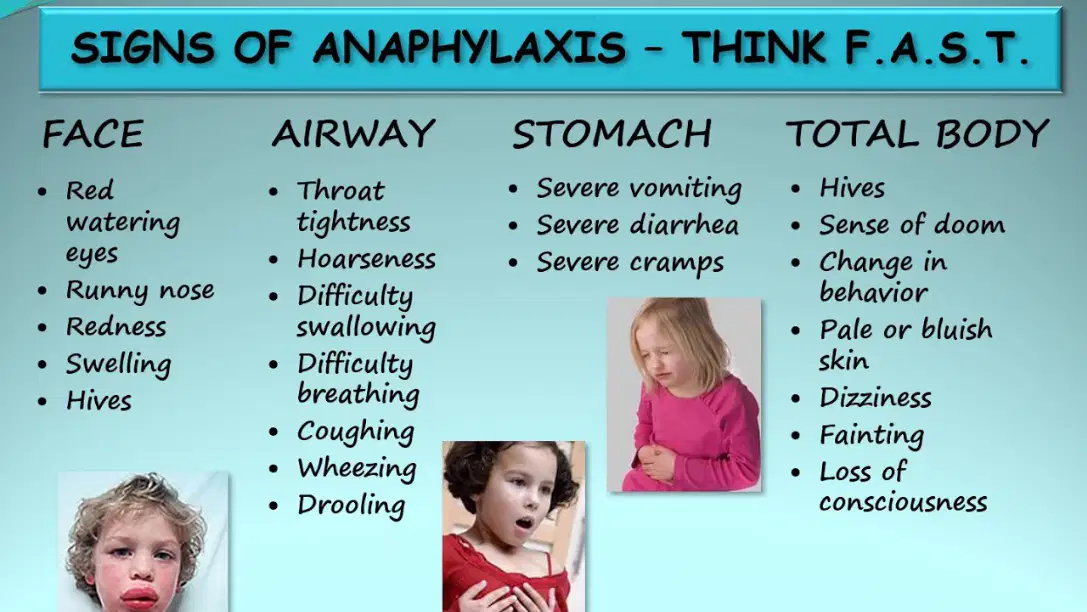
Which of the following is NOT a sign of anaphylaxis affecting the face?
Red watering eyes
Runny nose
Severe vomiting
Swelling
Fill in the blank: Anaphylaxis can cause blood vessel ________, decreased cardiac output, and bronchoconstriction.
dilation
constriction
rupture
blockage

Which of the following is a sign of anaphylaxis affecting the airway?
Hives
Throat tightness
Severe cramps
Pale or bluish skin

Severe diarrhea is a sign of anaphylaxis affecting the stomach.
True
False
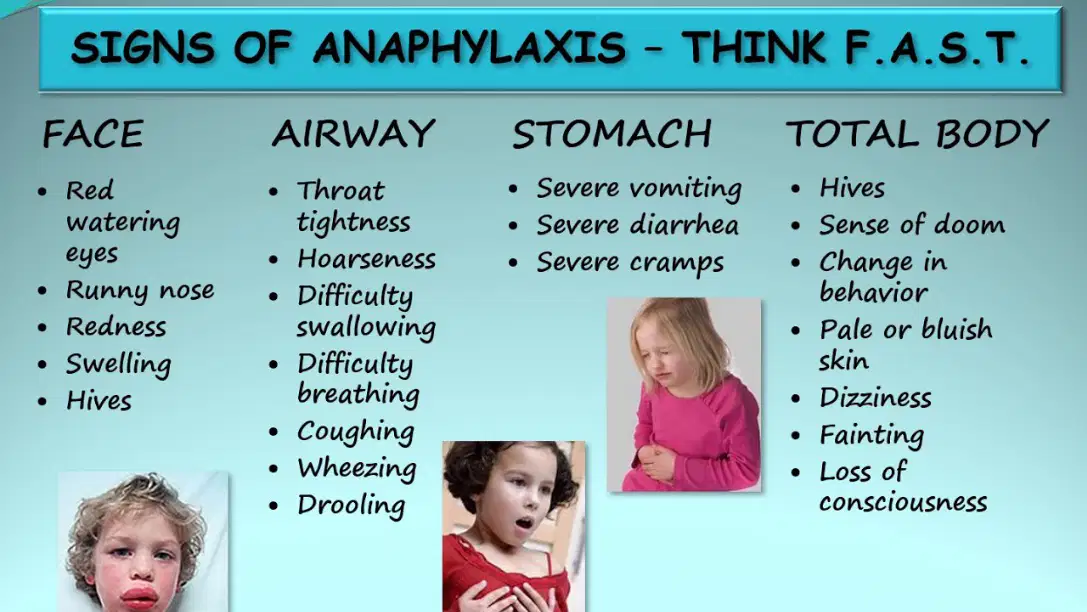
Which of the following is NOT a total body sign of anaphylaxis?
Hives
Sense of doom
Difficulty swallowing
Dizziness
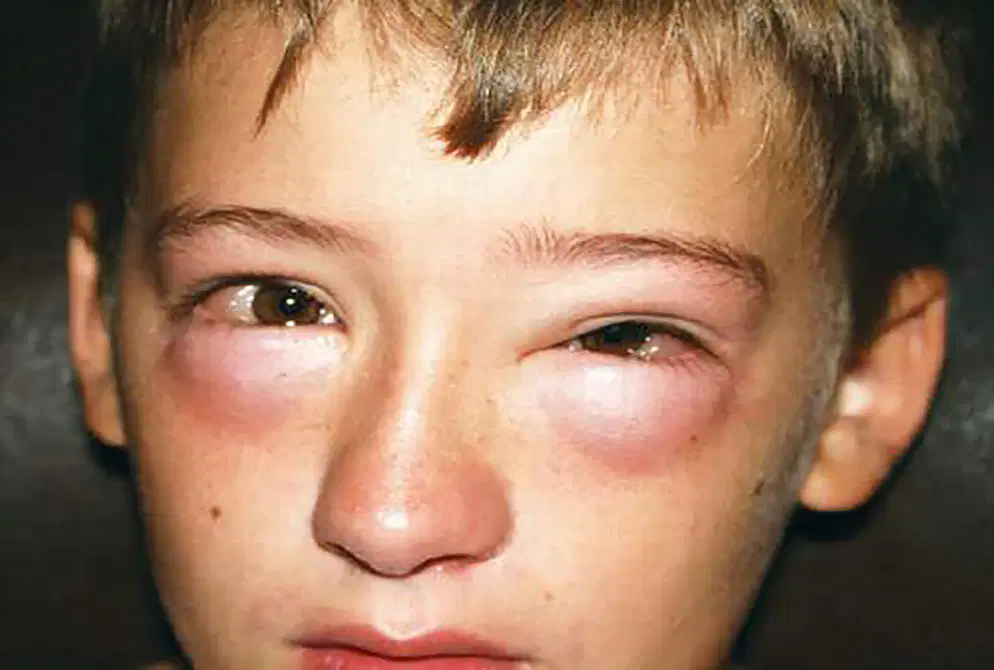
What is Anaphylaxis (Type 1 Hypersensitivity Reaction)?
A) A mild allergic reaction
B) A life-threatening type I hypersensitivity reaction
C) A slow, localized reaction
D) A non-fatal condition
Which of the following are characteristics of Anaphylaxis (Type 1 Hypersensitivity Reaction)?
A) Rapid and systemic
B) Slow and localized
C) Only affects the skin
D) Always mild
Anaphylaxis (Type 1 Hypersensitivity Reaction) can be fatal.
True
False
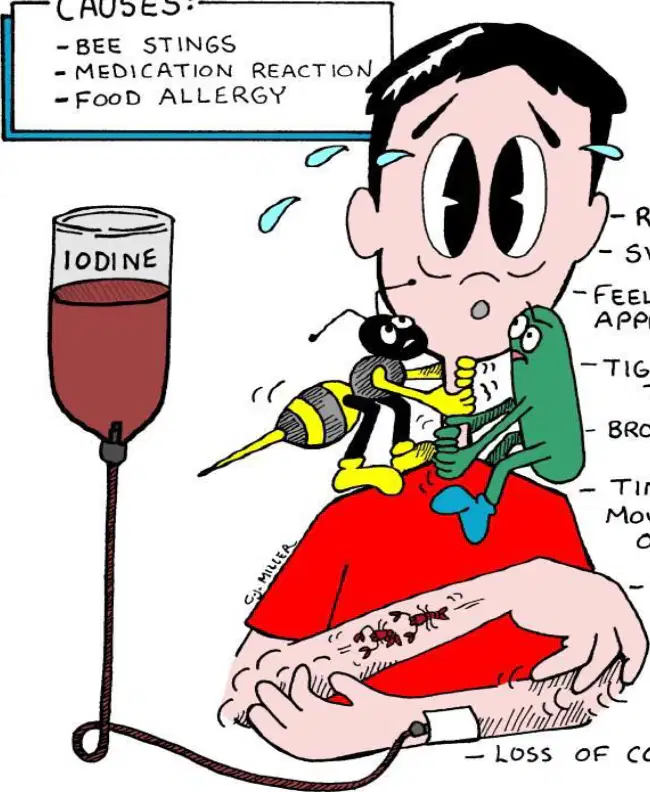
Which of the following is NOT a cause of an anaphylactic reaction?
Bee stings
Medication reaction
Food allergy
Viral infection
Fill in the blank: Initial symptoms of anaphylaxis may be _______.
subtle
severe
obvious
delayed
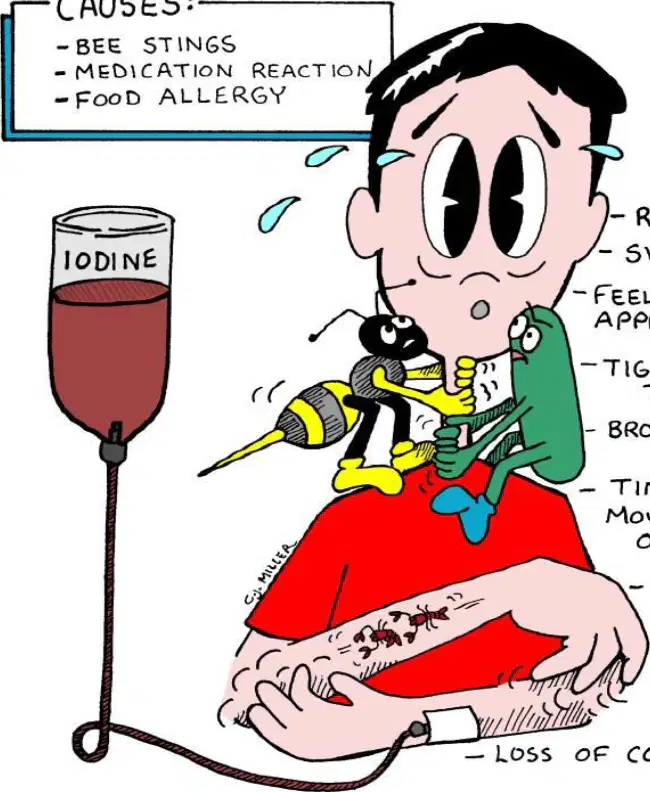
Which of the following is a symptom of an anaphylactic reaction?
Rapid onset
Sweating
Tightness in throat
All of the above
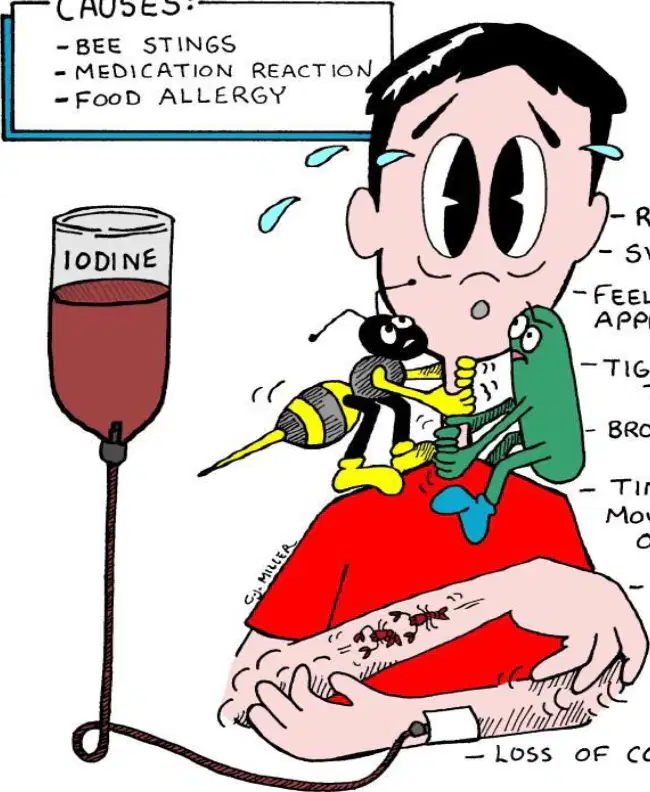
Bronchospasms and loss of consciousness can be symptoms of an anaphylactic reaction.
True
False
Which of the following is NOT listed as an assessment finding for anaphylaxis?
Mucosal edema
Bronchoconstriction
Vasodilation
Fever
Which intervention involves removing or stopping exposure to the allergen during anaphylaxis?
Remove/stop exposure to allergen
Administer antibiotics
Apply a cold compress
Increase fluid intake
What is recommended for airway management during anaphylaxis?
Airway Management & high flow oxygen
Nebulized corticosteroids only
Oral antihistamines only
No intervention needed
Who should be alerted during an anaphylactic emergency?
Rapid Response Team
Housekeeping Staff
Cafeteria Workers
IT Support Team
What equipment should be ready to ensure airway safety during anaphylaxis?
Intubation and tracheotomy equipment
Blood pressure cuff and stethoscope
Defibrillator and ECG machine
Nebulizer and oxygen mask
What type of access is important to establish during anaphylaxis intervention?
IV access
Oral access
Nasal access
Subcutaneous access
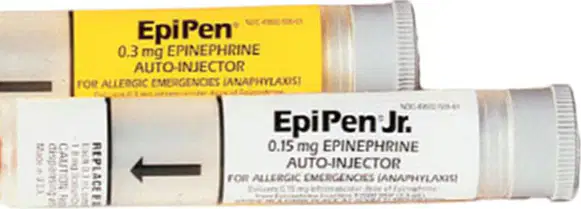
Which medication is administered IV or IM for anaphylaxis, and can be given via an auto-injector?
Epinephrine (Epi-pen auto injector)
Diphenhydramine (Benadryl)
Albuterol (Ventolin)
Prednisone
What is an important consideration for the patient's body position during anaphylaxis intervention?
Positioning
Medication timing
Dietary restrictions
Temperature control
Which antihistamine can be given IV or IM during anaphylaxis intervention?
Diphenhydramine
Cetirizine
Loratadine
Fexofenadine
Which type of medication can be administered by inhalation to help with breathing during anaphylaxis?
Bronchodilator
Antihistamine
Antibiotic
Analgesic
Which class of medication is given IV and then orally as the patient recovers from anaphylaxis?
Corticosteroids
Antihistamines
Beta-blockers
ACE inhibitors
Which of the following is the best way to prevent anaphylaxis?
Avoid known allergens
Ignore allergies
Take antibiotics
Eat all foods
What should you wear to alert others about your allergies?
A) A hat
B) Medical alert bracelet
C) Sunglasses
D) Gloves
Fill in the blank: If you have a history of severe allergies, you should carry an _______ kit or epinephrine injector.
anaphylaxis
antibiotic
antacid
antihistamine
Health records should prominently display a list of specific allergens.
True
False
Which of the following is NOT a recommended precaution for someone with a history of allergic reactions?
Notify health care personnel about specific allergies
Ignore symptoms
Implement precautionary measures if a drug must be used
Wear a medical alert bracelet
What are the signs and symptoms of Acute Hemolytic Transfusion Reactions?
Fevers, chills; nausea/vomiting; flank, chest pain; dyspnea
Rash, itching, mild urticaria only
Gradual onset of fatigue and pallor over weeks
Persistent cough and sore throat
Which antibody target is associated with Autoimmune Hemolytic Anemia?
RBC cell membrane
Platelet glycoproteins
Thyroid peroxidase
Acetylcholine receptor
Bullous Pemphigoid is associated with which antibody target?
Hemidesmosome (BP180)
Desmosome (Desmoglein 3)
Type VII Collagen
Epidermal Basement Membrane
Which syndrome is characterized by fetal kernicterus and death as signs and symptoms?
Erythroblastosis Fetalis
Down Syndrome
Turner Syndrome
Klinefelter Syndrome
Goodpasture Syndrome targets which organs with autoantibodies?
Renal, lung (Type IV collagen)
Liver, pancreas (Type I collagen)
Heart, brain (Type III collagen)
Skin, intestine (Type II collagen)
Graves' Disease involves autoantibodies against which receptor?
Thyrotropin (TSH) receptor
Insulin receptor
Acetylcholine receptor
Beta-adrenergic receptor
Which syndrome is diagnosed by elevated cerebrospinal fluid (CSF) protein?
Guillain-Barre Syndrome
Myasthenia Gravis
Multiple Sclerosis
Parkinson's Disease
Idiopathic Thrombocytopenic Purpura is associated with which pathophysiology?
Opsonization
Complement deficiency
Neutrophil chemotaxis
T-cell mediated cytotoxicity
Myasthenia Gravis is associated with autoantibodies against which target?
Nicotinic acetylcholine receptors
Muscarinic acetylcholine receptors
Voltage-gated calcium channels
Dopamine receptors
Pemphigus Vulgaris is diagnosed by which immunohistochemistry pattern?
IHC: 'fish net' IgG pattern
IHC: 'granular' IgA pattern
IHC: 'linear' C3 pattern
IHC: 'dot-like' IgM pattern
Which syndrome is associated with fatigue, glossitis, and B12 deficiency sequelae?
Pernicious Anemia
Iron Deficiency Anemia
Aplastic Anemia
Sickle Cell Anemia
What do deposited immune complexes trigger in Type III immune complex reactions?
Inflammation, resulting in tissue or vessel damage
Increased antibody production
Decreased antigen levels
No effect

