
Font size
 Worksheets
Physical Science: Ch 5: Fluid Mechanics
Total questions: 50
Worksheet time: 1hrs 15mins
1) Which has the greatest density?
A) 100 g / 1 L B) 1 g / 1 L C) 10 g / 1 L
2) Which has the greatest density?
A) 1 g / 10 L B) 1 g / 1 L C) 1 g / 100 L
1: A
2: B
1: B
2: A
1: C
2: C
1: A
2: C
1: B
2: C
1) ___ millimeters = 1 meter
2) ___ centimeters = 1 meter
3) ___ grams = 1 kilogram
4) ___ milliliters = 1 liter
1: 1000
2: 100
3: 1000
4: 1000
1: 100
2: 1000
3: 100
4: 100
1: 10
2: 100
3: 10
4: 10
1: 10000
2: 100
3: 10000
4: 10000
1: 1000
2: 100
3: 100
4: 1000
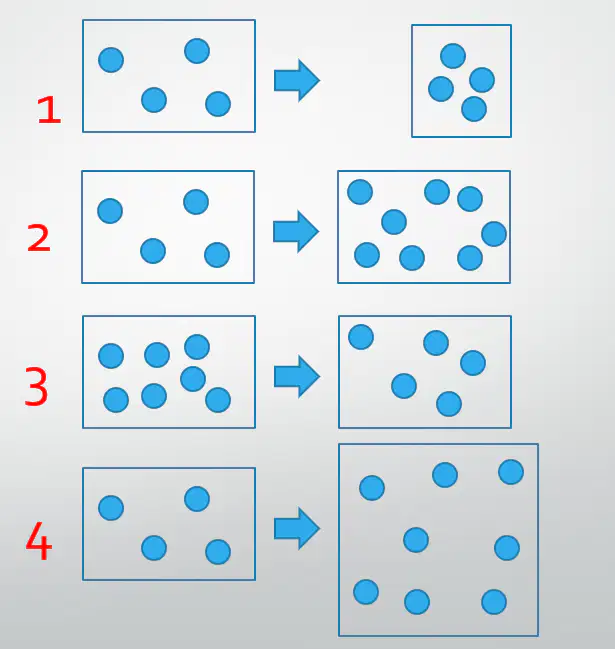
What happens to the density in each?
1: Increases
2: Increases
3: Decreases
4: Remains the same
1: Decreases
2: Decreases
3: Increases
4: Increases
1: Increases
2: Decreases
3: Remains the same
4: Decreases
1: Decreases
2: Increases
3: Decreases
4: Remains the same
1: Increases
2: Remains the same
3: Decreases
4: Increases
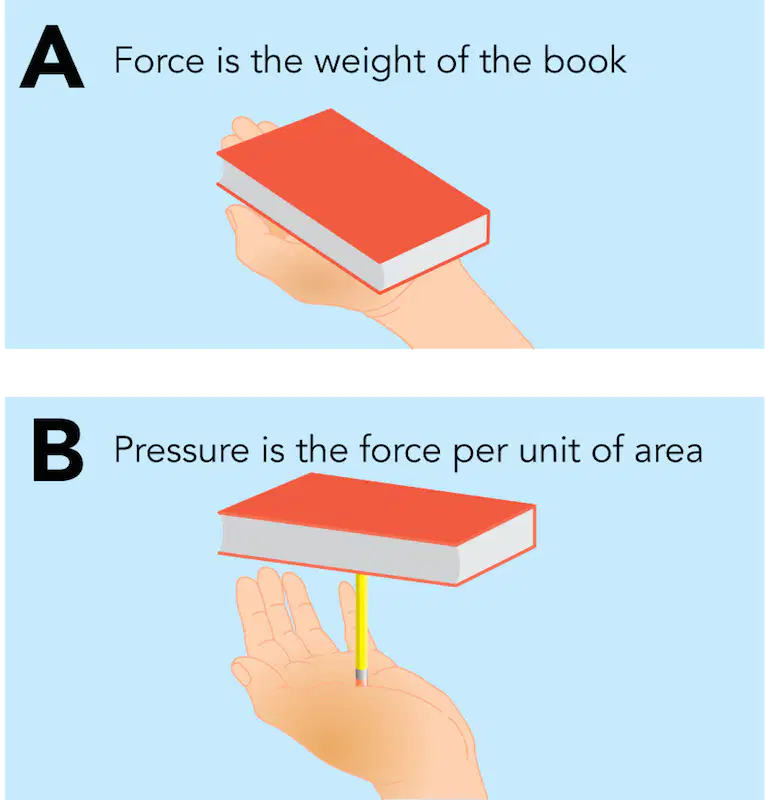
1) Same force, but different ___. Therefore, different pressure.
2) Hand A and B experience the same weight of the book, but hand B experiences a drastically greater ___.
3) A book lying on its edge exerts a ___ pressure than the same book lying on its face.
1: area
2: pressure
3: greater
1: density
2: pressure
3: greater
1: area
2: pressure
3: lesser
1: volume
2: density
3: lesser
1: area
2: density
3: lesser
Pressure is measured in ___.
Pascals
Joules
Watts
Newtons
meters / second
Pressure is measured in ___.
Newtons / square meter
grams / milliliter
kilograms*meters / second
meters / second / second
kilograms / liter
Density in g/mL:
1) Iron
2) Liquid water
3) Aluminum
4) Ice
1: 1.00
2: 0.92
3: 2.7
4: 7.8
1: 7.8
2: 1.00
3: 2.7
4: 0.92
1: 7.8
2: 2.7
3: 1.00
4: 0.92
1: 2.7
2: 0.92
3: 1.00
4: 7.8
1: 19.0
2: 1.00
3: 0.92
4: 2.7
Density in g/mL:
1) Lead
2) Gold
3) Osmium
4) Uranium
1: 11.3
2: 19.3
3: 22.5
4: 19.0
1: 22.5
2: 11.3
3: 19.0
4: 19.3
1: 11.3
2: 22.5
3: 19.0
4: 19.3
1: 19.0
2: 11.3
3: 19.3
4: 22.5
1: 19.0
2: 19.3
3: 22.5
4: 11.3
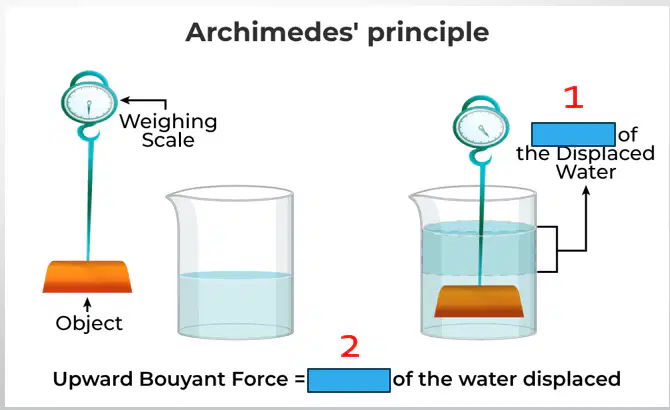
1: Volume
2: Weight
1: Weight
2: Volume
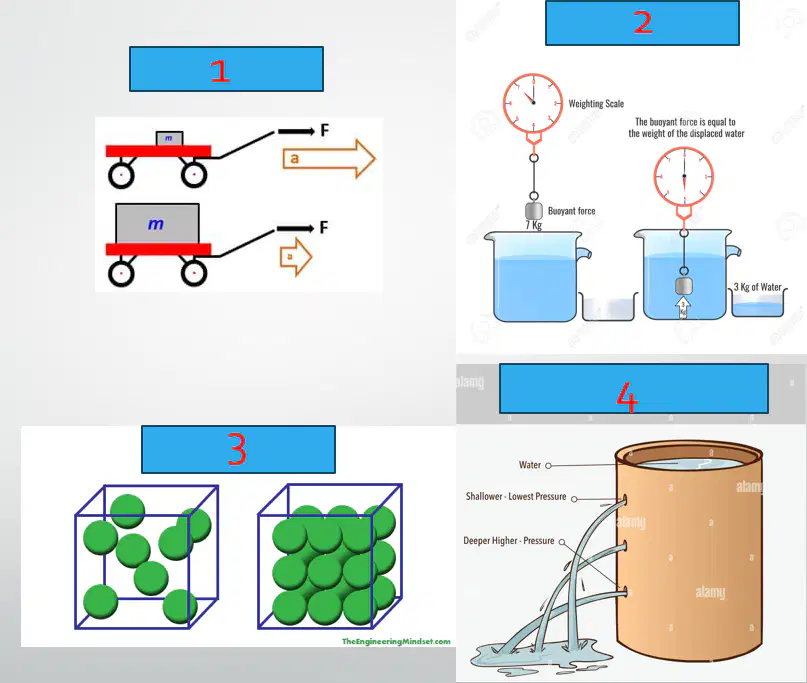
A) Density
B) Liquid pressure with depth
C) Archimedes’ Principle
D) Newton’s 2nd Law of Motion
1: D
2: C
3: A
4: B
1: D
2: A
3: C
4: B
1: C
2: D
3: B
4: A
1: B
2: C
3: D
4: A
1: B
2: A
3: D
4: C

Supplying water to 100's of homes is from a water tower which is based on:
water pressure increases with depth/height
Archimedes Principle
Bernoulli's Principle
density
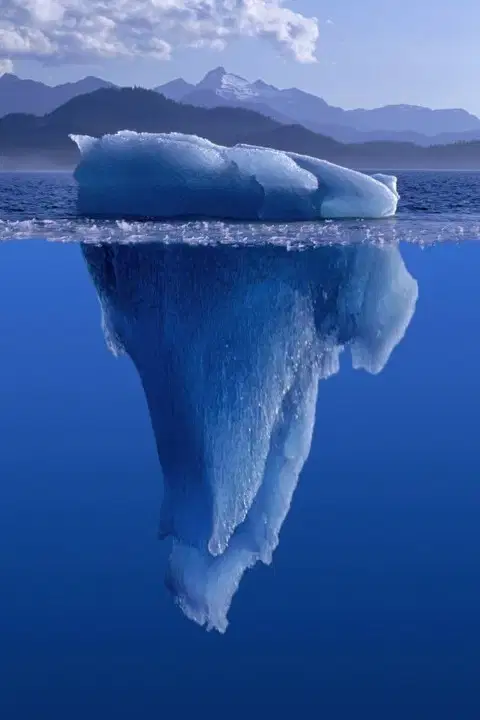
This best exemplifies:
density
Archimedes principle
water pressure increases with depth/height
Boyle's Law
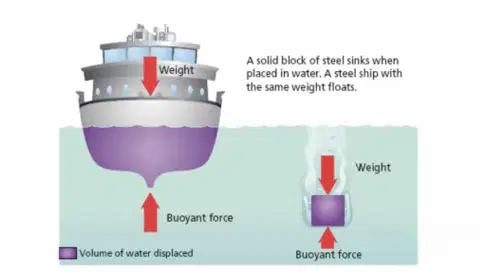
This best exemplifies:
Archimedes' Principle
density
water pressure increases with depth
Boyle's law
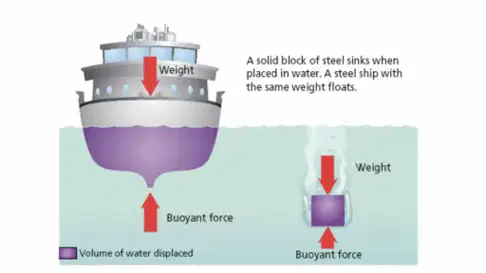
How can steel (iron mixed with a little carbon) float in water?
It never can, iron is 7.8 times as dense as water. It will always sink in water.
Steel will sink to a certain depth as water pressure increases and eventually stop sinking at equilibrium.
Regardless of shape, steel will always float in water
If the steel is in a shape that displaces enough water to equal its own weight, then it will float.
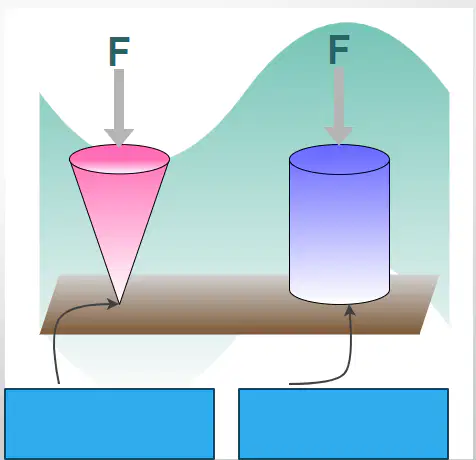
Both shapes are made of the same substance:
1) Which exerts a greater pressure on the table?
2) The main reason? ___ surface area.
1: the cone
2: a smaller surface area
1: the cylinder
2: surface area is not a factor in pressure
1: the cylinder
2: a larger surface area
1: the cone
2: surface area is not a factor in pressure
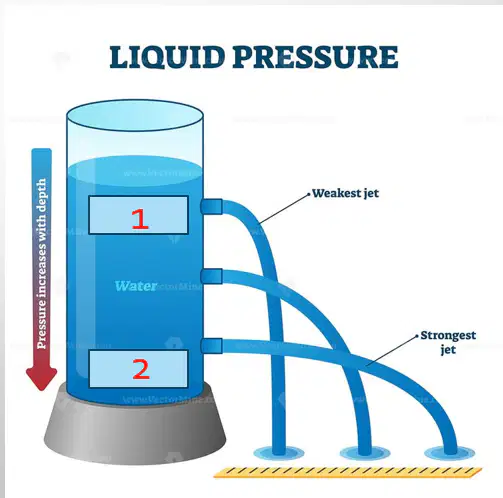
1: low pressure
2: high pressure
1: high pressure
2: low pressure
1: same pressure
2: same pressure
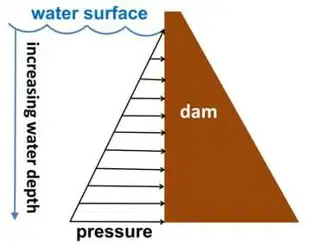
The width and reinforcement of a dam depends on:
only on how deep the water is behind the dam
only on the volume of water being held back by the dam
both the volume of water and the depth of the water being held back by the dam
Two dams need to be built. One for a large but shallow lake. One for a small but deep pond. The pond is twice as deep as the lake.
1) Which dam will be built with more width?
2) Does it matter if the volume of water in the lake is 1000 times greater than the pond?
1: the dam for the pond
2: no
1: the dam for the lake
2: yes
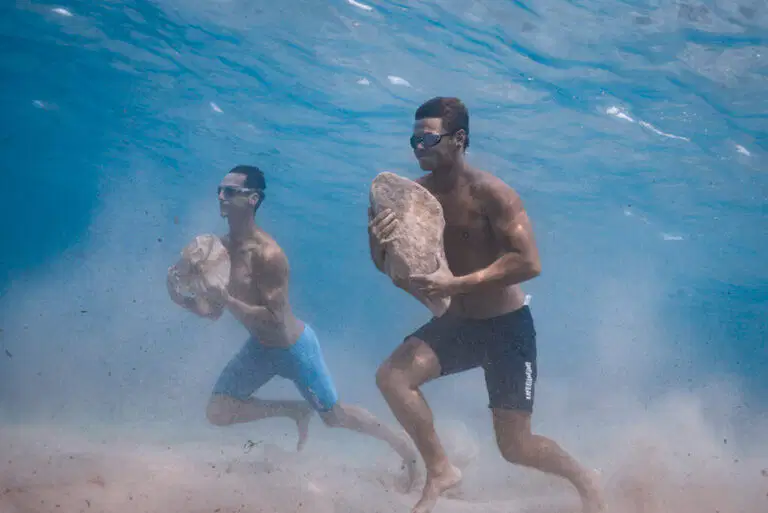
Why is a submerged rock easier to carry?
The differential water pressure on the top versus bottom create a net buoyant force
The rock expands its volume while submerged
The rock's density increases while submerged
The volume of a rectangular solid is L x W x H.
How could you determine the precise volume of an irregularly shaped object?
Submerge the object in a full container of water. What overflows is the volume of the object.
Wrap a tape measure around six different circumferences
Place the object over two empty containers. Then pour measured amounts of water on top of the object. Record the volume of the container that fills first.
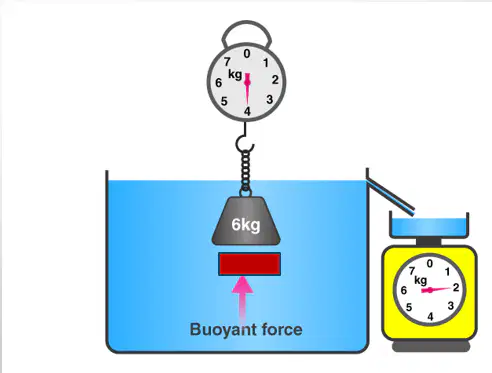
What is the buoyant force acting on the iron weight?
Approximately 20 Newtons
(2 kg x 10 m/s/s)
Approximately 10 Newtons
(2 kg x 5 m/s/s)
Approximately 2 Newtons
(2 kg x 1 m/s/s)
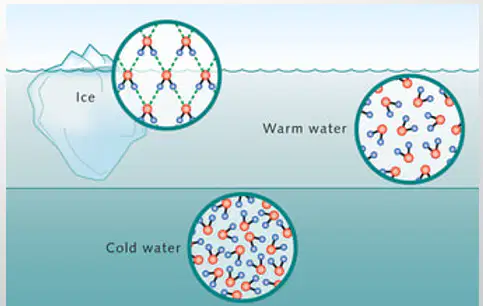
1) Which the densest?
2) Which is the least dense?
1: Cold water
2: Ice
1: Ice
2: Cold water
2: Warm water
3: Cold water
1: Ice
2: Warm water

As the boulder sinks into the lake, does the buoyant force increase as it sinks?
No, the net forces acting on the top and bottom remain constant
Yes, as the boulder sinks, the water pressure increases
As the boulder sinks into the lake, does the amount of displaced water change with depth?
No, the displaced amount remains constant, therefore the buoyant force remains constant.
Yes, as the boulder sinks, the amount of displaced water increases
Yes, as the boulder sinks, the amount of displaced water decreases

1 liter of aluminum, 1 liter of iron and 1 liter of lead are submerged in water.
1) Do they experience the same buoyant force?
2) Do they have the same mass?
3) Do they all sink to the bottom?
1: Yes
2: No
3: Yes
1: Yes
2: Yes
3: Yes
1: No
2: No
3: Yes
1: No
2: Yes
3: No
1: Yes
2: No
3: No
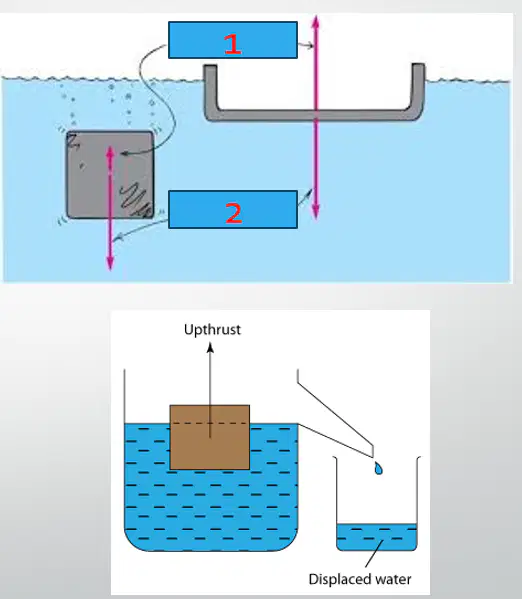
A) Weight on iron
B) Buoyant force
3) The weight of displaced water is equal to the weight of the floating object?
1: B
2: A
3: Yes
1: A
2: B
3: Yes
1: B
2: A
3: No
1: A
2: B
3: No
The Principle of Flotation: A floating object ___ a weight of fluid equal to its own weight
displaces
absorbs
destroys
1) The volume of a submerged body is equal to the ___ of the fluid displaced.
2) The weight of a floating body is equal to the ___ of the fluid displaced.
Volume Weight
1: volume
2: weight
1: weight
2: volume
1: volume
2: volume
1: weight
2: weight
1) The volume of a submerged body is equal to the ___ of the fluid displaced.
2) The weight of a floating body is equal to the ___ of the fluid displaced.
Identify the statements:
A: Archimedes Principle B: Principle of Flotation
1: A
2: B
1: B
2: A
1) The primary difference between them is the ___ between molecules.
2) They are ___ and free from the cohesive forces that dominate the motions of liquids and solids.
3) With this freedom of movement, a gas expands to fill all the available space and exerts a ___ against its container.
4) Only on the scale of planets and stars does ___ limit the size and shape of gas.
1: distance
2: far apart
3: pressure
4: gravity
1: distance
2: close together
3: pressure
4: gravity
1: cohesiveness
2: far apart
3: pressure
4: gravity
1: distance
2: far apart
3: pressure
4: electricity
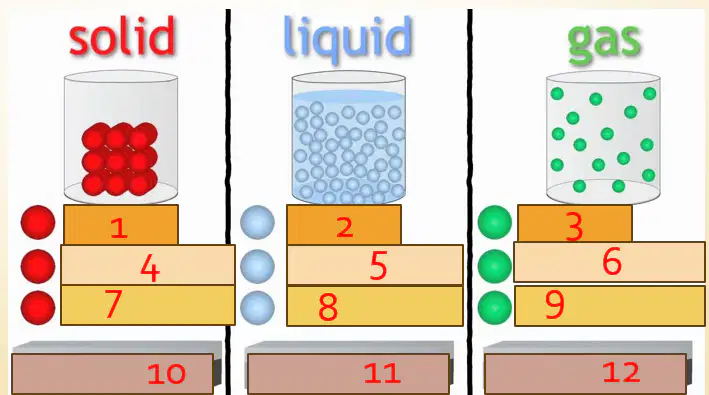
Answer 1, 4, 7, 10 for solid.
Rigid Not rigid
Fixed shape No fixed shape
Fixed volume No fixed volume
Cannot be squashed Can be squashed
1: Rigid
4: Fixed shape
7: Fixed Volume
10: Cannot be squashed
1: Not rigid
4: Fixed shape
7: Fixed Volume
10: Cannot be squashed
1: Rigid
4: No fixed shape
7: Fixed Volume
10: Cannot be squashed
1: Rigid
4: Fixed shape
7: No Fixed Volume
10: Cannot be squashed
Answer 2, 5, 8 11 for liquid.
Rigid Not rigid
Fixed shape No fixed shape
Fixed volume No fixed volume
Cannot be squashed Can be squashed
2: Not Rigid
5: No Fixed shape
8: Fixed Volume
11: Cannot be squashed
2: Not rigid
5: Fixed shape
8: Fixed Volume
11: Cannot be squashed
2: Rigid
5: No fixed shape
8: Fixed Volume
11: Cannot be squashed
2: Rigid
5: Fixed shape
8: No Fixed Volume
11: Cannot be squashed
Answer 3, 6, 9, 12 for gas.
Rigid Not rigid
Fixed shape No fixed shape
Fixed volume No fixed volume
Cannot be squashed Can be squashed
2: Not Rigid
5: No fixed shape
8: No fixed Volume
11: Can be squashed
2: Not rigid
5: No fixed shape
8: Fixed Volume
11: Cannot be squashed
2: Rigid
5: No fixed shape
8: Fixed Volume
11: Can be squashed
2: Rigid
5: Fixed shape
8: No Fixed Volume
11: Cannot be squashed
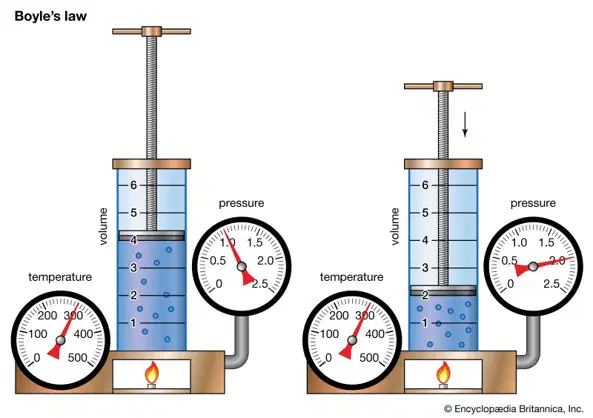
Boyle’s Law: P1V1 = P2V2
Temperature remains constant:
1) If the pressure increased, the volume must have ___.
2) If the volume increased, the pressure must have ___.
3) If the volume ___, the pressure must increase.
4) If the volume ___, the pressure must decrease.
1: decreased
2: decreased
3: decreases
4: increases
1: increased
2: decreased
3: decreases
4: increases
1: increased
2: increased
3: decreases
4: increases
1: decreased
2: decreased
3: increases
4: increases
1: decreased
2: decreased
3: decreases
4: decreases
Boyle's Law
1) P1V1 = 2P2___V2
2) P1V1 = ¼ P2___V2
3) P1V1 = ___P2 3V2
4) P1V1 = ___P2 1/5V2
1: 1/2
2: 4
3: 1/3
4: 5
1: 2
2: 1/4
3: 3
4: 1/5
1: 4
2: 8
3: 1/9
4: 25
If the atmosphere is like a stack of mattress, where do we live?
In the bottom, squished mattress
Somewhere is the middle mattress, which is under some pressure from above
Near the top mattress, which experiences very little pressure
Atmospheric pressure can push up a column of water how high?
33 feet
3.3 feet
0.33 feet
0.033 feet
You could actually drink through a straw that was 10 feet tall. Thanks atmospheric pressure!
True
False
Why is mercury a better liquid to use for a barometer?
2 answers are correct:
Its much higher density than water allows the tube to only be about 1 meter in length.
Water is transparent and hard to see.
Water is rare on the surface of Earth.
A water based tube would have to be at least 33.9 feet tall, which is not very convenient.
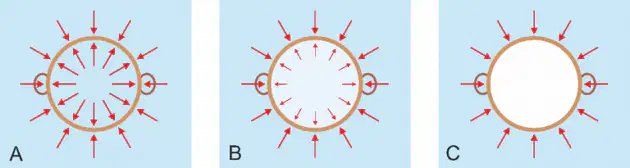
The Magdeburg hemispheres of 1654.
Where the hemispheres sucked together or pushed together?
pushed
sucked
1) Is there a buoyant force acting on your body right now?
2) If so, why do you not feel anything?
1: Yes
2: The density of air compared with the mass of your body is very little
1: Yes
2: Actually everyone else does, but they keep it a secret from you. In fact, everyone can float around and basically fly.
1: No
2: No buoyant force exists; it is a trick question.
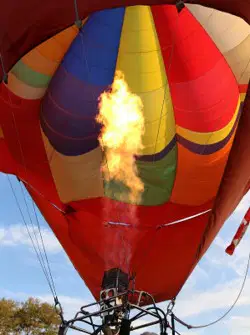
What does the flame do?
The increase in air temperature makes the hot air inside the balloon less dense than the surrounding atmosphere.
Purifies the air and rids it of toxins
It is used as a system of propulsion which allows you to travel around in the balloon.
It turns the atmosphere of oxygen and nitrogen into helium, which is much less dense than air.
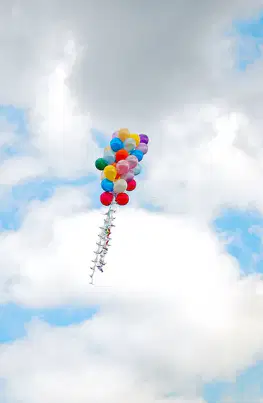
If you released a helium filled balloon, would it rise up all the way into space?
No, it would rise until the displaced air is equal in weight to the helium balloon. As you get higher, the air get thinner.
Yes, helium gas is lighter than oxygen and nitrogen gas. The rise would slow down, but it would eventually be above all the nitrogen and oxygen in the air.
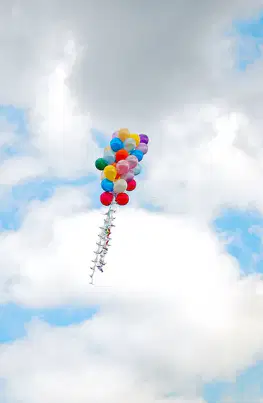
You have two types of balloons, and both are filled with helium. One type will not stretch anymore and will not expand any more. The other will stretch more and double its volume.
Which balloon will rise higher?
The balloon that can stretch, expand and displace more atmosphere even if that atmosphere is thinner.
The balloon that will not stretch, since a smaller volume and surface area will have less friction with its surface.
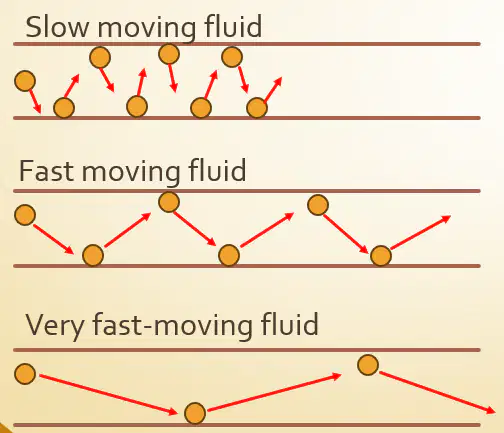
Bernoulli’s Principle: When the speed of a fluid increases, pressure in the fluid ___.
decreases
increases
remains constant
1) Bernoulli’s Principle: When the speed of a fluid increases, pressure in the fluid ___.
2) In slow moving fluid, there are ___ collisions with the sides of the surface or container.
3) As the fluid moves faster, the number of collisions with the sides decrease, thus decreasing the ___ exerted on the sides of the container.
1: decreases
2: many
3: pressure
1: increases
2: many
3: pressure
1: decreases
2: few
3: pressure
1: decreases
2: many
3: density
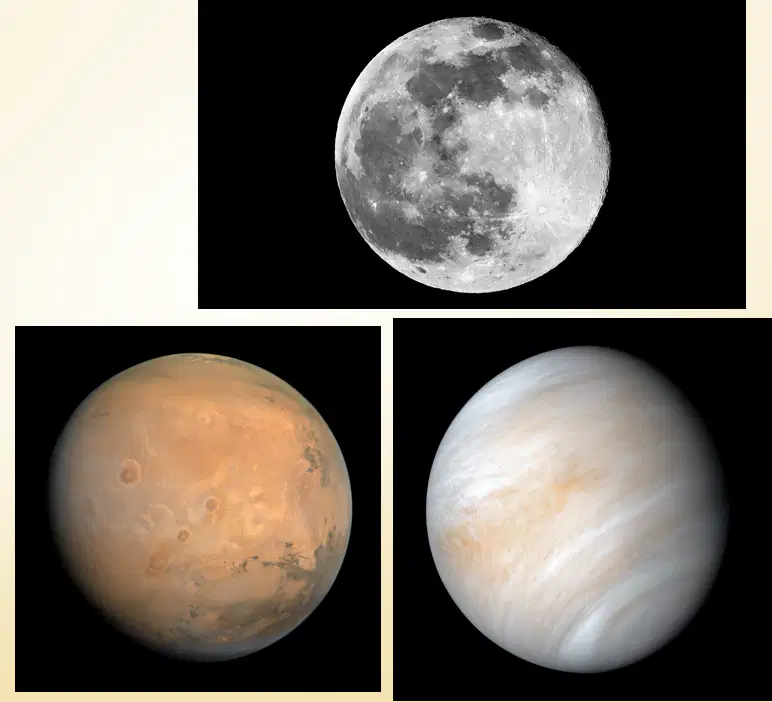
1) Can an airplane fly on the Moon?
2) On Mars?
3) On Venus?
1: No
2: Yes
3: Yes
1: No
2: No
3: Yes
1: No
2: No
3: No
1: Yes
2: Yes
3: Yes
1: Yes
2: No
3: Yes
1) Acceleration is equal to the force acting on an object divided by its mass
2) Force divided by surface area
3) The buoyant force is equal to the weight of the fluid (often water) displaced by the object
A. Density B. Bernoulli’s Principle C. Boyle’s Law
D. Newton’s 2nd Law of Motion E. Pressure F. Archimedes Principle
1: D
2: E
3: F
1: A
2: E
3: F
1: D
2: A
3: F
1: E
2: A
3: F
1: E
2: C
3: B
4) Mass divided by volume
5) When the speed of a fluid increases, the pressure in the fluid decreases
6) The pressure and volume before is equal to the pressure and volume after
A) Density B) Bernoulli’s Principle C) Boyle’s Law
D) Newton’s 2nd Law of Motion E) Pressure F) Archimedes Principle
4: A
5: B
6: C
4: A
5: D
6: C
4: A
5: E
6: F
4: E
5: F
6: C
4: E
5: F
6: B
1) g/mL 2) N/m2 3) Pascals 4) Watts 5) Joules 6) Newtons
A) Force B) Energy C) Power
D) Pressure (used twice) E) Density
1: E
2: D
3: D
4: C
5: B
6: A
1: D
2: D
3: E
4: C
5: B
6: A
1: E
2: D
3: D
4: B
5: C
6: A
1: E
2: D
3: D
4: A
5: B
6: C
1: E
2: D
3: D
4: A
5: C
6: B

