
Font size
 Worksheets
Year 7 Science - Periodic Table
Total questions: 71
Worksheet time: 46mins


What is the maximum number of electrons that can occupy the second energy level of an atom?
2
8
18
32
Which subatomic particle is negatively charged?
Proton
Neutron
Electron
Quark
What is the atomic number of an element?
The number of protons in the nucleus
The number of neutrons in the nucleus
The total number of protons and neutrons in the nucleus
The total number of protons and electrons in the atom
What does the atomic mass of an element represent?
The number of protons in the nucleus
The number of electrons in the atom
The total number of protons and neutrons in the nucleus
The total mass of the electrons in the atom
Which subatomic particle contributes most to the mass of an atom?
Electron
Proton
Neutron
Both B and C are correct
How is the electron cloud around the nucleus best described?
A dense pack of electrons
A precise orbit in which electrons move
A region where electrons are likely to be found
Empty space with no electrons
What is the significance of the atomic number in the periodic table?
It determines the element's position in the periodic table
It indicates the number of neutrons in the nucleus
It represents the total mass of the atom
It shows the number of electrons in a neutral atom
What happens to an atom when it loses an electron?
It becomes a neutron
It becomes an isotope
It becomes a positively charged ion
It becomes a negatively charged ion
The periodic table is mostly made up of what type of element?
Metals
Nonmetals
Metalloids
Vertical columns on the periodic table are called ___?
groups
periods
rows
families
Elements that occur in vertical columns on the periodic table.
Neutron
metalloids (semimetals)
groups
Proton
The first energy shell can hold ______ electrons.
2
8
18

Elements in the same group or column have the same ...
# of valence electrons
# of shells
# of protons
Mass Number

Rows on the periodic table are called ___________.
Periods
Sentences
Fences

The columns in the periodic table are called ___________.
Towers
Herds
Groups
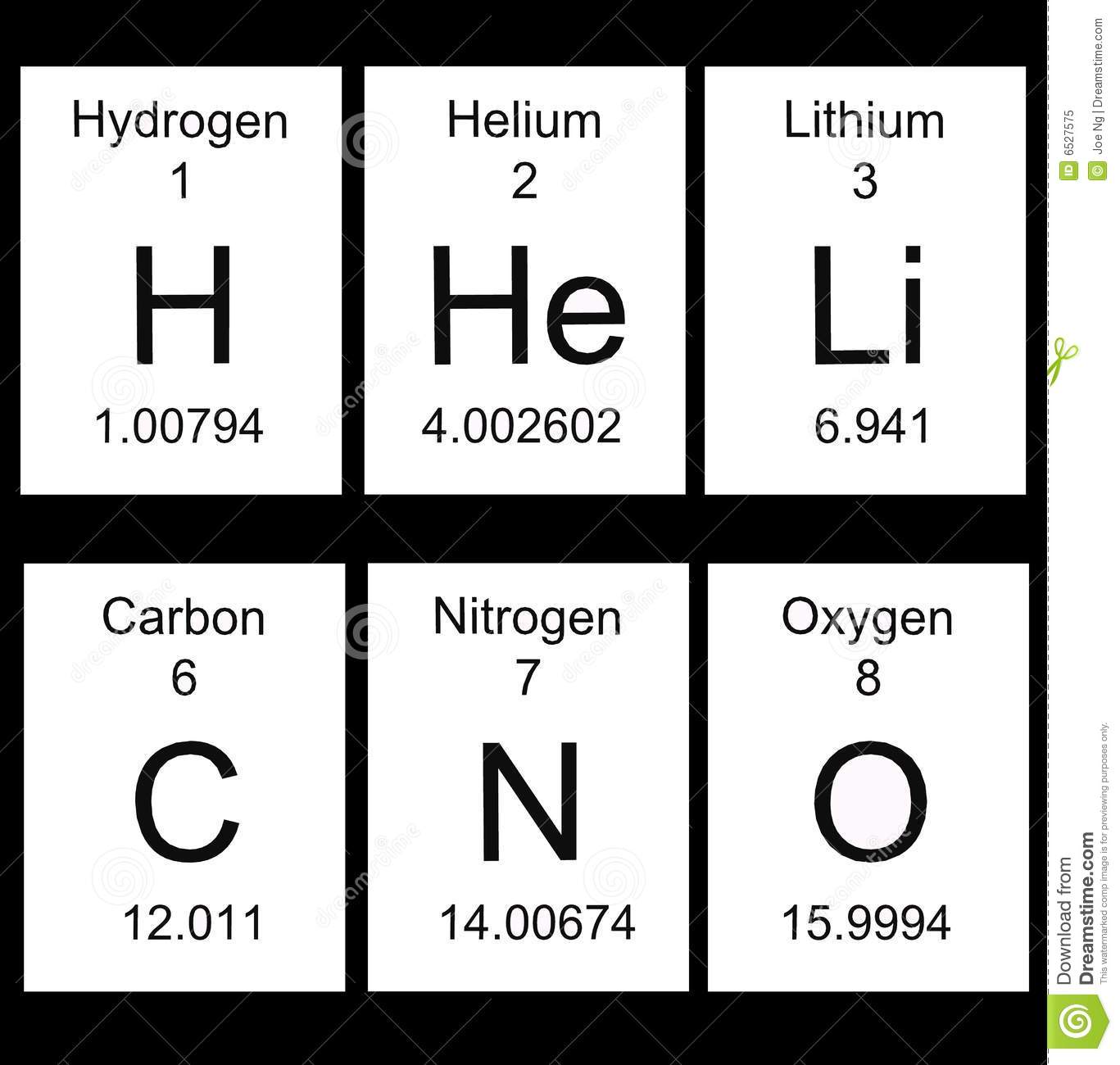
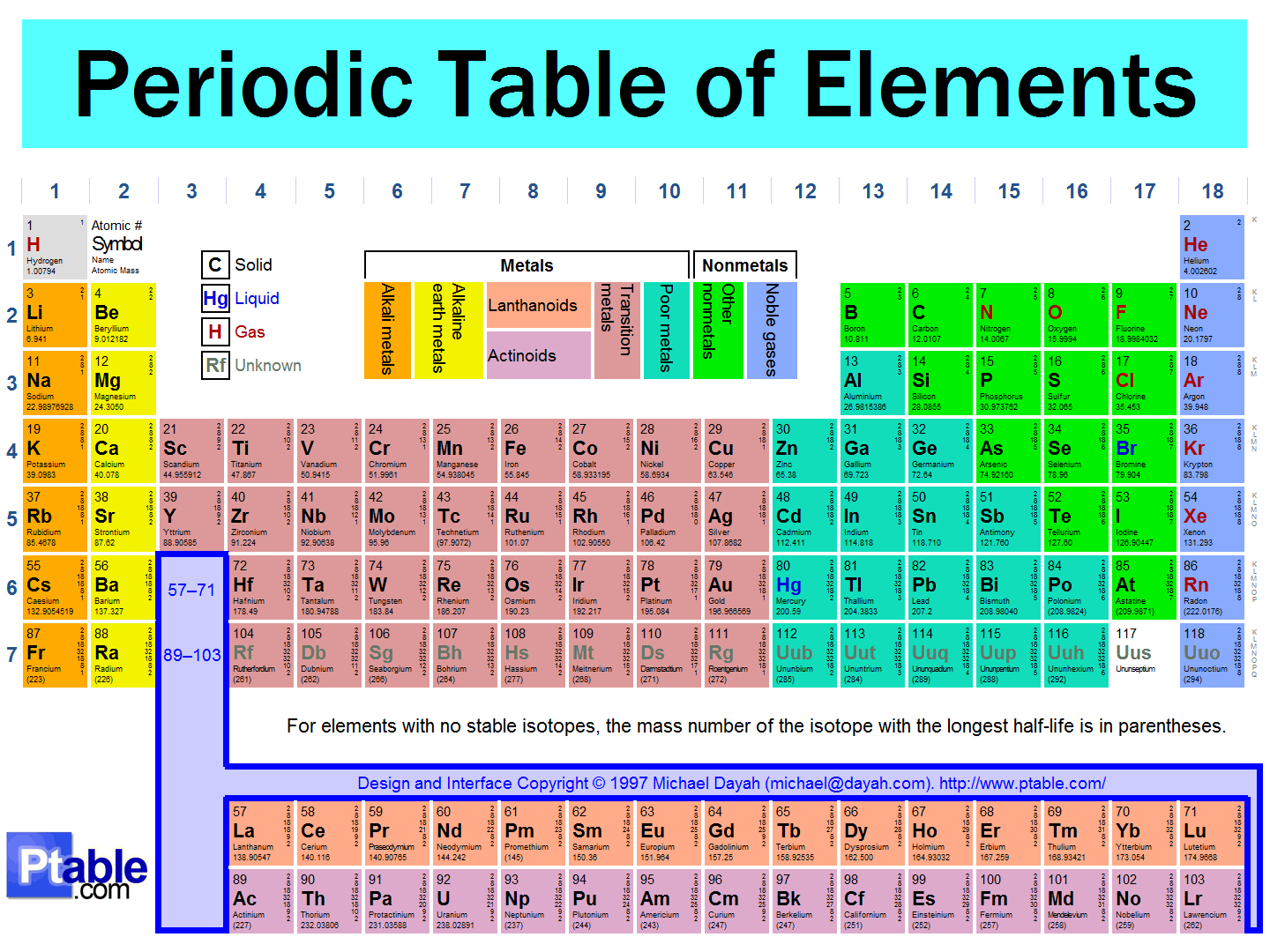

What is the name of the element? (Use the Periodic table provided)
sodium
magnesium
vanadium
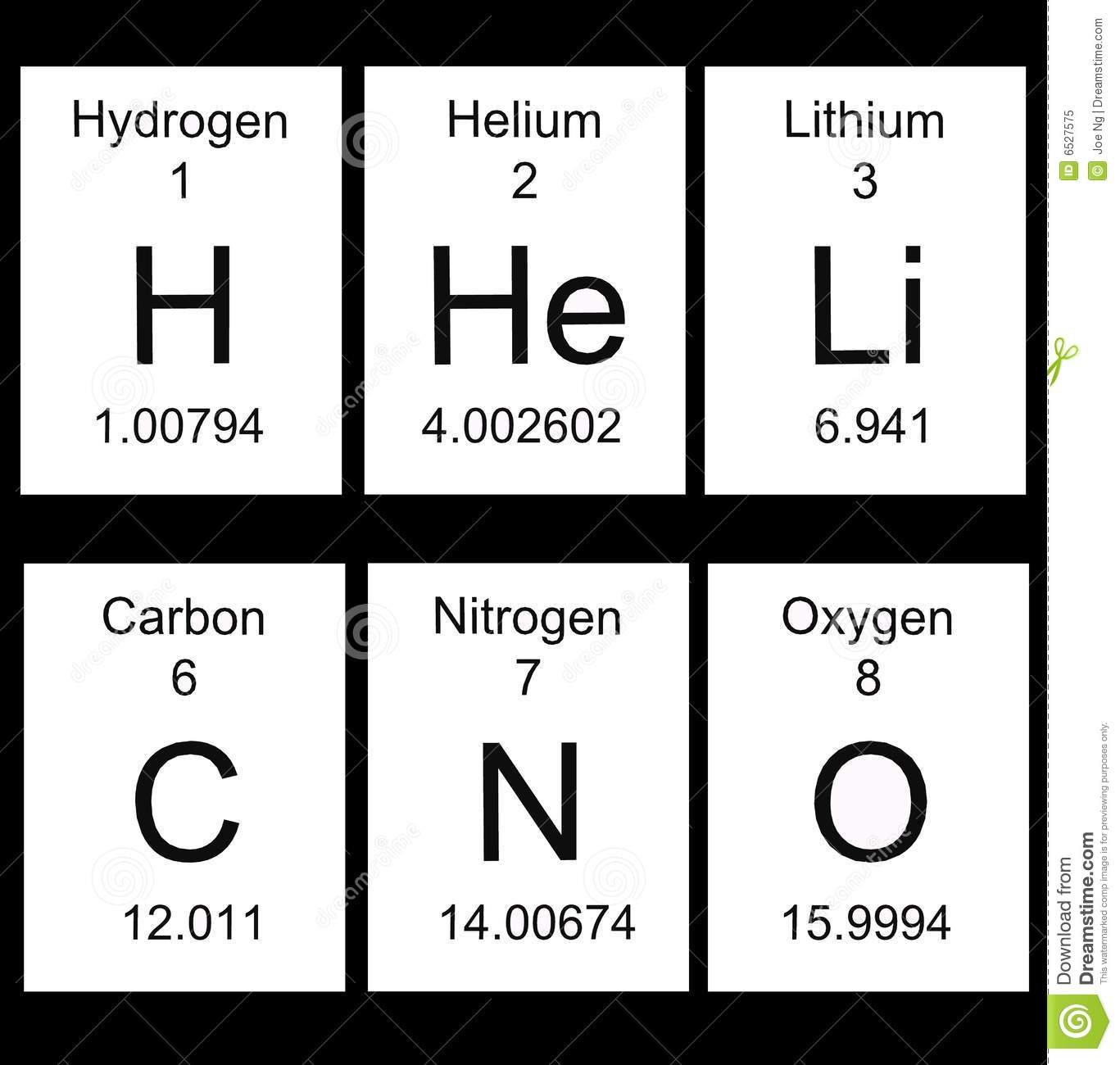
What is the name of the element? (Use the Periodic table provided)
sodium
magnesium
vanadium
Metals are found on the ____ side of a periodic table and nonmetals are found on the ___ side.
left, right
right, left
Atomic number tells you _________.
the number of protons in an atom
the number of electrons in an atom
the number of neutrons in an atom
the atomic mass of an atom
You can find the _____ an atom has by subtracting "atomic mass - number of protons".
number of neutrons
number of electrons
atomic mass
atomic number
Why do atoms create bonds with other atoms?
to get a full outer shell
to make colorful compounds
to find atoms with the same number of electrons
because they are lonely
When two or more different types of atoms bond, they create a _____ such as NaCl.
compound
concoction
potion
mixture

What is the atomic number of Neon?
10
20.1797
20
2

What is the atomic mass of neon?
10
20.1797
2
45.987
The atomic number tells you the number of protons or _____ in a neutral atom of that element.
electrons
neutrons
photons
particles
Atomic mass is the number of ______ + _______.
protons, neutrons
neutrons, electrons
protons, electrons

Calculate the number of NEUTRONS a boron atom would have.
5
10.811
6
11

A boron atom would have ___ protons and ___ electrons.
5, 5
5, 6
6, 11
5, 10.811

Atomic Mass
A
B
C
D
Number of Protons
A
B
C
D
Symbol
A
B
C
D
What is significant about group 18 elements
They are all metals
They will combine with any element
They have a full Valence electron shell
They do not have Valence electrons
What are the three main groups of the periodic table?
groups
metal
nonmetals
metalloids
periods
What are the vertical columns on the periodic called?
groups
periods
nonmetals
metals
metalloids
What do the vertical columns on the periodic table tell us?
The number of orbitals
The number of valence electrons (electrons on the outer most shell)
What are the horizontal rows on the periodic table called?
periods
groups
metals
nonmetals
metalloids
How do you calculate the number of neutrons? *
Mass = Atomic number - Neutrons
Mass - Atomic number = Neutrons
Atomic number = Neutrons

What is the atomic mass?
58.693
28

How many protons and electrons does nickel have?
28
58.69
atomic number
gas at room temperature, low boiling point
a subatomic particle that has a negative charge
number or protons and neutrons
the number of protons in the nucleus of an atom
period
Elements that occur in vertical columns on the periodic table.
A horizontal row of elements in the periodic table
Found in group two of the periodic table; highly reactive
A subatomic particle that has a negative charge

What is the electron configuration of sodium?
2-8
2-8-2
2-8-1
11
What is the electron configuration of calcium?
2-8-8-2
2-8-10
20
2-18-2
The electronic configuration of Cl is
2,8,8,1
2,8,6
2,8,8
2,8,7
Which of the following is the electronic Configuration of Sodium
2,8
2,8,1
2,1,8
8,1,2
Which if the following is the correct arrangement of electrons in different shells for an element with atomic number 17 ?
2,8,7
8,8,1
2,8,1,6
2,8,2,5
An atom has atomic number 4 the number of electrons in its outermost orbit will be ?
2
6
4
1

