
 Worksheets
BIO 108 CHP:2
Total questions: 90
Worksheet time: 45mins
What is biology considered as?
A single-discipline science
A multidisciplinary science
A branch of physics
A branch of chemistry
What are living organisms subject to?
Basic laws of mathematics and history
Basic laws of physics and chemistry
Basic laws of biology and geography
Basic laws of art and literature
How do wood ants use chemistry?
To build nests
To ward off enemies
To find food
To communicate
What does the unit focus on?
Biological processes
Chemical components that make up all matter
Physical laws
Mathematical equations
What is matter composed of?
Bacteria
Elements
Molecules
Cells
Which of the following best describes matter?
Anything that has color and shape
Anything that takes up space and has mass
Anything that can be seen and touched
Anything that is alive
What are organisms composed of?
Cells
Matter
Water
Energy
What is an element?
A substance that can be broken down by chemical reactions
A substance consisting of two or more elements in a fixed ratio
A substance that cannot be broken down to other substances by chemical reactions
A mixture of different compounds
What defines a compound?
A single element
A mixture of elements
A substance consisting of two or more elements in a fixed ratio
A substance that cannot be broken down
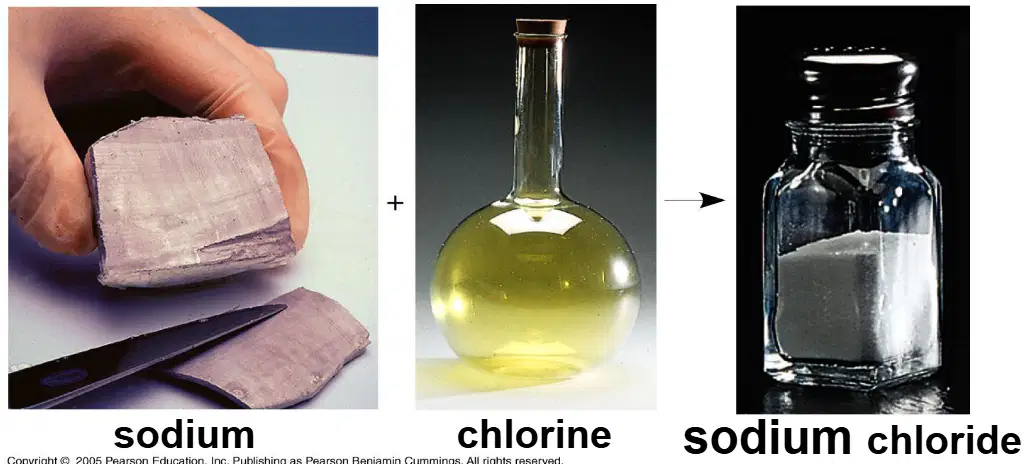
How do the characteristics of a compound compare to its elements?
They are the same as its elements
They are different from those of its elements
They are a mixture of its elements' characteristics
They are unpredictable
How many of the 92 natural elements are essential to life?
10
25
50
75
Which elements make up 96% of living matter?
Carbon, hydrogen, oxygen, and nitrogen
Calcium, phosphorus, potassium, and sulfur
Iron, zinc, copper, and iodine
Sodium, magnesium, chlorine, and fluorine
What percentage of living matter is made up of calcium, phosphorus, potassium, and sulfur?
2%
4%
10%
20%
What are trace elements?
Elements that are not found in living organisms
Elements required by an organism in large quantities
Elements required by an organism in minute quantities
Elements that make up the majority of living matter
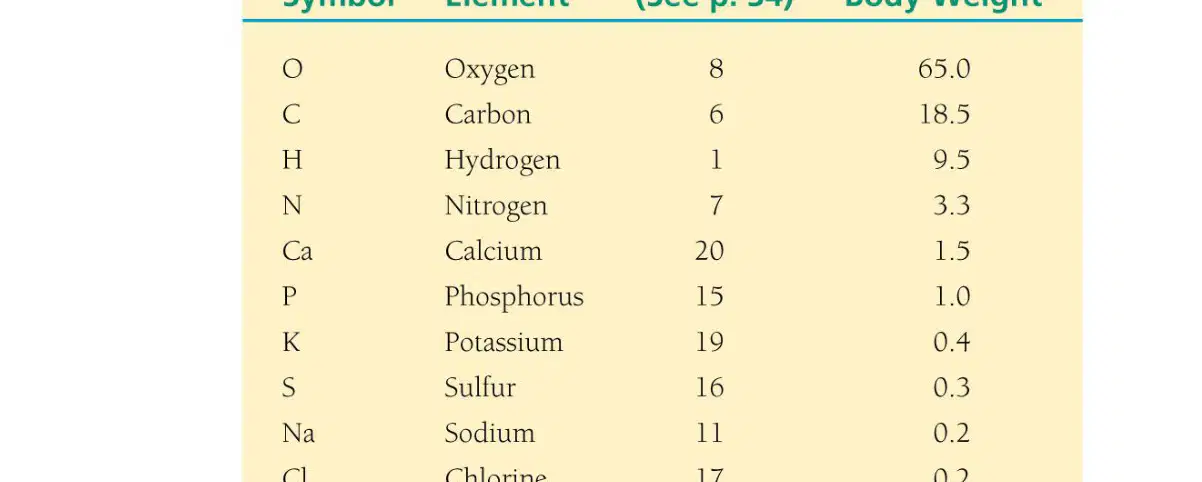
Which element has the highest percentage of human body weight?
Carbon
Oxygen
Hydrogen
Nitrogen
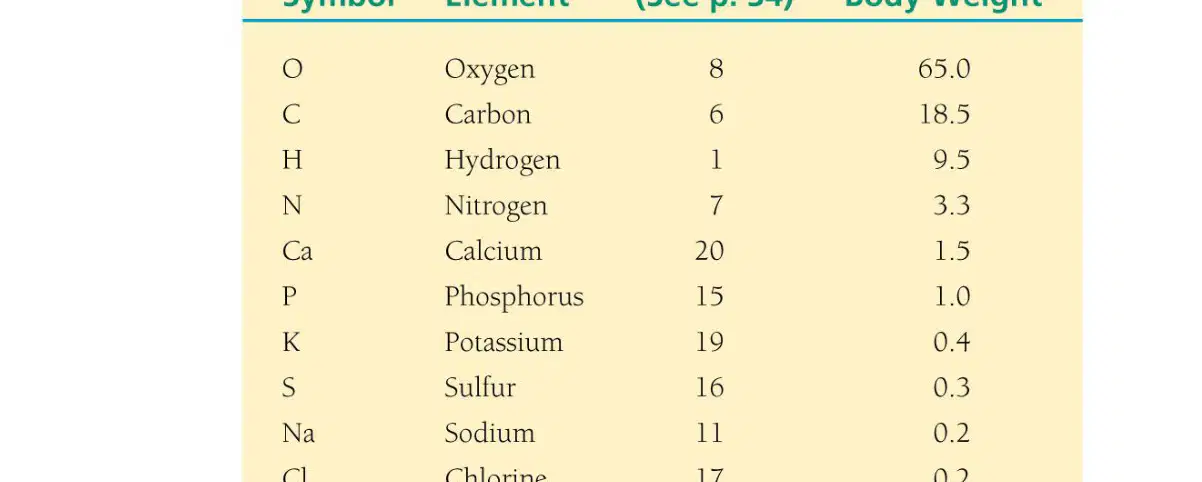
What is the atomic number of Calcium?
15
20
12
8

Which element is represented by the symbol 'K'?
Sodium
Potassium
Phosphorus
Sulfur

What is the percentage of human body weight made up by Nitrogen?
3.3%
9.5%
1.5%
0.4%
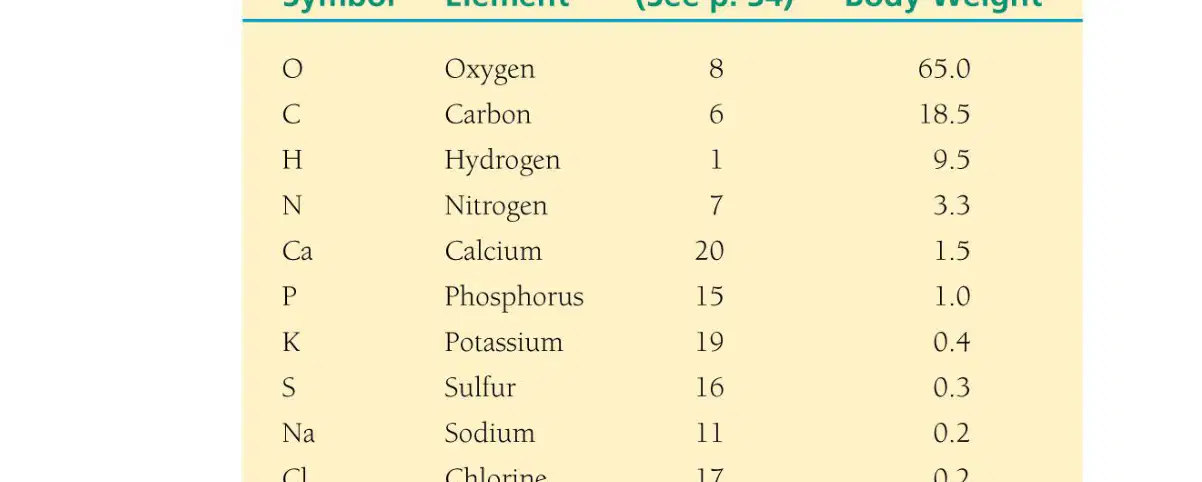
Which of the following elements is a trace element in the human body?
Magnesium
Zinc
Chlorine
Sodium
What is the smallest unit of matter that still retains the properties of an element?
Molecule
Atom
Compound
Electron
What does each element consist of?
Identical molecules
Unique atoms
Similar compounds
Different electrons

Which subatomic particle has no electrical charge?
Proton
Electron
Neutron
Positron

What charge do protons carry?
Negative
Positive
Neutral
No charge

Where do electrons form a cloud?
Around the nucleus
Inside the nucleus
Outer crust
Within protons

What is the approximate mass of neutrons and protons?
0.5 Dalton
1 Dalton
2 Daltons
1.5 Daltons
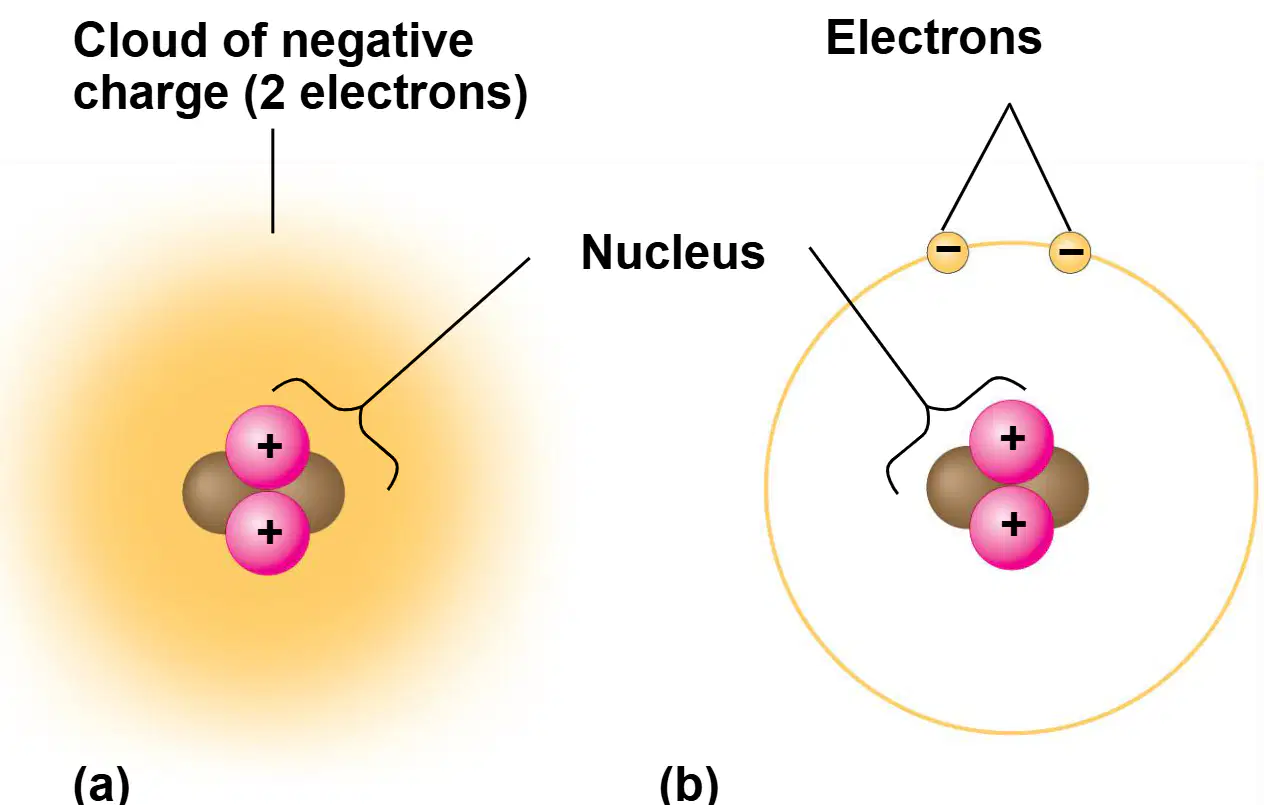
What is the charge of the cloud surrounding the nucleus in the diagram?
Positive
Negative
Neutral
No charge
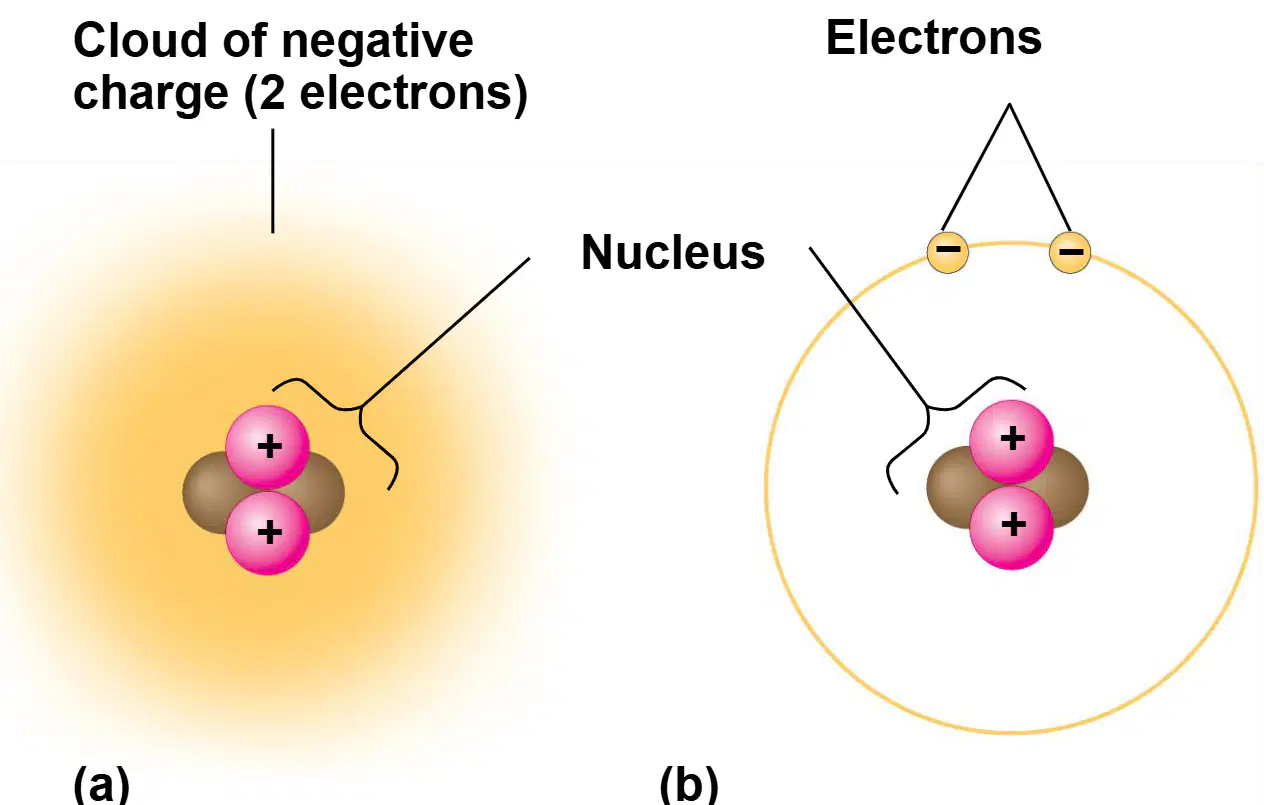
How many electrons are shown in the cloud of negative charge in the diagram?
1
2
3
4

What particles are located in the nucleus according to the diagram?
Electrons
Protons and Neutrons
Only Protons
Only Neutrons
What does the atomic number of an element represent?
The total number of protons and neutrons
The number of protons in the nucleus
The total mass of the atom
The number of electrons in the nucleus
What is the mass number of an element?
The number of protons only
The number of electrons only
The sum of protons and neutrons
The total number of subatomic particles
How is atomic mass related to mass number?
Atomic mass is the exact number of protons
Atomic mass is an approximation of the mass number
Atomic mass is the number of electrons
Atomic mass is unrelated to mass number
What is the defining characteristic of isotopes of a given element?
Same number of electrons
Different number of protons
Same number of neutrons
Different number of neutrons
Why do isotopes of an element have different mass numbers?
They have different numbers of protons
They have different numbers of neutrons
They have different numbers of electrons
They have different atomic numbers
What happens to radioactive isotopes?
They remain stable indefinitely
They gain protons over time
They spontaneously decay, giving off particles and energy
They lose electrons and become ions
Which of the following is an application of radioactive isotopes in biological research?
Enhancing plant growth
Dating fossils
Increasing animal lifespan
Improving water quality
Radioactive isotopes are used in biological research for tracing atoms through which of the following processes?
Photosynthesis
Metabolic processes
Cellular respiration
Protein synthesis
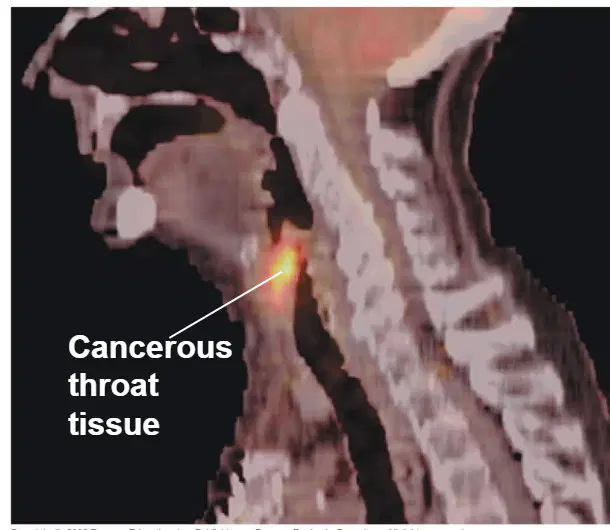
What is one medical application of radioactive isotopes?
Diagnosing medical disorders
Treating viral infections
Enhancing muscle growth
Reducing stress levels
What is energy defined as?
The ability to create matter
The capacity to cause change by doing work
The potential to remain static
The force that stops motion
What is potential energy?
Energy due to motion
Energy due to temperature
Energy that matter possesses because of its location or structure
Energy that is lost during reactions
Why do electrons have potential energy?
Because of their mass
Due to their charge
Because of how they are arranged in relation to the nucleus
Due to their speed
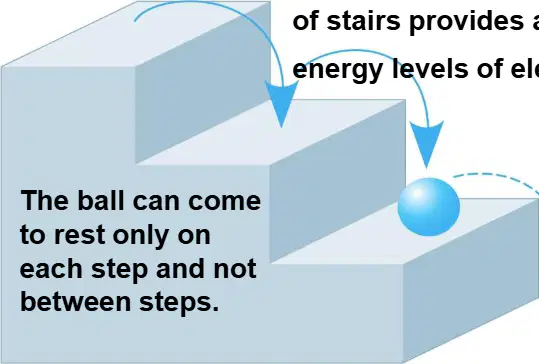
What happens to the potential energy of electrons as they move further from the nucleus?
It decreases
It remains the same
It increases
It becomes zero
What determines the shell an electron occupies in an atom?
The size of the electron
The energy level of the shell
The color of the electron
The shape of the nucleus
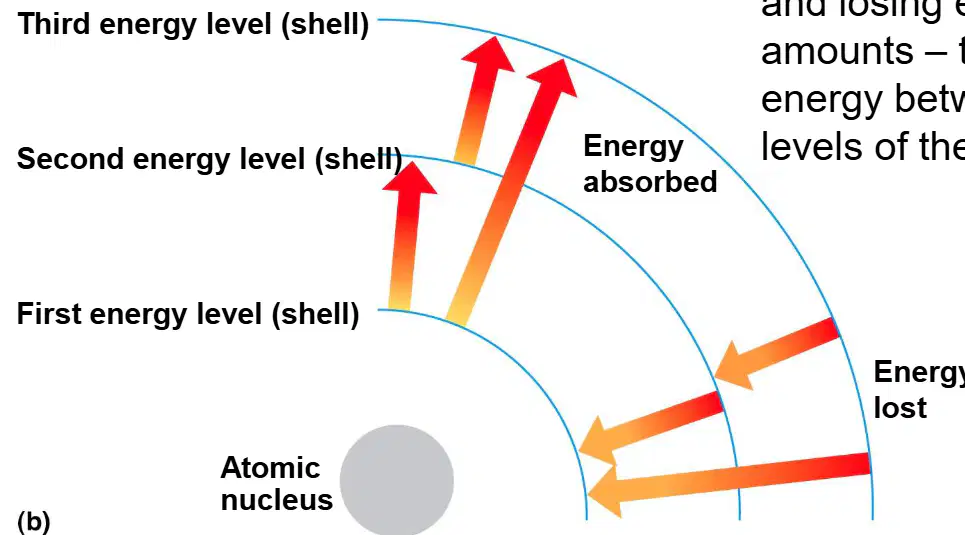
How can an electron change the shell it occupies?
By changing its color
By absorbing or losing energy
By increasing its size
By rotating around the nucleus
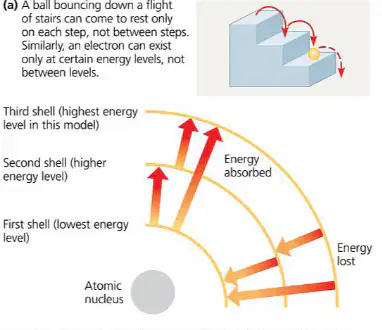
What analogy is used to describe how electrons exist at certain energy levels?
A ladder
A flight of stairs
A slide
A ramp
What must happen for an electron to move from one shell to another?
It must gain or lose energy equal to the difference between the two shells.
It must gain energy only.
It must lose energy only.
It must remain at the same energy level.
Which shell has the highest energy level in the model?
First shell
Second shell
Third shell
Fourth shell
What determines the chemical behavior of an atom?
The number of protons
The distribution of electrons in electron shells
The atomic mass
The number of neutrons
Which element has an atomic number of 8?
Nitrogen
Oxygen
Fluorine
Neon
What does the periodic table show regarding electron distribution?
The number of protons in each element
The electron distribution for each element
The atomic mass of each element
The number of neutrons in each element
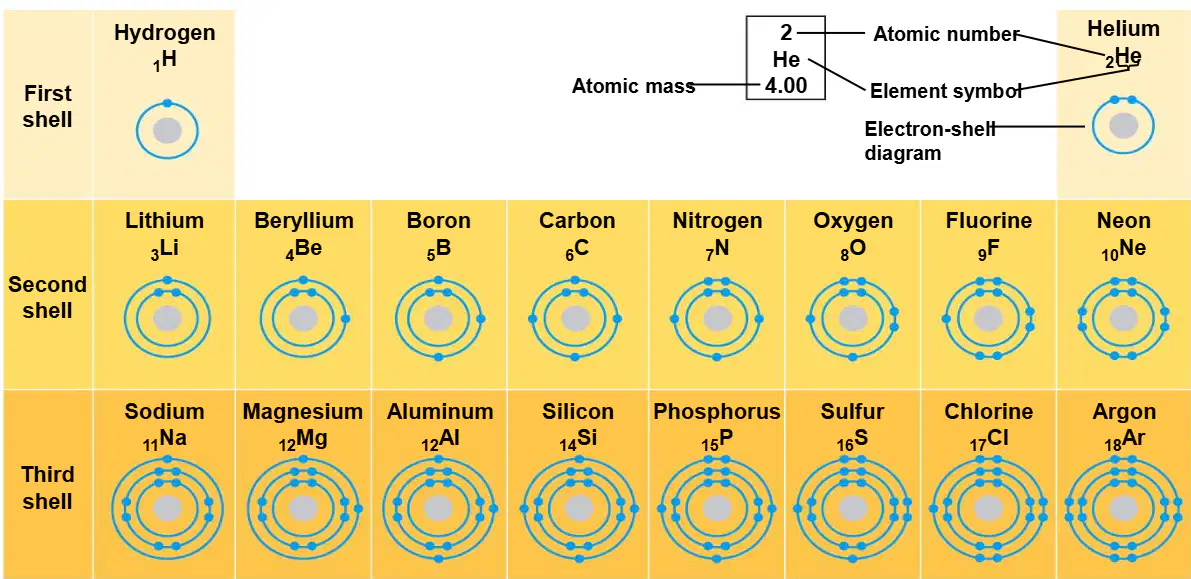
Which element is represented by the symbol 'Ne'?
Neon
Nitrogen
Sodium
Nickel
What is the term for the electrons in the outermost shell of an atom?
Core electrons
Valence electrons
Inner electrons
Free electrons
What is the name of the shell that contains the valence electrons?
Core shell
Inner shell
Valence shell
Free shell
How does an atom behave when its valence shell is full?
It becomes highly reactive
It becomes unreactive
It gains electrons
It loses electrons

What is an orbital in the context of electron configuration?
A two-dimensional space where an electron is found 50% of the time.
A three-dimensional space where an electron is found 90% of the time.
A one-dimensional line where an electron is found 100% of the time.
A four-dimensional space where an electron is found 75% of the time.
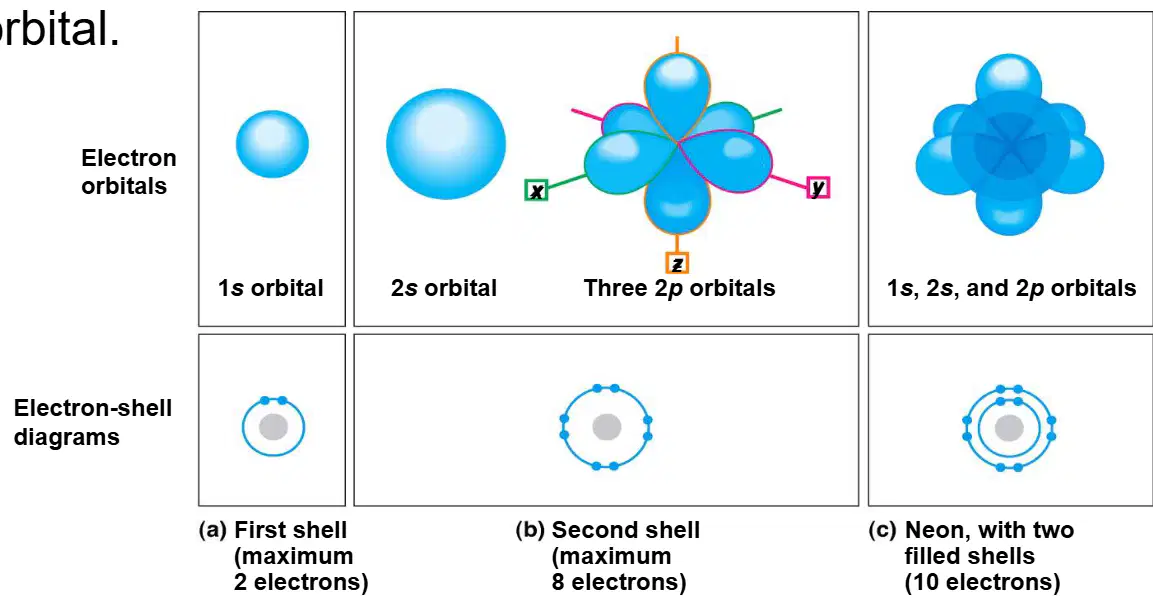
How many electrons can occupy a single orbital?
One
Two
Three
Four
What causes the reactivity of atoms?
The presence of paired electrons in their valence shells
The presence of unpaired electrons in their valence shells
The absence of electrons in their valence shells
The presence of neutrons in their valence shells
What can atoms with incomplete valence shells do with their electrons?
Absorb or reflect them
Share or transfer them
Destroy or create them
Hide or reveal them
What is the result of interactions between atoms with incomplete valence shells?
Atoms repel each other
Atoms stay close together, held by chemical bonds
Atoms become unstable and disintegrate
Atoms lose their electrons completely
What is a covalent bond?
The sharing of a pair of valence electrons by two atoms
The transfer of electrons from one atom to another
The sharing of protons between two atoms
The sharing of neutrons between two atoms
In a covalent bond, what do the shared electrons count as?
Part of each atom’s valence shell
Part of the nucleus
Part of the atomic mass
Part of the electron cloud

Which of the following is a correct representation of a hydrogen molecule in terms of covalent bonding?
H—H
H=H
H:H
H-H-H
What is a molecule?
A single atom
Two or more atoms held together by covalent bonds
A group of ions
A single electron
What is a single covalent bond?
Sharing of two pairs of valence electrons
Sharing of one pair of valence electrons
Sharing of three pairs of valence electrons
Sharing of no electrons
What is a double covalent bond?
Sharing of one pair of valence electrons
Sharing of two pairs of valence electrons
Sharing of three pairs of valence electrons
Sharing of four pairs of valence electrons
What does the bonding capacity (valence) usually equal in the valence shell?
The number of paired electrons
The number of unpaired electrons
The total number of electrons
The number of protons
Covalent bonds can form between which types of atoms?
Only atoms of the same element
Only atoms of different elements
Atoms of the same element or atoms of different elements
Only metal atoms
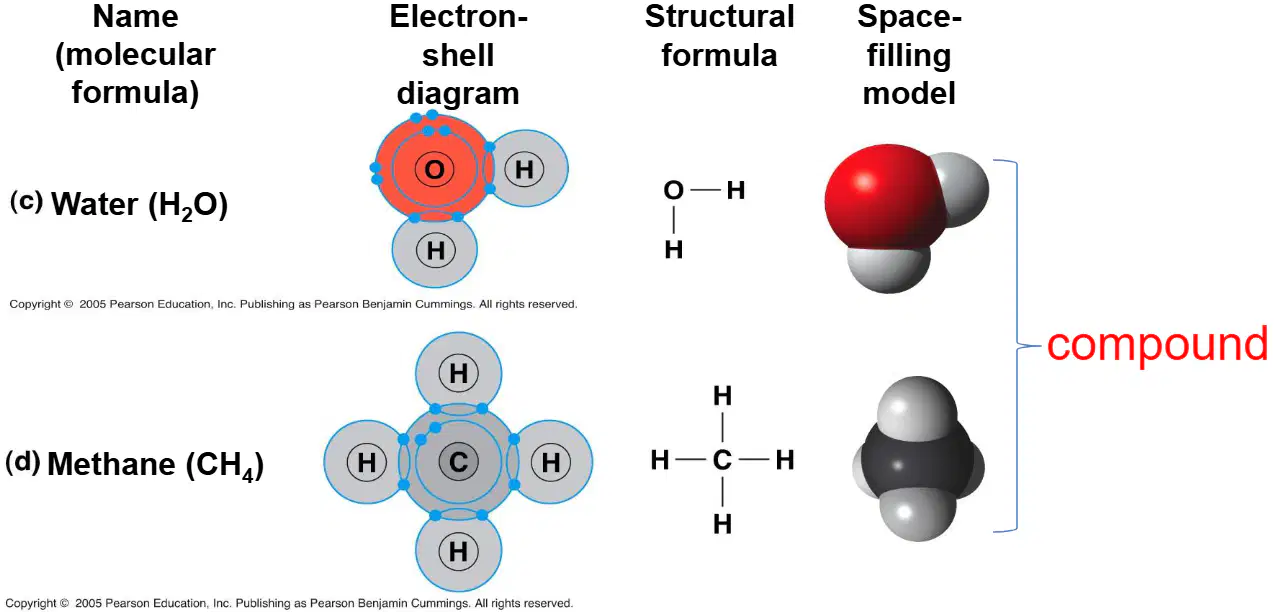
What is the molecular formula for water?
CH₄
H₂O
CO₂
NH₃
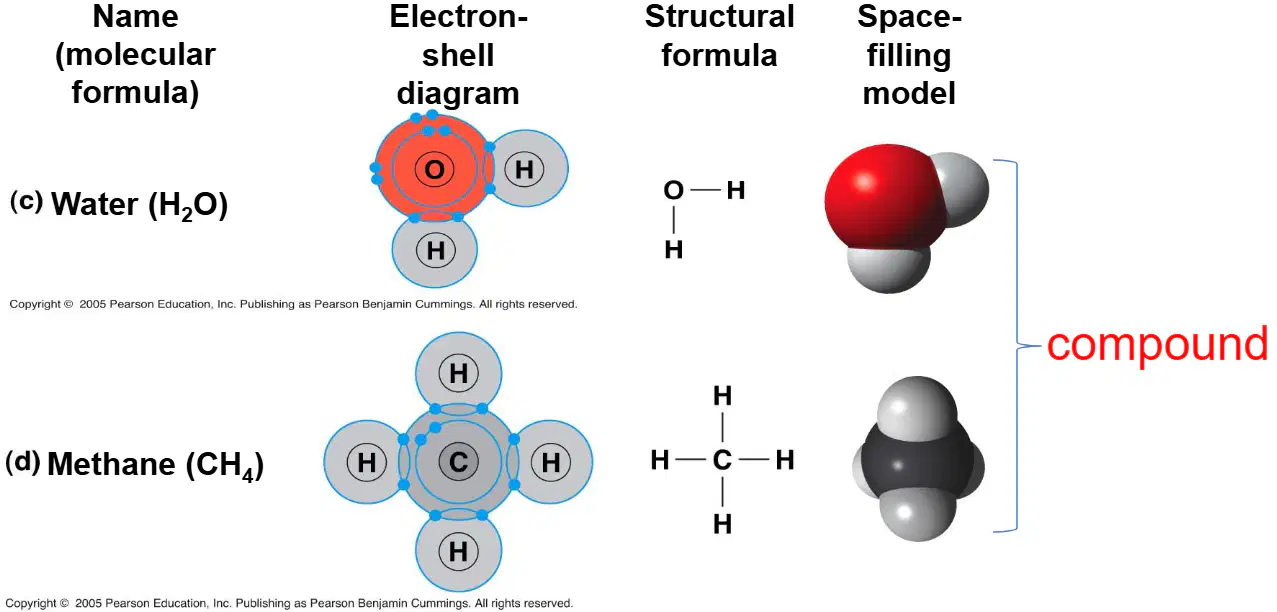
What is the molecular formula for methane?
H₂O
CO₂
CH₄
NH₃
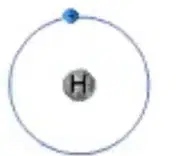
What type of bond is formed when two hydrogen atoms share electrons?
Ionic bond
Covalent bond
Metallic bond
Hydrogen bond
What is electronegativity?
An atom's attraction for electrons in a covalent bond
The ability of an atom to lose electrons
The number of protons in an atom
The mass of an atom
In a nonpolar covalent bond, how are the electrons shared?
Equally
Unequally
Not shared at all
Transferred completely
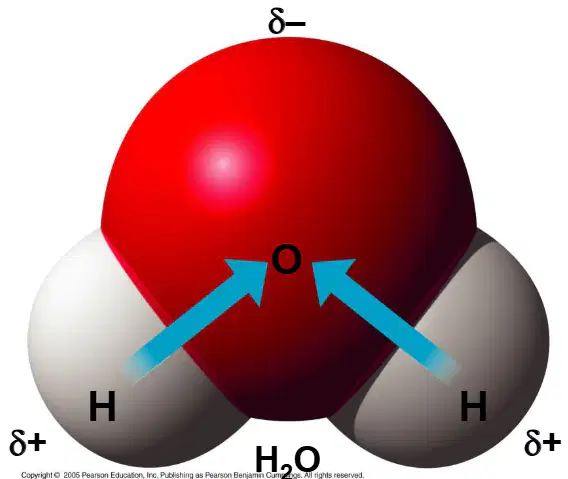
What happens in a polar covalent bond?
One atom is more electronegative, and the atoms do not share the electron equally
Electrons are shared equally between atoms
Electrons are transferred completely from one atom to another
Atoms do not interact at all
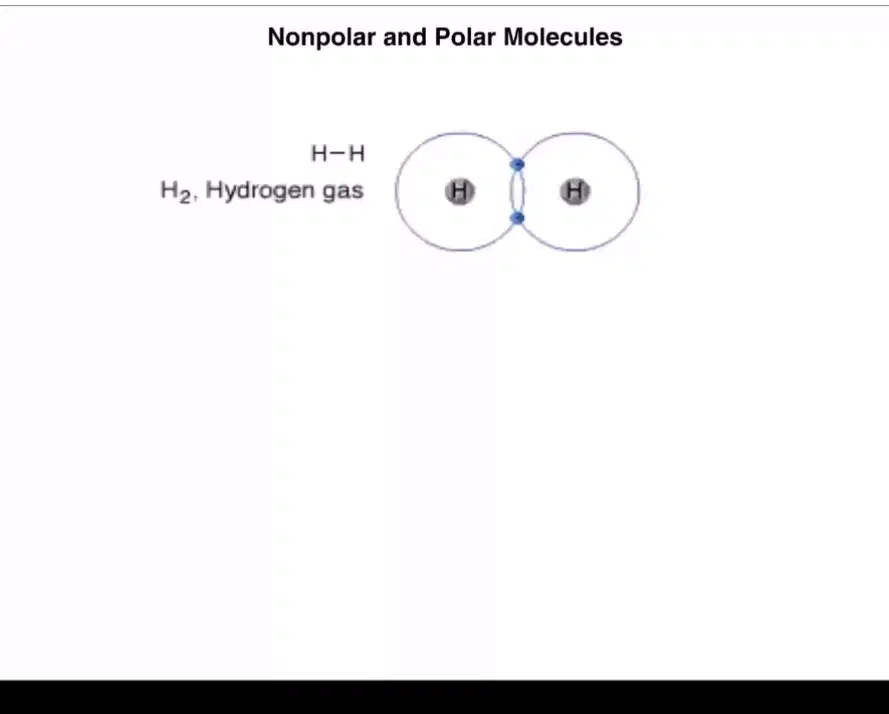
What type of bond is formed between two hydrogen atoms in a hydrogen gas molecule?
Ionic bond
Polar covalent bond
Nonpolar covalent bond
Metallic bond
What happens when two atoms have unequal attraction for valence electrons?
They form a covalent bond.
The more electronegative atom may strip electrons away from its partner.
They share electrons equally.
They become neutral atoms.
What is an example of an electron transfer between two atoms?
Transfer of an electron from hydrogen to oxygen.
Transfer of an electron from sodium to chlorine.
Transfer of an electron from carbon to nitrogen.
Transfer of an electron from magnesium to sulfur.
What charge does a sodium atom have after losing an electron?
Neutral
Positive
Negative
Double positive
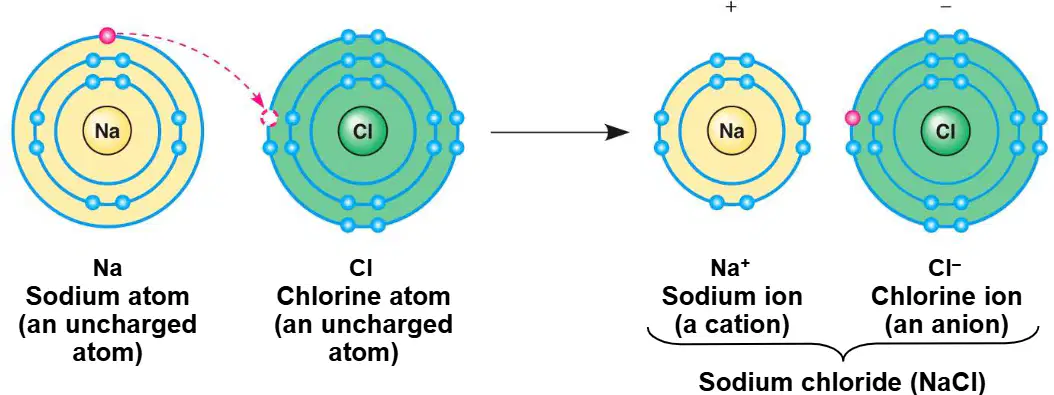
What charge does a chlorine atom have after gaining an electron?
Neutral
Positive
Negative
Double negative
What is a charged atom or molecule called?
Anion
Cation
Ion
Molecule
What is an anion?
A positively charged ion
A negatively charged ion
A neutral atom
A molecule
What is a cation?
A negatively charged ion
A positively charged ion
A neutral atom
A molecule
What type of bond is formed due to the attraction between an anion and a cation?
Covalent bond
Hydrogen bond
Ionic bond
Metallic bond
What are compounds formed by ionic bonds called?
Covalent compounds
Ionic compounds
Metallic compounds
Organic compounds

What is a common example of a salt that is found in nature as crystals?
Potassium chloride
Calcium carbonate
Sodium chloride
Magnesium sulfate
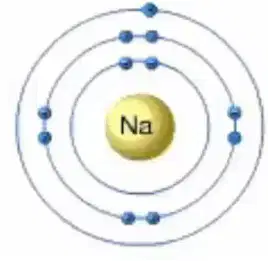
What is the atomic number of Sodium (Na)?
11
17
12
18
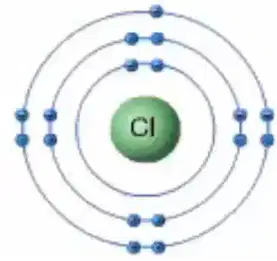
How many electrons does Chlorine (Cl) have?
11
17
18
16
What type of bonds are considered the strongest in organisms?
Ionic bonds
Hydrogen bonds
Covalent bonds
Van der Waals interactions
Why are weak chemical bonds important in biological molecules?
They are permanent and unchangeable.
They reinforce shapes of large molecules and help them adhere to each other.
They are the primary structure of proteins.
They are stronger than covalent bonds.
What is an advantage of the reversibility of weak chemical bonds?
It allows molecules to permanently adhere.
It prevents any molecular interactions.
It allows temporary adherence of molecules.
It makes bonds stronger over time.
What are van der Waals interactions?
Strong chemical bonds between atoms
Weak attractions due to fleeting charge differences
Permanent magnetic attractions
Ionic bonds between charged particles
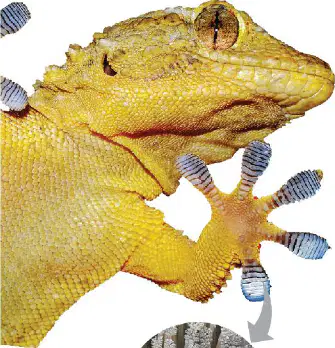
In which scenario can van der Waals interactions collectively become strong?
Between water molecules in a liquid
Between molecules of a gecko’s toe hairs and a wall surface
Between ions in a salt crystal
Between atoms in a metal lattice

