wayground logo

Free Printable Worksheets

Font size

S
M
L
XL
Worksheets

FINAL Review taxonomy & Biology

Total questions: 94

Worksheet time: 3hrs 31mins

Name
Class
Date
1.

An organism's scientific name is based on how it is classified. Which of the following levels of classification determine the name?

a)

kingdom & phylum

b)

class & species

c)

domain & order

d)

genus & species

2.

Largest and most general group into which organisms are classified is called...

a)

Species

b)

Class

c)

Domain

d)

Family

3.

The more classification levels that two organisms share,

a)

the closer together on earth they live.

b)

the easier it is to tell them apart.

c)

the more related they become because of many shared characteristics.

d)

the more distance is between them due to lack of shared characteristics.

4.

Reorder the following taxonomic Categories from least related to most related

a)

Class

b)

Order

c)

Family

d)

Genus

e)

Species

1)
2)
3)
4)
5)
5.

Domain, ​ (a)   , Phylum, Class, ​ (b)   , ​ (c)   , Genus, ​ (d)  

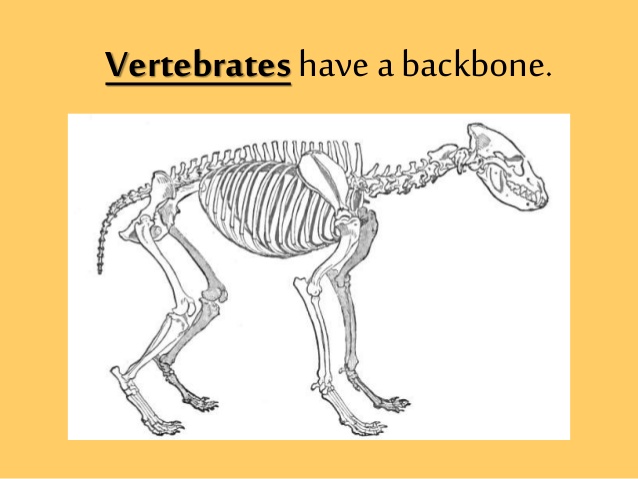
Choose from the below words
Kingdom
Order
Family
Species
6.

Who is credited with creating scientific naming?

a)

EINSTEIN

b)

ARISTOTLE

c)

DARWIN

d)

LINNEAUS

7.
As you move down the classification pyramid, the variety of organisms:
a)
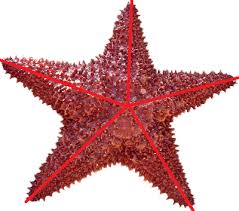
Increases
b)
Stays the same
c)
Decreases
d)
Doubles
8.

There are how many domains?

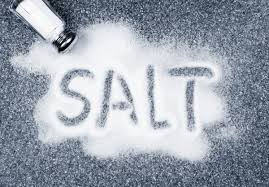
a)

2

b)

3

c)

4

d)

too many to be counted

9.

What are the domains?

a)

bacteria, archaea, eukarya

b)

kingdom, phylum, class

c)

family, genus, species

d)

plant, animal, bacteria

10.

What are the kingdoms?

a)

birds, reptiles, mammals, fish, amphibians

b)

kingdom, phylum, class, order, family, genus, species

c)

archaebacteria, eubacteria, protista, plantae, animalia, fungi

d)

insects, crustaceans, arachnids, centipedes

11.

Which of these big cats are more closely related to one another
A. Lions (Panthera leo)
B. Cheetahs (Acinonyx jubatus)
C. Snow Leopard (Panthera uncia)
D. Cougar (Puma concolor)

a)

Lions and Cheetahs 

b)

Snow Leopards and Cougars

c)

Lions and Snow Leopards

d)

Cheetahs and Cougars

12.

The diagram shows taxonomic groups and a major distinguishing characteristic of all but two of them. Which characteristics will be used to complete the chart?

a)

nonphotosynthetic - photosynthetic

b)

autotrophic - heterotrophic

c)

no nucleus - nucleus

d)

motile - nonmotile

13.

Identify the kingdom based on the organisms characteristics.

a)

Eubacteria

b)

Fungi

c)

Archaea

d)

Animalia

14.

In which kingdom does the organism below belong?

a)

Animalia

b)

Fungi

c)

Plantae

d)

Eubacteria

15.
The 2 kingdoms that make up Prokaryotes are?
a)
Animals and Plants 
b)
Protists and Fungi
c)
Archea and Bacteria
16.
All of the following are characteristics of all living things except....
a)
Have cell(s) 
b)
Need energy and water
c)
Need oxygen 
d)
Reproduce
17.
What is an autotroph?
a)
an organism that can make their own food. 
b)
an organism that cannot make their own food
c)
Herbivore
d)
Omnivore
18.
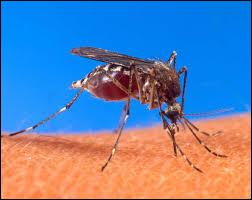
Mosquito  belongs to what kingdom?
a)
Animal Kingdom
b)
Plant Kingdom
c)
Fungi Kingdom
d)
Protista Kingdom
19.
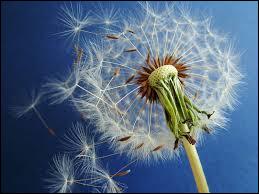
Dandelion, What kingdom does it belongs to?
a)
Plant Kingdom
b)
Animal Kingdom
c)
Fungi Kingdom
d)
Protista Kingdom
20.

Organisms in this smallest taxonomic group share many characteristics.

a)

domain

b)

kingdom

c)

species

d)

class

21.

The science of describing, classifying, and naming living things is called:

a)

Geology

b)

Biology

c)

Taxonomy

d)

Chemistry

22.

An example of an unicellular organism would be:

a)

monkey

b)

bacteria

c)

spider

d)

human

23.

What kingdom do unicellular, prokaryotic organisms that live in extreme environments?

a)

Animal

b)

Archaebacteria

c)

Eubacteria

d)

Plant

24.

I am prokaryotic and am found everywhere. What kingdom do I belong to?

a)

Eubacteria

b)

Archaebacteria

c)

Fungi

d)

Protista

25.

Who first proposed binomial nomenclature as a way of classifying organisms?

a)

Carolus Linnaeus

b)

Aristotle

c)

Charles Darwin

d)

Louis Pasteur

26.

What is the correct order of taxonomy?

a)

Kingdom, pylum, class, species, genus, family, class

b)

Species, genus, family, order, class, phylum, kingdom

c)

Kingdom, phylum, class, order, family, genus, species

d)

species, phylum, order, class, kingdom, family, genus

27.
___ shows the relationship between species
a)
Classification
b)
Visible similarity
c)
Family history
d)
Biology
28.
Binomial Nomenclature uses the __ and ___ name to identify an organism
a)
Latin & English
b)
Class & order
c)
Kingdom & species
d)
Genus & species
29.
What kingdom's organisms often live in super harsh environments?
a)
archea
b)
animalia
c)
plantae
d)
protista
30.
Mushrooms are an example of this Kingdom?
a)
Animalia
b)
Protista 
c)
Archea 
d)
Fungi
31.

Which characteristic means getting rid of all poisonous waste ?

a)

Respiration

b)

Excretion

c)

Removal

d)

Homeostasis

32.

Which characteristic of living things could be viewed using a microscope ?

a)

Living things use energy

b)

Living things adapt to their surroundings

c)

Living things are made of cells

d)

Living things grow

33.

Which characteristic means getting rid of all poisonous waste ?

a)

Respiration

b)

Excretion

c)

Removal

d)

Homeostasis

34.

Which characteristic of living things could be viewed using a microscope ?

a)

Living things use energy

b)

Living things adapt to their surroundings

c)

Living things are made of cells

d)

Living things grow

35.

You shine a flashlight in your friend's eye and observe the pupil dilate. Which characteristic of living things have you observed ?

a)

Living things grow and develop

b)

Living things reproduce

c)

Living things are made of cells

d)

Living things respond to stimuli in the environment

36.
Living things do all the following EXCEPT:
a)
Respond to stimulus
b)
Grow and develop
c)
Maintain homeostasis
d)
They do not change
37.
An example of a unicellular organism includes
a)
Humans
b)
Lobsters
c)
Eagles
d)
Bacteria
38.
Any living thing is called an
a)
organ
b)
organization
c)
organism
39.
What is an organism whose body is made of more than 1 cell known as?
a)
unicellular
b)
multicellular
c)
cell
d)
Homeostasis
40.
Autotroph or heterotroph?
a)
Autotroph
b)
Heterotroph
41.
Before a soccer game Charlie always eats a big dinner. Which characteristic of life does this face best describe? 
a)
living things use energy
b)
living things reproduce
c)
living things grow and develop
d)
living things are based on a universal genetic code
42.
Which of the following characteristics of living things best explains why your legs and arms get longer and stronger as you get older? 
a)
living things respond to their environment
b)
living things maintain internal balance
c)
living things are made of cells
d)
living things grow and develop
43.
Which of the following characteristics of living things best explains why humans sweat when they get hot?
a)
maintaining a stable internal enviornment
b)
growth and development
c)
using energy
d)
ability to reproduce
44.
How do the two newly formed cells compare to the parent cell?
a)
The new cells are genetically identical to the parent cells.
b)
The new cells contain half the DNA as the parent cell.
c)
The new cells are genetically differnt from the parent cell.
d)
The new cells contain twice the DNA as the parent cell.
45.

Which characteristic of living things is represented in the picture?

a)

Share similar chemicals

b)

Grows and develops

c)

Responds to stimuli

d)

Evolves (as a population)

46.
What do living things use energy for?
a)
To do things like grow, repair, replace cells, and digest.
b)
To find friends
c)
To succeed in school
d)
To reach their goal
47.

Which characteristic of living things is represented in the picture?

a)

Respond to stimuli

b)

Grow and develop

c)

Evolution

d)

Made of cells

48.
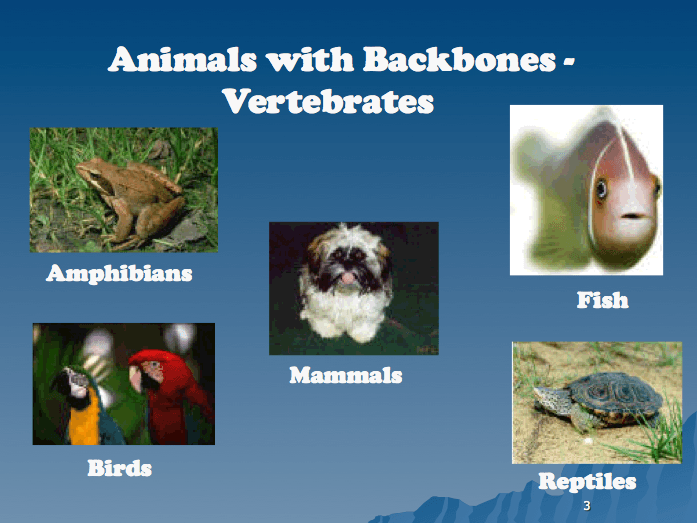
There are five categories of vertebrates.  Which one is not a vertebrate?
a)
Mammals
b)
Birds
c)
Arthropods
d)
Reptiles
49.
There are five categories of vertebrates.  Which one is not a vertebrate?
a)
Mammals
b)
Birds
c)
Arthropods
d)
Reptiles
50.
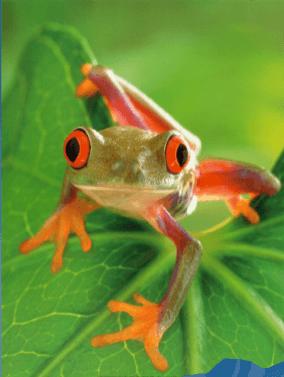
What am I?
a)
Mammal
b)
Amphibian
c)
Bird
d)
Reptile
51.
My body is moist and smooth, I lay eggs, and live in or near the water.  What am I?
a)
Amphibian
b)
Reptile
c)
Bird
d)
Fish
52.
My body is warm and covered in feathers.  I lay eggs which hatch into chickens.  What am I?
a)
Reptile
b)
Amphibian
c)
Mammal
d)
Bird
53.
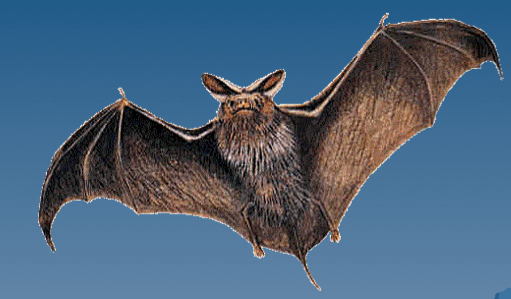
My body is warm, I have fur, feed my young on milk, and have live births.  What am I?
a)
Reptile
b)
Bird
c)
Mammal
d)
Fish
54.
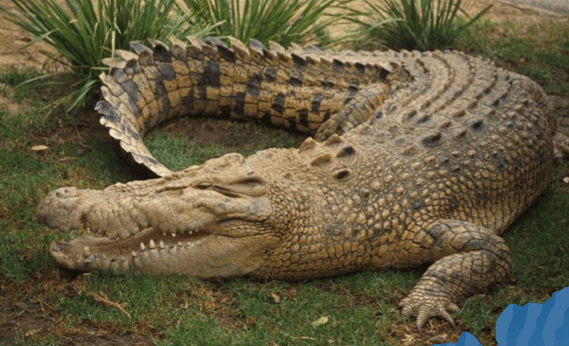
I am covered in dry scales and I lay eggs.  What am I?
a)
Mammal
b)
Fish
c)
Amphibian
d)
Reptile
55.
I am covered in dry scales and I lay eggs.  What am I?
a)
Mammal
b)
Fish
c)
Amphibian
d)
Reptile
56.
My body is cold, am covered in scales, use gills to breathe under water, and I lay eggs.  What am I?
a)
Fish
b)
Mammal
c)
Reptile
d)
Amphibian
57.
What am I?
a)
Fish
b)
Reptile
c)
Amphibian
d)
Mammal
58.
What am I?
a)
Mammal
b)
Reptile
c)
Amphibian
d)
Fish
59.
What am I?
a)
Reptile
b)
Amphibian
c)
Fish
d)
Mammal
60.
What am I?
a)
Mammal
b)
Bird
c)
Fish
d)
Reptile
61.
What am I?
a)
Fish
b)
Bird
c)
Reptile
d)
Mammal
62.
Which of the following is a vertebrate?
a)
Amphibian
b)
Echinoderm
c)
Arthropod
d)
Annelid
63.
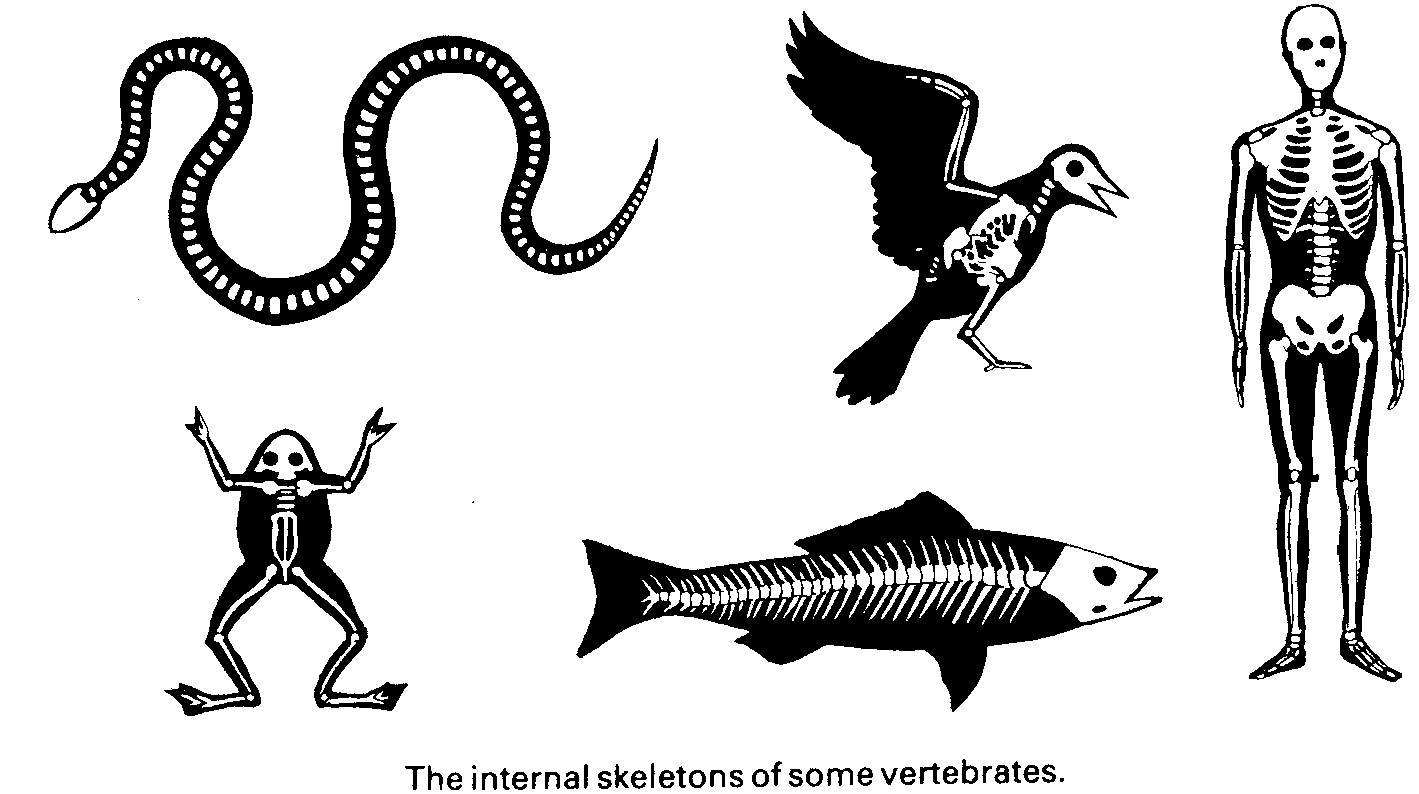
What are vertebrates?
a)
Animals with a backbone
b)
Animals without a backbone
64.
What are animals with a backbone called?
a)
vertebrates
b)
invertebrates
c)
backies
65.
Vertebrate or Invertebrate?
a)
Vertebrate
b)
Invertebrate
c)
Neither
66.
Vertebrate or Invertebrate?
a)
Vertebrate
b)
Invertebrate
c)
Neither
67.
All vertebrates have a ___________.
a)
last name
b)
tail
c)
backbone
d)
neck
68.
Which of the following is NOT a vertebrate?
a)
mammal
b)
arthropods
c)
fish
d)
amphibians
69.

The animal kingdom is what up of what two parts?

a)

Mammals and Amphibians

b)

Vertebrates and Invertebrates

70.

What is a invertebrate?

a)

an animal without a backbone

b)

an animal with a backbone

71.

Vertebrate is ...

a)

animal with legs

b)

animal with a backbone

c)

animal without legs

d)

animal without a backbone

72.

Always has bilateral symmetry

a)

invertebrate

b)

vertebrate

73.

Makes up 95% of the animal kingdom

a)

invertebrate

b)

vertebrate

74.

Smaller and slower

a)

invertebrate

b)

vertebrate

75.

Tend to be larger

a)

invertebrate

b)

vertebrate

76.

Can have radial symmetry

a)

invertebrate

b)

vertebrate

77.

primitive (not advanced) digestive system

a)

invertebrate

b)

vertebrate

78.

Phylum Chordata

a)

invertebrate

b)

vertebrate

79.

Contains 8 of the 9 main animal phylas

a)

invertebrates

b)

vertebrates

80.
Which of the following is/are true of animals?
a)
They are multicellular.
b)
They are eukaryotic.
c)
They are heterotrophs.
d)
All choices are correct.
81.
What type of symmetry is displayed in the picture?
a)
asymmetry
b)
bilateral symmetry
c)
radial symmetry
d)
photosynthesis
82.
What type of symmetry is pictured?
a)
bilateral symmetry
b)
radial symmetry
c)
asymmetry
d)
cellular respiration
83.
Identify this animal.
a)
sponge
b)
cnidarian
c)
roundworm
d)
flatworm
84.
Organisms, like sponges, lacking body tissues and body symmetry belong to which of the following phyla?
a)
Cnidaria
b)
Mollusca
c)
Nematoda
d)
Porifera
85.
Which of the following Chemical Formulas is Organic?
a)
NaCl2
b)
H2O
c)
Fe3Br
d)
KCL
86.
Is this chemical formula Organic or Inorganic?
CHO2
a)
Organic
b)
Inorganic
87.
Which of the following elements is required in an organic compound?
a)
nitrogen
b)
oxygen
c)
carbon
d)
sodium
88.
The compound PO4 is...
a)
inorganic
b)
organic
89.
The compound CHO is...
a)
inorganic
b)
organic
90.
Is NaCl (table salt) a Organic or Inorganic Compound?
a)
Inorganic
b)
Organic
91.
The compound Fe2O is...
a)
inorganic
b)
organic
92.
Which of the following formulas is inorganic?
a)
CHO
b)
CH
c)
SiO
d)
CHCOOH
93.
a)
organic
b)
inorganic
94.
Organic compunds must have ________.
a)
calcium
b)
carbon and at least 2 atoms of hydrogen
c)
chlorine
d)
carbon and just 1 hydrogen atom