
Font size
 Worksheets
Hand Sewing Safety Practice Test
Total questions: 31
Worksheet time: 19mins
Sewing Safety: Work ________________________. Too much talking will distract you and your neighbor causing you to make a mistake or hurt yourself.
quietly
loudly
quickly
carelessly
Sewing Safety: Use your time ________________________.
wisely
quickly
carelessly
lazily
Sewing Safety: Always ________________________ in the classroom, never run.
walk
jump
skip
dance
Sewing Safety: Cut only ________________________ with shears.
fabric
paper
thread
plastic
Sewing Safety: Cut paper with ________________________.
scissors
needle
thread
fabric
Sewing Safety: Pass scissors and shears with handles ________________________ the other person.
toward
away from
above
under
Sewing Safety: When carrying scissors and shears, walk with points _________________________.
down
up
sideways
towards you
Sewing Safety: Don’t make ________________________ with scissors or shears.
gestures
noises
cuts
drawings
Sewing Safety: When not in use, pins and needles should be stored in a ________________________ (or pinned into fabric). Never put pins and needles in your mouth or skin.
pin cushion
glass jar
plastic bag
drawer
Sewing Safety: If you spill pins, use a large ________________________ to pick them up.
magnet
broom
comb
eraser
Lab Procedures: Keep your ________________________ in your assigned tote tray or bag.
supplies
books
shoes
lunch
Lab Procedures: Return any ________________________ sewing supplies to the proper place.
borrowed
new
broken
expensive
Lab Procedures: Always ________________________ after yourself.
clean up
leave a mess
ignore the area
wait for someone else
Lab Procedures: ________________________ all unusable scraps.
Save
Discard
Ignore
Burn
Lab Procedures: The last ________________________ minutes of class will be for clean up.
five
ten
fifteen
twenty
Lab Procedures: We will pack up our ________________________, supplies, and equipment.
projects
books
papers
folders
Provide the definition for the following equipment: Hand Sewing Needle.
A slender, pointed tool used for hand sewing fabrics together.
A large machine used for weaving textiles.
A device used to measure fabric length.
A tool for cutting thick leather.
Provide the definition for the following equipment: Straight Pins.
Small, straight metal pins used to temporarily hold fabric pieces together before sewing.
A tool used to measure fabric accurately.
A device for cutting fabric into desired shapes.
A machine used to stitch fabric pieces together.
Provide the definition for the following equipment: Pin Cushion.
A small cushion used to store pins and needles safely.
A tool used to cut fabric.
A device for measuring length.
A container for holding buttons.
Provide the definition for the following equipment: Scissors.
A tool with two blades used for cutting paper, felt and thread.
A device used for measuring temperature.
A tool with two blades used for cutting fabric.
A tool for tightening screws.
Provide the definition for the following equipment: Shears.
Large scissors designed for cutting fabric.
A tool used for measuring liquids.
A device for heating substances.
A container for storing food.
Provide the definition for the following equipment: Seam Ripper.
A small tool used to remove stitches.
A device used to measure fabric length.
A tool for pressing seams flat.
A machine for sewing buttons.
Provide the definition for the following equipment: Seam Gauge and Measuring Tape.
Tools used to measure lengths and seam allowances in sewing.
Devices for cutting fabric into patterns.
Machines for stitching fabric together.
Containers for storing sewing needles.
Provide the definition for the following equipment: Thimble.
A small protective cap worn on the finger while sewing to push the needle through fabric.
A tool used to measure fabric length.
A device for threading needles automatically.
A container for storing sewing pins.
Provide the definition for the following equipment: Thread.
A thin strand of fiber used for sewing fabrics together.
A tool used to cut fabric.
A type of sewing machine needle.
A measuring tape used in tailoring.
Provide the definition for the following equipment: Embroidery Floss.
A type of thicker thread used for embroidery, usually made of cotton.
A sharp tool used for cutting fabric.
A type of needle used for hand sewing heavy materials.
A machine used to create embroidered patterns automatically.
Provide the definition for the following equipment: Yarn.
A thick strand of fibers used for knitting, crocheting, or weaving.
A tool used to measure fabric length.
A machine for spinning cotton.
A type of dye used in textile production.
Provide the definition for the following equipment: Plastic Canvas.
A craft material made of lightweight plastic with evenly spaced holes, used for needlework.
A type of paint used for plastic surfaces.
A tool for cutting plastic sheets.
A type of adhesive used in plastic modeling.
Match the following
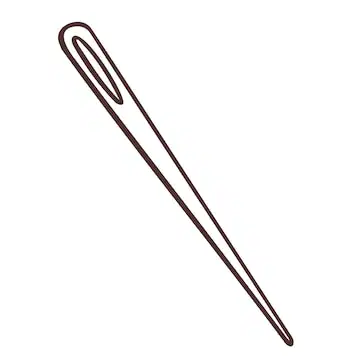
Hand Sewing Needle

Straight Pins
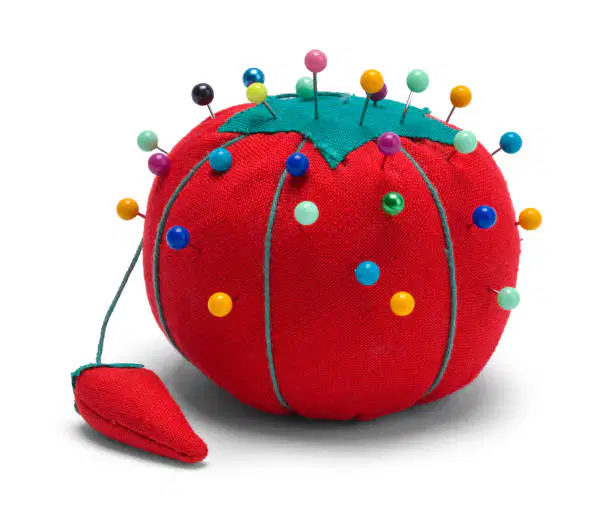
Pin Cushion
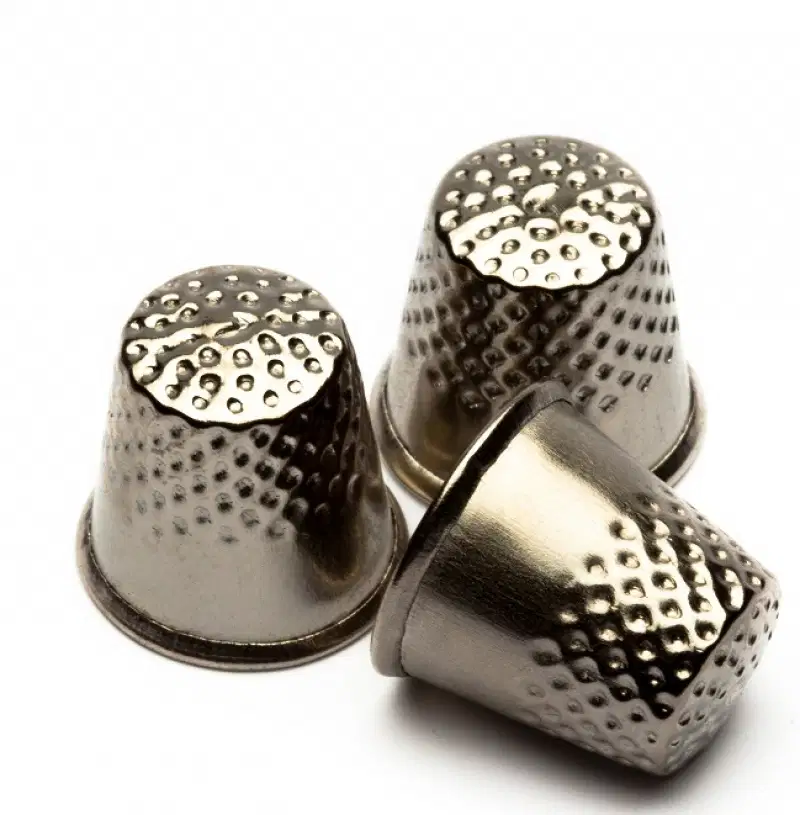
Thimble
Match the following
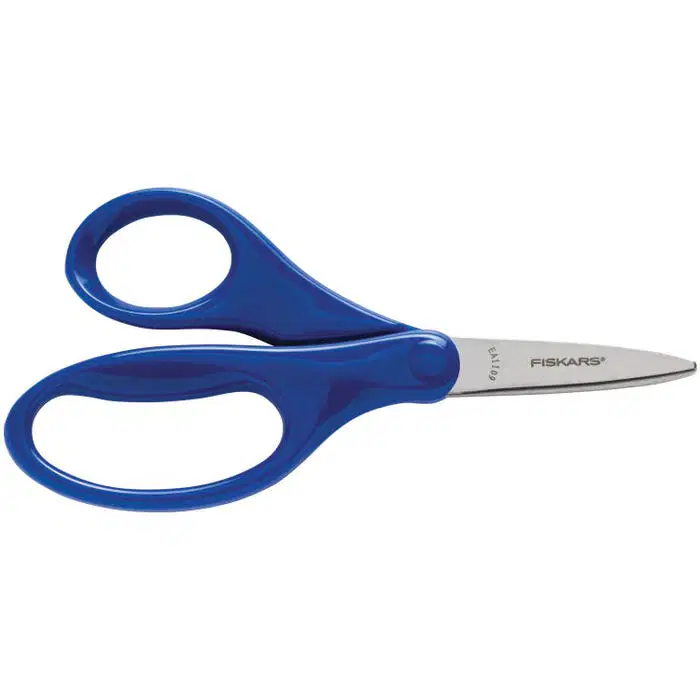
Scissors
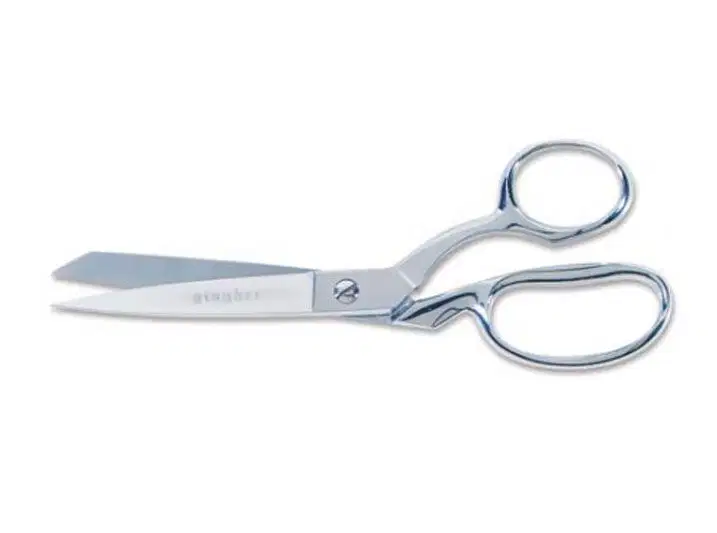
Shears
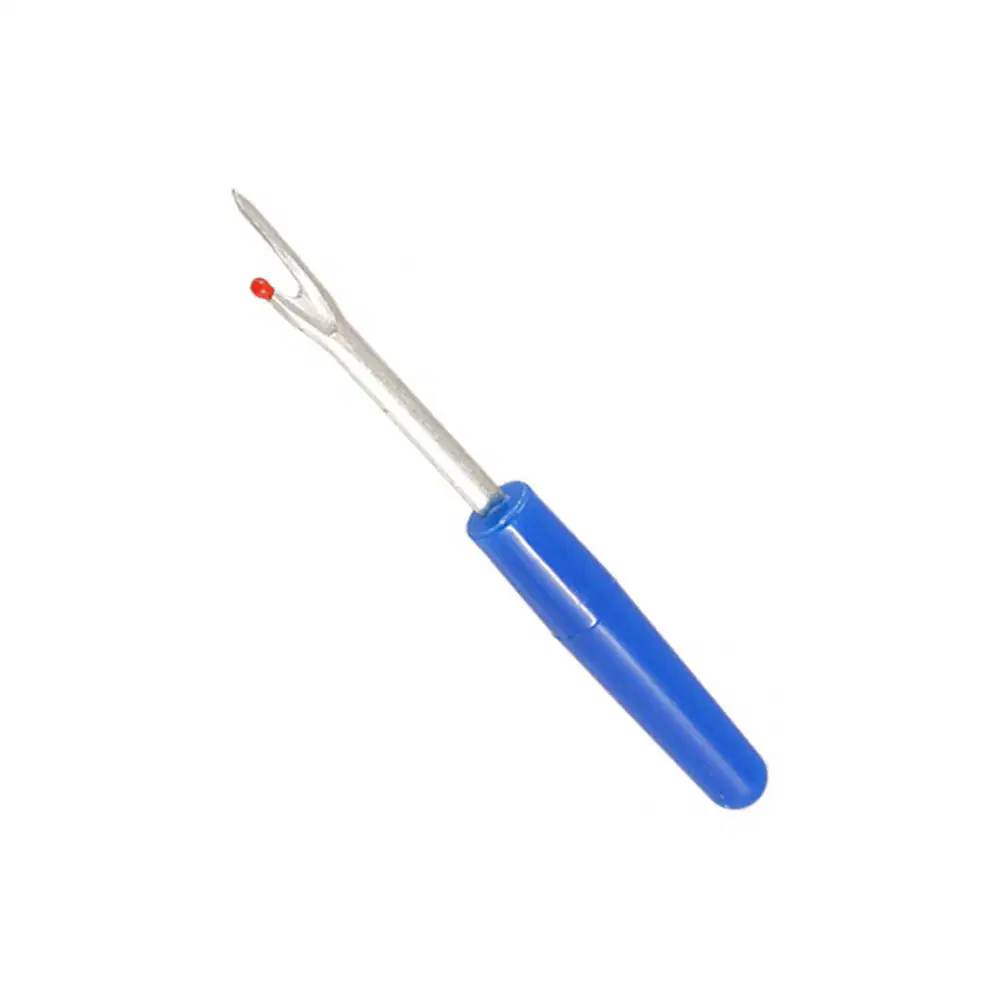
Seam Ripper
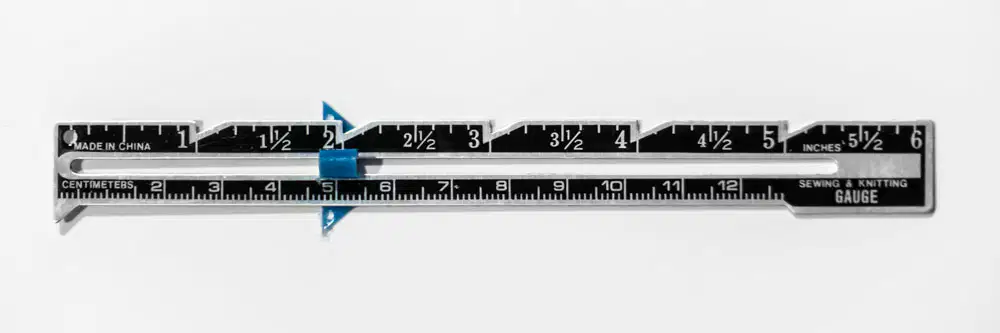
Seam Gauge
Match the following

Thread
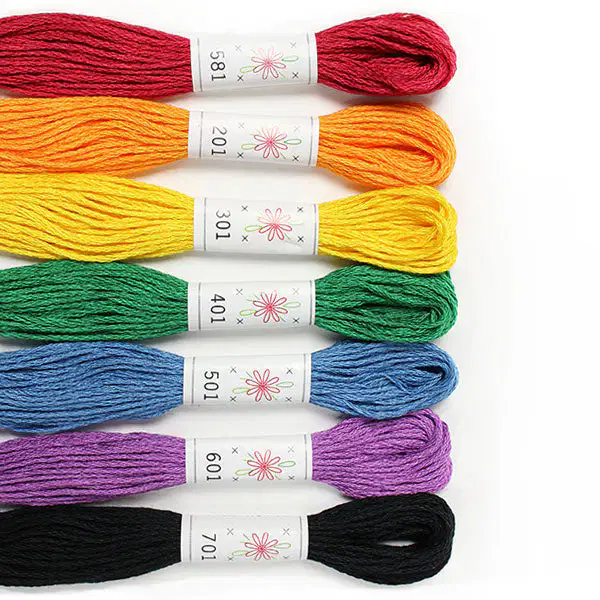
Embroidery Floss
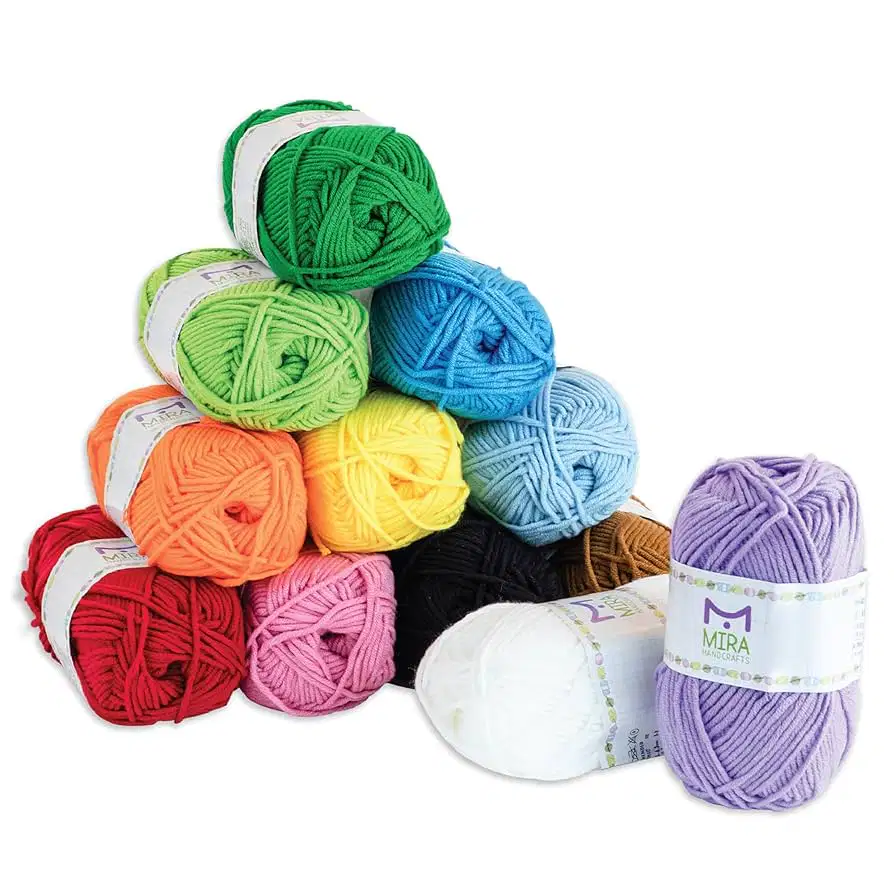
Yarn

Plastic Canvas

