
Font size
 Worksheets
Biomolecules Practice
Total questions: 40
Worksheet time: 1hrs 11mins
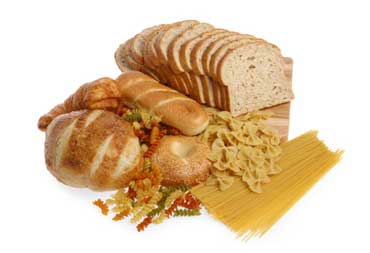

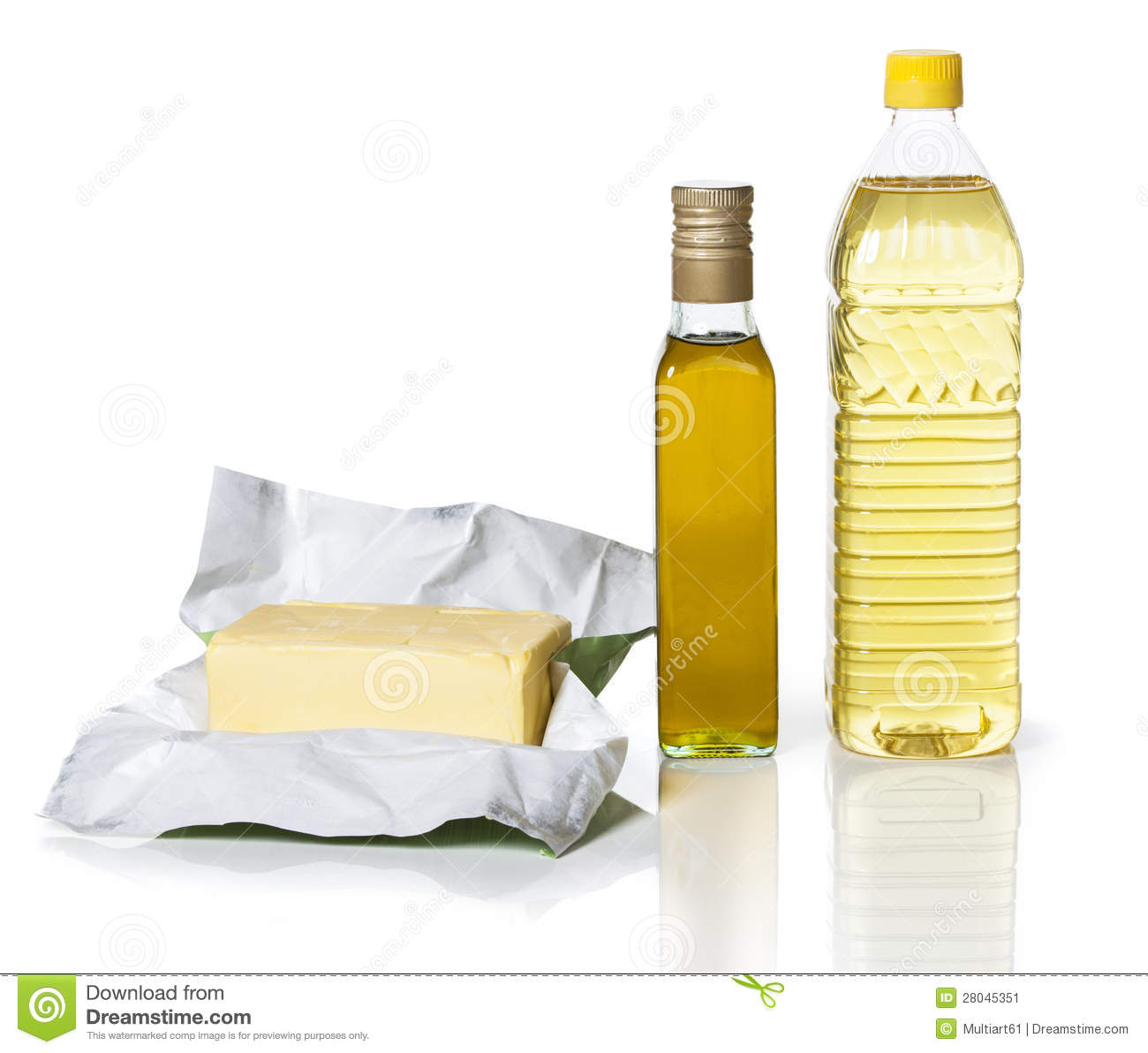
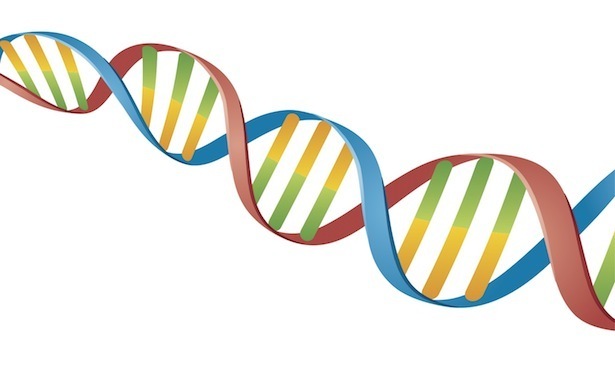
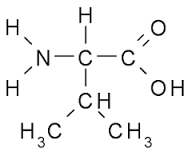
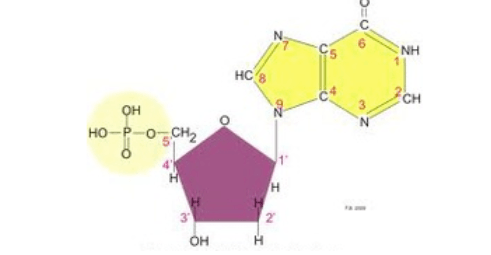
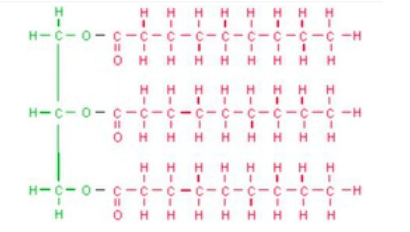
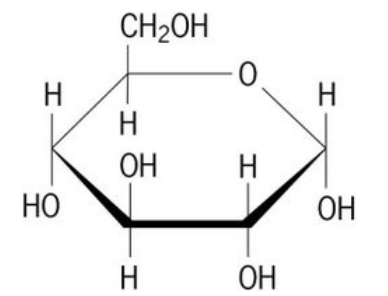
Just under an orca's skin lies a thick layer of blubber. Blubber helps insulate a whale from heat loss. Based on this information, which biomolecule is blubber primarily made of?
Lipids
Nucleic Acids
Proteins
Carbohydrates

protein

nucleic acid

carbohydrate

lipid
Match the following functions to the biomolecule
Act as hormones
Lipid
Build muscle
Protein
Carry genetic information
Nucleic acid
Energy source (cellular respiration)
Carbohydrate


A __________ consists of many monomers bonded together.
monomer
hydrocarbon
peptide
polymer
Match the qualities to the biomolecules.
sugar
glycosidic
quick energy
cell identification
oils
Ester bonds
long term energy storage
build cell membrane
DNA/ RNA
Phosphodiester bonds
hydrogen bonds
genetic information
lactase
peptide bonds
chemical reactions
express traits (build body)
amino acids
nucleotides
fatty acids and glycerol
monosaccharides
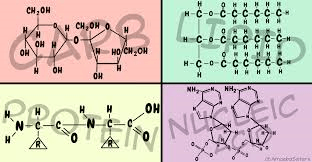
Name the Molecules in the diagram
Carbohydrate (Sugar)
Lipid (fatty Acid)
Protein (amino acid)
Nucleic Acid (nucleotide)

Complete the statements below by choosing the correct biomolecule.
(a) , such as glucose, provide us with quick energy source. (b) , which include fats, store energy that can be used later. (c) , which are composed of amino acids, help with muscle growth and repair. (d) , which include DNA and RNA, play a major role in the storage and expression of genetic information.
Lipids
Long term energy storage, and allow for transport of certain molecules in and out of the cell
Proteins
provide structure, includes enzymes that catalyze reactions inside the cell
Nucleic acids
Store genetic information for the cell
Carbohydrates
Provides energy for cellular processes, provides structure for cell walls
Match the definitions with their vocabulary terms.
organic compound made of amino acids joined by peptide bonds; primary building block of organisms
protein
organic compound containing carbon, hydrogen, and oxygen in a ratio of one oxygen and two hydrogen atoms for each carbon atom
carbohydrate
hydrophobic biological molecule composed mostly of carbon and hydrogen
lipid
carbon compound joined by peptide bonds
amino acid
complex macromolecule that stores and communicates genetic information
nucleic acid
The cell membrane contains channels and pumps that help move materials from one side to the other. What are these channels and pumps made of?
Carbohydrates
Lipids
Bilipids
Proteins


Which protein transports oxygen through the bloodstream and carbon dioxide out of the bloodstream.
Hemoglobin
Amino Acids
Actin
Gluten
Select the rectangle that best answers the question.
Identify what types of biomolecules glycogen and lactase are.
Carbohydrates
Lipids
Protein
Nucleic Acids

Match the following structures with their correct descriptions.
Monosaccharide
Consists of sugar molecules.
Nucleic Acid
Consists of nucleotides.
Lipid
Consists of glycerol and fatty acids.
Protein
Consists of amino acids.
Match the following compounds as one of the macromolecules
Starch
Carbohydrates
Insulin
Protein
Steroids
lipid
Messenger RNA
nucleic acid
Match the following
Fast, short term energy
Carbohydrate
Instructional Code of Life
Nucleic Acid
Builds muscle, bone, and makes up hormones and enzymes
Proteins
Long term energy, cell membranes, and insulation
Lipids
Match the following structures to their biomolecule

Carbohydrate

Lipid

Protein

Nucleic Acid
Chitin is a (a) It is found in the (b) of some insects.
Match the following
insulation
lipid
energy
carbohydrate
cell wall
cellulose
stores genetic information
DNA
Monomer of nucleic acids
nucleotide
Complete the statements below by choosing the correct biomolecule.
Biomolecules are substances that are produced by cells that have a variety of functions in our bodies.
(a) , such as glucose, provide us with quick energy source. (b) , which include fats, store energy that can be broken down to yield larger amounts of energy. (c) , which are composed of amino acids, help with muscle growth and repair. (d) , which include DNA and RNA, play a major role in the storage and expression of genetic information.

Which TWO biomolecules are pictured here:
Carbohydrates
Lipids
Proteins
Nucleic Acids

Two biomolecules are shown.
Molecule X and Molecule Y are both carbohydrates.
Molecule X is a nucleic acid, and Molecule Y is a carbohydrate
Molecule X and Molecule Y are both nucleic acids.
Molecule X is a carbohydrate, and Molecule Y is a nucleic acid.

