
 Worksheets
VTA160: Cardiovascular Drugs
Total questions: 79
Worksheet time: 40mins
What is the primary function of the heart?
To digest food
To move blood through the vascular system
To control breathing
To filter waste
What are the two dorsal chambers of the heart called?
Ventricles
Atria
Valves
Arteries
What is the strong muscle tissue of the heart called?
Myocardium
Pericardium
Endocardium
Epicardium
Fill in the blank: Blood returns from general circulation and enters the _________
vena cava
aorta
pulmonary vein
left atrium
Fill in the blank: After passing through the right atrium, blood flows through the ________ valve.
tricuspid
mitral
aortic
pulmonary
Fill in the blank: Blood travels from the right ventricle to the ________ artery.
pulmonary
carotid
renal
coronary
Match the following steps in the blood flow through the heart:
Right atrium
Receives blood from vena cava
Right ventricle
Pumps blood to pulmonary artery
Lungs
Blood gives up CO2 and brings back O2
Left atrium
Receives oxygenated blood from pulmonary veins
Left ventricle
Pumps blood to aorta
Systole is the period of ________ of the chambers.
contraction
relaxation
expansion
filling
Diastole represents the ________ phase when the chambers are filling with blood.
relaxation
contraction
active
pumping
What must be carefully coordinated to create an efficient pumping action in the heart? (Fill in the blank)
The coordination of systole and diastole phases
The contraction of the diaphragm and lungs
The flow of blood through the veins only
The movement of oxygen in the alveoli
Arrhythmias happen when there is an abnormal pattern of ________ activity in the heart.
electrical
muscular
chemical
digestive
Arrhythmias are divided into two general groups. Fill in the blank: Arrhythmias that result in an increased heart rate are called ________.
tachycardia
bradycardia
fibrillation
asystole
Arrhythmias are divided into two general groups. Fill in the blank: Arrhythmias that result in a decreased heart rate are called ________.
bradycardia
tachycardia
fibrillation
asystole
Which type of antiarrhythmic drug causes the heart rate to slow?
Sodium Channel Blockers
Beta-Blockers
Calcium Channel Blockers
Which type of antiarrhythmic drug causes the heart to contract with less force?
Sodium Channel Blockers
Beta-Blockers
Calcium Channel Blockers
Which type of antiarrhythmic drug causes the heart to contract with more force, resulting in lower blood pressure?
Sodium Channel Blockers
Beta-Blockers
Calcium Channel Blockers
Match the following antiarrhythmic drugs to their classes:
Beta-blocker
C
Calcium channel blocker
A
Sodium channel blocker
B
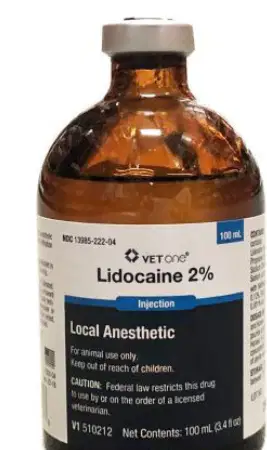
Lidocaine is a ________.
sodium channel blocker
beta blocker
calcium channel blocker
anticoagulant

Propranolol is a ________ ?
beta-blocker
calcium channel blocker
ACE inhibitor
diuretic
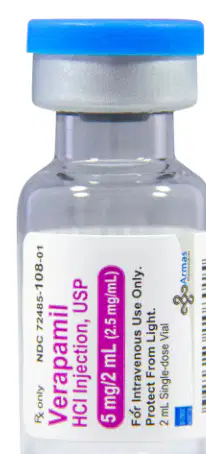
Verapamil is a ________.
calcium channel blocker
beta blocker
ACE inhibitor
diuretic
Which of the following drugs decreases the rate of movement of sodium into heart cells?
Lidocaine
Propranolol
Epinephrine
Atropine
Lidocaine is frequently used in which of the following settings?
Emergency medicine and acute care
Chronic pain management
Psychiatric care
Dermatology
Only plain lidocaine can be used; if the vial also contains epinephrine and is injected into a patient, it could cause death.
True
False
List two adverse effects of lidocaine.
Drowsiness, depression, ataxia, and muscle tremors (any two)
Hypertension and bradycardia
Hyperglycemia and weight gain
Constipation and blurred vision
Propranolol is classified as a:
Sodium channel blocker
Beta-blocker
Calcium channel blocker
ACE inhibitor
Which drug causes the heart to contract with less force?
Lidocaine
Propranolol
Epinephrine
Digoxin
Propranolol decreases the heart rate and prevents tachycardia in response to ______, fear, or excitement.
stress
exercise
hunger
sleep
Name two adverse effects of propranolol.
Bradycardia, hypotension, worsening of heart failure, lethargy, and depression (any two)
Hyperglycemia, increased appetite, insomnia, and euphoria (any two)
Tachycardia, hypertension, and agitation (any two)
Weight gain, rash, and constipation (any two)
Which of the following drugs combats arrhythmias by blocking calcium channels of cardiac muscle cells?
Verapamil
Amlodipine
Digoxin
Lidocaine
Verapamil has limited use in veterinary medicine due to _________.
adverse effects
high cost
poor palatability
lack of availability
Which arrhythmias can Verapamil be used to treat?
Supraventricular tachycardia, atrial flutter, and atrial fibrillation
Ventricular fibrillation
Sinus bradycardia
None of the above
List two adverse effects of Verapamil.
Hypotension, bradycardia (also acceptable: tachycardia, pulmonary edema, worsening of CHF)
Hyperglycemia, weight gain
Alopecia, tinnitus
Insomnia, euphoria
Amlodipine is most commonly used for ________ in small animals.
hypertension
diabetes
arthritis
epilepsy
Which drug is used to treat supraventricular tachyarrhythmias and hypertension in dogs and cats?
Verapamil
Amlodipine
Atenolol
Procainamide
What is the main function of positive inotropic agents?
Decrease blood pressure
Increase the strength of contraction of a weakened heart
Lower cholesterol
Reduce inflammation
Which of the following drugs are common positive inotropic agents?
A) Digoxin
B) Pimobendan
C) Dobutamine
D) All of the above
Fill in the blank: Common positive inotropic agents include ________, Pimobendan, and Dobutamine.
Digoxin
Atenolol
Furosemide
Enalapril
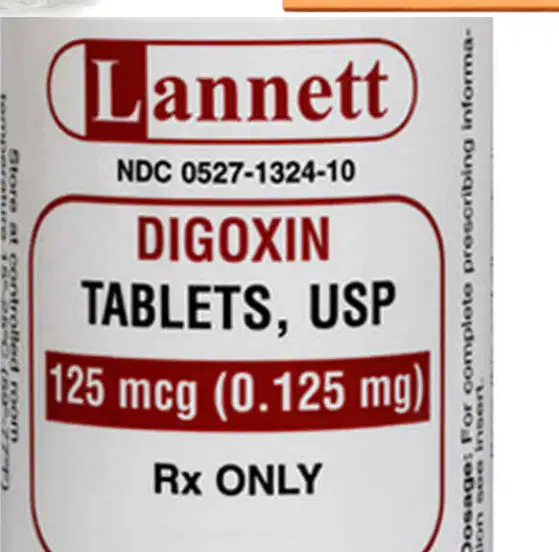
Match the following positive inotropic agents to their corresponding images:
Lannett Tablets, USP (125 mcg)
Digoxin
Vetmedin Chewable Tablets (1.25 mg)
Pimobendan
DOBUTamine Injection, USP (250 mg)
Dobutamine
Fill in the blank: Digoxin increases the force of contraction and ______ the rate of contraction.
decreases
increases
stabilizes
doubles
Fill in the blank: Digoxin is used to treat CHF, atrial fibrillation, and ______ tachycardia.
supraventricular
ventricular
sinus
nodal
Fill in the blank: Digoxin has a small therapeutic index, meaning therapeutic index and toxic range are very ______ together.
close
far
separate
different
Fill in the blank: Early signs of digoxin toxicity include anorexia, vomiting, and ______.
diarrhea
hypertension
rash
insomnia
Fill in the blank: Dobutamine causes increased cardiac ______.
contractility
output
rate
volume
Fill in the blank: Dobutamine is only available as a ______ label product.
human
veterinary
herbal
cosmetic
Fill in the blank: Dobutamine is used in patients with acute signs of heart failure such as ______ cardiomyopathy.
dilated
restrictive
hypertrophic
ischemic
Fill in the blank: Adverse effects of dobutamine include tachycardia and ______ arrhythmias.
ventricular
atrial
sinus
nodal
In what year was Pimobendan (Vetmedin) approved for use in veterinary medicine?
2007
1995
2012
2018
Pimobendan (Vetmedin) produces balanced vasodilation leading to a reduction of both cardiac preload and ________.
afterload
heart rate
contractility
blood glucose
Pimobendan (Vetmedin) is labeled for the treatment of which of the following conditions in dogs?
Diabetes
Atrioventricular insufficiency, CHF, and dilated cardiomyopathy
Arthritis
Epilepsy
Which of the following is NOT an adverse effect of Pimobendan (Vetmedin)?
Anorexia
Lethargy
Diarrhea
Hypertension
Atrial fibrillation
What is the function of vasodilators?
Constrict blood vessels
Open (dilate) constricted vessels, making it easier for the heart to pump blood
Increase blood pressure
Prevent blood clotting
Fill in the blank: Common vasodilators include Hydralazine, Nitroglycerin, and _________.
Nitroprusside
Atenolol
Furosemide
Digoxin
Fill in the blank: Common ACE-Inhibitors include Enalapril and ___________.
Benazepril
Atenolol
Furosemide
Simvastatin
Which of the following is a common ACE-Inhibitor?
Hydralazine
Nitroprusside
Enalapril
Nitroglycerin
Which of the following is NOT a common vasodilator?
Hydralazine
Nitroglycerin
Benazepril
Nitroprusside
Hydralazine causes arteriolar smooth muscle to ______, which benefits animals with a poorly functioning mitral valve.
relax
contract
harden
calcify
Hydralazine is used for patients with Congestive heart failure caused by ______ valve insufficiency.
mitral
aortic
pulmonary
tricuspid
Which of the following is NOT an adverse effect of Hydralazine?
Hypotension
Vomiting
Hypertension
Diarrhea
Nitroglycerin relaxes the blood vessels on the ______ side of circulation. (Fill in the blank)
venous
arterial
pulmonary
lymphatic
Nitroglycerin is well absorbed through the skin and mucous membranes.
True
False
Nitroglycerin is used to improve cardiac output and reduce associated ______ edema. (Fill in the blank)
pulmonary
cerebral
peripheral
hepatic
Which of the following is a minimal adverse effect of Nitroglycerin?
Rashes at the application site
Severe vomiting
Sodium retention
Tachycardia
What is the primary use of Enalapril in animals?
To relax the smooth muscles of arterioles and veins, useful for treating animals with cardiac disease that involves both the right and left ventricles.
To increase appetite in animals with chronic illness.
To treat bacterial infections in animals.
To induce vomiting in cases of poisoning.
List two adverse effects of Enalapril.
Hypotension, azotemia, vomiting, diarrhea.
Hypertension, hyperglycemia, constipation, rash.
Bradycardia, blurred vision, insomnia, cough.
Weight gain, alopecia, tremor, dry mouth.
Has the safety of Enalapril in breeding dogs been established?
No, the safety of enalapril in breeding dogs has not been established.
Yes, enalapril is completely safe for breeding dogs.
The safety of enalapril in breeding dogs has been extensively studied and proven.
Enalapril is only unsafe for breeding cats, not dogs.
What is the primary use of Benazepril in animals?
To relax the smooth muscles of arterioles and veins, useful for treating animals with cardiac disease that involves both the right and left ventricles.
To stimulate appetite in animals with chronic kidney disease.
To treat bacterial infections in the respiratory tract of animals.
To induce vomiting in cases of poisoning in animals.
List two adverse effects of Benazepril.
Hypotension, azotemia, vomiting, diarrhea.
Hypertension, polyuria, alopecia, constipation.
Hyperglycemia, cough, blurred vision, rash.
Bradycardia, weight gain, insomnia, tremor.
What are diuretics?
Drugs that increase urine formation and promote water loss
Drugs that decrease urine formation
Drugs that increase blood pressure
Drugs that promote weight gain
Diuretics should be used cautiously in animals with hypovolemia (low blood volume) or hypotension (low blood pressure) because they further decrease the fluid component of blood and reduce _________
blood pressure
heart rate
body temperature
respiratory rate
Which of the following is a common diuretic?
Furosemide (Lasix)
Amoxicillin
Ibuprofen
Acetaminophen
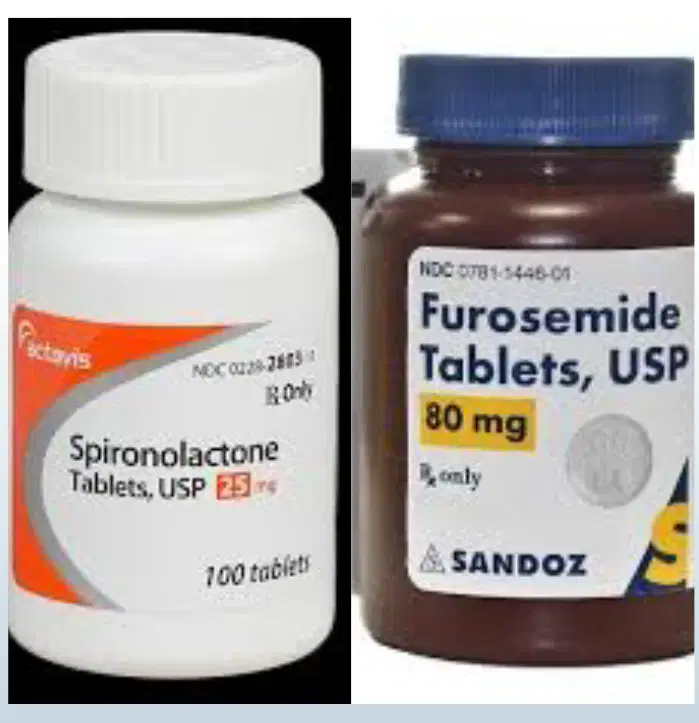
Which medication shown in the image is a diuretic?
Spironolactone
Furosemide
Both A and B
Neither A nor B
Which diuretic is very powerful for removing edema from animals with heart failure?
Lasix
Spironolactone
Hydrochlorothiazide
Mannitol
Lasix is called a loop diuretic because reabsorption occurs in the loop of Henle (in the kidney).
True
False
Which of the following is an adverse effect of Lasix?
High blood potassium
Dehydration
High blood sodium
Increased strength
Lasix can be used in all species.
True
False
Spironolactone is a potassium-sparing diuretic.
True
False
Spironolactone is usually combined with which type of diuretic?
A loop diuretic
A thiazide diuretic
An osmotic diuretic
A carbonic anhydrase inhibitor
Spironolactone has limited use in veterinary medicine.
True
False
Which diuretic does not cause low blood potassium (hypokalemia)?
Spironolactone
Furosemide
Hydrochlorothiazide
Bumetanide

