
 Worksheets
Ch. 3 Drug and Supplement Development - Learning Objectives
Total questions: 97
Worksheet time: 8hrs 5mins
A drug is a substance that causes a change in the body or mind. Which of the following correctly distinguishes between prescription drugs, over-the-counter (OTC) drugs, homeopathic drugs, and dietary supplements?
Prescription drugs require a doctor's approval, OTC drugs can be bought without a prescription, homeopathic drugs are based on natural remedies, and dietary supplements provide nutrients.
Prescription drugs and OTC drugs are both only available with a doctor's note, homeopathic drugs are illegal, and dietary supplements are only for athletes.
Prescription drugs are always harmful, OTC drugs are always safe, homeopathic drugs are synthetic, and dietary supplements are prescription only.
Prescription drugs are vitamins, OTC drugs are minerals, homeopathic drugs are antibiotics, and dietary supplements are painkillers.
Germ theory has influenced the development of sterile compounding and key drug types, such as vaccines, antibiotics, and antivirals, by:
Establishing the need to prevent microbial contamination in drug preparation and leading to the creation of drugs that target specific pathogens.
Promoting the use of herbal remedies over synthetic drugs in sterile compounding.
Encouraging the elimination of all chemical additives in drug manufacturing.
Focusing solely on the physical properties of drugs rather than their microbial safety.
The roles of probiotics, vitamins, and nutrition in wellness include:
Supporting digestive health, boosting immunity, and maintaining overall well-being.
Causing nutrient deficiencies and weakening the immune system.
Reducing the absorption of essential vitamins and minerals.
Increasing the risk of chronic diseases and poor health.
The discoveries that led to today’s hormone and mental health drugs and the dangerous side effects when abused are best described by which of the following?
They were developed through scientific research, but abuse can cause serious side effects such as addiction, hormonal imbalance, or mental health deterioration.
They were discovered accidentally and have no side effects when abused.
They are only effective when abused and have no risks.
They were created for recreational use and are always safe.
Describe how poisons from World War I and World War II became used in cancer drug therapies and why it is key that technicians follow U.S. Pharmacopeial Convention (USP) practices for hazardous drug compounding.
Poisons from World War I and II were adapted into cancer drug therapies, making it essential for technicians to follow USP practices to safely handle hazardous drugs.
Poisons from World War I and II are only used in antibiotics, so USP practices are not necessary for compounding.
World War I and II poisons are not used in any modern medical therapies, so USP practices are irrelevant.
Technicians follow USP practices only for non-hazardous drugs, not for those derived from wartime poisons.
The significance of genetics on new drugs for diagnosis and treatment of diseases is that:
It enables personalized medicine and targeted therapies.
It eliminates the need for clinical trials.
It makes all diseases curable instantly.
It reduces the importance of environmental factors.
The differing processes and roles of the Food and Drug Administration (FDA) and the USP in the approval of new and investigational pharmaceutical products, generic drugs, over-the-counter drugs, homeopathic drugs, and dietary supplements are:
The FDA is responsible for approval and regulation, while the USP sets quality standards but does not approve drugs.
The USP approves all drugs, while the FDA only sets quality standards.
Both the FDA and USP jointly approve all pharmaceutical products.
The FDA only approves dietary supplements, while the USP approves prescription drugs.
According to the FDA, how is a drug defined?
Any substance manufactured by a pharmaceutical company for medicinal effects
Any substance taken into or applied to the body for the specific purpose of altering the body's biochemical functions and physiological processes
Only substances that can be abused
Only prescription medications
What are the three main classifications of drugs according to the FDA?
Prescription, over-the-counter (OTC), homeopathic
Herbal, vitamin, mineral
Protein, energy, nutritional
Only prescription and OTC
Fill in the blank: OTC drugs and most homeopathic medications do not require a ______ and are sold as retail products.
prescription
refill
diagnosis
insurance
Which of the following is NOT considered a drug by the FDA?
A) Vitamins
B) Prescription medications
C) Over-the-counter medications
D) Homeopathic medications
A prescription drug, formerly known as a ______ drug, is a drug that can be legally dispensed to a patient only upon the receipt of a state-licensed healthcare provider's directive.
legend
generic
over-the-counter
controlled
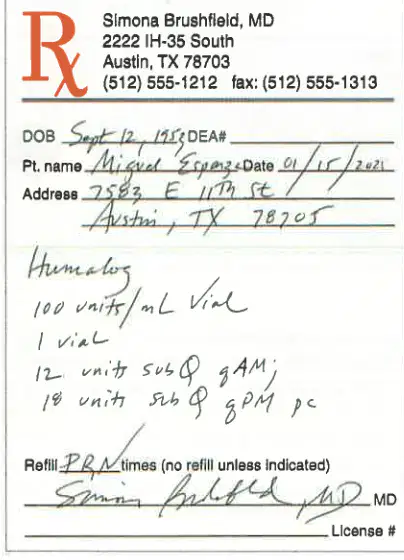
What does the legend 'Rx' on a prescription drug label indicate?
It indicates that the drug is a prescription drug and can only be dispensed with a healthcare provider's directive.
It indicates that the drug is available over-the-counter without restrictions.
It indicates that the drug is a herbal supplement.
It indicates that the drug is a controlled substance that is illegal to possess.
What is a therapeutic agent? Fill in the blank: A therapeutic agent is a medication that targets a specific ______ in the body.
need
organ
disease
cell
Which of the following is a function of therapeutic agents?
Maintain Health
Relieve Symptoms
Combat Illness
Reverse Disease Processes
All of the above
Fill in the blank: Therapeutic agents that help to regulate metabolism, support organ and cell functions, and contribute to the maintenance of normal growth are said to ______.
Maintain Health
Cause Disease
Disrupt Homeostasis
Induce Toxicity
Fill in the blank: Therapeutic agents that are used to treat fever, pain, or inflammation, or to control high blood pressure are said to ______.
Relieve Symptoms
Cause Disease
Increase Pain
Suppress Immunity
Fill in the blank: Therapeutic agents that include antibiotics to treat infections or drugs to delay disease progression are said to ______.
Combat Illness
Promote Growth
Induce Sleep
Cause Allergies
What is a prophylactic agent? Fill in the blank: A prophylactic agent prevents ______ or disease from occurring.
illness
injury
recovery
treatment
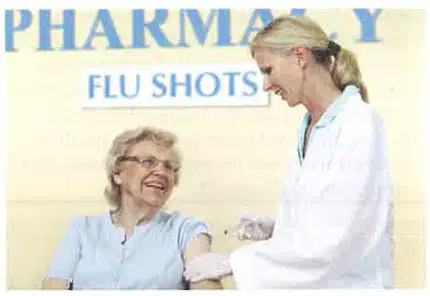
What is the primary purpose of vaccines as described in the passage?
To treat bacterial infections
To prevent the onset of diseases such as influenza, pneumonia, shingles, and others
To cure cancer
To relieve pain
Fill in the blank: A destructive agent works to kill specific living elements, such as ________, fungi, viruses, or abnormal cancer cells.
bacteria
plants
minerals
enzymes
Which of the following is an example of a bactericidal drug mentioned in the passage?
Radioactive iodine
Penicillin
Caffeine
Insulin
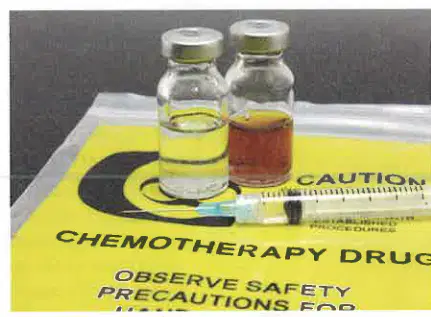
Traditional cancer drugs are destructive agents that kill both cancer and normal cells.
True
False
What is a pharmacodynamic agent?
A pharmacodynamic agent is a medication that alters body functioning in a desired way, such as stimulating or relaxing muscles, dilating or constricting pupils, or increasing or decreasing blood glucose levels.
A pharmacodynamic agent is a medication that only treats infections caused by bacteria.
A pharmacodynamic agent is a medication that is used exclusively for pain relief without affecting any body functions.
A pharmacodynamic agent is a medication that is used to replace missing hormones in the body.
Which of the following is considered a pharmacodynamic agent according to the passage?
Antibiotic
Caffeine found in coffee, tea, or a soft drink
Vaccine
Radioactive iodine
What is the primary function of a diagnostic agent?
To treat diseases
To help physicians diagnose a medical condition
To increase alertness
To prevent pregnancy
Fill in the blank: The science of germ theory led to the development of vaccines, antibiotics, and ________ techniques used today.
aseptic (germ-free)
surgical
chemical
mechanical
Which of the following is NOT mentioned as a use for diagnostic agents?
A) Imaging the brain
B) Treating diabetes
C) Studying the lungs
D) Visualizing the kidneys
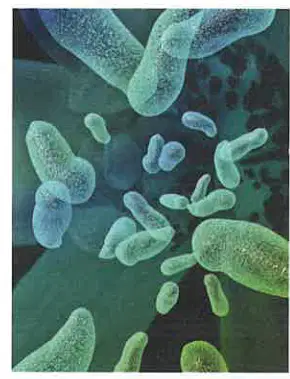
This computerized image shows microscopic bacteria. What scientific theory did the discovery of microorganisms help to develop?
Theory of relativity
Germ theory of disease
Atomic theory
Evolutionary theory
What major cause of premature deaths globally in the 1700s is discussed in the passage, and what was its impact on Native American nations?
Smallpox; it decimated the Native American nations who lived in the Americas.
Malaria; it led to increased resistance among Native American nations.
Tuberculosis; it resulted in the migration of Native American nations.
Measles; it strengthened the immunity of Native American nations.
Who observed that dairy workers previously exposed to cows with cowpox didn’t get smallpox, and what procedure did he introduce in 1796?
Dr. Edward Jenner; he introduced vaccination using matter from a cowpox lesion.
Louis Pasteur; he introduced the process of pasteurization.
Robert Koch; he discovered the tuberculosis bacterium.
Jonas Salk; he developed the polio vaccine.
What is the term for the special protection triggered in the body by exposure to cowpox?
Immunity
Mutation
Digestion
Fermentation
What is a vaccine, according to the passage?
A vaccine is a specific disease-causing dead or weakened live microorganism or their toxins introduced into the body to trigger the immune system to fight back.
A vaccine is a type of medicine that cures all diseases instantly.
A vaccine is a vitamin supplement taken daily for good health.
A vaccine is a natural herb used to boost energy levels.
What are antigens and antibodies, as defined in the passage?
Antigens are foreign substances that trigger the body to fight back. Antibodies are proteins that neutralize the disease and foreign toxins.
Antigens are proteins that neutralize diseases. Antibodies are foreign substances that trigger the body to fight back.
Antigens are nutrients required by the body. Antibodies are enzymes that digest food.
Antigens are hormones that regulate body functions. Antibodies are cells that carry oxygen.
Smallpox was the first infectious disease in history to be completely eradicated worldwide in 1979.
True
False
During the American Civil War, what killed more soldiers: weapons or microorganisms?
Microorganisms killed far more soldiers than weapons.
Weapons killed far more soldiers than microorganisms.
Both killed an equal number of soldiers.
Neither caused significant deaths.
According to the passage, what are some of the diseases that caused high mortality among Union soldiers during the Civil War?
Diarrhea, malaria, chicken pox, mumps, tuberculosis, yellow fever, and measles.
Pneumonia, polio, influenza, rabies, smallpox, and typhoid.
Asthma, bronchitis, hepatitis, cholera, dengue, and leprosy.
Scarlet fever, whooping cough, diphtheria, tetanus, rubella, and syphilis.
What is the meaning of the Greek prefix 'anti-' as used in the words antibody, antibiotics, and antigen?
Against
Before
With
Under
Why is it important for pharmacy technicians to be up-to-date on their vaccinations, according to the Safety Alert?
To reassure patients that the benefits of vaccine protection outweigh the small risk of adverse reactions.
To reduce the cost of pharmacy operations.
To comply with insurance billing requirements.
To increase the number of prescriptions filled per day.
What does the word 'septic' mean?
Septic means infection, comes from the Greek word 'septikos', which means 'rotten or characterized by putrefaction'.
Septic means clean and sterile, free from any microorganisms.
Septic refers to a type of plant that grows in waterlogged soil.
Septic is a term used for a type of musical instrument.
What does the prefix 'anti-' mean in the word 'antiseptic'?
The Greek 'anti-' means 'against'.
The Greek 'anti-' means 'before'.
The Greek 'anti-' means 'with'.
The Greek 'anti-' means 'inside'.
What is the main purpose of antiseptic protocols in surgery?
To achieve a condition that is aseptic, without germs, and to prevent infection.
To speed up the healing process by increasing blood flow.
To reduce the cost of surgical procedures.
To improve the appearance of surgical instruments.
Who proved that diseases can be caused by germs or microorganisms during the Civil War years?
Louis Pasteur
Isaac Newton
Gregor Mendel
Albert Einstein
What did Joseph Lister use to prevent infection during surgery?
He used carbolic acid (or phenol) to kill bacteria and sprayed the surgical room and soaked surgical dressings in a mild carbolic acid solution.
He used boiling water to sterilize all instruments and hands before surgery.
He used alcohol-based solutions to clean wounds and surgical tools.
He relied on herbal remedies and natural oils to prevent infection during surgery.
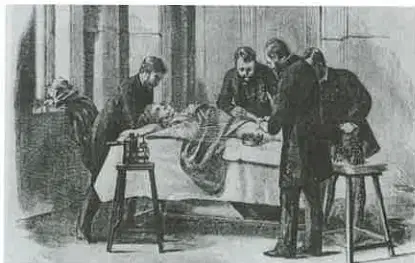
Lister used a mist of carbolic acid, the predecessor of our antibiotic spray cleaning fluids, to disinfect the operative area before surgery, affording a huge improvement to patient recovery.
True
False
Life expectancy for both men and women in the United States in 1900 was in the low 40s.
True
False
What is the main purpose of aseptic technique in medical settings?
To improve patient comfort
To protect patients from harmful germs
To speed up recovery
To reduce medication costs
Which scientist demonstrated that infectious diseases like malaria were caused by microorganisms passed on by mosquitoes in tropical climates?
Alexander Fleming
Robert Koch
Ronald Ross
Joseph Lister
Fill in the blank: The first antibiotic drug, ________, was discovered by Dr. Alexander Fleming in 1928.
penicillin
aspirin
insulin
morphine
Penicillin and its derivatives are among the most widely used antibiotics in the world.
True
False
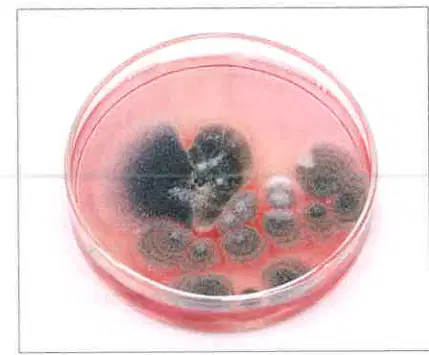
What is the clear pink area around the mold in the petri dish an indication of?
Bacterial growth
Effective antibiotic activity of penicillin
Fungal contamination
Iron lung usage
Who isolated and identified the individual bacterial microbes causing anthrax, tuberculosis, and cholera in the 1880s and 1890s?
Joseph Lister
Robert Koch
Alexander Fleming
Ronald Ross
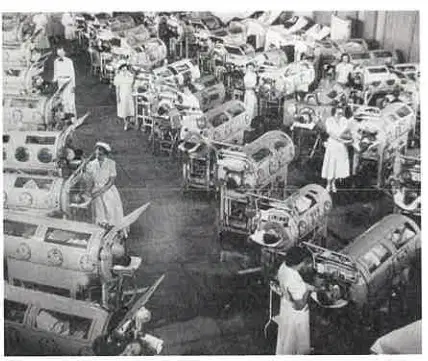
What device did patients who lost use of their lungs from poliovirus have to use?
A ventilator, commonly called an iron lung.
A pacemaker.
A dialysis machine.
A hearing aid.
According to the passage, what was one of the most destructive 20th-century diseases?
Influenza
Polio
Smallpox
Measles
Fill in the blank: In 1952, more than ______ cases of the most serious form of polio—paralytic polio—were reported in the US alone.
21,000
5,000
50,000
100,000
Who created the first injectable vaccine for polio?
Louis Pasteur
Jonas Salk
Edward Jenner
Albert Sabin
The Salk inactivated polio vaccine is administered in four doses to children at 2 months, 4 months, and 6 to 18 months, with a booster dose at 4 to 6 years.
True
False
The main reason antibiotics do not work against viruses is:
Viruses do not have the cellular structures targeted by antibiotics.
Viruses are too small for antibiotics to affect them.
Antibiotics only work in the presence of oxygen, which viruses do not need.
Viruses are resistant to all forms of medication.
When was the first antiviral drug to treat HIV FDA-approved?
1987
1991
1995
1983
In the early days of the disease, a diagnosis of HIV or AIDS was virtually considered a _________?
death sentence
minor inconvenience
guaranteed recovery
routine illness
temporary setback
Approximately how many new cases of HIV/AIDS are reported each year in the United States?
5,000
50,000
500,000
1,200,000
Medications given to pregnant, HIV-infected patients have been shown to be effective in reducing the transmission of the virus to the newborn at delivery from 100% to _____?
5%
50%
25%
80%
Not all microorganisms are bad for one’s health.
True
False
Who suggested that good digestion is dependent upon the inter-reactions of bacteria in the digestive system?
Louis Pasteur
Elle Metchnikoff
Alexander Fleming
Robert Koch
A lack of vitamin C in the 1900s was found to cause the disease of _______.
scurvy
rickets
beriberi
anemia
Recent studies have estimated that there are approximately _______ trillion microbes in the human body.
100
10
1,000
1
What disease is caused by a lack of vitamin C?
Scurvy
Rickets
Pellagra
Beriberi
A lack of vitamin D causes which disease?
Rickets
Scurvy
Goitre
Anaemia
What is the common disease caused by lack of vitamin B1, or thiamine?
Beri beri
Scurvy
Rickets
Pellagra
Hormone comes from the Greek word horman, meaning to set in motion or impel.
True
False
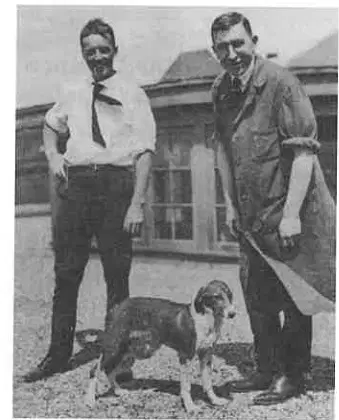
Who were the two scientists credited with isolating and purifying insulin in the 1920s?
Sir Frederick Banting and Charles Best
Marie Curie and Pierre Curie
Alexander Fleming and Howard Florey
James Watson and Francis Crick
What is the name of the pancreatic secretion that helps the body regulate sugar levels, as discovered by Banting and Best?
Insulin
Glucagon
Amylase
Lipase
The discovery of insulin is significant for diabetic patients because:
it allows for the regulation of blood sugar levels
it cures all types of diabetes permanently
it eliminates the need for any dietary restrictions
it prevents all other diseases related to diabetes
What year was fluoxetine (Prozac) approved by the FDA for the treatment of depression?
1987
1992
1975
2001
Which of the following is NOT mentioned as a type of drug used to treat mental health diseases?
Antidepressants
Sleep aids
Cognitive enhancers
Antibiotics
What is a common problem diagnosed in contemporary children that is treated with Adderall and Ritalin?
Attention Deficit Hyperactivity Disorder (ADHD)
Diabetes
Asthma
Epilepsy
All amphetamines, whether prescribed or not, are habit forming and can cause dependence and addiction.
True
False
What is the main risk associated with the use of ADHD drugs like Adderall and Ritalin?
They can cause side effects, dependence, and addiction.
They improve memory permanently.
They cure ADHD completely.
They have no side effects at all.
What are antineoplastic drugs used for?
To poison cancer cells and treat cancer.
To relieve pain and reduce fever.
To treat bacterial infections.
To lower blood pressure.
Which famous Baseball Hall of Fame pitcher was exposed to mustard gas in WWI and died a premature death from its toxicity?
Christy Mathewson
Walter Johnson
Cy Young
Grover Cleveland Alexander
Fill in the blank: The structure of the genetic strands of __________ is carried in the center of each cell and is made up of atomic matter that carries codes to direct the growth of the cell.
deoxyribonucleic acid (DNA)
adenosine triphosphate (ATP)
ribosomal RNA (rRNA)
phospholipid bilayer
What is a gene?
A type of drug used to treat cancer
A distinct segment of DNA that determines a specific individual characteristic
A type of protein found in the blood
A type of cell in the immune system
Fill in the blank: The development of __________ drugs, drugs designed by manipulating genes in living substances to affect the genes in certain patient cells, has led to a new field of study called pharmacogenomics.
genetically engineered
antiviral
synthetic
herbal
What is pharmacogenomics?
The study of cancer drugs
The study of how drugs are metabolized by the liver
The field that blends pharmacology and genomics to design and produce drugs that cater to each individual's genetic makeup
The process of creating antibiotics
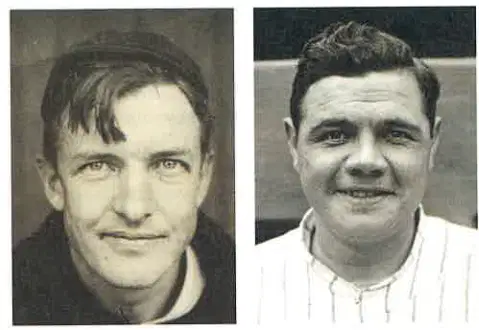
Famous pitcher Christy Mathewson died from exposure to mustard gas in WWI, and Babe Ruth received cancer treatments from a similar compound.
True
False
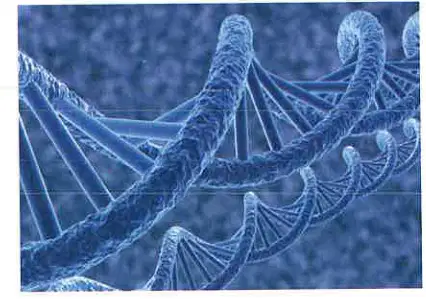
What does the computerized image of DNA show?
The structure of a cancer cell
The twisting ladder-like structure of genetic material
The process of drug metabolism
The effects of antibiotics on bacteria
What are the biochemically active components in medications that exert the desired effects, such as eradicating bacteria or viruses, lowering blood pressure or cholesterol, or controlling heart rates?
Active ingredients
Excipients
Binders
Preservatives
Inert ingredients in medications have a significant physiological effect on the body.
True
False
What are generic biotechnology drugs that function in similar ways as brand-name biologically engineered drugs called?
Biosimilars
Phytochemicals
Antibiotics
Vaccines
Which of the following is NOT a source of drug ingredients?
Natural
Synthetic
Semisynthetic
Photogenic
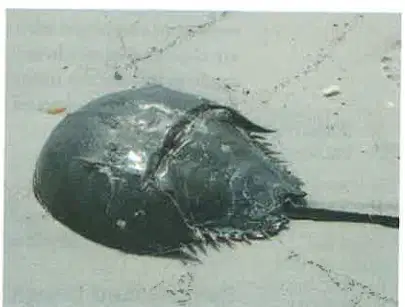
Over 600,000 crabs are captured each spring to donate what percentage of their blue blood?
30%
10%
50%
70%
Drugs made from natural agents that people are allergic to must be identified so that patients with allergies are not given these drugs.
True
False
What is the source of Taxol and what is its primary medical use?
Pacific yew tree, treats breast cancer
Periwinkle plant, treats leukemia
Sea squirt, cancer-fighting drug
Horseshoe crab, blood clotting
Streptomycin, an antibiotic used to treat tuberculosis, is derived from which bacterium?
Streptomyces griseus
Bacillus subtilis
Escherichia coli
Staphylococcus aureus
Vincristine, a drug that inhibits growth of leukemia and other cancer cells, comes from which plant?
Pacific yew tree
Periwinkle plant
Sea squirt
White willow tree
ET743, an experimental new cancer-fighting drug, comes from a _________
sea squirt
jellyfish
algae
coral
What is Limulus Amebocyte Lysate used for?
Treating malaria
Ensuring blood does not clot in hemophiliacs
Testing for bacterial toxins and ensuring drugs, vaccines, and implants are germ-free
Treating thyroid disorders

