
 Worksheets
Ch. 1 Notes – Intro to Forensic Science
Total questions: 83
Worksheet time: 42mins
What is another name for Forensic Science?
(a)
What is the definition of Forensic Science?
(a)
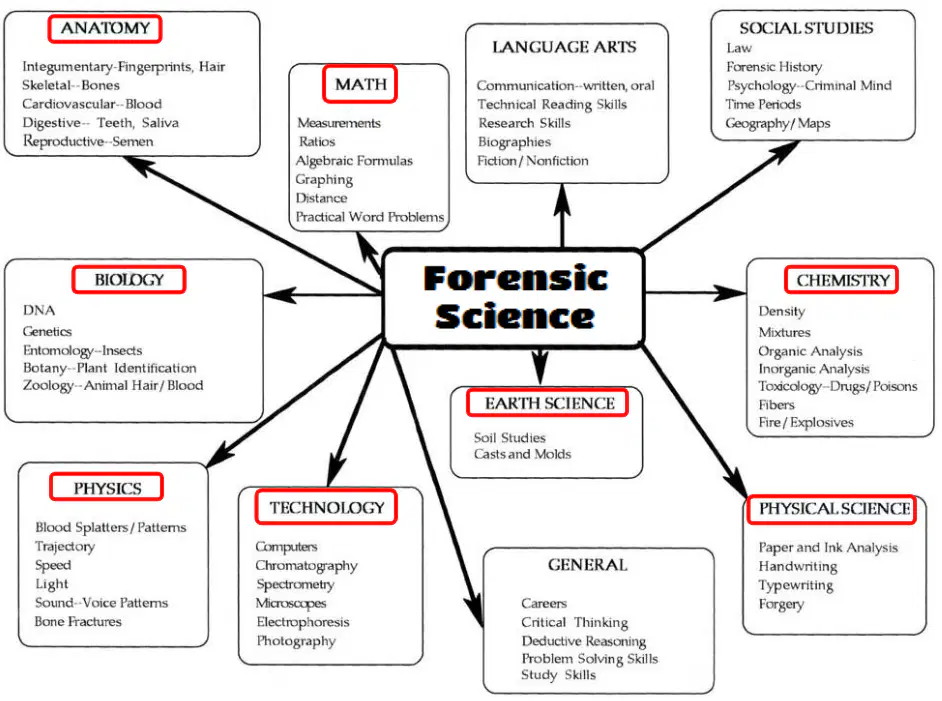
Which of the following is NOT an area from which forensic science applications come?
A) Anatomy
B) Math
C) Cooking
D) Chemistry
Name two skills needed by a forensic scientist.
(a)

Forensic science applications come from which of the following areas?
Biology
Technology
Social Studies
All of the above
A forensic scientist must be able to process and document crime scenes.
True
False
Fill in the blank: Forensic scientists use their (a) to make good observations.

Which area of forensic science involves the study of blood spatter patterns and bone fractures?
(a)
What is deductive reasoning in the context of forensic science?
(a)
Which branch of forensic science involves medical doctors, medical examiners, and pathologists studying the medical history, performing an autopsy, and collecting medical and trace evidence from the body for further analysis?
Forensic Odontology
Forensic Pathology
Forensic Toxicology
Forensic Serology
Fill in the blank: Forensic Odontology is the branch of forensic science where dentists perform bite mark analysis and dental identification when there is no other way for body (a) .
Which branch of forensic science deals with the identification of toxic substances in the body, including drugs and poisons?
Forensic Toxicology
Forensic Serology
Forensic Engineering
Forensic Anthropology
Forensic Anthropology is primarily concerned with the identification of persons or personal characteristics based on body (a) .
Which branch of forensic science is responsible for the identification of blood and other body fluids such as semen and vaginal fluid?
Forensic Serology
Forensic Entomology
Forensic Psychiatry
Forensic Engineering
Forensic Entomology uses insects to determine the time of death and location of a corpse.
True
False
Which branch of forensic science investigates transportation accidents, materials failure cases, and determines the cause of building or structure collapses?
Forensic Computer Science
Forensic Engineering
Forensic Psychiatry
Forensic Odontology
Which unit in the crime laboratory incorporates the principles of chemistry, physics, and geology to identify and compare physical evidence?
Biology Unit
Firearms Unit
Physical Science Unit
Document Examination Unit
Fill in the blank: The Biology Unit applies the knowledge of biological sciences to investigate blood samples, body fluids, botanical samples, hair, and fiber samples. It also includes (a) profiling.

Which unit is responsible for investigating discharged bullets, cartridge cases, shotgun shells, and ammunition, and also includes comparison of tool marks, tire treads, and shoe prints?
Firearms Unit
Document Examination Unit
Photography Unit
Biology Unit
Ballistics is a specific type of physical pattern identification that matches projectiles and casings to individual (a) .

The Document Examination Unit provides handwriting analysis, forgery detection, and authenticity analysis.
True
False

Which unit is responsible for recording and examining physical evidence using special techniques such as digital imaging, infrared, UV, and X-ray?
Firearms Unit
Photography Unit
Biology Unit
Physical Science Unit
What does the Toxicology Unit examine?
Body fluids and organs for drugs and poisons
Latent fingerprints
Polygraph tests
Voice recordings
Fill in the blank: Latent fingerprints are marks left at a crime scene not immediately (a) to the naked eye.
Which unit conducts polygraph (lie detector) tests?
Toxicology Unit
Polygraph Unit
Voiceprint Analysis Unit
Evidence-Collection Unit
What instrument is used to make a visual graphic display of a voiceprint?
Breathalyzer
Sound spectrograph
Polygraph
Fingerprint scanner
Fill in the blank: Chain of Custody refers to the document or paper trail showing the (a) , custody, control, transfer, analysis, and disposition of physical and electronic evidence.
True or False: The weight of the evidence determines its admissibility in court.
True
False
Which federal agency has the largest crime lab in the world?
DEA
ATF
FBI
CIA
Fill in the blank: The Drug Enforcement Administration (DEA) analyzes drugs seized in (a) cases.
Fill in the blank: The ATF traces its roots to the days of (a) .
What does BCI stand for?
(a)
Where are the headquarters of the Bureau of Criminal Investigation (BCI) located?
(a)
Who are offered as special agents to offer investigative assistance at crime scenes in Ohio?
(a)
What is the website for the Ohio Bureau of Criminal Investigation?
(a)
Who recorded the first ever use of forensic science in the 13th century?
(a)
Who is considered the 'Father of Forensic Toxicology'?
(a)
Who used thumbprints on documents to identify workers in India?
(a)
Who is known as the 'Father of Criminal Identification'?
(a)
Who used fingerprints to eliminate an innocent burglary suspect in 1880?
(a)
Who published the first Sherlock Holmes story and popularized scientific crime-detection methods?
(a)
Who published the first definitive study of fingerprints and their classification?
(a)
Who wrote the first paper describing the application of scientific principles to criminal investigation?
(a)
Who discovered the ABO blood groups?
(a)
Who incorporated Gross’ principles within a workable crime lab?
(a)
Who published 'Questioned Documents' and developed the fundamental principles of document examination?
(a)
Who developed a method for determining blood type from dried blood?
(a)
Who established the first crime lab in the United States?
(a)
What is the first use of a comparison microscope developed by Calvin Goddard in 1925?
(a)
Forensics are used more in crimes against ______ rather than ______. (ex. Murder and rape)
(a)
Which type of physical evidence is important in drug possession cases?
(a)
What type of evidence is associated with burglary?
(a)
Which of the following is a minor crime such as theft, minor assault and battery, or possession of a small amount of illegal drugs?
Felony
Misdemeanor
In criminal cases, the prosecution must prove guilt "beyond a (a) " to convict the suspect.
Which of the following is NOT a right guaranteed in the Bill of Rights by the US Constitution?
Protection from unreasonable search and seizure
The right to be arrested without probable cause
The right to be presumed innocent until proven guilty
The right against self-incrimination
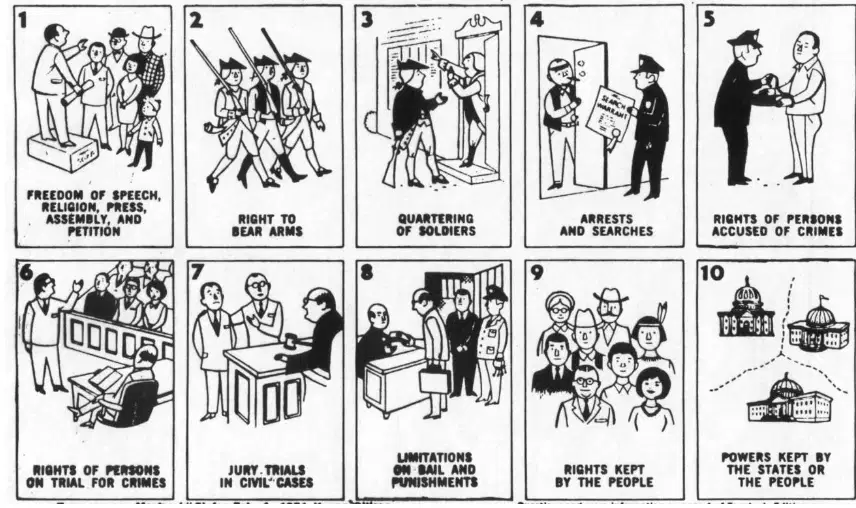
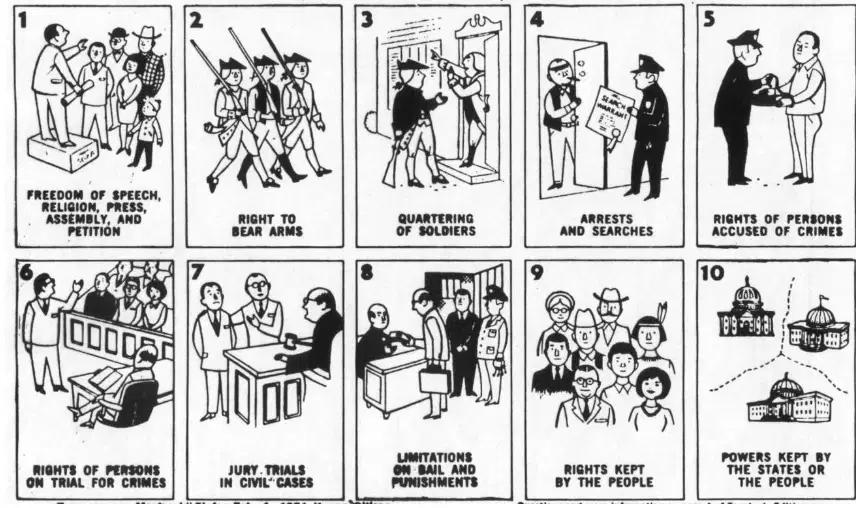
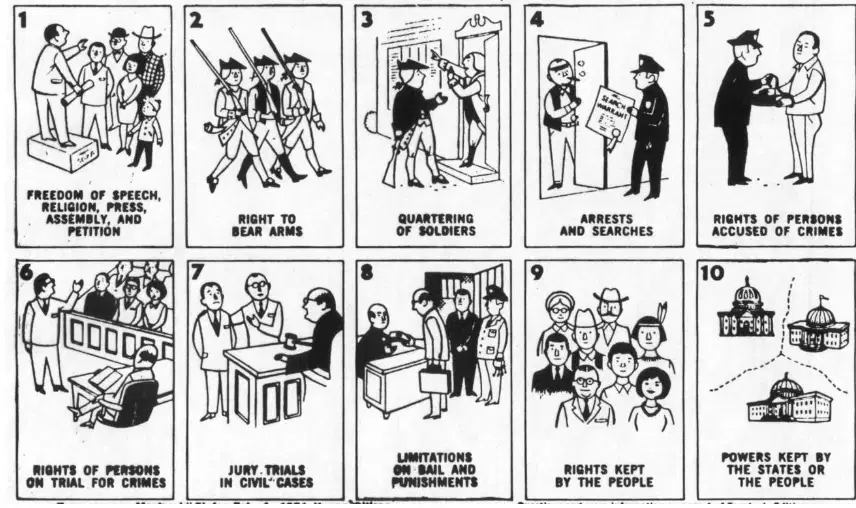
Which amendment guarantees the freedom of religion, speech, press, assembly, and petition?
First Amendment
Second Amendment
Fourth Amendment
Tenth Amendment
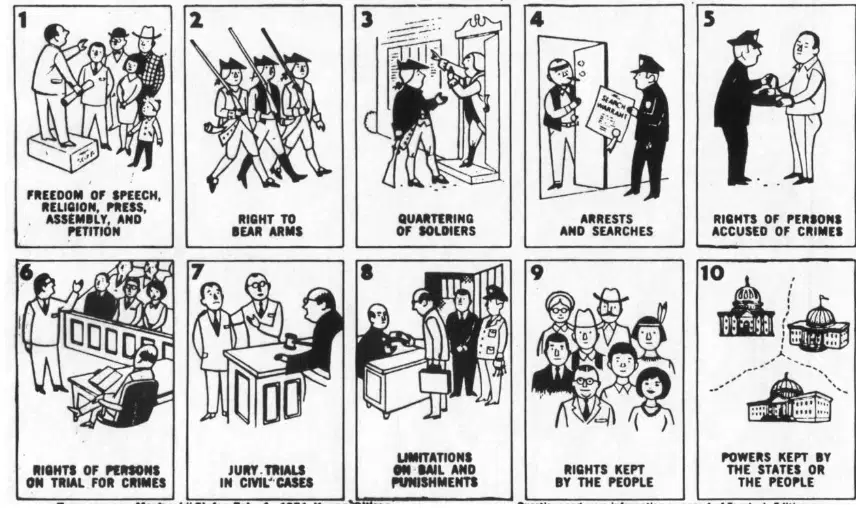
Which amendment gives citizens the right to keep and bear arms?
First Amendment
Second Amendment
Fifth Amendment
Eighth Amendment

Which amendment prohibits the quartering of soldiers in private homes without the owner's consent?
Third Amendment
Fourth Amendment
Sixth Amendment
Ninth Amendment
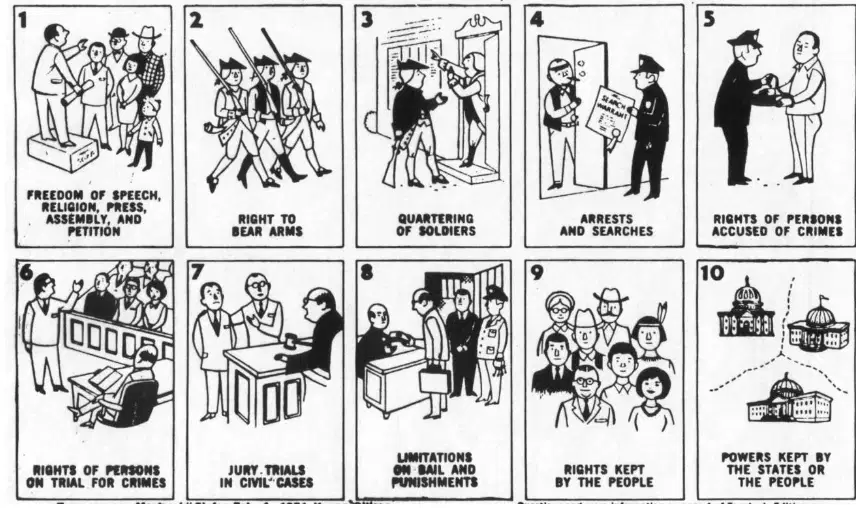
Which amendment protects against unreasonable searches and seizures?
First Amendment
Fourth Amendment
Fifth Amendment
Seventh Amendment
Which amendment provides the right to a grand jury, protection against double jeopardy, and self-incrimination?
Fifth Amendment
Sixth Amendment
Eighth Amendment
Tenth Amendment

Which amendment guarantees the right to a speedy and public trial by an impartial jury?
Fourth Amendment
Fifth Amendment
Sixth Amendment
Ninth Amendment

Which amendment gives the right to a trial by jury in civil cases?
Seventh Amendment
Eighth Amendment
Ninth Amendment
Tenth Amendment
Which amendment prohibits excessive bail, fines, and cruel and unusual punishment?
Fifth Amendment
Sixth Amendment
Eighth Amendment
Ninth Amendment

Which amendment states that the enumeration of certain rights in the Constitution shall not be construed to deny others retained by the people?
First Amendment
Fifth Amendment
Ninth Amendment
Tenth Amendment
Which amendment reserves powers not delegated to the federal government to the states or the people?
Second Amendment
Fifth Amendment
Ninth Amendment
Tenth Amendment
What is the first step in the general procedure for pursuing justice according to the worksheet?
(a)
Which of the following is NOT one of the three things to consider when determining probable cause?
Means
Motive
Opportunity
Alibi
After a suspect is arrested, they are booked, fingerprinted, photographed, and informed of their (a) Rights.
In cases of immediate danger, officers must always wait for a warrant before acting.
True
False
During arraignment, the defendant may enter a plea of:
Guilty
Not guilty
Not guilty by reason of insanity
Double jeopardy
No contest
What does the term 'double jeopardy' mean in the context of arraignment pleas?
(a)
What must law enforcement officers do before questioning a suspect according to the Miranda Warning?
(a)
What is the purpose of documenting and searching the crime scene for evidence?
(a)
Means, motive, and opportunity are considered when determining what legal concept?
(a)
A suspect must be brought before a magistrate, judge, or commissioner within 72 hours for arraignment.
True
False
What is a preliminary or evidentiary hearing?
(a)
What is a grand jury?
(a)
What does it mean to indict someone?
(a)
What is plea bargaining?
(a)
In the court process, what is the first step after a crime is reported?
A) Arrest
B) Investigation
C) Trial
D) Sentencing
During which step is the accused charged with a crime and taken into custody?
Offense
Investigation
Arrest
Sentencing
In felony cases, a grand jury determines if there is sufficient evidence to believe the defendant committed the crime.
True
False
What happens if a jury is unable to agree on a verdict?
(a)

