
 Worksheets
Practicum Chapter 3 Test
Total questions: 63
Worksheet time: 32mins
Name
Class
Date
1.
A phlebotomy technician is disposing of used supplies when he accidentally receives a needlestick injury. According to OSHA guidelines, which of the following actions should the technician take first?
a)
A. Seek out counseling about the incident
b)
B. Go to a medical facility for evaluation
c)
C. Wash the puncture site with soap and water
d)
D. Report the incident to the supervisor
2.
Which of the following should the phlebotomist be tested for the following needlestick injury?
a)
a. Hep A
b)
b. Hep B
c)
c. Tuberculosis
d)
d. Hemophilus influenzae Type B
3.
A phlebotomy technician is preparing to dispose of contaminated sharps. According to OSHA standards, which of the following actions should the technician take?
a)
A. Replace the sharps container when it is two-thirds full
b)
B. Discard covered lancets into a metal trash receptacle
c)
C. Recap needles before placing them into the sharps container
d)
D. Disassemble the evacuated tube system prior to dropping it into the sharps container
4.
A phlebotomy technician should identify which of the following colors signifies a health hazard in the National Fire Protection Association (NFPA) 704 Marking System?
a)
A. Red
b)
B. White
c)
C. Yellow
d)
D. Blue
5.
A phlebotomy technician has a mild sensitivity to latex. According to the National Institute for Occupational Safety and Health (NIOSH), which of the following actions should the technician take?
a)
A. Scrub hands with detergent after wearing latex gloves
b)
B. Use gloves with powder inside of them
c)
C. Apply oil-based hand creams before putting on latex gloves
d)
D. Wear nitrile gloves instead of latex gloves
6.
A phlebotomy technician is exposed to blood via a needlestick injury. Within how many hours should the technician initiate post-exposure prophylaxis (PEP)?
a)
A. 24 hr
b)
B. 36 hr
c)
C. 48 hr
d)
D. 72 hr
7.
After exiting a patient's room, which of the following is the last piece of personal protective equipment (PPE) a phlebotomy technician should remove?
a)
A. Gown
b)
B. Glove
c)
C. Mask
d)
D. Protective eyewear
8.
If a patient has Mycobacterium tuberculosis, which equipment is required?
a)
a. N95 respirator
b)
b. Non-Latex tourniquet
c)
c. Sterile gloves
d)
d. Face shield
9.
A phlebotomy technician is preparing to draw blood from a patient who has scabies. Which of the following pieces of personal protection equipment should the technician use?
a)
A. Goggles
b)
B. N95 respirator
c)
C. Gown
d)
D. Face shield
10.
A phlebotomy technician is removing his glove after a venipuncture procedure. Which of the following actions should the technician take?
a)
A. Grasp the tips of the fingers of one glove with the other glove hand
b)
B. Remove the first glove so that it turns inside out during removal
c)
C. Discard the first glove before removing the second glove
d)
D. Turn the gloves right side our before discarding them
11.
A phlebotomy technician sees a coworker receive a major electrical shock from an instrument. Which of the following actions should the technician take first?
a)
A. Call 911
b)
B. Notify the shift supervisor
c)
C. Remove the coworker form contact with the instrument
d)
D. Shut off power to the instrument
12.
Which of the following personal protective equipment provides a phlebotomy technician with the best protection when drawing blood from a patient who has active tuberculosis?
a)
A. Double gloves
b)
B. N95 respirator
c)
C. Surgical mask
d)
D. Shoe covers
13.
A phlebotomy technician is collecting a blood specimen from a patient who has pneumonia. Besides gloves, which of the following pieces of personal protective equipment should the technician wear?
a)
A. Goggles
b)
B. Gown
c)
C. Mask
d)
D. N95 respirator
14.
A phlebotomy technician has collected a blood specimen from a patient who is in an isolation room. Which of the following pieces of personal protective equipment (PPE) should the technician remove first?
a)
A. Gown
b)
B. Glove
c)
C. Mask
d)
D. Goggles
15.
A phlebotomy technician is washing her hands at the beginning of her shift. Which of the following actions should the technician take?
a)
A. Turn the faucet off with her wet hand
b)
B. Use enough soap to form a lather
c)
C. Rub hands together for at least 5 seconds
d)
D. Hold hands with palms facing upward while rinsing
16.
A phlebotomy technician is collecting a blood specimen from a patient who has cutaneous diphtheria. Besides the glove, which of the following pieces of personal protective equipment should the technician wear?
a)
A. Mask
b)
B. Gown
c)
C. Goggles
d)
D. N95 respirator
17.
After exiting a patient's room, which is the first piece of equipment (PPE) a phlebotomy technician should remove
a)
Gown
b)
Gloves
c)
Mask
d)
Protective eyewear
18.
A phlebotomy technician is washing her hands at the beginning of her shift. Which of the following actions should the technician take?
a)
A. Turn the faucet off with her wet hand
b)
B. Use enough soap to form a lather
c)
C. Rub hands together for at least 5 seconds
d)
D. Hold hands with palms facing upward while rinsing
19.
A phlebotomy technician is preparing to draw a blood specimen from a patient who has a Clostridium difficile infection. Which of the following precautions should the technician follow?
a)
A. Airborne precautions
b)
B. Contact precautions
c)
C. Droplet precautions
d)
D. Radiation precautions
20.
According to OSHA standards, which of the following vaccines must employers offer to their phlebotomists at no cost?
a)
A. Hepatitis B
b)
B. Hepatitis C
c)
C. Hepatitis D
d)
D. Hepatitis E
21.
A phlebotomy technician uses sterile technique and demonstrates proper hygiene. Which of the following professional characteristics is the technician displaying?
a)
A. Respect for patient's dignity
b)
B. Attention to cleanliness
c)
C. Working well with team members
d)
D. Sincerity and compassion
22.
A phlebotomy technician is preparing a patient for a routine venipuncture. Which of the following antiseptic solutions should the technician use?
a)
A. Povidone-iodine
b)
B. Hypochlorite solution
c)
C. Chloramine
d)
D. Isopropyl alcohol
23.
A phlebotomy technician uses alcohol to cleanse a venipuncture site. Before performing the venipuncture, the technician should allow the site to dry for which of the following reasons?
a)
A. Alcohol requires time for antiseptic action to take effect
b)
B. Alcohol destroys white blood cells
c)
C. Alcohol compromises the additives in the tubes
d)
D. alcohol dilutes the blood specimen
24.
A phlebotomy technician is following the Clinical and Laboratory Standards Institute's (CLSI) clinical laboratory workflow pathway. As part of the post-examination phase of this process, which of the following actions should the technician take?
a)
A. process the specimen
b)
B. review and artery results
c)
C. provide post-puncture care
d)
D. enter critical laboratory data
25.
A phlebotomy technician is preparing to perform a venipuncture for a patient who is on droplet precautions. In addition to following standard precautions, which of the following pieces of personal protective equipment should the technician apply before entering the patient's room?
a)
A. Gown
b)
B. Mask
c)
C. Goggles
d)
D. Shoe covers
26.
A phlebotomy technician must comply with which of the following OSHA requirements when performing a venipuncture?
a)
A. Recap contaminated venipuncture devices to reduce exposure incidents
b)
B. Wear safety glasses if splashes, spray, splatter, or droplets of blood might be generated
c)
C. Wear gloves when contact with blood is anticipated
d)
D. Report a blood exposure incident to the supervisor within 48 to 72 hr
27.
A phlebotomy technician is preparing to remove personal protective equipment following a venipuncture for a patient in an isolation room. Which of the following pieces of equipment should the technician remove first?
a)
A. Goggles
b)
B. Mask
c)
C. Gown
d)
D. Gloves
28.
Which of the following personal protective equipment provides a phlebotomy technician with the best protection when drawing blood from a patient who has active tuberculosis?
a)
A. Double gloves
b)
B. N95 respirator
c)
C. Surgical mask
d)
D. Shoe covers
29.
To prevent allergic reactions, the phlebotomist should use
a)
a. Powdered latex gloves
b)
b. Powdered sterile gloves
c)
c. Non-powdered latex gloves
d)
d. Non-Powdered nitrile gloves
30.
What information should be reported when a needlestick injury occurs?
a)
a. Type of equipment utilized
b)
b. Patients primary diagnosis
c)
c. Date of the phlebotomist last tetanus shot
d)
d. Results of the phlebotomist’s pregnancy test
31.
A phlebotomy technician is preparing to obtain a blood specimen from a patient in an outpatient setting. Using standard precautions, which of the following pieces of personal protective equipment should the technician wear?
a)
A. Goggles
b)
B. Gloves
c)
C. Mask
d)
D. Gown
32.
Processing a urine specimen, you should use what PPE to maintain safety regulations
a)
a. Shoe covers
b)
b. Surgical gloves
c)
c. Hairnet
d)
d. Face shield
33.
If your patient is in droplet precautions, you should recognize that which of the following is a means of transmission
a)
a. Urine sample
b)
b. Bloody nose
c)
c. Patient sneezes
d)
d. Itchy rash
34.
On contact isolation precautions, which PPE do we use other than gloves?
a)
a. Face shield
b)
b. Gown
c)
c. N95 mask
d)
d. Surgical mask
35.
Why is aseptic techniques followed?
a)
a. For stability of patient’s specimen
b)
b. Minimize the volume of blood sample required
c)
c. Successful collection
d)
d. Decrease risk of infection to patients and phlebotomists
36.
Who mandates the use of safety features on needles and immediate disposal?
a)
a. HIPAA
b)
b. OSHA
c)
c. CLIA
d)
d. CDC
37.
If you experience a needlestick injury from a patient that has HIV, what is your next step
a)
a. Save the tubes for future testing
b)
b. Send the patient for STD testing
c)
c. Report it to CDC
d)
d. Report the exposure to supervisor
38.
Decontamination agents for visibly soiled hands would be
a)
a. Sterile water rinse
b)
b. Alcohol rinse
c)
c. Soap and water
d)
d. Hand sanitizer
39.
Nosocomial is term that was used to describe infections from
a)
nasal passages
b)
communal setting such as a school
c)
healthcare facility
d)
any of these
40.
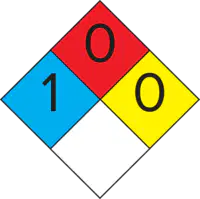
When you handle a chemical, you notice NFPA label. What does this label indicate
a)
slight health risk
b)
High fire risk
c)
High reactivity risk
d)
not to be mixed with water
41.
disease-producing microorganism
a)
infectious agent
b)
mode of transmission
c)
reservoir
42.
Personal protective equipment includes all of the following except
a)
eyewash
b)
face shields
c)
gloves
d)
gown
43.
break in skin, nose, mouth, and so on
a)
susceptible host
b)
portal of entry
c)
reservoir
44.
A container with which symbol below is appropriate for medical waste?
a)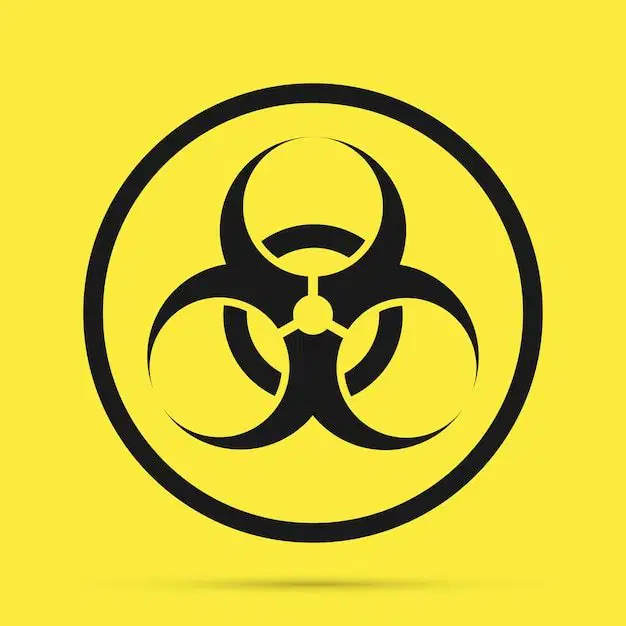
Option 1
b)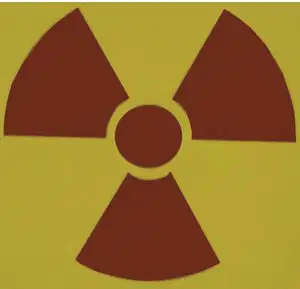
Option 2
c)
Option 3
d)
Option 4
45.
Site or person in which the pathogen grows
a)
mode of transmission
b)
reservoir
c)
infectious agent
46.
Person at risk for developing infection
a)
reservoir
b)
portal of entry
c)
susceptible host
47.
Droplet, airborne, or direct contact
a)
reservoir
b)
mode of transmission
c)
portal of entry
48.
If a hazardous material is spilled and requires evacuation of staff and patients to prevent exposure, what code will be announced, according to the example in this textbook?
a)
code blue
b)
code red
c)
code green
d)
code yellow
49.
One of the most critical steps in preventing HAIs is correct
a)
hand hygiene
b)
mask
c)
gloves
50.
Double-bagging is
a)
using a inside a bag to transports specimens
b)
placing biohazardous material into a bag and then that bag into another bag
c)
placing normal waste into two separate bags
d)
wearing two pairs of gloves while working with biohazardous materials
51.
When entering a room that has airborne precautions, you should wear a(n)
a)
HEPA or N95 respirator
b)
HEPA or HOSA
c)
CLIA or N95 respirator
52.
Place the items when donning (putting on) PPE in the correct order
___ gloves
___ goggles
___ gown
a)
gown, goggles and gloves
b)
goggles, gown and gloves
c)
gloves, goggles and gown
53.
Place the items when removing PPE in the correct order
__ gloves
__ goggles
__ gown
a)
gloves, gown, and goggles
b)
gloves, goggles, and gown
c)
goggles, gown and gloves
54.
A phlebotomist enters a room to draw blood from a patient undergoing care for an infected wound. The site of the wound and its bandages are considered, which link in the chain of infection?
a)
Infectious agent
b)
Mode of transmission
c)
Portal of exit
d)
Susceptible host
55.
A fomite is a(n)
a)
alcohol-based foam hand sanitizer
b)
contaminated object
c)
sterile container
d)
type of pathogenic bacterium
56.
Which of the following is an example of a healthcare-associated infection
a)
A patient enters the emergency department with suspected food poisoning after a local restaurant
b)
A patient admitted for a bleeding problem is found to have acute leukemia two day after admission
c)
A phlebotomist develops high blood pressure after having been working at a hospital for three month
d)
A phlebotomit who has a stafph infection does a point-of-care blood draw from a hospital patient, who later develops a staph infection
57.
oozing skin, cough, urine specimen
a)
infectious agent
b)
mode of transmission
c)
portal of exit
58.
A patient in which type of isolation is the least likely to transmit disease to the phlebotomist?
a)
airborne
b)
contact
c)
droplet
d)
protective
59.
For which of the following diseases or conditions might a hospital routinely test patients being admitted to the hospital?
a)
Cancer
b)
MRSA
c)
Ulcer
d)
Arthritis
60.
A common allergen found in blood collection equipment is
a)
latex
b)
nitrile
c)
vitrine
d)
vinyl
61.
Double-bagging is
a)
using a inside a bag to transports specimens
b)
placing normal waste into two separate bags
c)
placing biohazardous material into a bag and then that bag into another bag
d)
wearing two pairs of gloves while working with biohazardous materials
62.
A patient enters an outpatient laboratory for testing. The phlebotomist notices that, after applying alcohol to the patient's skin prior to the blood collection procedure, the skin turned red. What question should the phlebotomist ask the patient?
a)
" Are you allergic to any medication?"
b)
"Do you have allergies to alcohol or antiseptics?"
c)
"Are you feeling all right?"
d)
No questions are needed. Developing a red color is normal when alcohol touches the skin
63.
A woman who has cold wipes her hands on dinner napkin and leaves the napkin on the table when she leaves the restaurant. The server who clears the table touches the napkins and later develops a cold. what type of transmission has occurred?"
a)
Airborne transmission
b)
Vector-borne transmission
c)
Vehicle-borne transmission
d)
Droplet transmission
100 %

