
 Worksheets
UNIT 1 NATURE OF SCIENCE AND BIOGEOCHEMICAL CYCLES
Total questions: 58
Worksheet time: 29mins
Name
Class
Date
1.
WHAT POTENTIAL LONG TERM CONSEQUENCE EMERGES FROM CONTINUOUS DISRUPTION OF BIOGEOCHEMICAL CYCLES
a)
TEMPORARY ECOSYSTEM CHANGES
b)
Localized species adaptation
c)
Minimal environmental impact
d)
Potential global ecosystem collapse
2.

Which of the following is NOT one of the processes that occurs during the nitrogen cycle?
a)
nitrification
b)
nitrogenation
c)
denitrification
d)
nitrogen fixation
3.
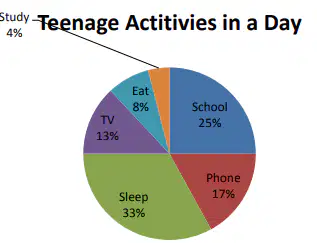
Accoring to the following graph, what two activities take up 25% of a teenager's day ?
a)
eating and using the phone
b)
attending school and studying
c)
watching tv and using the phone
d)
eating and watching tv
4.

Fossil fuels form in which cycle?
a)
Water
b)
Carbon
c)
Nitrogen
d)
Phosphorus
5.
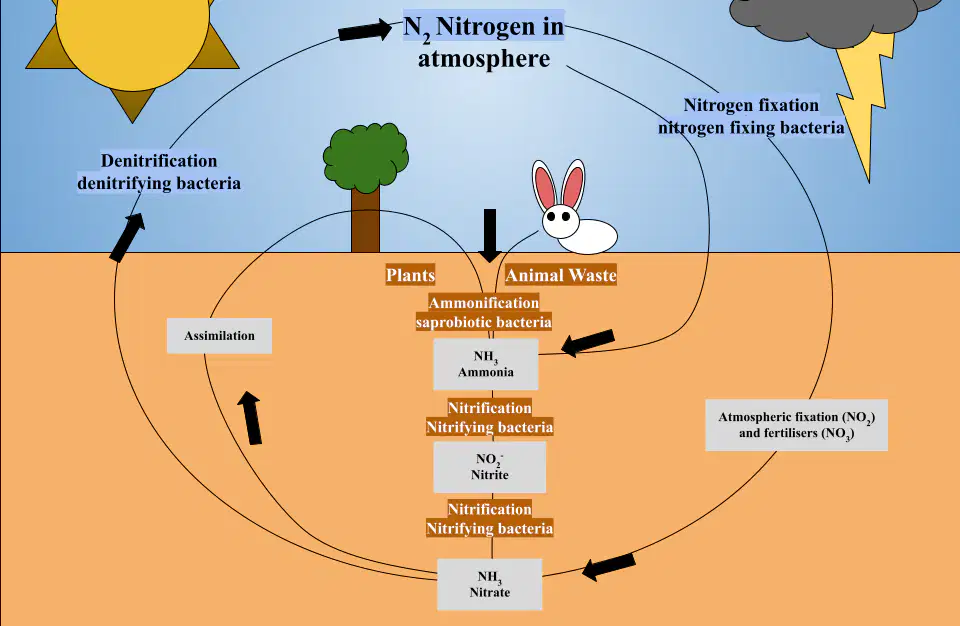
Nitrogen is essential to life because
a)
It is needed for building the proteins needed for cells.
b)
It is the molecule around which all the molecules of life are built.
c)
It is the most common element.
6.
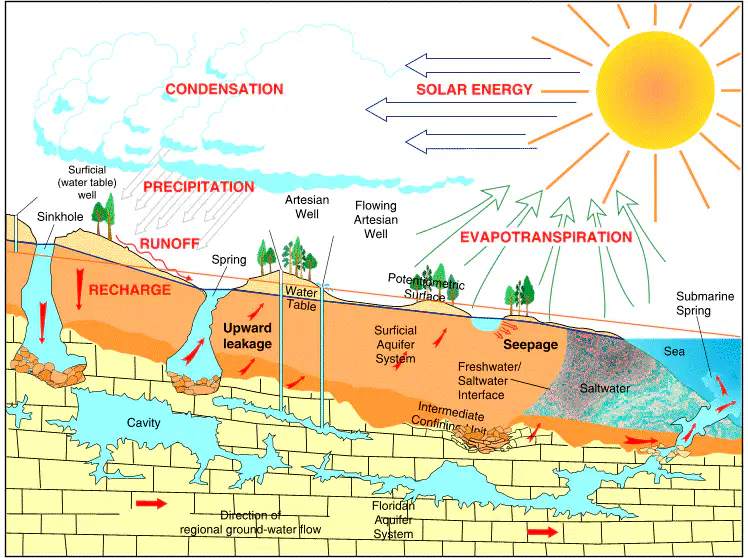
Where does some water from the water cycle collect underground?
a)
Aqueducts
b)
Aquatic parks
c)
Aquifers
d)
Aquariums
7.
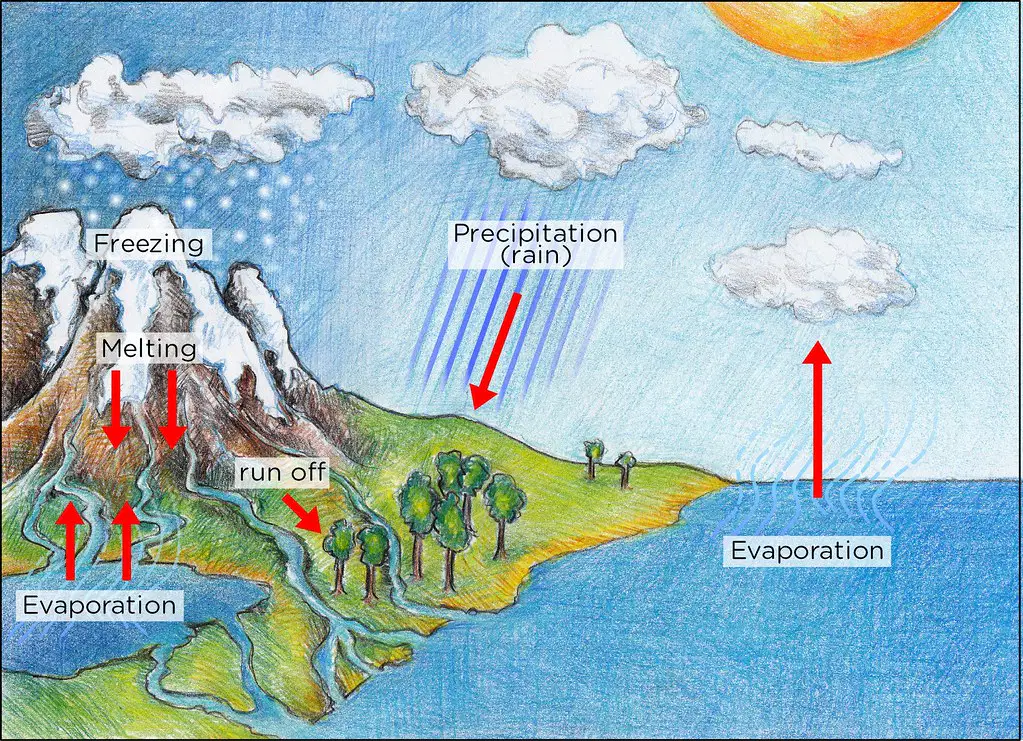
Precipitation that didn’t get absorbed into the soil and made its way downhill along a surface of land is called
a)
Landslide
b)
Flood
c)
Runoff
d)
Ice-cap
8.
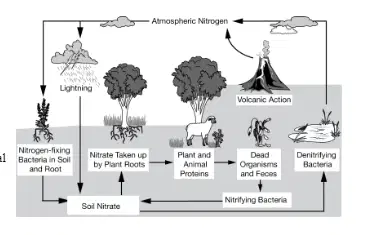
Plants get nitrogen from
a)
.Breathing it in through their leaves from the atmosphere
b)
Absorbing it through roots from the ground
c)
Cellular Respiration
9.
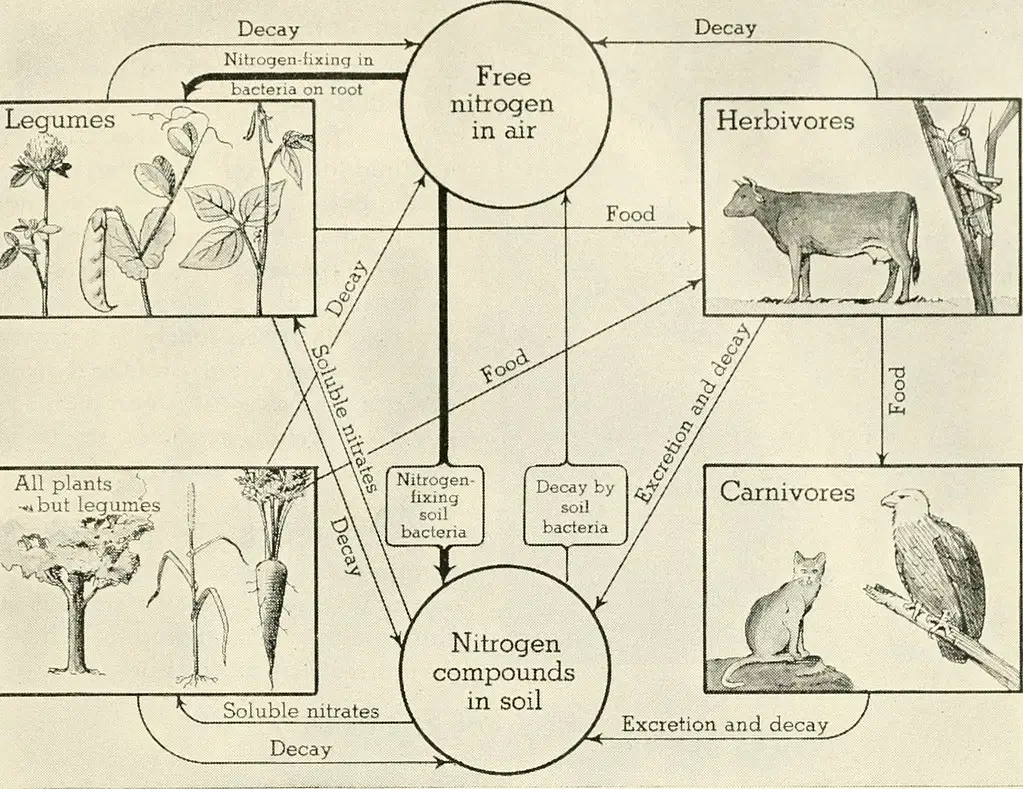
Which statement about decomposition is most correct?
a)
.Bacteria and fungi carry out the photosynthesis needed for breaking down proteins
b)
Bacteria put oxygen back into the atmosphere.
c)
Bacteria break down organic matter to nitrates that plants can use.
10.
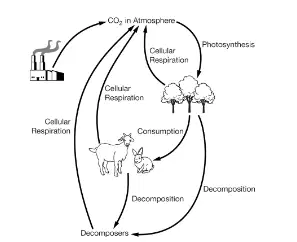
Based on the diagram above, which of the following major storage reservoirs of carbon, stored in the form of carbon dioxide, is not represented in this diagram?
a)
Algae
b)
Soil bacteria
c)
The Moon
d)
The ocean
11.
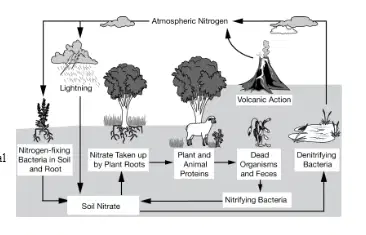
Which of the following pathways indicate how nitrogen is added to the largest nitrogen reservoir?
a)
Nitrifying bacteria and lightning
b)
Decomposing plant and animal material
c)
Denitrifying bacteria and volcanic activity
d)
Nitrates taken up by plant roots
12.
Which of the following biogeochemical cycles is correctly paired with its largest reservoir?
a)
the nitrogen cycle and the atmosphere
b)
The hydrologic cycle and living things
c)
The phosphorus cycle and bacteria
d)
The carbon cycle and glaciers
13.

A human activity that could significantly decrease the amount of carbon dioxide in the air is
a)
increasing the use of fossil fuels
b)
preserving forest habitats and planting trees
c)
increasing the production of plastic
d)
burning garbage to generate electricity
14.
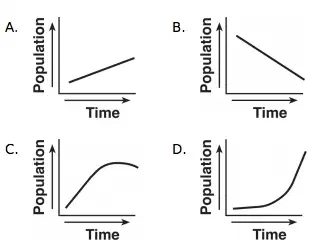
Which graph correctly shows human population growth over the last 5000 years?
a)
A
b)
B
c)
C
d)
D
15.

A rise in global temperatures is thought to be due to an increase of which gas?
a)
Carbon dioxide
b)
Nitrogen
c)
Oxygen
d)
Solar radiation
16.

Carbon dioxide is produced by all but which of the following?
a)
plants
b)
animals
c)
bacterial decomposition
d)
evaporation of water
17.
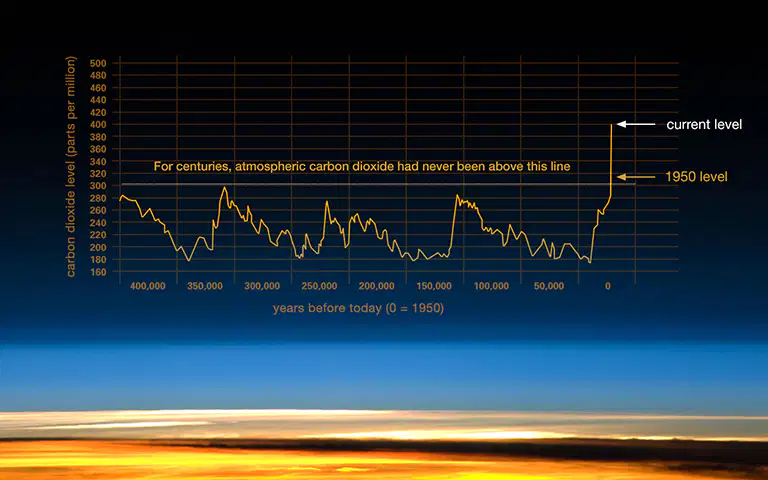
Humans have raised Carbon Dioxide levels primarily by which of the following?
I. driving cars
II. burning coal for electricity
III. boiling water
IV. deforestation
V. making ammonia
a)
I, II and IV
b)
I and II
c)
I, II and III
d)
I, II, and V
e)
I, II, IV and V
18.
The Tragedy of the Commons is when...
a)
resources are unlimited
b)
resources are shared equally
c)
resources are over consumed and used up
d)
resources are left unused
19.
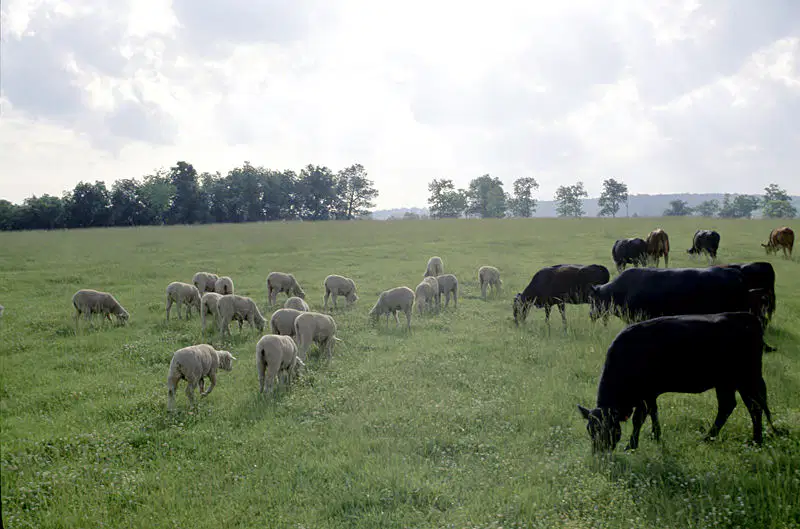
Which is a possible solution to the Tragedy of the Commons?
a)
Education about the importance of the commons
b)
Government control of the commons
c)
Invest in the commons to secure it’s stability
d)
All of the above
20.
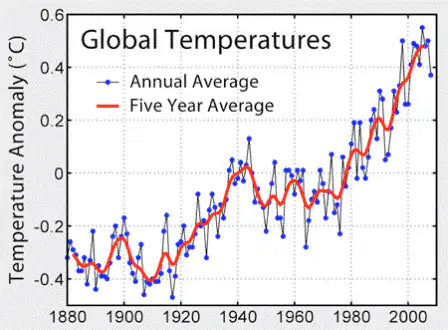
Global temperature: What has happened to global average temperatures since 1940?
a)
It has increased by by less than 1 degree celsius.
b)
It has increased by 20 degrees celius
c)
It has decreased by 1 degree celsius
d)
It hasn't changed much in the last 80 years.
21.
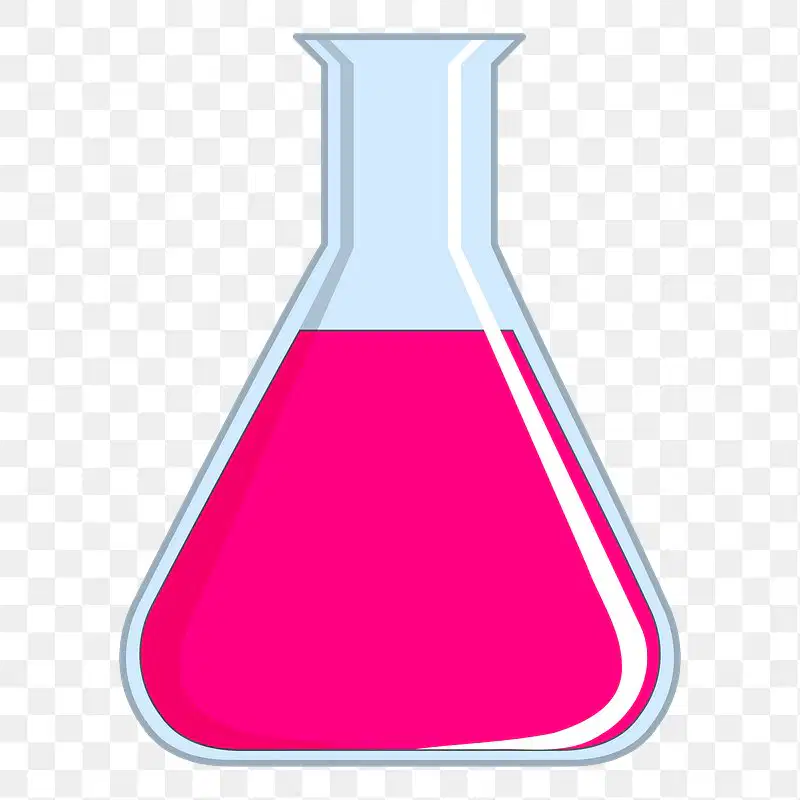
Identify the piece of lab equipment shown below .
a)
beaker
b)
flask
c)
test tube
d)
graduated cylinder
22.

look at the image below and decide what is Sue NOT doing wrong in chemistry lab room ?
a)
she is not wearing safety goggles
b)
she is not wearing a lab coat
c)
she doesn't have her hair pulled back into a hair band
d)
she is eating in the lab room
23.
What is used to protect your eyes from chemicals, broken glass, and fire?
a)
fire blanket
b)
eye wash
c)
goggles
d)
flask
24.

Identify the student who is drinking poison directly from the poison container.
a)
BOB
b)
JOE
c)
JIM
d)
BETTY
25.
What is used to measure time?
a)
stopwatch/timer
b)
thermometer
c)
meter stick
d)
test tube
26.
What is used to measure, heat, and mix large amounts of liquids?
a)
beaker
b)
flask
c)
test tube
d)
graduated cylinder
27.
What is used to measure mass of an object in grams?
a)
meter stick
b)
graduated cylinder
c)
test tube
d)
electronic balance
28.

Identify this laboratory equipment
a)
graduated cylinder
b)
watch glass
c)
meter stick
d)
thermometer
29.
What is used to measure the volume of liquids more precisely in milliliters?
a)
beaker
b)
flask
c)
graduated cylinder
d)
test tube
30.
what is used to measure length and distance in the metric system
a)
meter stick
b)
graduated cylinder
c)
triple beam balance
d)
electronic scale
31.
Long hair in the laboratory must be
a)
cut short
b)
held away from the experiment with one hand
c)
always neatly groomed.
d)
tied back and kept out of the way with a hair band
32.
Horseplay or practical jokes in the laboratory are
a)
always against the rules
b)
okay
c)
not dangerous
d)
okay if you are working alone
33.
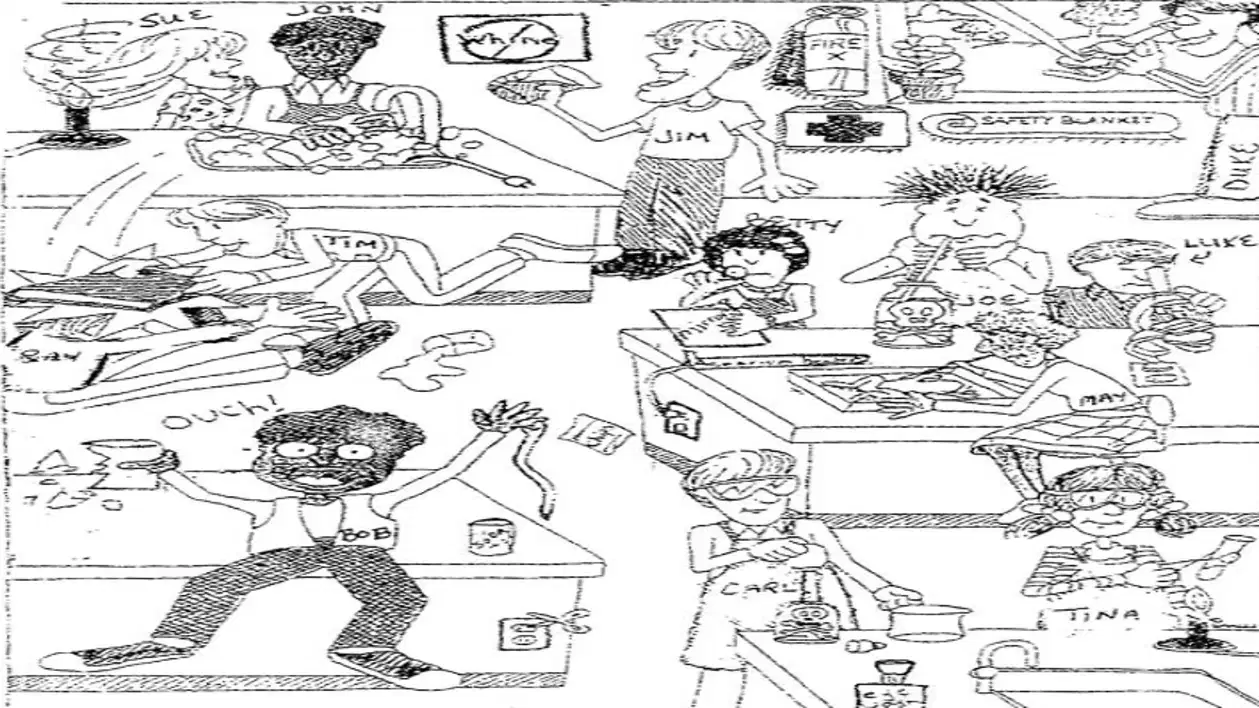
look in the image below of a chemistry lab room and tell what rule Ray and Tim are breaking
a)
Don't horseplay in the lab room
b)
Don't hit someone on the head in the lab room
c)
Always clean up after your self
d)
Tie your hair back when using an open flame
34.
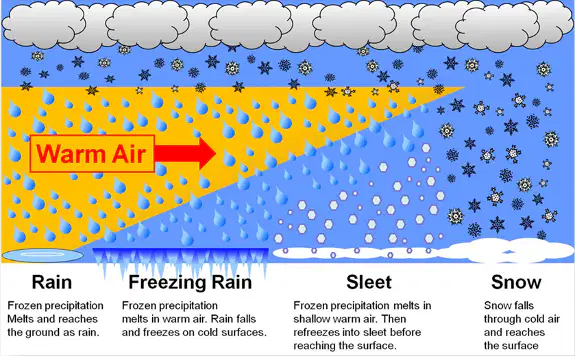
Which of the following is the best definition of precipitation?
a)
When water in either liquid or solid form falls to earth
b)
When water runs ff over the surface of the earth
c)
When water enters the ground through a permeable surface.
d)
When water is released by plants after respiration
35.
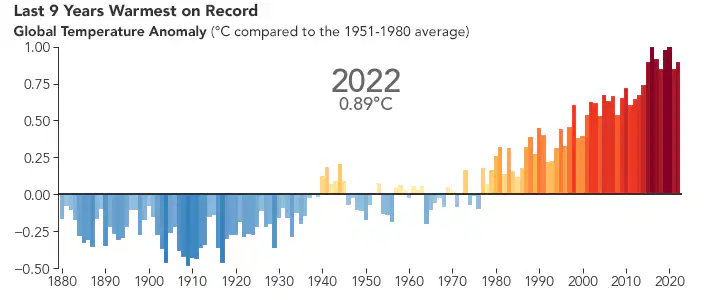
Global Temperature: At what point did the temperature start to rise?
a)
1940
b)
1900
c)
1980
d)
2000
36.
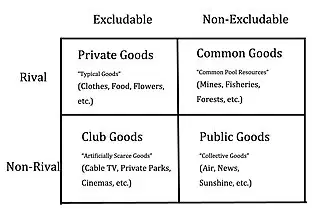
Which of the following is NOT an example of commons?
a)
harris county high school
b)
gulf of mexico
c)
Mrs. Cavanaugh Lake arrowhead
d)
pine mountain trail
37.
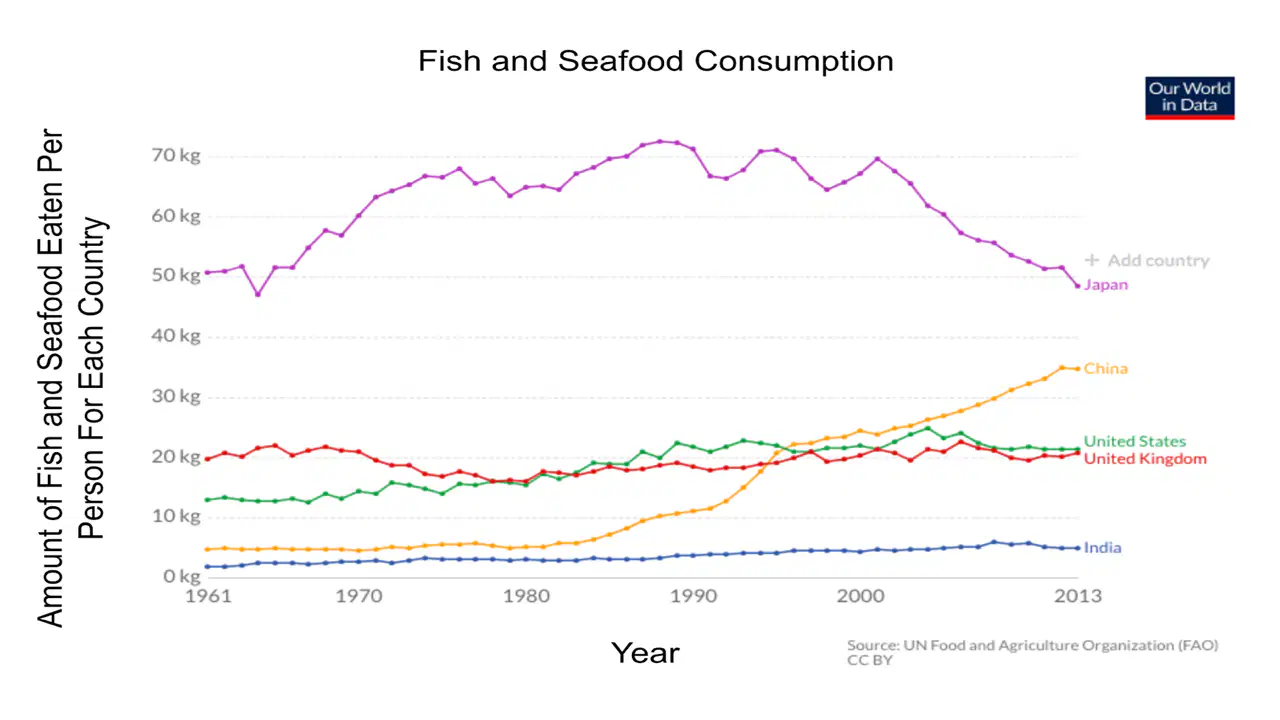
The ocean is a common area that all countries share- which country has the highest consumption of fish PER person?
a)
JAPAN
b)
CHINA
c)
UNITED STATES
d)
UNITED KINGDOM
38.
What is one contemporary example of the Tragedy of the Commons
a)
Overgrazing in medieval Europ
b)
Air pollution from industries
c)
Sustainable fishing practices
39.
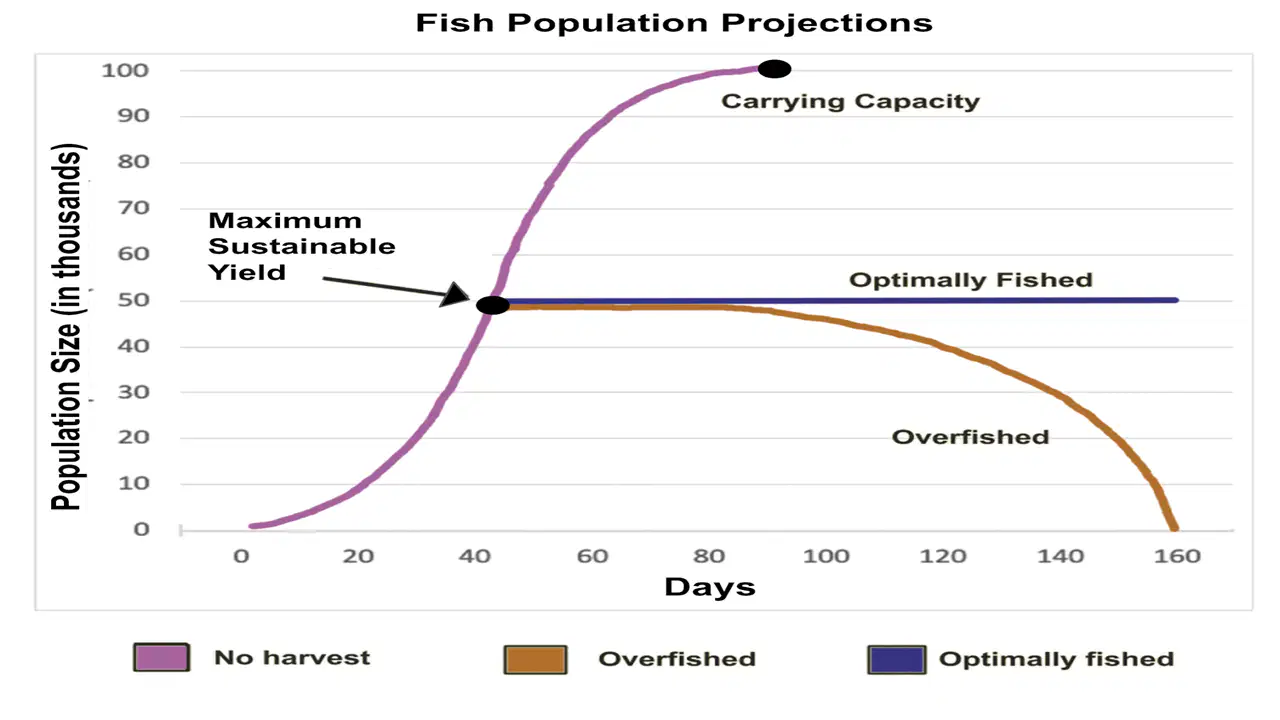
What is the carrying capacity of fish in this local lake?
a)
50 fish
b)
75 fish
c)
100 fish
d)
40 fish
40.

How does air pollution relate to the Tragedy of the Commons?
a)
It harms public health and the environment due to individual actions
b)
it results from cooperation among industries
c)
It is caused by a lack of regulations.
d)
it has no relationship to the tragedy of the commons
41.
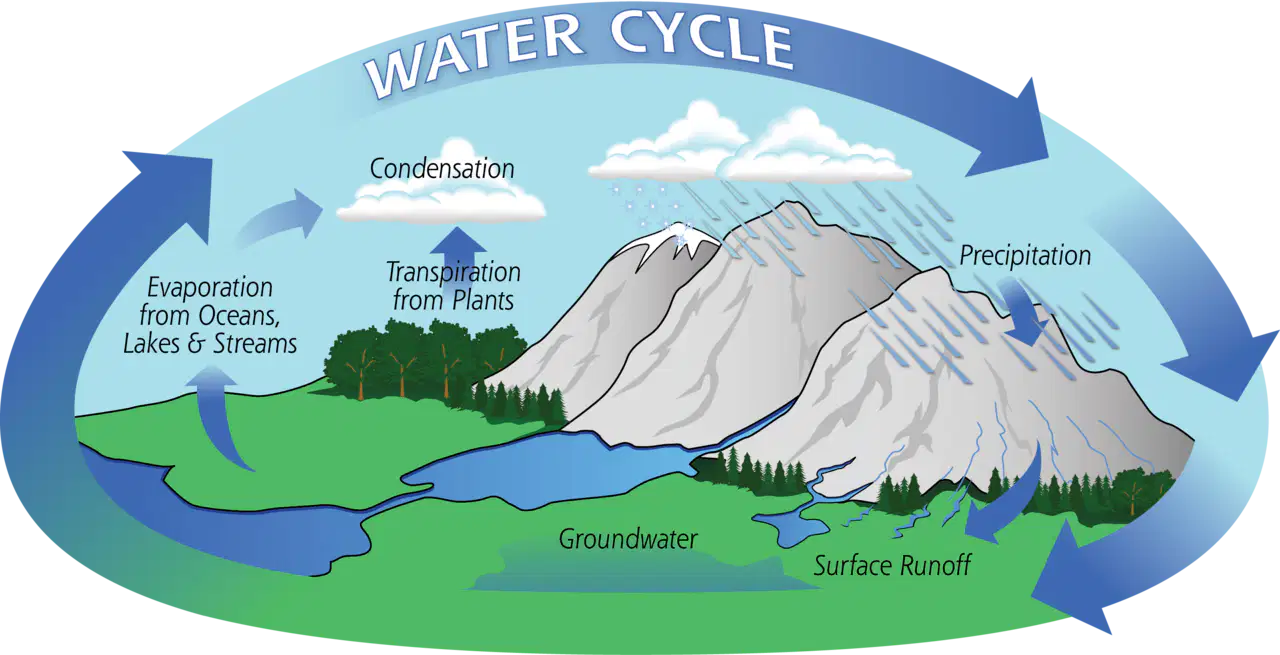
In the water cycle, what is "infiltration?
a)
When water accumulates in bodies of water
b)
When water evaporates from a large body such as the ocean.
c)
When water enters the ground through a permeable surface.
d)
When water is released by plants after respiration
42.

What is the main source of energy that drives the Earth System?
a)
energy of moving water
b)
gases in the atmosphere
c)
fossil fuels from inside Earth
d)
heat from the sun
43.

Which of the following is NOT a key component of the nitrogen cycle?
a)
Bacteria fixing Nitrogen
b)
Plants performing uptake (assimilation) of Nitrates
c)
The process of photosynthesis
d)
The widescale use of Fertilizers by humans
44.
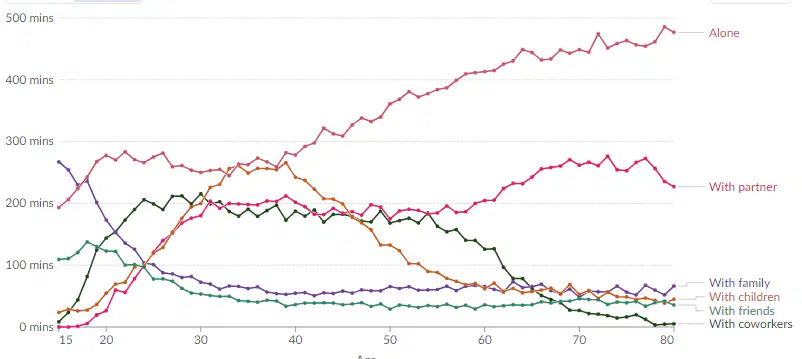
What age group are spending the most time with children?
a)
10-20 year olds
b)
30-40 year olds
c)
50-60 year olds
d)
60-70 year olds
45.
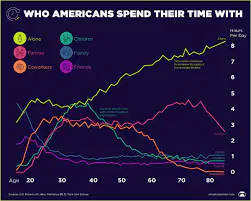
What is the x-axis scale for the graph below?
a)
hours per day
b)
time alone
c)
people with children
d)
10 year age span
46.
Plants that have nitrogen fixing bacteria in nodules on their roots are known as ________.
a)
legumes
b)
mushrooms
c)
citrates
d)
tomatoes
47.
Which of the following organisms CANNOT fix nitrogen into ammonia?
a)
bacteria
b)
plants
c)
fungi
d)
protists
48.
Which of the following is NOT a key component of the phosphorous cycle?
a)
Plants performing uptake of phosphorus
b)
The use of Fossil Fuels
c)
Sedimentary Rocks
d)
The wide scale use of Synthetic Fertilizer
49.
In what form do plants absorb nitrogen?
a)
nitrogen gas (N2)
b)
ammonia (NH2)
c)
nitrite (NO2-)
d)
nitrate (NO3-)
50.
Which of the following two biological processes drive the carbon cycle?
a)
photosynthesis and cellular respiration
b)
evaporation and condensation
c)
denitrification and nitrogen fixation
d)
burning fossil fuels, and carbon monoxide
51.
The primary way in which humans impact the Nitrogen Cycle.
a)
applying synthetic fertilizers that can impact water quality
b)
volcanic eruptions causing nitrogen pollution
c)
decaying plastics in the ocean
d)
Overconsumption of nitrogen resulting in a limited supply.
52.
Which element makes up the largest portion of the atmosphere, and in what percentage?
a)
Carbon / 78%
b)
Oxygen / 78%
c)
Nitrogen / 78%
d)
water vapor/78%
53.
Nitrogen gas is found in the atmosphere. How does it enter plants?
a)
Through gas exchange in plant leaves
b)
By being "fixed" by bacteria in the soil, and then absorbed
c)
By a plant forming a symbiotic relationship with ants
d)
By being washed into the soil by precipitation
54.
This term is used to describe water vapor in the atmosphere changing phase to liquid water
a)
precipitation
b)
condensation
c)
transpiration
d)
percolation
55.
All are greenhouse gases EXCEPT
a)
carbon dioxide (CO2)
b)
water (H20)
c)
methane (CH4)
d)
nitrogen gas (N2)
56.
The phosphorus cycle is unique in that the element does not cycle through the ________________.
a)
hydrosphere
b)
geosphere
c)
biosphere
d)
atmosphere
57.

The red dotted line is the...
a)
logistic growth
b)
carrying capacity
c)
exponential growth
d)
limited resource
58.
Nitrogen is an important component of DNA, ATP, and ______
a)
protein molecules
b)
glucose molecules
c)
water molecules
d)
lipid molecules
100 %

