Worksheets
Wolves of Yellowstone
Total questions: 48
Worksheet time: 31mins
1-3.
Answer the questions below after watching the video
A trophic cascade starts at the........
bottom of the food chain
top of the food chain
anywhere in the food chain
The introduction of wolves (a) the amount species of life in Yellowstone Park.
The introduction to wolves changed the course of the river that flows through Yellowstone National Park.
True
False
How did the reintroduction of wolves affect the population of ravens in Yellowstone National Park?
Raven populations decreased as wolves competed for food
Raven populations increased due to more carcasses left by wolves
Raven populations remained unaffected by the presence of wolves
Ravens migrated to other areas due to the noise made by wolves
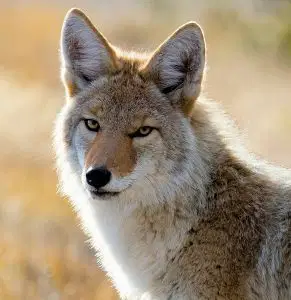
What happened to the hunting habits of coyotes when wolves were reintroduced?
They had to start hunting small prey, such as field rodents
They started hunting bison
They were wiped out by wolves
They joined forces with the wolves

What happened to the trees and plants in Yellowstone National Park when the elk population increased?
The trees and plants flourished due to supporting a larger primary consumer population
The trees and plants declined due to supporting a larger primary consumer population
The trees and plants remained the same
The trees and plants migrated to a different area

How did the absence of wolves in Yellowstone National Park affect the behavior of elk?
Elk became more cautious and nomadic
Elk became less cautious and started overeating the autotrophs in the area
Elk started hunting wolves
Elk migrated to a different habitat

What happened to the grey wolf population in Yellowstone National Park in the early 1930s?
Their numbers increased significantly
Their numbers remained stable
Their numbers dropped to zero
Their numbers doubled

What is a keystone species?
A species that helps to hold an ecosystem together
A species that lives in or around rocks
Keys and stones have nothing to do with ecology
A keystone isn't a living thing, it's just a stone

Populations consist of
a single species
multiple species
the biotic and abiotic factors of an environment
a grouping of ecosystems

What decreases the size of a population
immigration
emigration

primary succession
secondary succession

This would lead to
primary succession
secondary succession

This would lead to
primary succession
secondary succession

Faster
primary succession
secondary succession
Disease is an example of
density dependent limiting factors
density independent limiting factors

An ecosystems limit of growth
carrying capacity
limiting factors
growth cap
What is one way humans can negatively alter an environment?
removing toxic waste
replacing native organisms after hunting
planting trees
introducing invasive species
If a population grows larger than the carrying capacity, what happens?
death rate rises
birthrate rises
death rate falls
birth rate and death rate remain the same

The graph shows some changes in the number of individuals in a particular population in a stable ecosystem over a period of time. Which statement best describes the trend shown in this graph?
The population will eventually become extinct
The population will remain stable
The environment factors that affect populations are always predictable
The population will be reduced to half of its original size
What can cause a population to grow?
The birthrate become higher than the death rate
The birthrate stays the same, and the death rate increases
The birthrate becomes lower than the death rate
The birthrate and death rate remain the same
Which will reduce competition within a species' population?
fewer individuals
higher birthrate
fewer resources
higher population density
Why are people concerned with the introduction of non-native species?
They are preferable to native species
they cannot survive as well as natives
they can adapt quicker than natives
they compete with native species
Number of Deaths 10
Number of Births 15
Immigration 3
Emigration 4
How much does the population increase by?
5
4
18
16
___________ succession occurs when an area is re-colonized following a disturbance and soil remains.
primary
secondary
tertiary
Two organisms fight for the same resource
competition
predation
mutualism
parasitism
commensalism
__________________ is the maximum number of individuals an ecosystem can support.
exponential
logistic
carrying capacity
The first plants that establish an area are known as ____________ species.
establishing
sustaining
pioneer
producing
___________ succession occurs when newly exposed rock is colonized for the first time (there is no soil).
primary
secondary
tertiary
What is primary succession in an ecosystem?
it is when a disaster happens and the soil is left intact
it is when a disaster happens and the soil is completely gone.
it is when the first organisms settle an area
it is when nature revives itself
What is secondary succession in an ecosystem?
The environment is destroyed but the soil is left intact
The environment is destroyed but nothing is left but bare rocks
The environment revives itself twice
The environment fails to revive itself
What is the major difference between primary and secondary succession?
secondary succession involves bare rock
primary succession involves soil to start from
Primary succession starts from bare rock
none of these are correct
Hurricanes, floods forest fires all result in destroyed ecosystems with soil that is intact. What type of succession is this?
primary succession
secondary succession
tertiary succession
quaternary succession
Which of the below is a biotic factor?
water
soil
bacteria
gasses
Which of the following is an abiotic factor?
bacteria
oak trees
soil
insects

This is a lichen which is the type of species that will live on bare rocks. What are these species called?
intermediate species
unnatural species
pioneer species
exploratory species

This is the ecosystem 137 years after a devastating forest fire, what type of community is this known as?
primary community
secondary community
hostile community
climax community
As flowering plants, shrubs small trees and small animals move back into an environment, we call this, this type of succession.
tertiary succession
secondary succession
primary succession
none of the above
What is primary succession in an ecosystem?
it is when a disaster happens and the soil is left intact
it is when a disaster happens and the soil is completely gone.
it is when the first organisms settle an area
it is when nature revives itself
What is secondary succession in an ecosystem?
The environment is destroyed but the soil is left intact
The environment is destroyed but nothing is left but bare rocks
The environment revives itself twice
The environment fails to revive itself

Which organisms would be a part of the last stage of succession?
(Climax Community)
Bushes/Shrubs with insects and birds
Grasses/Weeds/
Flowers with insects and small mammals
Lichens/Mosses with insects and spiders
Grasses/Flowers/
Bushes/Shrubs/
Trees with mammals/birds/
reptiles/
amphibians/
insects

How do biodiversity and stability work together?
The lower the biodiversity the greater the stability of an ecosystem.
The higher the biodiversity, the less stable the ecosystem
The higher the biodiversity, the greater the stability of the ecosystem.
Biodiversity has nothing to do with ecosystem stability.
When an ecosystem has a high level a biodiversity it is more _______________.
Fragile
Extinct
Stable
Developed
Photosynthetic organisms are found mainly in shallow water due to the availability of
oxygen
nutrients
sunlight
salt
The 2 type of aquatic ecosystems are
freshwater and marine
ponds and lakes
oceans and lakes
marine and coral reefs
All of the following determine the type of aquatic ecosystem EXCEPT
Depth
Flow
Sunlight
Shoreline
How do ecologists classify aquatic ecosystems?
Salinity
Depth
Movement
All of the above
Salinity refers to
how many plants are in the water
how many organisms live in the water
how much salt in is water