
 Worksheets
Bio review 1(No cycles)
Total questions: 66
Worksheet time: 3hrs 30mins


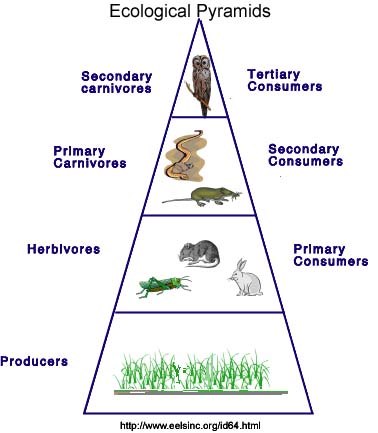

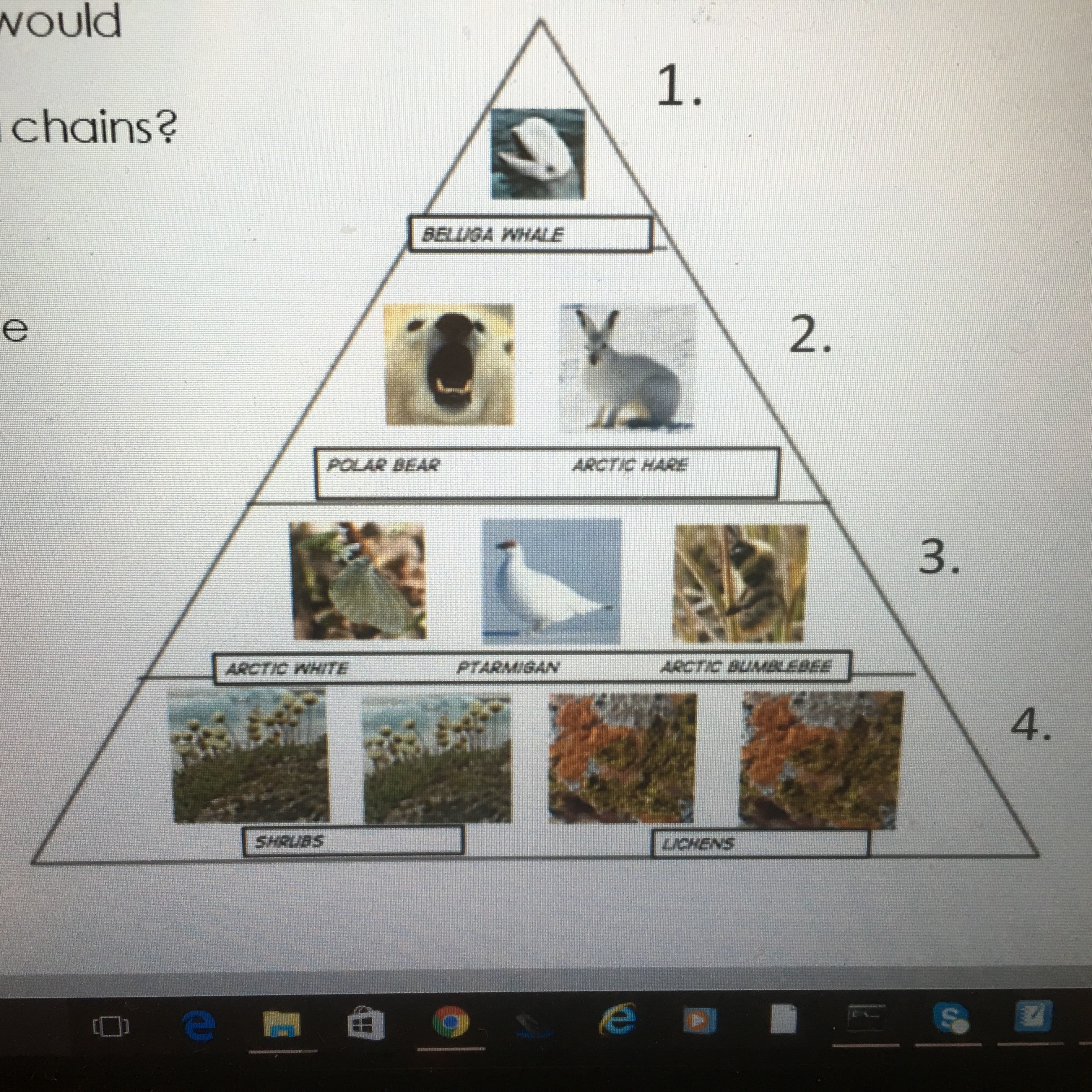
What amount of percentage does the energy decrease as it goes up the pyramid?
100%
1000%
10%
1%
How does the energy flow in an energy pyramids?
up the pyramid
down the pyramid
Photosynthesis is important because...
it makes carbon dioxide
it makes food for the food webs
it makes water
it's not important

Termites are tiny insects that can cause severe damage to homes and other structures that consist of wood. Termites are an example of what type of factor.
Biotic
Abiotic

A black mamba is a highly venomous snake that can reach lengths of 14 feet. They are also able to slither at speeds of 12 miles per hour (mph). A black mamba is an example of what type of factor?
Biotic
Abiotic

Water is a compound that consists of 2 hydrogen atoms and 1 oxygen atom. Up to 60% of an adult human is made up of water. Water is an example of what type of factor?
Biotic
Abiotic

Brandon and his dad cut a tree that fell in a storm into smaller sections. Then they split the wood to use for firewood. Firewood is an example of which type of factor.
Biotic
Abiotic
-A living part of an organism's habitat.
Limiting factor
Biotic factor
Environmental factor
Abiotic factor
-A living part of an organism's habitat.
Limiting factor
Biotic factor
Environmental factor
Abiotic factor

Select ALL the biotic factors
Rotten log
water
dragon fly
bacteria
lily pad
Temperature is a _________factor
Biotic
Abiotic
living
cool
Biotic can be defined as
the living parts of an environment
non-living parts of an environment
rocks and water
snakes and water
Is carbon dioxide an biotic or abiotic factor?
Biotic
Abiotic
Is soil a biotic or abiotic factor?
Biotic
Abiotic
Is pH a biotic or abiotic factor?
Biotic
Abiotic
Is disease a biotic or abiotic factor?
Biotic
Abiotic
Is sunlight a biotic or abiotic factor?
Biotic
Abiotic
Select ALL the images that represent an Abiotic Factor.

Mushrooms

Rocks

Fish

Pollution

Is this an Abiotic Factor or Biotic Factor?
Abiotic Factor
Biotic Factor
What is the definition of Abiotic Factors
physical or nonliving factors with which an organism might interact
living organisms with which an organism might
interact

The close relationship between two different species in an ecosystem
Biosphere
Ecology
Symbiosis
Environment

The specific surroundings where an organism lives and functions. It can also be called a habitat, niche or territory. The term can be used to describe all or parts of the biosphere
Mutualsim
Symbiosis
Environment
Symbiosis

Atom → molecule → organelle → cell→ tissue → organ
system → organism→ population → community→ ecosystem → biosphere
Levels of organization
Symbiosis
atmosphere
Intrinsic

Organisms that can interbreed and produce fertile offspring.
Example: all humans are the same species with the scientific name Homo sapiens
Symbiosis
Population
Ecosystem
Species

Part of the aquatic biome found in or around the ocean (salt water).
Symbiosis
Environment
Marine Ecosystem
Adaptation

Part of the aquatic biome found in or around freshwater lakes, rivers or ponds
Marine Ecosystem
Freshwater Ecosystem
Terrestrial Ecosystem
All of the above

The biomes that that occur on land.
Aquatic Ecosystem
Riparian Ecosystem
Amphibious Ecosystem
Terrestrial Ecosystem

Ecosystems with common characteristics, climates and weather patterns: Mountains, Desert, Grasslands, Forests or Aquatic
Communities
Biomes
Organisms
Sybiosis

Organisms that “fight” for limited resources such as food, water or mates. It can be between organisms from different species or between organisms of the same species.
Predator-Prey
Mutualism
Competition
Parasitism

A symbiotic relationship where one species obtains food or benefits from another species without benefitting or harming the other.
Commensalism
Mutualism
Competition
Parasitism

A symbiotic relationship that benefits both members of two different species.
Predator-Pray
Commensalism
Mutualism
Parasitism

A symbiotic relationship where one organism (the parasite) benefits from and hurts another (the host).
Usually the parasite is getting food from the hosts body.
Commensalism
Parasitism
Mutualism
Competition

A relationship where one organism (predator)
eats another organism (prey),
usually of a different species.
Parasitism
Mutualism
Commensalism
Predation


Which of the following shows the symbiotic relationship between the Rodent and the Bird?
Mutualism
Commensalism
Competition
Hermit Crabs live in shells made and then abandoned by snails.
Commensalism
Parasitism
Competition



