
Font size
 Worksheets
LABORATORY RULES AND EQUIPMENT
Total questions: 84
Worksheet time: 43mins
Used to measure means of objects.
microscope
balance
thermometer
magnifying glass
Magnifies very small objects
microscope
balance
thermometer
magnifying glass
Used to measure temperature. Usually in degrees Celsius or Fahrenheit.
microscope
balance
thermometer
magnifying glass
Used to observe with higher magnification.
microscope
balance
thermometer
magnifying glass
Used to hold many things such as crucibles, hot instruments and evaporating dishes.
Tongs
Tweezers
Test tube holder
glass stiring
Used to stir liquids.
Tongs
Tweezers
Test tube holder
glass stiring
Used to grip and remove tissue. Hold very small objects.
Tongs
Tweezers
Test tube holder
glass stiring
Used to hold test tubes when they are touch or untouchable.
Tongs
Tweezers
Test tube holder
glass stiring
Used to transfer small quantities of liquid drop by drop.
Dropper
Safety googles
Hot plate
Burner
Used to protect the eyes during labs activities.
Dropper
Safety googles
Hot plate
Burner
Used for heating liquids.
Dropper
Safety googles
Hot plate
Burner
Used to heat material in lab.
Dropper
Safety googles
Hot plate
Burner
Used to hold liquids, instead of beakers, when a smaller opening is preferred.
Erienmeyer Flask
Florence Flask
Graduated Cylinder
Beaker
Used for heating substances that need to be heated evenly. Used in distillation experiments.
Erienmeyer Flask
Florence Flask
Graduated Cylinder
Beaker
Used to measure the volume of liquids with precision.
Erienmeyer Flask
Florence Flask
Graduated Cylinder
Beaker
The most common vessel for holding liquids in the laboratory.
Erienmeyer Flask
Florence Flask
Graduated Cylinder
Beaker
Used to hold test tubes while reaction happens or while they are not needed.
Funnel
Test Tube rack
Iron ring
Test tube
Used for many activities which require multiple agents or solutions.
Funnel
Test Tube rack
Iron ring
Test tube
Used for filtration or for delivery of liquids. Can be placed in an iron ring.
Funnel
Test Tube rack
Iron ring
Test tube
Used Used to hold funnels and also crucibels when they are being heated. Usually sit on an iron stand.
Funnel
Test Tube rack
Iron ring
Test tube
Used for melting, purifying or calcining materials at very high temperatures.
flask clamp
watch glass
iron stand
crucibles
Used as support for other instruments.
flask clamp
watch glass
iron stand
crucibles
Used to hold solids when being weighted or transported.
flask clamp
watch glass
iron stand
crucibles
May be attached to an iron stand and used to hold test tubes or thermometers.
flask clamp
watch glass
iron stand
crucibles
Used to heat and evaporate liquids.
Petri dish
mortar and pestle
Evaporation dish
wire mesh
Used to grow bacteria, view seeds or viewing other small animals or elements.
Petri dish
mortar and pestle
Evaporation dish
wire mesh
Often placed over the iron ring to provide support (stage) for a beaker.
Petri dish
mortar and pestle
Evaporation dish
wire mesh
Used to crush solids into powders for experiments, usually to better dissolve those solids.
Petri dish
mortar and pestle
Evaporation dish
wire mesh
Used to easily clean the inside of test tubes.
Wash bottle
Test tube brush
File (lima)
Spatula
Used to reduce rough surfaces or substances and smooth them.
Wash bottle
Test tube brush
File (lima)
Spatula
Used for dispensing small quantities of distilled water.
Wash bottle
Test tube brush
File (lima)
Spatula
Used for moving small amounts of solids from place to place.
Wash bottle
Test tube brush
File (lima)
Spatula
Used to flush the eyes with water when dust, irritants or chemicals enter the eye.
Safety blanket
Burette / Bureta
Pippette
Eye Wash Station
Used to extinguish a small fire or to wrap around a person in case of a fire.
Safety blanket
Burette / Bureta
Pippette
Eye Wash Station
Used to transport a measured volume of liquid.
Safety blanket
Burette / Bureta
Pippette
Eye Wash Station
Used for adding a titrant solution and volumetric analysis.
Safety blanket
Burette / Bureta
Pippette
Eye Wash Station
These are some laboratory rules:
(you can choose more than one)
Lea into the flame.
Always use safety glasses.
Notify immediately if you drop any chemicals or substances on your skin or clothes.
Never look directly into a test tube when mixing hot or chemical substances.
These are NOT laboratory rules:
(you can choose more than one)
Always try the chemical substances.
Never clean your instruments.
Place the test tubes away from people (you included) when warming up on a flame or other heat source.
Smell the chemicals directly from the bottle.
As a Lab Rule you should read and follow all the instructions exactly as they are written.
You don´t need the permission of the teacher to mix chemicals or to do tests.
In a lab you should observe all the precautions given by the teacher.
Washing hands is not necessary, not before, nor after the experiment.
Select the ones that are Lab Rules:
Never run or thrust towards anyone in the lab.
Close the vials and containers you are not using.
Broken or chipped glass may be used.
There can be things or persons near the flame or the heat source.
Broken or chipped glass are safe to use in a lab.
If you get hurt or cut in the lab you must run as fast as you can and yell for medical help.
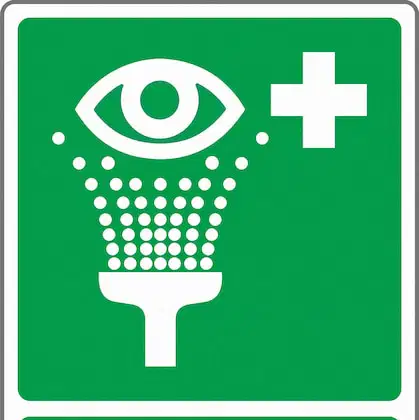
ID THIS SIGN
Safety googles
Eye Wash Station
Look Out
Be careful
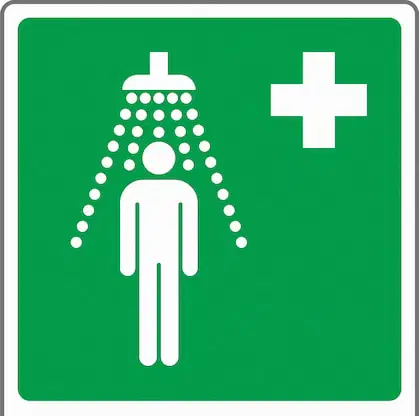
ID THIS SIGN
Safety shower
Wash Station
Showers
Cleaning Station

This is the safety helmet sign
true
false
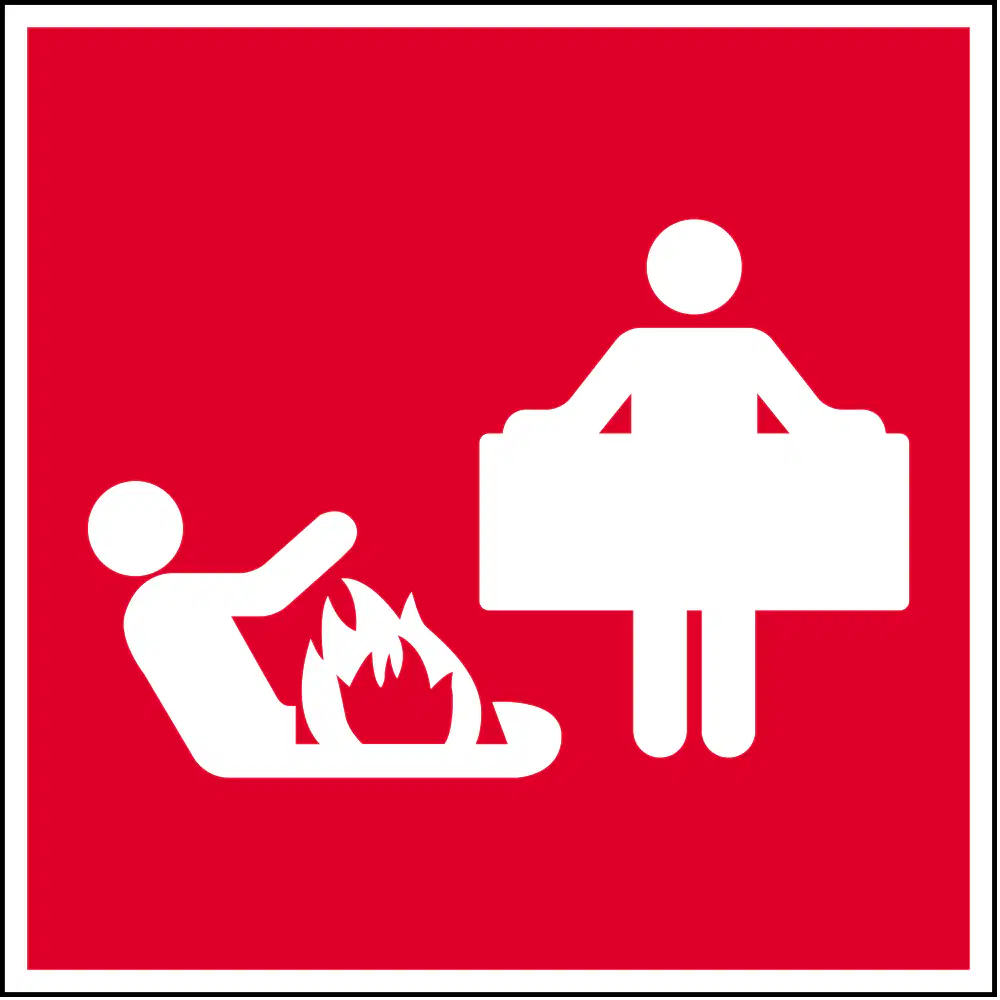
Which sign is this one?
Fire Extinguiser
Fire paper
Fire Blanket
Fire

Which sign is this one?
Do not touch Hot Surface
Hot
No touch
Biohazard
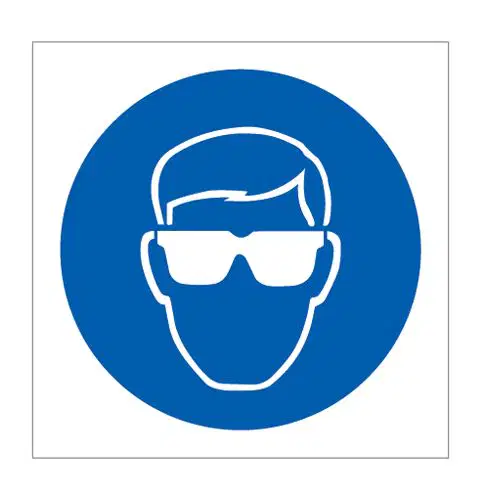
This is the _________ sign.
safety eyes
safety googles
safety helmet
safety hair

Which sign is this?
Hospital
Medical
First Aid
Nurses

This is the _________ sign.
Doctors
Lab Coat
Nurses
Authorized Personel
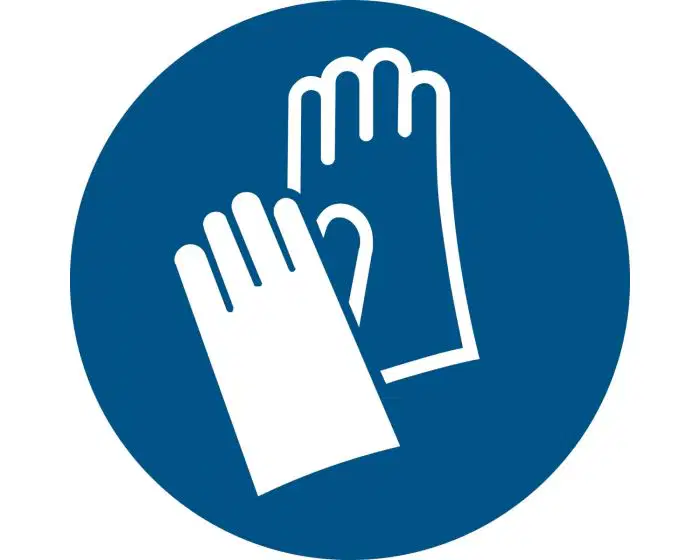
This is the safety gloves sign.
FALSE
TRUE
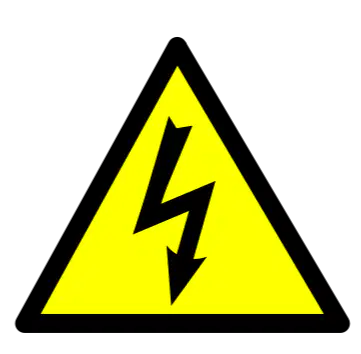
Which sign is this one?
Radioactive material
Corrosive material
Lighting warning
Electric current Precaution
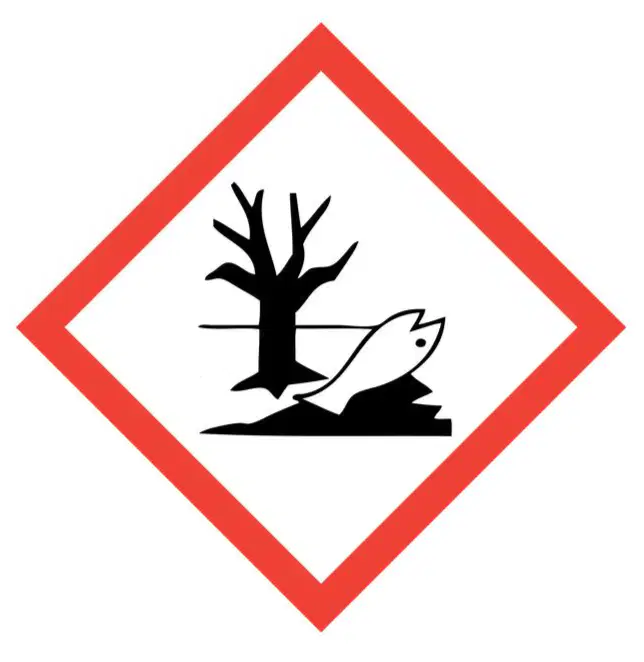
Which sign is this one?
Radioactive material
Environmental Hazard
Lighting warning
Electric current Precaution
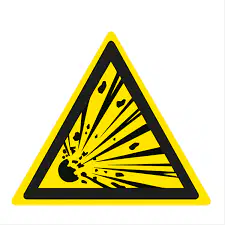
Which sign is this one?
Radioactive material
Environmental Hazard
Risk of Explotion
Electric current Precaution
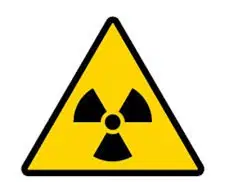
Which sign is this one?
Radiation
Environmental Hazard
Risk of Explotion
Electric current Precaution
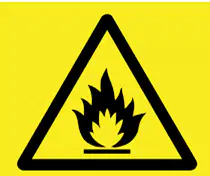
Which sign is this one?
Radioactive material
Flammable Material
Risk of Explotion
Fire Precaution
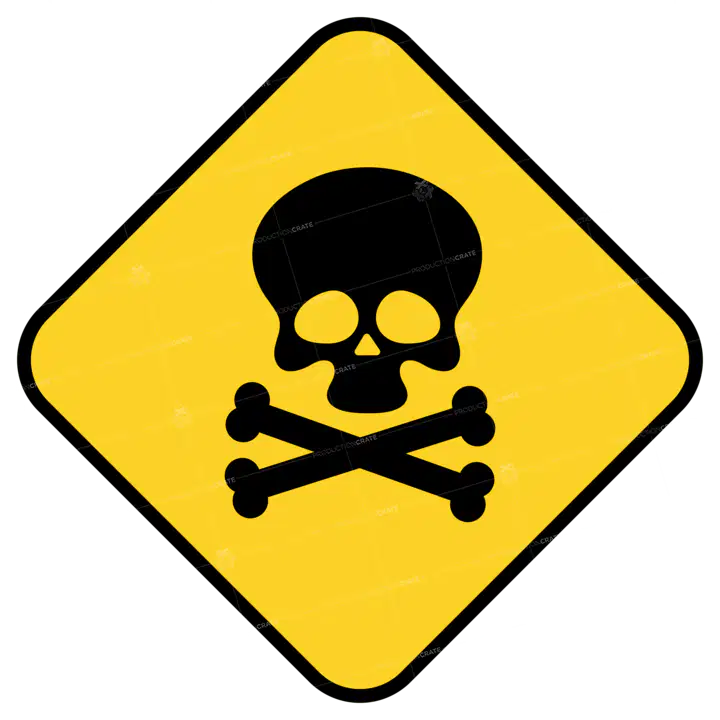
This is the Danger sign
TRUE
FALSE
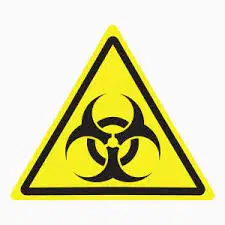
Which sign is this?
Chemical Material
Nuclear Material
Biohazard Material
Radioactive Material
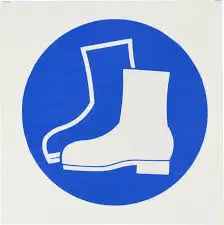
This sign is part of the safety equipment and means
Safety shoes
Safety boots
Rainy day
Wet floor

This one means
Danger
Death
Ghosts
Toxic
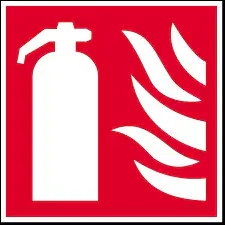
This one means
Fire extinguiser
Firemans
Fire warning
Fire protection
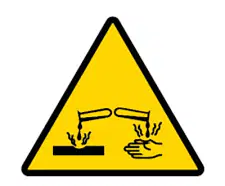
Id this one
Washing hands
Corrosive material
Acid
Danger liquid
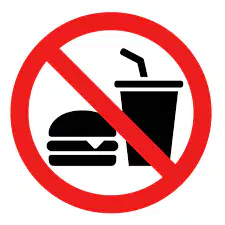
This one means...
No hamburgers
No eat or drink
No food here
Food here

This one is the _____ sign
No touch
No touch hot surface
Touch
Hands free
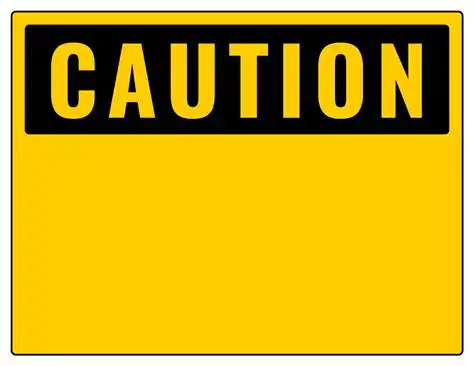
This is the CAUTION sign

This is a balance.
True
False

This is a
Bottle
Mortar
Wash Bottle
Beaker
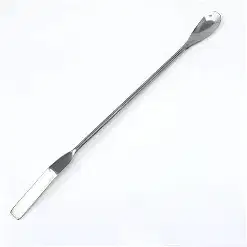
How do we call this?
tongs
bummer
funnel
spatula
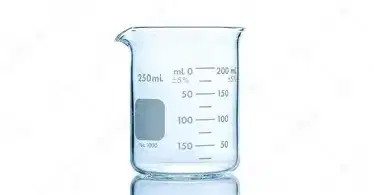
The name of this instrument is
funnel
test tube
Beaker
Erlenmeyer Matrax
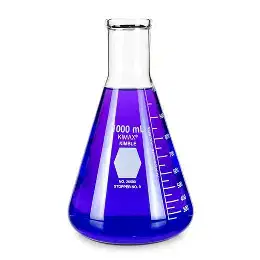
The name of this instrument is
funnel
Florence Flask
Beaker
Erlenmeyer Matrax
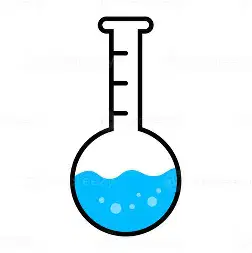
The name of this instrument is
funnel
Florence Flask
Beaker
Erlenmeyer Matrax
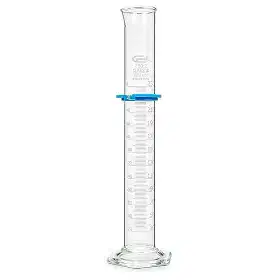
The name of this instrument is
graduated cylinder
Florence Flask
Beaker
Erlenmeyer Matrax
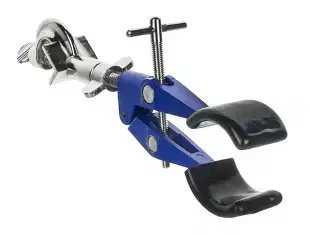
The name of this instrument is
Iron Stand
Iron Ring
Clamp
Tongs
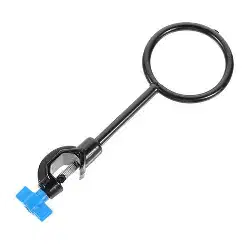
The name of this instrument is
Iron Stand
Iron Ring
Clamp
Tongs
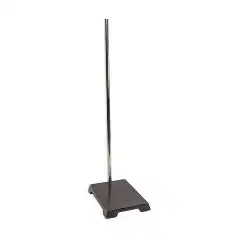
The name of this instrument is
Iron Stand
Iron Ring
Clamp
Tongs
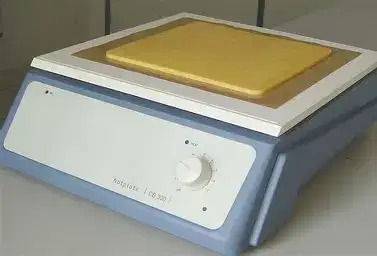
The name of this instrument is
Iron Stand
Hot Plate
Balance
Evaporating Dish
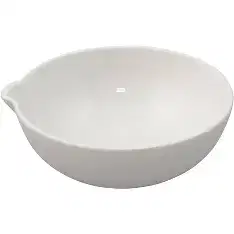
The name of this instrument is
Iron Stand
Hot Plate
Balance
Evaporating Dish

The name of this instrument is
Iron Stand
Hot Plate
Burner
Evaporating Dish
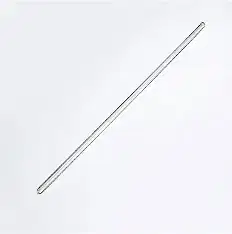
The name of this instrument is
funnel
piper
termometer
glass stiring
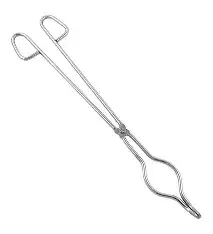
The name of this instrument is
clamps
tongs
tweezers
test tube holder
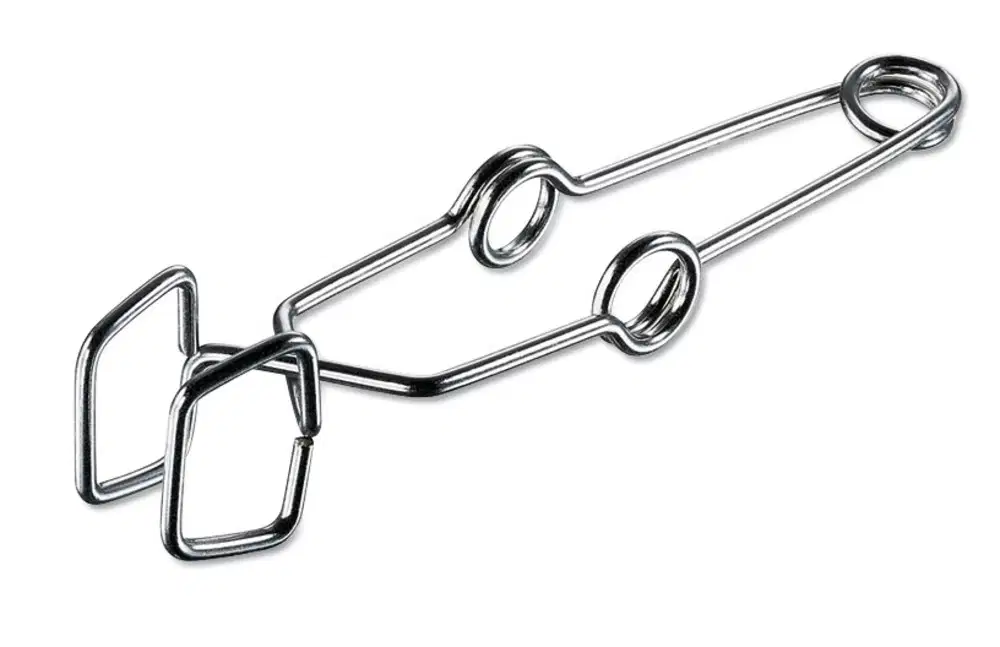
The name of this instrument is
clamps
tongs
tweezers
test tube holder

