
 Worksheets
Review Unit 1 (A&P 2025)
Total questions: 138
Worksheet time: 2hrs 58mins
What are connective tissues primarily composed of?
Closely packed cells with no matrix
More scattered cells within a matrix
Only fibers and no ground substance
Only blood cells
Which components make up the structure of connective tissue?
Only cells
Only fibers
Ground substance and fibers
Only blood vessels
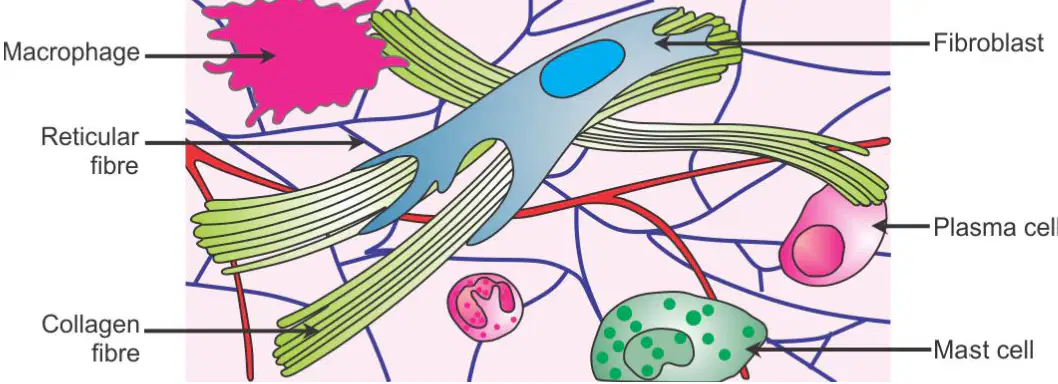
Which type of cell in connective tissue is responsible for preventing clots?
Mast cells
Macrophages
Fibroblasts
Plasma cells
Which cell type in connective tissue produces fibers?
Mast cells
Macrophages
Fibroblasts
Plasma cells
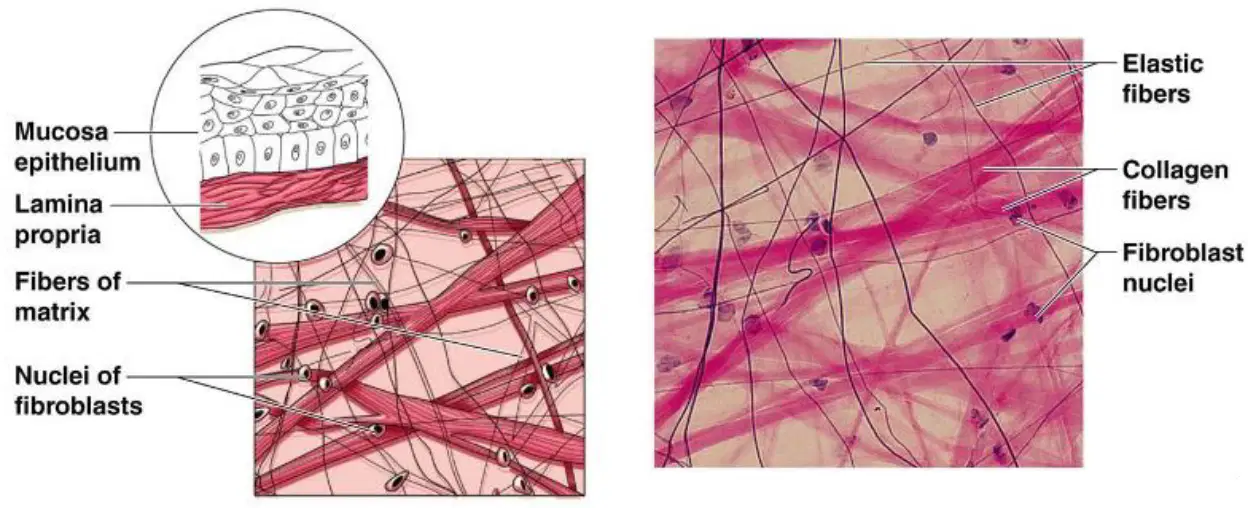
Where are elastic fibers most commonly found in the human body?
Bones and ligaments
Ears and vocal cords
Skin and hair
Muscles and nerves
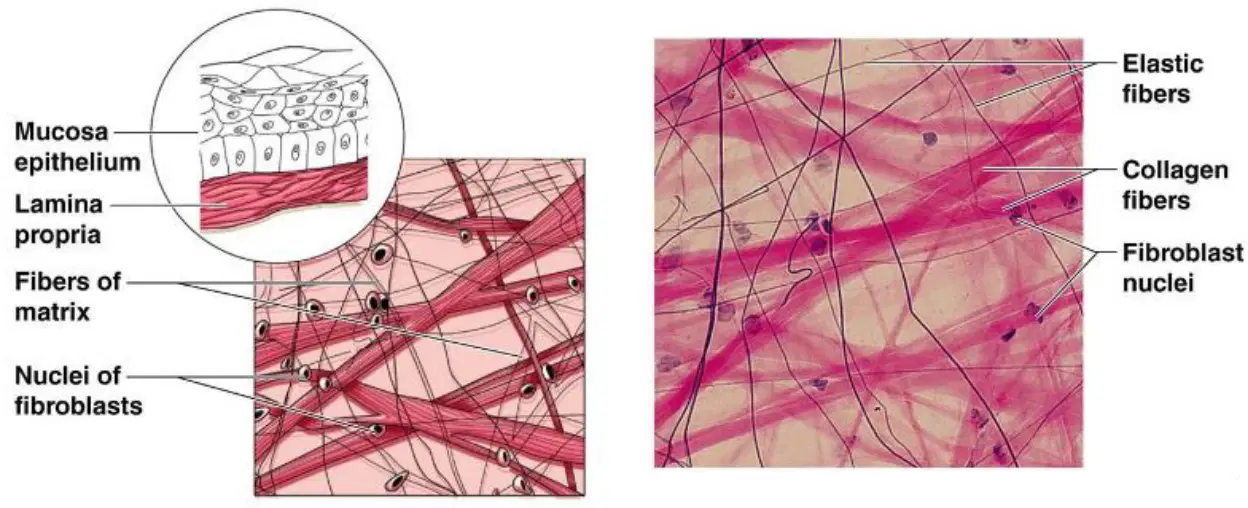
Compare the locations of collagenous and elastic fibers in the body and explain why their distribution is important for tissue function.
Collagenous fibers are found in flexible tissues, while elastic fibers are found in rigid tissues, which is important for movement.
Collagenous fibers are found in bones, ligaments, and tendons for strength, while elastic fibers are found in ears and vocal cords for flexibility, supporting the specific functional needs of each tissue.
Both types of fibers are found only in the skin, which is important for protection.
Elastic fibers are found in bones, ligaments, and tendons, while collagenous fibers are found in ears and vocal cords, which is important for sound production.
Explain why the basement membrane is important in the structure of the matrix.
It separates and supports epithelial cells from underlying tissue, providing structural integrity and regulating cell behavior.
It produces collagen fibres for strength.
It stores nutrients for the cells.
It is responsible for immune defense.
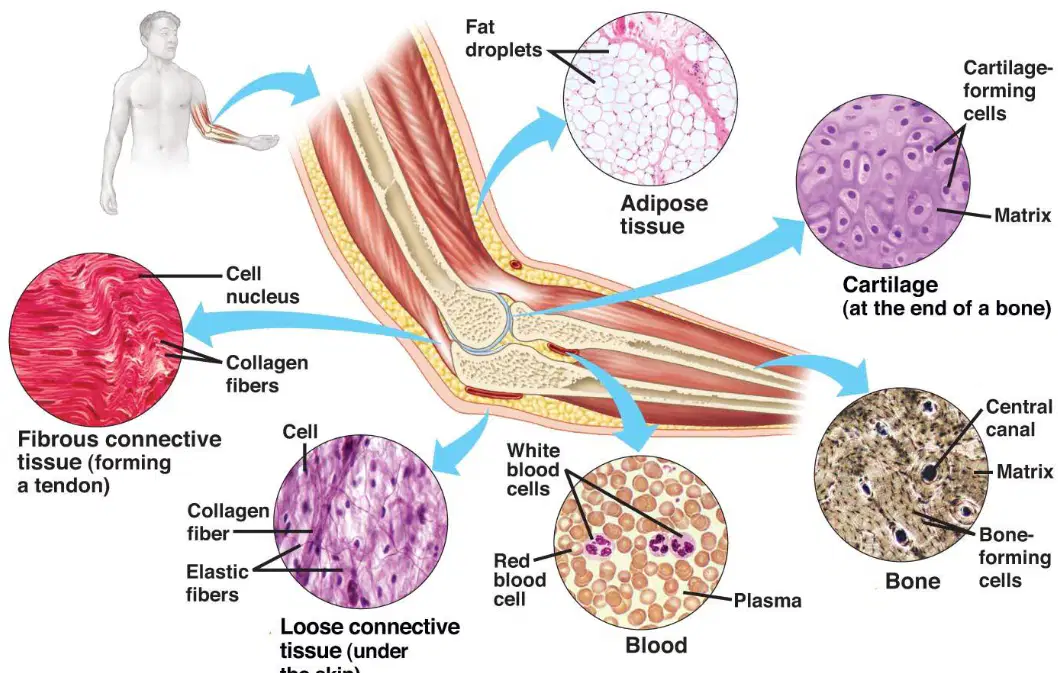
Which type of connective tissue is responsible for storing fat in the body?
Adipose tissue
Cartilage
Blood
Bone
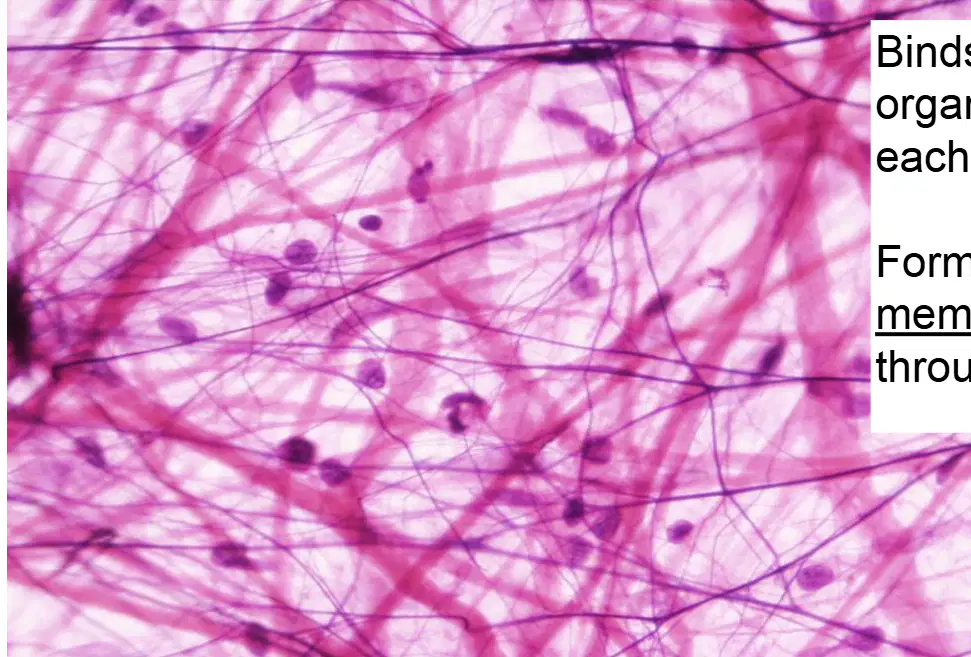
Explain how the structure of loose connective tissue supports its function in the body.
Its loosely arranged fibers allow flexibility and binding of organs, forming delicate membranes.
Its rigid structure provides strong support for bones.
Its dense packing stores large amounts of fat.
Its hard matrix allows for mineral storage.
Which of the following is NOT a function of adipose tissue?
Provides a protective cushion
Insulates to preserve body heat
Stores energy
Produces red blood cells
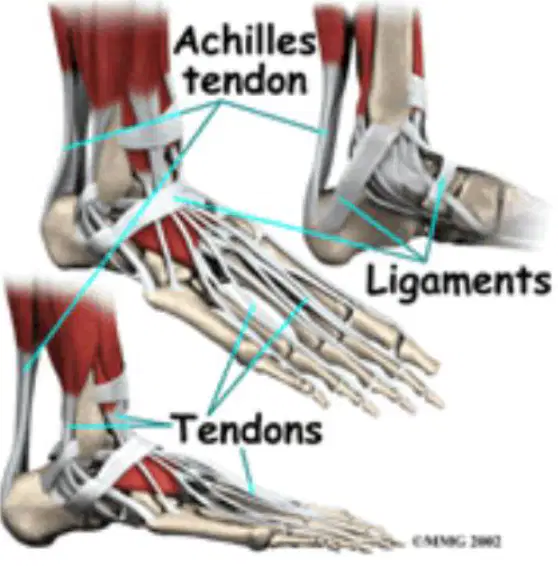
What is the primary function of tendons in the human body?
Connect muscles to bones
Connect bones to bones
Connect muscles to muscles
Connect skin to muscles
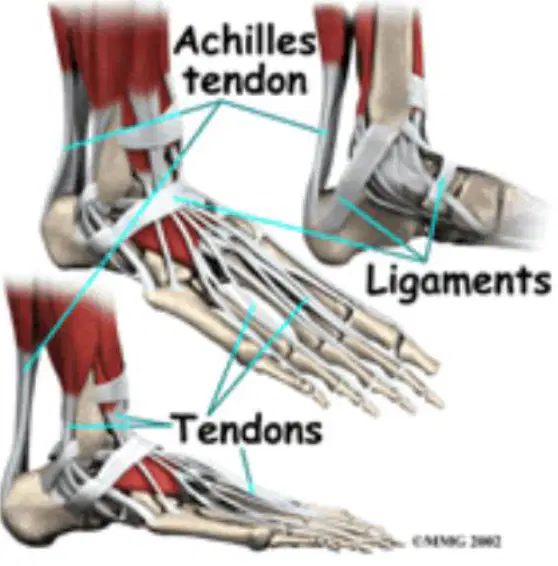
If a person injures the tissue that connects their calf muscle to their heel bone, which structure is most likely affected?
Ligament
Cartilage
Tendon
Bone
What type of fibers are closely packed in dense fibrous connective tissue?
Elastic fibers
Reticular fibers
Collagenous fibers
Muscle fibers
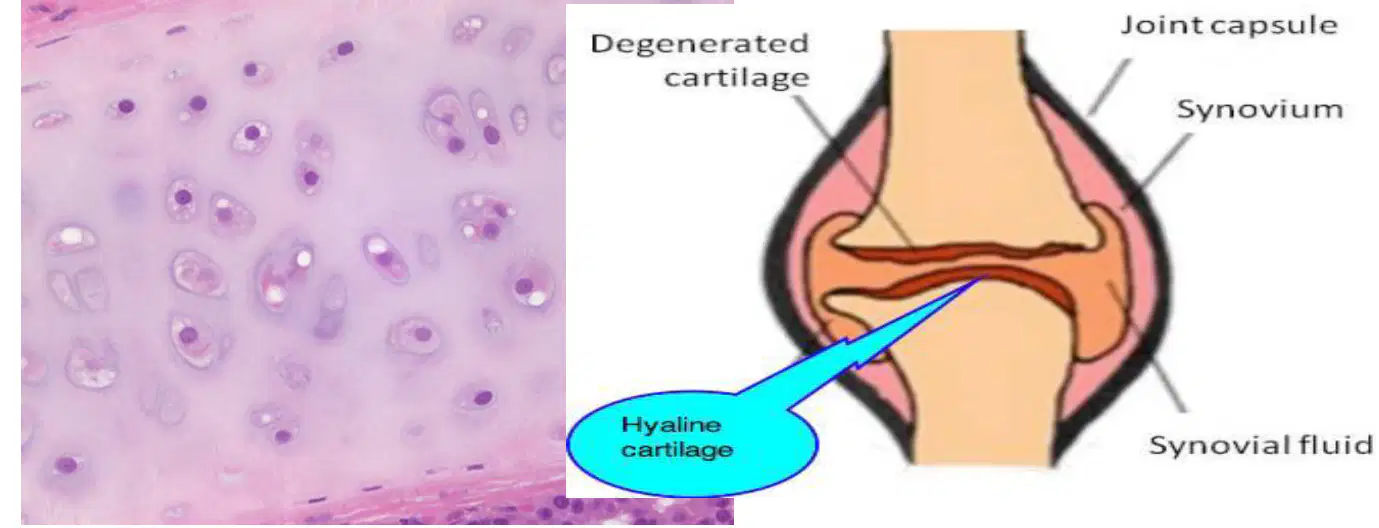
Where is hyaline cartilage commonly found in the human body?
Covers ends of joints, nose, and respiratory passages
Forms the outer layer of skin
Lines the stomach and intestines
Makes up the bones of the skull
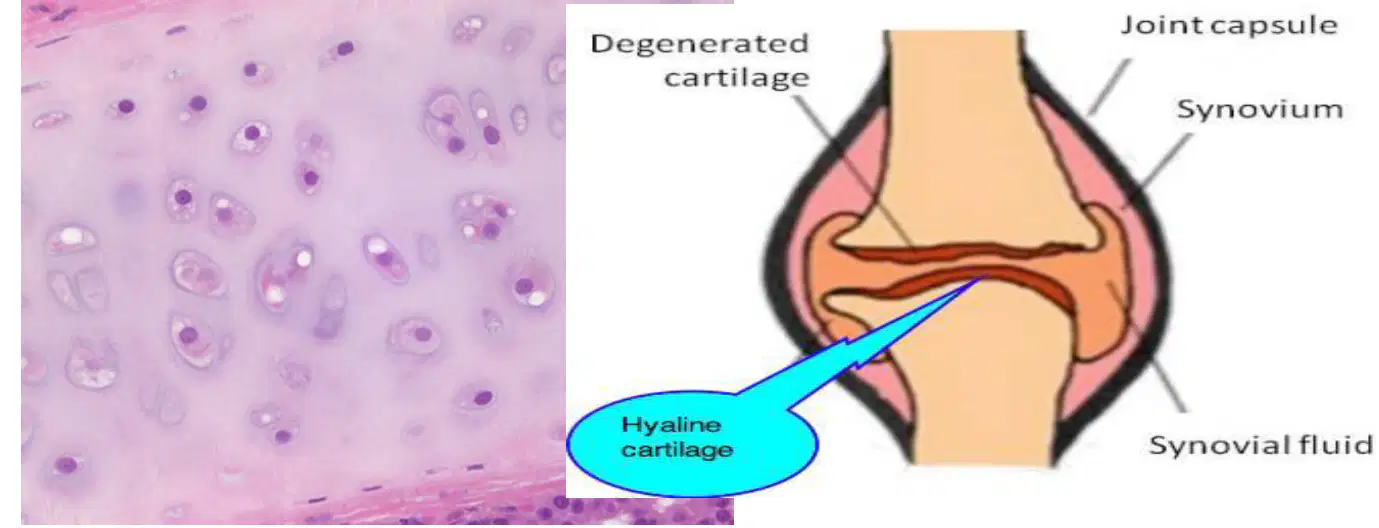
What is the primary function of hyaline cartilage in joints?
Serves as padding
Produces red blood cells
Stores fat
Transmits nerve impulses
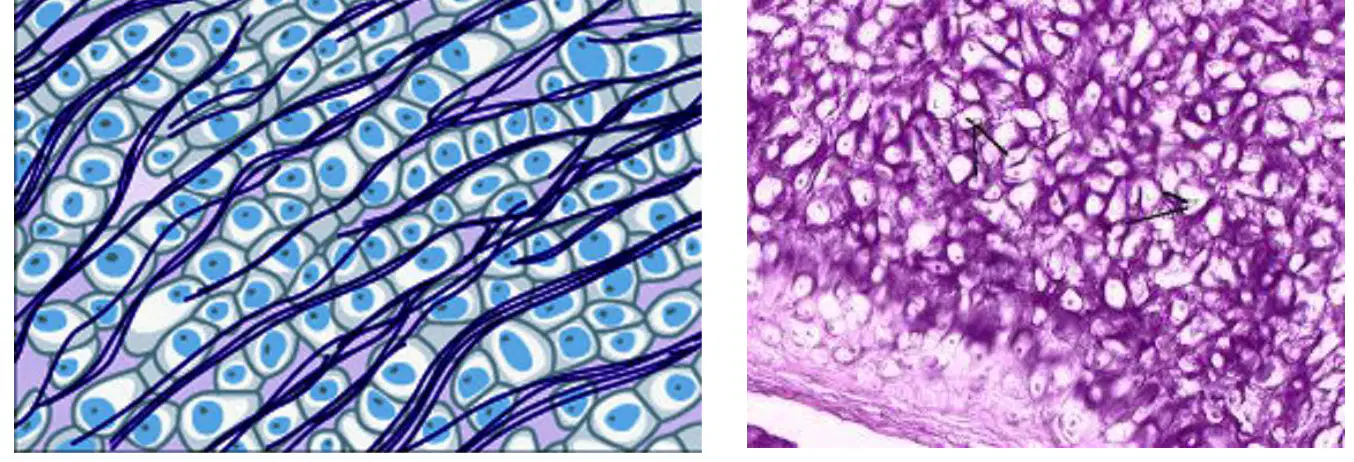
What type of tissue is shown in the provided diagrams?
Elastic cartilage
Bone tissue
Adipose tissue
Blood tissue
Why is elastic cartilage particularly suited for structures like the external ear and larynx?
It provides flexibility and maintains shape
It stores fat for energy
It conducts electrical impulses
It produces red blood cells
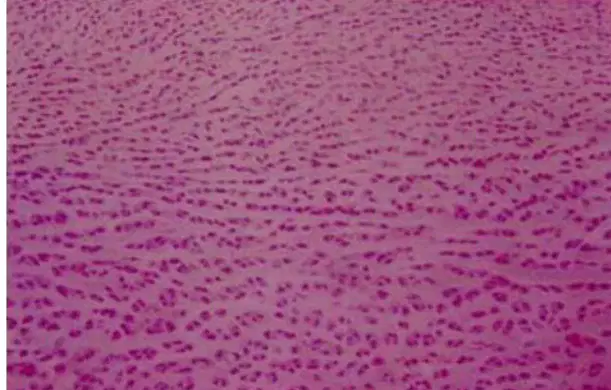
What is the primary function of fibrocartilage?
Provides flexibility to joints
Tough, shock absorbing
Stores fat
Produces red blood cells
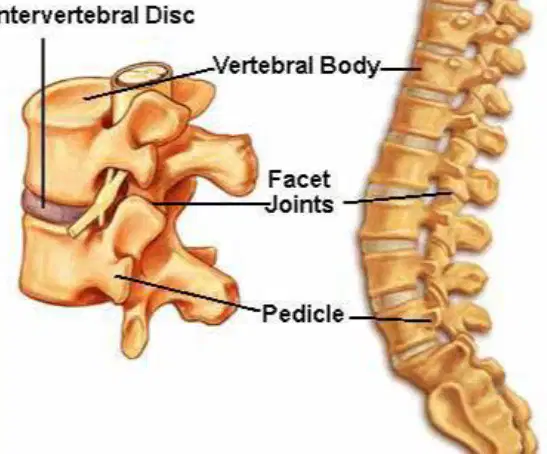
Why is fibrocartilage important for the vertebral column?
It helps in producing hormones
It acts as a shock absorber between vertebrae
It increases blood flow to the spine
It stores minerals for the body
What is another name for bone tissue?
Cartilaginous tissue
Osseous tissue
Adipose tissue
Epithelial tissue

Based on the image, which type of tissue is shown?
Muscle tissue
Bone tissue (Osseous)
Nervous tissue
Blood tissue
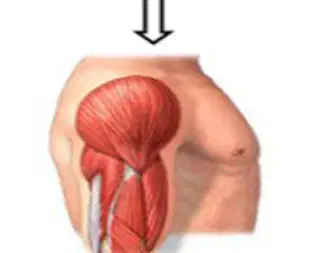
Which type of muscle tissue is under voluntary control?
Smooth muscle tissue
Cardiac muscle tissue
Skeletal muscle tissue
Epithelial tissue
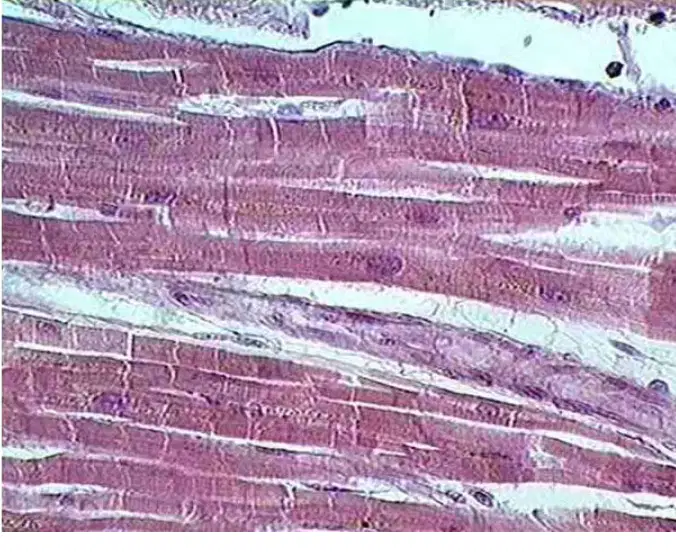
Which organ in the human body is primarily composed of the tissue shown in the image?
Heart
Lungs
Liver
Kidneys
Skeletal muscle is also known as which of the following?
Striated muscle
Cardiac muscle
Involuntary muscle
Smooth muscle
Body parts on the front of the body are (anatomical direction - hint point forward)
(a)
Body parts located above the transverse plane are (anatomical direction - hint point up)
Medial
Lateral
Superior
Inferior
The plane that divides the body into right and left parts is
Saggital
transverse
Frontal
Medial
Horizontal Plane that divides the body into a top and bottom half
Superior
Transverse
Medial
Inferior
True or False: The Cranial Cavity only holds the brain?
True
False
Body parts located below the transverse plane are (anatomical direction - hint point down)
(a)
What organs are included in the spinal cavity
Spinal cord
brain
eyes
tongue
What are two of the many organs found in the pelvic cavity
Urinary Bladder and kidneys
reproductive organs and small intestine
stomach and spleen
small intestine and large intestine
What organ is in the orbital cavity
(a)
Body parts close to the midline are (directional position - hint point "in")
Medial
Lateral
Inferior
Superior
Which plane divides the body directly down the middle with equal right and left parts
Saggital
Midsaggital
Transverse
Frontal
Which cavity contains the mouth, teeth, cheeks and tongue
nasal
buccal
cranial
spinal
Which cavity contains the nose structures
(a)
Which plane divides the body into front and back / anterior and posterior parts
Saggital
Midsaggital
Frontal
Transverse
If I tell you my stomach is hurting, which abdominal region would you report to your physician
Right Iliac region
Left lumbar region
Epigastric region
Hypogastric region
What divides the thoracic cavity and the abdominal cavity
stomach
reproductive organs
nose
diaphragm
What is the middle region of the nine abdominal regions
Epigastric
Left Lumbar
Right Iliac
Umbilical
What is the abbreviation for Right Upper Quadrant
RRQ
RUP
RUQ
RQU
The pelvic cavity is _______to the cranial cavity
Lateral
Superior
Medial
Inferior
The stomach is _______to the spine
Medial
Lateral
Anterior
Posterior
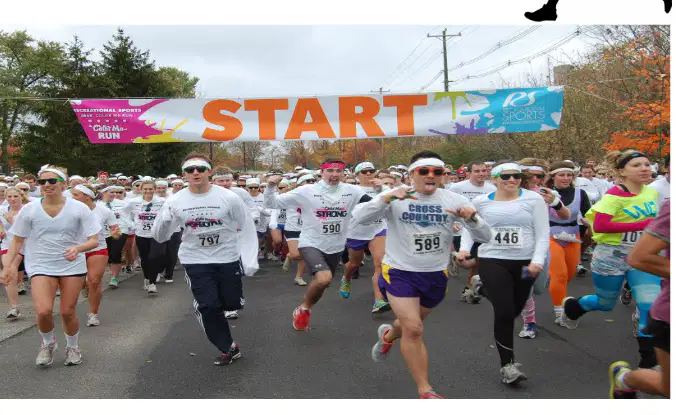
What happened to Kati Mori at the London Marathon?
Kati Mori collapsed near the finish line at the London Marathon.
Kati Mori won the London Marathon.
Kati Mori set a new world record at the London Marathon.
Kati Mori did not finish the London Marathon.
According to the passage, what symptoms did Kati Mori experience by the end of the marathon?
She experienced severe diarrhea, headache, vomiting, confusion, and her legs endlessly mimicking a running motion.
She felt completely fine and finished the race with no symptoms.
She only had mild muscle soreness and a slight cough.
She experienced only thirst and a mild headache.
The energy in our body comes from which source?
The food we eat
The Moon
The Wind
The Ocean
The clues that showed Kati was not maintaining homeostasis were:
She was sweating excessively and feeling dizzy.
She was feeling happy and energetic.
She was eating a balanced meal.
She was sleeping well and feeling rested.
Fill in the blank: The function of human life that involves cells, tissues, and organs is called ___________.
Organization
Digestion
Respiration
Excretion
Fill in the blank: The function of human life that involves reactions in the body and requires energy is called ___________.
Metabolism
Digestion
Respiration
Circulation
Fill in the blank: The function of human life that involves sensing changes and reacting to them is called ___________.
Responsiveness
Digestion
Reproduction
Excretion
Fill in the blank: The function of human life that involves change in position and motion of internal parts is called ___________.
Movement
Digestion
Respiration
Reproduction
Fill in the blank: The function of human life that involves an increase in body size is called ___________.
Growth
Respiration
Digestion
Excretion
Fill in the blank: The function of human life that involves passing DNA to new individuals is called ___________.
Reproduction
Respiration
Digestion
Excretion
Fill in the blank: The function of human life that involves changes in the body, including differentiation, is called ___________.
Development
Reproduction
Metabolism
Respiration
What is differentiation? Fill in the blank: Differentiation is the process by which a cell becomes _______ to perform a specific function.
specialized
divided
inactive
multiplied
How do cells differentiate? Cells differentiate by activating and deactivating _______.
genes
hormones
organelles
enzymes
Fill in the blank: ________ is required to make ATP, cell energy.
Oxygen
Glucose
Carbon dioxide
Nitrogen
Fill in the blank: ________ include water, food, and vitamins.
Nutrients
Minerals
Proteins
Carbohydrates
Fill in the blank: The body can respond to changes in ________ within a narrow range.
temperature
color
height
sound
Fill in the blank: ________ is the pressure necessary for breathing.
Atmospheric Pressure
Osmotic Pressure
Vapor Pressure
Hydrostatic Pressure
What does 'normal range' indicate in the context of homeostasis?
It indicates where the body can function, or what is optimal.
It refers to the average temperature of the environment.
It shows the range of physical activities possible.
It describes the range of emotions a person can feel.
What is the 'set point' in homeostasis?
The set point is the value around which the range fluctuates.
The set point is the maximum value the body can tolerate.
The set point is the lowest possible value for a variable.
The set point is the average of all possible values.
What do sensors (receptors) do in the context of a negative feedback loop?
Sensors (receptors) detect conditions within the body such as temperature, and relay information to the brain.
Sensors (receptors) produce hormones to regulate body functions.
Sensors (receptors) transport oxygen throughout the body.
Sensors (receptors) break down nutrients for energy.
What role do effectors play in maintaining homeostasis?
Effectors are muscles or glands that respond to deviation from the set point. Glands might initiate sweating to cool the body back to its set point.
Effectors are sensory receptors that detect changes in the environment.
Effectors are enzymes that break down waste products in the body.
Effectors are hormones that regulate the production of red blood cells.

What is the average normal range for body temperature in degrees Fahrenheit?
The average normal range for body temperature is 96.8°F to 100.4°F.
The average normal range for body temperature is 94.0°F to 96.0°F.
The average normal range for body temperature is 101.0°F to 104.0°F.
The average normal range for body temperature is 92.0°F to 95.0°F.
A negative feedback loop maintains homeostasis by:
counteracting changes to return the system to its set point
amplifying changes to move the system away from its set point
ignoring changes in the environment
causing random fluctuations in the system
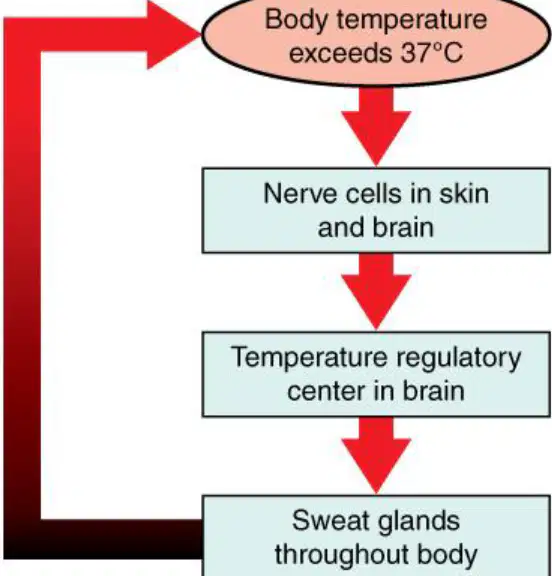
When body temperature exceeds 37°C, which cells detect this change?
Muscle cells
Nerve cells in skin and brain
Blood cells
Sweat glands
What do positive feedback loops do?
Decrease the occurrence of events
Amplify or increase the occurrence of events
Stop the occurrence of events
Have no effect on events
Fill in the blank: As the baby suckles on the nipple, there is a nerve response into the spinal cord and up to the brain, which then stimulates the pituitary gland to produce more _______ to produce more milk.
prolactin
insulin
adrenaline
thyroxine
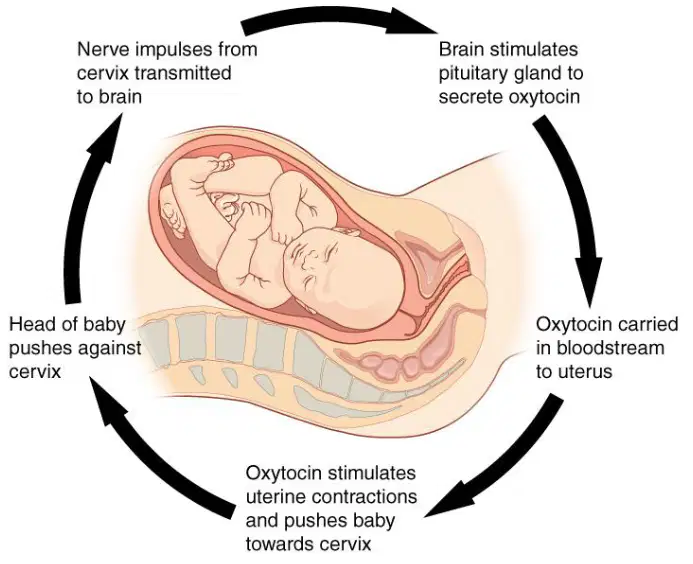
According to the diagram, what hormone is secreted by the pituitary gland to stimulate uterine contractions?
Prolactin
Oxytocin
Estrogen
Progesterone
Kati’s story relates to HOMEOSTASIS in which of the following ways?
It demonstrates how the body maintains internal balance.
It shows how the body grows rapidly.
It describes how the body uses energy for movement.
It explains how the body responds to external temperature only.
Match the membranes with their descriptions
serous membrane
two layers, covers organs
parietal
outer layer
visceral
inner layer
pluera
lungs
pericardium
heart
Match the following organ systems to how they maintain homestasis.
integumentary
sweat, hair, pores (oil)
skeletal
maintaining blood cells, moving/energy
muscular
movement, heat generation
nervous
control center (hypothalamus)
endocrine
glands make hormones
Match the following organ systems to how they maintain homestasis.
digestive
providing energy
circulatory
transport nutrients
lymphatic
protects you from pathogens
urinary
keeps toxic wastes from builing up
respiratory
oxygen needed for energy
The structure of the cell relates to its function in which of the following ways?
The cell membrane controls the movement of substances in and out of the cell.
The nucleus is responsible for energy production.
The mitochondria store genetic information.
The ribosomes are involved in photosynthesis.
What is the relationship between the cell’s function and human illness?
Cells function independently of human illness.
Cell dysfunction can lead to human illness.
Human illness has no impact on cell function.
Cells and human illness are unrelated.
What is the study of cells called?
Cell Biology
Genetics
Ecology
Microbiology
All of the body's functions are carried out by the ______, which are organized into tissues.
cell
organ
system
molecule
The cell membrane is selectively ________.
permeable
impermeable
rigid
transparent
What is the function of the endoplasmic reticulum?
Protein and lipid synthesis
Photosynthesis
DNA replication
Cell division
The Rough Endoplasmic Reticulum has _______ on its surface.
ribosomes
mitochondria
chloroplasts
nuclei
Proteins are exported in ________.
vesicles
nuclei
ribosomes
lysosomes
What happens when the mitochondria cannot produce enough ATP?
The cell will have reduced energy and may not function properly.
The cell will produce more ATP from other sources.
The cell will become more efficient in energy usage.
The cell will not be affected at all.
Which organelle contains genetic material?
Endoplasmic Reticulum
Golgi Complex
Nucleolus
Nucleus


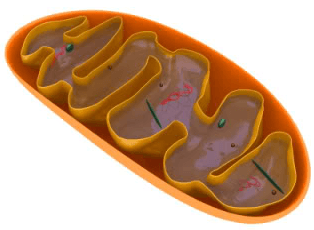
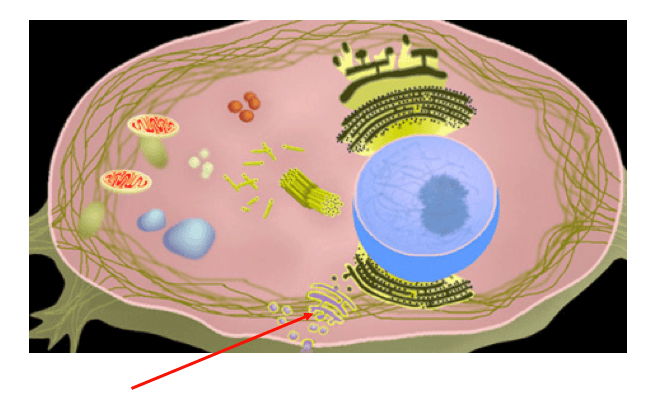
Identify the structure that the arrow is pointing to.
Endoplasmic Reticulum
Golgi Body
Ribosome
Mitochondria
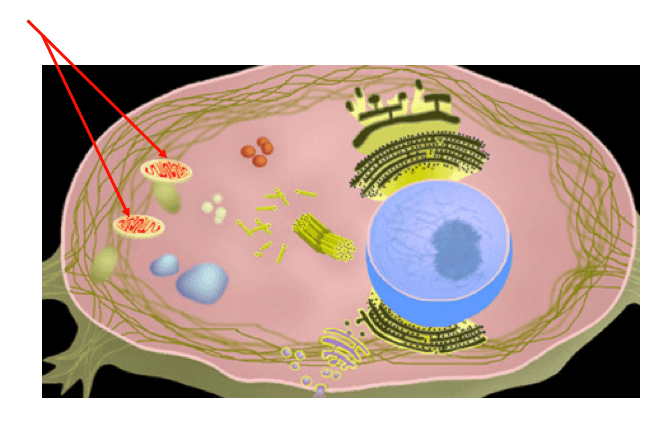
Identify the structures at the bottom of the arrows.
Ribosomes
Golgi Bodies
Mitochondria
Chloroplasts


Cells must bring in materials, like food and oxygen, and remove _______. These processes occur at the cell membrane.
wastes
energy
proteins
nutrients
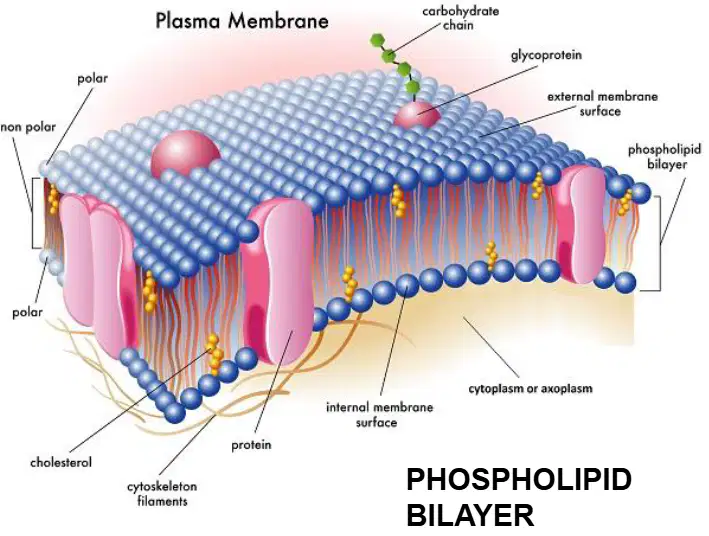
Identify the structure labeled as the 'phospholipid bilayer' in the diagram of the plasma membrane.
The double layer of blue spheres and tails forming the main structure of the membrane is the phospholipid bilayer.
The small green circles scattered throughout the membrane represent the phospholipid bilayer.
The long yellow strands attached to the surface are the phospholipid bilayer.
The purple globular structures embedded in the membrane are the phospholipid bilayer.
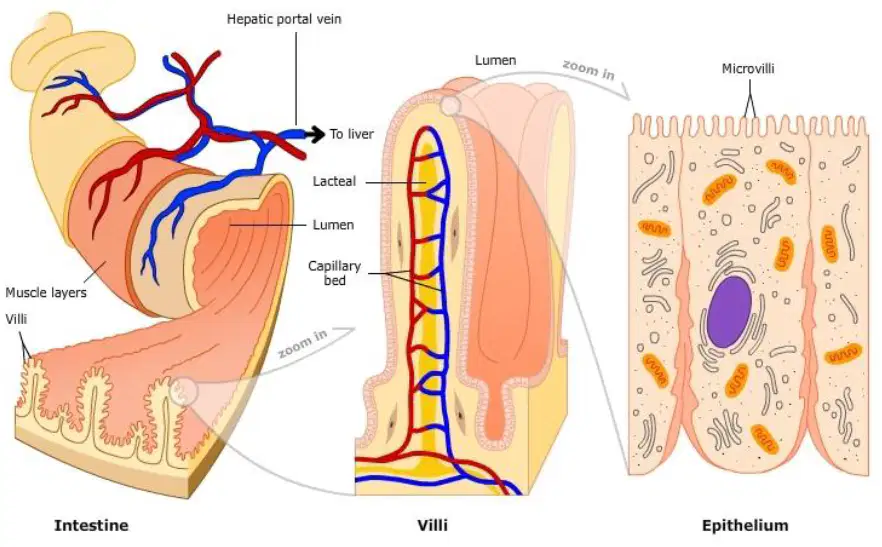
Increasing surface area can increase the cell’s efficiency moving substances.
True
False
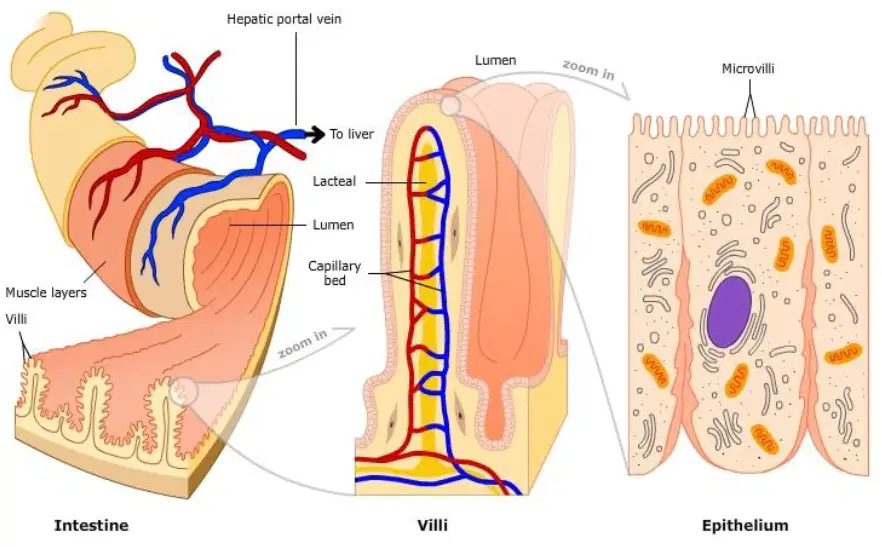
Cells of the digestive system have projections called ______ that aid in absorbing nutrients.
villi
cilia
flagella
microtubules
Diffusion - molecules tend to spread out; moving from areas of ______ concentration to ______ concentration. Fill in the blanks.
high, low
low, high
equal, unequal
low, equal
What is the process called that requires no energy and involves molecules moving from high concentration to low concentration?
Active Transport
Passive Transport
Facilitated Diffusion
Endocytosis
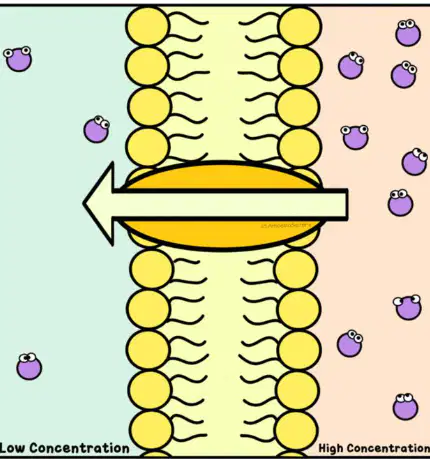
Based on the diagram, which type of passive transport involves a protein channel to help molecules move across the membrane?
Diffusion
Facilitated Diffusion
Active Transport
Osmosis
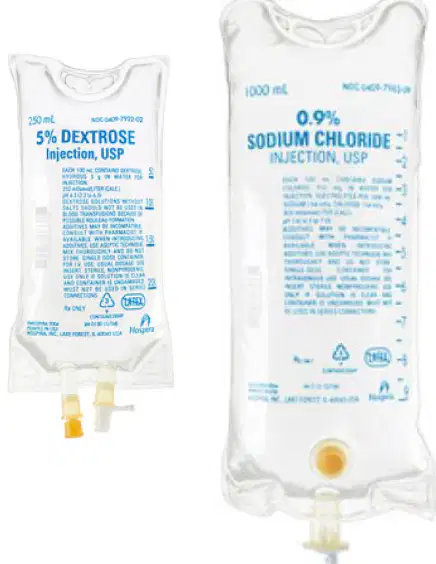
PURE water is not put in an IV Bag because:
It can cause red blood cells to burst due to osmosis.
It provides more nutrients than needed.
It is too expensive to produce.
It is more likely to cause infections.
How does water move in a hypertonic solution?
Water moves out of the cell.
Water moves into the cell.
Water does not move at all.
Water moves in and out equally.
How does water move in a hypotonic solution?
Water moves into the cell.
Water moves out of the cell.
Water does not move at all.
Water moves equally in and out of the cell.
How does water move in an isotonic solution?
Water moves in and out of the cell at an equal rate.
Water only moves into the cell.
Water only moves out of the cell.
Water does not move at all.
What does active transport require?
Water
Energy (ATP)
Oxygen
Light
Endocytosis is the process by which things ______ the cell.
enter
exit
surround
destroy
Exocytosis is also known as ______; things exit the cell.
secretion
endocytosis
diffusion
osmosis
What is the growth phase of the cell cycle called?
Interphase
Metaphase
Anaphase
Telophase
What is the process called when the nucleus divides during the cell cycle?
Mitosis
Photosynthesis
Meiosis
Osmosis
What is the process called when a cell splits into 2 daughter cells?
Cytokinesis
Photosynthesis
Osmosis
Transcription
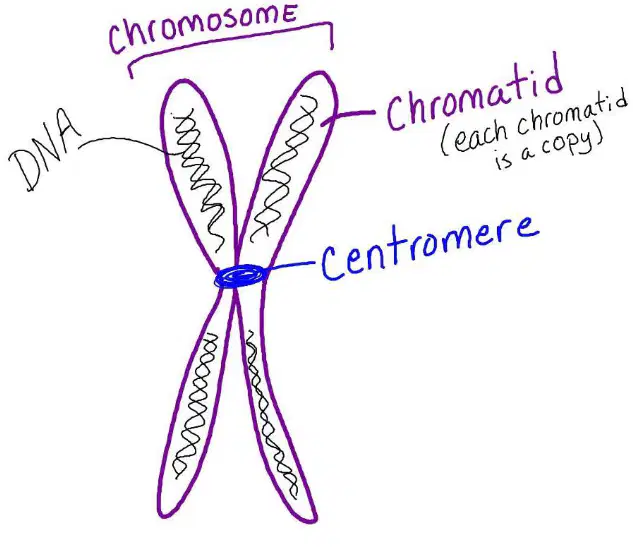
In the diagram titled 'The structure of a chromosome', what is the name of the structure that holds two chromatids together?
Centromere
Telomere
Nucleolus
Spindle fiber
Which of the following is the correct order of the stages of mitosis?
Prophase → Metaphase → Anaphase → Telophase
Metaphase → Prophase → Telophase → Anaphase
Anaphase → Prophase → Metaphase → Telophase
Telophase → Anaphase → Metaphase → Prophase
What does the acronym IPMAT stand for in the context of the cell cycle?
Interphase, Prophase, Metaphase, Anaphase, Telophase
Initiation, Progression, Maturation, Apoptosis, Termination
Interphase, Prometaphase, Metaphase, Anaphase, Termination
Integration, Proliferation, Mitosis, Apoptosis, Telophase
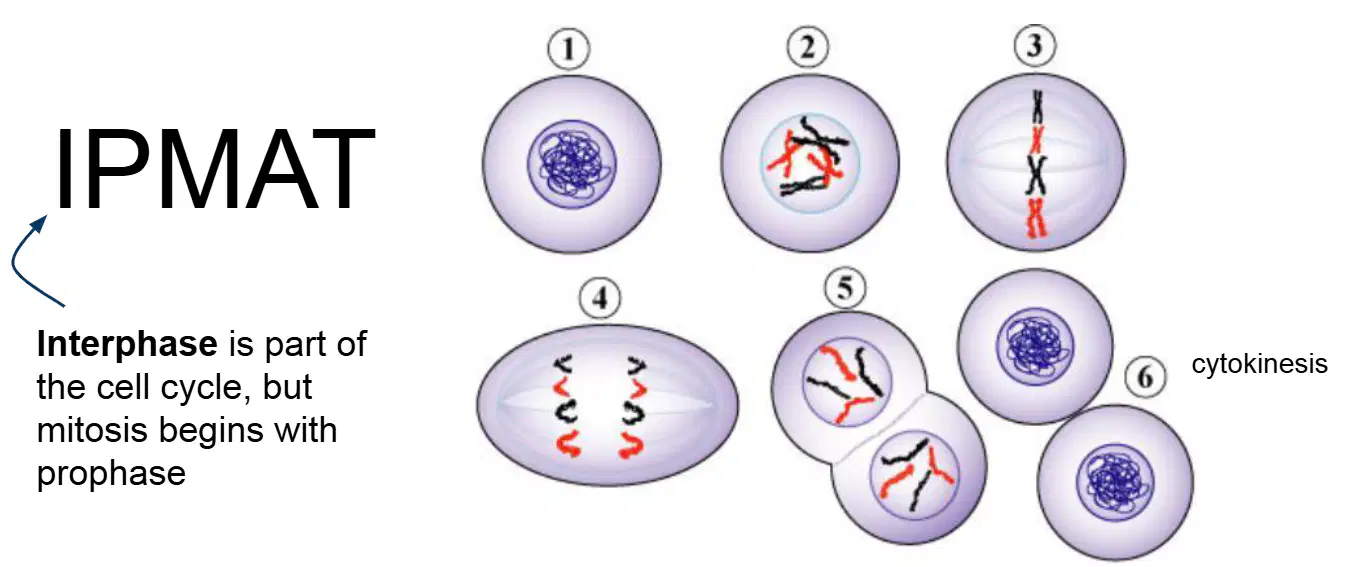
Label the stages of mitosis shown in the diagram (1 to 6):
1. Interphase, 2. Prophase, 3. Metaphase, 4. Anaphase, 5. Telophase, 6. Cytokinesis
1. Prophase, 2. Metaphase, 3. Anaphase, 4. Telophase, 5. Interphase, 6. Cytokinesis
1. Metaphase, 2. Anaphase, 3. Telophase, 4. Interphase, 5. Prophase, 6. Cytokinesis
1. Telophase, 2. Interphase, 3. Prophase, 4. Metaphase, 5. Anaphase, 6. Cytokinesis
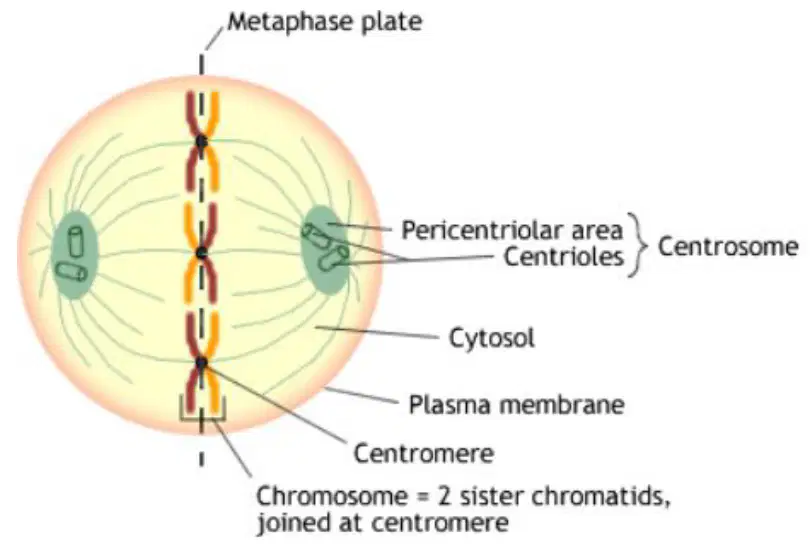
What happens to chromosomes during metaphase?
Chromosomes line up on the equator.
Chromosomes split into chromatids.
Chromosomes disappear from view.
Chromosomes move to opposite poles.
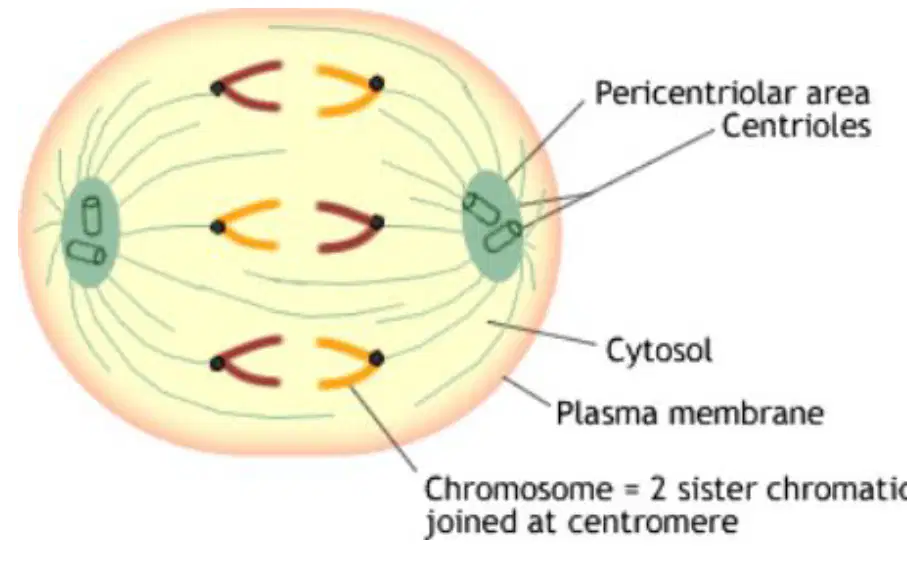
Fill in the blank: During anaphase, chromatids ______ and move to opposite poles.
separate
duplicate
fuse
disappear
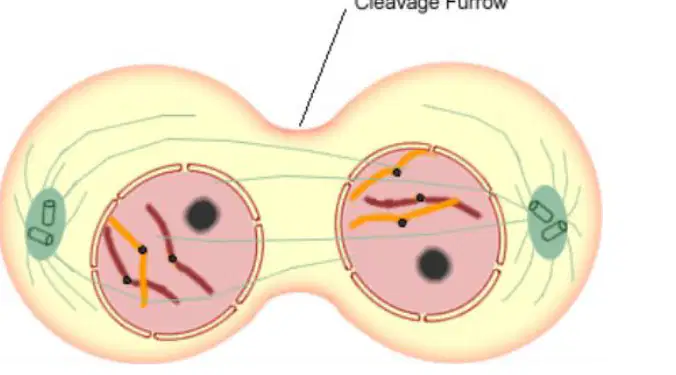
During telophase, what happens to the nuclear membrane?
nuclear membrane reforms
nuclear membrane dissolves completely
nuclear membrane thickens
nuclear membrane disappears temporarily
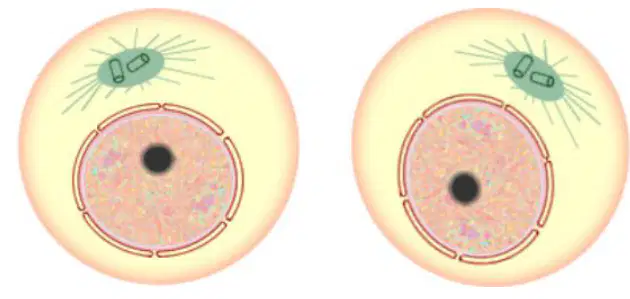
What happens to the cell during cytokinesis?
Cell splits into two daughter cells
Cell undergoes DNA replication
Cell fuses with another cell
Cell stops all metabolic activities
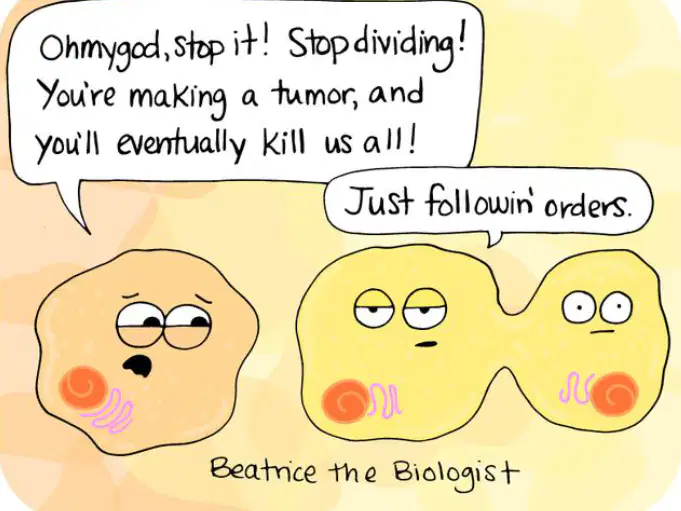
What is the relationship between cancer and mitosis?
A) Cancer is a disease of mitosis where normal checkpoints regulating mitosis are ignored, causing uncontrolled cell division.
B) Cancer is caused by bacteria infecting cells during mitosis.
C) Cancer is unrelated to mitosis.
D) Cancer only affects non-dividing cells.
Changes in DNA (mutations) can cause checkpoints to be ignored, leading to uncontrolled cell division.
True
False
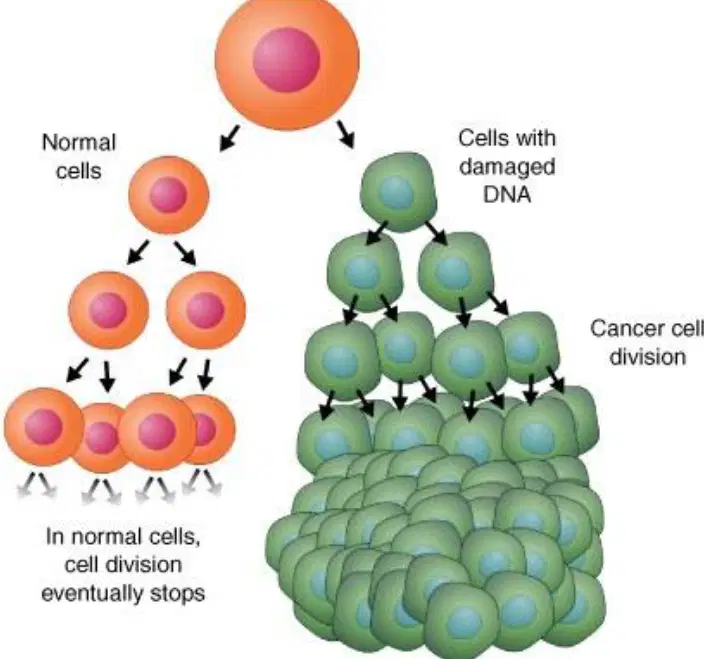
Fill in the blank: In normal cells, cell division eventually ________.
stops
increases
never ends
accelerates
Who was the woman whose cells became 'immortal'?
Henrietta Lacks
Rosalind Franklin
Marie Curie
Jane Goodall
What type of cells were taken from Henrietta Lacks?
Skin cells
Blood cells
HeLa cells
Bone cells
What makes HeLa cells unique?
They do not die and continue to grow
They can change color
They are resistant to all diseases
They are larger than normal cells
What is the significance of HeLa cells in medical research?
They are used to test cosmetics
They help in creating vaccines and treatments
They are used in space research
They are used to study plant growth
Which type of tissue is responsible for transmitting electrical signals in the body?
Muscle tissue
Nervous tissue
Connective tissue
Epithelial tissue
If a person has a problem with the tissue that connects and supports other tissues and organs, which type of tissue is affected?
Epithelial tissue
Connective tissue
Muscle tissue
Nervous tissue
Which tissue type is responsible for lining the GI tract organs and the skin surface (epidermis)?
Epithelial tissue
Muscle tissue
Nervous tissue
Connective tissue
Which tissue type includes fat, bone, and tendon?
Connective tissue
Muscle tissue
Nervous tissue
Epithelial tissue
Which tissue type is found in the brain, spinal cord, and nerves?
Nervous tissue
Muscle tissue
Connective tissue
Epithelial tissue
Skin accounts for approximately what percentage of your body weight?
5%
10%
15%
25%
Which function of epithelial tissue involves the release of substances such as enzymes or hormones?
Protection
Secretion
Absorption
Excretion
How is the naming of epithelial tissue determined?
By the color of the tissue
By the function of the tissue
By the description of its structure
By the location in the body
What is the main function of simple squamous tissue?
Protection against pathogens
Absorption of nutrients
Diffusion and filtration
Production of hormones
Why is the structure of simple squamous tissue suited for its function in the lungs?
Its thick layers prevent water loss
Its flat, thin single layer allows efficient diffusion of gases
Its cube shape increases absorption
Its multiple layers provide extra protection
Why is the simple cuboidal epithelium well-suited for its function in the kidney tubules?
Its multiple layers provide extra protection
Its cube shape allows for efficient secretion and absorption
It has cilia to move mucus
It is highly vascularized for nutrient exchange
Where can simple columnar epithelium typically be found in the human body?
Digestive tract and uterus
Skin and hair follicles
Lungs and trachea
Bones and cartilage
Explain how the presence of goblet cells and microvilli in simple columnar epithelium contributes to its function in the digestive tract.
Goblet cells secrete mucus to lubricate and protect the lining, while microvilli increase the surface area for absorption.
Goblet cells produce enzymes for digestion, and microvilli help in muscle contraction.
Goblet cells filter toxins, and microvilli store nutrients.
Goblet cells transport oxygen, and microvilli produce hormones.
Why would a mutation in the COL7A1 gene potentially cause problems with skin integrity?
It prevents the production of melanin
It disrupts the “glue” that holds the epidermis and dermis together
It increases oil production
It blocks sweat gland function
What is the name of the small muscle responsible for causing goosebumps by contracting and making hair stand up?
Arrector pili muscle
Flexor muscle
Epidermal muscle
Dermal papilla muscle
Why can a skin condition affect nutrition?
Because it causes hair loss
Because it can cause blistering and scar tissue in the mouth and esophagus, making swallowing difficult
Because it increases appetite
Because it affects the sense of taste
What is the main function of the cilia found in pseudostratified columnar tissue?
Absorption of nutrients
Cilia-aided movement and secretion
Storage of fat
Production of hormones
Which of the following is a characteristic of transitional epithelium?
It is stretchable
It produces hormones
It conducts electrical impulses
It stores fat
What is the main function of transitional epithelium regarding diffusion?
It enhances diffusion
It blocks diffusion (no leaking)
It slows down blood flow
It increases absorption
What is the primary function of glandular epithelium cells?
To provide structural support
To secrete substances
To transmit nerve impulses
To store energy
Endocrine glands primarily secrete which of the following?
Sweat
Saliva
Hormones
Enzymes for digestion
What is the main function of pseudostratified, ciliated columnar epithelium in the trachea?
Absorbs nutrients
Sweeps impurities toward the throat
Stores fat
Contracts to produce movement
Where can stratified squamous epithelium be found in the human body?
Lining of the stomach
Lining of the nose, mouth, esophagus, anal canal, and vagina
Lining of the small intestine
Lining of the lungs
Which type of epithelial tissue is characterized by a single layer of flat cells?
simple squamous
stratified squamous
simple cuboidal
stratified cuboidal
Which epithelial tissue type consists of multiple layers of cells with the top layer being flat?
simple squamous
stratified squamous
simple cuboidal
simple columnar
A tissue sample shows multiple layers of cube-shaped cells. Which type of epithelial tissue is this?
simple cuboidal
stratified cuboidal
simple squamous
pseudostratified columnar

