
 Worksheets
Unit D Human Systems Review
Total questions: 164
Worksheet time: 1hrs 21mins
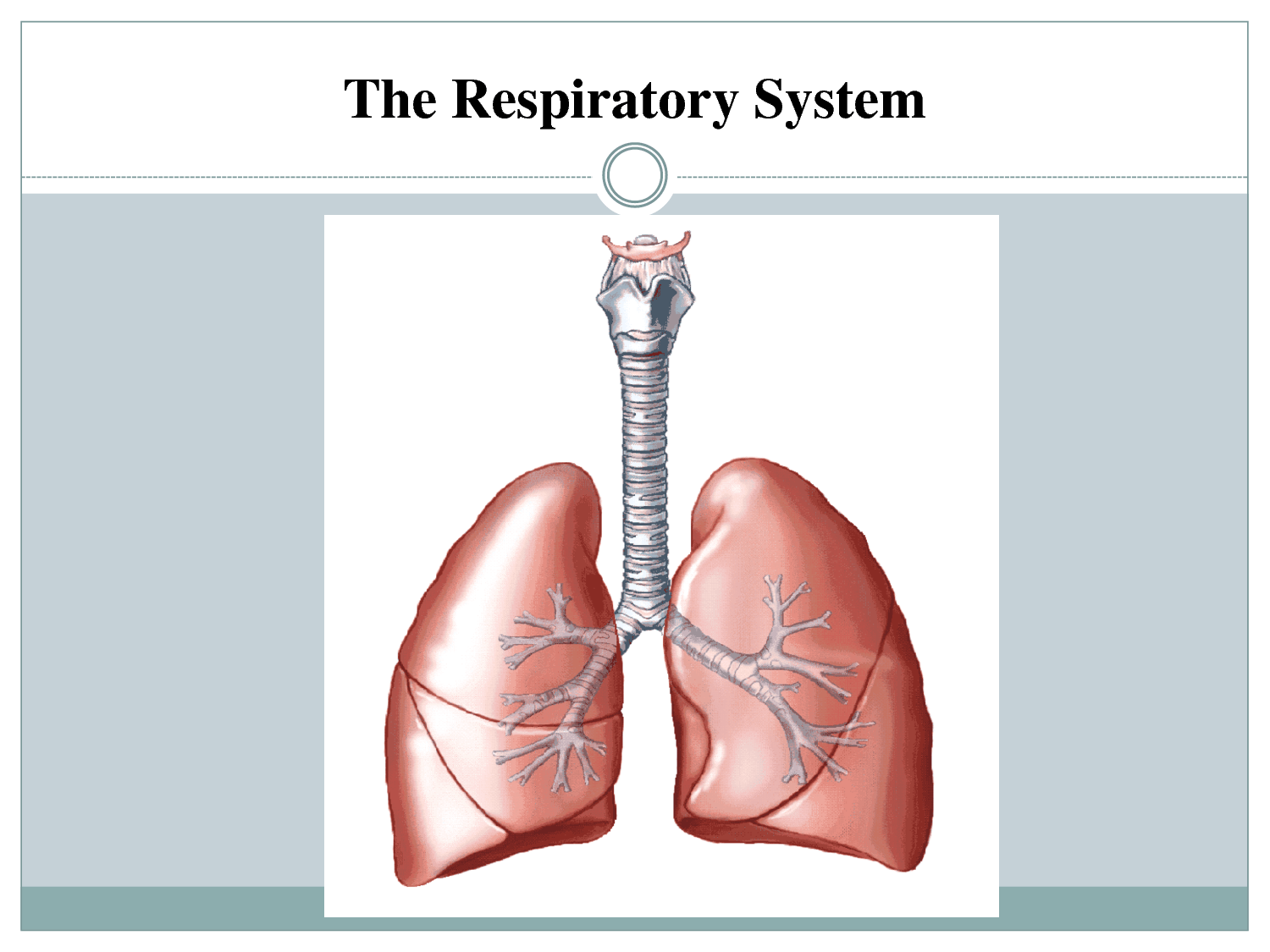
This is a tube also known as the windpipe that is about 12cm long with rings of cartilage to keep it open
Nasal cavity
Trachea
Mouth Cavity
Pharynx
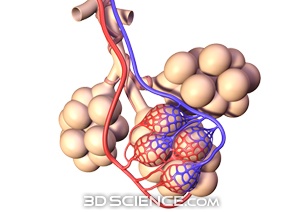
Clusters of tiny air sacs in the lungs where oxygen and carbon dioxide are exchanged between the lungs and blood.
Bronchioles
Diaphragm
Alveoli
Capillaries
What is the function of the respiratory system?
Take in O2
Do cellular respiration
Take in O2 and remove CO2
Make sugar

Flap of tissue that covers the opening to the windpipe during swallowing so food/liquid cannot enter the lungs:
Pharynx
Trachea
Epiglottis
Larynx
Esophagus
The respiratory system is part of which circuit of the circulatory system?
pulmonary
systemic
coronary
alveolar
What happens when your diaphragm relaxes and moves upward?
Your lungs deflate and you breathe out.
Your lungs inflate and you breathe in.
Your alveoli transfer oxygen to your bloodstream.
Your bloodstream transfers carbon dioxide to your alveoli.

What is the function of these tiny hairs (cilia) in the bronchial tubes?
moistens the air as it enters the lungs
helps the lungs get carbon dioxide
removes unwanted matter from the lungs
helps the lungs get oxygen
1. alveoli
2. bronchi
3. bronchioles
Which of the following is the correct order in which air would flow after inhalation?
The use of oxygen by the cells to release usable energy from organic molecules in food is called...
photosynthesis
cellular respiration
diffusion
osmosis
The movement of oxygen from the alveoli to the blood and from the blood to the tissues is due to the process of...
osmosis
diffusion
cellular respiration
phagocytosis
Gases move from a lower pressure to a higher pressure.
True
False
The pleural membrane surrounds the lungs and ensures
The lungs move with the ribs
They don't collapse
There are two (plural = pleural?)
The alveoli have a membrane for diffusion
Which of the following filter and moisten air as it passes through the human respiratory system?
cilia and mucous
alveoli and cartilage rings
diaphragm and bronchioles
epiglottis and bronchi
Which sequence correctly sequences the movement of air during inspiration?
trachea -> bronchi -> bronchioles -> alveoli -> blood
trachea -> bronchi -> bronchioles -> alveoli -> nose
alveoli -> trachea -> bronchioles -> bronchi -> blood
alveoli -> bronchioles -> bronchi -> trachea -> mouth
Which diagram best illustrates the function of an alveolus?


Which structure shown in the diagram below contracts, causing a pressure to decrease in the chest cavity during inspiration?
A
B
C
D
An increase in breathing rate can be triggered by an increase in the
carbon dioxide content of the blood
oxygen content of the atmosphere
number of platelets in the blood
number of red blood cells
In humans, the thin, moist membranes of the alveoli are surrounded by
bronchi
the epiglottis
capillaries
lymph vessels
A man develops a severe infection in his lungs. This would impact the man's ability to
digest food
transport nutrients throughout the body
absorb oxygen and expel carbon dioxide
learn biology
What type of cells transport oxygen in the blood?
red blood cells
white blood cells
iron
platelets
Which part of the brain controls breathing?
cerebellum
Hypothalamus
Frontal cortex
medulla oblongata
Check all that apply to inhalation
Diaphragm moves up
Intercostal muscles pull ribs inward
Intercostal muscles make ribs move out
Diaphragm contracts
Creates larger pressure in lungs
Check all that apply to exhalation
Diaphragm relaxes
Pressure in lungs drops
Pressure is lower outside the body
Diaphragm moves down
Which are true? Check TWO true statements 🤪
Increase in volume= increase in pressure
decrease in volume= increase in pressure
decrease in volume= decrease in pressure
Increase in volume= decrease in pressure
Which metabolic process is made possible by gas exchange between the alveoli and capillaries?
hydrolysis of starch
enzyme production
diffusion
cellular respiration
Where is the partial pressure of oxygen the highest?
atmosphere
lungs
alveoli
tissue cells
veins
Where is the partial pressure of carbon dioxide the highest?
atmosphere
lungs
alveoli
tissue cells
What is the protein that transports oxygen in blood? And which type of atom does it contain that allows it to bond to oxygen?
hemoglobin, nitrogen
hemoglobin, iron
myoglobin, iron
oxyhemoglobin, oxygen
Oxygen delivery to cells by hemoglobin in red blood cells is very efficient.
true (delivers 100% of oxygen to cells)
false (only delivers about 30% of oxygen to cells)
Oxygen dissociates from hemoglobin because as it travels from the lungs to the tissue cells because
partial pressure of O2 increases
partial pressure of O2 decreases
partial pressure of O2 stays the same
partial pressure of CO2 decreases
In the blood, CO2 is converted to carbonic acid (H2CO3) because:
it keeps the partial pressure of CO2 in the blood low so CO2 will keep moving out of tissues into the blood
it gets converted to an acid and for ideal function blood needs a very low pH
it helps hemoglobin bond to oxygen more effectively
it makes biology students learn more .... 😝
In addition to its key role to transport O2 hemoglobin is a buffer and picks up H+ ions from carbonic acid in the blood. Buffering means that hemoglobin:
neutralizes the pH of the blood
makes the blood acidic
makes the blood basic
takes forever to stream movies
When CO2 levels are high, a chemoreceptor in the medulla oblongata sends a signal to the:
alveoli to diffuse gases more effectively
heart to beat slower
diaphragm and intercostal muscles to increase breathing
muscles to begin lactic acid fermentation
O2 receptors are a backup system for regulating breathing. They are only activated when CO2 remains unchanged. Check the situations that would lead to low O2 but no change in CO2
Increased exercise
High altitudes
Increased cellular respiration
Carbon monoxide poisoning (binds to hemoglobin)
Which type of muscle is in the heart?
cardiac
skeletal
smooth
red
Which type of muscle would be found in your bicep?
cardiac
skeletal
smooth
super strong
Which type of muscle would be found in your stomach and the walls of blood vessels?
cardiac
skeletal
smooth
organy
What is an example of antagonist pairs of muscles that work opposite each other to bend and contract a joint?
tricep and bicep
tricep and quadricep
hamstring and gluteus maximus
diaphragm and intercostal muscles
Which type of muscles are involuntary (they work without our conscious control)? Check all!
cardiac
smooth
skeletal
Muscle contractions require:
Lactic acid
ATP
NADPH
creatine phosphate supplements
Which type of muscles would Jed be using to run 10 km?
fast twitch
slow twitch
smooth
What makes up the majority of blood and contains mostly water and dissolved molecules and ions?
plasma
red blood cells
platelets
white blood cells
Where are blood cells made?
liver
nephron
bone marrow
heart
What is the function of red blood cells?
immune response
blood clotting
transport oxygen
transport glucose

Which type of blood cells is this referring to?
red blood cells
white blood cells
platelets
killer t-cells
Markers on the outside of any cell, such as red blood cells, are called:
antibodies
antigens
agglutinations
membrane marker
Which types of antigens and antibodies does someone with type B blood have?
A antigens and anti-B antibodies
No antigens or antibodies
A antigens and anti-A antibodies
B antigens and anti-A antibodies
Red blood cells with no antigens are:
Type O
Type AB
Type A
Type B
Impossible!
Someone with type AB blood could receive blood from (check all that apply)
Type A
Type B
Type AB
Type O
No one
Someone with type O blood can only receive blood from someone with type (a) blood (just put the letter)
People with Rh+ blood:
have the Rh antigen and make anti-Rh antibodies
have no Rh antigen and make anti-Rh antibodies
have the Rh antigen and do not make anti-Rh antibodies
are vampires

Red blood cells have a biconcave shape to maximize the __________ of the cell membrane for oxygen diffusion.
surface area
volume
flatness
active transport
Which type of white blood cell allows vaccinations to work?
helper T cells
suppressor T cells
memory B cells
killer T cells
When white blood cells engulf and destroy a foreign invader in the body, such as a bacterium, this is called
antibodies
inflammatory response
phagocytosis
awesome
The reason you get a fever when you're sick with a viral or bacterial infection is because your body is
doing more cellular respiration because it's working hard
trying to make it too hot for the bacteria or virus to survive
overwhelmed and cannot maintain normal body temperature
The type of white blood cell that kill infected human cells to get rid of invaders are called:
Killer T cells
Helper B cells
Memory B cells
Suppressor T cells
Which of the following is NOT true about antibodies?
They are Y-shaped proteins
They recognize specific antigens
They are located on the cell membrane of invaders
They mark invaders for destruction by T cells
They are produced by B cells
The end result of protein digestion by enzymes is
amino acids
monosaccharides
fatty acids
cellulose
Which of the following is an example of a monomer?
starch
glycogen
fructose
oil
The ratio of carbon:hydrogen:oxygen in simple sugars is always:
1:2:1
2:1:1
1:3:1
2:1:2

The reaction in the image is the formation of the disaccharide sucrose from glucose and fructose. This type of reaction is called:
hydrolysis
dehydration synthesis
disacchasynthesis
making water from sweet stuff
The polysaccharide storage molecules for glucose in plants and animals are, respectively:
starch, fat
cellulose, glycogen
starch, glycogen
cellulose, lipids
The molecular building blocks of lipids are:
Check all that apply
glycerol
fatty acids
glycogen
monosaccharides
amino acids
Which is NOT a difference between saturated and unsaturated triglycerides?
plants often contain saturated fats
unsaturated have double bonds
saturated have only single bonds ("full" of H atoms)
butter is an example of a saturated fat
avocado oil is an example of unsaturated fat
Cooking an egg is an example of:
coagulation of a polypeptide
denaturation of a carbohydrate
a physical change
dehydration synthesis
Hydrolysis means:
using water to break apart a molecule
splitting a water molecule
making polymers from monomers
cells exploding and releasing water
Which type of lipid would you find on leaves or feathers?
triglycerides
waxes
oils
Which type of nutrient is used to make the structural components of cells?
proteins
carbohydrates
lipids
vitamins
___________________ are biological catalysts that speed up chemical reactions
Enzymes
Proteins
Hormones
Antibodies

If B is an enzyme, what are A and C?
A = substrate and C = active site
A = active site and C = substrate
A = regulatory site and C = substrate
A = 🎃 and C = lid
What is true about how substrate molecule concentration affects enzyme activity?
More substrate molecules means more enzyme activity
More substrate molecules increases enzyme activity until a certain level when it plateaus
Substrates always act as inhibitors
Enzymes bind to a variety of substrates so it has no impact
Enzymes function the best within specific ranges of
pH
Temperature
Both pH and temperature
Neither affects enzymes. They're tough.
Trypsin breaks down proteins in the small intestine. At which pH does it likely function best?
2
6
8
12
Which digestive enzyme is NOT correctly matched to its substrate?
Disaccharidase - glucose
Trypsin - polypeptide
Amylase - starch
Lipase - fat
In the reactions of cellular respiration ADP a
can function as regulator of an enzyme in order to
Increase enzyme activity
Suppress enzyme activity
Inhibit enzyme activity
Block the enzymes active site
The digestion of food involves
physical and chemical breakdown, combined with absorption of nutrients.
physical and chemical breakdown, combined with elimination of metabolic wastes.
chemical breakdown, elimination of metabolic wastes, and absorption of nutrients.
physical breakdown, absorption of nutrients, and elimination of metabolic wastes.
Penicillin is an antibiotic that people take to treat bacterial infections. It works by binding to the active site on the enzyme that makes the cell wall in bacteria so it can no longer function, and ultimately causes bacteria to burst! This is an example of
feedback inhibition
regulation of enzyme activity
competitive inhibition
enzyme activation

In which structure does CHEMICAL digestion by an enzyme begin?
1
3
7
8
What is the function of your teeth in terms of digestion?
physical digestion to break down food
chemical digestion to break down food
lubricate food for swallowing
make your smile look amazing 😁
Which digestive agent causes heartburn (a burning sensation in the esophagus)?
sucrase
hydrochloric acid (HCl)
bile
pepsin
bile

The parts of the digestive system that food or partially digested food passes through are labelled:
1, 3, 4, 5, 6
1, 2, 3, 6, 7
1, 2, 3, 7, 8
2, 3, 4, 5, 6
Food travels down the esophagus due to the action of:
gravity
peristalsis (involuntary muscle contractions)
diffusion from high to low concentrations
the epiglottis pushing
What protects the lining of the stomach from being digested by proteases and damaged by HCl?
alkaline mucus
enzyme inhibitors
cell membrane
saliva
A low pH would enhance the breakdown of:
protein in the small intestine.
lipids in the small intestine.
protein in the stomach.
lipids in the liver.
Pepsinogen and trypsinogen are precursors to enzymes that break down proteins in the stomach and small intestines. Why can't they be made and transported in their active form?
they are only activated by the presence of protein
they would digest the proteins in organs and blood vessels
they need to be physically broken down to be functional
it makes biology more complicated for students 😆
The small intestine has a very large surface area to allow for maximal absorption of nutrients. Which of the following increase the surface area of the small intestine? Check all
length of up to 7m
villi
microvilli
large diameter
Monosaccharides and amino acids can be absorbed by the capillaries that surround the villi in the small intestine. Which structure surrounding the villi is used to absorb and transport lipids?
lacteals
lactase
the liver
the gallbladder
Why does the pancreas release bicarbonate ions into the duodenum when it receives the signal that food has entered the small intestine?
to break down fats by physical digestion
to break down sugars by chemical digestion
to neutralize the stomach acid entering the SI
to combine with sodium to make baking soda
What is the role of the pancreas in terms of enzymes for digesting foods?
It secretes the enzymes and digestion takes place in the small intestine
It uses the enzymes to do digestion itself (in the pancreas)
It secretes salivary amylase that goes to the mouth
It secretes bile salts to break down fats
What is the role of the liver in terms of digestion?
produces bile salts which move to the small intestine where they physically break down fats
produces bile salts and breaks down fats
stores bile salts
processes poisins like alcohol
The gallbladder stores bile salts and releases them into the small intestine as needed. If someone has their gallbladder removed, how would they have to change their diet?
drink more water
eat less fatty foods
eat a low carb diet
become vegetarian
In digestion, why do foods need to be physically broken down (by chewing, stomach contractions, bile salts)?
This is an example of hydrolysis to break chemical bonds
This converts polymers to monomers
This helps the kidneys work more efficiently
This increases surface area for chemical digestion
Which digestive enzyme is correctly matched to its substrate?
trypsin - fats
lipase - protein
maltase - fats
amylase - starch
Why is cellulose important even though our body can't break it down?
It provides bulk to stool so it gets removed from the body regularly
Trick - cellulose can be broken down into sugar
It absorbs water in the large intestine
It tastes good with Cheez Whiz

Kidney stones are most commonly found in the kidney, the bladder or the ureter. Identify those structures in the diagram.
2, 3, 4
1, 2, 3
2, 3, 5
2, 4, 5

In the nephron, the concentration of a substance is much higher in the capillaries (7) than in the collecting tubule (6) leading to the ureter. There is a good possibility that the substance is
glucose
urea
penicillin (an antibiotic)
H+ ions
The kidney is responsible for the excretion of:
urea and feces
lactic acid and alcohol
urea and excess hydrogen ions
carbon dioxide and excess oxygen
What is deamination?
removal of ammonia from excess protein so ammonia can be used in the body
removal of amino group from excess protein to form carbohydrates
reabsorption of amino acids
removal of excess nucleic acids like DNA
Which of the following is not a step in blood filtration in the nephron?
water and dissolved solutes in the blood move from the glomerulus into the tubules to be processed
useful nutrients are reabsorbed from the tubules into the capillaries
harmful waste molecules are actively transported out of capillaries into the tubules for excretion
blood cells move from the glomerulus into the tubules to be processed
The thickest and strongest blood vessel is an
vein
artery
capillary
both veins and capillaries
The blood vessels with the highest pressure are:
veins
capillaries
atria
arteries
These are one cell thick
arteries
capillaries
veins
Which blood vessels take blood AWAY from the heart?
Veins
Arteries
Capillaries
Which blood vessel has valves to prevent the back-flow of blood?
Veins
Arteries
Capillaries
What is the function of most arteries?
Transport deoxygenated blood
Transport oxygenated blood
Site for exchange of materials
This separates the heart into two separate sections for oxygen-rich and oxygen-poor blood:
septum
atria
ventricles
apex
What is the function of the coronary artery?
Transports oxygenated blood from aorta to heart muscles
Transports oxygenated blood from aorta to liver
Transports oxygenated blood from aorta to kidneys
Which blood vessel transports oxygenated blood to the rest of the body?
Pulmonary artery
Aorta
Hepatic artery
Renal artery
Which blood vessel transports oxygen poor blood from the rest of the body back to the heart?
Pulmonary vein
Carotid artery
Renal vein
Vena cava
All arteries carry oxygenated blood away from the heart EXCEPT:
pulmonary arteries
the aorta
arterioles
trick question - none do
All veins carry oxygen-poor blood back to the heart, EXCEPT
the inferior vena cava
the superior vena cava
the pulmonary veins
the blue veins
True or false? Blood in human veins is blue.
True
False
It depends on how much the human breathes
They are generally green.

What is #1?
Right Atrium
Aorta
Inferior Vena Cava
Superior Vena Cava

What is #2?
Superior Vena Cava
Valves
Left Ventricle
Pulmonary Artery

What is #3?
Right Atrium
Left Atrium
Right Ventricle
Left Ventricle

What is #4?
Pulmonary Artery
Aorta
Pulmonary Vein
AV valve

What is #5?
Right Atrium
Right Ventricle
Left Atrium
Left Ventricle

What is #8?
Aorta
Pulmonary Vein
Pulmonary Artery
Vena Cava

What is #9?
Aorta
Vena Cava
Pulmonary Artery
Pulmonary Vein

What is #10?
Right Atrium
Left Atrium
Right Ventricle
Left Ventricle

What is #11?
Aorta
Pulmonary Artery
AV valve
Pulmonary Vein

What is #12?
Right Atrium
Left Atrium
Right Ventricle
Left Ventricle

What is #15?
Pulmonary Artery
Pulmonary Vein
Vena Cava
Aorta
Veins carry blood ______________ the heart.
to
away from
Arteries carry blood ______________ the heart.
to
away from
The largest ARTERY in our body:
Pulmonary Artery
Inferior Vena Cava
Aorta
Septum
Blood carries (choose the BEST option):
Nutrients
Oxygen
Carbon Dioxide
All of the above
The correct order of deoxygenated blood entering the heart and traveling to the lungs:
Aorta > right ventricle> right atrium > left atrium > left ventricle > lungs
Vena cava > right atrium > right ventricle> pulmonary artery > lungs
Vena Cava > left atrium > left ventricle > pulmonary vein > lungs
Pulmonary vein > left atrium > left ventricle > aorta> body
The correct order of oxygenated blood entering the heart and going to the body:
Pulmonary vein > left atrium > left ventricle > aorta> body
Pulmonary artery > right atrium > right ventricle > aorta > body
Aorta > left ventricle > left atrium > body
Pulmonary vein > left ventricle > right atrium > pulmonary artery > body
Which is NOT a function of the circulatory system?
deliver O2 and nutrients to cells
remove CO2 and wastes from cells
break down carbohydrates into glucose
transport nutrients to tissue cells
transport wastes for excretion

Which of the following best describes the exchange of gases between capillaries and body cells?
Carbon dioxide and oxygen enter the body.
Carbon dioxide and oxygen switch places.
Carbon dioxide and oxygen leave the body.
When gases travel around the room.
The chamber of the heart that receives oxygen poor blood from the other parts of the body
Right Atrium
Left Ventricle
Right Ventricle
Left Atrium
Blood coming from the left leg would enter which chamber of the heart?
What are the two functions of the circulatory system?
oxygen from lungs --> heart --> body
carbon dioxide from body --> heart --> lungs
oxygen from body --> heart --> lungs
carbon dioxide from lungs --> heart --> body
Two ways your body can lose heat
Evaporation of sweat
Shivering
Body hairs becoming erect
Vasodilation
These send the nerve signal to the ventricles to contract:
Purkinje fibres
hypothalamus
AV valve
chordae tendinae
What is diastole?
ventricles filling
ventricles pumping
atria filling
a measure of heart rate
When the ventricles empty, this is known as:
diastole
systole
systemic
thump thump
What is cardiac output? Check all that apply!
how much blood is pumped by the heart each minute
stroke volume (mL/beat) x heart rate (beats/min)
the same as a heart attack
approximately 500L/min in an average 70 kg human
Which person would have stronger heart?
Joe - high stroke volume, low heart rate
Bob - low stroke rate, high heart rate
Ms. Matthews - heartless
Which process in the human body releases heat?
photosynthesis
cellular respiration
heart filling
vasoconstriction
There is another system of vessels in the body that circulates fluid important for the immune system in a way that is similar to veins. What is it called?
The digestive system
The respiratory system
The lymphatic system
The muscles
In a stressful situation, which type of nervous system would be stimulated and what's the result?
parasympathetic - decrease heart rate
sympathetic - increase heart rate
What causes the classic lub dub heart sounds?
filling and emptying of the chambers in the heart
blood moving through arteries
blood leaving the aorta
blood moving through the capillaries
The part of the circulatory system that delivers blood to the body's cells is called:
pulmonary
cardiac
systemic
ventricular
Which chamber of the heart has the thickest, strongest muscle for pumping oxygenated blood out to the entire body?
left atrium
right atrium
left ventricle
right ventricle
What is true about the carotid artery? Check all that apply.
It takes blood from the aorta to the head
It is in the neck and can be used to measure heart rate
It takes blood from the head back to the heart
You will need it to carry oxygenated blood to your brain during your exam!
A blockage in this artery would likely not be serious
Capillary networks facilitate the exchange of gases and nutrients in which structures? Check all that apply
around the villi in the small intestine
around the alveoli in the lungs
around the nephron tubules in the kidney
around the stomach lining
Which chamber of the heart fills with oxygenated blood from the lungs?
left atrium
pulmonary veins
left ventricle
right atrium
right ventricle
Which chamber of the heart fills with deoxygenated blood from the body?
left atrium
pulmonary veins
left ventricle
right atrium
right ventricle
What is the largest artery in the human body?
aorta
coronary artery
pulmonary arteries
superior vena cava
On the first heart beat (diastole), both aorta contract to push blood into the ventricles. On the second heart beat (systole), both ventricles contract to pump blood into the pulmonary and systemic circuits. Check all statements that are true about the pumping by the ventricles.
the left ventricle pumps oxygen poor blood to the lungs
the left ventricle pumps oxygen poor blood to the body
the right ventricle pumps oxygen poor blood to the lungs
the left ventricle pumps oxygen rich blood to the body
Both ventricles cannot contract at the same time.

