
 Worksheets
2nd Semester Review
Total questions: 165
Worksheet time: 3hrs 26mins
The path of air moves from the pharynx, to trachea, to bronchial tubes.

What do veins do?
carry blood to the heart
carry blood away from the heart
carry water through your body
help clot your blood
What do white blood cells do?
fight off germs and infection
clot your blood
carry food and oxygen throughout your body
help get oxygen
What are the two types of nerves in the body called?
sensory and hypersensitive
motor and oil
motor and arteries
motor and sensory
What do platelets do?
clot your blood
fight off germs and infection
carry food and oxygen throughout your body
help you get oxygen
Which part is not part of the circulatory system?
heart
veins
arteries
diaphragm


What carries oxygen around the body?
Plasma
Red Blood Cells
Platelets
White Blood Cells
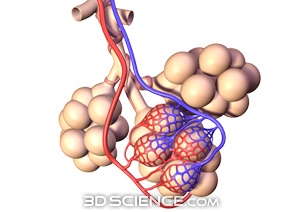
Oxygen and carbon dioxide are transported between the blood and alveoli by way of
exocytosis and endocytosis by endothelial cells
diffusion from areas of higher concentration to lower concentration
pinocytosis using fluid-filled vesicles
active transport (using ATP) by protein carriers of endothelial cells


If a rooster lays a egg on a slanted roof which side will it fall?
down
up
left
there is no egg
The largest part of the human brain. It is associated with higher order functioning, such as thinking, perceiving, planning, and understanding language, as well as controlling voluntary behavior.
cerebellum
corpus callosum
Cerebrum
brainstem

Located around the anterior portion of the trachea
Thyroid
Hypothalamus
Pituitary gland
Liver




What happens after the second time you are exposed to a pathogen?
The body will not be able to fight off the pathogen quickly, because it knows how to get into the body easier.
The body's immune system will react the same was as it did during the first exposure.
The body can only be exposed to a pathogen a second time if you do not have a vaccine.
The body will know how to fight off the pathogen quickly, because memory cells have been created after the first encounter.



Which 2 organisms would be able to reproduce and produce fertile offspring?
2 organisms in the same class
2 organisms in the same family
2 organisms in the same genus
2 organisms in the same species



