
 Worksheets
Objectives - Metals and Alloys
Total questions: 67
Worksheet time: 34mins
Fill in the blank: The primary sources of materials for producing _______ and _______ should be known.
metals, alloys
plastics, ceramics
fibers, textiles
gases, liquids
Fill in the blank: You should be able to recognise and characterise different types of _______ and _______.
metals, alloys
plants, animals
rocks, minerals
gases, liquids
Fill in the blank: Understanding how the physical and working properties of a range of _______ and _______ affect their performance is important.
metals, alloys
plastics, ceramics
woods, fabrics
liquids, gases
The word 'metal' comes from the ancient Greek word '_________' which means to mine, excavate or extract from the ground.
metallum
petra
chroma
hydor
Prehistoric man used metals to make _______ and weapons.
tools
clothes
paintings
jewelry
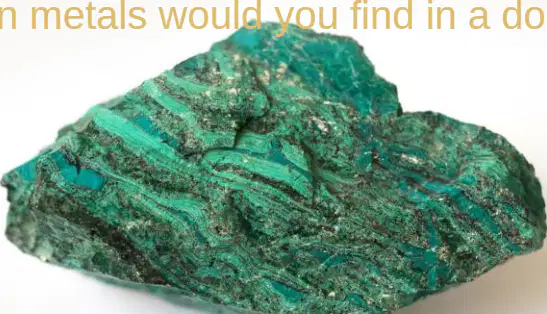
Identify the common metals you would find in a domestic kitchen.
Aluminum, stainless steel, copper
Gold, platinum, silver
Titanium, mercury, lead
Zinc, tin, nickel
Which of the following statements is true about metallic minerals?
They are found only in water
They are found naturally in rock or ore
They are made artificially in labs
They are only found in plants
Ore is obtained by ________, and the metals contained within it are extracted.
mining
melting
painting
freezing
The method used for extraction depends on the metal’s reactivity with which of the following?
Air, water or acids
Sunlight
Electricity
Pressure
The more reactive the metal, the more expensive it is to extract.
True
False
According to the reactivity series shown, which metal is the most reactive?
Gold
Aluminium
Copper
Silver
Fill in the blank: According to the reactivity series, ________ is the least reactive metal listed.
Gold
Iron
Zinc
Magnesium
Gold is expensive in comparison to aluminium because:
Gold is rarer and more difficult to extract than aluminium.
Gold is more abundant than aluminium.
Gold is lighter than aluminium.
Gold is used less in jewelry than aluminium.
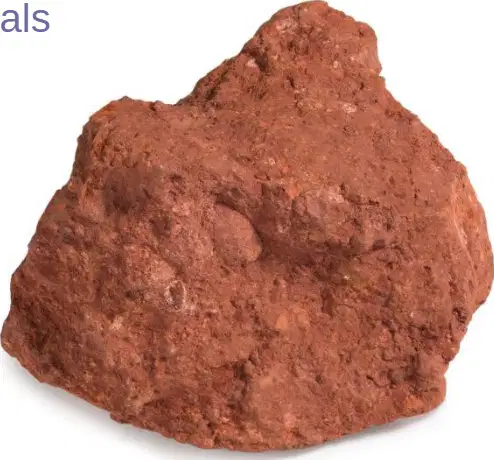
Some metals exist as oxides. Which of the following metals exist as oxides?
A) Copper, iron, and zinc
B) Gold and silver
C) Platinum and mercury
D) Sodium and potassium
How are oxides typically processed to extract the metal?
Dissolved in water
Heated with carbon
Mixed with acid
Left in sunlight
Which process is used to extract metals such as aluminium?
Filtration
Electrolysis
Distillation
Fermentation
Are metals a renewable resource?
No, metals are not a renewable resource.
Yes, metals are a renewable resource.
Metals are sometimes renewable resources.
Metals are always renewable resources.
How can we reduce the speed at which we will run out of natural resources?
By recycling metals, using resources more efficiently, and finding alternatives.
By using more natural resources as quickly as possible.
By ignoring the problem and continuing current practices.
By increasing pollution and waste production.
Metals are divided into how many main categories?
One
Two
Three
Four
Ferrous metals contain the element ______, also known as ferrite (Fe).
iron
copper
aluminum
zinc
Non-ferrous metals don’t contain iron.
True
False
An alloy is:
a mixture of two or more metals
a pure metal element
a type of plastic
a natural mineral
What process is used to extract iron from iron ore using a blast furnace?
Melting
Smelting
Freezing
Distillation
Smelting extracts common industrial metals such as _______.
iron
plastic
wood
glass
What is the liquid state of metal called when extreme heat draws off the metals during smelting?
Cold metal
Hot metal
Molten rock
Steel
What is mixed with iron to create steel during the smelting process?
Oxygen
Carbon
Hydrogen
Nitrogen
The amount of carbon added affects the _______ of the steel.
strength
color
weight
melting point
Ferrous metals contain iron and may rust. Iron and steel can corrode – this is known as _______.
rust
tarnish
patina
oxidation
Ferrous metals contain iron and may rust. Rust is a compound called _______ and is formed when iron and oxygen react in the presence of moisture or water.
iron oxide
iron chloride
iron sulfate
iron carbonate
Ferrous metals contain iron and may rust. Most ferrous metals are _______.
magnetic
non-magnetic
transparent
flammable

Ferrous metals contain iron and may rust. Which of the following are two types of protective layers that could be added to metal to help prevent rust?
Paint and galvanization
Oil and plastic wrap
Sand and water
Wood and paper
Which of the following is a property of ductile metals?
Will stretch without being damaged
Can be hammered into a shape without breaking
Will deform under compression
Can be rolled or pressed into sheets
Which metal is highly ductile and can be drawn into long, thin wires?
Copper
Lead
Zinc
Magnesium
Malleable metals can be hammered into a shape without breaking.
True
False
Which of the following is NOT a property of malleable metals?
A) Can be hammered into a shape without breaking
B) Can be rolled or pressed into sheets
C) Will stretch without being damaged
D) Will deform under compression
Ductile metals can be drawn or stretched out into long wires.
True
False
What will happen to malleable metals under compression?
They will deform under compression.
They will evaporate under compression.
They will ignite under compression.
They will become magnetic under compression.
Fill in the blank: ________ is the ability to withstand abrasion.
Hardness
Elasticity
Ductility
Malleability
Fill in the blank: ________ is the ability to absorb energy and not fracture.
Toughness
Hardness
Brittleness
Elasticity
Which of the following best describes a very hard metal?
It is likely to crack or shatter upon impact or force
It can withstand large impacts without fracturing
It scratches easily on the surface
It is soft and flexible
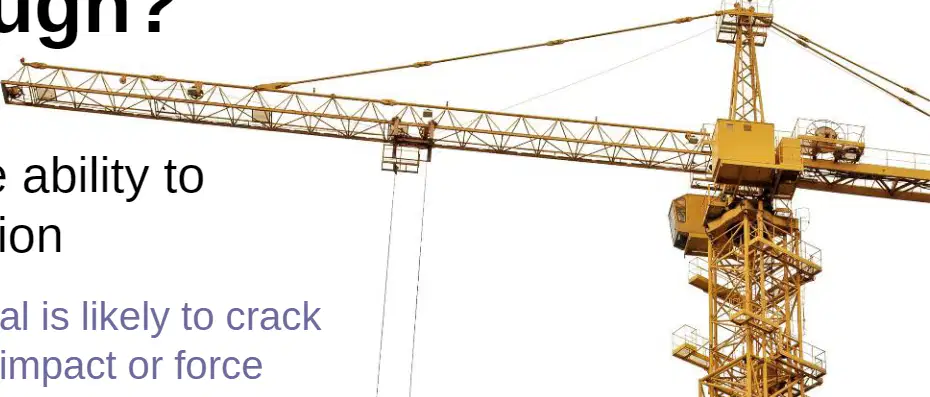
Which of the following statements is true about a tough material?
A) It may scratch easily on the surface but can withstand large impacts
B) It is likely to crack or shatter upon impact
C) It is always hard and brittle
D) It cannot absorb energy
Tensile strength is the amount of tensile stress a material can withstand before what happens?
Breaking or failing
Melting
Bending permanently
Changing color
Metals with high tensile strength are commonly used for which two purposes?
Making bridges and cables
Manufacturing jewelry and coins
Producing glassware and ceramics
Creating paper and textiles
Destructive testing is important because:
it helps determine the actual strength and failure point of a material or product.
it always preserves the tested item for future use.
it is less expensive than non-destructive testing.
it guarantees that no damage will occur during testing.
Fill in the blank: Stainless steel has a high resistance to ________, staining and friction.
corrosion
melting
magnetism
oxidation
High speed steel is formed by alloying elements of carbon, tungsten, vanadium, cobalt, ________ or molybdenum.
chromium
aluminum
nickel
zinc
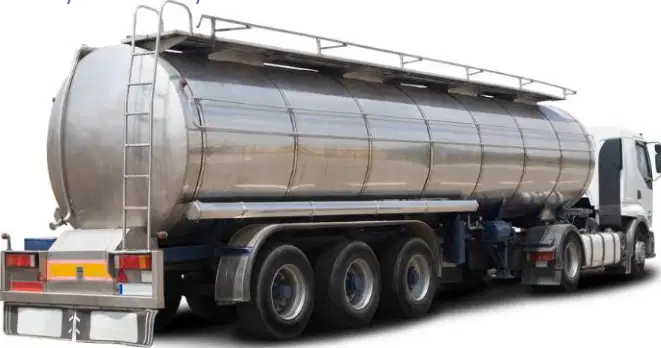
Select three everyday applications for stainless steel.
Cutlery, kitchen sinks, medical instruments
Wooden furniture, paper, cotton clothes
Plastic bottles, rubber tires, woolen sweaters
Glass windows, ceramic tiles, leather bags
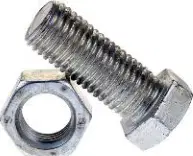
Low carbon steel is tough, ductile and easily welded. Which of the following are two items made from low carbon steel?
Nails and car bodies
Glass bottles and rubber bands
Copper wires and plastic pipes
Aluminum cans and ceramic plates
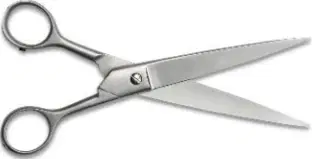
High carbon steel is very hard wearing, but less ductile or malleable. Which of the following pairs of items are made from high carbon steel?
Chisels and saw blades
Aluminum cans and foil
Copper wires and pipes
Plastic bottles and bags
Cast iron is hard and easily cast into shapes, but brittle. Which of the following are items made from cast iron?
Manhole covers and cookware
Plastic bottles and paper
Rubber tires and glass jars
Aluminum cans and wooden chairs
Which of the following lists correctly suggests two items made from each of these metals: Low carbon steel, High carbon steel, and Cast iron?
Low carbon steel: Car bodies, nuts and bolts; High carbon steel: Cutting tools, springs; Cast iron: Engine blocks, cookware
Low carbon steel: Engine blocks, springs; High carbon steel: Car bodies, cookware; Cast iron: Cutting tools, nuts and bolts
Low carbon steel: Cookware, cutting tools; High carbon steel: Engine blocks, nuts and bolts; Cast iron: Car bodies, springs
Low carbon steel: Springs, cookware; High carbon steel: Engine blocks, car bodies; Cast iron: Cutting tools, nuts and bolts
Non-ferrous metals don’t contain _____
iron
copper
aluminium
zinc
Which of the following is NOT a property of non-ferrous metals?
Lightweight
Good conductivity
Ductile and malleable
Contains iron
Non-ferrous metals are often more expensive than ferrous metals because they are:
Heavier
Have desirable properties
Contain iron
Prone to rusting
Name one desirable property of non-ferrous metals.
Lightweight
Highly magnetic
Rusts easily
Very brittle
The process of galvanising adds a protective coat of _____ to iron and steel to help prevent rusting.
zinc
copper
aluminium
lead
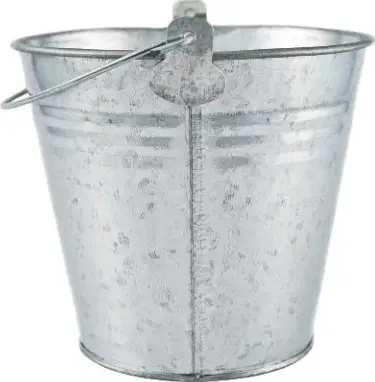
Galvanising helps prevent rusting of iron and steel.
True
False
What is electrical conductivity?
The ability of a metal to resist heat
How easily an electrical current can flow through a metal
The ability of a metal to rust
How strong a metal is

Arrange the following metals in order from lowest to highest electrical conductivity: Steel, Aluminium, Copper, Brass.
Steel, Brass, Aluminium, Copper
Brass, Steel, Aluminium, Copper
Aluminium, Steel, Brass, Copper
Steel, Aluminium, Brass, Copper
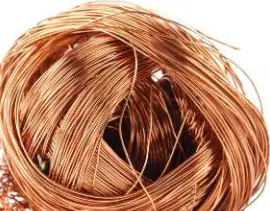
Which metal is most commonly used in electrical cabling due to its high conductivity?
Copper
Aluminum
Iron
Lead
Aluminium has a higher electrical conductivity than steel.
True
False
Match the following metals to their relative electrical conductivity:
Low
Low
Medium
Medium
High
High

Thermal conductivity measures the ability of a metal to conduct heat. According to the diagram, which metal has the highest thermal conductivity?
Steel
Aluminium
Copper
Tin
Steel is more appropriate to use than copper in which environment?
High-stress structural environments
Electrical wiring in homes
Heat sinks for electronics
Water pipes for plumbing
Select the household item that may be made from non-ferrous metals.
Aluminum saucepan
Wooden spoon
Plastic bowl
Ceramic plate
Non-ferrous metals differ from ferrous metals in the following way:
Non-ferrous metals do not contain significant amounts of iron, while ferrous metals do.
Non-ferrous metals are always magnetic, while ferrous metals are not.
Non-ferrous metals are heavier than ferrous metals.
Non-ferrous metals rust more easily than ferrous metals.
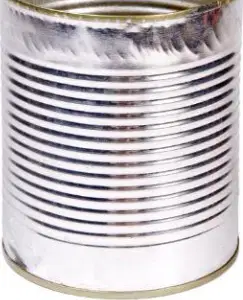
Another non-ferrous metal associated with the production of cans is:
Aluminum
Copper
Lead
Zinc

