wayground logo

Free Printable Worksheets

Font size

S
M
L
XL
Worksheets

Anatomy and Physiology Exam 2 Review

Total questions: 100

Worksheet time: 5hrs 32mins

Name
Class
Date
1.

What is A?

(a)  

2.

What is B?

(a)  

3.

What is C?

(a)  

4.

What is D?

(a)  

5.

What is E?

(a)  

6.

What is F?

(a)  

7.

What is G?

(a)  

8.

What is H?

(a)  

9.

What is I?

(a)  

10.

What is J?

(a)  

11.

What is K?

(a)  

12.

What is L?

(a)  

13.

What is M?

(a)  

14.

What is 1?

(a)  

15.

What is 2?

(a)  

16.

What is 3?

(a)  

17.

What is 4?

(a)  

18.

What is 5?

(a)  

19.

What is 6?

(a)  

20.

What is 7?

(a)  

21.

What is 8?

(a)  

22.

You are looking at a stratified epithelium and you notice that the cell shape at the basal surface is different than the cell shape at the apical surface. How do you name this epithelium?

a)

Use the cell shape at the apical surface.

b)

Use the cell shape at the basal surface.

c)

Look in the middle and use that cell shape.

d)

This will never happen.

23.

How can you tell a pseudostratified columnar epithelium from a simple columnar epithelium or stratified columnar epithelium?

a)

Look at the basal surface.

b)

Look at the apical surface.

c)

Check if its ciliated or not.

d)

Look at the nuclei.

24.

What type of epithelium?

a)

Stratified columnar.

b)

Simple cuboidal.

c)

Simple columnar.

d)

Stratified cuboidal.

25.

What type of epithelium?

a)

Simple columnar epithelium.

b)

Simple squamous epithelium.

c)

Stratified squamous epithelium

d)

Stratified columnar epithelium.

26.

What type of epithelium?

a)

Non-Ciliated pseudostratified columnar epithelium.

b)

Ciliated pseudostratified columnar epithelium.

c)

Simple squamous epithelium

d)

Stratified squamous epithelium.

27.

What type of epithelium?

a)

Simple squamous epithelium.

b)

Simple cuboidal epithelium.

c)

Stratified squamous epithelium.

d)

Stratified cuboidal epithelium.

28.

What type of epithelium?

a)

Non-Ciliated pseudostratified columnar epithelium.

b)

Ciliated pseudostratified columnar epithelium.

c)

Stratified columnar epithelium.

d)

Simple columnar epithelium.

29.

What type of epithelium?

a)

Relaxed transitional epithelium.

b)

Stratified squamous epithelium.

c)

Distended transitional epithelium.
d)

Simple squamous epithelium.

30.

What type of epithelium?

a)

Stratified columnar epithelium.

b)

Stratified cuboidal epithelium.

c)

Simple cuboidal epithelium.

d)

Simple columnar epithelium.

31.

What type of epithelium?

a)

Stratified columnar epithelium.

b)

Relaxed transitional epithelium.

c)

Simple columnar epithelium.

d)

Distended transitional epithelium.
32.

What type of epithelium?

a)

Relaxed transitional epithelium.

b)

Stratified columnar epithelium.

c)

Simple columnar epithelium.

d)

Distended transitional epithelium.
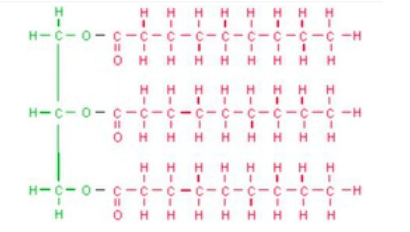
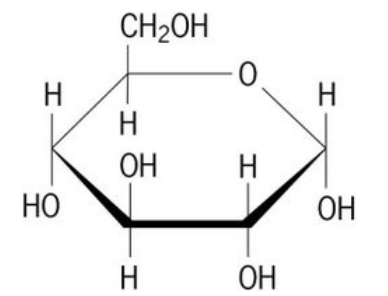
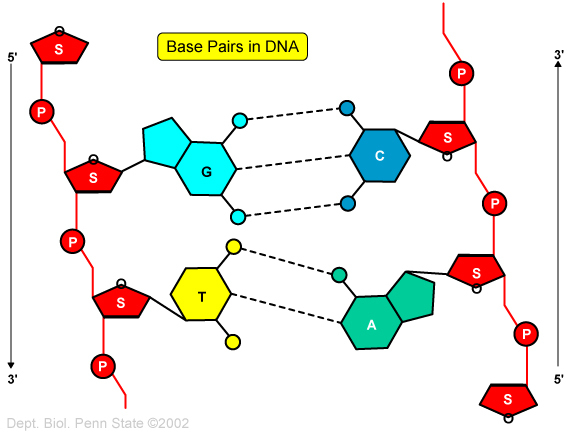
33.
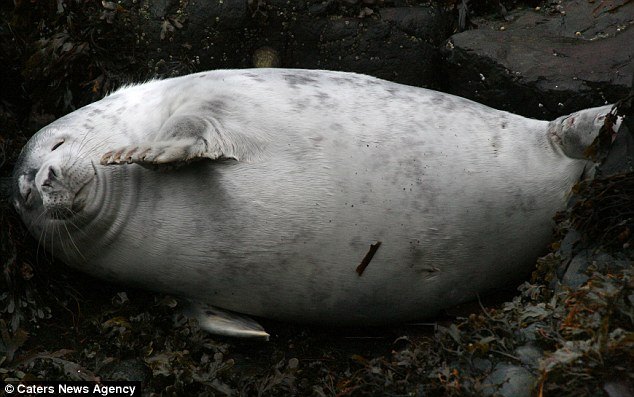
Which biomolecule is this a picture of?
a)
Protein
b)
Nucleic Acid
c)
Lipid
d)
Carbohydrate
34.
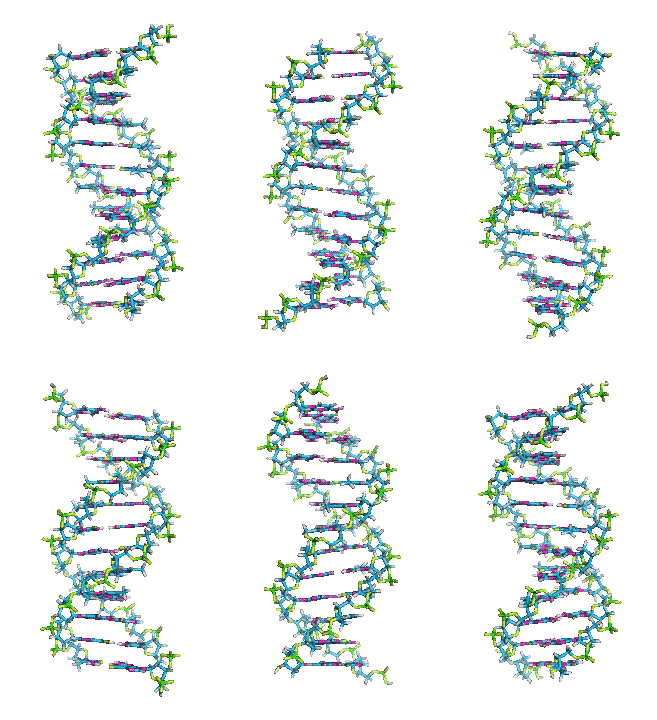
Which biomolecule is this a picture of?
a)
Protein
b)
Nucleic Acid
c)
Lipid
d)
Carbohydrate
35.
Which biomolecule is this a picture of? (Hint: it is made of amino acids)
a)
Proteins
b)
Nucleic Acids
c)
Lipids
d)
Carbohydrates
36.
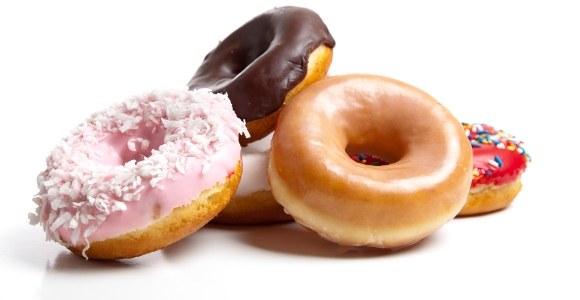
Which biomolecule is this a picture of?
a)
Protein
b)
Nucleic Acid
c)
Lipid
d)
Carbohydrate
37.
Which biomolecule is this a picture of?
a)
Protein
b)
Nucleic Acid
c)
Lipid
d)
Carbohydrate
38.
Which biomolecule is this a picture of? (Hint: it is made of amino acids)
a)
Proteins
b)
Nucleic Acids
c)
Lipids
d)
Carbohydrates
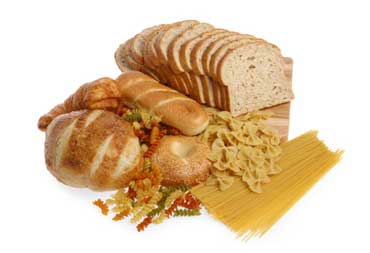
39.
Which biomolecule is found in pastas and breads? (Hint: it is a polymer)
a)
Lipid
b)
Protein
c)
Simple Carbohydrate
d)
Complex Carbohydrate
40.
Which biomolecule is made of nucleotides and include your DNA? (Hint: they carry genetic information)
a)
Carbohydrate
b)
Lipids
c)
Protein
d)
Nucleic Acid
41.
Which biomolecule is responsible for insulation and LONG term energy storage?
a)
Proteins
b)
Nucleic Acids
c)
Lipids
d)
Carbohydrates
42.
Which biomolecule includes sugars and starches? (Hint: simple or complex)
a)
Lipids
b)
Proteins
c)
Carbohydrates
d)
Nucleic Acids
43.
Which biomolecule group includes fats, oils, and waxes?
a)
Proteins
b)
Nucleic Acid
c)
Lipids
d)
Carbohydrate
44.
The monomer (building block) of a nucleic acid is
a)
Monosaccharide
b)
Amino Acid
c)
Nucleotide
d)
Polysaccharide
45.
ALL polymers (large molecules) are made up of...
a)
monosaccharides
b)
monomers
c)
proteins
d)
None of these
46.
Monomers combine to form ________ through the process of ________.
a)
polymers; hydrolysis
b)
polymers; dehydration synthesis
c)
monomers; hydrolysis
d)
monomers; dehydration synthesis
47.

Polymer's split apart to form ________, by __________.

a)

monomers, hydrolysis

b)

monomers, dehydration synthesis

c)

amino acids, hydrolysis

d)

amino acids, dehydration synthesis

48.
Which of the following is NOT a biomolecule?
a)
Water
b)
Nucleic Acid
c)
Protein
d)
Lipid
49.
Lipids can be digested into what smaller subunits?
a)
nucleic acids
b)
amino acids
c)
fatty acids
d)
glucose
50.
Which 2 molecules contains the elements C-H-O and function pertains to energy?
a)
Lipids and Protein
b)
Carbohydrates and Nucleic Acids
c)
Protein and Carbohydrates
d)
Carbohydrates and Lipids
51.
Which biomolecule is made of nucleotides and include your DNA? (Hint: they carry genetic information)
a)
Carbohydrate
b)
Lipids
c)
Protein
d)
Nucleic Acid
52.
Which biomolecule is responsible for insulation and LONG term energy storage?
a)
Proteins
b)
Nucleic Acids
c)
Lipids
d)
Carbohydrates
53.
Which biomolecule includes sugars and starches? (Hint: simple or complex)
a)
Lipids
b)
Proteins
c)
Carbohydrates
d)
Nucleic Acids
54.
Which biomolecule group includes fats, oils, and waxes?
a)
Proteins
b)
Nucleic Acid
c)
Lipids
d)
Carbohydrate
55.
The monomer (building block) of a nucleic acid is
a)
Monosaccharide
b)
Amino Acid
c)
Nucleotide
d)
Polysaccharide
56.
ALL polymers (large molecules) are made up of...
a)
monosaccharides
b)
monomers
c)
proteins
d)
None of these
57.
Monomers combine to form ________ through the process of ________.
a)
polymers; hydrolysis
b)
polymers; dehydration synthesis
c)
monomers; hydrolysis
d)
monomers; dehydration synthesis
58.
Monomers combine to form ________ through the process of ________.
a)
polymers; hydrolysis
b)
polymers; dehydration synthesis
c)
monomers; hydrolysis
d)
monomers; dehydration synthesis
59.

Polymer's split apart to form ________, by __________.

a)

monomers, hydrolysis

b)

monomers, dehydration synthesis

c)

amino acids, hydrolysis

d)

amino acids, dehydration synthesis

60.
Which of the following is NOT a biomolecule?
a)
Water
b)
Nucleic Acid
c)
Protein
d)
Lipid
61.
Lipids can be digested into what smaller subunits?
a)
nucleic acids
b)
amino acids
c)
fatty acids
d)
glucose
62.
Which 2 molecules contains the elements C-H-O and function pertains to energy?
a)
Lipids and Protein
b)
Carbohydrates and Nucleic Acids
c)
Protein and Carbohydrates
d)
Carbohydrates and Lipids
63.
What are the nucleotides made of?
a)
Sugar, Phosphate, nitrogen base
b)
Phosphate, Adenine, nitrogen base
c)
Thymine, Adenine, Cytomine
d)
Phosphate, Nitrogen, Adenine
64.
What are the 4 nitrogen bases?
a)
adenine, thymine, cytoplasm, and guanine
b)
adenine, thymine cytosine, and guanine
c)
adenine, thymine, cytosine, and gylcerol
d)
adenine, thymine, cytosine, and glucose
65.
Which sequence of DNA bases would pair with this partial strand
ATG TGA CAG
a)
ATG TGA CAG
b)
TAC ACT GTC
c)
GTA AGT GAC
d)
CAT TCA CTG
66.
The sugar in DNA is ?
a)
sucrose
b)
glucose
c)
deoxyribose
d)
fructose
67.
Nitrogenous bases are joined by which type of bond?
a)
polar bonds
b)
ionic bonds
c)
covalent bonds
d)
hydrogen bonds
68.
What are the three components of a nucleotide?
a)
sugar, hydrogen, nitrogen base
b)
sugar, oxygen, nitrogen base
c)
sugar, phosphate, nitrogen base
d)
sugar, phosphate, protein
69.

What makes up the SIDES of a DNA ladder?

a)

nitrogen bases

b)

sugars & phosphates

c)

genes & chromosomes

d)

RNA

70.
Guanine bonds with ______________.
a)
Adenine
b)
Guanine
c)
Cytosine
d)
Thymine
71.

Which of the following factors can influence gene expression?

a)

a) Genetic variation

b)

b) Environmental factors

c)

c) Both genetic variation and environmental factors

d)

d) none of the above

72.

Environmental factors can influence the regulation of gene expression.

a)

True

b)

False

73.

The process represented in the diagram is most closely associated with the cell organelle known as the

a)

ribosome

b)

nucleolus

c)

mitochondrion

d)

chloroplast

74.

What process is taking place in this picture? (hint: it takes place in the S phase of the cell cycle)

a)

Transcription

b)

Translation

c)

DNA Replication

d)

Cellular Respiration

75.

What are the building blocks of proteins?

a)

amino acids

b)

fatty acids

c)

monosaccharides

d)

nucleotides

76.

What type of nucleic acid serves as a copy of genetic instructions and is "read" by the ribosome ?

a)

DNA

b)

mRNA

c)

rRNA

d)

tRNA

77.

What amino acid would be coded from this mRNA:

AUG CGU

a)

pro stop

b)

met arg

c)

stop ala

d)

ser leu

78.

Scientist are able to create glowing mice by adding a jellyfish gene to the mouse's genome. What makes this possible?

a)

jellyfish and mice are closely related species

b)

all organisms use the same type of building blocks (DNA and amino acids)

c)

mice directly evolved from jellyfish

d)

this is not real and the image is photoshopped

79.

Identify the process and the product of the process pictured here.

a)

process = transcription; product = mRNA

b)

process = translation; product = protein

c)

process = replication; product = tRNA

d)

process = recombination; product = polymerase

80.

Which choice below represents the DNA segment from which this section of mRNA was transcribed?

a)

ACT CCA

b)

TCU TTG

c)

ACT AAG

d)

ACU AAG

81.

In this diagram, what does the structure numbered 1 represent?

a)

the elongating DNA strand

b)

the elongating transfer RNA strand

c)

the elongating amino acid chain

d)

the elongating nucleotide chain

82.

In the pictured diagram, what organelle carries out process 2

a)

ribosome

b)

nucleus

c)

mitochondria

d)

chloroplast

83.

What is the function (job) of mRNA?

a)

to carry the set of instructions that replicate another DNA molecule in the protein chain

b)

to carry the set of instructions that place amino acids in sequence to make a protein

c)

to carry the set of instructions that places phosphate molecules in the protein chain

d)

to carry the set of instructions that bond hydrogens to the protein

84.

Specific proteins produced in a cell are directly related to the . . .

a)

sequence of sugars and phosphates in a cell

b)

sequence of nucleotides in the DNA of the cell

c)

number if mitochondria in the cell

d)

type of ribosomes in the cell

85.

In the pictured diagram, what organelle carries out process 2

a)

ribosome

b)

nucleus

c)

mitochondria

d)

chloroplast

86.

What are the differences between DNA and RNA?

a)

RNA is single stranded; DNA is double stranded

b)

RNA has the base U; DNA has the base T

c)

Both

d)

Neither

87.

mRNA:

a)

Sends text messages

b)

Is at the ribosome

c)

Is the messenger RNA

88.

Name this structure.

a)

Base

b)

Nucleotide

c)

Sugar

d)

DNA

89.

This process is called:

a)

Translation

b)

Transcription

c)

DNA Replication

90.

Name the bases of DNA.

a)

Guanine and Cytosine

b)

Adenine

c)

Adenine, Thymine, Guanine, Cytosine

d)

Adenine, Uracil, Guanine, Cytosine

91.

Transcription goes from:

a)

DNA to DNA

b)

DNA to Protein

c)

DNA to RNA

d)

None of the above

92.

Name the bases of RNA.

a)

Guanine and Cytosine

b)

Adenine

c)

Adenine, Thymine, Guanine, Cytosine

d)

Adenine, Uracil, Guanine, Cytosine

93.

Replicate the DNA:

A T C - G A G - C T G

a)

T A G - C T C - G A C

b)

A T C - G A G - C T G

c)

U A G - C U C - G A C

94.

Transcribe the DNA to RNA:

G A C - C T A - A G T

a)

G A C - C T A - A G T

b)

C U G - G A U - U C A

c)

C T G - G A T- T C A

95.

What protein is UCC

a)

Ser

b)

STOP

c)

Thr

d)

Tyr

96.
Number 5 is the ....?
a)
Cranial Cavity
b)
Spinal Cavity
c)
Thoracic Cavity
d)
Abdominal Cavity
97.
Number 1 is the ....?
a)
Cranial Cavity
b)
Spinal Cavity
c)
Thoracic Cavity
d)
Abdominal Cavity
98.
Number 3 is the ....?
a)
Pelvic Cavity
b)
Spinal Cavity
c)
Thoracic Cavity
d)
Abdominal Cavity
99.
Number 2 is the ....?
a)
Pelvic Cavity
b)
Spinal Cavity
c)
Thoracic Cavity
d)
Abdominal Cavity
100.
Number 4 is the ....?
a)
Pelvic Cavity
b)
Spinal Cavity
c)
Thoracic Cavity
d)
Abdominal Cavity