
 Worksheets
Special Senses Mastery Check
Total questions: 105
Worksheet time: 1hrs 5mins


Which part of the eye is this?
Pupil
Retina
Cornea
Lens
Where does light refract?
Lens
Cornea
Pupil
Optic Nerve
Which property of light allows you to see different colors?
Amplitude and Frequency
Speed and Wavelength
Frequency and Wavelength
Which part of the eye is a gel material that keeps all of the parts in place?
retina
cornea
lens
vitreous humor
What part of the eye has color and is a muscle?
cornea
vitreous humor
optic nerve
iris
The thick, tough, white outer covering of the eyeball is called the __________________.
sclera
lens
pupil
cornea
The place where the optic nerve leaves the retina, where there are no light-sensitive cells is the ________________.
lens
cornea
blind spot
sclera
The tough, clear covering over the iris and pupil that helps protect the eye is the __________________.
retina
lens
sclera
cornea
The bones of the middle ear are collectively known as the ____
superior temporal gyrus
cochlea
ossicles
malleus, incus, and sternum
tympanic membrane
What structure separates the middle ear from the external ear?
Oval Window
Round Window
Tympanic Membrane
Ossicles
Basilar Membrane
The visible structure of the ear that collects sound waves is referred to as the ____.
tympanic membrane
mallard
pinna
oval window
One of the components of a sound is pitch. Pitch is determined by the _____ of a sound wave.
amplitude
complexity
frequency
depth
The ________ ear collects sounds waves and transmits them to the ________ ear, which contains auditory ossicles.
superficial; deep
outer; middle
inner; middl
middle; inne
outer; inner
The auditory ossicles connect the
tympanic membrane to the oval window.
tympanic membrane to the round window.
oval window to the round window.
stapedius to the tympanic membrane.
When an external force bends the stereocilia of the inner ear hair cells,
the hair cells are temporarily damaged.
dizziness results.
an electrical impulse is generated
the force is converted into mechanical energy
the cells become unresponsive.

Which branch of the vestibulocochlear nerve detects the position and motion of the head?
Vestibular branch
Cochlear branch
auditory branch


Where in the brain would you find the auditory association area?
temporal lobe
parietal lobe
frontal lobe
occipital lobe
Which Lobe is Wernicke's Area located?
Occipital Lobe
Frontal Lobe
Auditory Lobe
Temporal Lobe
What picture shows Wernike's area?


where is the auditory cortex found?
temporal lobes
occipital lobes
parietal lobes
frontal lobes
where would you find Wernicke's area?
right frontal lobe
left frontal lobe
right temporal lobe
left temporal lobe
Ear wax is generated by which glands?
ceruminous
apocrine
eccrine
sudoriferous

Senses that respond to chemicals in solution utilize which of the following:
Meissner's corpuscle
chemoreceptors
crista ampullaris
beta lactamase
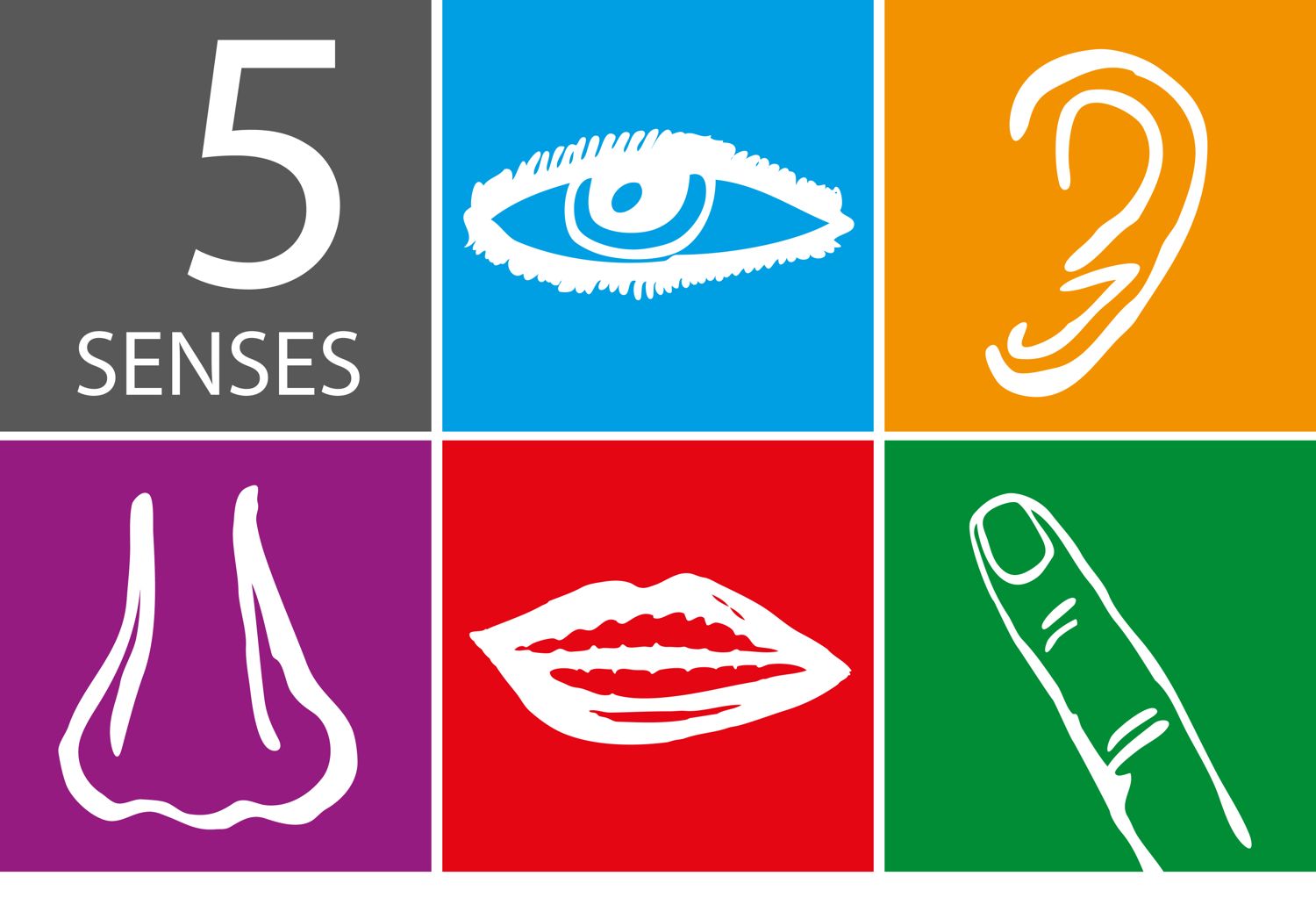
Which of the following senses are most closely related:
touch and smell
smell and taste
taste and hearing
hearing and smell

The nerves associated with smell are referred to as the:
olfactory receptor cells
smell cells
gustatory receptor cells
umami cells
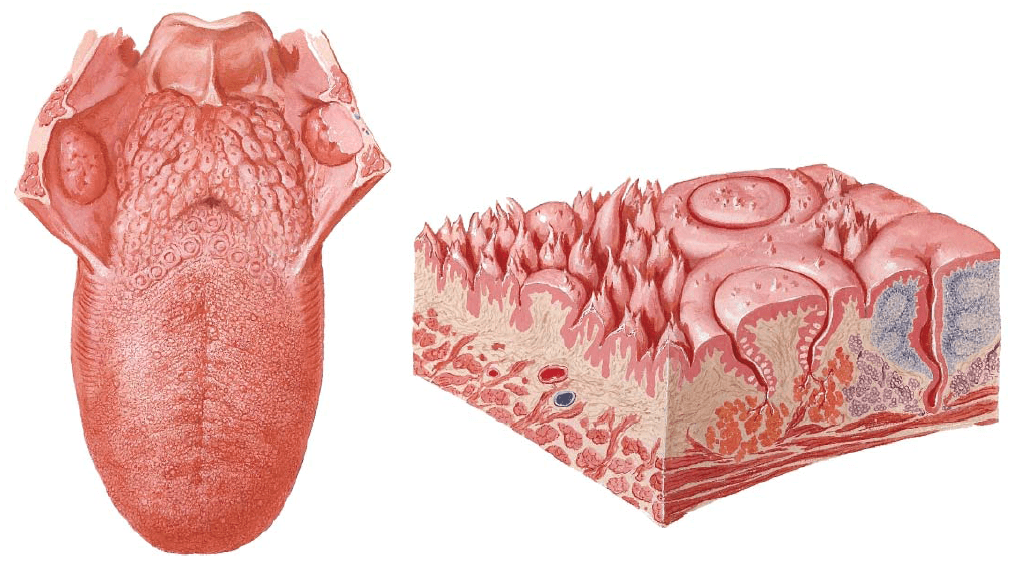
Small projections located on the tongue’s surface where taste buds are located are known as:
papillae
gustatory cells
olfactory epithelium
mucous producing glands
Our noses can detect chemicals in the air
True
False
NOT a primary taste sensation
bitter
salty
sweet
peppery
can detect the largest variety
taste buds
olfactory receptors
cones
rods
lobe of brain responsible for smell
frontal
parietal
occipital
temporal
chemical sense of smell
ageusia
gustation
olfaction
anosmia
receptor of gustation; sweet, salty, sour, bitter, umami
cones
olfactory receptors
hair cells
taste buds
What are the organs that contain receptors associated with the sense of taste?
Taste buds
Smell buds
Papillae
Umami
What are the elevations on the tongue that are associated with taste?
Papillae
Taste buds
Taste pores
Taste hairs
Which word means pertaining to the sense of taste?
Olfactory
Gustatory
Auditory
Windatory
Which structures are located in taste buds and have sensory receptors?
Papillae
Taste receptor cells
Smell cells
Olfactory cells
What are the openings in taste buds called?
Taste pores
Taste holes
Taste indentations
Taste hairs
What happens when a taste receptor cell is stimulated?
Gag reflex is initiated
The hairs move back and forth from excitement
Nothing
An impulse is triggered on a nearby nerve fiber
What do gustatory cells respond to?
Chemicals dissolved in mucus
Chemicals dissolved in saliva
Dry chemicals
Wind gusts
What are the basic tastes?
Umami, Sugar, Savoury, bitter, sour
Salty, Savoury, Bitter, Sweet, Umami
Sweet, Salty, Bitter, Savory, Sour
Bitter, Sour, Umami, Sugar, Salty
Once transduction has occured, the next process is...
The gustatory cortex receiving information about the tastant in order to create a taste
The signals are transmitted to the brain through nerves attached to the taste receptor
Perception of taste occurs in the gustatory cortex
Perception occurs
The last process of taste sensation to taste perception is?
Perception of taste occurs in the gustatory cortex
Perception of taste occurs in the taste bud
The nerve cells receive the tastant
The gustatory hair transmits the tastant to the gustatory cortex and then perception occurs
olfactory hairs are to _____
What occurs when a stimulus activates a receptor?
Sensation
Perception
Illusion
Sensory adaptation
The organization of sensory information into meaningful experiences.
Sensation
Perception
Illusion
Sensory adaptation
A mucous membrane at the top of the nasal cavity; contains the olfactory receptor neurons that respond to airborne molecules called odorants
olfactory bulb
olfactory epithelium
cribriform plate
olfactory nerve
Part of the skull that separates the nasal cavity from the cranial cavity. It has tiny holes allowing the olfactory neurons to pass through and join the olfactory bulb.
facial bones
cribriform plates
zygomatic bones
fontanel

Which of the following is NOT true of olfactory neurons?
they are smell receptors
can regenerate
bipolar in structure
located in olfactory bulb
Sound is caused by ______________.
vibrations
light
the sun
chemicals
What is the structure of the inner eat that helps us maintain our balance?
Semicircular Canals
Tympanic membrane
Pinna
Cochlea

Place the following events in sequence: A) The tympanic membrane begins vibrating; B) Action potentials travel along nerve fibers of the vestibulocochlear nerve; C) The hammer, anvil, and stirrup begin moving
B, C, A
A, B, C
B, A, C
A, C, B
When sound waves cause the tympanic membrane to vibrate, these vibrations are immediately passed on to the_________.
outer ear and ear canal
inner ear
tiny hairs
three small bones in the middle ear
Which part of the ear acts as the sound collector?
auricle (pinna)
stapes
round window
Pharyngotympanic (auditory) tube

What is #13?
tympanic membrane
incus
malleus
cochlea

What is #19?
Semicircular Canals
Pharyngotympanic (auditory) tube
Vestibulocochlear nerve
Cochlea

What is #2?
External acoustic meatus
Pinna
Incus
Vestibule
Identify the order in which sound travels through the ear
auditory ossicles, tympanic membrane, external acoustic meatus
external acoustic meatus, auditory ossicles, tympanic membrane
external acoustic meatus, tympanic membrane, auditory ossicles
tympanic membrane, external acoustic meatus, auditory ossicles
The external and middle ear are only involved with hearing, while the inner ear is involved with both hearing and maintaining your ____________, (sense of balance).
touch
harmony
equilibrium
musical memory

The pinna, the outer part of the ear we can see, catches sound waves and funnels them into the external acoustic meatus (auditory canal). The sound waves travel down the meatus and then collide with the tympanic membrane, commonly known as the _________.
cochlea
cornea
ear drum
snare drum

The bones of the middle ear conduct the vibrations of the ear drum to another membrane called the superior oval window, which then sets the ________ in the inner ear into motion.
fluid
air

The hearing part of the inner ear is the ___________, (is named this because of its spiral shape, resembling a snail shell.)
tympanic membane
cochlea
pinna
auditory canal
The vestibular apparatus (semicircular canals and vestibule) is that part of the inner ear that helps you maintain your ___________.
circadian rhythm
sense of humor
balance (equilibrium)
vision
The vestibular apparatus also uses a combination of fluid and sensory hair cells to help maintain balance. The movement of the fluid is controlled by _______________.
sound waves
the movement of your head

There are 3 semicircular canals in the vestibular apparatus, and each canal sits in one of the three planes of the body--sagittal, transverse, and frontal. Based on how the fluid moves within these canals and which hair cells are triggered, the brain can detect the direction your __________ is moving as well as how quickly its moving.
arm
leg
head
heart
The malleus, incus, and stapes are collectively called the
maculae
vestibulocochlear nerves
semicircular canals
auditory ossicles

What part is #1?
Pinna
Ear Canal
Ear Drum
Oval Window
What part is #2?
Pinna
External Acoustic Meatus
Tympanic membrane
Oval Window
What part is #3?
Pinna
Ear Canal
Tympanic membrane (Ear Drum)
Oval Window
What part is #5?
Semicircular Canals
Eustachian Tube
Cochlea
Round Window
What part is #6?
Semicircular Canals
Pharyngotympanic (auditory) tube
Cochlea
Oval Window
What part is #7?
Semicircular Canals
Eustachian Tube
Cochlea
Oval Window
What parts are #8?
Semicircular Canals
Vestibulocochlear Nerves
Ear Bones
Ossicles
What part is #9?
Semicircular Canals
Eustachian Tube
Cochlea
Oval Window
What part is #10?
Incus/Anvil
Malleus/Hammer
Cochlea/Snail Shell
Stapes/Stirrup
What part is #12?
Incus/Anvil
Malleus/Hammer
Cochlea/Snail Shell
Stapes/Stirrup
What part is #13?
Incus/Anvil
Malleus/Hammer
Cochlea/Snail Shell
Stapes/Stirrup
What part is #15?
Outer (External) Ear
Middle Ear
Inner Ear
Sub Ear
What part is #16?
Outer Ear
Middle Ear
Inner Ear
Sub Ear
What part is #17?
Outer Ear
Middle Ear
Inner (Internal) Ear
Sub Ear

