Worksheets
Review of Cells, Cell Theory, Cell Structure
Total questions: 60
Worksheet time: 3hrs 0mins

What tool do you use to view cells?
microscope
meter stick
telescope
graduated cylinder

Robert Hooke, Anton van Leeuwenhoek, Theodor Schwann, Rudolph Virchow, and Matthias Schleiden were all responsible for what theory?
The Theory of the Continental Drift
The Theory of Relativity
The Cell Theory
The Theory of Gravity
Cell Theory sums up three important facts about cells. They are:
The cell is the most basic unit of life.
Creatures can live without cells.
Cells magically appear when we need them.
All cells come from pre-existing cells.
All organisms have 1 or more cells.
When Robert Hooke looked at a cork under a microscope, he saw that it was made of tiny boxes. He called these boxes _____ because they reminded him of rooms in which monks lived.
rooms
nucleus
cells
cubicles
The part of the cell that stores DNA and controls the cell is called:
ribosome
cell membrane
the bean
nucleus
Who was the person who used his microscope to observe a thin slice of cork and concluded that the cork was made up of cells?
Bill Nye
Rudolf Virchow
Robert Hooke
Matthias Schleiden
The surface of a cell that holds it together and controls what comes into and goes out from the cell
cell wall
nucleus
ribosome
cell membrane
A microscope that uses light to reveal the image
Scanning Electron Microscope
Transmission Electron Microscope
Compound Light Microscope
Reverse Conditional Microscope
The amount by which an image is made bigger compared to the specimen
Magnification
Axon
Specimen
Cell membrane
The ________ is a rigid, external layer that is specifically designed to provide structural support and rigidity to a plant cell.
cell membrane
cell wall
nucleus
cytoplasm
A watery, jelly like substance that contains many smaller parts where the work of the cell takes place
cell membrane
cytoplasm
ribosome
ER
Pathways along which materials move through a cell; it's like the high way system
mitochondrion
vacuole
cytoplasm
ER
Powerhouse of the cell
chloroplast
mitochondrion
vacuole
ribosome
The brain/control center of a cell
mitochondrion
chloroplast
nucleus
vacuole
Organelles that produce proteins
ER
ribosomes
cytoplasm
nucleus

The 3 parts of the Cell Theory are...?
All living things are composed of cells
Cells are the basic units of structure and function in living things
All cells are produced from other cells
All living things are composed of cells
Cells are the basic units of dance and vibes in living things
All cells are destroyed from other aliens
All living things are composed of Jell-O
Cells are the basic units of structure and function in living things
All cells are produced from factories in Canada
All living things are composed of cells
Cells do karate and practice eating whole pies in their free time
All cells are produced from other cells
Which organelle controls what goes in and out of the cell?
Cell Membrane
Golgi Apparatus
Mitochondria
Ribosomes
What is the function of the lysosome?
They give the support and framework of a cell.
They control what comes in or out of the cell.
They store food and water.
They digest or break down material in a cell.
What does a plant cell have that an animal cell does not have?
vacuole
cell membrane
chloroplasts
mitochondria
This organelle is like a storage room that holds water and food for the cell.
Lysosome
Mitochondria
Cell membrane
Vacuole
Organisms whose cells do not have a nucleus are called _____.
Eukaryotes
Bicellular
Multicellular
Prokaryotes
An organism made of only one cell is called
Eukaroyotic
Monocellular
Multicellular
Unicellular
The densely packed area of a cell that has the DNA and controls the cell's activities.
Chloroplast
Golgi Body
Nucleus
Mityochondria
When an organism has cells with a nucleus, they are called....
Archaea
Prokaryotes
Bacteria
Eukaryotes
Which organelle converts energy found in food into a form that cells can use?
Mitochondria
Nucleus
Ribosomes
Nucleolus
Which organelle is used to store water?
Cell wall
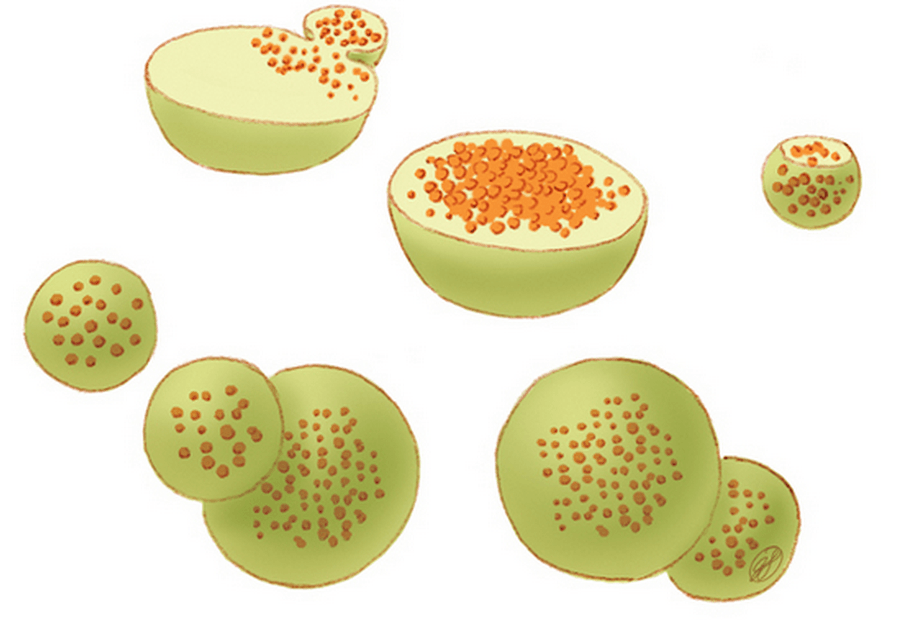
vesicles
Ribosome
Vacuole
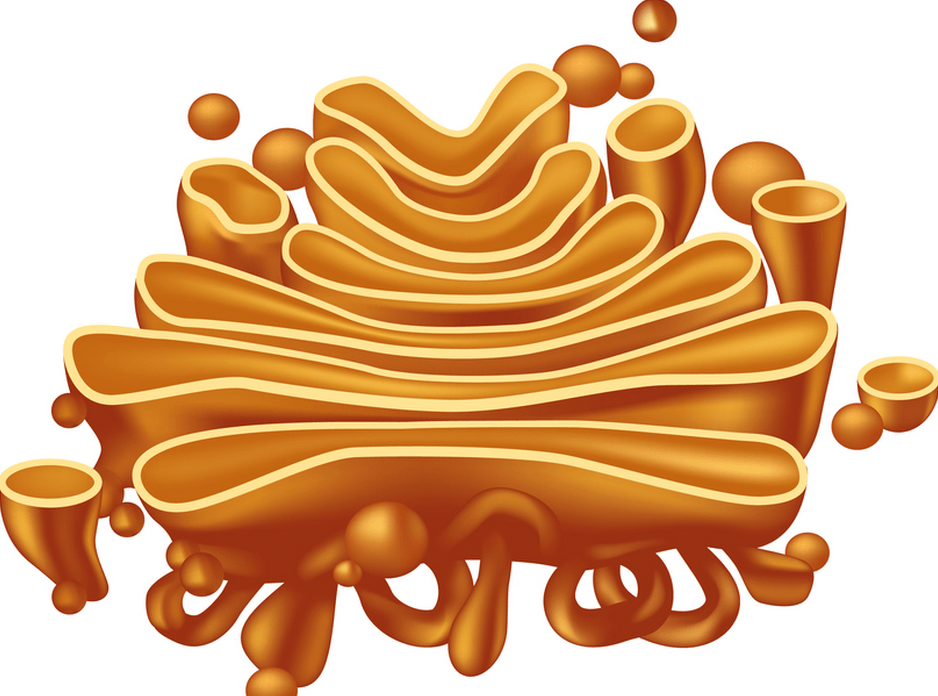
This organelle functions to package and deliver proteins
Lysosome
Golgi Apparatus
Endoplasmic Reticulum
Mitochondria
This organelle is responsible for destroying worn out cell parts
Ribosomes
Lysosomes
Golgi Apparatus
Endoplasmic Reticulum
What is located on the rough endoplasmic reticulum?
lysosomes
ribosomes
cotton candy
mitochondria
The endoplasmic reticulum functions to
transport materials
destroy old cell parts
make ribosomes
package proteins
If you are using a 10X eyepiece and a 100X objective, what is the total visual magnification achieved?
1000X
110X
3000X
100X
What are organelles?
Structures that carry out specific functions within a cell
The outer layer of a cell
Genetic material found in prokaryotic cells
Hair-like structures on the surface of a cell
Who concluded that all plants are made of living cells?
Virchow
Hooke
Schwann
Schleiden
The scientist who first described living cells as seen through a simple microscope was
van Leeuwenhoek
Schleiden
Hooke
Schwann
One advantage of electron microscopes over light microscopes is their
size
higher magnification
two-dimensional image
use of live specimens
Specialized cells are found only in
animals
single-celled organisms
bacteria
many-celled organisms
A Cells function can include obtaining food and water and getting rid of________
Carbohydrates
Protein
Wastes
Oxygen
Compound microscopes focus the light through__________ to produce a magnified image.
Lenses
Eyes
Nose Piece
Slide
A(n) ________ lens has a center that is thicker then its edges.
Glass
Compound
Magnifying
Convex
The______ describes how cells are related to living things.
Hypothesis
Cell Theory
Robert Hooke Theory
Organism Theory
The ability to distinguish between two nearby objects is called_______.
Identification
Magnification
Resolution
Sophistication
The scientists who determined that all plants are made out of cells was_______.
Hooke
Schleiden
Schwann
Virchow
The scientists who determined that all animals are made out of cells was_______.
Hooke
Schleiden
Schwann
Virchow
A compound microscope with a 10x eyepiece and a 40x objective has magnification of___________.
10x
40x
50x
400x
Organelle: found inside the nucleus and it makes ribosomes
mitochondria
nucleus
nucleolus
lysosome
Organelle: protects the nucleus
nuclear envelope
cell wall
cell membrane
endoplasmic reticulum
Organelle: captures energy from sunlight
chloroplast
nucleolus
nucleus
vacuole
Organelle: receives, packages, and redistributes materials
golgi body
endoplasmic reticulum
vacuole
chloroplast
Organelle: produce proteins
ribosome
nucleolus
lysosome
mitochondria
Organelle: produces energy for the cell
cytoplasm
mitochondria
chloroplast
vacuole
An instrument that makes small objects look larger is a(n) _________.
microscope
telescope
contact lenses
stethoscope
Organelle: protects and supports plant cells
cell wall
cell membrane
nucleus
nuclear envelope