
 Worksheets
Homeostasis and Body Systems Quiz
Total questions: 100
Worksheet time: 50mins
What is homeostasis?
The process of cell division
The maintenance of a constant internal state by organisms
The breakdown of glucose in cells
The production of hormones
Which factors might change the constant internal state in organisms?
Light and sound levels
Glucose, CO2 blood levels, and temperature
Water and mineral content
Oxygen and nitrogen levels
How do organisms respond to changes in internal factors?
By producing more red blood cells
By generating a response to bring the internal state back to set point
By increasing heart rate
By decreasing body temperature
What systems work together to keep an internal balance in the body?
Digestive and respiratory systems
Nervous and hormonal systems
Circulatory and muscular systems
Skeletal and immune systems
What are the two coordinating systems required for body function coordination?
One involving fast, short-term control and one involving slow, sustained action
One involving digestion and one involving respiration
One involving muscle contraction and one involving bone growth
One involving skin protection and one involving hair growth
In what conditions do the nervous and endocrine systems work together?
During sleep
Under flight or fight conditions
While eating
During exercise
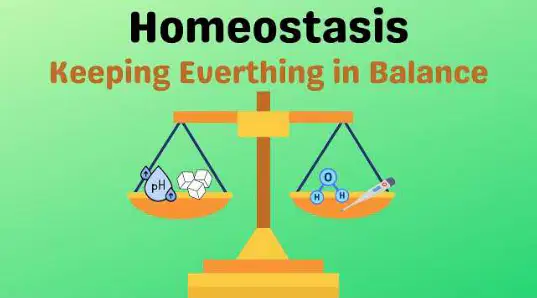
What is homeostasis?
The process of maintaining a constant internal state by organisms
The process of increasing body temperature
The process of decreasing blood glucose levels
The process of changing external environments
Which of the following is a factor that might change the internal state in homeostasis?
Blood glucose levels
Hair color
Eye color
Height
What role do receptors play in homeostasis?
They detect changes in factors (stimuli)
They produce hormones
They increase body temperature
They store energy

What is the primary function of coordination in the human body?
To make organs and systems work independently
To make organs and systems work together
To slow down body processes
To increase hormone production

Which system is responsible for controlling faster processes like breathing and body movement?
Endocrine system
Digestive system
Nervous system
Circulatory system

What role does the endocrine system play in the body?
It controls fast processes like breathing
It releases hormones for coordination
It sends nervous impulses
It regulates blood flow
Which system is responsible for slow but sustained actions with long-term effects on the body?
Nervous system
Endocrine system
Digestive system
Respiratory system
What is the primary function of the nervous system as described in the text?
To provide long-term hormonal balance
To achieve immediate, short-term control over specific body parts
To digest food
To circulate blood
How do the nervous and endocrine systems work together according to the text?
They function independently without interaction
They often work together to help the body function properly
They compete for control over body functions
They only work together during emergencies
What are the components of the Central Nervous System (CNS)?
Brain and spinal cord
Nerves and muscles
Heart and lungs
Skin and bones
How does the nervous system respond to stimuli?
By producing hormones
By directly or indirectly responding to stimuli detected by sensory receptors
By increasing blood pressure
By digesting food
What is a nerve impulse?
A chemical reaction
A magnetic field
An electrical impulse that passes along neurones
A sound wave
In which direction does a nerve impulse travel?
In multiple directions
In one direction only
In a circular path
Randomly
Which statement best describes the nature of neurones in the body?
Neurones are continuous throughout the body.
Neurones are not continuous throughout the body.
Neurones are only found in the brain.
Neurones are only found in the spinal cord.
What is the primary function of synapses in the nervous system?
To store energy.
To permit a neurone to pass an impulse to another cell.
To produce hormones.
To protect the brain.
How do neurotransmitters function in synaptic transmission?
They store genetic information.
They release a chemical messenger that initiates or inhibits a nerve impulse in the next cell.
They provide structural support to neurones.
They transport oxygen in the blood.
What is a reflex action?
A voluntary and slow response involving effectors.
An automatic and rapid response involving effectors, essential for survival.
A conscious decision made by the brain.
A slow response that involves the spinal cord only.
Why are reflexes essential for survival?
They allow the animal to respond quickly to situations that might endanger it.
They help in digestion.
They improve memory retention.
They regulate body temperature.
Which parts of the brain should be labeled in a diagram of the brain?
Only the cerebrum and cerebellum.
Only the medulla oblongata and brain stem.
The cerebrum, cerebellum, medulla oblongata, brain stem, and spinal cord.
Only the spinal cord.
What is the role of the pituitary gland in the body?
It stores calcium.
It controls other endocrine glands and produces ADH and sex hormones.
It digests proteins.
It regulates blood pressure.
What are stimuli in the context of biology?
Specialized cells in the body
Changes in the environment that elicit a biological response
Organs that detect changes
Responses to environmental changes
What is the role of sensory receptors in humans?
To create stimuli
To detect changes in the environment
To respond to stimuli
To produce biological responses
Which sense organ is responsible for detecting light?
Nose
Ears
Eyes
Tongue
How do humans respond to environmental changes according to the diagram?
By using only the eyes
By using five sensory organs
By using the brain alone
By using the skin only
What is the role of effectors in the body?
To detect stimuli
To respond to stimuli
To transmit signals
To store energy
Which of the following is an example of a stimulus?
Muscle contraction
Gland secretion
Bad smell
Nerve impulse
What is the sequence of events in response to a stimulus?
Receptor → Stimulus → Effector → Response
Stimulus → Effector → Receptor → Response
Stimulus → Receptor → Effector → Response
Effector → Stimulus → Response → Receptor
What is a stimulus?
A response to a change in the environment
Any change inside an organism or its environment leading to a response
Cells that detect stimuli
Glands and muscles that carry out instructions
What are receptors?
Glands that carry out instructions
Nerve impulses going to the CNS
Cells that detect stimuli and send messages to the brain
Any action carried out by an organism
What are effectors?
Cells that detect stimuli
Glands and muscles that carry out instructions from the brain
Nerve impulses going to the CNS
Any change inside an organism
What are sensory impulses?
Nerve impulses going from the CNS to the effectors
Any action carried out by an organism
Nerve impulses going from the sense organs to the CNS
Cells that detect stimuli
What are motor impulses?
Nerve impulses going from the CNS to the effectors
Any change inside an organism
Cells that detect stimuli
Nerve impulses going from the sense organs to the CNS
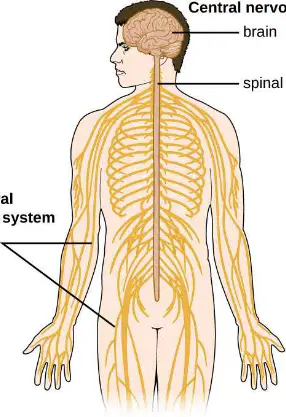
What is the primary function of the nervous system in animals?
To digest food
To communicate with the outside environment and the body
To provide energy
To support the skeletal structure
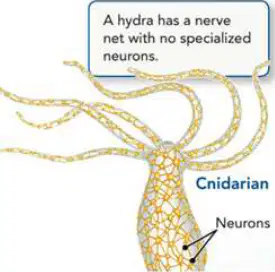
Which type of animals have networks of specialized nerve cells?
Mammals
Birds
Cnidarians (jellyfish and hydra)
Reptiles
What are the two organ systems involved in detecting changes and coordinating responses?
Digestive and respiratory systems
Circulatory and muscular systems
Sensory and nervous systems
Endocrine and excretory systems
What are the two main parts of the human nervous system?
Central Nervous System and Peripheral Nervous System
Brain and Heart
Spinal Cord and Muscles
Nerves and Blood Vessels
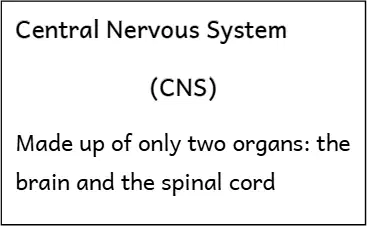
Which organs make up the Central Nervous System (CNS)?
Brain and Spinal Cord
Heart and Lungs
Stomach and Intestines
Kidneys and Liver
What is the function of the Peripheral Nervous System (PNS)?
Sends impulses to the CNS and receives impulses from the CNS
Pumps blood throughout the body
Filters waste from the blood
Produces hormones

What are the main components of the Central Nervous System?
Cranial nerves and spinal nerves
Brain and spinal cord
Sensory neurons and motor neurons
Peripheral nerves and cranial nerves
Which type of neurons are contained in the Peripheral Nervous System?
Relay neurons
Interneurons
Sensory neurons and motor neurons
Brain neurons
What is the Peripheral Nervous System composed of?
Brain and spinal cord
Cranial nerves, spinal nerves, and peripheral nerves
Relay neurons
Interneurons
What is the basic unit of impulse transmission in the nervous system?
Neuron
Muscle cell
Blood cell
Skin cell
What is the primary function of neurons?
To store energy
To transmit information as nerve impulses
To produce hormones
To digest food
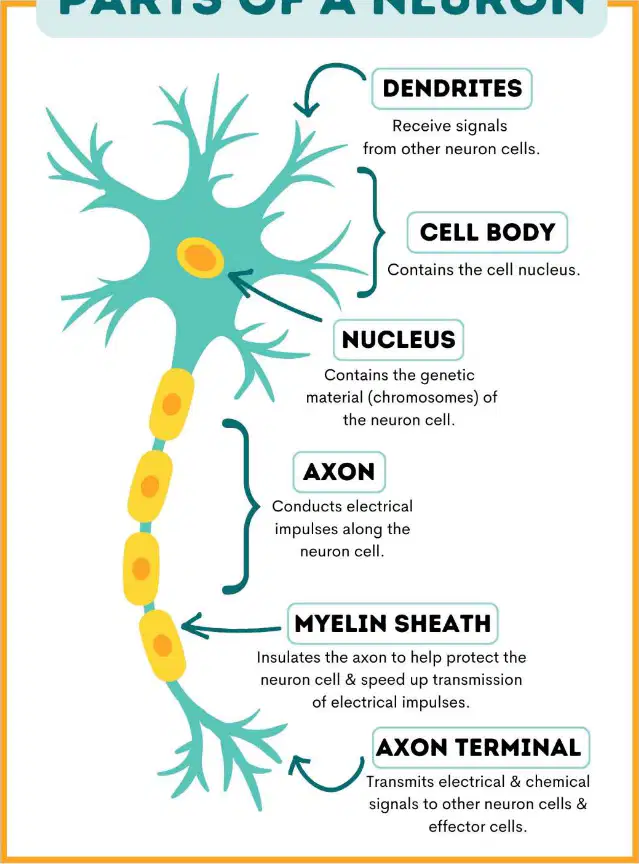
Which part of the neuron receives signals from other neurons?
Axon
Myelin sheath
Dendrites
Axon terminal
What is the role of the myelin sheath in a neuron?
To conduct electrical impulses
To insulate the axon and speed up transmission
To receive signals from other neurons
To contain the cell nucleus
What is the function of the cell body in a neuron?
It produces fat for the myelin sheath.
It allows rapid conduction of impulses.
It contains the nucleus and controls chemical reactions.
It synapses with another nerve cell.
Which part of the neuron is responsible for carrying information away from the cell body?
Dendrites
Axon/Dendron
Schwann cells
Nodes of Ranvier
What is the role of dendrites in a neuron?
They produce fat for the myelin sheath.
They synapse with another nerve cell.
They collect information and transmit electric impulses to the cell body.
They allow rapid conduction of impulses.
How do Schwann cells contribute to the function of a neuron?
They synapse with another nerve cell.
They produce fat that gives rise to the myelin sheath.
They allow rapid conduction of impulses.
They contain the nucleus and cytoplasm.
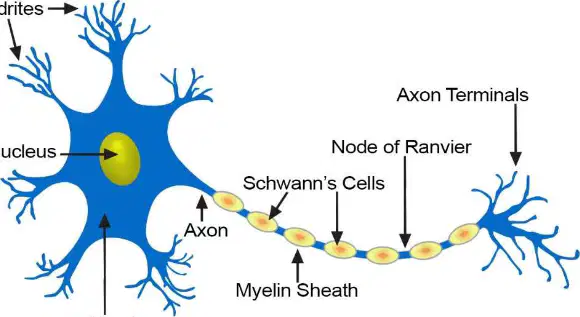
What is the function of the Nodes of Ranvier in a neuron?
They synapse with another nerve cell.
They produce fat for the myelin sheath.
They allow rapid conduction of impulses by forcing them to jump from one node to the next.
They contain the nucleus and cytoplasm.
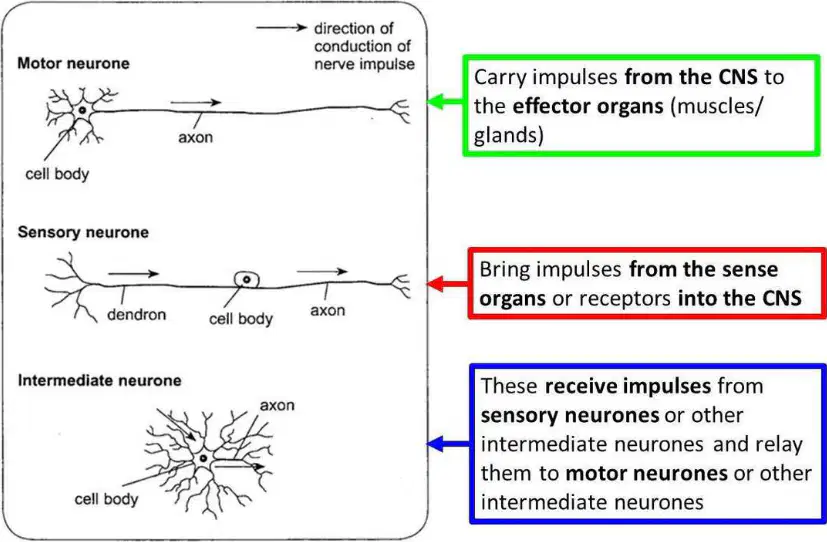
What is the primary function of a sensory neuron?
Carry impulses from the brain to muscles
Connect one neuron to another
Carry impulses from sense organs to the CNS
Relay impulses within the brain
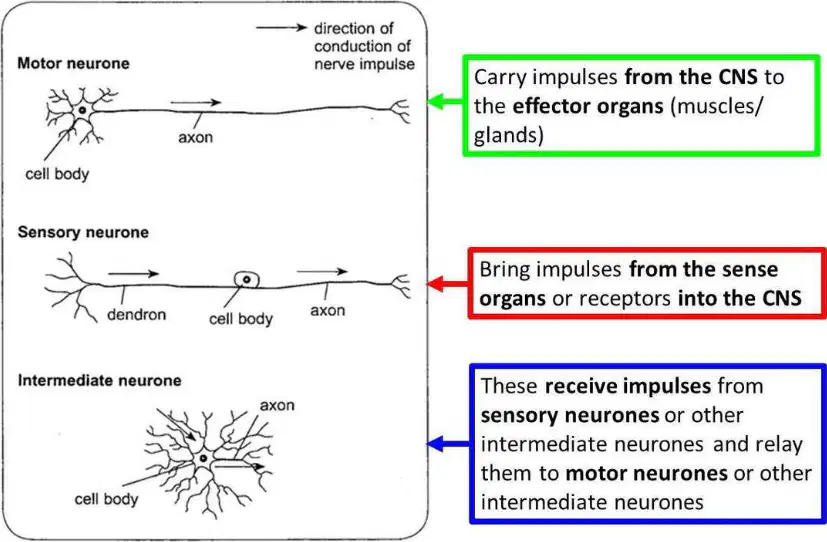
Which type of neuron is also known as an afferent neuron?
Motor neuron
Sensory neuron
Relay neuron
Multipolar neuron
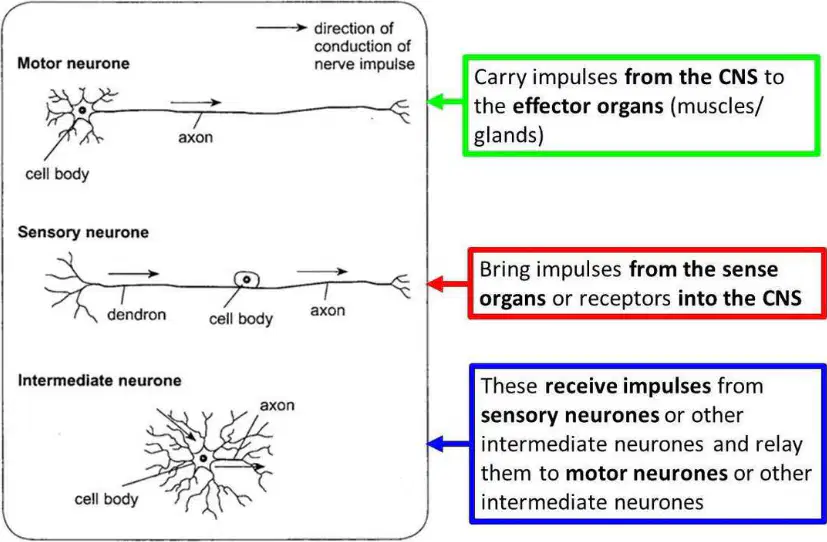
What is the role of a motor neuron?
Connect sensory neurons to the CNS
Carry impulses from the CNS to effector organs
Relay impulses between neurons
Transmit signals from muscles to the brain
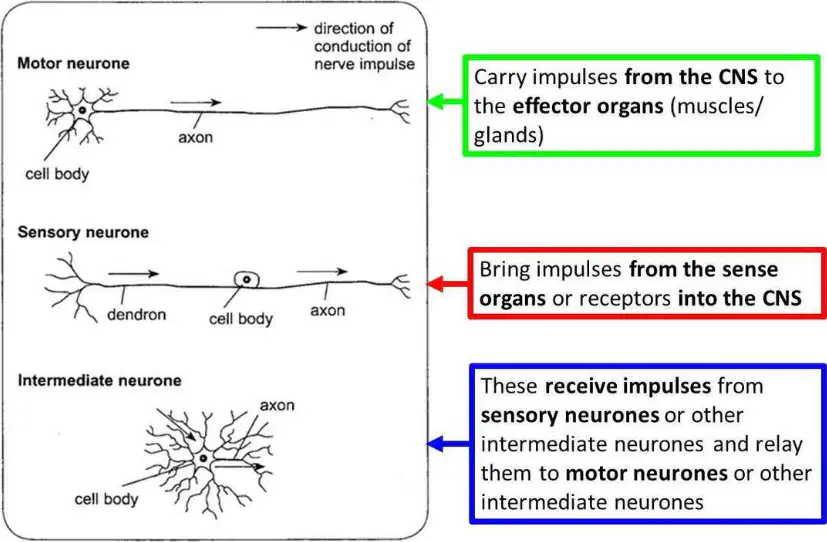
Which neuron type is responsible for connecting one neuron to another?
Sensory neuron
Motor neuron
Relay/Multipolar neuron
Efferent neuron
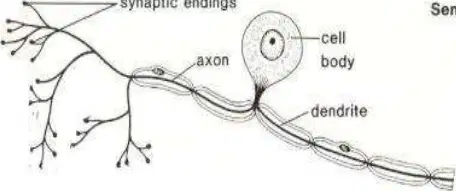
What is the primary function of a sensory neuron?
Transmit impulses from the brain to muscles
Relay signals between neurons
Transmit sensory information to the central nervous system
Store information in the brain
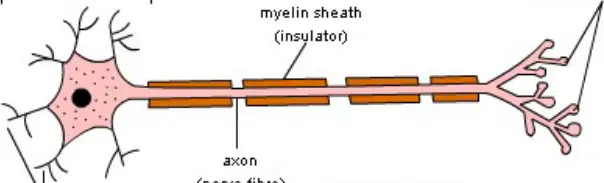
Which part of the motor neuron is responsible for insulating the axon?
Dendrites
Cell body
Myelin sheath
Synaptic endings
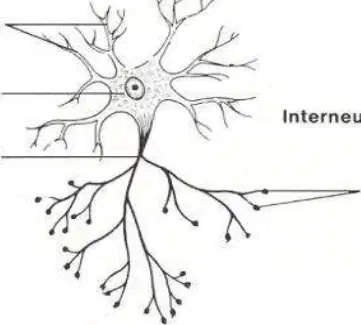
What is the role of relay/intermediate neurons?
Connect sensory and motor neurons
Transmit impulses to muscles
Store sensory information
Insulate axons
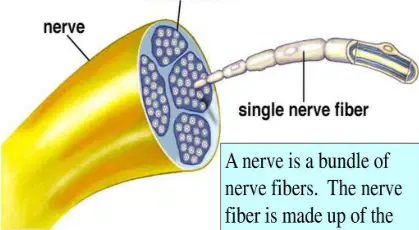
What is a nerve made up of?
A single neuron
A bundle of nerve fibers
A single axon
A protective fibrous tube
Why are microscopes needed to see neurons?
Neurons are too small to be seen with the naked eye
Neurons are transparent
Neurons are inside the brain
Neurons are covered by a thick layer
What is the nature of nerve impulses?
Chemical
Electrical
Magnetic
Thermal
How does the brain distinguish between different nerve impulses?
By the speed of the impulse
By the strength of the impulse
By the origin of the impulse
By the color of the impulse
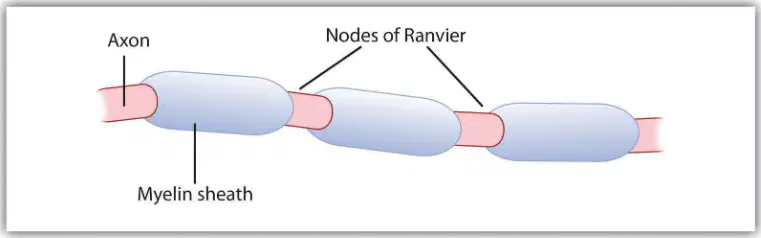
What is the function of the myelin sheath in neurons?
To provide electrical insulation
To produce neurotransmitters
To store energy
To absorb nutrients
What is the speed at which impulses are transmitted in neurons used for fast reflexes?
100 meters per second
10 meters per second
50 meters per second
200 meters per second
What are the gaps between the myelin sheath on a neuron called?
Nodes of Ranvier
Synaptic clefts
Dendrites
Axon terminals
What are the electrical signals used by neurons to carry information called?
Synapses
Neurotransmitters
Action potentials
Receptors
What is the gap between two neurons called?
Axon
Synapse
Dendrite
Vesicle
What is the role of a neurotransmitter in the nervous system?
To carry electrical signals across neurons
To release hormones into the bloodstream
To pass signals from one neuron to the next
To store energy in neurons
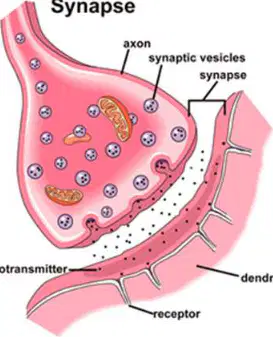
Which chemical is an example of a neurotransmitter?
Dopamine
Acetylcholine
Serotonin
Insulin
What is a characteristic of voluntary actions?
They occur unconsciously.
They are automatic and rapid.
They require conscious control and awareness.
They do not involve the brain.
Which of the following is an example of an involuntary action?
Writing
Speaking
Blinking
Kicking a ball
What is the primary purpose of reflex actions?
To perform complex tasks
To allow conscious decision-making
To enable rapid response to danger
To control voluntary movements
Which of the following actions is under conscious control?
Breathing
Swallowing
Walking
Heartbeat
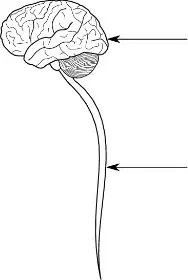
Which two organs make up the central nervous system (CNS)?
Brain and heart
Brain and spinal cord
Spinal cord and lungs
Heart and lungs
What protects the brain within the central nervous system?
Rib cage
Skull
Vertebral column
Pelvis
What is the role of the peripheral nervous system in relation to the central nervous system?
It protects the brain
It connects the CNS to different parts of the body
It produces hormones
It stores energy
What is the primary function of the brain according to the text?
To control the digestive system
To regulate the body's temperature
To serve as the most important organ in the body
To produce hormones
What is the brain made up of?
Muscle fibers
Millions of nerve cells
Bone tissue
Blood vessels
How do different areas of the brain communicate with each other?
Through electrical impulses
By constant communication between neurons
Via the bloodstream
Through the spinal cord only
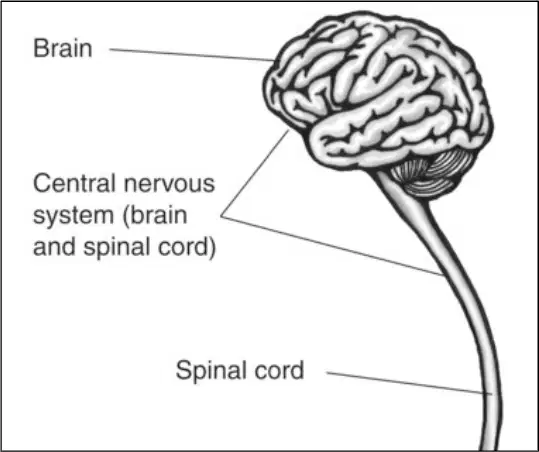
What is the relationship between the brain and the spinal cord?
The brain is a separate entity from the spinal cord
The brain is an extension of the spinal cord
The spinal cord controls the brain
They are unrelated
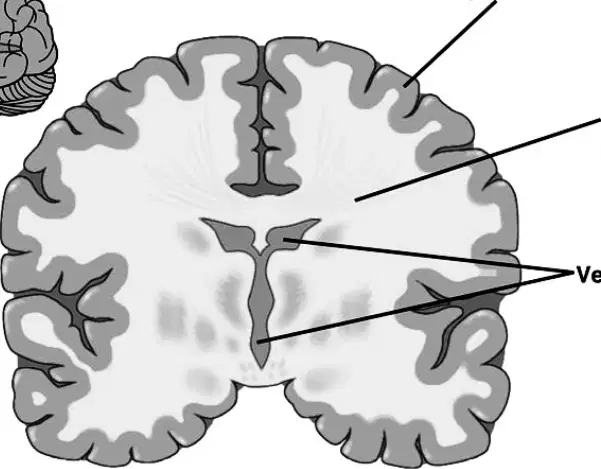
What is white matter in the brain formed from?
Groups of cell bodies and synapses
Nerve fibers
Blood vessels
Connective tissue
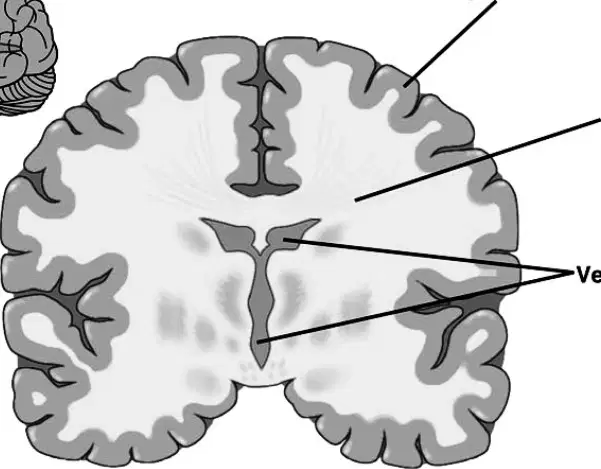
What is gray matter in the brain composed of?
Nerve fibers
Blood vessels
Groups of cell bodies and synapses
Connective tissue
What is the approximate weight of the human brain?
1.5 kg
2.5 kg
0.5 kg
3.5 kg
How many cells does the human brain contain?
10 million
100 billion
1 billion
10 billion
What is the primary function of the cerebrospinal fluid (CSF)?
To provide energy to the brain
To cushion the brain and spinal cord
To transmit nerve signals
To regulate body temperature
What structure protects the brain by encasing it?
The skin
The skull
The spine
The muscles
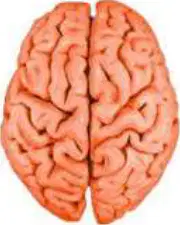
What is the significance of the wrinkles on the brain's surface?
They help in cooling the brain
They increase the surface area for neuron connections
They store nutrients
They protect against infections
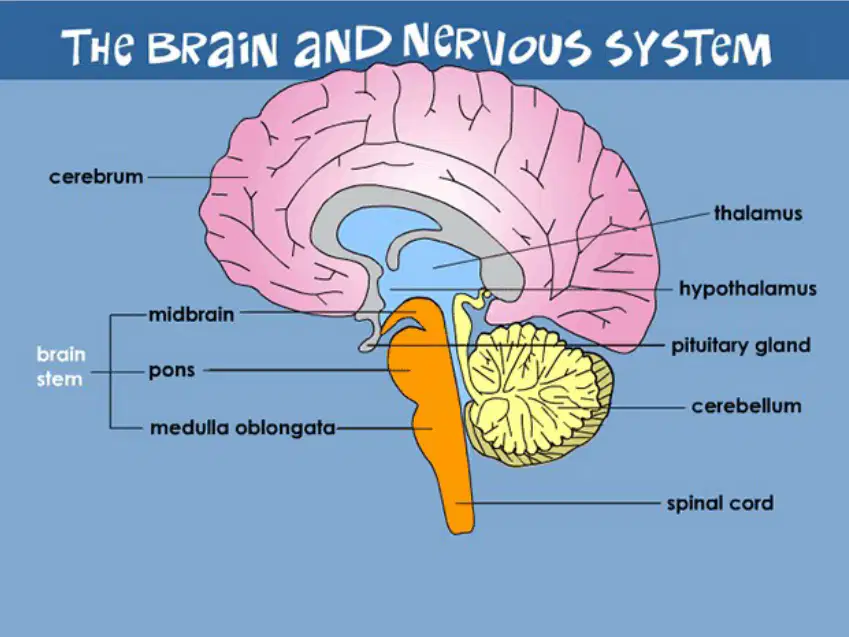
Which of the following is a part of the brain?
Cerebrum
Femur
Radius
Tibia
Into how many sections can the parts of the brain be split?
Two
Three
Four
Five
Which section of the brain is responsible for coordination and balance?
Forebrain
Midbrain
Hindbrain
Spinal cord
What percentage of the brain does the cerebrum occupy?
50%
60%
80%
90%
What is the outer layer of the cerebrum called?
White matter
Cerebral cortex
Medulla
Thalamus
What is the function of the cerebral cortex?
Controls heart rate
Provides a large surface area for nerve cell interconnections
Regulates digestion
Produces hormones
What can damage to the cerebrum cause?
Improved memory
Enhanced vision
Emotional disturbances
Faster reflexes
What are the functions of the sensory areas in the cerebral cortex?
Transmit impulses to muscles
Receive impulses from receptors in sense organs
Sort out, interpret, and decide action
Control balance and coordination

