
 Worksheets
DNA, Cell Cycle, Mitosis & enzymes CW
Total questions: 80
Worksheet time: 1hrs 27mins
ATG TGA CAG
In eukaryotes, which organelle is DNA usually found in?
cell membrane
vacuole
chloroplast
nucleus


Label the picture in order:
phosphate ; sugar ; base
phosphate ; base ; sugar
base ; sugar ; phosphate
base ; phosphate ; sugar
If a DNA sequence it GAATGCCT, what are the matching base pairs?
ACGTACCTG
AEIOU and sometimes Y
CTTACGGA
GCCTATGC


A segment of DNA is shown in the diagram. Which of these identifies the part of the DNA segment labeled X?
Nucleotide
Phosphate group
Hydrogen bond
Deoxyribose

Which of the following activities occur in the S phase?

Prophase
Anaphase
Telophase
Interphase
Which of the following is correct about the events of the cell cycle?
Little happens during the G1 and G2 phases of the cell cycle.
DNA replicates during the S phase of interphase.
Mitosis is usually the longest phase of the cell cycle when the cell is growing.
Interphase consists of G1, S, G2 phase and mitosis

The diagram shows the major stages of the cell cycle and the percentage of time spent in each phase.
Which statement best describes why a cell spends the majority of its time in interphase?
The cell is growing and carrying out processes such as metabolism and DNA replication.
The cell is aging and processes are stopping as lysosomes clear dead cell matter away.
The cell needs time to synthesize spindle fibers to complete mitosis
The cell needs time to complete cytokinesis.

By studying this photograph, scientists gained knowledge about the -

How is information for a specific protein carried on the DNA molecule?

A: View the image
B: View the image
C: View the image
D: View the image

The arrow indicates -


This model of the cell cycle includes two arrows that each represent a process in the cycle. What do the two arrows represent?
Arrow 1 represents prophase, and Arrow 2 represents interphase.
Arrow 1 represents mitosis, and Arrow 2 represents meiosis.
Arrow 1 represents interphase, and Arrow 2 represents mitosis.
Arrow 1 represents meiosis, and Arrow 2 represents prophase.

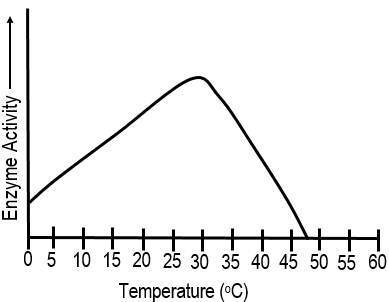
Taq polymerase is an enzyme used in the polymerase chain reaction (PCR) to replicate fragments of DNA. A study published in 1976 examined the properties of Taq polymerase after the enzyme was isolated from Thermus aquaticus, a thermophilic bacterium that lives in the hot springs of Yellowstone National Park. The graph shows one of the results of the study.
Which statement about enzyme activity is best supported by this graph?
An enzyme must be composed of multiple polypeptides, or subunits, to be active
An enzyme’s rate of activity increases with time until it becomes inactive
An enzyme functions best under specific temperature conditions
An enzyme works equally well in bacteria that are adapted to high temperatures and in eukaryotic cells such as human cells

Match each definition to the correct vocabulary word.
a stage in the cell cycle when the cell checks for damaged DNA
checkpoint
the process a cell uses to split into 2 cells
cell division
division of a cell's nucleus
mitosis
structure made of proteins and DNA that keeps DNA organized
chromosome
Match the picture to the stage of mitosis.

prophase

metaphase

anaphase

telophase

cytokinesis
Which hotspots show stages of interphase? Choose two.
uncontrolled cell growth leads to
cell death
cancer
disease
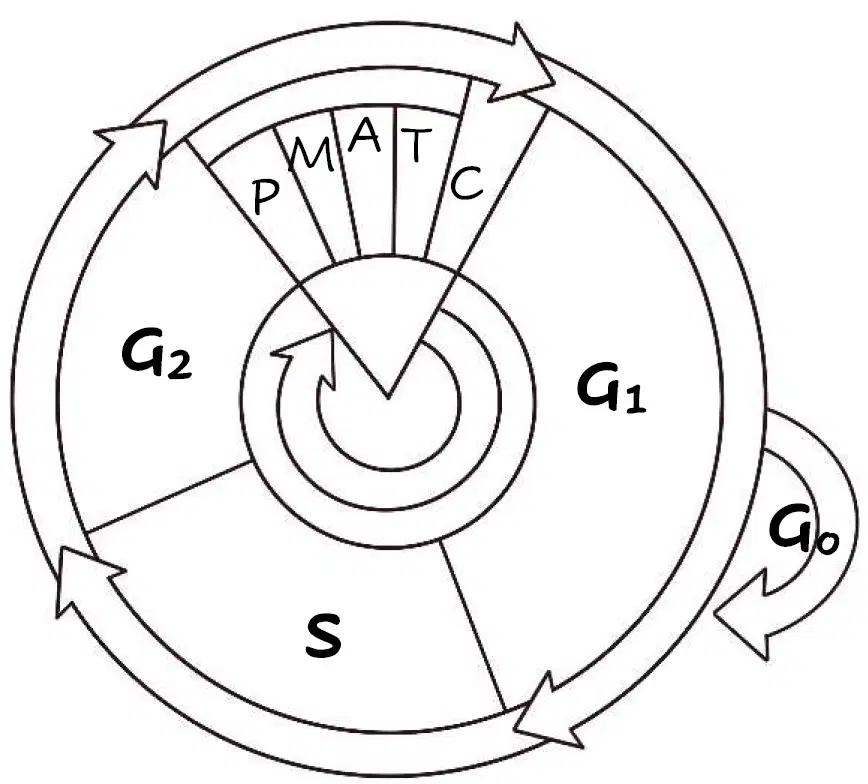
What are the four phases of mitosis?
mitosis, S, M, interphase
G1, S, G2, M
prophase, metaphase, anaphase, telophase
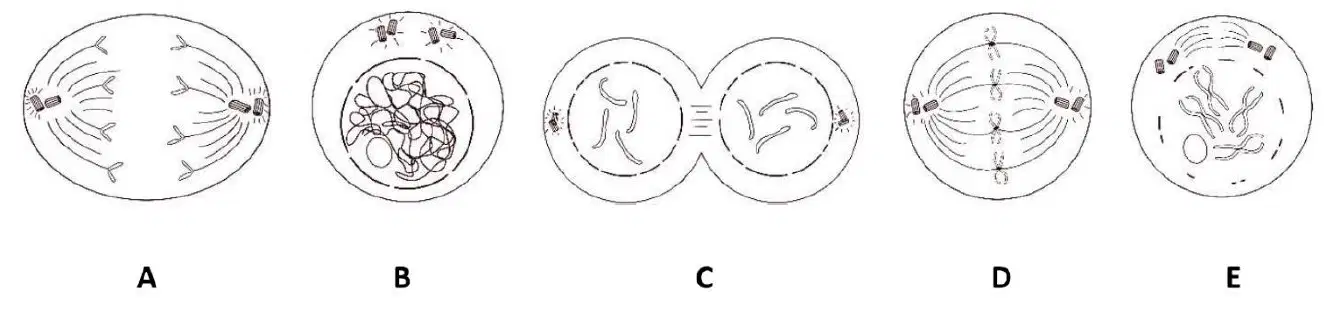
Put the cells in the correct order
B - C - E - D - A
C - A - D - E - B
B - E - D - A - C
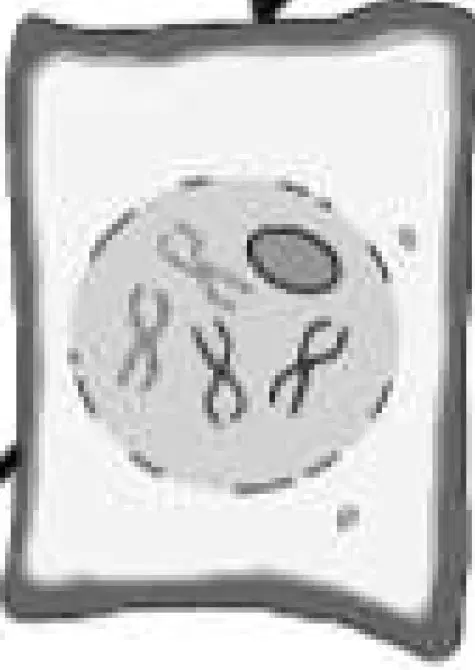
prophase
interphase
metaphase

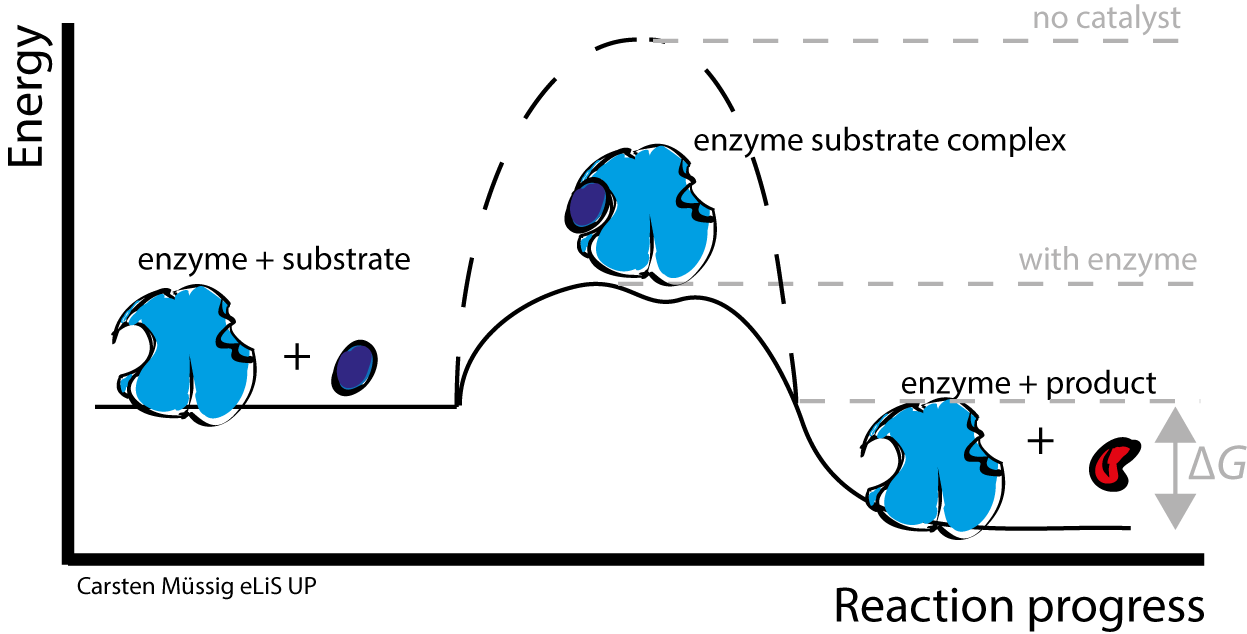
In the diagram, what is letter A?
product
enzyme-substrate complex
substrate
active site

Letter C...
products
substrate
enzymes
active site

Letter D...
enzyme
active site
substrate
products
An enzyme speeds up a reaction by
raising the activation energy
lowering the activation energy
releasing energy
absorbing energy.
What happens to an enzyme when it is denatured?
Activation energy is lowered
It becomes stronger
It loses its shape
Activation energy is raised


A
B
C
D
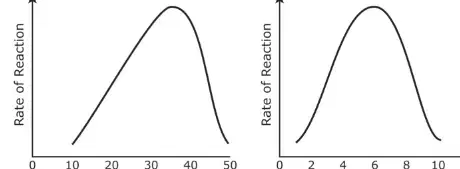
The graphs show the reaction rate for an enzyme across a range of temperatures and pH. Enzyme Reaction Rates Based on these data, this enzyme functions best at what temperature and pH?
Temperature of 27°C and a pH of 4
Temperature of 37°C and a pH of 6
Temperature of 40°C and a pH of 8
Temperature of 50°C and a pH of 10
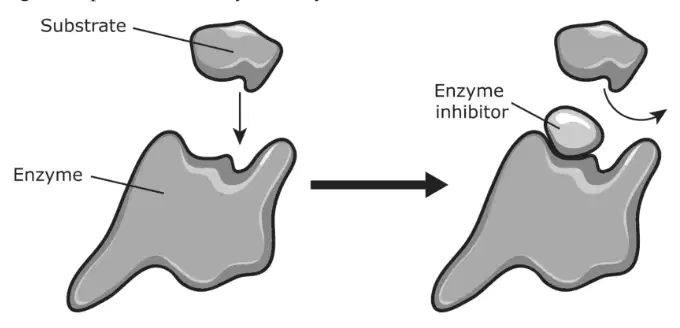
Which statement explains the effect of an inhibitor on an enzyme?
A substrate will be able to bond with the enzyme.
The enzyme will likely be attacked by immune cells.
The enzyme will be unable to produce more enzymes.
A substrate will be unable to attach to the enzyme.

F
G
H
J

F
G
H
J

The diagram shows cells in different phases of mitosis. A student is trying to find a cell in a particular phase of mitosis. The student is looking for evidence that spindle fibers are separating the chromosomes to ensure that each new nucleus has one copy of each chromosome. (View Image)
Which cell is in the phase of mitosis that the student is searching for?
Cell 1
Cell 2
Cell 3
Cell 4


Which part of the model represents the S phase?

When cells leave the cell cycle, they exit during G1 phase and then enter G0 phase, a resting period. Most normal cells can leave G0 phase and reenter the cell cycle at G1 phase before entering S phase. Cancer cells are different because they cannot enter G0 phase and are likely to do which of the following?

Does the following process represent DNA Replication?
Yes, because new strands of DNA are being replicated
No, because an RNA strand is being synthesized
Yes, because the DNA is unwinding
No because DNA is not being represented

A nucleotide is composed of
A phosphate, sugar and nitrogenous base
A protein, sulfur and Guanine
A phosphate, something and a base
A protein, sugar and nitrogenous base
deoxyribose and a base
phosphate and a base
base pairs

What makes up the rungs (steps) of a DNA ladder?
sugars & phosphates
nitrogen bases
sugars
genes & chromosomes


Identify the following:
Letter D
nucleotide
phosphate
adenine
deoxyribose sugar
Identify the following:
Letter A
nucleotide
phosphate
adenine
deoxyribose sugar
Identify the following:
The type of bonds that connect adenine to thymine
ionic bonds
covalent bonds
hydrogen bonds
nucleic acid bonds

Identify letter B in the image.
nucleus
DNA
gene
chromosome
Identify letter C in the image.
nucleus
DNA
gene
chromosome
Identify letter D in the image.
nucleus
DNA
gene
chromosome

A segment of DNA is shown in the diagram. Which of these identifies the part of the DNA segment labeled X?
Nucleotide
Phosphate group
Hydrogen bond
Deoxyribose


A model of DNA is shown. Which part of the DNA model is most directly associated with the coding of genetic information?


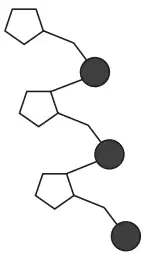
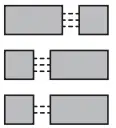
Which table shows two steps of DNA replication?


A segment of a DNA strand is shown.
3’ AGGTCAGGT 5’
Which of these is the correct complementary DNA strand for the segment shown?
5’ AGGTCAGGT 3’
5’ ACCUGAGGU 3’
5’ TGGACTGGA 3
5’ TCCAGTCCA 3’
Enzymes are proteins that have a three-dimensional shape that is specific to a particular substrate. Environmental conditions can change the shape of the protein. What is the most likely result if the shape of the enzyme changes?
The substrate will change its shape to match the enzyme.
The enzyme will no longer be able to catalyze the reaction with the substrate.
The products made from the enzyme and the substrate will be changed.
The enzyme will be able to bind to more diverse substrates than before.

Eight components present in nucleic acids are listed in the box. Which components bond with adenine in a section of double-stranded DNA?
1, 3, 5, and 6 only
3 and 5 only
2 and 4 only
3, 4, 7, and 8 only
How is information for a specific protein carried on the DNA molecule?

