
 Worksheets
OVERALL REVIEW
Total questions: 65
Worksheet time: 3hrs 16mins

Which biomolecule is a main source of short term, quick energy?
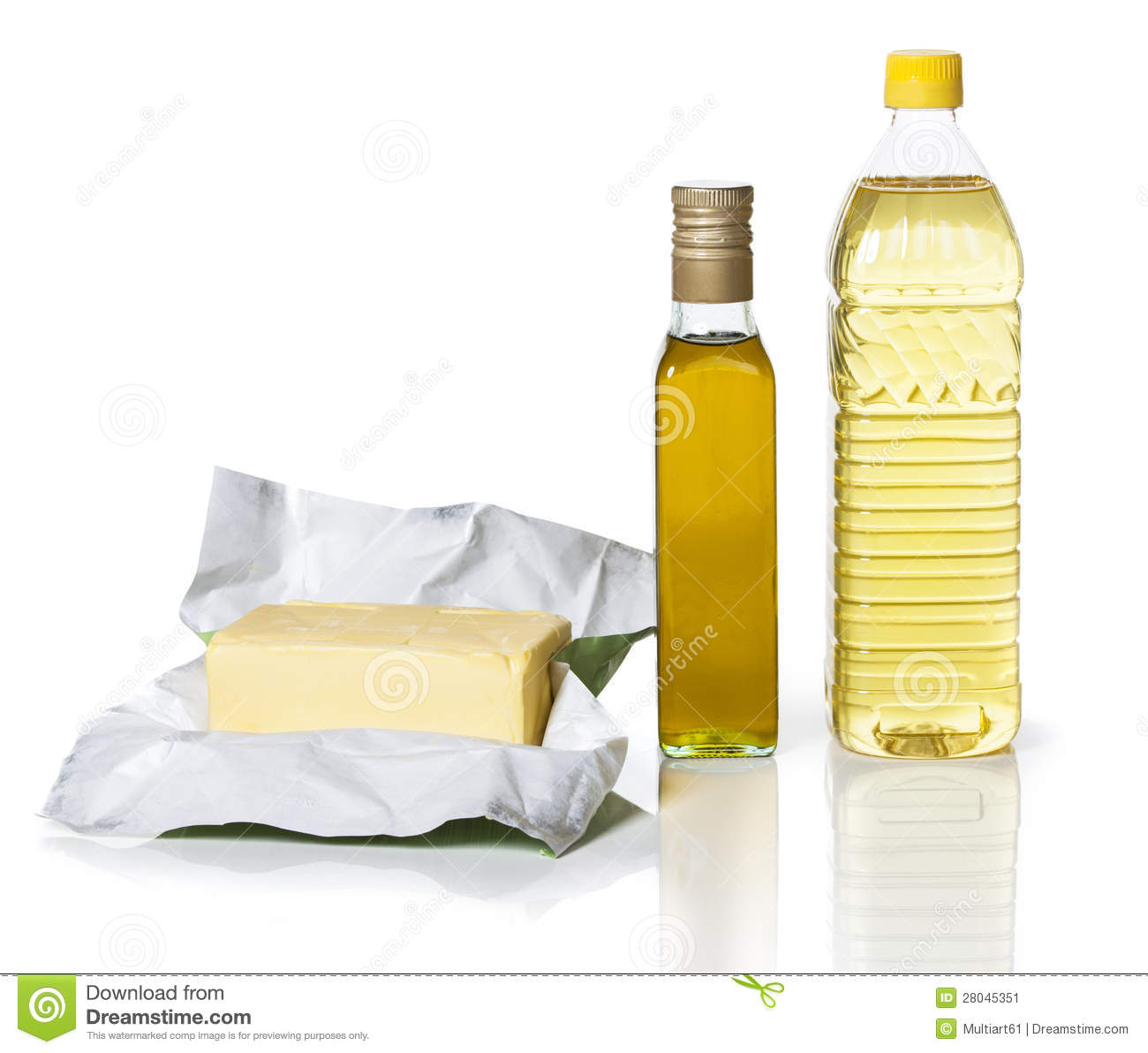
Which biomolecule allows for cell transport and long-term energy?
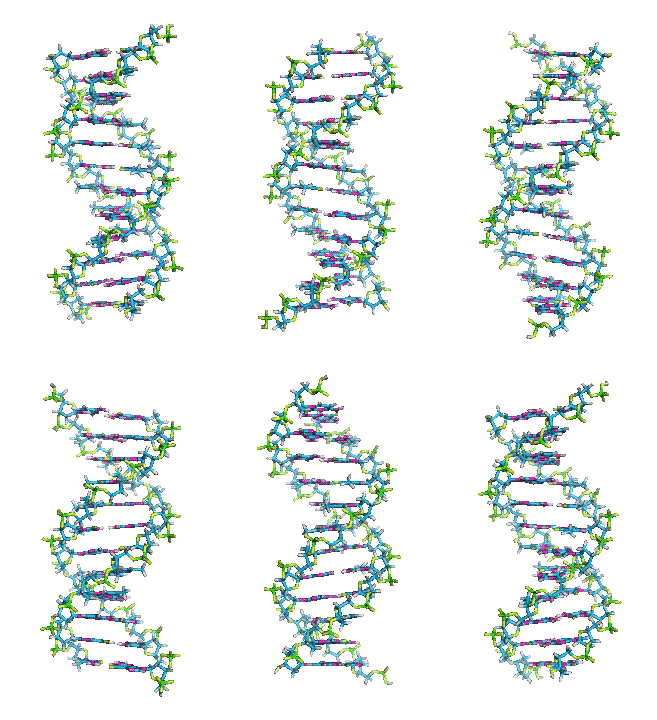
Which biomolecule is made of nucleotides and include your DNA?
Amino Acids are the monomers of __________.
Nucleic Acids
Proteins
Carbohydrates
Lipids
The type of cell that has a nucleus is (a) .
Prokaryotes do NOT have....
membrane bound organelles
DNA or RNA
Cell membrane
Life

"Endosymbiosis" means
Living together
Dying together
Living separately
Joining together
Bacteria are an example of a _________ cell.
Eukaryotic
Prokaryotic
animal
plant

What kind of cell?
Prokaryote
Both
Neither
Eukaryote
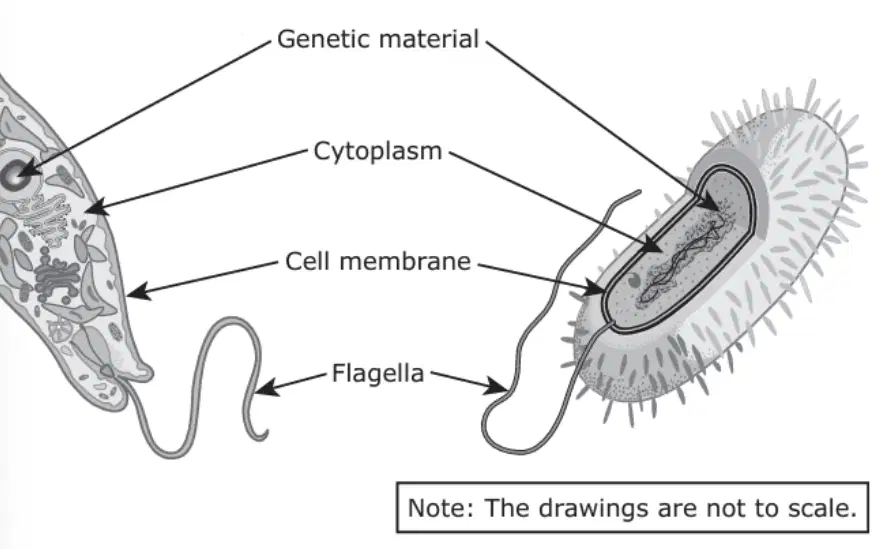
A prokaryotic cell and a eukaryotic cell are shown.
Which characteristics best distinguishes these cells are either prokaryotic or eukaryotic?
The organization of the genetic material
The location of the cytoplasm
The role of the cell membrane
The function of the flagella

A student groups different types of cells as shown.
Which table headings should the student use for the two groups?


Euglena are unicellular organisms that live in pond water. They move around using a flagella and can perform photosynthesis when needed. They contain many membrane bound organelles and have a nucleus(round structure) . What type of cells are they?
Prokaryotic Cell
Eukaryotic Cell

Students use a microscope to look for structures present in four different cells. The students placed an X for each structure that was viewed for each cell on the table shown above.
Which cell that was viewed was most likely a prokaryote?
Cell W
Cell X
Cell Y
Cell Z

Which of these lists the phases in the order that they occur in mitosis?
Z, Y, X, W
X, W, Z, Y
Z, X, W, Y
X, Z , Y, W

Which table best compares the events that occur during the different stages of the cell cycle?
F
G
H
J
Single-celled, have no nucleus, have flagella (a)
Have membrane-bound organelles, have a nucleus, multicellular (b)
Reproduce through mitosis, linear DNA, have endoplasmic reticulum (c)
Have mitochondria, larger than 10 micrometers, complex structure (d)
Organize these options into the right categories
Non-living
Need a host cell to reproduce
Living
Reproduce independently
Make cause illnesses
Have genetic material

This virus needs what in order to reproduce?
to undergo mitosis
to undergo meiosis
a virus of the opposite sex
a host cell

This paramecium has a purple nucleus holding DNA. This tells us the paramecium is
a eukaryote
a prokaryote
a virus
a plant

Based on the diagram, which organism(s) are eukaryotic and why?
Organism 2 and 3 only, because both use flagella
Organisms 1, 2, and 3, because they are all single-celled
Organisms 1 and 2 only, because they contain a nucleus
Organisms 1, 2, and 3, because they all have Ribosomes
Which of these describes a difference between cells and viruses?
Cells contain protein, and viruses contain only carbohydrates.
Viruses have flagella, and cells have only cilia.
Cells reproduce independently, and viruses require a host to reproduce.
Viruses have membranes made of proteins, and cells have membranes made of nucleic acid.

Which of the following structures is ALWAYS found in both eukaryotic and prokaryotic cells?
nucleus
mitochondria
ribosomes
cell wall

What organelle turns food into energy and is the powerhouse of the cell? (#2 on diagram)
Ribosomes
Nucleus
Chloroplast
Mitochondria
What organelle is the brain or control center of the cell and holds the DNA? (#1 on diagram)
Ribosomes
Nucleus
Chloroplast
Mitochondria
What is the gel-like fluid that all the organelles float in? (#5 on diagram)
Lysosomes
Cytoplasm
Vacuole
Golgi Body
What is the outer layer of animal cells that let materials in and out? (#6 on diagram)
Cell Wall
Endoplasmic Reticulum
Nucleolus
Cell Membrane
What organelle produces proteins for the cell? (#7 on diagram)
Ribosomes
Nucleus
Chloroplast
Mitochondria
What organelle has ribosomes on it and moves proteins and other materials like a conveyor belt or highway? (#8 on diagram)
Cell Wall
Endoplasmic Reticulum
Nucleolus
Cell Membrane
What organelle packages and sends proteins out of the cell? (#9 on diagram)
Lysosomes
Cytoplasm
Vacuole
Golgi Body

Which phase is this in?
Interphase
Metaphase
Anaphase
Telephase

Which phase is this in?
Prophase
Metaphase
Anaphase
Telephase

Which phase is this in?
Prophase
Metaphase
Anaphase
Telephase
What phase is anaphase?


What phase is Telephase?
What phase is Prophase?

In which phase of Mitosis do the Chromosomes pull Apart
Metaphase
Prophase
Anaphase
Telophase
Which of the following is the correct order of the Cell Cycle?
Interphase, Mitosis, Cytokinesis
Mitosis, Cytokinesis, Mitosis, Interphase
Prophase, Metaphase, Anaphase, Telophase
Interphase, Prohase, Cytokinesis


Match the following phases with their descriptions:
G1
Cell grows in size
G2
Cell prepares for mitosis
S
DNA is replicated
Mitosis
Process of cell (nucleus) dividing
Cytokinesis
Division of the cytoplasm
Cancer is caused by
glands unregulated
an embryo presence
unregulated cells
organ responses
Which combination of nucleotides does RNA have?
A, C, U, and T
G, U, A, T
A, C, G, T
A, C, G, U
Which molecule exits the nucleus after being made?
RNA
DNA
Water
Energy
What is the purpose of DNA?
To insulate against the cold
To make reactions happen quickly
To store and transmit genes
Structural Support
During protein synthesis, an RNA strand is transcribed from one strand of DNA (GCG TTA CCT) What is the complementary RNA strand?
CGC UUT CCT
CGC AAU GGA
GCG UUA CCU
CGC AAT GGA
What happens to the mRNA sequence after it has been synthesized?
stays in the nucleus
leaves the cell
leaves the nucleus
separates into smaller pieces
Select which nitrogenous bases can NOT be found in RNA.
Adenine
Thymine
Uracil
Cytosine
Guanine
Transcribe the following DNA sequence to the complementary RNA sequence.
TAC CGG CTG
AUG GCC GAC
AUG GCC GAG
AUG CGG GAC
GUA GCC GAC
DNA is confined to the nucleus.
True
False
Transcribe DNA (CTG AAT) to RNA
GAC UUA
GTC TTA
CTG UUU
CAG UGA
When does DNA replication occur in the cell cycle?
G1
S
G2
M
DNA is duplicated during a process called (DNA-DNA)
replication
transcription
translation
transformation
Where is DNA located in eukaryotes?
cytoplasm
mitochondria
nucleus
there is no DNA in eukaryotes

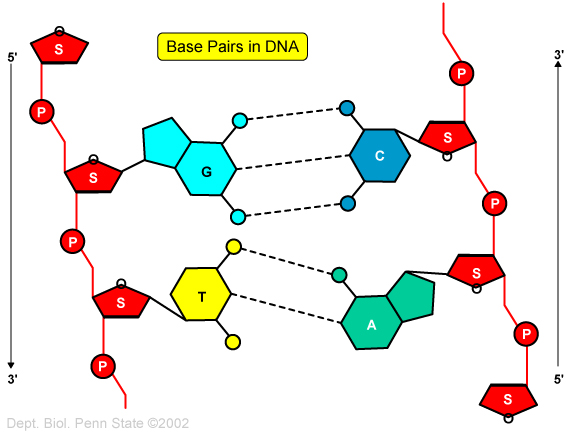
What is pictured?
nucleotide
transcription
translation
replication

