
 Worksheets
Year 12 Nutrition Intro
Total questions: 21
Worksheet time: 13mins
Which of the following is NOT a factor analyzed when comparing nutrients?
Nutritional value
Nutrient density
Glycaemic index
Energy balance
Which type of oils and spreads does the Eatwell Guide recommend using?
Saturated oils
Unsaturated oils
Hydrogenated oils
Trans fats
Which of the following is one of the 8 healthy eating guidelines?
Eat lots of fruit and vegetables
Avoid all carbohydrates
Consume more sugary drinks
Skip breakfast to reduce calorie intake
Which of the following is a consequence of undernutrition?
Weight gain
Type 2 diabetes
Weakness
Heart disease
What percentage of the body's energy expenditure is typically accounted for by the Basal Metabolic Rate (BMR)?
15%
70%
10%
5%
What is the estimated average requirement (EAR) of energy in calories for a female adult?
1,500 kilocalories
2,000 kilocalories
2,500 kilocalories
3,000 kilocalories
What does the energy balance relationship dictate?
Whether weight is lost, gained, or remains the same.
The amount of food a person should eat daily.
The types of exercises required for weight loss.
The amount of water intake needed for energy.
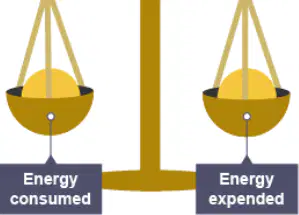
What happens when energy input equals energy output?
Weight remains the same.
Weight gain occurs.
Weight loss occurs.
Energy levels decrease.
What are some possible consequences of an energy imbalance?
Increased energy levels and improved focus
Tiredness and lack of energy
Enhanced metabolism and weight stability
Improved physical fitness and reduced risk of diabetes
What is a possible health condition associated with being overweight due to energy imbalance?
Type 1 diabetes
Type 2 diabetes
Hypertension
Osteoporosis
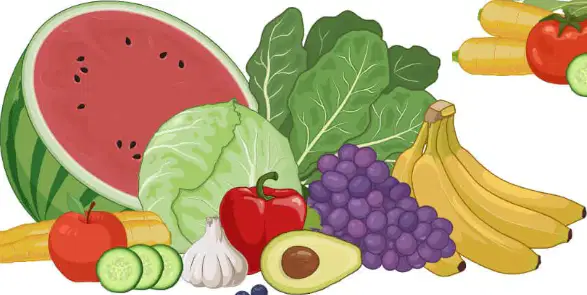
What are the natural chemical substances found in food called?
Food additives
Phytochemicals
Preservatives
Artificial flavors
Which of the following is NOT a type of phytochemical?
Carotenoids
Phytosterols
Polyphenols
Proteins
What is one of the benefits of phytochemicals?
They increase blood cholesterol levels
They help regulate blood pressure
They weaken the immune system
They cause inflammation
Biological value is a measure of how much a nutrient in a food is used by the body, after it has been digested and absorbed from the small intestine. Which nutrient does it usually refer to?
(a)
Name a nutrient dense food.
Name an energy dense food.
Select two nutrients which are complementary to eachother
Protein
B vitamins, B1, B3 and B6
Carbohydrates
Fats
Select two nutrients which are complementary to eachother
Vitamin K
Vitamin C
Iron
Calcium
Too much (a) can interfere with how much calcium and iron are absorbed in the small intestine
Give one reason why the quantity of a nutrient may vary in different samples of the same type of food
How well do you understand the classification of nutrients?
I fully understand
I kind of get it
I have no idea

