
 Worksheets
PATHFIT 1 FINAL EXAM
Total questions: 50
Worksheet time: 8mins
What is the difference between health and skill-related components of fitness?
Health-related is the efficiency of the body, and skills related is the performance in PA
Health-related is to do with muscles.
Skills related is only to do with sport.
Health-related is to do with movement, and skill-related is a sport.
What is an example of a skill related test? What is an example of a skill related test?
Skinfold test
Sit and reach test
Handgrip test
Beep test
What is the best way to describe agility?
To dodge something or someone.
To move quickly
The ability to rapidly and accurately change the direction of the whole body
To change direction
What skill allows someone to perform a task smoothly and correctly?
Balance
Reaction Time
Agility
Coordination
What is an example of someone using power?
Long-Jump
Dancing
Sprinting
A cross country run
Why does a quick reaction time help in sports and physical activity?
It makes you a better player.
You can gain an advantage by timing things better.
You can beat everyone.
Perform better at fast-paced sports.
Speed can apply to:
Legs
Body
All aspects of the body and mind
Arms
Balance can be used a lot in what sports? Which of the following is the best answer?
Golf, lawn bowls
Ballet, shot put
Basketball, gymnastics
Gymnastics, yoga
Do different skills affect each other?
Yes, because the better range of skills an individual has, the better the performance.
No, performers only need to have one skill to be really good.
Yes, because some of the skills can increase the benefits of other skills.
No.
What are better health-related or skill-related components of fitness?
Skill related
Both skill and health-related
Health-related
Neither choices are very good.
Which system controls voluntary and involuntary actions?
Circulatory system
Nervous system
Respiratory system
Digestive system
The heart belongs to which system?
Respiratory system
Circulatory system
Endocrine system
Digestive system
Which system breaks down food into nutrients?
Nervous system
Digestive system
Muscular system
Urinary system
Which organ filters blood and produces urine?
Lungs
Kidney
Liver
Pancreas
Which system helps fight diseases and infections?
Endocrine system
Lymphatic/Immune system
Muscular system
Skeletal system
What is the largest organ in the human body?
Liver
Skin
Brain
Heart
Which system produces hormones that regulate growth and development?
Nervous system
Endocrine system
Digestive system
Muscular system
Which bones protect the brain?
Rib cage
Skull
Spine
Pelvis
What is the main organ of the circulatory system?
Lungs
Heart
Liver
Stomach
Which type of muscle is voluntary?
Smooth muscle
Skeletal muscle
Cardiac muscle
None of the above
Which organ helps detoxify harmful substances in the blood?
Heart
Liver
Kidney
Lungs
The diaphragm plays a key role in which process?
Digestion
Breathing
Circulation
Hormone production
The small intestine is mainly responsible for:
Producing bile
Absorbing nutrients
Storing waste
Filtering blood
Which system is responsible for transporting oxygen and nutrients throughout the body?
Respiratory system
Circulatory system
Nervous system
Digestive system
Which organ is part of the respiratory system?
Stomach
Lungs
Heart
Kidney
What is the main function of the skeletal system?
Pump blood
Support and protect the body
Send electrical signals
Break down food
Which body system produces hormones that regulate growth and metabolism?
Nervous system
Endocrine system
Muscular system
Excretory system
The kidneys are part of which system?
Digestive system
Urinary system
Circulatory system
Respiratory system
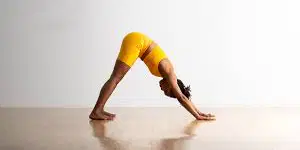
IDENTIFY WHAT TYPE OF YOGA POSE IN THE PHOTO?
DOWNWARD FACING DOG
CAT COW POSE
HALASANA
STANDING FORWARD BEND WITH SHOULDER OPENER

IDENTIFY WHAT TYPE OF YOGA POSE IN THE PHOTO?
BIRD DOG POSE
HALASANA
CAT COW POSE
DOWNWARD FACING DOG
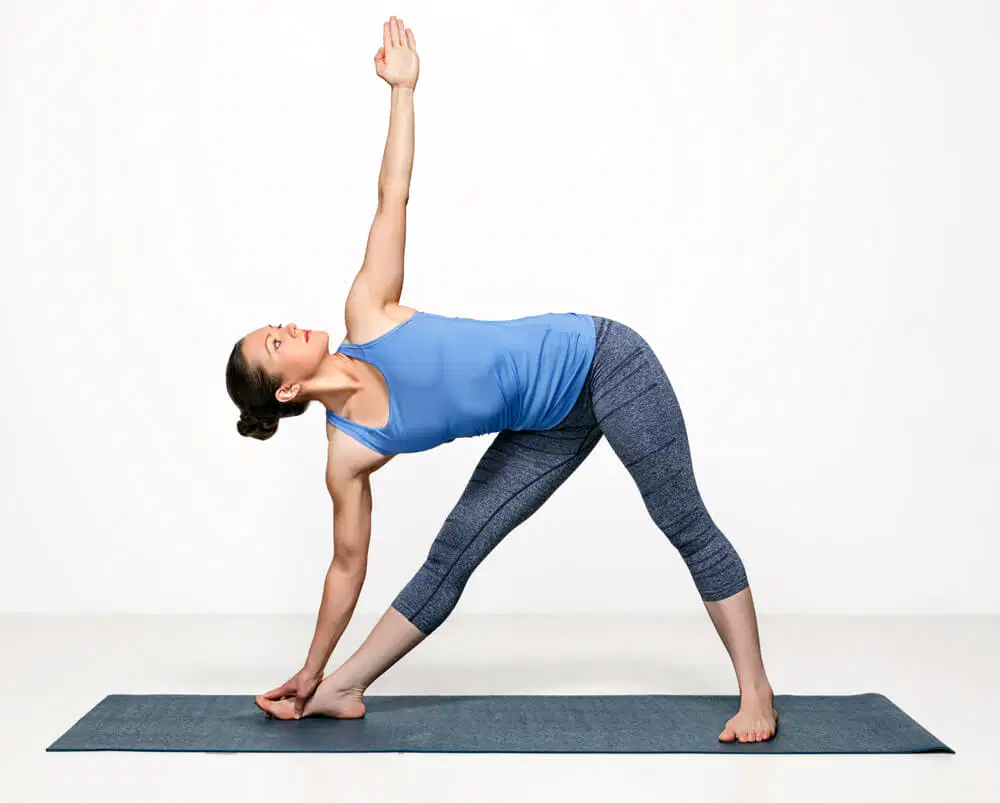
IDENTIFY WHAT TYPE OF YOGA POSE IN THE PHOTO?
TRIANGLE POSE
HALF PIGEON
HIGH COBRA POSE
FULL PLANK
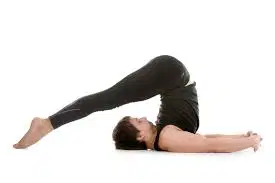
IDENTIFY WHAT TYPE OF YOGA POSE IN THE PHOTO?
HALASANA
CAT COW POSE
DOWNWARD FACING DOG
BIRD DOG POSE
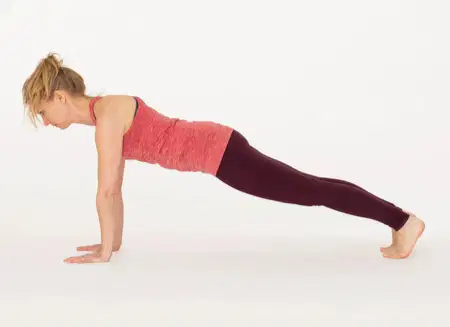
IDENTIFY WHAT TYPE OF YOGA POSE IN THE PHOTO?
FULL PLANK
HIGH COBRA POSE
HALF PIGEON
TRIANGLE POSE
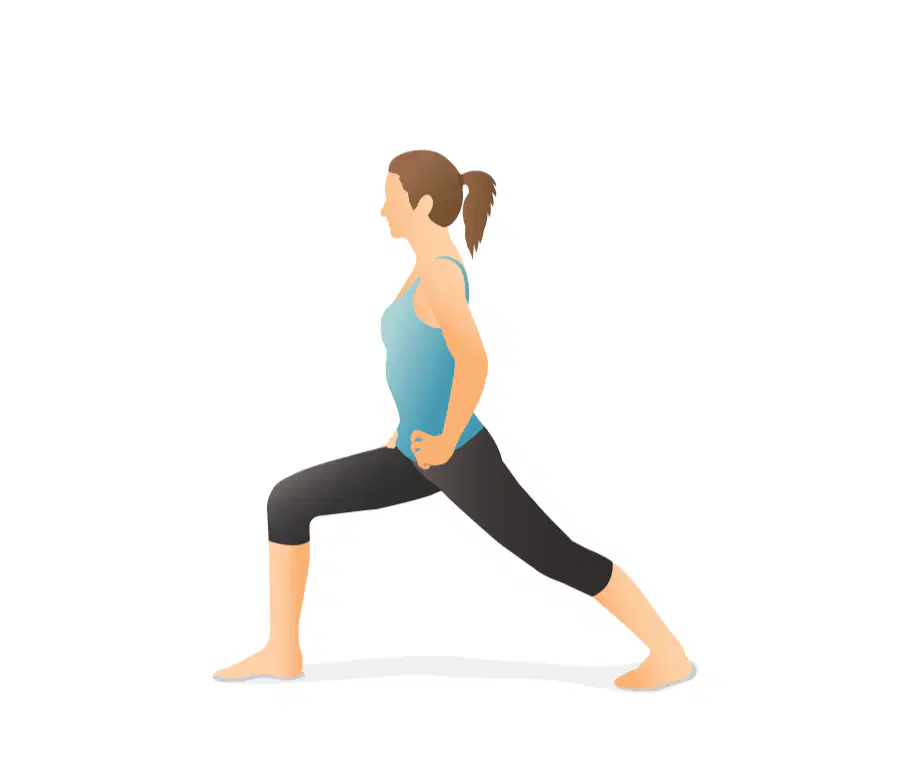
IDENTIFY WHAT TYPE OF YOGA POSE IN THE PHOTO?
WARRIOR 1 WITH HANDS ON HIPS
CRESCENT MOON
WIDE LEG BEND 3
HALASANA
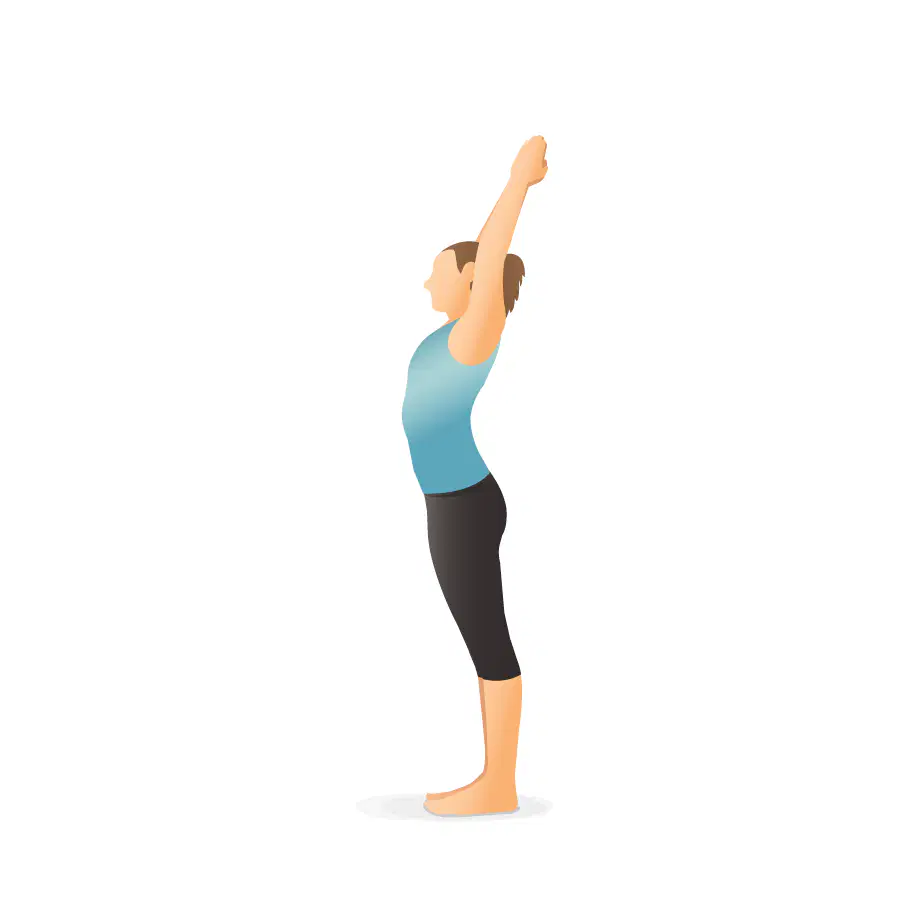
IDENTIFY WHAT TYPE OF YOGA POSE IN THE PHOTO?
CRESCENT MOON
MOUNTAIN WITH ARMS UP AND BACKBEND
TRIANGLE
PLANK

IDENTIFY WHAT TYPE OF YOGA POSE IN THE PHOTO?
MOUNTAIN WITH ARMS UP AND BACKBEND
PLANK
CRESCENT MOON
TRIANGLE
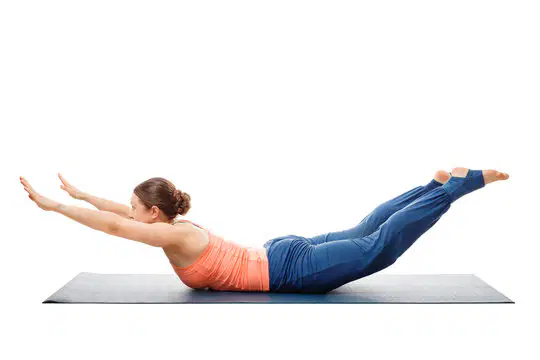
IDENTIFY WHAT TYPE OF YOGA POSE IN THE PHOTO?
LOCUST POSE
BRIDGE POSE
HALFPIGEON
HALASANA

IDENTIFY WHAT TYPE OF YOGA POSE IN THE PHOTO?
HALASANA
WIDE LEG BENDBACK
STANDING FORWARD BEND WITH SHOULDER OPENER
STANDING POSITION BACKBEND
What does BMI stand for?
Body Mass Indicator
Body Measurement Index
Body Mass Index
Basic Metabolic Indicator
What is the formula for calculating BMI?
Weight (kg) ÷ Height (m)
Weight (kg) ÷ Height (m)²
Height (m) ÷ Weight (kg)²
Weight (lbs) × Height (in)
What is the BMI range for a person with a “normal” weight according to WHO?
Below 18.5
18.5 – 24.9
25 – 29.9
30 and above
Why is BMI commonly used in health assessment?
It directly measures body fat percentage.
It provides a simple estimate of weight status related to health risks.
It measures bone density.
It replaces all other health assessments.
Which of the following is NOT a health-related component of fitness?
Cardiovascular endurance
Muscular strength
Agility
Flexibility
What is the ability of the heart, lungs, and blood vessels to supply oxygen to the body during sustained physical activity?
Muscular strength
Cardiovascular endurance
Flexibility
Muscular endurance
The ability of a muscle or group of muscles to exert force against resistance is called:
Muscular strength
Muscular endurance
Power
Speed
The percentage of fat, bone, water, and muscle in the human body refers to:
Agility
Body composition
Coordination
Endurance
The ability to change direction quickly and accurately is known as:
Balance
Agility
Power
Speed
The ability to use senses and body parts together efficiently is called:
Reaction time
Coordination
Speed
Balance
Which component refers to the time it takes to respond to a stimulus?
Agility
Reaction time
Power
Balance
Which fitness component is most important for a gymnast to maintain control during routines?
Power
Balance
Flexibility
Speed

