
 Worksheets
Alethea Rafa Science Microorganism part 1
Total questions: 89
Worksheet time: 1hrs 15mins
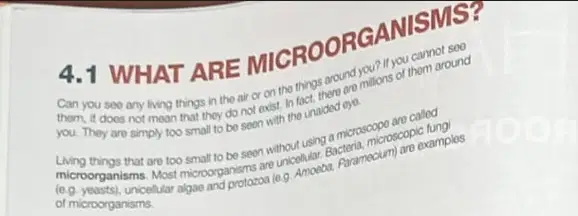
What are microorganisms?
A. Living things that can be seen without a microscope
B. Living things that are too small to be seen without a microscope
C. Dead things found in the air
D. Tiny dust particles
Where can microorganisms be found?
A. Only in dirty water
B. Only in the human body
C. Everywhere around us, even in the air
D. Only in food
Which of the following is an example of a microorganism?
A. Amoeba
B. Ant
C. Butterfly
D. Worm
Why can’t we see microorganisms with our naked eyes?
A. Because they are not alive
B. Because they move too fast
C. Because they are too small
D. Because they live underground
Match the microorganism to where it can be found!

On the human skin and in the intestines

On the human skin

In food, especially when it is left open

Which of the following microorganisms can be found in pond water?
A. Euglena and Amoeba
B. E. coli and Candida
C. Staphylococcus and Rotifer
D. Paramecium and Bacteria
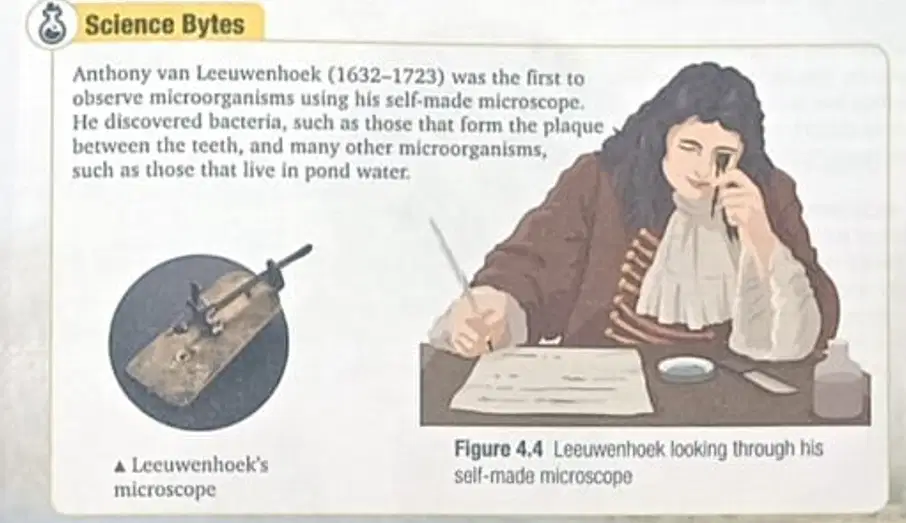
Who was Anthony van Leeuwenhoek?
C. The first person to invent the light bulb
A. The first person to discover planets using a telescope
D. The first person to study electricity
B. The first person to observe microorganisms using a microscope
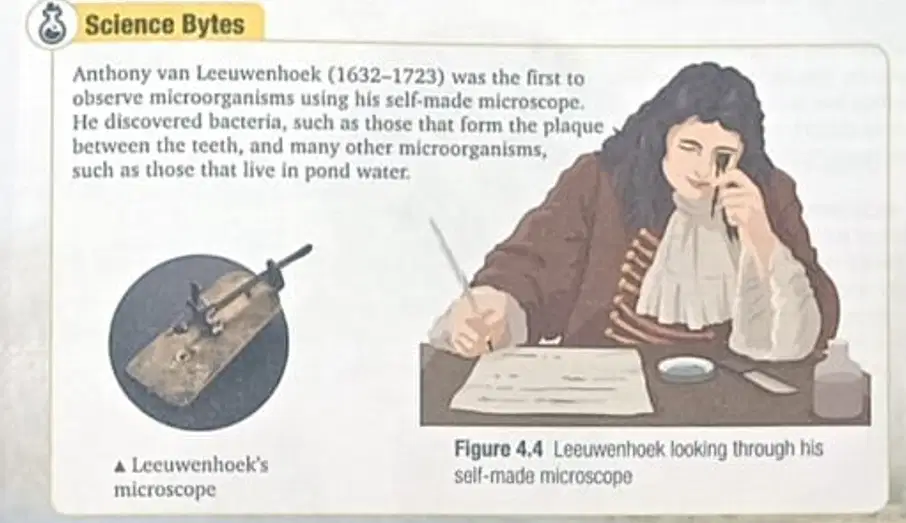
What did Leeuwenhoek discover?
A. Planets and stars
B. Teeth and bones
C. Bacteria and other microorganisms
D. Atoms and molecules
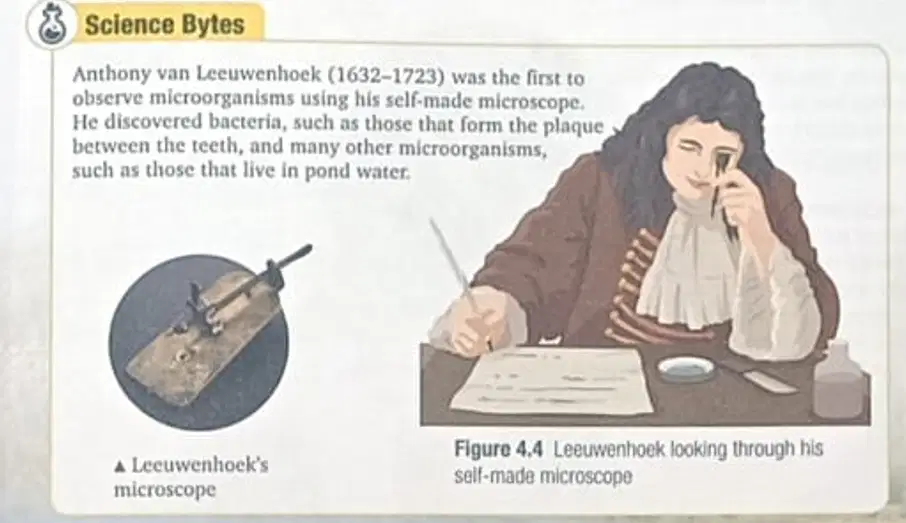
Where did Leeuwenhoek find microorganisms?
A. On leaves and flowers
B. Between teeth and in pond water
C. In the air only
D. On metal surfaces
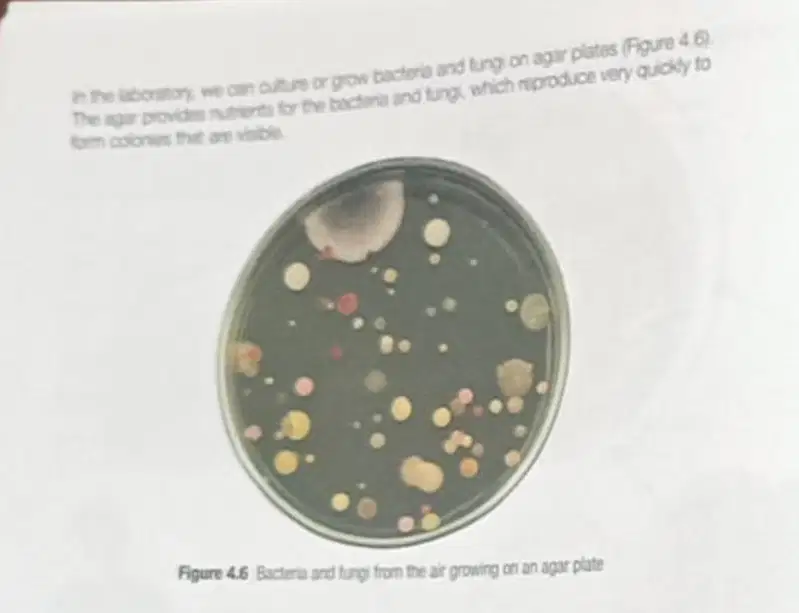
What is the purpose of using an agar plate in the laboratory?
A. To keep food fresh
B. To grow or culture bacteria and fungi
C. To clean bacteria from surfaces
D. To kill microorganisms
What does it mean to “culture bacteria”?
A. To look at bacteria under a microscope
B. To grow bacteria in a place with nutrients
C. To clean bacteria from our hands
D. To mix bacteria with water
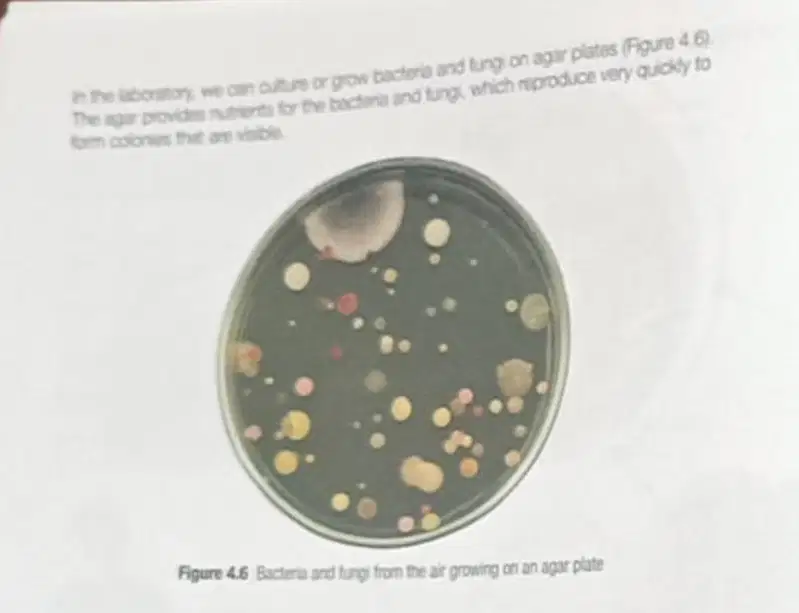
What does the agar in the plate provide for microorganisms?
A. Light and oxygen
B. Food and nutrients
C. Water and air
D. Soil and minerals
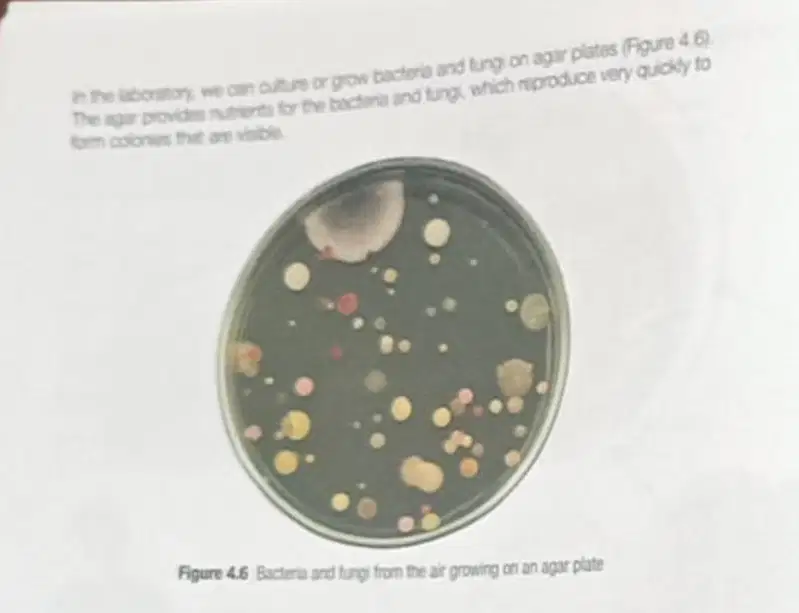
What happens when bacteria and fungi grow on an agar plate?
A. They disappear after one day.
B. They form colonies that can be seen
C. They stay invisible under the microscope
D. They die because there are no nutrients
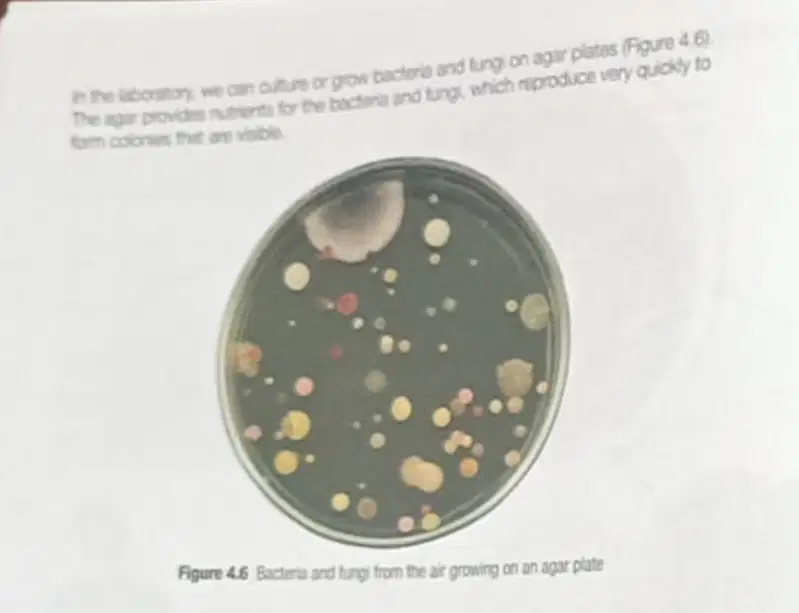
Where do the bacteria and fungi on the agar plate come from?
A. From the soil
B. From the air
C. From plants
D. From water
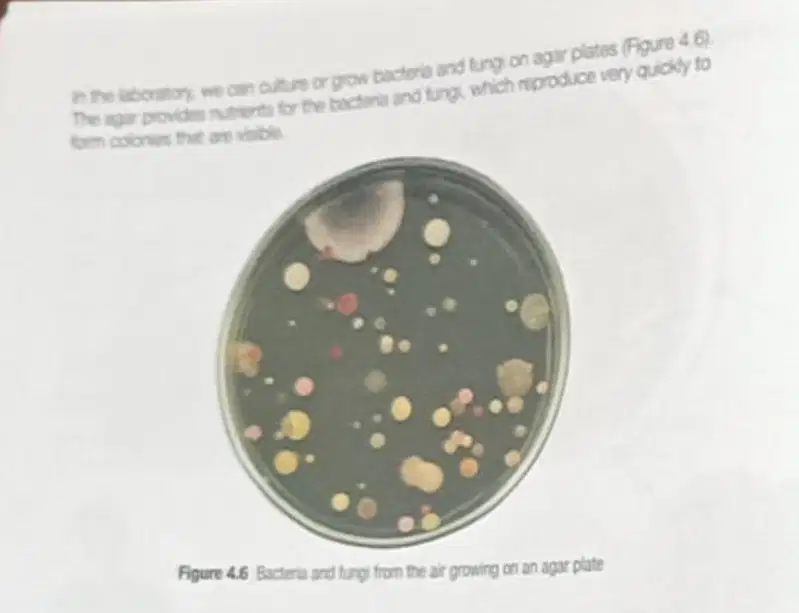
Why is it important to culture microorganisms in the lab?
A. To observe how they grow and reproduce
B. To make them disappear from the air
C. To create new types of food
D. To keep the laboratory clean
What is a bacterial colony?
A. A single large bacterium
B. A group of bacteria that grow from one cell
C. A type of fungus
D. A bacteria that can move
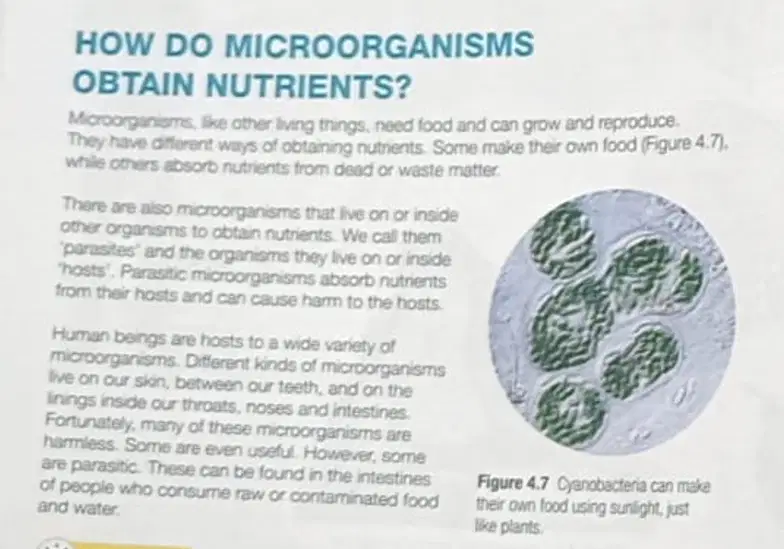
Why do microorganisms need nutrients?
A. To look colorful under the microscope
B. To grow and reproduce
C. To move faster
D. To hide from humans
How do microorganisms obtain their food?
A. By using sunlight or by living as parasites on other organisms
B. Only by eating other microorganisms
C. Only by using sunlight
D. By breathing air
What are microorganisms that live on or inside other organisms called?
A. Hosts
B. Parasites
C. Cyanobacteria
D. Producers
What do we call the organisms that parasites live on or inside?
A. Friends
B. Hosts
C. Plants
D. Producers
How do parasitic microorganisms get their nutrients?
A. By absorbing nutrients from their hosts
B. By using sunlight
C. By growing on dead matter
D. By producing their own food
Where can microorganisms be found in the human body?
A. Only on the skin
B. On the skin, in the mouth, throat, and intestines
C. Only in the stomach
D. Only in the hair
Are all microorganisms harmful to humans?
A. Yes, all of them
B. No, some are harmless and even useful
C. Only bacteria are harmful
D. Only fungi are useful
Microorganisms are living things that are too small to be seen without using a microscope.
True
False
Some examples are b (a) , y (b) , and a (c) .
Microorganisms only live in water and cannot be found in air or soil.
True
False
Microorganisms can be found almost everywhere — in the a (a) , water, and s (b) ; on living and (c) -living things; and inside (d) .
Some microorganisms (a) , some absorb nutrients from (b) or waste matter, while others absorb nutrients from (c) that they live in or on.
Organize these options into the right categories

Grapes
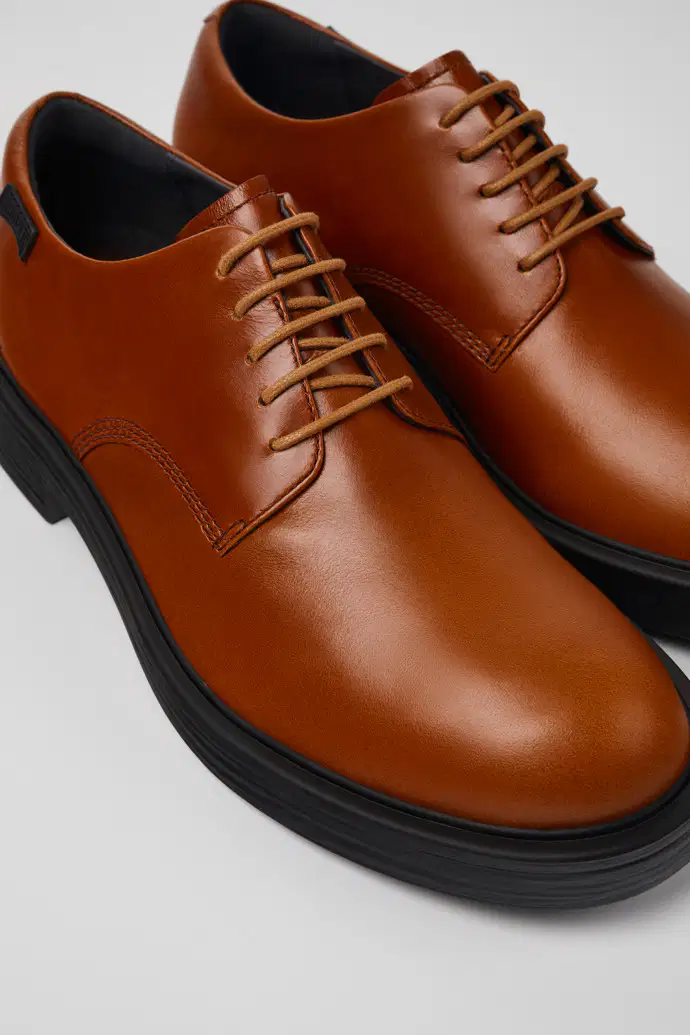
Leather shoes

Wooden spoon

Plastic bag

Ceramic cup

Steel pot
Organic matter (a) (b) (c) (d) (plants or animals).
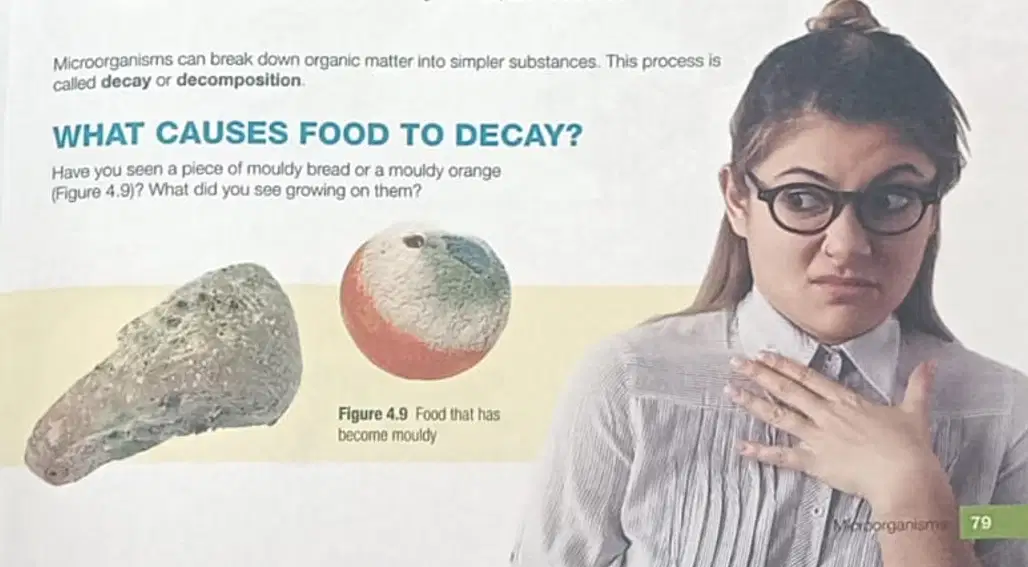
What do we call the process when microorganisms break down organic matter?
A. Combustion
B. Filtration
C. Decay or decomposition
D. Evaporation
What causes food such as bread or oranges to become mouldy?
A. Dust from the air
B. Microorganisms such as mould and bacteria
C. Too much sunlight
D. Freezing temperatures
What do moulds need to grow on food?
A. Light, warmth, and moisture
B. Darkness and dry air
C. Metal and plastic
D. Cold and sunlight
Why is it important to avoid eating mouldy food?
A. Because it tastes sweet
B. Because it can be poisonous or harmful
C. Because it turns blue
D. Because it becomes lighter
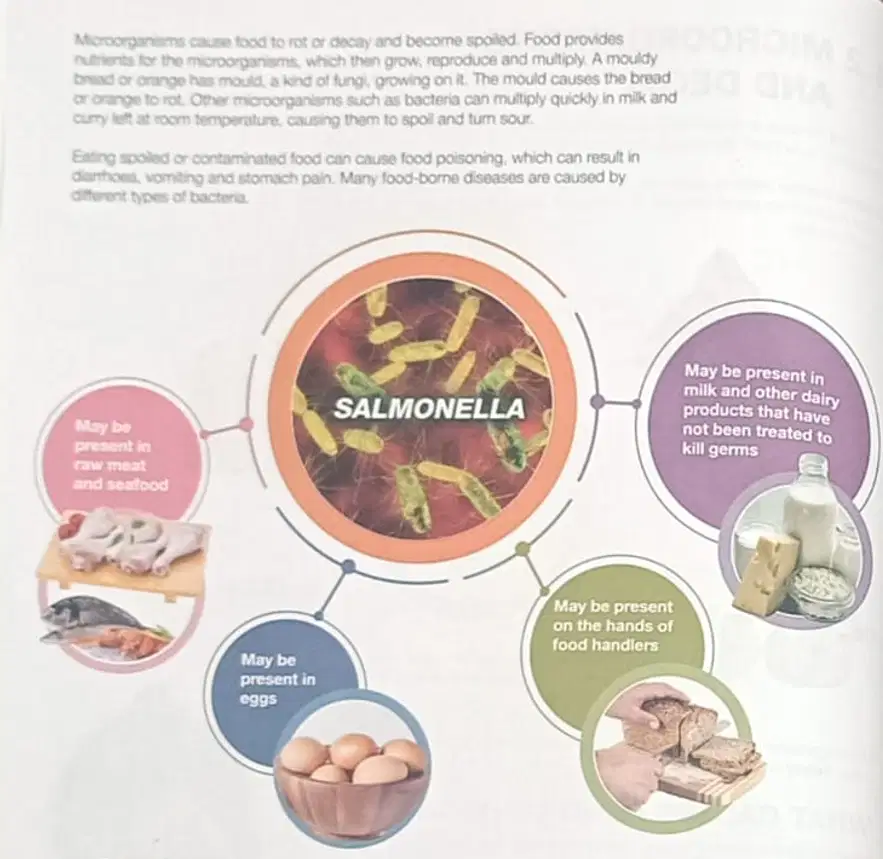
What happens when bacteria grow in milk or curry left at room temperature?
A. The food becomes tastier
B. The food spoils and turns sour
C. The food becomes cold
D. The food freezes
What can happen if someone eats spoiled or contaminated food?
A. They will get stronger
B. They may have diarrhoea and stomach pain
C. They will grow faster
D. Nothing happens
Eating spoiled food can cause food poisoning.
True
False
Which of the following foods may contain Salmonella?
A. Fresh fruits only
B. Cooked rice and noodles
C. Raw meat, seafood, and eggs
D. Bottled water
What can happen if someone eats food contaminated with Salmonella?
A. They will become stronger
B. They may have diarrhoea, vomiting, or stomach pain
C. They will get more energy
D. Nothing will happen
How can food handlers spread Salmonella?
A. By washing hands before cooking
B. By not washing hands properly
C. By wearing gloves
D. By cooking food well
In what kind of conditions do most microorganisms grow fastest?
A. Cold and dry
B. Warm and moist
C. Hot and dry
D. Cold and wet
Why do microorganisms need oxygen?
A. To move quickly
B. To carry out respiration
C. To make food
D. To stay dry
How can we slow down the growth of microorganisms in food?
A. Keep food in a warm and wet place
B. Store food in cool and dry places
C. Leave food outside in the sun
D. Add water to the food
Microorganisms grow best in cold and dry conditions.
True
False
To reduce food spoilage, we should keep food in warm places.
True
False
What are decomposers?
A. Animals that eat plants
B. Microorganisms that break down dead and waste matter
C. Machines that crush garbage
D. Fungi that live in fresh food
What happens to nutrients after decomposition?
A. They disappear
B. They are absorbed by plants through their roots
C. They turn into metal
D. They become rocks
What is the importance of decomposition?
A. It recycles nutrients for plants to use again
B. It causes pollution
C. It wastes energy
D. It kills microorganisms
Bacteria and slime moulds are examples of decomposers.
True
False
What gases are released into the environment during decomposition?
A. Oxygen and nitrogen
B. Carbon dioxide and water vapour
C. Helium and hydrogen
D. Methane and oxygen
Without decomposers, nutrients in soil would eventually run out.
True
False
. Why is decomposition important for the Earth?
A. It prevents dead material from building up
B. It causes pollution
C. It wastes nutrients
D. It stops plants from growing
Microorganisms can cause organic matter to break down into simpler substances. This is called (a) y or (b) tion.
Microorganisms can cause food decay and spoilage. This can be reduced by storing food in (a) places with (b) or no (c) .
Decomposers, such as bacteria and fungi, can (a) down (b) and waste (c) into (d) substances.
Decomposers help to (a) nutrients and ensure that dead and waste matter (b) (c) up on the Earth’s (d) .

Bread is made using bacteria.
True
False

Yoghurt is made using bacteria.
True
False
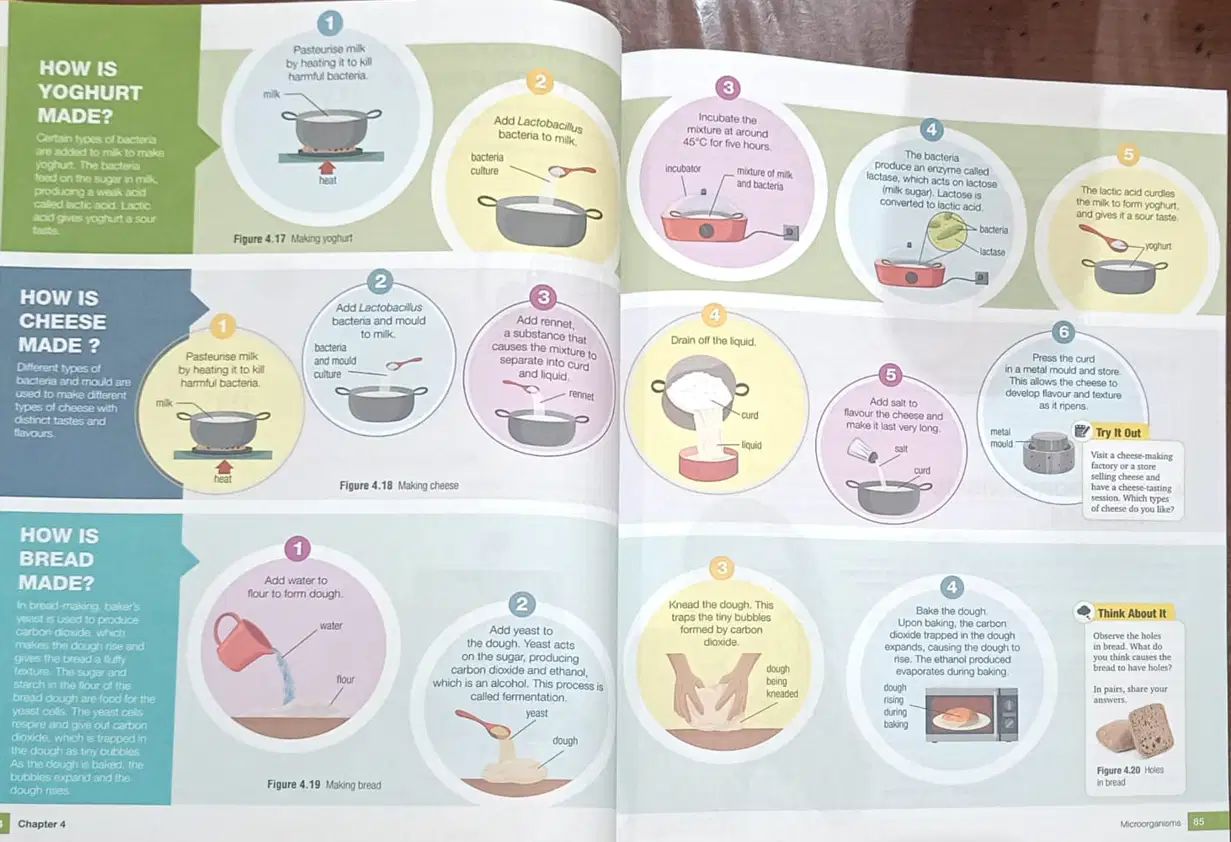
Tempeh is made using fungi.
True
False
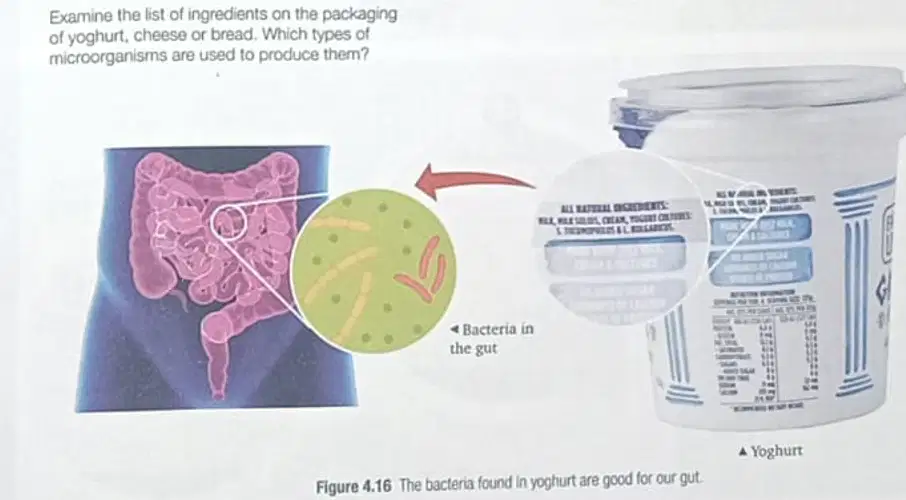
What is the function of the bacteria found in yoghurt?
a. They make yoghurt taste sweet.
b. They cause food poisoning.
c. They are good for our digestion.
d. They make the milk turn blue.
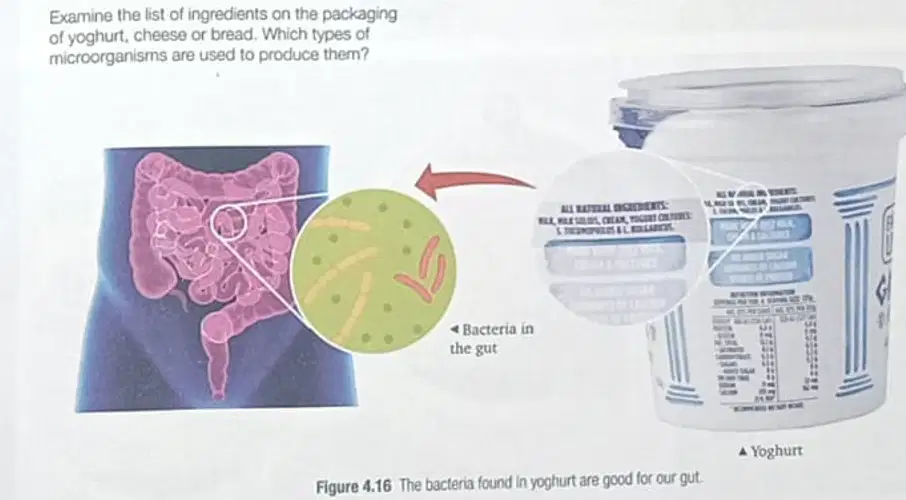
Where can the bacteria from yoghurt live in the human body?
a. In the lungs
b. In the intestines
c. In the skin
d. In the mouth

What temperature is used to incubate yoghurt during production?
a. 25°C
b. 37°C
c. 45°C
d. 60°C

What gas is produced by yeast in bread dough?
a. Oxygen
b. Carbon dioxide
c. Nitrogen
d. Hydrogen
Why is milk pasteurized before making yoghurt or cheese?
a. To make it thicker
b. To kill harmful bacteria
c. To add sugar
d. To change its colour
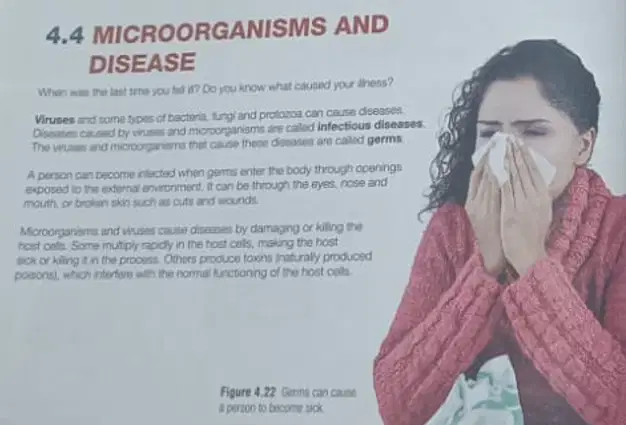
Which of the following diseases is caused by a virus?
a. Typhoid
b. Tuberculosis
c. Influenza
d. Cholera
AIDS (Acquired Immune Deficiency Syndrome) is caused by which virus?
a. Dengue virus
b. HIV
c. Influenza virus
d. Herpes virus
Which of the following is NOT caused by a virus?
a. Measles
b. Chickenpox
c. Ringworm
d. Rubella
1. What are microorganisms? Give three examples.
✅ Answer:
Microorganisms are (a) living things that can (b) (c) using a (d) .
Examples: bacteria, (e) (yeast or mould), and amoeba.
2a. What is decay or decomposition?
✅ Answer:
Decay or decomposition is (a) where microorganisms (b) down dead or (c) matter into (d) (e) .
2b. Write down two types of decomposers.
✅ Answer:
Two types of decomposers are b (a) and f (b) .
2c. Explain the importance of decomposers.
✅ Answer:
Decomposers are important because they r (a) n (b) and p (c) dead materials from (d) up on the Earth’s (e) .
Which type of microorganism is used for making the following food?
Bacteria - Lactobacillus
a. Yoghurt
Fungi (mould)
Cheese
Yeast
Bread
Correct these statements
a. Mosquitoes are germs.
❌ Incorrect.
✅ Correct: Mosquitoes are (a) germs; they are (b) .
b. Viruses are microorganisms.
❌ Incorrect.
✅ Correct: Viruses (a) microorganism.
Because they can only reproduce by i (b) or (c) over the (d) of living organism.
c. Microorganisms are harmful to us.
❌ Incorrect.
✅ Correct: (a) microorganisms are harmful, but many are (b) .
Antibiotics can be used to cure the common cold and flu.
❌ Incorrect.
✅ Correct: Antibiotics (a) cure the common cold or flu because these illnesses are caused by v (b) , not bacteria.
🧠 Explanation: Antibiotics only kill (c) not viruses.
Only humans get diseases. Plants and animals do not get diseases.
❌ Incorrect.
✅ Correct: Plants and animals (a) also get diseases caused by microorganisms.
🧠 Explanation: Microorganisms infect many living things, including (b) , a (c) , and h (d) .
Microorganisms can be found only on non-living things, or in the air, soil, and water.
❌ Incorrect.
✅ Correct: Microorganisms (a) (b) (c) everywhere — on living and non-living things, in air, soil, and water.
🧠 Explanation: They exist almost (d) , even inside the (e) body.
What are infectious diseases?
Infectious diseases are diseases that are ca (a) by m (b) and c (c) from o (d) .
Organize these options into the right categories

Athlete’s foot
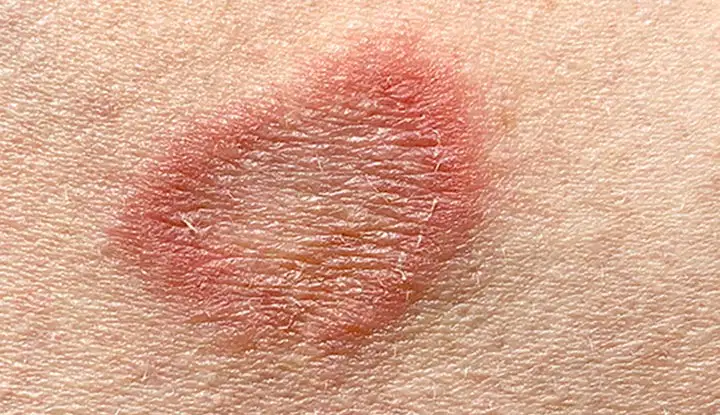
Ringworm

Gum disease
Cholera
Typhoid fever
Tuberculosis
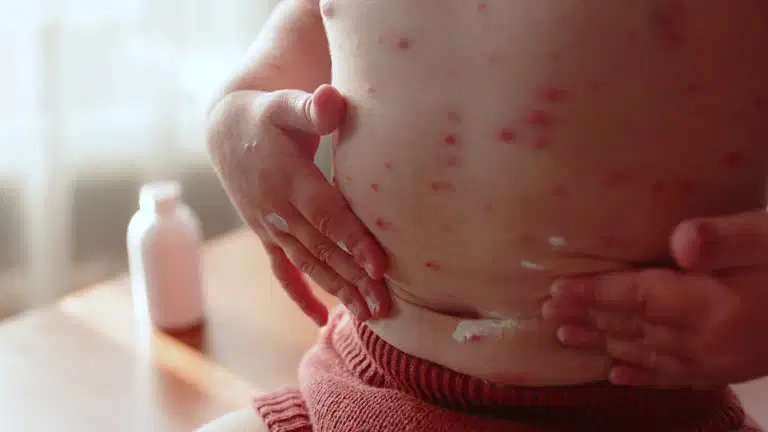
Chicken pox
Influenza

Dengue fever
Write down one way to achieve the following
6a. Prevent infectious diseases
W (a) h (b) regularly with so (c) .
Write down one way to cure infectious diseases
Use med (a) such as ant (b) or va (c)
Louis Pasteur helped develop the germ theory.
7a. What is the germ theory?
The germ theory states that ma (a) are ca (b) m (c) .
7b. How does the development of the germ theory help us treat and prevent diseases?
Jawaban:
It helps us know that m (a) s, so we can kill them by he (b) ke (c) , and use va (d) .
Which of the following statements about microorganisms is true?
Bacteria are the only microorganisms.
All microorganisms are not able to make their own food.
All diseases are caused by microorganisms.
Microorganisms can be found on living and non-living things.
Which carcass is most likely to decay the fastest?
The carcass of a bird in a tropical rainforest
The carcass of a mammoth buried deep in the snow in Siberia
The carcass of a lizard in the hot and dry Sahara desert
The carcass of a squirrel in a cool and dry temperate forest
Which of the following are used in making yoghurt?
Bread mould
Lactobacillus bacteria
Penicillium
Yeasts
Which of the following types of medicine can be used to prevent infectious diseases?
Antibiotics
Antiviral medicine
Painkillers
Vaccines
Influenza is a disease which can be cured by ___________.
antibiotics
antiviral medicine
painkiller
flu vaccine

