
Font size
 Worksheets
Revision g6 trimester 1
Total questions: 175
Worksheet time: 3hrs 27mins


Which of the following is a chemical property?
burning
texture
volume

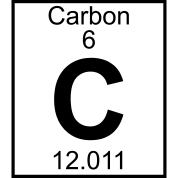
a collection of atoms of one type that cannot be broken down into simpler substances by ordinary chemical or physical means
element
subatomic particle
electron
matter
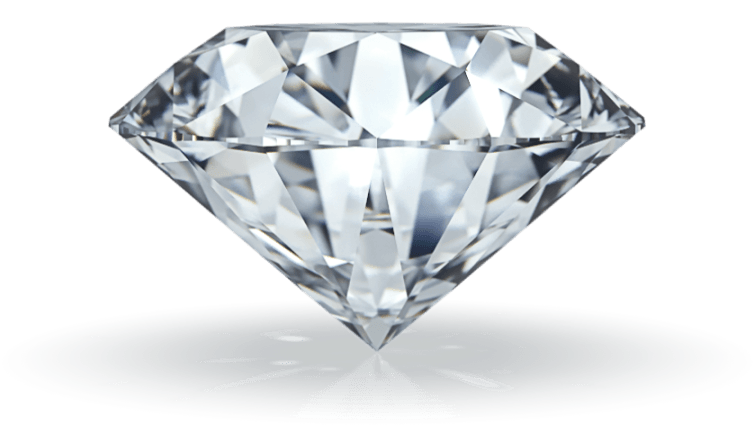
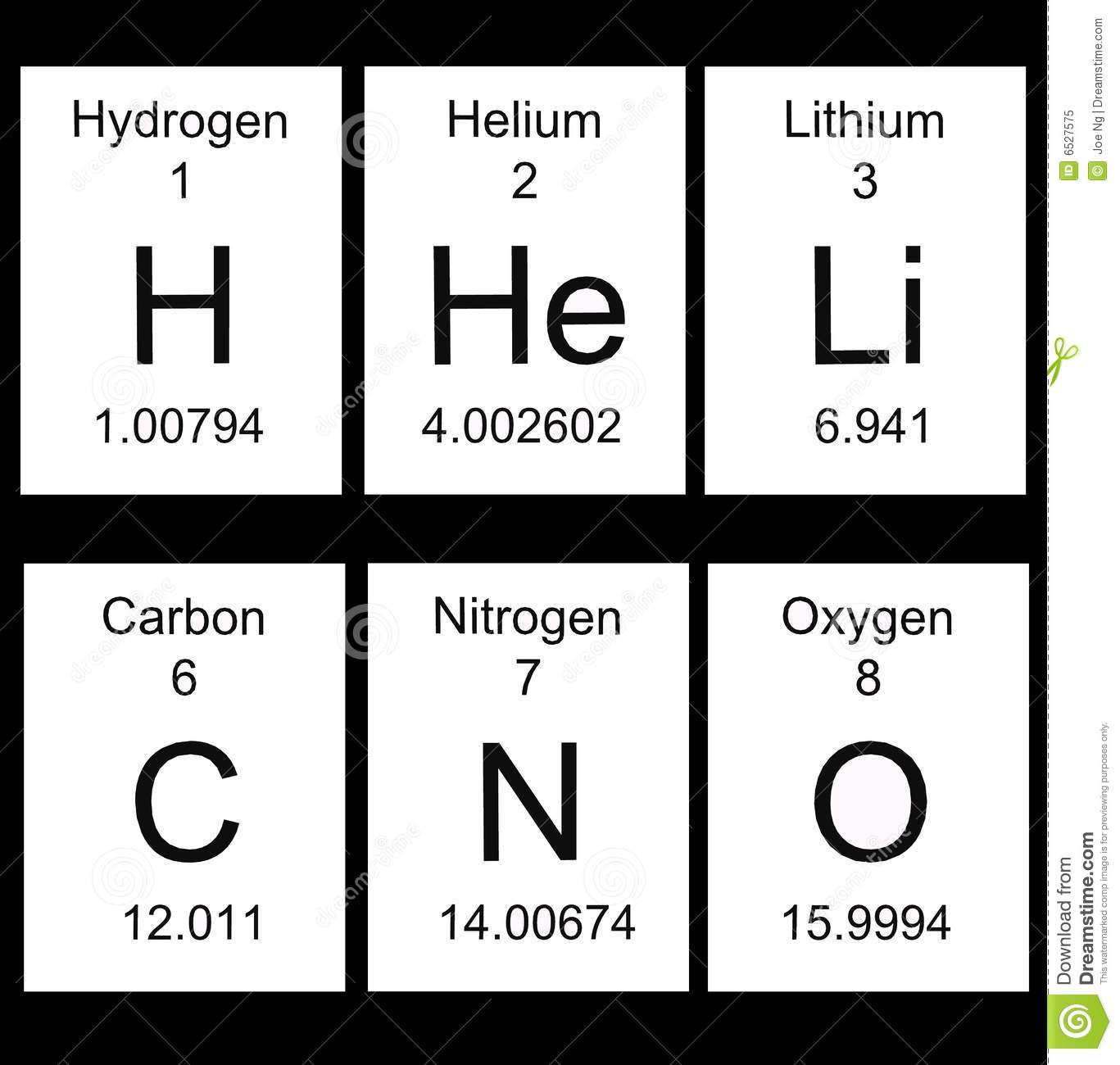
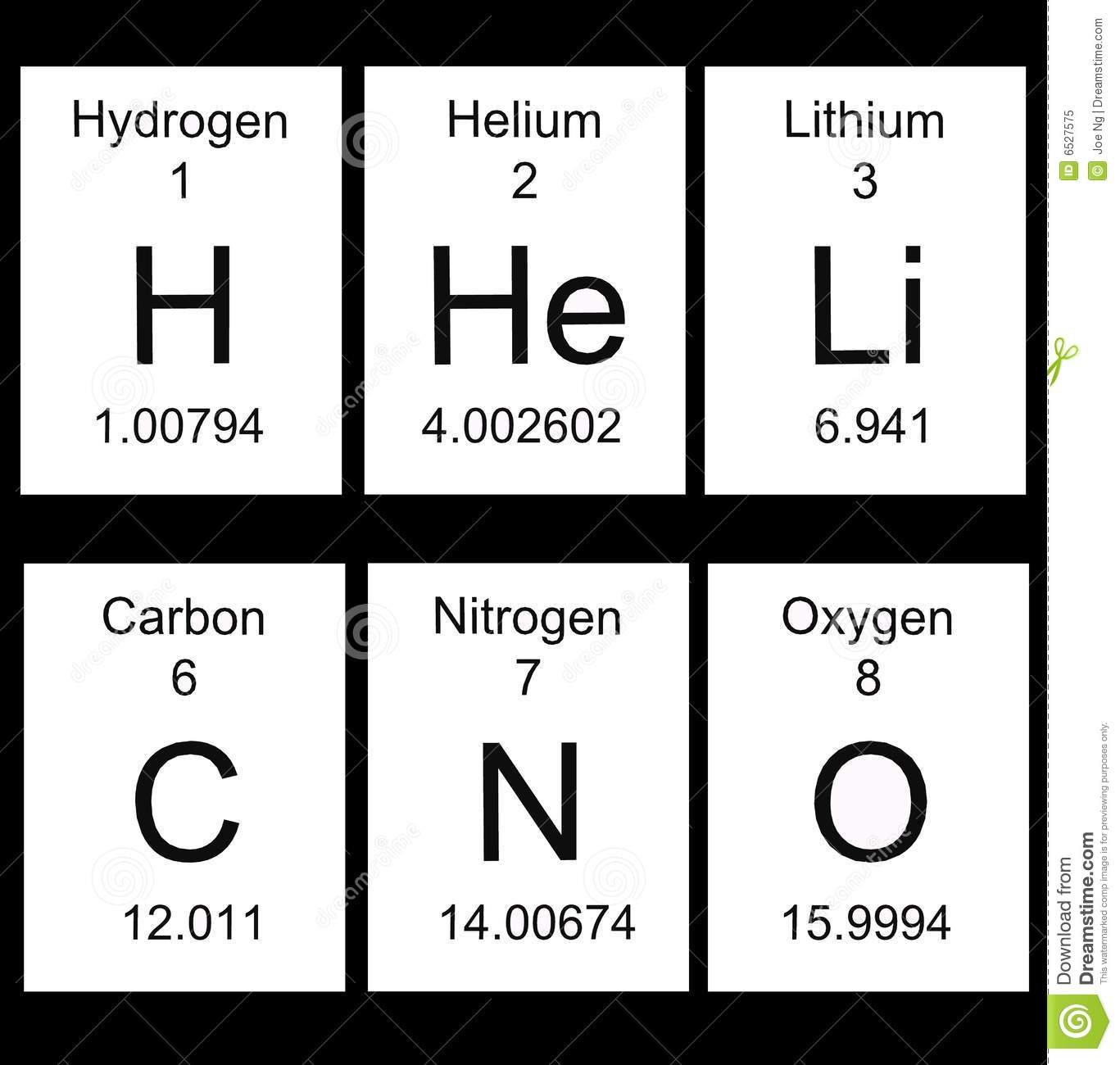
__________ are the building blocks of all matter.
solids
gases
atoms
nutrients
What is solubility?
The mass per unit volume of a substance
The amount of space a sample of matter occupies
The amount of matter in an object
The ability of one material to dissolve in another
What is mass?
The mass per unit volume of a substance
The amount of space a sample of matter occupies
The amount of matter in an object
The ability of one material to dissolve in another
_________ is a state of matter with a definite shape and volume.
A solid
A liquid
A gas
___________ is a state of matter with a definite volume but not a definite shape.
A solid
A liquid
A gas
__________ is a state of matter without a definite shape or volume.
A solid
A liquid
A gas

What state are the particles are shown in the image?
Solid
Liquid
Gas

What state are the particles are shown in the image?
Solid
Liquid
Gas

What state are the particles are shown in the image?
Solid
Liquid
Gas
when a liquid reaches it _______point it changes from liquid to gas
boiling
melting
when salt dissolves in water it shows the property of
solubility
mass
Which of the following is an example of a compound?
Oxygen (O 2 )
Carbon dioxide (CO 2 )
Nitrogen (N 2 )
Helium (He)
Which technique would you use to separate a mixture of sand and iron filings?
Filtration
Evaporation
Magnetic separation
Distillation
Which of the following is an example of a homogeneous mixture?
Sand and water
Oil and water
Salt dissolved in water
A salad


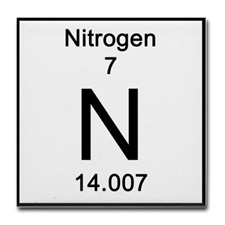
What is the number of protons that the element in this image contain?
14
7
15
18

How many neutrons does Sodium (Na) have?
11
23
12
22.98977

How many electrons does Potassium (K) have?
19
39
20
58

__________ are negatively charged particles that are in the orbitals around the nucleus.
protons
nucleus
neutrons
electrons

An electron has a _________ charge
positive
neutral
negative
massive

A proton has a ___________ charge.
positive
negative
neutral
massive.
What is at the center of every atom?
nuclear
nucleus
electron
molecule
What are the 3 parts of an atom?
Electron, Neutron, Photon
Neutron, Photon, Election
Electron, Neutron, Proton
Proton, Neutron, Election
A molecule that is made of different atoms is called a __________________.
Element
Compound
A molecule that is made of all the same atoms is called a ______________________.
Element
Compound
Which of the following can not be found on the periodic table?
Carbon
Hydrogen
Oxygen
Water
There are _________ unique elements arranged in the Periodic Table.
181
81
118
100
Transition from a liquid to a gas
Condensation
Freezing
Evaporation
Melting

Based on this photo, when liquid turning to gas is which of the following down below?
Consensation
Freezing
Evaporation
Melting


Freezing
Melting
Condensation
Sad day for Ms. P
Gas to solid
Deposition
Freezing
Sublimation
Vaporization
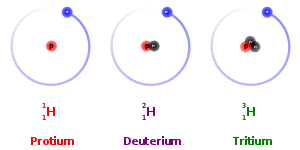
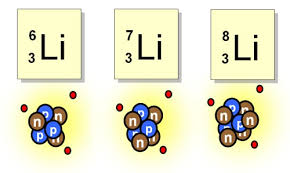
How do isotopes of the same element differ?
Different number of protons
Different number of electrons
Different number of neutrons
Different atomic numbers
How many atoms are in this formula? H2O
2
3
5
1
How many elements are in this molecule? C6H12O6
3
24
12
18

What is the picture displaying?
An element
An atom
A compound
A nucleus
Which of these is a compound?
Iron
Potassium
Salt
Calcium
How many atoms are in this formula? CaCO3
5
4
3
9
Which of the following is not a compound?
NaCl
CO2
Cl2
HCl

Which of these is only a molecule and not a compound?
a
b
c
d
Which of the following best describes a mixture?
A pure substance
A combination of different molecules
A single element
A single compound
What is a solvent?
A substance that dissolves when placed in a solvent.
A substance able to dissolve other substances.
A mixture of solute and solvent.
A solid substance.
What is a solute?
A substance able to dissolve other substances.
A mixture of solute and solvent.
A substance that dissolves when placed in a solvent.
A liquid substance.
Which of these is an element?
Salt (NaCl)
Water (H20)
Oxygen (O)
Carbon Dioxide (CO2)
Which of these is a compound?
Aluminium (Al)
Carbon Dioxide (CO2)
Nitrogen (N)
Sand
Air is:
An element
A compound
A mixture
None of these
Which of the following is classified as a pure substance?
Lemonade
Fruit punch
ketchup
Helium
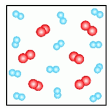


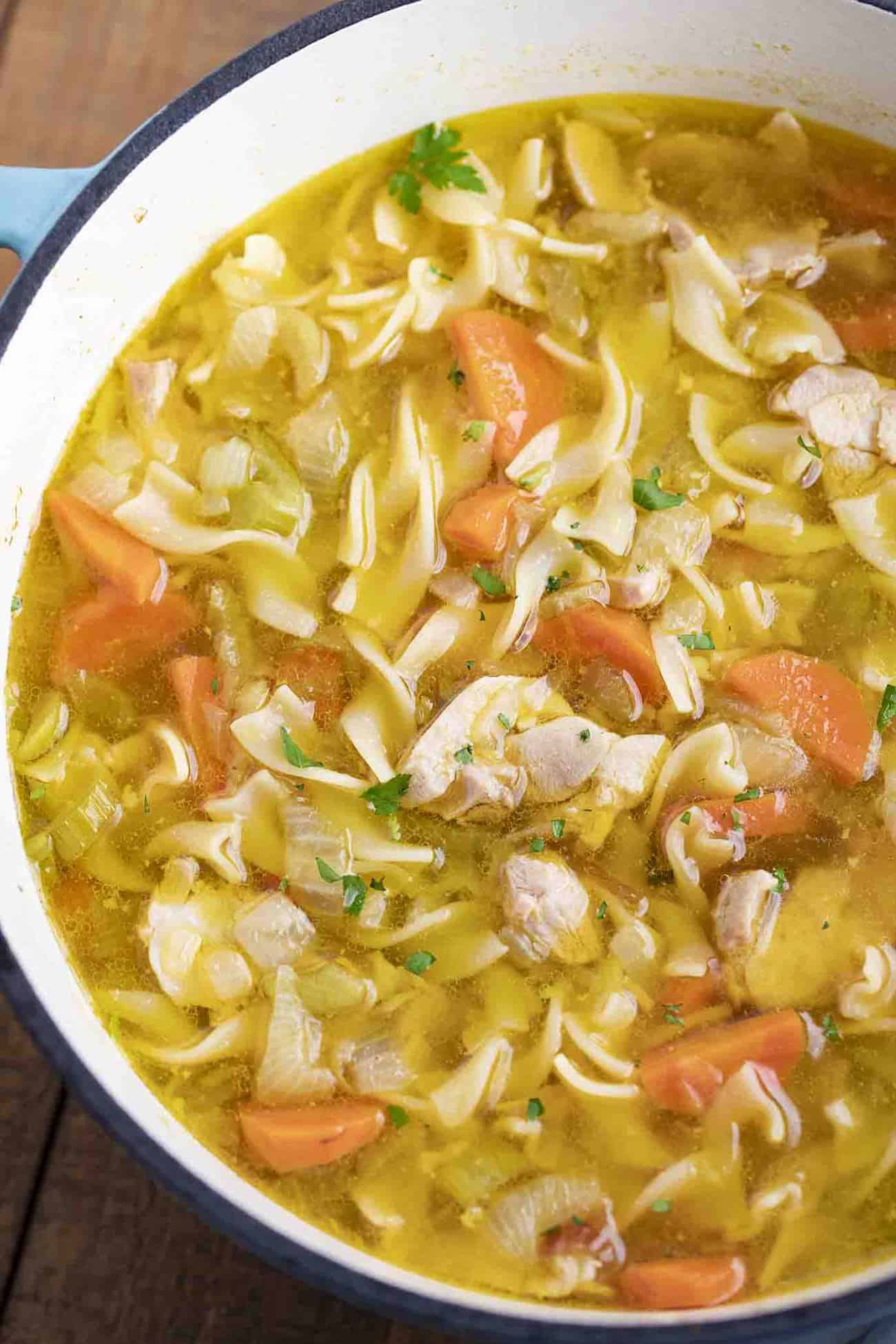
Chicken noodle soup
Homogeneous mixture
Heterogeneous mixture
A combination of substances that can be physically separated from one another
mixtures
compound
element
molecule
A substance that can be dissolved by a solvent to create a solution.
solvent
solute
solution
mixture
The ability of a substance to be dissolved in a liquid
dissolvent
solubility
combustion
disappearing
Substances that dissolve are
Substances that don't dissolve are
A property describes how an object looks, feels, or acts. All properties of matter are classified as either _______ or chemical.
A) physical
B) solid
C) liquid
D) gaseous
What is the quality of an object or substance with respect to the reflection of light called?
Size
Volume
Color
Density
Which of the following is an example of an intensive property?
Mass
Volume
Density
Length
An extensive property is one that depends on the amount of matter. Which of the following is an extensive property?
A) Density
B) Temperature
C) Mass
D) Color
Which of the following is an example of a chemical change?
Melting ice
Burning a log
Dissolving sugar in water
Breaking a glass
When a sliced apple turns brown, it is an example of a change in ____.
Texture
Color
Shape
Size
What are properties that do depend on the amount of matter present called?
Mass
Hardness
Extensive
Intensive
Name an extensive property
Color
Mass
Odor
Luster
Name an extensive property
Harness
Boiling point
Density
Weight
Freezing point is an example of
extensive property
intensive property
Surface area is an
Extensive property
Intensive Property
Which of the following is not an extensive property?
volume
mass
temperature
length
What is the definition of intensive property?
Properties that vary depending on the amount of matter
Properties that do not change with amount of matter
Why are intensive properties used to characterize matter?
They do not change with the amount of matter
They vary with the amount of matter
They are more pronounced than extensive properties
None of these are correct


What is the freezing temperature of the material?
0oC
100oC
-25oC
225oC

What is the boiling temperature of the material?
0oC
100oC
-25oC
225oC

At what TIME does the material enter the phase change from liquid to gas
~5min
~15 min
~25min
~35min

As time increases, what is happening to the motion of molecules in the material?
increasing
decreasing

In region B, identify the state(s) of matter
gas
liquid
solid

It is a technique in which an insoluble solid is separated from a liquid.
Filtration
Sieving
Decantation
Use of Magnets

It involves separating a mixture based on different sizes of components.
Decantation
Sieving
Use of Magnets
Filtration

It can be used to sort scrap metal from other materials.
magnets
giant electromagnet
magnetism
electromagnetic field

It is the water (liquid) that has been run through the filter.
sieve
funnel
filtrate
residue
A mixture is a combination of elements where no ___________ reaction takes place
physical
chemical
What kind of mixture is a combination of substances that has uniform composition and appearance?
colloid
heteregenous
homogeneous
suspension
Which is an example of a solution?


Which is a solute in a mixture of salt and water?
water
salt

Identify the method used in separating the following substances?
Filtration
Mechanical Separation
Flotation

Identify the method used in separating the following substances?
Decantation
Centrifugation
Distillation

Identify the method used in separating the following substances?
Evaporation
Decantation
Fractional Distillation
The component colors of a leaf would be separated by:
Chromotography
Mechanical Separation
Floatation
Fractional Distillation
This method uses filter paper to separate insoluble solids from the liquid in a mixture.
distillation
decantation
evaporation
filtration
This method is used to separate a solid particle from a liquid solution by letting the liquid component evaporate.
filtration
evaporation
decantation
paper chromatography
This is used to separate substances that are attracted to magnets.
distillation
evaporation
magnetic attraction
paper chromatography
This is used to separate liquids with different boiling points.
distillation
evaporation
decantation
paper chromatography
This is used to separate colored chemicals or substances.
magnetic attraction
distillation
paper chromatography
filtration

This picture shows the process/technique of..
magnetic attraction
decantation
evaporation
distillation

The picture shows the ____________ technique in separating mixtures.
distillation
decantation
paper chromatography
magnetic attraction
How many groups and periods are there in the periodic table?
Groups= 18
Period= 5
Group= 7
Period= 18
Group= 18
Period= 7
Group=1
Period= 2

How many neutrons are there in Neon?
10
20
15
40

Which period is Potassium in?
4
6
3
What is the 1st element
Helium (He)
Hydrogen (H)
Lithium (Li)
Beryllium (Be)
What is the symbol for Calcium
C
Ca
Cal
Calc
What is the symbol for gold
G
Go
A
Au
"Be" is the symbol of:
Berylium
Berylleum
Beryllium
Baryllium
Isotopes of an element have a different number of...
Protons
Neutrons
Electrons
Mass
How many VALENCE ELECTRONS does Nitrogen have?
7
5
2
What electric charge do protons have?
positive
neutral
negative
Protons are found in the nucleus, or center of the atom.
True
False
What electric charge do neutrons have?
positive
neutral
negative
An atom that has gained or lost electrons in an attempt to become stable/bond with another atom.
Normal/Neutral Atom
Ion
Isotope

The vertical (up and down) columns in the Periodic Table are called
groups
towers
periods
atomic numbers


