
NEW
Font size
S
M
L
XL
 Worksheets
assessment: periodic table and trends
Total questions: 55
Worksheet time: 48mins
Name
Class
Date
1.
Electronegativity is...
a)
how good an atom is at attracting electrons
b)
the ability of an atom to lose electrons
c)
the energy required to remove an electron from a specific atom
d)
how easy it is to make friends.
2.
The atom with the largest atomic radius in Group 18 is -
a)
Ar
b)
He
c)
Kr
d)
Rn
3.
Atomic radius generally increases as we move __________.
a)
down a group and from right to left across a period
b)
up a group and from left to right across a period
c)
down a group and from left to right across a period
d)
up a group and from right to left across a period
4.
The minimum energy required to remove an electron from the ground state of an atom
a)
electron configuration
b)
energy levels
c)
ionization energy
d)
ionic bond
5.
What term is used to describe "an atom's tendency to attract electrons to itself when is is chemically combined with another element"
a)
electronation
b)
electron affinity
c)
electronegativity
d)
electrolysis
6.
The Modern Periodic Table of Elements is arranged by
a)
atomic mass
b)
atomic number
c)
valence electrons
d)
number of isotopes
7.
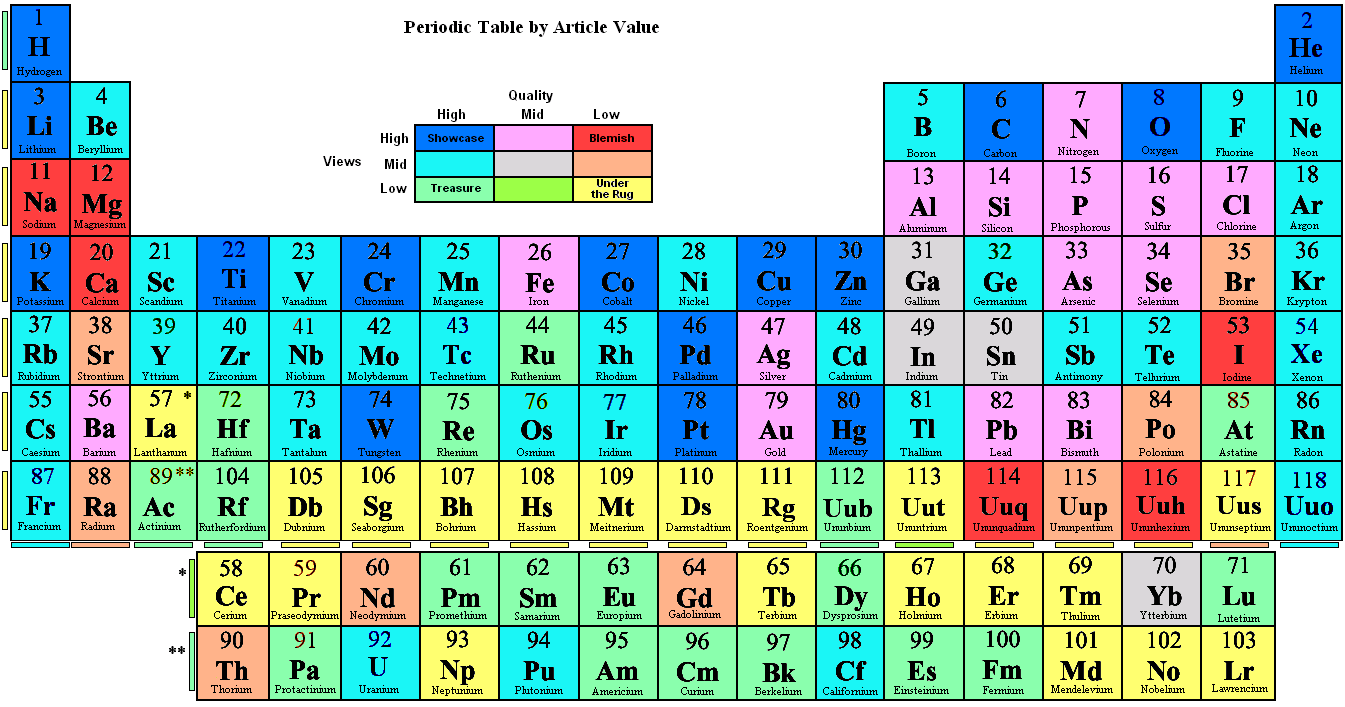
Sodium (Na) is found in period
a)
3
b)
2
c)
4
d)
1
8.
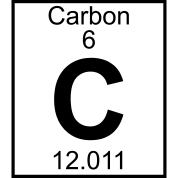
What does the 6 represent?
a)
atomic mass
b)
atomic number
c)
element name
d)
chemical symbol
9.
What does 12.011 represent?
a)
atomic mass
b)
atomic number
c)
element name
d)
chemical symbol
10.
The atomic number tells you what? READ THE ANSWERS CAREFULLY
a)
only the number of electrons
b)
only the number of protons
c)
only the number of neutrons
d)
the number of both electrons and protons in an atom.
11.
These are found on the Periodic Table.
a)
Compounds
b)
Elements
c)
Mixtures
12.
All matter is made of .....
a)
energy
b)
atoms
c)
air
d)
chemistry
13.

Which is an electron?
a)
A
b)
B
c)
C
14.

Which is a neutron?
a)
A
b)
B
c)
C
15.

Which item on this element square represents the atomic number?
a)
13
b)
Al
c)
Aluminum
d)
26.981538
16.

What is the number of protons that the element in this image contain?
a)
14
b)
7
c)
15
d)
18
17.
What are subatomic particles?
a)
the nucleus
b)
electron cloud
c)
positive charge
d)
electrons, protons, and neutrons
18.
An atom of the element with atomic number 6 always has _____.
a)
six protons in its nucleus
b)
an atomic mass of six
c)
more than six neutrons
d)
six electron clouds
19.
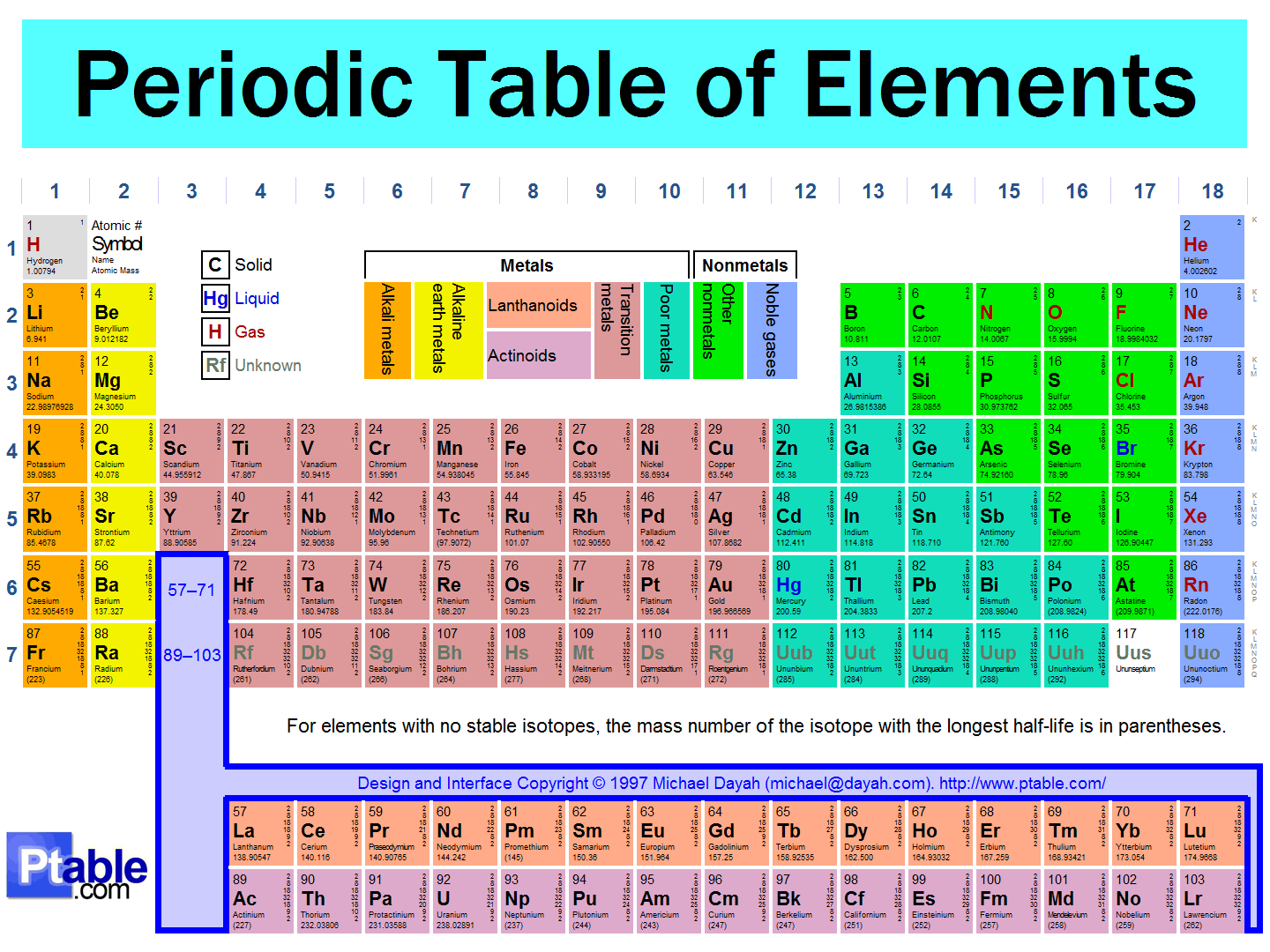
The horizontal row on the periodic table is called a
a)
group
b)
family
c)
period
d)
atomic number
20.
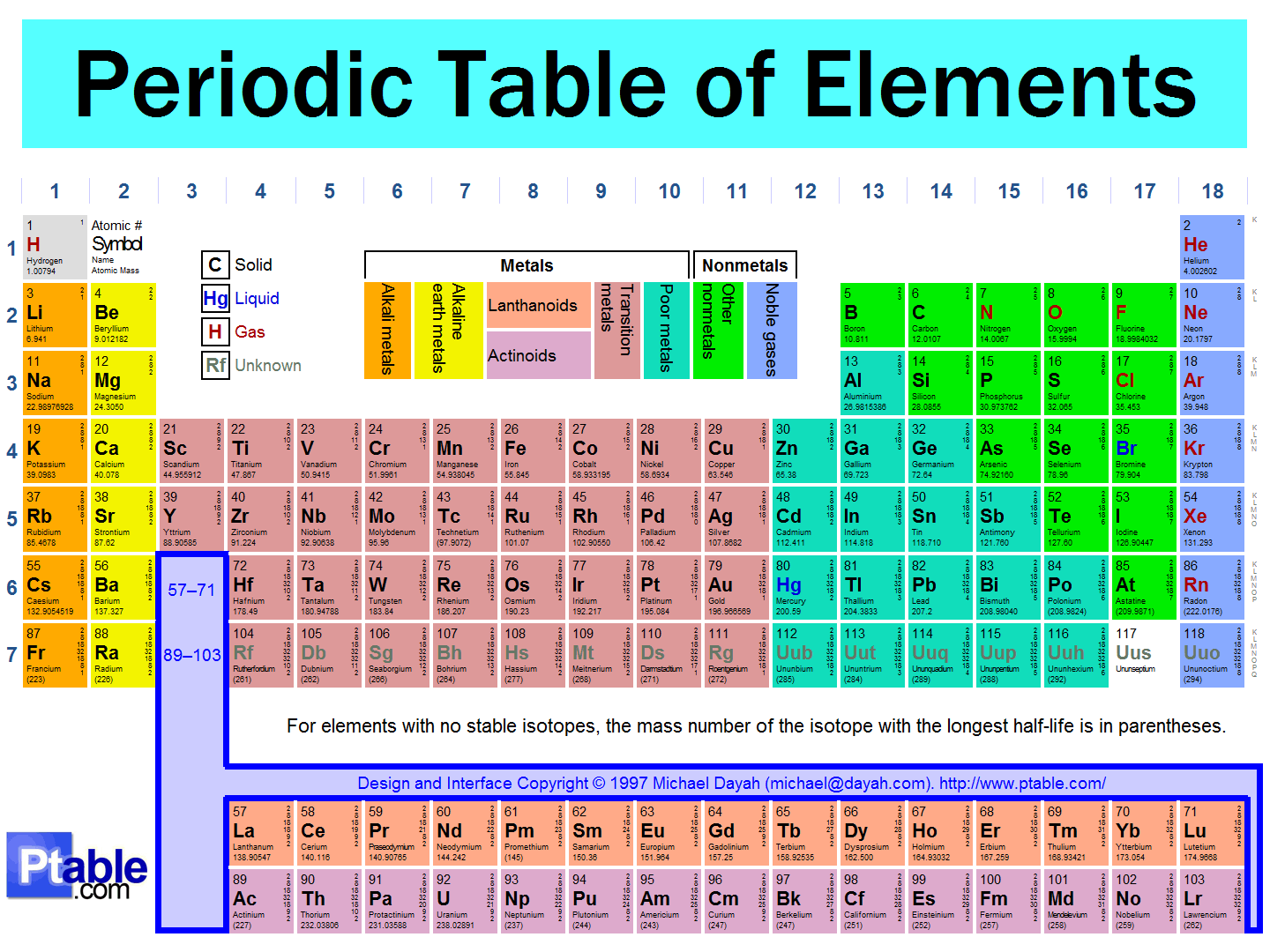
A vertical column is called...
a)
group
b)
tower
c)
period
d)
crew
21.
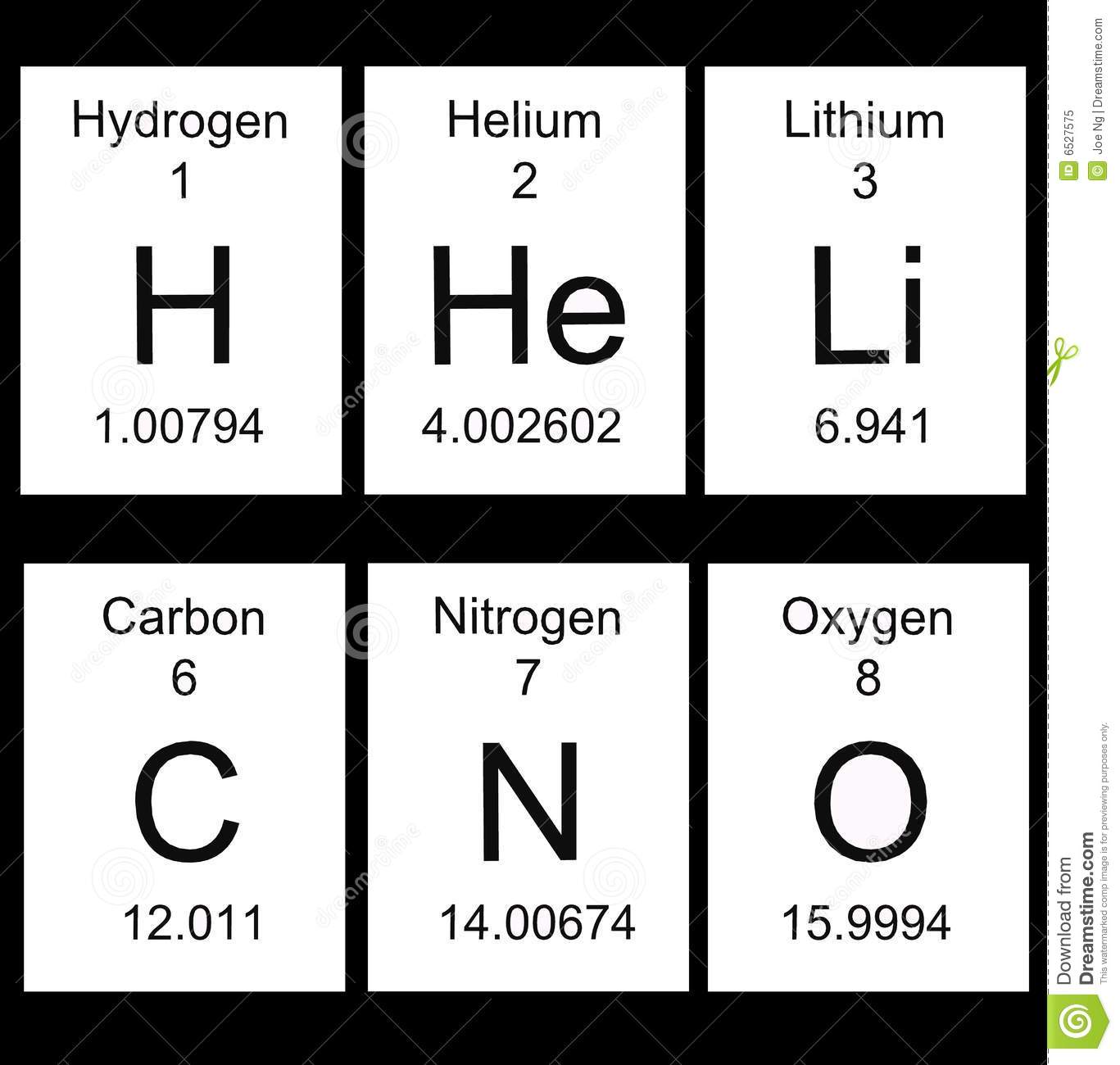
The number at the bottom of each square on the periodic table is the ...
a)
atomic number
b)
atomic mass
c)
chemical symbol
d)
element name
22.
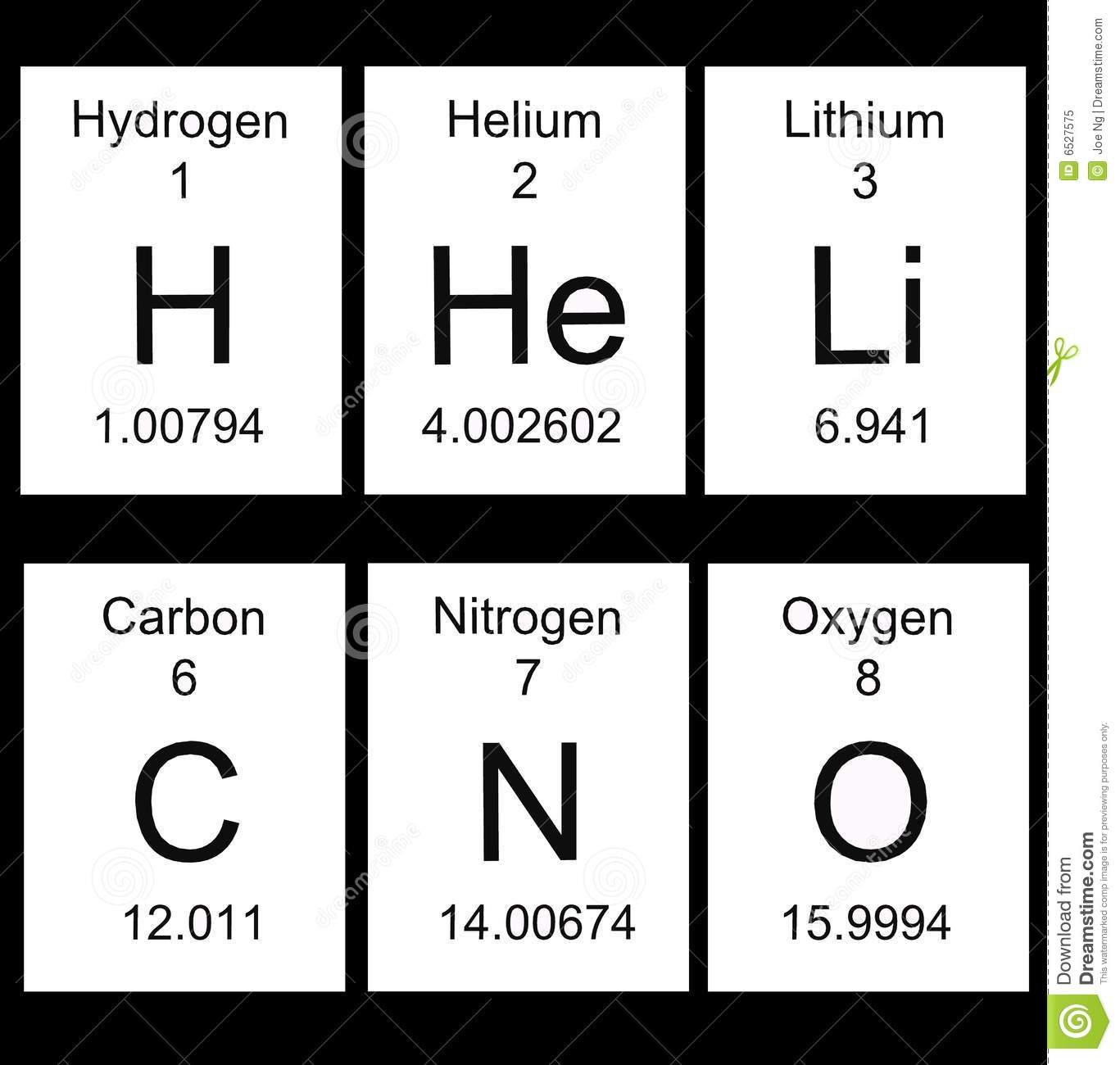
The number at the top of each square on the periodic table is the ...
a)
atomic number
b)
atomic mass
c)
Chemical Symbol
d)
Element Name
23.
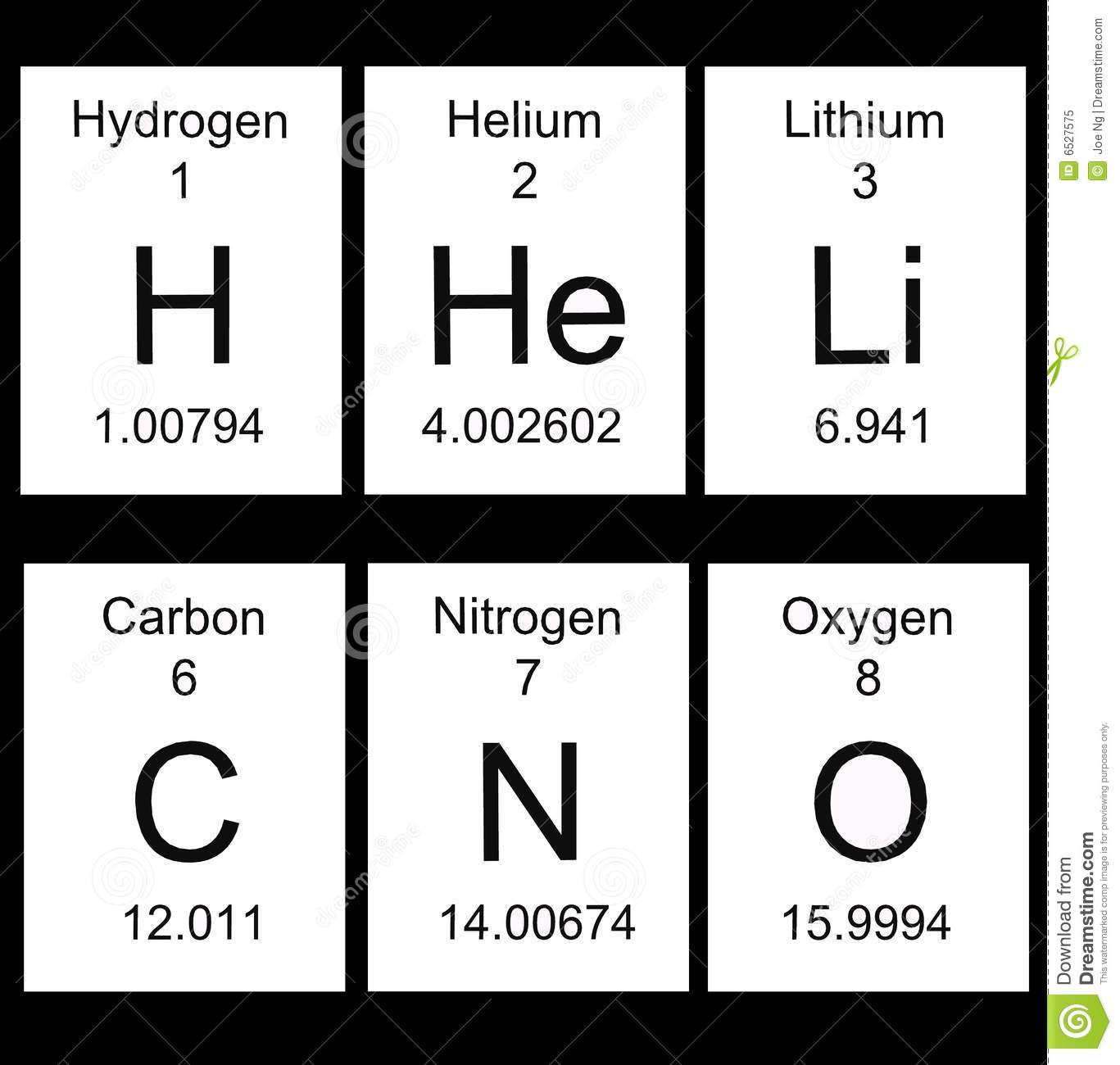
What is the chemical symbol for Lithium?
a)
H
b)
He
c)
Li
d)
N
24.

Most of the elements on the periodic table are classified as _____.
a)
Metals
b)
Nonmetals
c)
Metalloids
d)
Periods
25.
The atomic number tells you what?
a)
number of electrons
b)
number of protons
c)
number of neutrons
d)
both electrons and protons in an atom.
26.
Which has the greater electronegativity:
Cl or Al?
a)
Cl
b)
Al
27.
Which has the greater electronegativity?
N or C?
a)
C
b)
N
28.
Which has the greater electronegativity:
H or F?
a)
H
b)
F
29.
Which of the following will have a larger radius than Zn?
a)
Ga
b)
Al
c)
Mg
d)
Sr
30.
Which of the following will have a lower ionization energy than Scandium (Sc)?
a)
Helium (He)
b)
Titanium (Ti)
c)
Calcium (Ca)
d)
Magnesium (Mg)
31.
Which atom has the largest atomic radius?
a)
K
b)
Rb
c)
Fr
d)
Cs
32.
Valence electrons are:
a)
Electrons farthest away from the nucleus
b)
Electrons closest to the nucleus
c)
Electrons that just come and go - they don't stay with the atom
33.

Cations are...
a)
Positive
b)
Negative
c)
Neutral
34.

Anions are...
a)
Positive
b)
Negative
c)
Neutral
35.
What is the charge of a sodium ion?
a)
+2
b)
+1
c)
-1
d)
-2
36.
Group 17 always has ions with a charge of
a)
+1
b)
+2
c)
-1
d)
-2
37.
What charge will an Oxygen ion have?
a)
+1
b)
-1
c)
+2
d)
-2
38.
Which of the following has a -3 charge?
a)
Boron
b)
Fluorine
c)
Nitrogen
d)
Neon
39.
charge of lithium ion
a)
-2
b)
-1
c)
+1
d)
+2
40.

Elements on the LEFT side of the periodic table will most likely form:
a)
Positive ions
b)
Negative ions
c)
Neutral Ions
d)
None of these
41.

An atom becomes _______ when it loses electrons.
a)
Positive
b)
Negative
c)
Neutral
d)
Invinsible
42.
What is a positive ion called?
a)
anion
b)
cation
c)
isotope
d)
covalent
43.
What is a negative ion called?
a)
anion
b)
cation
c)
covalent
d)
isotope
44.
What is the ion formed from Sulfur?
a)
S+2
b)
S-2
c)
S+6
d)
S-6
45.
what charge will an aluminum ion have?
a)
3+
b)
2+
c)
2-
d)
3-
46.
How many valence electrons does Lithium have?
a)
1
b)
2
c)
3
d)
4
47.

How many neutrons does the isotope of lithium have?
a)
8
b)
3
c)
4
d)
5
48.
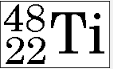
How many protons does this isotope of titanium have?
a)
48
b)
22
c)
26
d)
70
49.
What quantities vary between isotopes of an element?
a)
protons, electrons, and atomic mass
b)
protons, electrons, and atomic number
c)
neutrons and electrons
d)
neutrons and atomic mass
50.
How many neutrons in C-14?
a)
6
b)
7
c)
14
d)
8
51.
How many neutrons in C-14?
a)
6
b)
7
c)
14
d)
8
52.
Ions are:
a)
atoms with a positive or negative charge
b)
atoms with no charge
c)
atoms with ONLY a positive charge
d)
atoms with ONLY a negative charge
53.
What is the atomic number of Neon, Ne?
a)
10
b)
20.1798
c)
10.1798
d)
7
54.
A neutral atom of the isotope 2612Mg would consist of
a)
12 protons, 26 neutrons, 26 electrons
b)
26 protons, 12 neutrons, 26 electrons
c)
26 protons, 14 neutrons, 14 electrons
d)
12 protons, 14 neutrons, 12 electrons
55.
Negatively charged particle
a)
proton
b)
neutron
c)
electron
Reset

