
 Worksheets
WH.13 Western Empires Online Quizzes Worksheet
Total questions: 91
Worksheet time: 47mins
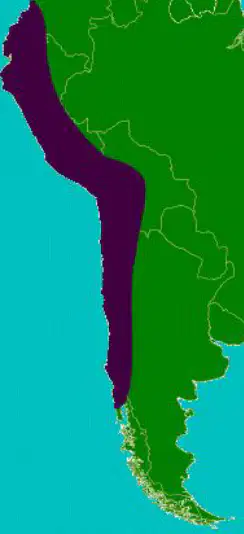
Which of the following civilizations emerged in South America?
Aztec
Maya
Inca
Olmec
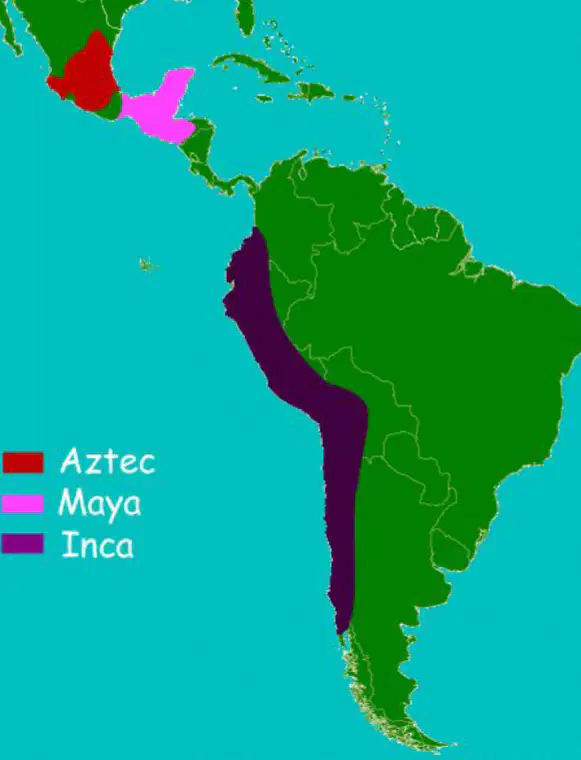
Where did the Mayan civilization primarily emerge?
North America
Central America
South America
Europe
Which group is correctly matched with its region of emergence?
Aztec - South America
Maya - Central America
Inca - Mexico
Maya - Europe
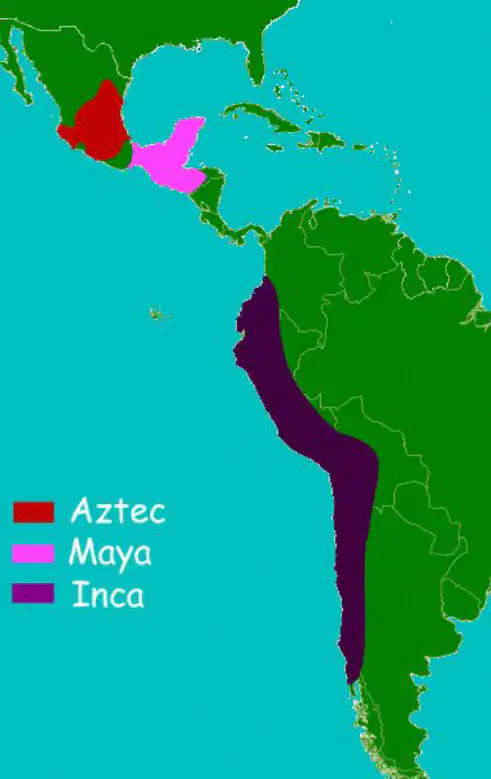
Using the information provided, explain how the geographic locations of the Aztec, Maya, and Inca civilizations might have influenced their development.
Their locations provided different climates and resources, which influenced their agriculture, architecture, and trade.
All civilizations had the same resources and climate, so their development was identical.
The civilizations did not interact with their environment at all.
Their locations made no difference to their development.
Where was the Mayan civilization primarily located?
In the deserts of North Africa
In the Mexican and Central American rainforests
In the mountains of Europe
In the plains of Australia
Which famous site is associated with the Mayan civilization?
Machu Picchu
Chichén Itzá
Stonehenge
The Colosseum
How were the Mayan city-states governed?
By elected officials
By kings
By a single emperor
By democratic councils
What was the basis of the Mayan economy?
Mining and fishing
Agriculture and trade
Manufacturing and industry
Tourism and services
The Mayan religion can best be described as:
Monotheistic
Polytheistic
Atheistic
Animistic
Explain how the Mayan civilization’s location in rainforests might have influenced their economy and religious practices.
The rainforest provided resources for agriculture and materials for building pyramids, which were important for both their economy and polytheistic religious practices.
The rainforest made it difficult to grow crops, so they relied on fishing.
The rainforest led them to develop a nomadic lifestyle.
The rainforest had no impact on their economy or religion.
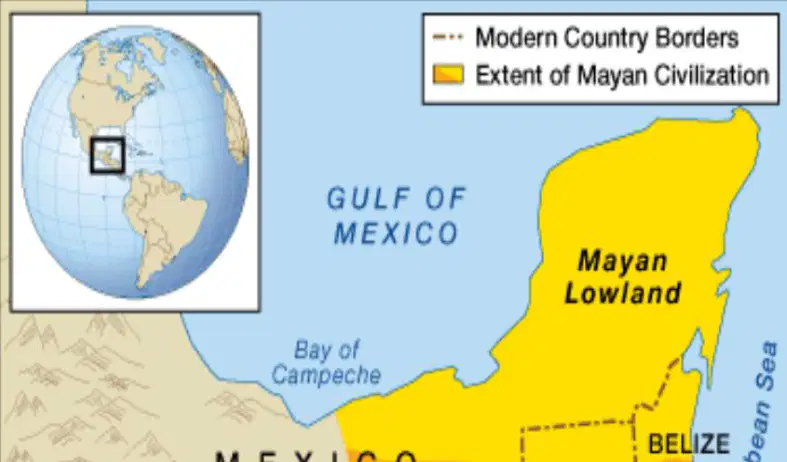
Which region is described as being located in the Mexican and Central American rainforests?
The Sahara Desert
The Mayan Civilization
The Amazon Basin
The Rocky Mountains
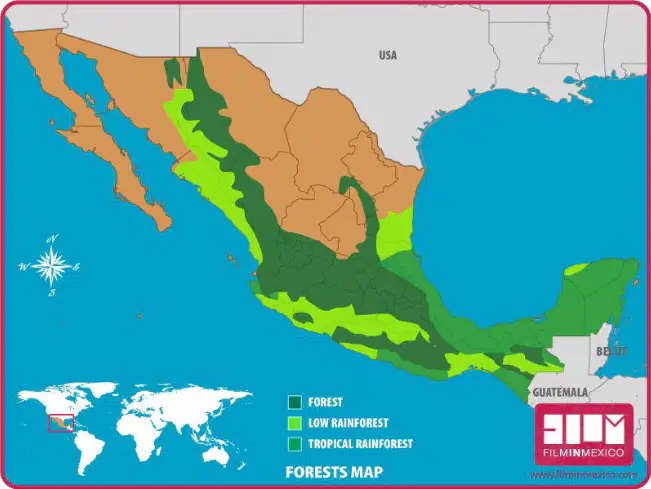
Based on the maps, what type of environment did the Mayan civilization primarily develop in?
Desert
Mountain tundra
Rainforest
Grassland
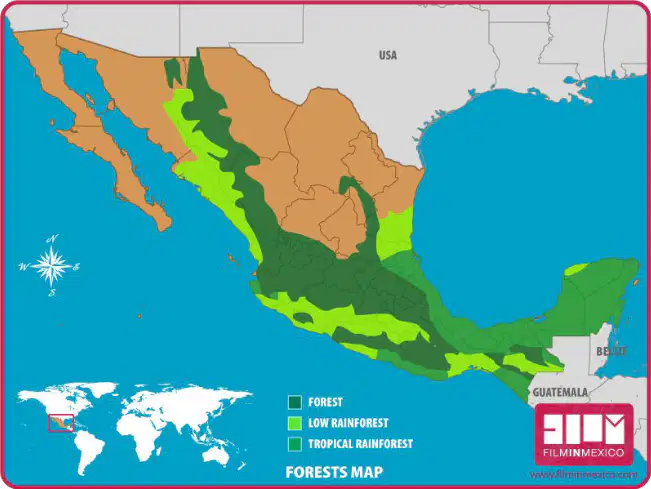
Using the information from the maps, explain why the location of the Mayan civilization might have influenced their culture and way of life.
The rainforest provided abundant resources and influenced their agriculture, architecture, and daily life.
The desert climate forced them to develop irrigation systems.
The cold climate led to the development of fur clothing.
The mountainous terrain isolated them from other civilizations.
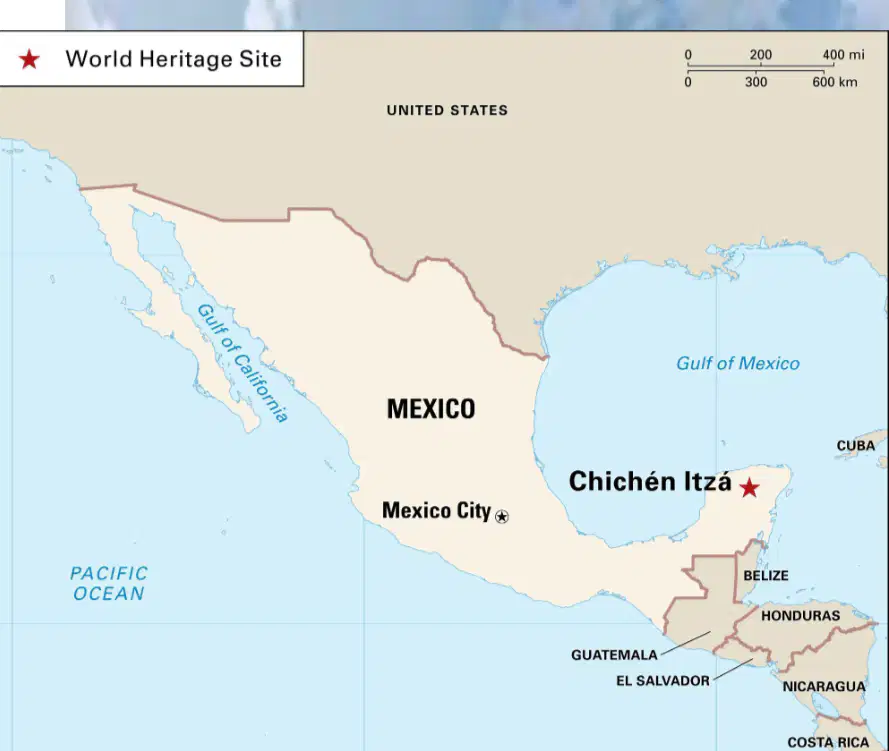
Where is Chichén Itzá located?
Brazil
Mexico
Egypt
India
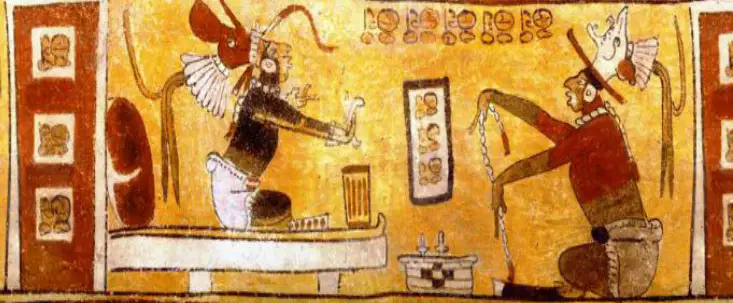
What were the two main foundations of the economy shown in the learning material?
Agriculture and trade
Mining and fishing
Manufacturing and tourism
Technology and banking
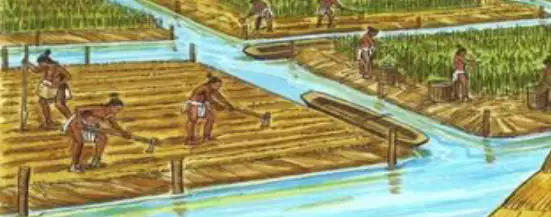
Which activity is most likely depicted in the bottom left image of the learning material?
Building houses
Practicing medicine
Farming and harvesting crops
Teaching in a school
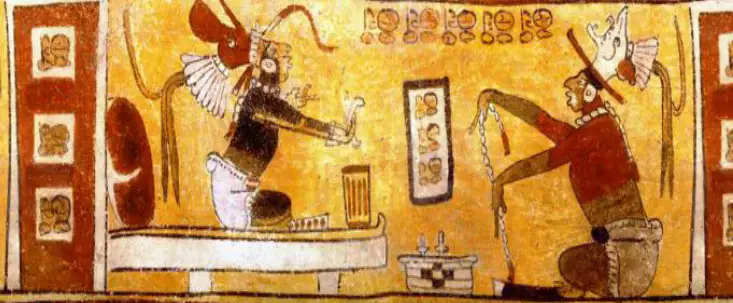
Based on the images and text, why might trade have been important in an economy based on agriculture?
Trade allowed people to exchange surplus crops for other needed goods.
Trade was only used for entertainment.
Trade replaced the need for agriculture.
Trade was not important in ancient economies.
What does the term "polytheistic religion" refer to?
Belief in one god
Belief in many gods
Belief in no gods
Belief in spirits only
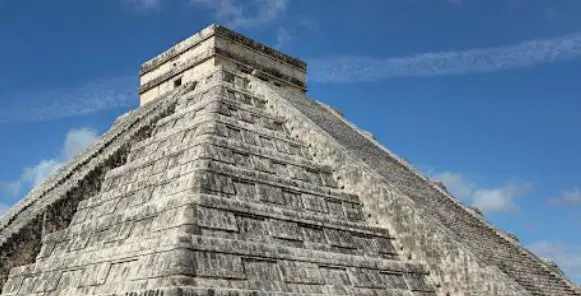
Which structure is commonly associated with polytheistic religions, as shown in the image?
Skyscraper
Pyramid
Dome
Castle
Why might ancient civilizations have built pyramids as part of their polytheistic religious practices?
To serve as homes for the people
To store food and water
To honor and worship multiple gods
To protect against floods
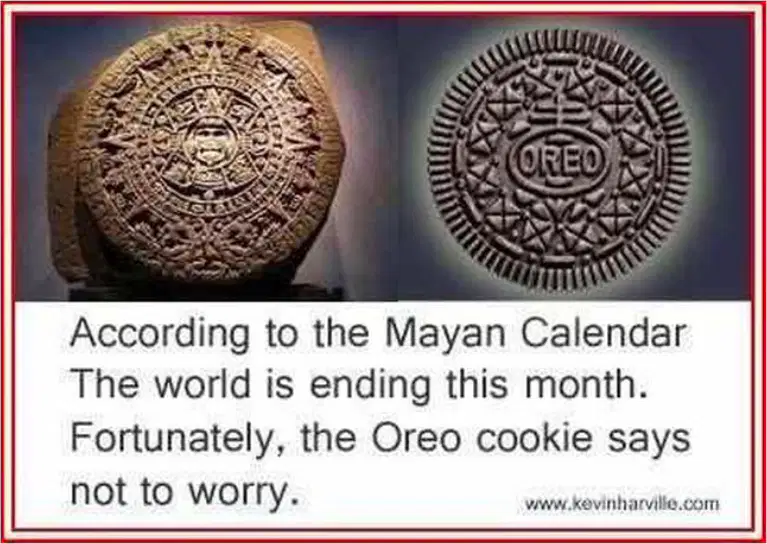
What ancient civilization is referenced in the text and images as having a calendar that predicted the end of the world in 2012?
Mayan
Roman
Egyptian
Greek
Where was the Aztec civilization located?
In the Andes Mountains of South America
In the Nile River Valley of Egypt
In the arid valley in central Mexico
In the Indus River Valley of India
Which city represented the Aztec civilization?
Machu Picchu
Tenochtitlan
Babylon
Athens
Who ruled the Aztec civilization?
A council of elders
A president
An emperor
A king and queen
What was the basis of the Aztec economy?
Trade with Europe
Mining for gold
Agriculture and tributes from conquered peoples
Fishing and shipbuilding
Which of the following best describes the Aztec religion?
Monotheistic, with a single god
Polytheistic, with pyramids and rituals
Atheistic, with no religious practices
Focused only on ancestor worship
Explain how the Aztec economy was influenced by their military conquests.
The Aztecs ignored conquered peoples and did not benefit economically.
The Aztecs relied solely on trade with distant lands for their economy.
The Aztecs demanded tributes from conquered peoples, which supported their economy along with agriculture.
The Aztecs only used fishing as their main economic activity.
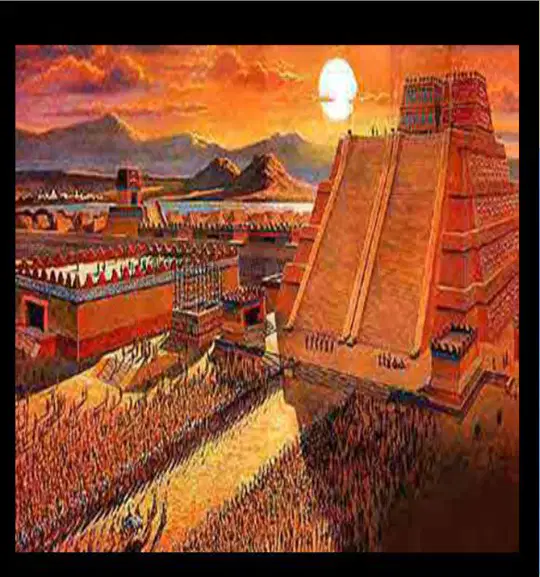
Where was the Aztec Empire located?
In the arid valley of central Mexico
In the Amazon rainforest
In the Andes mountains
In the Sahara desert
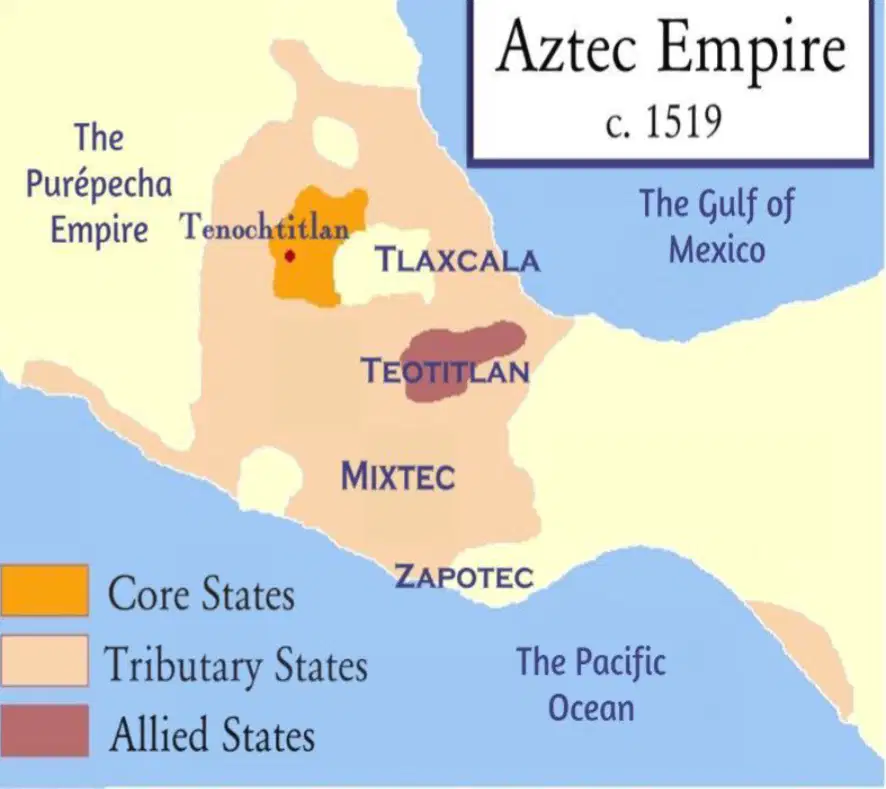
According to the map, which city was a core state of the Aztec Empire?
Tenochtitlan
Tlaxcala
Mixtec
Zapotec
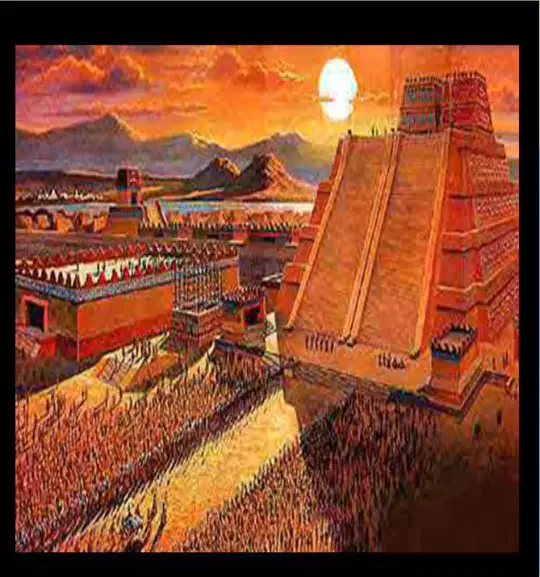
Using the information from the map, explain why the location of the Aztec Empire in an arid valley might have influenced their society and development.
The arid valley required the Aztecs to develop advanced agricultural techniques to support their population.
The arid valley made it easy for the Aztecs to find gold and silver.
The arid valley provided abundant rainfall for crops.
The arid valley was uninhabitable and forced the Aztecs to move frequently.
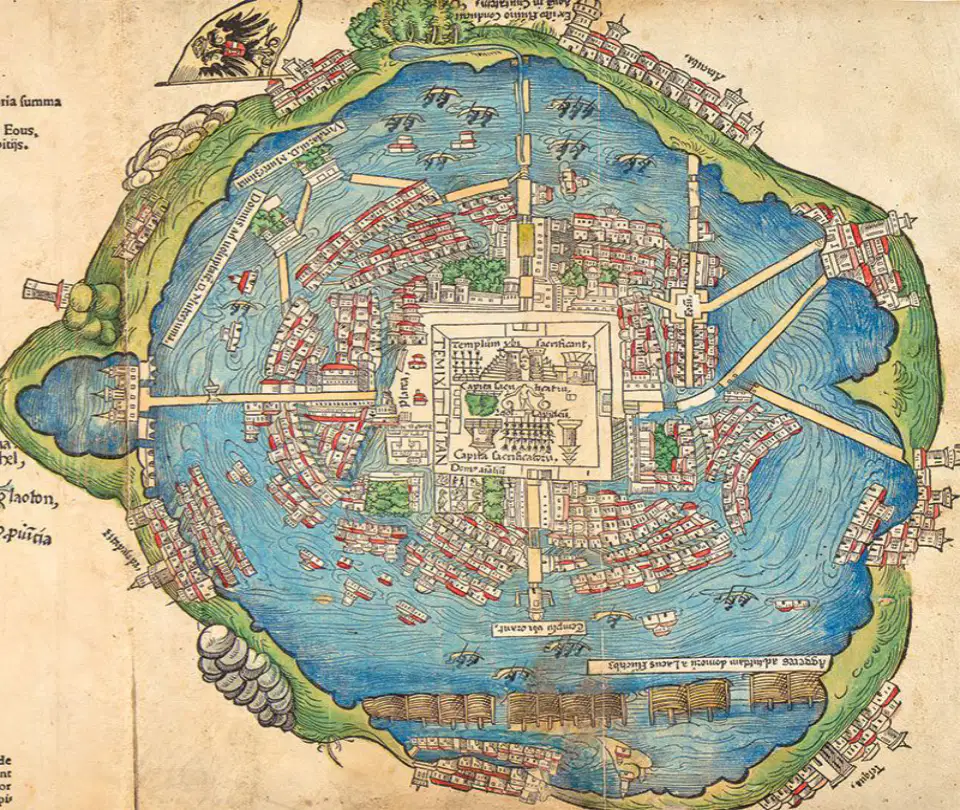
Why might the city have been designed with water and canals surrounding it?
For defense and transportation
To make it look beautiful
To separate different social classes
Because there was no land available
Who was one of the last emperors of the Aztec empire?
Montezuma II
Hernán Cortés
Atahualpa
Julius Caesar
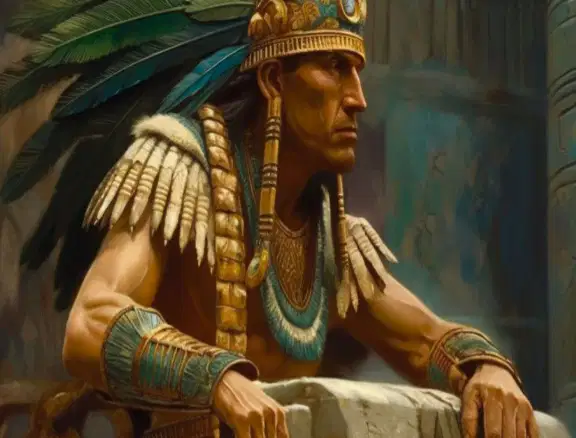
What happened to the Aztec empire under the rule of Montezuma II?
It reached its peak and expanded by conquering other tribes.
It was immediately conquered by the Spanish.
It became a democracy.
It lost all its territories to neighboring tribes.
Why did Montezuma II allow the Spanish to conquer the Aztec empire?
Due to his religious superstition
Because he wanted to form an alliance
Because he was bribed by the Spanish
Because he was overthrown by his own people
Explain how Montezuma II’s beliefs influenced the fate of the Aztec empire.
His religious superstition led him to allow the Spanish to conquer the Aztecs.
His military strategies defeated the Spanish.
He converted to Christianity and joined the Spanish.
He ignored all religious beliefs and focused only on war.
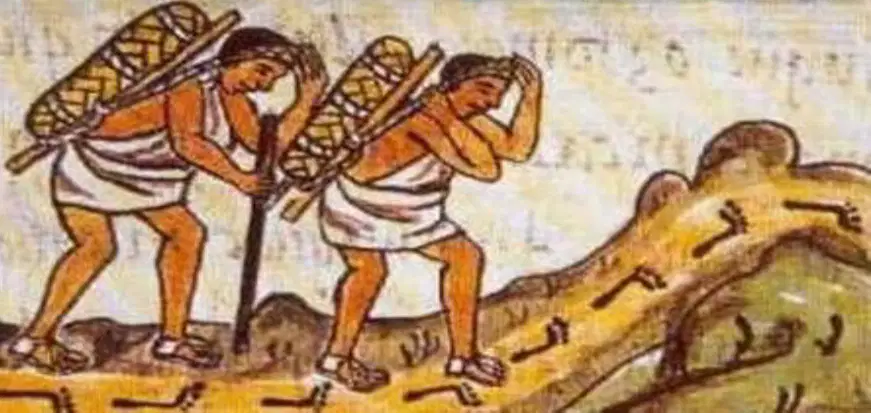
What was the main basis of the economy described in the image?
Trade with neighboring empires
Economy based on agriculture and tributes from conquered peoples
Mining precious metals
Fishing and maritime trade
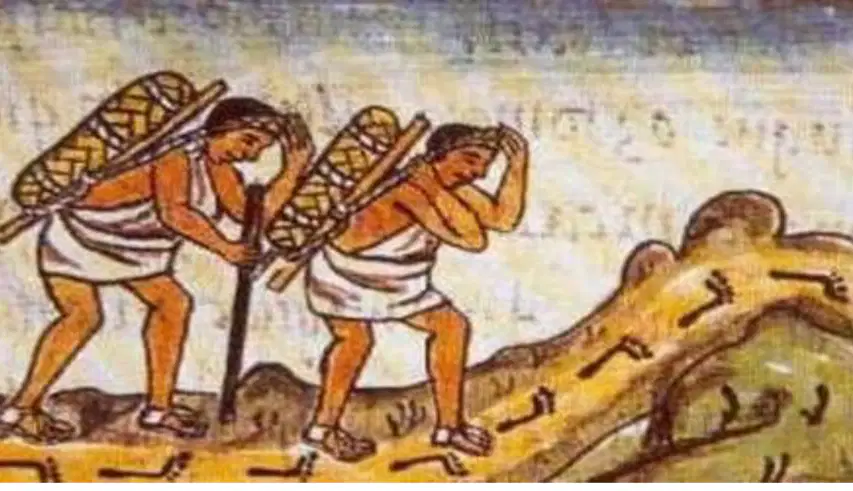
Which of the following best describes a tribute in the context of the economy shown?
A voluntary gift given to friends
Goods or resources demanded from conquered peoples
A type of agricultural tool
A religious ceremony
Why might an economy based on tributes from conquered peoples be unstable in the long term?
Conquered peoples may resist or rebel, reducing the flow of tributes
Agriculture always fails in the long term
Tributes are always voluntary and can be stopped at any time
There is no need for any goods or resources

What activity is being depicted in the image?
Human sacrifice
A religious festival with dancing
A market scene
A royal coronation
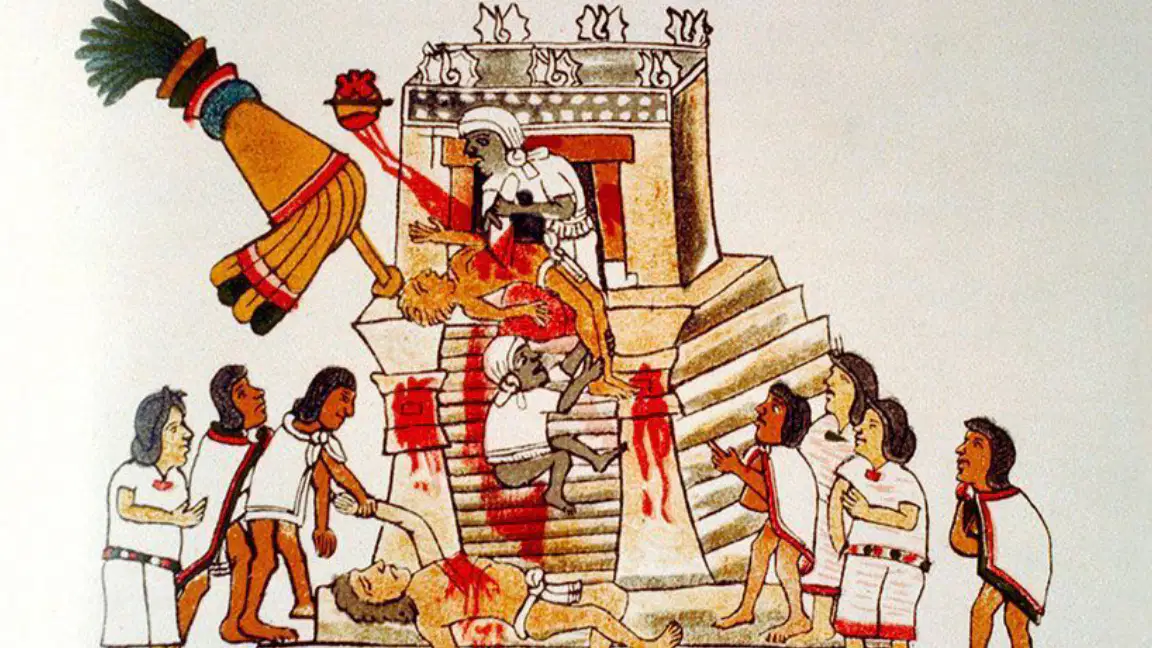
Based on the image, what can you infer about the society shown?
They practiced ritual human sacrifice as part of their religious beliefs.
They were focused on trade and commerce.
They were known for peaceful celebrations.
They avoided all forms of violence.
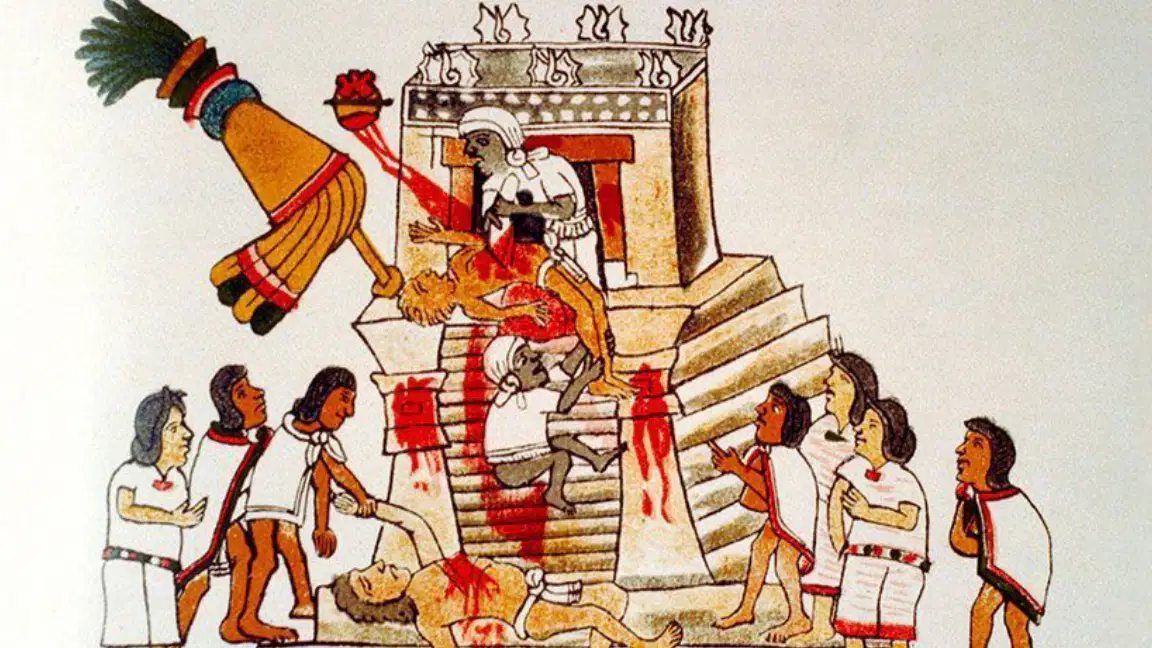
Why might a society perform the type of ritual shown in the image?
To honor their gods and ensure good harvests or favorable outcomes
To punish criminals for their actions
To celebrate a wedding
To train soldiers for battle
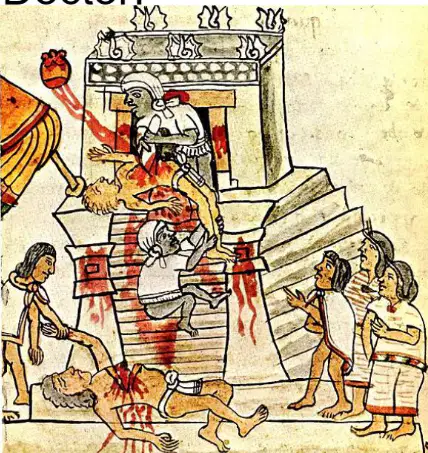
What does the historical illustration most likely represent?
An Aztec market scene
An Aztec human sacrifice ritual
An Aztec farming technique
An Aztec wedding ceremony
Where was the Incan civilization located?
The Nile River Valley of Africa
The Andes Mountains of South America
The Indus Valley of Asia
The Great Plains of North America
Which famous site is used to represent the Incan civilization?
The Colosseum
Machu Picchu
The Great Wall
Stonehenge
Who ruled the Incan civilization?
A president
A council of elders
An emperor
A prime minister
What was the basis of the Incan economy?
Fishing
High-altitude agriculture
Trade with Europe
Mining gold
Which of the following best describes the Incan religion?
Monotheistic
Polytheistic
Atheistic
Animistic
What is one notable achievement of the Incan civilization in the field of medicine?
Heart surgery
Brain surgery
Plastic surgery
Eye surgery
Explain how the Incan road system might have contributed to the strength and unity of their civilization.
It allowed for quick movement of armies and communication across the empire.
It was only used for religious ceremonies.
It was mainly decorative and not functional.
It separated different regions to prevent unity.
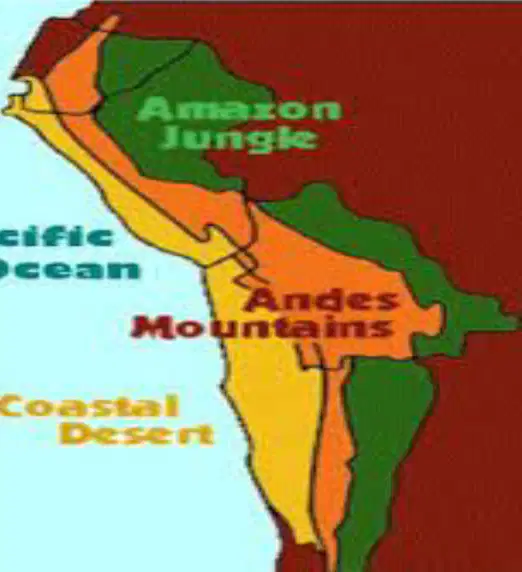
In which mountain range is the region shown in the image located?
Himalayas
Andes Mountains
Rocky Mountains
Alps
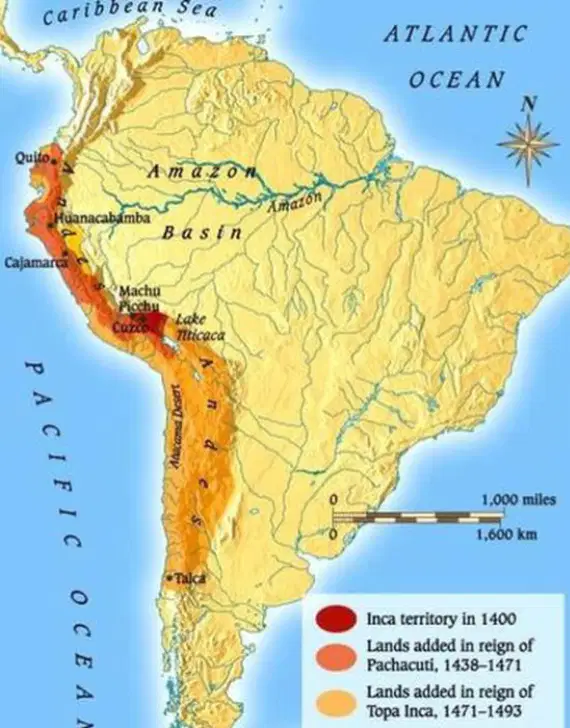
Using the maps, explain how the geography of the Andes Mountains might have influenced the development of civilizations in South America.
The mountains provided natural protection and influenced settlement patterns.
The mountains made it easy for people to travel quickly across the continent.
The mountains were mostly uninhabited and had no impact on civilizations.
The mountains were a barrier to all forms of agriculture.
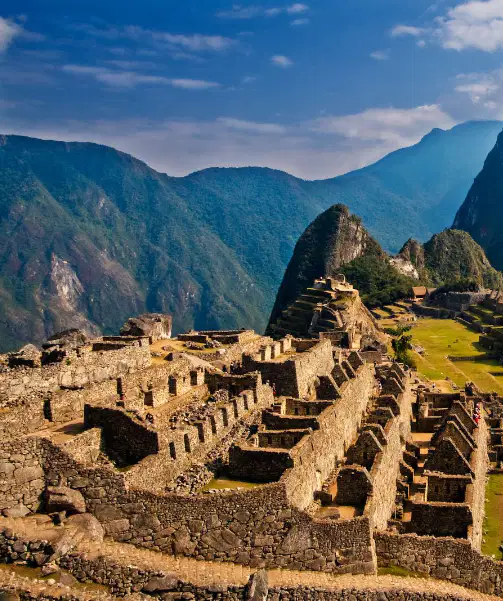
What famous historical site is represented in the images shown?
Machu Picchu
The Great Wall of China
The Colosseum
The Eiffel Tower
Why is Machu Picchu considered an important historical site?
It is a modern city
It is an ancient Incan city with significant archaeological value
It is a famous sports stadium
It is a natural wonder
Who ruled the Inca Empire?
A president
A council of elders
An emperor
A democracy
Which of the following was NOT an Inca emperor? (He was Roman)
Túpac Inca Yupanqui
Huayna Capac
Huáscar
Julius Caesar
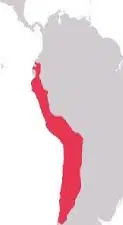
Based on the images, which region did the Inca Empire primarily cover?
Western South America
Eastern North America
Central Africa
Eastern Europe
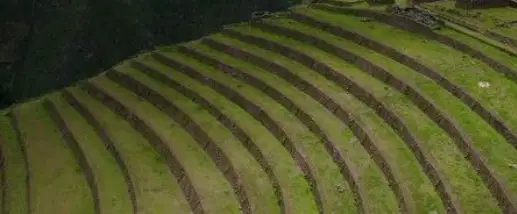
What type of agriculture is commonly practiced in high-altitude regions such as the Andes Mountains?
Terrace Farming
Slash and Burn
Shifting Cultivation
Plantation Farming
What does the term "polytheistic religion" mean?
Belief in one god
Belief in many gods
Belief in no gods
Belief in nature spirits only
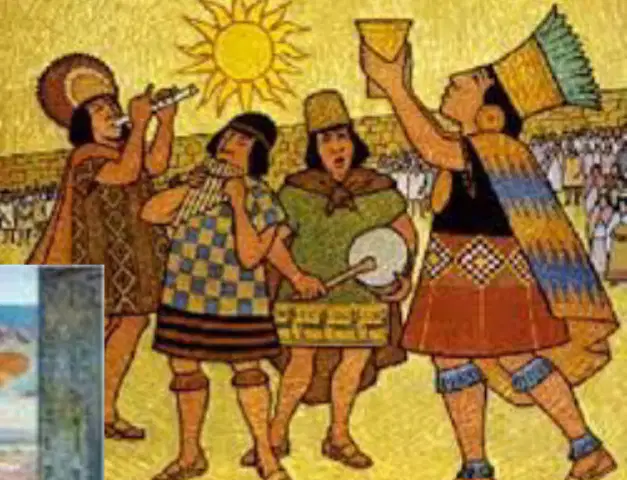
Based on the images, which of the following is most likely a feature of a polytheistic religion?
Worship of a single deity
Rituals dedicated to multiple gods
Complete absence of religious ceremonies
Focus only on written prayers
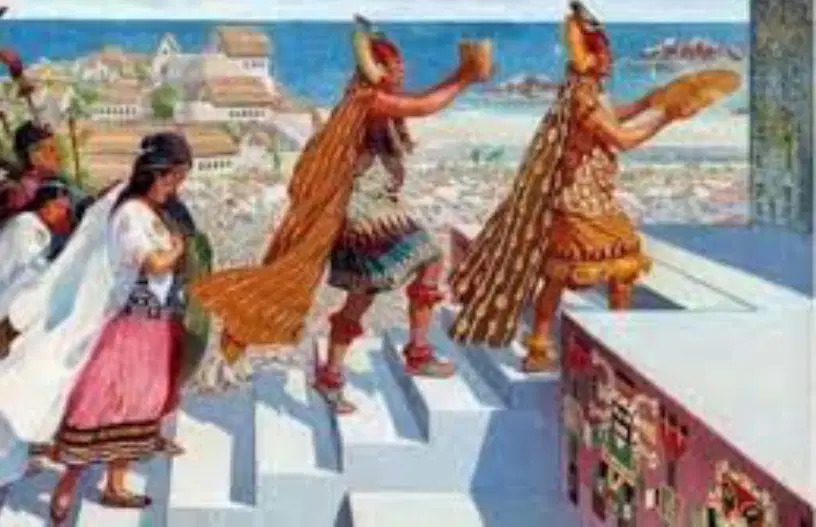
Why might societies with polytheistic religions have a variety of rituals and ceremonies?
To honor different gods for different aspects of life
Because they do not believe in any gods
To avoid religious practices altogether
Because they only worship one god
What ancient civilization is referenced in the meme after watching "The Emperor's New Groove"?
Roman
Incan
Egyptian
Greek
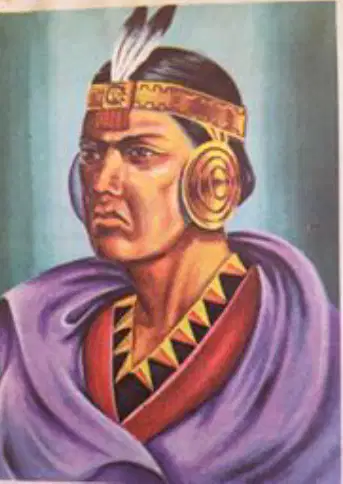
What is the person in the right image most likely representing?
A Roman emperor
An Incan emperor
An Egyptian pharaoh
A Greek philosopher
Which of the following was an achievement of the Mayan, Aztec, and Incan civilizations?
Steam engines
Calendars
Printing press
Electricity
What is the Quipu system known for?
A type of calendar
A string-based record-keeping system
A form of ancient currency
A type of musical instrument
Which subject did the Mayan, Aztec, and Incan civilizations make significant advancements in, according to the learning material?
Chemistry
Mathematics
Astronomy only
Engineering only
How did the Mayan, Aztec, and Incan civilizations keep records, based on the information provided?
By using computers
By oral storytelling only
Through writing and other record-keeping systems
By carving on metal plates only
Why might the development of calendars have been important for the Mayan, Aztec, and Incan civilizations?
To decorate their homes
To keep track of time for agriculture, religious events, and planning
To create art
To trade with other civilizations
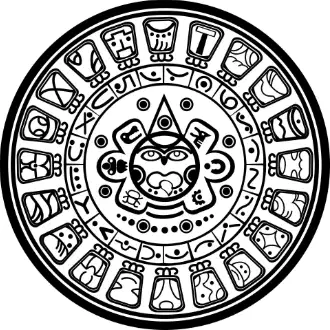
What does the circular diagram with symbols most likely represent?
A map of the empire
A calendar system
A musical score
A family tree
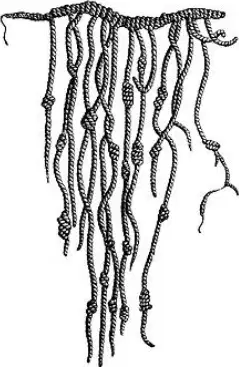
What was the primary use of the object shown in the diagram with knotted strings?
For fishing
For record-keeping and communication
For making clothes
For religious ceremonies only
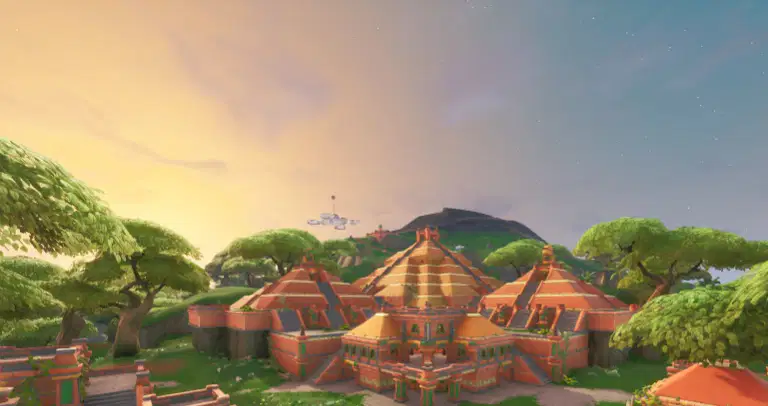
Based on the images, which of the following best describes the architectural style of Sunny Steps?
Modern skyscrapers
Pyramids
Wooden cabins
Futuristic domes
What effect did the expanding economies of European states have?
They stimulated trade and a desire for exploration.
They led to the decline of trade.
They caused European states to isolate themselves.
They reduced interest in exploration.
Why did European states become more interested in exploration during the period of expanding economies?
Because expanding economies encouraged trade and exploration.
Because they wanted to avoid contact with other regions.
Because their economies were shrinking.
Because they had no interest in trade.
Explain how economic growth in European states could lead to increased exploration. Use evidence from the statement provided.
Economic growth provided resources and motivation for trade and exploration.
Economic growth made people less interested in new opportunities.
Economic growth led to the end of all exploration.
Economic growth caused European states to stop trading.

Machu Picchu

Chichén Itzá

Tenochtitlan

Which Pre-Columbian civilization was organized into city-states, such as Tikal and Chichen Itza?
Olmec
Maya
Aztec
Inca

This is the capital, (a) , of the (b) civilization in the Valley of Mexico.

Which city was the capital of the Aztec empire?
Chichen Itza
Tenochtitlan
Cusco
Where was the Aztec civilization located?
Central Mexico
Yucatan Peninsula
South America, mostly Peru

Machu Pichu
The name of the main Sun God of the Inca
the name of the last leader of the Inca
the puma-shaped capital city of the Inca Empire
the mountain-top Inca city located in South America
What is a famous Inca city?
Tical
xocalatl
Machu Picchu
Atahualpa
Picca Chu
Where was the Inca civilization located?
Great Lakes Region
Valley of Mexico
Andes Mountains
Yucatan Peninsula
Machu Picchu was part of the —
Aztec civilization
Mayan civilization
Sioux civilization
Incan civilization
Which kingdom was the biggest in the Americas, based in the Andes Mountains of Peru?
the Olmec
the Inca
the Maya
the Aztec
* quipu (knots on strings)
* road system
* Machu Piccu
The Inca lived in the ________ Mountains.
Pocono
Andes
Smoky
Himalaya
Which empire built Machu Picchu?
The Roman Empire
The Byzantine Empire
The Inca Empire
The Ottoman Empire

