
 Worksheets
Safety and your Vehicle
Total questions: 87
Worksheet time: 44mins
What is an advantage of looking after your car?
It will go faster
You can get half price AA or RAC cover
It is less likely to break down
You can bypass the next MOT
What is the purpose of maintaining your vehicle?
Keep your vehicle safe and fit to be on the road.
Keep your vehicle tyre pressures at the correct setting
Keeps the highways department happy
Ensures the roads don't get damaged
It is important to check your vehicle regularly. Which word is misisng from this sentence about regular checks on your vehicle?
The __________ should be free of any cracks or chips.
Paintwork
Mirrors
Windscreen
Bumper
It is important to check your vehicle regularly. Which word is misisng from this sentence about regular checks on your vehicle?
The _______ may need topping up with distilled water.
Fluid reservoir
Windscreen washer
Battery
Tyres
It is important to check your vehicle regularly. Which word is misisng from this sentence about regular checks on your vehicle?
The _____ need to be checked for uneven wear.
Brakes
Wipers
Tyres
Seats
It is important to check your vehicle regularly. Which word is misisng from this sentence about regular checks on your vehicle?
The ____ pressures should be checked at least once per week.
Brake
Wiper
Tyre
Clutch
It is important to check your vehicle regularly. Which words are misisng from this sentence about regular checks on your vehicle?
The _____ _____, when too low can cause air to enter the system causing incorrect operation.
Brake fluid
Brake pads
Water level
Tyre Pressure
It is important to check your vehicle regularly. Which words are misisng from this sentence about regular checks on your vehicle?
The ____ and _______ levels are especially important to check before going on long journeys.
Brake and Pads
Oil and Coolant
Water and degreaser
Air and Qxygen
It is important to check your vehicle regularly. Which words are misisng from this sentence about regular checks on your vehicle?
The ______ around the vehicle should be checked to ensure they are working.
Bumbers
Lights
Paint
Seals
What is the minimum tyre tread allowed on your car or trailer?
1.2mm
1.6mm
1.8mm
2mm
Where on the tyre surface should you measure the depth?
On the egdes of the tyre all way around.
Centre point of the tyre at the top and bottom
The central three-quarters of the tyre and around the entire circumfrance
Random points on the tyre surface all way round the tyre.
What is dry steering?
When you turn your steering wheel while you drive on a dry day
When you trun your steering wheel and the car is not moving
When you turn your steering wheel when the car is jacked uo
When you turn the steering wheel and the power steering fluid is low
Checking the shock absorbers on your vehicle can be done whilst pushing down hard over each wheel.
How would you know the shock absorbers are in a good condition.
It bounces up and down without a sound
It moves down and rebounds back up once
It moves up and down easily several times
You can not push it down
What gives you an indication or warnings of potential faults with your vehicle?
A text message from your garage
A failed MOT remote check
Warning lights on the dashboard
Highway patrol making a random vehicle stop

What does this symbol indicate?
Anti Behaviour System indicating a problem with the behaviour of the car.
Antilock Breaking System indicating a problem with your breaking system
Anti Bounce Collision System warning indicating you are too close to the car in front
Air Balance System indicating incorrect tyre pressures
Brake fading is when your brakes are not as effective when they have been used frequently such as going down a long hill or a series of hills which causes them to overheat.
What other way can you safely help you control the speed of your vehicle?
Apply the handbrake
Select a higher gear
Turn the engine off and back on to reset the brakes
Select a lower grear
What could be a sign of you wheels being unbalanced?
Steering vibrates or vehicle pulls to one side when you brake
Rumble from the engine
Radio reception wil be affected
Tyre pressure warning light will come on
Safety belts are designed to keep you safe whilt driving in your vehicle.
Which answer best describes who is responsible for ensuring the seatbelts are worn in the vehicle?
Driver is only responsible for his/her own seat belt.
Driver is responsible for ensuring all passengers wear a seat belt.
Driver is responsible for his /her seatbelt and any passengers under the age of 14 years.
Everyone is responsible for their own seatlbelt.
Adults and children aged 12 or over, and children over 1.35 metres tall must wear seat belts unless excempt.
True
False
Children aged 3 - 12years, or upto 1.35 metres tall must use a suitable child restraint or an adult seat belt if a child restraint is not availale.
True
False
Children under 3 years of age must use a suitable child seat.
True
False
If placing a child in a rear facing child seat, and placed in the front passenger seat, what must you ensure?
The child is facing the windscreen
The child is facing the seat
The airbag system is deactivated
You have the correct seat belt extension fitted
Being safe and comfortable before you begin your journey is very important, which four actions best describes what you would do when you get into your vehicle.
Adjust seat
Adjust headrest
Wear suitable shoes
Adjust mirrors
Adjust mirrors
Adjust temperature
Select neutral
Make room for passengers
Adjust seat
Adjust mirrors
Wear sunglasses
Wear comfortable shoes
Adjust seat
Adjust mirrors
Adjust radio volume
Connect mobile phone
You are driving in poor visibility such as heavy rain or fog.
Which actions could you take to imporve your visbility
Wear a high visibility jacket
Use dipped headlights and fog lights
Use full beam and fog lights
Put your internal lights on
If you are leaving your car on a two-way road at night in a 30mph area. What action should you take?
Park on the opposite side of the road
Park behind another vehicle
Park in the direction of the traffic
Only park directly under a street light
If you are leaving your car on a two-way road at night in a 40mph area. What action should you take?
Park on the opposite side of the road with your lights on low
Park behind another vehicle
Park in the direction of the traffic and leave your parking lights on
Only park directly under a street light an place your hazard lights on
When should you use your hazard warning lights?
Choose two correct answers.
When you have broken down
When you park at night in a 40mph zone
When you come up to queing traffic on a dual cariageway
When you want to quickly pull over onto the pavement.
What best describes advanced driver asistance systems (ADAS)?
Features to improve road safety and help you stay safe
Takes responsibility away from the driver
Allows the vehicle to take control of unsafe drivers
Features that allows the driver to take a break whilst driving
Which of the following is not an advanced driver assistance system (ADAS) feature?
Antilock Breaking System
Cruise Control
High Beam assist
GPS / Mobile Phone
You are parking your car for the day but you dont need your laptop or your phone.
Which answer best describes the safest storage option to leave them in the car?
In the footwell
In the boot with the hatch back cover closed
In the boot with the hatch back cover open
In the door storage compartment.
You are allowed to leave you car engine running and unattended on a public road as long as it does not run for more than two minutes and you are demising your windscreen.
True
False
You are looking for a parking space and found one near the brow of a hill.
Do you park there?
Yes
No
You are looking for a parking space and found one near a bus stop.
Do you park there?
Yes
No
You are looking for a parking space and found one 9 metres away from a junction.
Do you park there?
Yes
No
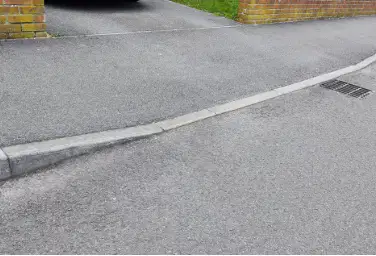
You are looking for a parking space and found an empty space at a drop kerb.
Do you park there?
Yes
No
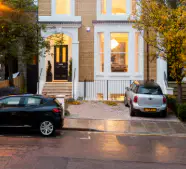
You are looking for a parking space and found an empty space outside a property entrance behind a parked car.
Do you park there?
Yes
No
What can you do to your driving style to drive in a more fuel efficient manner?
Plan ahead by making a route that has the least traffic lights
Look well ahead allowing you to drive smoothly avoiding rapid acceleration and heavy breaking
Drive within the speed limit
Use sat nav guidance to take you on unfamiliar roads.
Which of the following actions would impove your fuel efficiency?
Reducing unnecessary loads or an empty roof rack at home.
Using higher revs at the highest gear
Keep the engine on idle at traffic lights
Carry a bike on a bike rack fitted to the rear of the car.
Which test demonstrates that your vehicle is producing emissions below the national standards?
DVLA
VOSA
MOT
DOT
You should not use your horn in built up areas between which times?
11pm - 7am
11:30pm - 7am
11am - 7pm
11:30am - 7pm
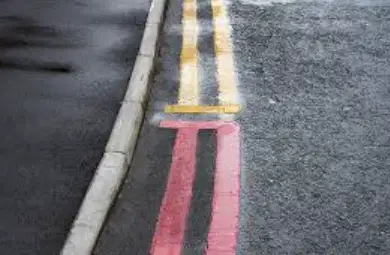
In some cities and towns red lines are used on the side of the road.
Why are they used?
Because they ran out of yellow paint
They indicate Red Routes for buses only.
They indicate Red routes to help the traffic flow by restricting stopping
They indicate diversion routes
Which parts of your vehicle needs to be kept clean at all times?
Wheels
Brakes
Paintwork
Seat covers
Lights
Indicators
Number Plate Reflectors
Lights
Wheels
Number Plate
Driving Licence
Indicators
Main Beam
Paintwork
Reflectors
What could happen if your tyres are under-inflated?
The vehicle would improve its breaking distance
The vehicle's stopping distance would increase
The veicle's stopping distance would reduce
The vehicle's wheel would rub against the bodywork
What is the purpose of road humps, chicanes and narrowing of roads?
To save on road tax
To check suspensions on vehicles
To reduce emissions
To reduce the traffic speed
What is the purpose of a catalytic converter?
Converts energy from catseyes on the road to power road lights
To reduce fuel consumption
To reduce harmfull exhaust gases
To eliminate exhaust gases
When should you check your tyre pressures?
After any lengthy journey
After travelling at high speed
When the tyres are cold
When they look flat
When will your vehicle use more fuel?
When all tyres are under-inflated
When you have different makes of tyres on the vehicle
When the tyres are over-inflated
When the tyre are new
How would you dispose of an used vehicle battery?
Put it in the plastic recycling bin
Leave it in the shed
Take it to a local authority disposal site
Giv it to someone else to dispose of.
You park on the road at night.
When do you know that you must use your parking lights?
The speed limit on the road is 30mph
The speed limit on the road is below 30 mph
The speed limit on the road exceeds 30mph
You always need to have your parking lights on.
How can you reduce the environmental harm from your vehicle?
Only use it for short journeys
Drive faster to get to your destination quicker
Keep the engine revs low
Switch off the engine goign down hills.
What can cause excessive or uneven tyre wear?
A faulty breaking system
A faulty gearbox
A faulty engine
A faulty electrical system
Why is it a good idea to plan your journey?
You can have an easier journey
You can predict the weather better
Your journey will take longer
You can drive faster because you know the way.
When planing a journey, why should you have an alternative route in mind?
Incase you get borde with the road you are travelling on
You mau get held up by a tractor
Your origional route might be blocked
The weather might change
You need to arrive at work / college for an important meeting / exam.
How should you plan for the journey?
Plan for an additional 1 minute congestion
Avoid roads with National speed limits
Allow plenty of time for the trip
Drive faster to compensate for slower than normal traffic
What should you expect if you drive using rapid acceleration and heavy braking?
You will use more fuel
You will produce less emissions
You will improve your road safety awareness
You will use less fuel
What could cause you to crash if the level was too low?
Anti-freeze level
Coolant level
Battery-water level
Brake-fluid level

What does it mean if this light comes on on your dashboard?
Seat belts are not fastened.
Engine oil level is low
A fault with the braking system
Rear light bulb has failed

What does it mean if this light comes on on your dashboard?
Weight in car too heavy
Low air pressure in tyre
Electrical heating element fault
Brakes worn

What does it mean if this light comes on on your dashboard?
Fuel is running low
Engine oil pressure level is low
Water level is low
Oil leak

What does it mean if this light comes on on your dashboard?
Battery charging in progress
Battery temperature level too high
Battery disconnected warning light
Battery charge warning light
Why is it important to wear suitable shoes for driving?
To prevent wearing down the pedals
To maintain good control of the pedals
To make it easier to get out of the car quicker in an emergency
To make it easer to walk if you break down
If you are involved in a collision, what will reduce the risk of injury?
An air sprung seat
Anti-lock brakes
A collapsable steering wheel
A properly adjusted head restraint
What makes your tyres illegal?
Buying a second hand set
Any large deep cuts in the side wall
Using differned brand of tyres on different wheels
Tyres with different tread patterns
If you are carrying a 13 year old child in your car with the child's parent.
Who is responsile for seeing that the child is wearing a seatbelt?
The parent is responsible for his/her cild
You "the driver" is responsible
The child is responsible for wearing his / her own seat belt
The front seat passenger has the highest priority to ensure the passengers are wearing seat belts
What part of the car does the law require you to keep in good condition?
Paintwork
Clean carpets
Seat belts
Door handles
According to the theory test manual.
How much more fuel will you use by driving at 70mph compared to driving at 50mph?
15%
50%
5%
It will be the same
You are driving along the road an apply your brakes.
What should you do if you vehicle pulls to one side when you brake?
Increase the pressure in the tyre opposite to the pull
Change gear an pump the brake pedal
Use your parking brake to even out the pull
Have your brakes checked as soon as possible
What can be damaged if you turn your steering wheel when the vehicle is not moving?
The steering joints will wear
The brakes will fail
The tyres will get damaged
The steering wheel will get damaged
What is the safest thing to do if you have valuables in your vehicle?
Place them in a carrier bag in the footwell
Wrap them in a blanket on the seat
Place them in a locked boot / trunk out of sight
Park near a police station
What document should you not keep in your car which is left unattended?
Insurance document.
Owner's manual
Service record
Vehicle registration document
What should you do when leaving your vehicle parked and unattended?
Switch the lights off
Leave the parking lights on
Lock the car and remove the key
Close the car door and place the key on top of the wheel
How would you dispose of old engine oil if you carried out your own service?
Place it in a container and put it in the dustbin
Take it to a local-authority waste recycling centre
Keep it in the garage until it evaporates
Give it to someone else to dispose of
How would you benefit from following the manufacturer's service schedule?
You will get cheaper insurance
Your vehicle will be placed in the lower tax band
Your vehicle will remain reliable
Your journey times will be reduced
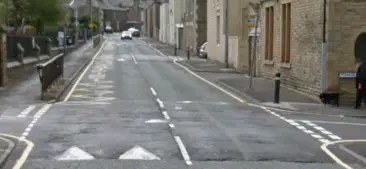
How should you drive when you are driving along a road with speed humps?
Speed up between humps and slow down over them
Accelerate and brake hard between humps
Drive at a constant reduced speed along the road
Drive at the maximum speed limit for the road
When should you check your engine oil level?
Before a long journey
After a long journey
When the engine is running hot
First thing every morning
Why should you try to park in secure car parks?
It makse it easier to find your car
It helps to deter thieves
I keeps the car away from rain, sun and wind
The cost can be claimed back from the DVLA
When would poarking your car cause an obstruction?
Parked in front of a parking meter
Parked outside your house
Parked in a parking bay
In front of a property entrance.
On a vehicle, where would you find a catalytic converter
In the electrical system
In the exhaust system
In the fuel system
In the air filter
What driving technique can help you save fuel consumption?
Using low gears as often as possible
Accelerating sharply through each gear
Using every gear in turn from 1,2,3,4,5,6
Missing out some gears
When is fuel consumption the highest?
When you are braking
When you are accelerating
When you have stopped
When you are turning
When may a passenger in the car travel without a seat belt?
If they are under 14 years of age
When they are under 1.35mteres tall
When they are excempt due to medical reasons
When they have an advanced driving licence
What is likely to happen if you put too much oil in the engine?
Nothing, you can fill it up to the top
The oil seals will leak
The engine will not turn due to the extra weight of the oil
The steering will become heavy
You have stopped at the side of the road in a safe place.
What should you do if you'll be waiitng there for some time?
Switch the heater on to keep warm
Switch off the radio to save battery
Switch off the engine
Put your hazards lights on
You are driving on a motorway and switch on the adaptive cruise control.
What are you now allowed to do?
Remove your seat belt
Eat and dink
Use you hand held phone
Check the road signs
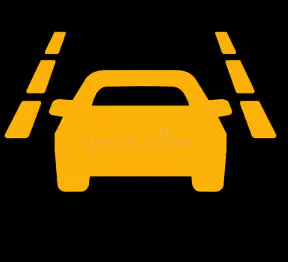
What does this symbol indicate?
Lane assist
Blind spot assist
Traffic jam assist
Car width assist
Modern cars come with varisous advanced driver assisting systems (ADAS).
What must be regularly checked to make sure the devices are functioning properly?
Test the battery level
Make sure the sensors are clean
Make sure there is a good GPS signal
Replace the sensors on annual servicing
If you are driving an unfamiliar car where would you find information about the dashboard lights, symbols, ADAS fitted & controls for the vehicle?
Ask the owner
Go to the garage and ask for a printout
In the manufacturers handbook
In the highway code book

