
 Worksheets
REVIEW:Tissues, Glands, Classification & Transmission of Disease
Total questions: 45
Worksheet time: 30mins
Which of the following is a major mode of disease transmission?
Genetic inheritance
Airborne transmission
Autoimmune response
Congenital transmission
What does the prefix "epi-" mean?
Below or under
Above or upon
Inside or within
All or entire
What does the prefix "pan-" mean?
All or entire
Blood or blood-related
Tumor or mass
Above or upon
What does the root "onc/o" refer to?
Tumor
Blood
White
Black or dark
What does the abbreviation "S&S" stand for in the context of disease presentation?
Signs and Symptoms
Symptoms and Solutions
Signs and Solutions
Symptoms and Signs of Recovery
Which of the following is NOT a characteristic of acute diseases?
Sudden onset
Symptoms present for a short time
Often curable
Symptoms persist for a long time
Which statement is true about chronic diseases?
They are typically managed but never eliminated
They are always curable
They develop rapidly
They last for a short duration
Can you identify four examples of chronic conditions?
Diabetes, asthma, arthritis, hypertension
Common cold, flu, food poisoning, headache
Pneumonia, strep throat, bronchitis, fever
Chickenpox, measles, mumps, sore throat
What is the cause of genetic diseases?
Mutations or inherited traits
Exposure to environmental factors
Development in the womb
Poor hygiene
Which of the following is NOT an example of a pathogen that causes infectious diseases?
Viruses
Bacteria
Fungi
Genetic mutations
What is the newer term for "Nosocomial infections"?
Idiopathic diseases
Hospital Acquired Infection (HAI)
Iatrogenic diseases
Healthcare-related diseases
What is an autoimmune disease?
A condition where the immune system attacks its own tissues and/or organs.
A condition caused by uncontrolled cell growth forming tumors.
A condition caused by external pathogens like bacteria or viruses.
A condition where the immune system becomes inactive.
How are the main types of cancer grouped?
By the severity of symptoms.
By the tissue they originate from.
By the age of the patient.
By the type of treatment required.
Which of the following is NOT a type of sarcoma?
Osteosarcoma
Liposarcoma
Hemangioendothelioma
Melanoma
What type of tissue do carcinomas originate from?
Connective tissue
Epithelial tissue
Nervous tissue
Muscular tissue
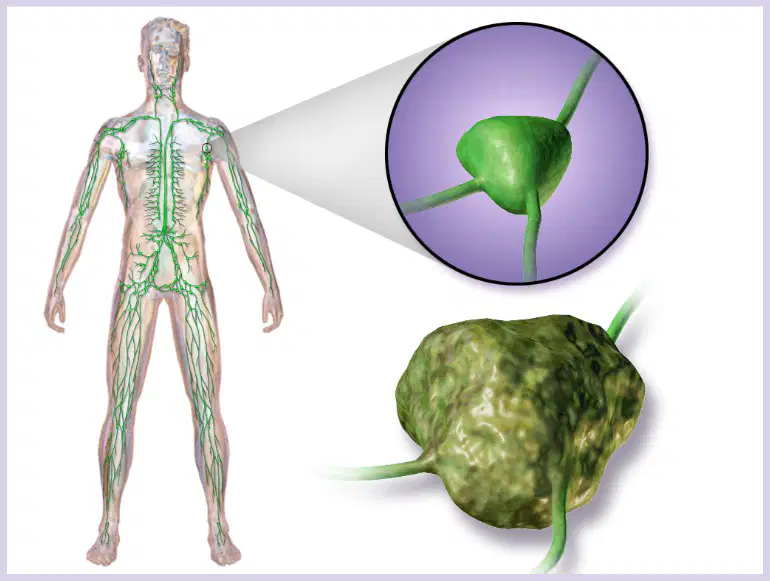
Which of the following is considered a 'liquid tumor' like leukemia?
Lymphoma
Melanoma
Osteosarcoma
Adenocarcinoma
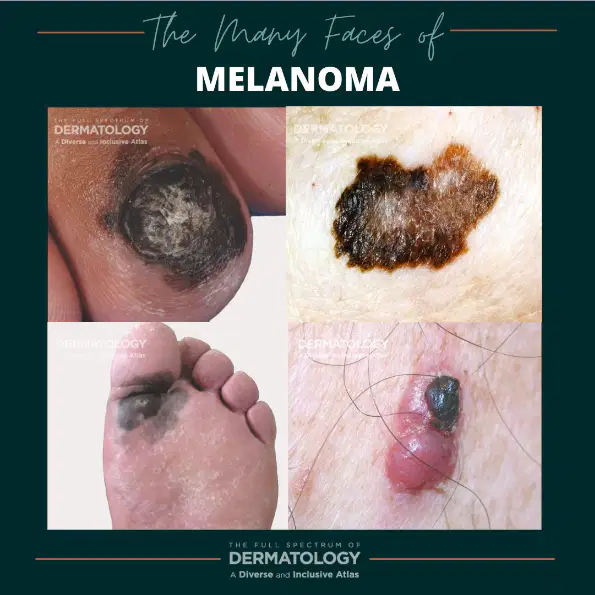
What type of cancer develops from melanocytes, the cells that produce pigment in the skin?
Melanoma
Carcinoma
Sarcoma
Leukemia
What does the term "benign" refer to in relation to tumors?
Non-cancerous, slow-growing, does not spread.
Cancerous, grows rapidly, invades other tissues.
Non-cancerous, grows rapidly, invades other tissues.
Cancerous, slow-growing, does not spread.
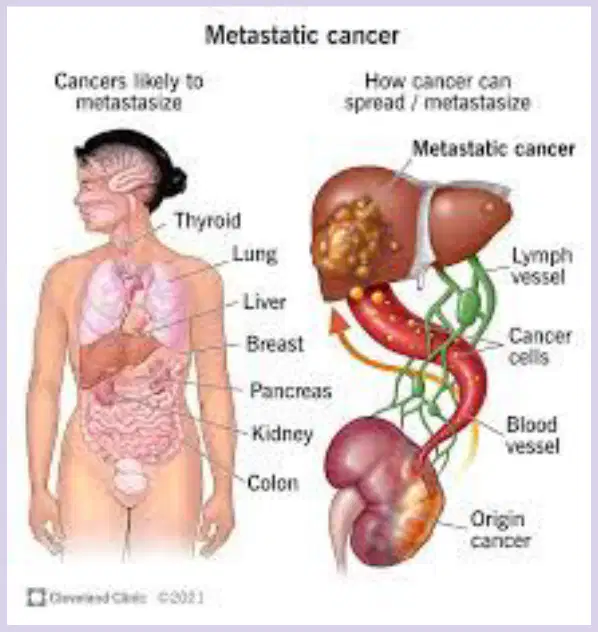
What happens to cancer cells during metastasis?
They invade surrounding tissues and vessels, travel through the bloodstream, and grow at a new location
They die off naturally without spreading
They form benign tumors in the body
They shrink due to treatment
What does the term "transmission" refer to in the context of disease?
The process of creating a pathogen
The spread of a disease
The presence of a pathogen
The prevention of contamination
Which term refers to a condition caused by a pathogen that can be transmitted from one host to another?
Infectious
Communicable
Contagious
Non-transmissible
What is the key characteristic of a contagious disease?
It spreads from person to person.
It is caused by a pathogen that has the ability to spread.
It can be transmitted from one host to another.
It cannot spread between individuals.
What is the main mode of transmission for respiratory infections like influenza?
Respiratory droplet transmission
Direct contact transmission
Indirect contact transmission
Vector-borne transmission
Which prevention method is effective against vector-borne diseases?
Regularly cleaning and disinfecting frequently touched surfaces
Using insect repellent containing DEET or Picaridin
Practicing respiratory hygiene
Avoiding close contact with infected individuals
What is a common prevention strategy for all modes of transmission?
Practicing good hand hygiene
Wearing long-sleeved shirts outdoors
Using personal protective equipment only when sick
Sharing personal items in communal settings
What is the role of vectors in disease transmission?
They are involved in direct contact transmission
They carry and transmit diseases through bites
They transmit diseases through sexual contact
They clean and disinfect surfaces
What is the main function of muscular tissue?
Protection
Conduction of impulses
Movement
Support
Which tissue type provides support and binds other tissues together?
Connective tissue
Epithelial tissue
Muscular tissue
Nervous tissue
Which tissue type is found in tendons and ligaments?
Muscular tissue
Connective tissue
Epithelial tissue
Nervous tissue
If someone has a "neuropathy," which tissue type is affected?
Muscular tissue
Connective tissue
Nervous tissue
Epithelial tissue
A physician who studies diseases by examining and reporting findings from tissues and body fluids is a(n)__________.
Epidemiologist
Psychiatrist
Pathologist
Podiatrist
A patient is diagnosed with "polymyopathy." Using your knowledge of word parts, which tissue type is affected?
Nervous tissue
Muscular tissue
Connective tissue
Epithelial tissue
Match the following organs to their primary tissue type.
Epidermis
Epithelial Tissue
Heart
Muscular Tissue
Bone
Connective Tissue
Spinal Cord
Nervous Tissue
This tissue covers body surfaces, covers and lines internal organs, and composes glands.
Epithelial
Connective
Muscle
Nervous
This tissue transmits impulses for coordination and regulation.
Epithelial
Connective
Muscle
Nervous
Match the following word parts to their meanings.
carcin/o
cancer
hist/o
tissue
adip/o
fat
aden/o
gland
Match the following suffixes with their definitions.
-plasia
formation or development
-crine
to secrete
-genic
producing or generating
-pathy
disease or disorder
-oma
tumor or mass
What tissue type is blood primarily composed of
epithelial
connective
muscle
nervous
There are four primary tissue types that interweave to form the "fabric" of the body, they are?
epithelial, connective, muscle, nervous
skeletal, cardiac, smooth, adipose
epithelial, skeletal, nervous, squamous
cartilage, muscle, epithelial, nervous
Which muscle types are involuntary?
Skeletal and smooth muscle
Cardiac and skeletal muscle
Skeletal and voluntary muscle
Smooth and cardiac muscle
Epithelial tissue is ________, while connective tissue is ____________.
avascular, vascular
vascular, avascular
dense, loose
skin, cardiac muscle
Match the following word parts.
neo-
new
home/o
constant
aden/o
gland
hist/o
tissue
-stasis
control
Which tissue type functions primarily to provide protection, structural support, and transportation of substances throughout the body?
Adipose
Muscle
Connective
Epithelial
Nervous

