
 Worksheets
Student Final Assessment - Unit 3: Chemical Reactions
Total questions: 25
Worksheet time: 30mins
What is the main difference between a chemical change and a physical change?
A. A physical change creates light, but a chemical change does not.
B. A physical change is hard to reverse, but a chemical change is easy.
C. A chemical change creates a new substance, while a physical change only changes its form.
D. A chemical change always gets hot, while a physical change always gets cold.
Which of the following is NOT a sign of a chemical reaction?
A. A color change, like rusting
B. Bubbles forming when two chemicals are mixed
C. A solid precipitate forming from two liquids
D. A solid melting into a liquid
The Law of Conservation of Mass means that:
The number and type of atoms must be the same on both sides of a chemical equation.
Energy can never be created or destroyed.
The products will always weigh less than the reactants.
A reaction must always produce a gas.
The starting materials in a chemical reaction are called the:
Products
Precipitates
Reactants
Catalysts
A chemical reaction that absorbs energy and feels cold is called:
A. Exothermic
B. Endothermic
C. A physical reaction
D. A product
Was this reaction endothermic or exothermic? Explain your reasoning.
The reaction was endothermic because it absorbed heat.
The reaction was exothermic because it released heat.
The reaction was endothermic because it released heat.
The reaction was exothermic because it absorbed heat.
A large log in a campfire burns all night and, in the morning, only a small pile of ash is left. Does this observation break the Law of Conservation of Mass? Why or why not?
No, because the mass is conserved as gases and smoke released during burning are not accounted for in the ash.
Yes, because the mass of the ash is much less than the original log.
Yes, because the Law of Conservation of Mass does not apply to burning.
No, because the Law of Conservation of Mass only applies to closed systems.
Which of the following lists three common signs that a chemical reaction has occurred, and provides a real-world example for one of them?
Color change, gas production, temperature change; an example is iron rusting (color change).
Melting, dissolving, freezing; an example is ice melting (melting).
Evaporation, condensation, sublimation; an example is water boiling (evaporation).
Expansion, contraction, magnetism; an example is a metal expanding when heated (expansion).



This change is a
chemical reaction
physical change
musical change
all answers are correct


Which of the following is not a clue that a chemical reaction has taken place?
Changing size
Changing odor
A gas being formed
Formation of a precipitate


Which column in the table includes only chemical changes?
A
B
C
D

The diagram shows
a chemical change
a physical change
none of the above

Mixing vinegar and baking soda is an example of a __________ change
Chemical
Physical

Check all the ones that are PHYSICAL changes
ice melting
vinegar + baking soda reacting
cutting paper
burning paper

Which is an example of a physical
change?
a candle burning
baking a cake
evaporating water
metal rusting
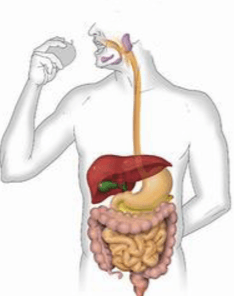
Is digesting your food a physical or chemical change?
Physical
Chemical

Physical change, melting
Chemical change, melting

Look at the image showing baking soda and vinegar being mixed together. The white powder (baking soda) reacts with the vinegar and creates bubbles and foam that spill over the bowl. What type of change is happening when you mix baking soda and vinegar?
physical change
chemical change

