
 Worksheets
Chapter 5 Cardiovascular System Review
Total questions: 29
Worksheet time: 15mins
What does the prefix 'cardi/o' refer to in medical terminology?
A) Blood vessels
B) Heart
C) Lungs
D) Blood
The cardiovascular system consists of ________, blood vessels, and blood.
heart
lungs
kidneys
liver
What is the pericardium?
A muscular organ
A double-walled membranous sac enclosing the heart
A blood vessel
A nerve ending
The pericardium contains fluid that acts as a lubricant to prevent friction as the heart beats.
True
False
What does the prefix 'peri-' mean in the word 'pericardium'?
surrounding
inside
above
between
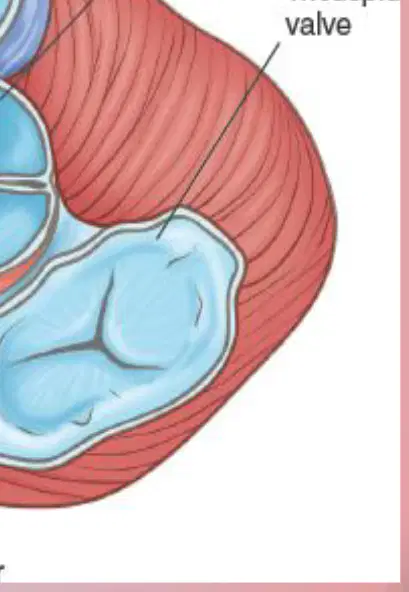
Which valve controls the opening between the right atrium and right ventricle?
Mitral valve
Tricuspid valve
Aortic semilunar valve
Pulmonary semilunar valve
Which valve is also known as the bicuspid valve?
Tricuspid valve
Pulmonary semilunar valve
Mitral valve
Aortic semilunar valve
Which type of circulation carries deoxygenated blood from the heart to the lungs?
Pulmonary circulation
Systemic circulation
Both
Neither
Which node is known as the heart's natural pacemaker?
Sinoatrial node
Atrioventricular node
Bundle of His
Purkinje fibers
Where are Purkinje fibers found and what is their function?
Purkinje fibers are found within the walls of ventricles; stimulation causes ventricles to contract.
Purkinje fibers are found in the atria; stimulation causes atria to relax.
Purkinje fibers are found in the sinoatrial node; stimulation causes heart rate to decrease.
Purkinje fibers are found in the pulmonary veins; stimulation causes blood oxygenation.
How is the conduction system of the heart visualized?
The conduction system is visualized as wave movements on EKG (or ECG).
It is visualized using X-ray imaging.
It is visualized by measuring blood pressure.
It is visualized through ultrasound scans.
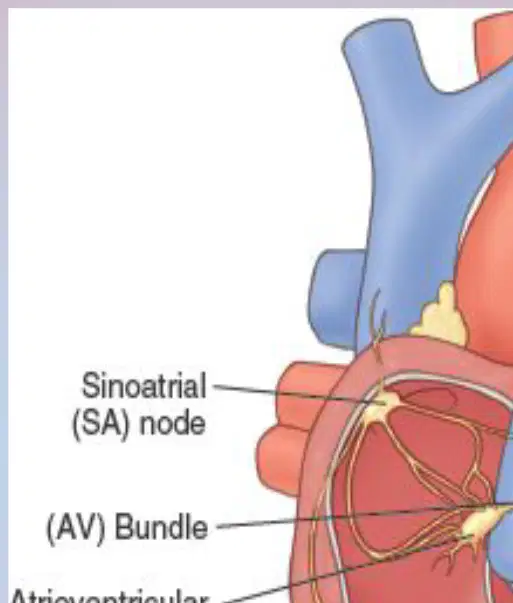
Which part of the heart is known as the natural pacemaker?
Sinoatrial (SA) node
Atrioventricular (AV) node
Bundle of His
Purkinje fibers
Which type of blood vessel carries blood away from the heart?
Veins
Arteries
Capillaries
Venules
What is the largest artery in the body?
Carotid artery
Femoral artery
Aorta
Radial artery
What are arterioles?
Large veins
Small arteries
Capillaries
Large arteries
Fill in the blank: Arterioles carry blood to the ________.
capillaries
veins
arteries
heart
Capillaries deliver _______ and nutrients to the cells.
oxygen
carbon dioxide
glucose
urea
Which type of blood vessel carries blood toward the heart?
Capillaries
Veins
Venules
Arteries
Valves in veins prevent the backflow of blood.
True
False
Venules are the _______ veins and join to form larger veins.
smallest
largest
thickest
oldest
The inferior vena cava transports blood from the lower portion of the body to the heart.
True
False
Systolic pressure occurs when the ventricles _________.
contract
relax
expand
stop
Diastolic pressure occurs when the ventricles _________.
relax
contract
fill with blood
empty
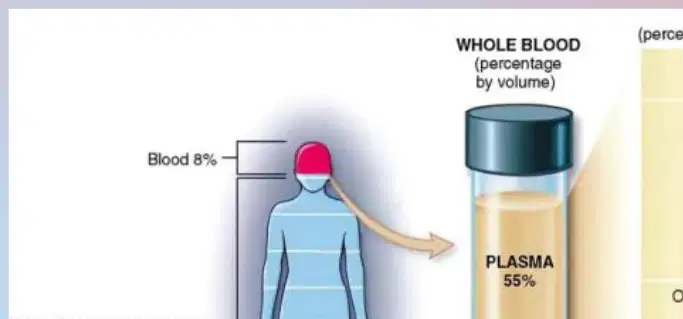
What percentage of blood is composed of plasma?
25%
45%
55%
75%
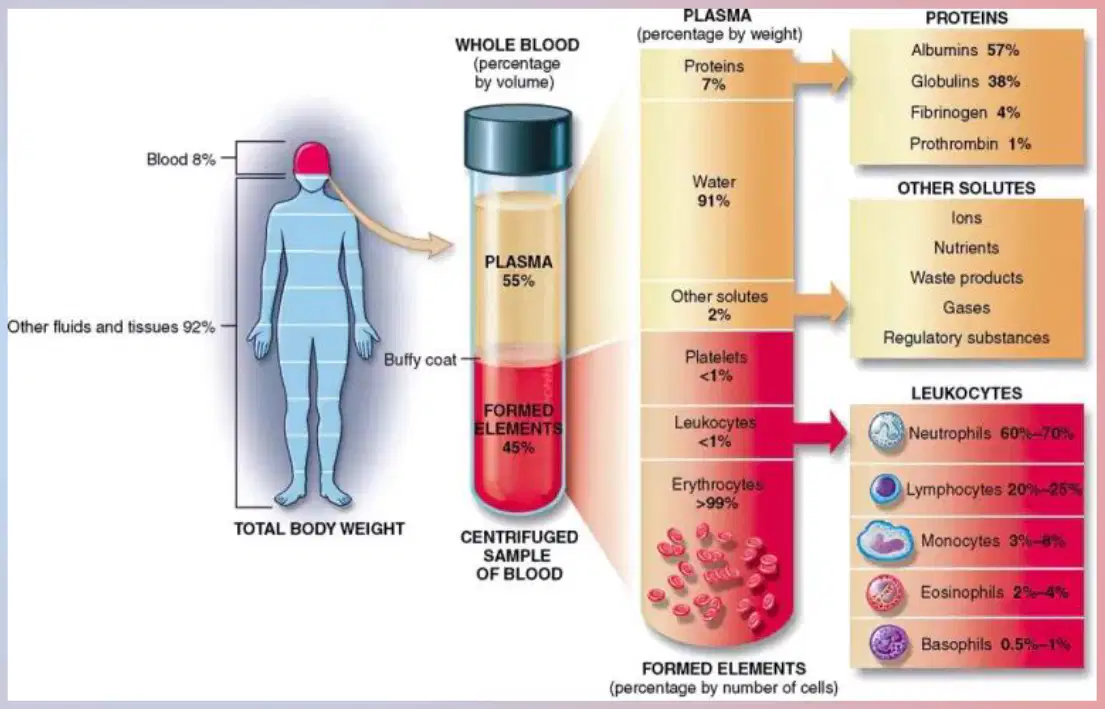
Fill in the blank: The formed elements make up ____% of blood.
45%
60%
25%
80%
What is the main function of thrombocytes (platelets) in the blood?
Transport oxygen
Fight infections
Play an important role in clotting of blood
Carry nutrients
What are leukocytes?
red blood vessels
plasma
white blood cells
platelest

Plasma is 90% _____ and is beige in color. Plasma contains digested food, chemicals, and waste products.
These substances are carried to and from the cells by the plasma.
Red blood cells
Platelets
Water
Minerals

