
 Worksheets
Pre exam Environmental sciences and society
Total questions: 92
Worksheet time: 2hrs 49mins


which is NOT an example of an organelle?
mitochondrion
nucleus
heart
cell membrane
How do mitochondria regulate energy in a cell?
Mitochondria transfer energy between cells as energy is needed.
Mitochondria convert energy in nutrients into usable energy.
Mitochondria absorb and convert energy from the sun.
Mitochondria convert energy from the nucleus into usable energy.
Which of these is NOT a unique structure to plant cells?
cell wall
central vacuole
chloroplas
nucleus
All cells need energy (ATP) to function. Which cell organelle is responsible for producing energy in the cell? "The Powerhouse"
chloroplasts
mitochondria
nucleus
vacuoles
Where do new cells come from?
other cells
nucleus
Golgi body
macrophages
What type of organic molecules are enzymes?
carbohydrates
lipids
nucleic acids
proteins
What are the subunits of DNA and their function?
nucleotides that store information
monosaccharides that provide quick energy for the cell
lipids that store energy and provide insulation
proteins that provide the building blocks for the structural components of organisms
Which type of molecule do whales use for energy storage and insulation?
DNA
glucose
fat
starch
Which most directly controls the rate as which food is broken down to release energy?
enzymes
hormones
nucleic acids
vitamins
In which part of the cell does photosynthesis usually take place?
mitochondria
chloroplasts
cell membrane
ribosome
Which macromolecule provides the most amount of energy to an organism?
carbohydrates
proteins
lipids
fats
Which molecule released by digestion is used during cellular respiration to provide energy to the body?
sugar
fat
amino acid
lipid
Which food can provide the most amount of energy in the shortest time?
fruit
chips
meat
milk
Which biomolecule is important to repair damaged cells in the body?
protein
fats
carbohydrates
lipids
What are two examples of renewable energy sources?
Coal and natural gas
Nuclear and hydroelectric
Oil and geothermal
Solar and wind power
Which of the following options is NOT a characteristic of living beings?
Homeostasis
Reproduction
Evolution
Respiration
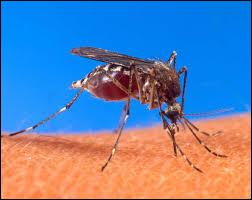

Heterotrophs- obtain food from other animals.
Observing the table above, Fungi and Animals are________?
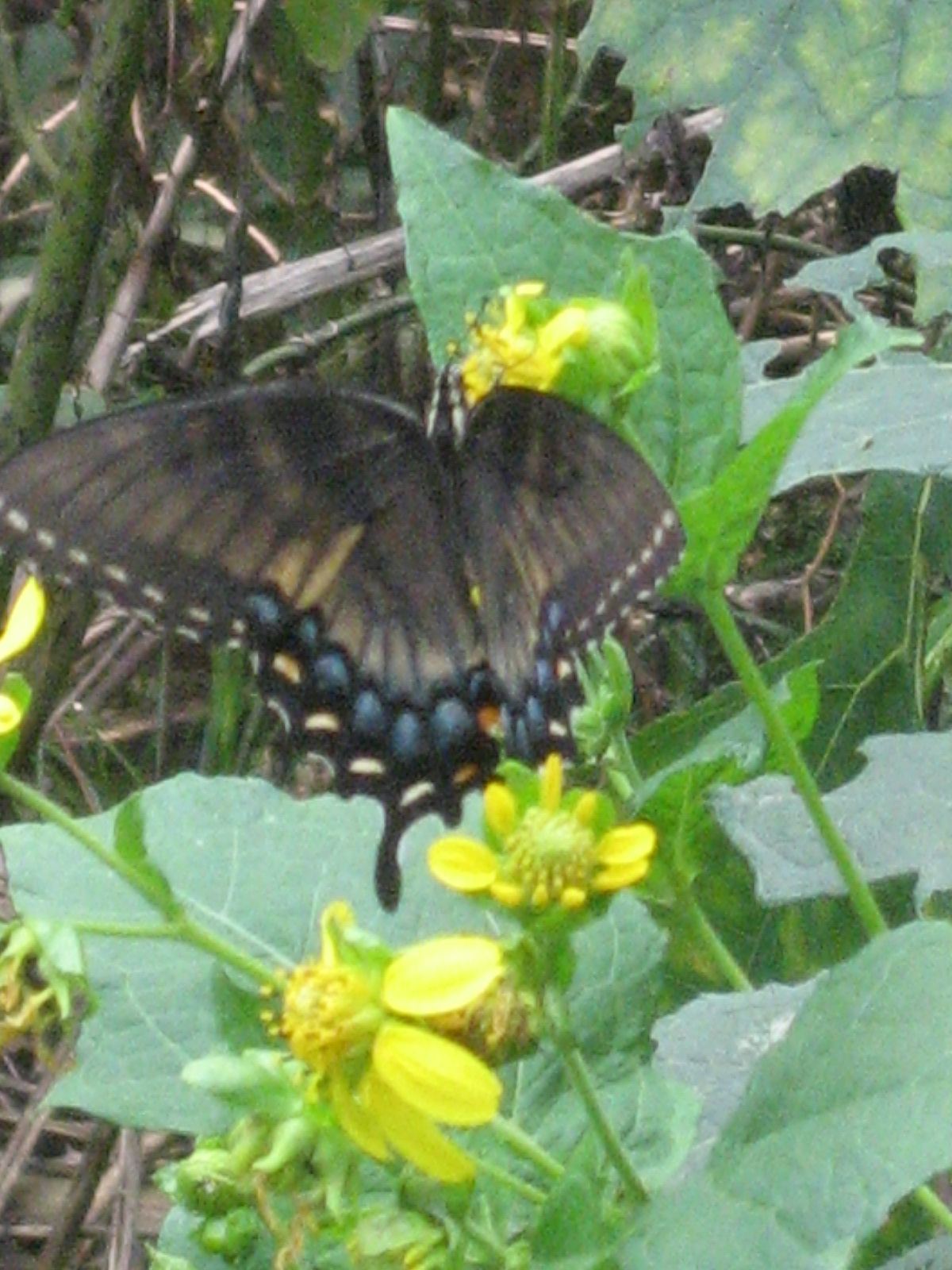
Which of the following is the correct way to write the scientific name?
Homo Sapiens
Homo S.
homo sapiens
H. sapiens
Which of the following options is NOT a component of a system?
Flows
Input
Output
Animals
What is positive feedback?
An input that helps the population to grow
An output that controls the population
An interaction that helps the population
A flow of energy that goes inside the system
Which of the following are the main elements found in biomolecules?
C, H, O, N, P, S
Ca, He, Os, Ni, Pt, Si
C, He, O, Mg, Pd, S
C, H, Os, Ma, Ni, Se
Which is the monomer that makes up carbohydrates?
Monosaccharides
Triglycerides
Amino acids
Nucleotides
What is the monomer that makes up proteins?
Amino acids
Monosaccharides
Diglycerides
Nucleotides
What is the monomer that makes up nucleic acids?
Monosaccharides
Fatty acids
Nucleotides
Amino acids
Which biomolecule is one of the main sources of energy in the human body?
Carbohydrates
Lipids
Proteins
Nucleic acids
Which biomolecule is useful for insulation and energy storage in the human body?
Carbohydrates
Lipids
Nucleic Acids
Proteins
Which biomolecule is a key part of the cell membrane and is needed in the formation of hormones?
Carbohydrates
Lipids
Proteins
Nucleic acids

What type of biomolecule is seen in this picture?
Carbohydrate
Lipid
Protein
Nucleic Acid

What type of biomolecule is seen in this picture?
Carbohydrate
Lipid
Protein
Nucleic Acid

What type of biomolecule is seen in this picture?
Carbohydrate
Lipid
Protein
Nucleic Acid

What type of biomolecule is seen in this picture?
Carbohydrate
Lipid
Protein
Nucleic Acid
survival of the fittest
Who is credited with the theory of evolution by natural selection?
Darwin
Mendel
This decision making value has to do with what is beautiful or pleasing
economic
aesthetic
environmental
social
This decision making value has to do with the gain or loss of money or jobs
moral
environmental
economic
educational
This decision making value has to do with the protection of natural resources
environmental
scientific
health
recreational
This decision making value has to do with what is right or wrong
ethical/moral
social/cultural
health
recreational
This decision making value has to do with understanding the natural world
aesthetic
scientific
recreational
health
A set of moral principles or values held by a person or society is called
ethics
culture
justice
biocentrism
The study of Earth's natural systems and how humans and the environment affect one another is
long term degredation
environmental science
ecological footprint
Materials and energy sources found in nature that humans need to survive are called
The Industrial Revolution
natural resources
culture
sustainability
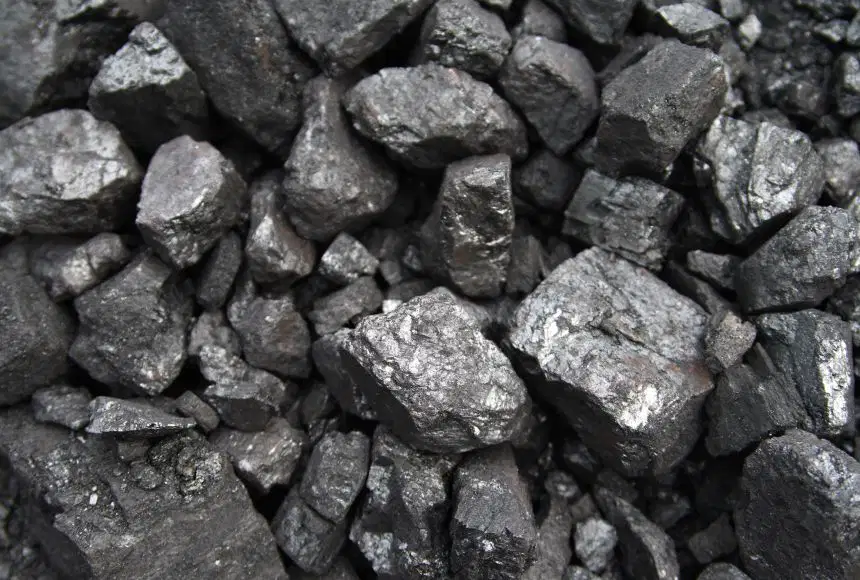
Coal, oil natural gas (fossil fuels) are which type of natural resource?
Non renewable
renewable
Solar, wind and water are examples of
Non renewable resources
renewable resources
Using resources at a rate that we can continue to use them for the foreseeable future is called
Tragedy of the Commons
biocentrism
sustainability
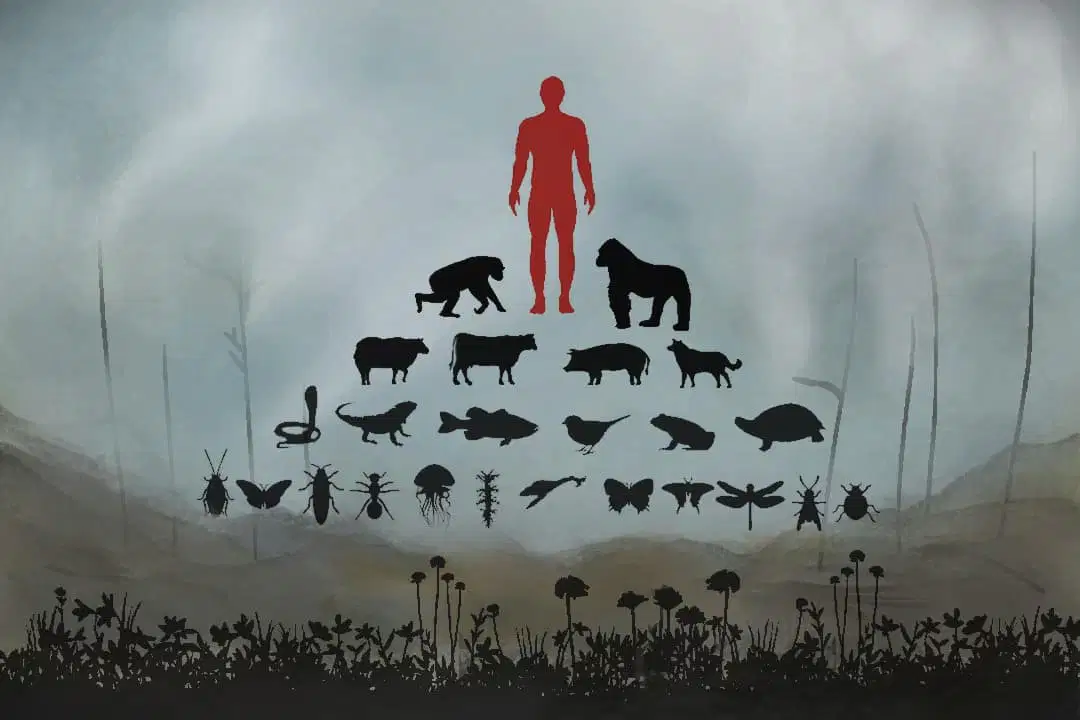
Anthropocentrism means
humans and human welfare most
important
human population growth
global warming
sustainability
All the living and non living factors interacting in an area is considered the
environment
ecological footprint
human population growth
What is an ecological footprint?
The amount of land needed to sustain an individual's resource use and waste
A measure of how much money a person spends on environemental products
The total amount of species in an area
The number of people living in a city

Which of the following actions could help reduce an ecological footprint?
Using more plastic products
Driving everywhere instead of walking
Increasing meat consumption
Using public transportaion or biking
Sustainability is making sure that the planet and its resources can continue to provide life.
True
False
Which of the following best describes biodiversity?
The variety of life on Earth, including different species of plants, animals and microorganisms
The total number of individual organisms in a specific area
All the members of one species in an area
The genetic diversity within a single species
An accurate definition of sustainability is
meeting population needs
meeting the needs of the present without compromising the ability of future generations to survive
meeting the needs of the future without worrying about todays
meeting the food needs of animals
All living things have value; some may be more important than others is which point of view?
Anthropocentrism
Biocentrism
Ecocentrism
The well-being of a species or community more important than that of an individual is which point of view?
Anthropocentrism
Biocentrism
Ecocentrism
An ensemble of knowledge, beliefs, values, and learned ways of life shared by a group of people is referred to as a
ethics
culture
worldview
Perception of the world and a person’s place in it is
ethics
culture
a worldview

Which community has higher species evenness?
Community A
Community B
Species richness is
a measure of how all of the individual organisms in an ecosystem are balanced between the different species.
the total number of different species found in an ecosystem
True or false: An ecosystem with high genetic diversity is healthier than an ecosystem with low genetic diversity.
True
False

Based on the graph shown, what is the effect of removing a keystone species on an ecosystem?
richness oscillates between extremes
richness stabilizes
richness increases
richness decreases
Select the three types of biodiversity.
*Be sure to select all three correct answers!
Species
Technological
Industrial
Genetic
Ecosystem
In our classroom, we have a high amount of __________?
Species Diversity
Genetic Diversity
Ecosystem Diversity
Industrial Diversity
Which of these biomes would have the highest amount of biodiversity?
Rainforest
Desert
Tundra
Which of these environments is the most vulnerable to change?
The Amazon Rainforest
Coral Reefs

