
Font size
 Worksheets
CU: Adaptations
Total questions: 73
Worksheet time: 47mins

Some species of birds migrate south for the winter. Which type of adaptation is this?
physical (structural)
behavioral: instinctual
behavioral: learned
not an adaptation

Hawks have excellent eyesight. Which type of adaptation is this?
physical (structural)
behavioral: instinctual
behavioral: learned
not an adaptation
An adaptation that is NOT part of the animal's body structure but is "hard-wired" in the DNA and does not require any experience.
behavioral: instinctual
behavioral: learned
physical (structural)
genetic adaptation
What is the basic source of new adaptations in organisms?
random mutations
natural selection
environmental pressures
gene sequencing
A color or pattern that helps an animal blend in with its habitat is called...
Dormancy
Mimicry
A state of reduced activity to conserve energy during harsh environmental conditions is called....
Nocturnal Activity
Dormancy
Mimicry

Which type of adaptation is it when birds sing to attract mates for reproduction?
Physical (Structural)
Behavioral: Instinctual
Behavioral: Learned

Which type of adaptation is it when porcupines have sharp quills to defend themselves from predators?
Physical (Structural)
Behavioral: Instinctual
Behavioral: Learned
Which of the following is a physical (structural) adaptation for the underlined animal?

The Asian shore crab invaded parts of the East Coast of the United States about 15 years ago. The Asian shore crab preys on blue mussels. In the time since the Asian shore crab arrived, the average shell thickness of the blue mussel population has increased. Which of the following is the most likely reason that this increase in shell thickness has occurred?

Some willow trees alter the chemical composition of their leaves when attacked by caterpillars. Compared to normal leaves, the chemically altered leaves are less nutritious and more difficult for caterpillars to digest.
Which of the following is a likely effect of this ability to alter leaf composition?
What is an adaptation?
A change in behavior or physical aspect of an organism in order to be better suited to survive in a particular environment.
A change that an organism quickly develops to survive.
A unique characteristic that makes an organism more likely to die before reproducing.
When animals lose or damage a body part during their lifetime.

The state reptile of Florida is the American Alligator. Reptiles rely on the environment to maintain their body temperature. Which behavioral adaptation below allows the alligator to control its body temperature?
Alligators mate in April and May.
The alligator basks in the sunlight.
Alligators lay between 20 and 50 eggs at one time.
The alligator eats turtles, small mammals, and birds.
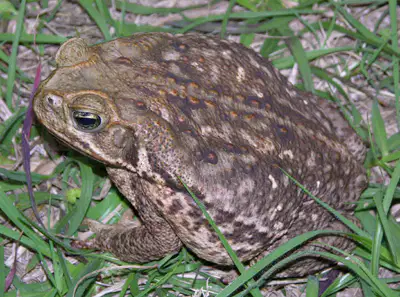
Bullfrogs are Florida’s largest frog species. Frogs spend part of their life cycles in water and part on land. Which physical characteristic is most useful for a water environment?
Thin skin
Large eyes
Webbed feet
Long, strong legs
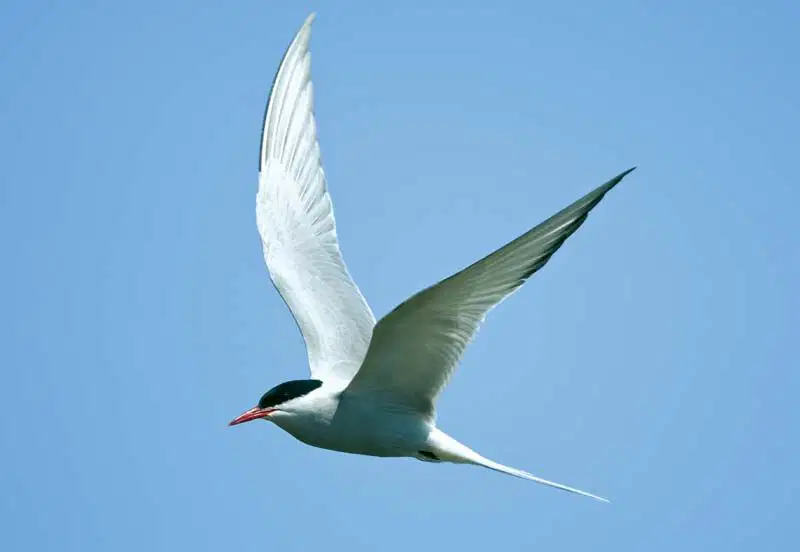
An Arctic Tern migrates for food and warmth. Which type of adaptation is this?
Behavioral: Instinctual
Physical (Structural)
Behavioral: Learned
When threatened, some animals make warning sounds to help other animals escape a predator. Which type of adaptation is this?
Physical (Structural) Adaptation
A physical (structural) adaptation...
is an inheritable trait, like a body part, that help an organism survive.
is an action an animal takes to survive and reproduce.
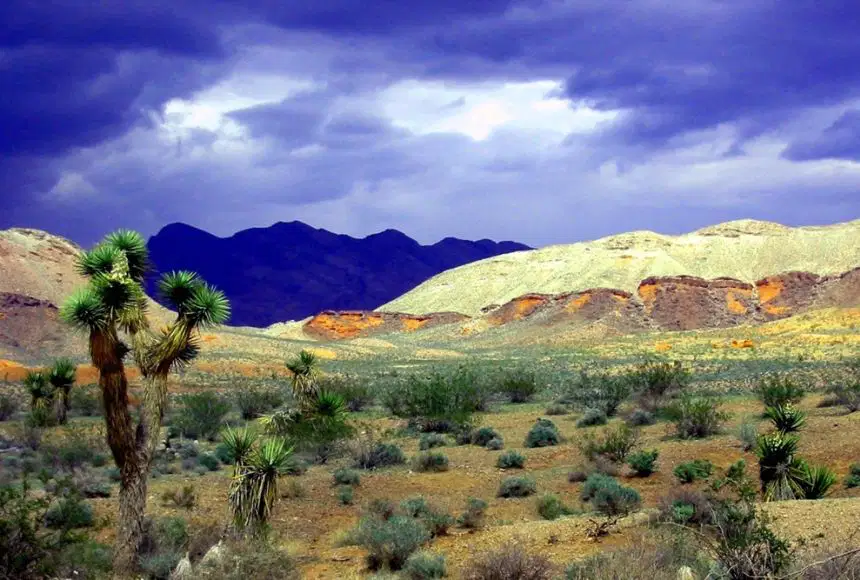
What is a habitat?
A unit used to measure biodiversity.
The outer layer of Earth’s atmosphere where animals live.
A specific place or environment where an organism lives.
A community of living things interacting with each other and with their nonliving environment.
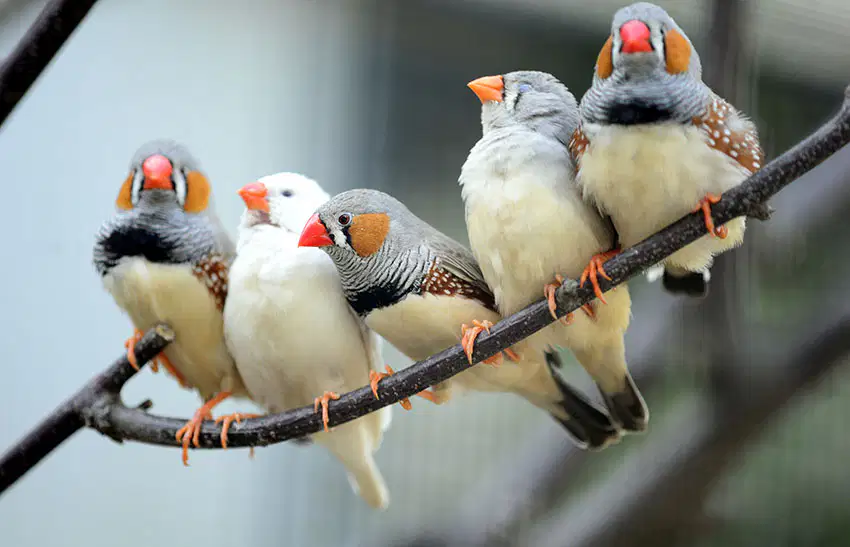
The migration of a flock of finches to a southern region is a _______________ adaptation.
general
physical (structural)
behavioral: instinctual
behavioral: learned

A chameleon altering its skin to blend in with the tree branch that it lives on is known as a ____________, and is a _____________adaptation.
camouflage; physical
mimicry; physical
mimicry; behavioral
camouflage; behavioral
Which of the following definitions best describes adaptation?
The ability of an individual to survive and reproduce in its specific environment.
An inherited characteristic of an organism which makes that organism better suited to its environment.
A fact or situation that occurs in nature.
Color, camouflage, sharp claws, and teeth are all examples of...
Learned behavioral adaptations
Physical (structural) adaptations
Instinctual behavioral adaptations
Chemical adapations
Mimicry, migration, hibernation, traveling in herds, and hunting in packs are all examples of...
Physical (Structural) Adaptations
Behavioral Adaptations
Chemical Adaptations
General Adaptations
mutation
natural selection
Animals who travel to warmer habitats in the winter to escape the cold are using which adaptation?
Mimicry
Camouflage
Dormancy
Migration
Teamwork
A _________ adaptation is the way an animal acts in order to help them survive.
physical (structual)
behavioral
simple
general

The black bear’s primary diet is fruit, nuts, honey, and berries. However, they also like to eat fish and small mammals. Their long, sharp claws make it possible to climb trees in order to reach some of their food sources. Black bears also have an extremely good sense of smell. Their long nose allows them to smell up to 20 miles away. This is 100 times better than humans can smell. The black bear’s tongue is sticky allowing them to easily eat ants, berries, and nuts. Black bears also have extremely strong legs, allowing them to move rocks and other obstacles out of their way to get to their food. Which one of the adaptations that black bears have is a physical (structural) adaptation?
Eating nuts
Sticky tongue
Eating fish and small mammals
Moving rocks
Some animals are able to copy other animals in order to look more dangerous to get away from predators. What is this called?
Hibernation
Camouflage
Mimicry
Migration

I am a polar bear who lives in the arctic. My fur is a beautiful white, just like the snow I live in. What is this adaptation called?
camouflage
mimicry
migration
hibernation
What is a predator?
An animal that hunts, kills, and eats other animals for food.
An animal that is hunted by another animal.
What is a prey?
An animal that hunts, kills, and eats other animals for food.
An animal that is hunted by another animal.
A feature that allows an organism to survive its environment is called what?
Mutation
Adaptation
Trait
Survivability factor
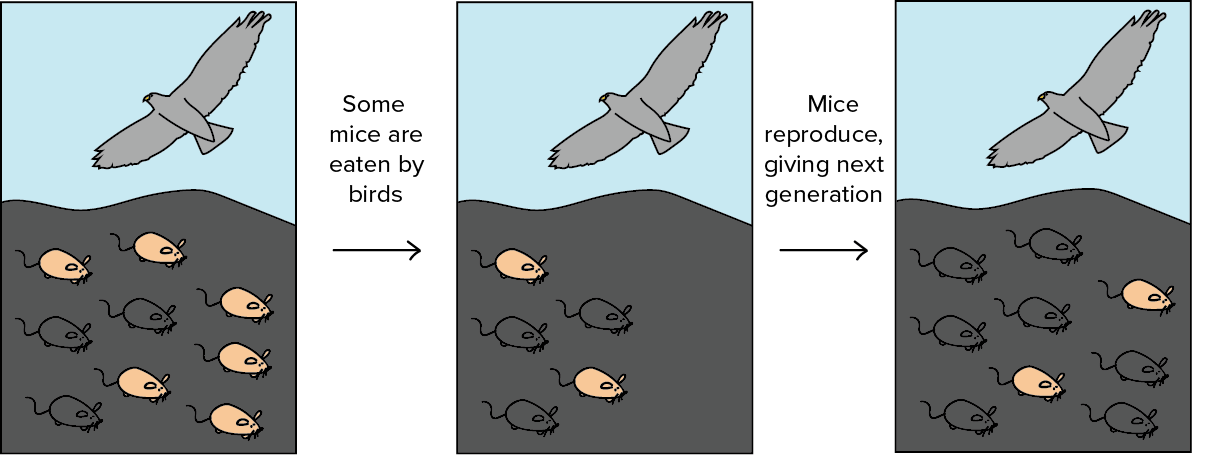
Use the image to answer the following: Why is the mouse population changing over time?
*You can click on the image to make it larger.
The light mice can reproduce more successfully than the dark mice.
The hawks eat more dark mice than light mice because the dark mice taste better.
The hawks eat more light mice than dark mice because they can see the light mice more easily.
The hawks eat more dark mice than light mice because they can see the dark mice more easily.
Which of the following BEST describes what is meant by Natural Selection?
An organism will survive no matter what its adaptations may be.
An organism with adaptations that do not allow it to reproduce as effectively as others will survive.
An organism with adaptations that allow it to obtain resources and reproduce more effectively than others will survive.
No organisms will survive.

The apple snail lives in ponds, lakes, and rivers. The apple snail is the largest snail found in the freshwaters of North America. The illustration shows an apple snail. How is the structure labeled X an adaptation for the apple snail?
*You can click on the image to make it larger.
The apple snail uses this structure to find food.
The apple snail uses this structure to reproduce.
The apple snail uses this structure to digest its prey.
The apple snail uses this structure to protect itself from predators.
In the fall, a ground squirrel will store the energy from food as a thick layer of fat. What is most likely the reason for this adaptation?
It keeps the animal from being exposed to diseases in winter.
It keeps the animal from being eaten by predators that hunt during winter.
It helps the animal get exercise during winter when it is snowing.
It helps the animal survive a cold winter when there is very little food.
Rivers are home to many kinds of birds. Which general foot type is most likely the adaptation of a bird that swims in water to find food?


Pelicans are birds that live in many water environments. They can live in large lakes, in marshy wetlands, and along beaches near the ocean. The picture shows a pelican. What does the pouch on its bill most likely help the pelican do?
Catch fish
Store water
Attack other animals
Balance when it walks
Which of the following is an example of a behavioral adaptation?
The long neck of a giraffe.
Penguins huddling together for warmth.
A camel's hump used to store water.
A polar bear's white fur used for camouflage.

Which type of adaptation is a monkey using its long tail to help it swing from branch to branch?
Behavioral: Learned
Physical (Structural)
Behavioral: Instinctual
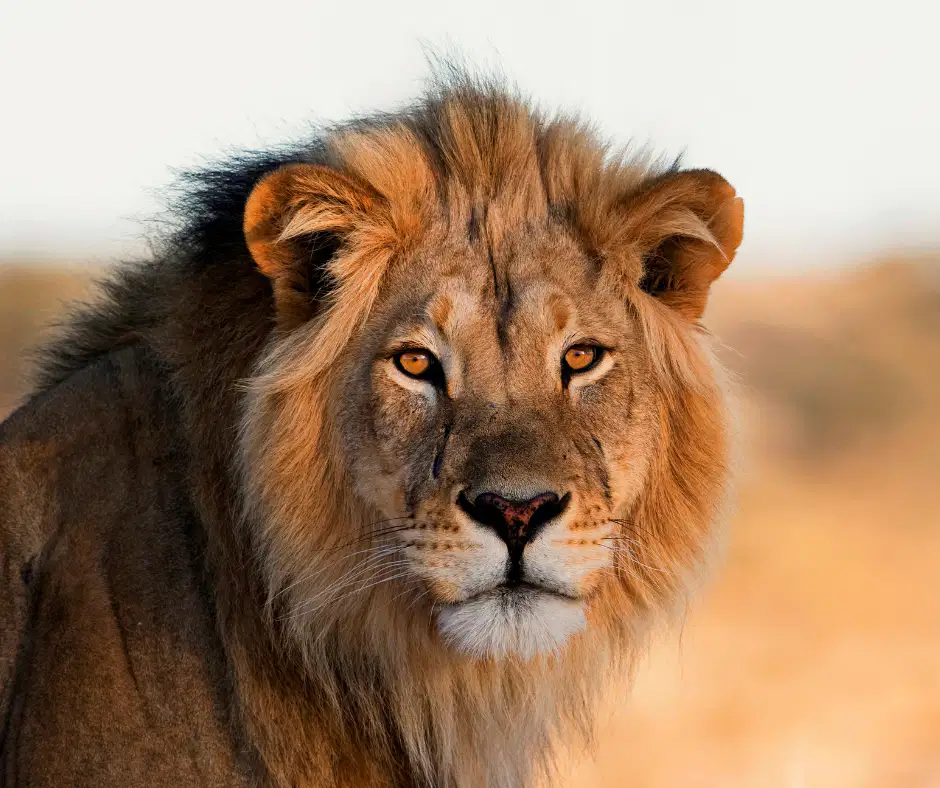
A lion has pointed teeth to help it tear meat off of the bone.
Behavioral: Learned
Physical (Structural)
Behavioral: Instinctual
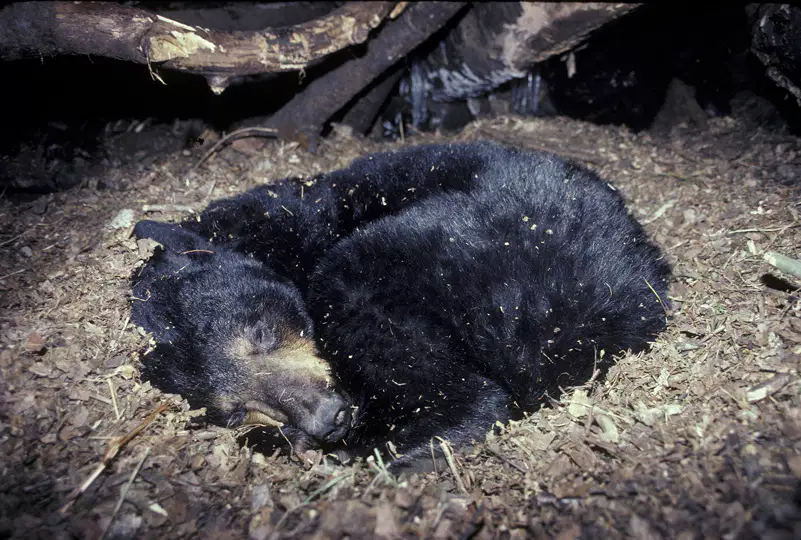
A black bear hibernates during the winter months. This is an example of...
Behavioral Adaptation
Physical (Structural) Adaptation
Physical (Structural) Adaptation
Cats have long tails to help them balance.
Learned Behavioral Adaptation
Physical (Structural) Adaptation
Instinctual Behavioral Adaptation
Mutations are important because they bring about....
the death of the organism in which they develop.
genetic variation needed for a population to evolve.
benefits for the individual, not for the population.
Over time, natural selection _______________ how common a beneficial trait is in a population.
increases
decreases
does not effect
Which of the following is a phrase commonly associated with natural selection (even though Charles Darwin did not coin it; a philosopher/sociologist did)?
Survival of the Smartest
Survival of the Fastest
Survival of the Biggest
Survival of the Fittest

Adaptations are:
physical or behavioral tendencies.
physical or behavioral characteristics that help an organisms survive and reproduce.
physical or behavioral characteristics that do not help the organism in any way.
genetic mutations that have gone wrong.
Which is NOT an example of mimicry:
The fur of an arctic fox turns white in winter to match the snow
The tongue of an alligator snapping turtle looks like a worm, so he lures fish to his mouth
A bad tasting butterfly & a good tasting butterfly have similar markings, so birds don't eat either kind
What is required for a genetic trait to be considered an adaptation?
It must look cool.
It must help to survive and reproduce.
It must kill predators.
It must create competition.

A tube worm will emerge out of its tube during high tide to find food. The tube itself is a ____________ adaptation, while coming out of its tube is a ____________ adaptation.
Physical (Structural); Behavioral
Physical (Structural); Social
Behavioral; Physical (Structural)
Behavioral; Social

What is an adaptation?
A change in DNA
A trait of an organism that helps it survive in its habitat
Grizzly bears hunt salmon (fish) from a mountain stream. Which statement is true about the bear and the salmon (fish)?
They both migrate
They are both water animals
The salmon is prey for the bear
The bear is prey for the salmon.

Some animals, such as lions, have pointed teeth, while others animals, such as cattle, have flat teeth. The difference in the shape of these animals' teeth is most closely related to...
the type of organisms the animals consume.
the sounds the animals make.
the habitat the animals live in.
the type of predators the animals have.
Many animals experience dormancy, which can be hibernation or torpor. This is an adaptation that helps animals by...
building strong muscles for fighting enemies.
allowing them to avoid the harsh sun and rains.
conserving energy when food is hard to find.
making them easy for predators to see.

Darwin wrote that organisms with traits that are best suited to the environment will ________________.
Mutation

What do we call mistakes or changes that occur in the DNA sequence?
natural selection
adaptations
mutations
Darwinism
Variations
Which of the following best describes an ecosystem?
A place with many different species of animals.
The climate conditions of an environment.
All the biotic (living) factors in an area.
A place where biotic (living) and abiotic (nonliving) things interact with each other.

Goats have eyes on the side of the head. What does this adaptation say about the goats?
Goats are prey, and it allows goats to have a wide viewing range.
Goats are prey, and it allows goats to have a smaller viewing range.
Goats are predators and need a wide viewing range to see their prey.
Goats are predators and this allows them to see in infrared (heat).

Animals have adaptations that help them in survival. One example of this is the giraffe's long neck. What primary purpose does this adaptation serve?
Protection from heat
Protection from predators
Increased speed
Gathering food
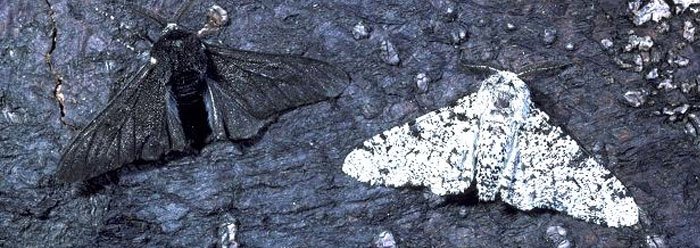
Which moth is better adapted to an environment with light trees?

Which grasshoppers are going to die faster in a green field?
*You can click on the image to make it larger.

Plants need light for photosynthesis. If a seedling grows quickly it can reach the sunlight more easily. Over time, the number of fast growing seedlings will ________ and the number of slow growing seedlings will ___________ .
increase; decrease
decrease; increase
stay the same; stay the same

What would happen if the arctic hare was introduced into a new environment without snow and ice?
The species would become overpopulated.
The chance of young hares surviving to adulthood and reproducing would be greatly diminished.
The hare would be a popular target for game hunters.
All of the above.

mutation.
gene flow.
gene pool.
allele.
adaptation.


Mutations are usually ______________.
helpful
harmful
neutral (not harmful or helpful)
deadly
Which of the following are part of an ecosystem? Choose ALL correct answers.
living things
air
water
soil
sunlight
Match the following:
Habitat
home of the organism
Ecosystem
neighborhood of the organism
Food Chain
sequence of organisms each dependent on the next as a source of food

