
 Worksheets
Senior Economics Prep for IA1
Total questions: 55
Worksheet time: 28mins

What is the main reason Australia engages in international trade with other countries?
To gain from differences in opportunity costs and specialise
To reduce domestic employment
To increase inflation
To limit consumer choice

Factor endowment refers to a country's:
Quantity and quality of natural, human, and capital resources
Level of government debt
Exchange rate setting
Taxation structure
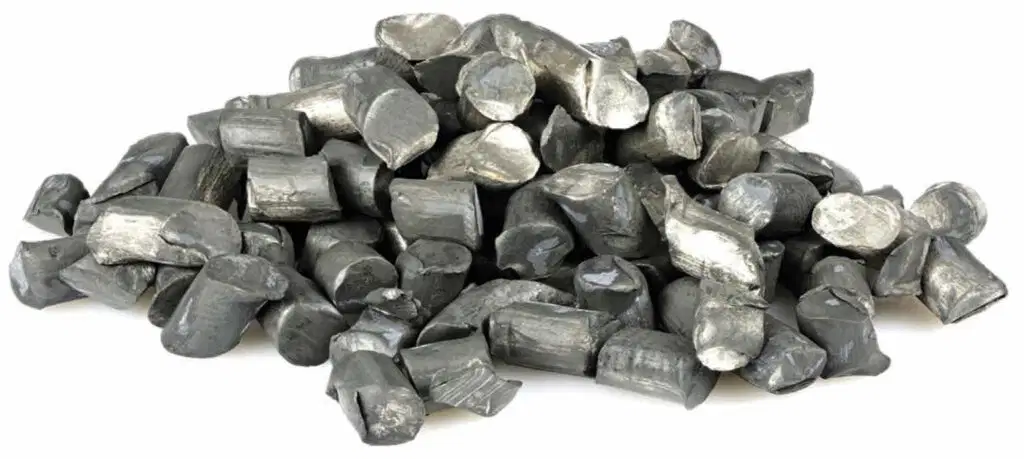
Australia is known to have large lithium deposits. What is Australia most likely to do as a result?
Import more minerals
Export more finished goods
Reduce trade with neighbours
Export lithium due to comparative advantage
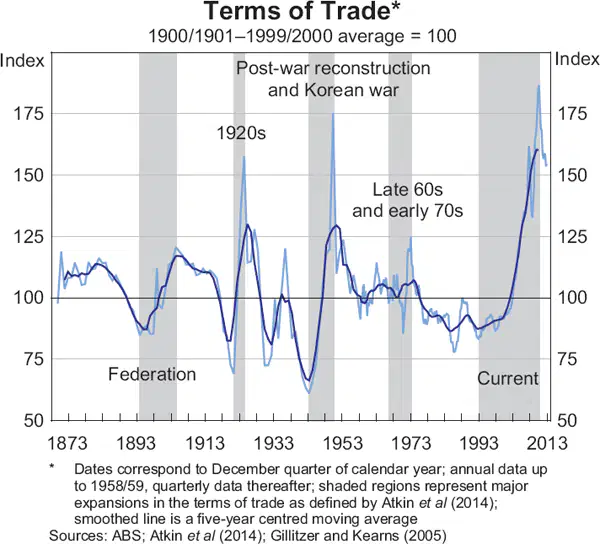
An improvement in Australia's ToT means:
Import prices rose faster than exports
Export volumes collapsed
Inflation fell
Export prices rose relative to import prices
Suppose Australia's terms of trade (ToT) increase due to a rise in the price of its exported goods relative to its imports. What is a likely outcome for the Australian economy?
AUD depreciation
Increased foreign demand for AUD
Lower export revenue
Decrease in national purchasing power
Which factor increases the supply of AUD?
A rise in foreign incomes
A rise in domestic interest rates
Increased foreign investment in Australia
An increase in Australian imports

If traders expect the AUD to fall, they are likely to:
Buy more AUD
Sell AUD now — increasing supply
Stop trading
Rise interest rates

Suppose the Reserve Bank of Australia announces an increase in domestic interest rates. Which of the following is most likely to increase the demand for AUD in this scenario?
Higher domestic interest rates
Increase in imports
Fall in export prices
Higher domestic inflation

Positive speculation about the AUD leads to:
More AUD being sold
No change in FX markets
Falling export demand
More AUD being bought
Suppose incomes in countries that trade with Australia increase. What is the most likely effect on the Australian economy?
Falling demand for AU exports
Greater demand for AU goods and services
Decreased AUD demand
Lower export prices
In the context of the Australian economy, the Current Account records:
Goods services income and current transfers
All government spending
Foreign debt levels
Capital transfers only
When an overseas company invests in Australian businesses, how is this recorded in Australia's Balance of Payments (BOP)?
Money flowing out of Australia
A fall in FDI
A fall in exports
Money flowing into Australia
Which of the following is recorded as a debit in Australia's Current Account?
Export of iron ore from Australia
Australians spending money while travelling overseas
Foreign students paying tuition fees to Australian universities
Foreign companies earning income from investments in Australia
Suppose a major international company decides to build a new factory in Sydney, investing millions of dollars into Australia. How would this rise in FDI appear in Australia's balance of payments?
A Current Account credit
A Capital Account debit
An error and omission
A financial account credit
Suppose Australian consumers start buying more imported electronics from overseas. What is the likely effect on the Australian Dollar (AUD)?
AUD demand rises
AUD supply increases — depreciation
AUD always appreciates
No effect in FX markets
Australia has an absolute advantage in producing wool compared to other countries. This means:
Producing at lowest opportunity cost
Producing wool more efficiently than another country
Having lowest inflation
Reducing imports
Comparative advantage occurs when a country:
Produces everything
Has largest GDP
Produces a good at lower opportunity cost
Exports only primary goods
According to comparative advantage, what should Australia do in terms of its economy?
Produce everything
Specialise in goods it produces most efficiently
Avoid exporting high value goods
Reduce productivity
The Factor Endowment model suggests trade arises from:
Tax differences
Differences in resources
Government spending
Interest rates
Higher ToT improves national income because:
Export prices fall
Import prices rise faster
Export prices rise relative to import prices
Inflation decreases
Suppose incomes in Australia increase. What is the likely effect on Australia's trade?
Higher exports
Higher imports → more AUD sold
Lower imports
Less speculation
Suppose Australia experiences a period of higher domestic inflation. What is the most likely impact on the competitiveness of Australian goods in international markets?
AU goods more competitive
AU goods less competitive → more imports
Falling imports
Rising foreign investment
Suppose global demand for Australian iron ore and coal increases significantly. What is the likely impact on the Australian dollar (AUD)?
Lower export revenue
AUD depreciation
AUD appreciation
Lower foreign incomes
Which increases demand for AUD?
Lower ToT
Lower interest rates
Higher export revenue
Higher imports
Which of the following situations would increase the demand for Australian dollars (AUD) in the foreign exchange market?
Higher foreign direct investment (FDI) into Australia
Higher domestic interest rates in Australia
Australians increasing their imports of goods and services
Rising prices for Australian exports
The Financial Account includes:
Goods and services
Income flows
Current transfers
Investment flows and reserve assets
The Capital Account includes:
Commodity exports
Capital transfers and non-produced assets
FDI and portfolio flows
Services credits
Suppose the Reserve Bank of Australia announces an increase in interest rates. What is the most likely effect on the supply of the Australian dollar (AUD)?
Decreases supply of AUD
Increases demand for AUD
Increases supply of AUD
Depreciates AUD
Suppose Australia’s export prices fall relative to its import prices. What happens to Australia’s terms of trade (ToT)?
Improves
Stays constant
Becomes irrelevant
Deteriorates
Australia's economy is often described as commodity dependent. What does this mean?
Dependence on imported goods
Dependence on taxation revenue
Dependence on a small number of export commodities
Dependence on FDI
Which of the following is an example of a service export in the Australian economy?
Australians holidaying in Fiji
Foreign students studying at Australian universities
Importing medical equipment into Australia
Buying Chinese electronics in Australia
Suppose international investors start purchasing more shares in Australian companies and government bonds. What is likely to happen to the value of the Australian dollar (AUD)?
Falls
Rises
Unaffected
Collapses
In a real-life scenario, what could lead to the depreciation of the Australian Dollar (AUD) in the Australian economy?
Higher export prices
Higher domestic interest rates
Increased imports
Increased FDI
In the context of the Australian economy, what is an example of a Current Account income debit?
Income earned by Australian firms overseas
Exporting LNG from Australia
Foreign Direct Investment inflows into Australia
Foreign firms earning income in Australia
Specialisation in trade allows the Australian economy to:
Produce everything
Reduce productivity
Stop trading
Focus on goods it produces efficiently
Which is an example of positive speculation in the Australian economy?
Selling AUD due to expected fall
Banks dumping AUD
Investors buying AUD expecting it to rise
Foreigners reducing AU tourism
In the Australian economy, if commodity prices rise strongly, what is likely to happen to the AUD?
AUD falls
AUD appreciates
AUD stays flat
AUD collapses
Suppose Australian investors decide to purchase shares in a major US technology company. Which of the following would this transaction be recorded as in Australia's Financial Account?
Capital inflow
FDI into AU
AU investors buying foreign assets
Foreign reserves increasing
In the context of the Australian economy, which statement best describes ToT?
Ratio of export prices to import prices
Ratio of GDP to inflation
Ratio of income to spending
Ratio of CA to FA
Imagine you are planning to buy a new smartphone that is imported from overseas. If the AUD unexpectedly depreciates, what are you likely to experience as a consumer in Australia?
Lower import prices
Higher import prices
No price changes
Cheaper overseas holidays
Which of the following transactions is recorded in the Financial Account of Australia's Balance of Payments?
Export of wheat to China
Import of cars from Japan
Foreign direct investment into Australian real estate
Payment of foreign aid
If an Australian company acquires a factory in Indonesia, how is this reflected in Australia's Balance of Payments?
As a credit in the Financial Account
As a debit in the Capital Account
As a debit in the Current Account
As a credit in the Services Account
Which of the following best describes the difference between the Capital Account and the Financial Account?
Capital Account records income flows; Financial Account records export revenue
Capital Account records trade in goods; Financial Account records trade in services
Capital Account records capital transfers and non-produced assets; Financial Account records investment flows
Capital Account records government spending; Financial Account records private sector spending
Which of the following formulas correctly measures a country's terms of trade (ToT)?
(Import Price Index / Export Price Index) × 100
(Import Volume / Export Volume) × 100
(Export Price Index / Import Price Index) × 100
(Export Volume / Import Volume) × 100
If a country's export price index rises from 120 to 150 while its import price index remains at 100, what happens to its terms of trade?
Terms of trade become negative
Terms of trade deteriorate
Terms of trade improve
Terms of trade remain unchanged
Why is the terms of trade formula multiplied by 100?
To express the result as a percentage
To compare trade volumes
To convert prices into local currency
To adjust for inflation
What is the correct formula to calculate the percentage change between an old value and a new value?
(New Value - Old Value) / Old Value × 100
(Old Value - New Value) / New Value × 100
(New Value - Old Value) × 100
(New Value + Old Value) / Old Value × 100
If the price of a product increases from $50 to $65, what is the percentage change?
35%
25%
15%
30%
Which of the following best describes the purpose of multiplying by 100 in the percentage change formula?
To compare two unrelated values
To express the change as a decimal
To adjust for inflation
To convert the result into a percentage
Which of the following best represents the formula for calculating opportunity cost?
Opportunity Cost = Price × Quantity
Opportunity Cost = Total Output / Total Input
Opportunity Cost = Total Revenue - Total Cost
Opportunity Cost = Value of Next Best Alternative Forgone
If producing 1 unit of good A requires giving up the production of 3 units of good B, what is the opportunity cost of producing 1 unit of good A?
1 unit of good B
Cannot be determined
3 units of good B
0.33 units of good B
Which formula would you use to calculate the opportunity cost per unit of a good in a two-good economy?
Opportunity Cost per unit = Units of other good given up / Units of good gained
Opportunity Cost per unit = Total Cost / Total Output
Opportunity Cost per unit = Price of good × Quantity
Opportunity Cost per unit = Total Revenue - Total Cost
Which of the following is NOT one of the four determinants of competitive advantage according to Porter’s Diamond Model?
Factor conditions
Related and supporting industries
Government regulation
Demand conditions
How do firm strategy, structure, and rivalry contribute to a nation's competitive advantage?
By limiting competition in the domestic market
By encouraging innovation and efficiency among domestic firms
By increasing import tariffs
By reducing the need for skilled labor
Which determinant of competitive advantage is most directly influenced by the presence of strong supplier and related industries?
Demand conditions
Firm strategy, structure, and rivalry
Related and supporting industries
Factor conditions

