
Font size
 Worksheets
A1.1 - A2.3 MCQ
Total questions: 86
Worksheet time: 43mins
What allows the movement of water under tension in the xylem?
Adhesion of water molecules to dissolved mineral salts
Cohesion of water molecules due to hydrogen bonding
Adhesion between water molecules due to uneven sharing of charges
Cohesion between water molecules and other polar substances
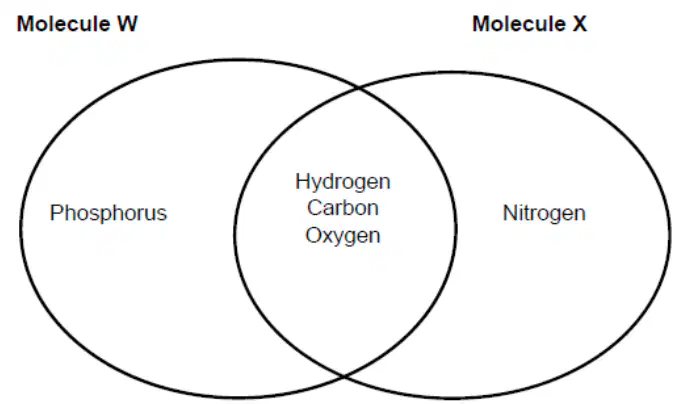
The diagram shows the elements present in two organic molecules, W and X. Which molecules could W and X be?
W could be monosaccharide and X could be amino acid.
W could be nucleic acid and X could be triglyceride.
W could be phospholipid and X could be protein.
W could be triglyceride and X could be fatty acid.
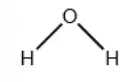
Which symbol indicates the polarity of the oxygen atom in the water molecule?
A. δ +
B. δ —
C. +
D. —
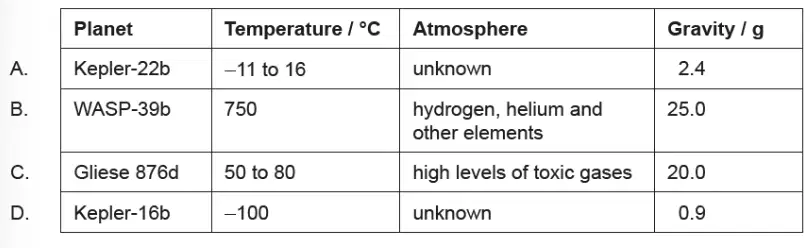
Which planet in the table falls within the “Goldilocks zone” and may be capable of sustaining extraterrestrial life?
A
B
C
D
What property of water leads to aquatic environments having low fluctuations of temperature throughout the year?
High specific heat capacity because covalent bonding restricts molecular motion
Low specific heat capacity because covalent bonding restricts molecular motion
Low specific heat capacity because hydrogen bonding restricts molecular motion
High specific heat capacity because hydrogen bonding restricts molecular motion
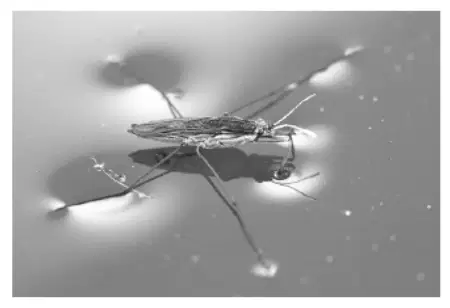
The photograph shows a pond skater.
Which property of water allows the insect to walk on water?
Adhesion
Capillarity
Surface tension
Transparency
What is a reason for the changes in blood flow during exercise?
Increased blood flow to the kidneys removes waste products from exercise.
Blood flow to the brain decreases so that blood is diverted to the kidneys.
Increased blood flow to the skin removes heat.
Increased blood flow to the digestive system provides more glucose to muscles.
What describes bonding within a water molecule?
Hydrogen bonding due to transfer of electrons
Double bonds due to equal sharing of electrons
Non-polar covalent bonding due to equal sharing of electrons
Polar covalent bonding due to unequal sharing of electrons
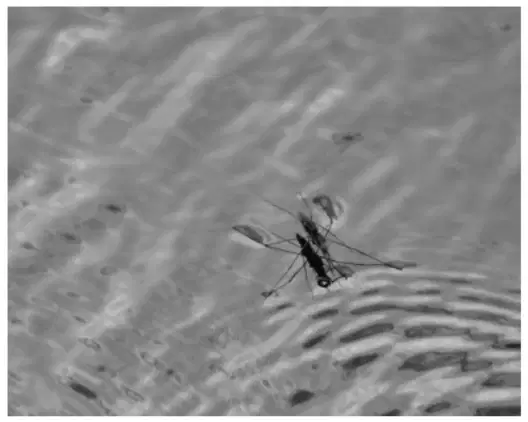
Water striders of the Gerridae family of insects have areas of their legs covered with a hydrophobic substance.
State the property of water that allows water striders to walk on the surface.
Adhesion of water molecules
Cohesion of water molecules
High specific heat capacity
High density
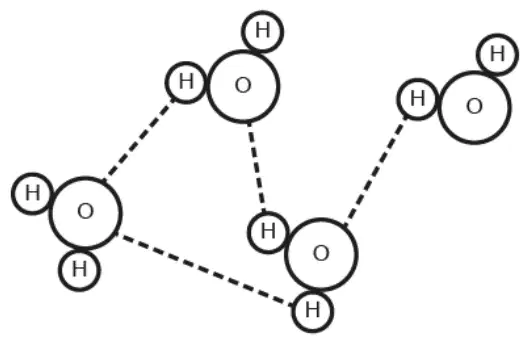
The diagram shows water molecules.
Which property of water is not illustrated?
Cohesion
Dipolarity
Hydrogen bonding
Adhesion
What are linked by hydrogen bonds?
Hydrogen and oxygen within a water molecule
Phosphate and sugar within a DNA molecule
Base and sugar between DNA nucleotides
Hydrogen and oxygen in different water molecules
What is the benefit to living organisms that water has a high specific heat capacity?
Heat can be lost from the skin when sweat evaporates.
Aquatic environments do not have a great fluctuation in their temperature.
The amount of heat stored by water is highly predictable.
It allows water to be a solvent for chemical reactions at body temperature.
What is the term for the attraction of water molecules to other water molecules?
Surface tension
Capillary action
Cohesion
Adhesion
What is a property of water?
Water has a low specific heat capacity so large increases in heat energy cause a small temperature change.
Water is an excellent solvent for non-polar substances.
Covalent bonds between adjacent water molecules are responsible for its unique properties
Water molecules are highly cohesive which is important for transport in xylem.
Where do hydrogen bonds form?
Between the slight negative charge of hydrogen and slight positive charge of oxygen within a water molecule
Between the slight positive charge of hydrogen and slight negative charge of oxygen within a water molecule
Between the slight positive charge of hydrogen and slight negative charge of oxygen in different water molecules
Between the slight negative charge of hydrogen and slight positive charge of oxygen in different water molecules
Which property of DNA explains how genetic information can be replicated accurately?
A. Complementary base pairing
B. The double helical shape
C. 5′ – 3′ bonding in the sugar-phosphate backbone
D. The ability of DNA to bind to histones
What is a nucleosome?
DNA wrapped around histone proteins in a eukaryotic cell
RNA bound to ribosomes in a eukaryotic cell
A region of the nucleus in a eukaryotic cell
Genetic material within a viral capsule
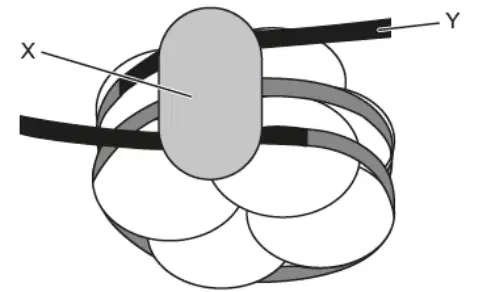
The diagram shows a structure found in eukaryotic nucleus.
What is represented by X and Y
X - ribosome
Y - mRNA
X - Histone
Y - Linker DNA
X -Nucleosome
Y - mRNA
X - RNA polymerase
Y - linker DNA
What allows DNA to store very large amounts of data?
Two strands of DNA
Base sequence
Complementary base pairing
Sugar-phosphate backbone
Which of the following complementary base pairs is/are found in a DNA double helix?
I. Cytosine - Guanine
II. Thymine - Adenine
III. Adenine - Uracil
I only
I and II only
II and III only
I, II and III
Which codon would be found in RNA but not in DNA?
GTU
UCA
ATC
CGC
The sequence of bases on a short section of the antisense strand of a gene undergoing transcription is shown:
5′ CATG 3′
What is the sequence of bases on the resulting mRNA?
3' CATG 5'
5' GUAC 3'
3' GUAC 5'
3' GTAC 5'
Which diagram shows modified mRNA after transcription?
5' G—Exon—Exon—Exon—AAAAA—3'
5' G—Exon—Exon—Intron—Intron—Exon—UUUUU—3'
5' G—Intron—Intron—AAAAA—3'
5' G—Exon—Intron—Exon—Intron—Exon—UUUUU—3'
What are components of DNA and RNA?
key:
DNA | RNA | Both DNA and RNA
A. ribose | deoxyribose | uracil
B. ribose | deoxyribose | adenine
C. deoxyribose | ribose | uracil
D. deoxyribose | ribose | adenine
Which subunits would be connected by hydrogen bonds in a DNA molecule?
Phosphate to deoxyribose sugar
Thymine to deoxyribose sugar
Adenine to uracil
Cytosine to guanine
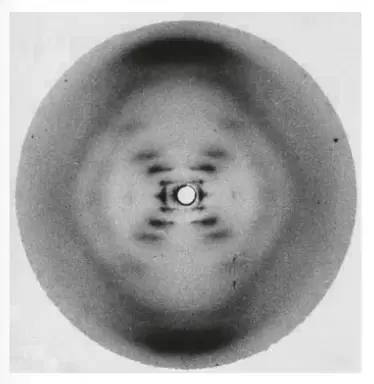
The image of the X-ray diffraction of calf thymus DNA was obtained by R. Franklin and R. Gosling in 1953.
What does this image show about the structure of DNA?
It is associated with histones.
It has a helical shape.
It contains deoxyribose.
It contains four nitrogenous bases.
How do DNA and messenger RNA (mRNA) molecules differ in eukaryotes?
mRNA is twice the size of DNA and is formed from four different bases.
DNA contains ribose while mRNA contains deoxyribose.
mRNA has the same bases as DNA but contains ribose.
DNA has two strands while mRNA has only one.
What is bonded to phosphates in a strand of RNA?
Only carbohydrates
Adenine, guanine, cytosine and thymine
Adenine, guanine, cytosine and uracil
Pentoses and bases
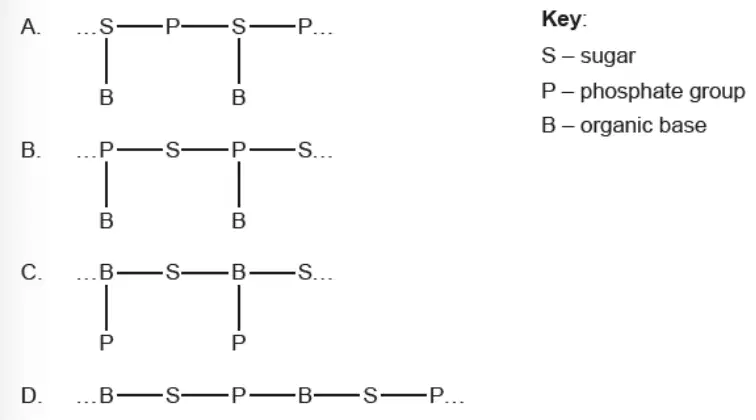
What is the arrangement of the components of nucleotides in a single DNA strand?
A
B
C
D
What is the arrangement of subunits in a DNA nucleotide?
sugar – base – phosphate
sugar – phosphate – base
phosphate – sugar – base
sugar – phosphate – base – base – phosphate – sugar

The diagram shows the structure of a nucleosome. What is the structure labelled T?
A. 5' end of RNA
B. 5' end of uncoiled DNA
C. N-terminal tail of one DNA strand
D. N-terminal tail of one histone
A molecule of DNA is found to contain 200 guanine bases, representing 25% of the total number of bases. How many phosphate groups does this molecule of DNA contain?
50
200
800
1000
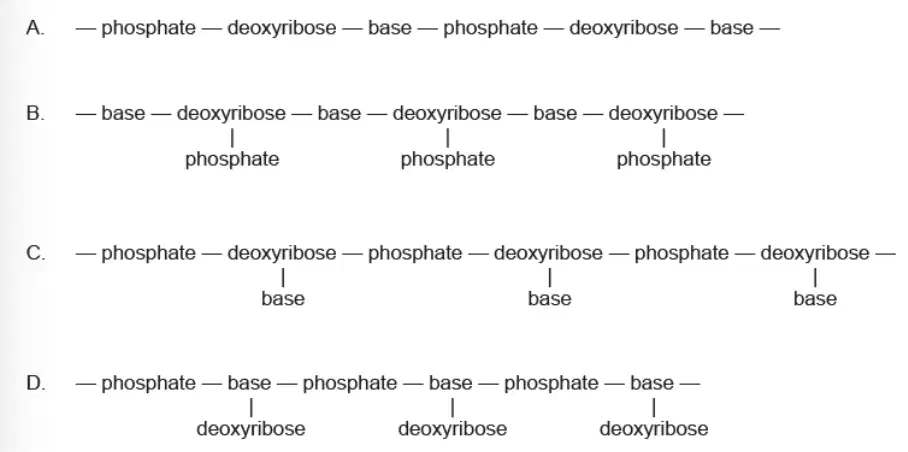
What is the correct arrangement for the components of one strand in a DNA molecule?
A
B
C
D
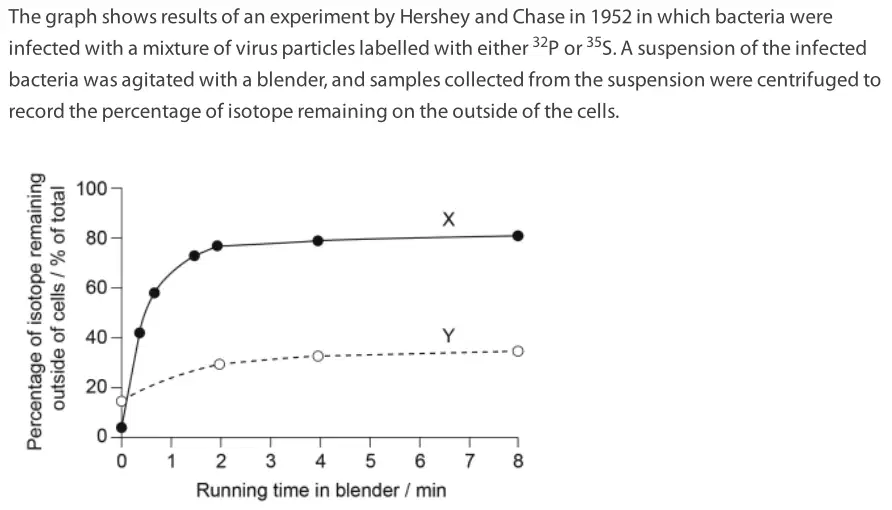
What do curves X and Y represent?
X | Y
32P in sediment, 35S in supernatant
35S in supernatant, 32P in supernatant
32P in supernatant, 35S in sediment
35S in sediment, 32P in sediment
The hydrolysis of a pure sample of an organic molecule produces a pentose sugar, thymine, guanine and cytosine. What other substances could be expected to be present in the hydrolysed sample?
RNA
Uracil
Phosphate
ATP
Which feature is common to both mRNA and DNA?
Covalent bonds between adjacent nucleotides
Hydrogen bonds between guanine and cytosine
Ribose sugar attached to phosphate
Antiparallel arrangement of polynucleotide strands
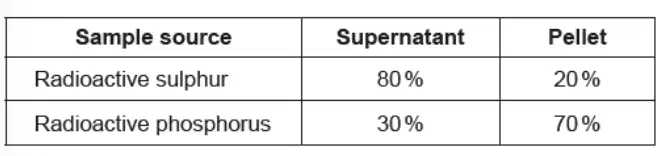
Hershey and Chase used a bacteriophage (a virus that infects bacteria) to investigate the chemical nature of genes. The sulphur in the protein and the phosphorus in the DNA of the bacteriophage were radioactively labelled. The data obtained after bacterial infection and centrifugation are shown in the table. What did Hershey and Chase conclude from their experiment?
DNA was mainly outside the bacterial cells.
Viruses infect bacterial cells with proteins.
Viral DNA was found within the bacterial cells.
Neither protein nor DNA were chemicals making up genes in viruses.
What is common to RNA and DNA?
Thymine
Nitrogenous bases
Histones
Deoxyribose
How does the Miller-Urey experiment contribute to an explanation of the origin of life?
It shows how phospholipids form protocells in specific laboratory conditions.
It explains how organic molecules arise from inorganic ones under certain environmental conditions.
It explains the synthesis of RNA, recreating deep sea vent conditions in the laboratory.
It shows how the last universal common ancestor (LUCA) evolved from vesicles.
The Miller–Urey experiment carried out in 1952 tested the hypothesis of the chemical origin of life. What were the key findings?
Living cells could be produced from a mixture of chemicals.
Complex organic molecules could form under simulated primordial conditions.
Life could spontaneously emerge without external influence.
DNA and RNA could self-replicate in a prebiotic environment.
What is piece of evidence that all living organisms share a common ancestor?
They manufacture the same proteins.
They obtain energy from glucose.
DNA triplets code for the same amino acids.
Cells can synthesise all the amino acids.
How does the study of rock deposition provide evidence of when organisms first started to photosynthesise?
Fossils of leaves were found from the first plants to photosynthesise.
Analysis of the rocks for magnesium indicate when chlorophyll could be synthesised.
The carbon content of rock indicates the amount of carbon dioxide in the atmosphere.
Rocks of a different colour were deposited when oxygen was released by photosynthesis.
A self-sustaining system is set up in a sterile, sealed, transparent glass bottle with damp, sterilized soil and a small garden plant. If the system remains sterile, what could be the reason that the plant fails to grow and dies?
Lack of soil nutrients
Lack of oxygen
Lack of space
Lack of water
The first iron ore deposits in rocks appeared about 1.8 billion years ago. What took place to make this occur?
Some prokaryotic organisms began to absorb carbon dioxide from seawater.
Some eukaryotic organisms began to absorb carbon dioxide from seawater.
Some prokaryotic organisms began to release oxygen into seawater.
Some eukaryotic organisms began to release oxygen into seawater.
In 2020, Peplow and co-workers obtained an image showing a GABAA cell membrane protein receptor. The technique they used allowed them to take the image at a particular moment in time by treating the sample so that the protein molecules were firmer and more stable. What technique did they use to obtain this image?
Electrophoresis
Immunofluorescence
Cryogenic electron microscopy
Fluorescent dyes
What is a feature of immunofluorescence in light microscopy?
Can only be used on dead cells
Enables higher resolution
Attaches a fluorescent stain to an antibody
Attaches a fluorescent stain to an antigen
Which cell organelle is common to all prokaryotic and eukaryotic cells?
Nucleus
Cell wall
Vesicle
Ribosome
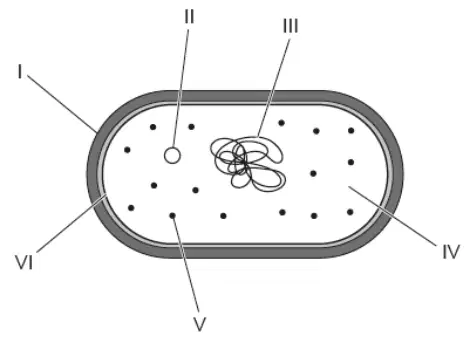
The diagram shows a prokaryotic cell. Which two structures are correctly identified?
I is the cell wall and II is a vesicle.
III is a chromosome and IV is the matrix.
V is a ribosome and VI is the plasma membrane.
III is the nucleus and V is a vesicle.
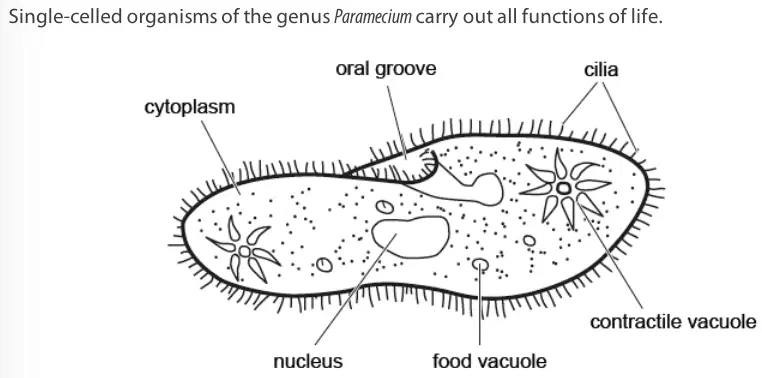
Which functions of life are performed by the contractile vacuole?
Nutrition
Reproduction
Homeostasis
Metabolism
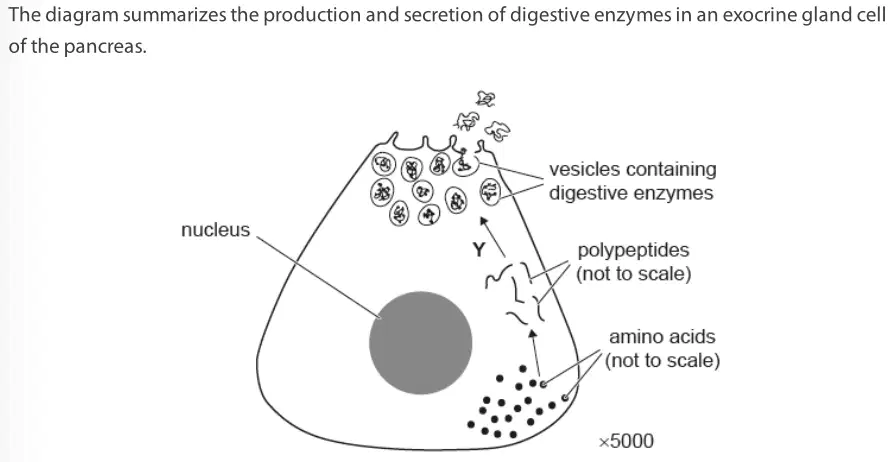
Which cell organelle is involved at Y?
A. Rough endoplasmic reticulum
B. Golgi apparatus
C. Lysosome
D. Ribosome
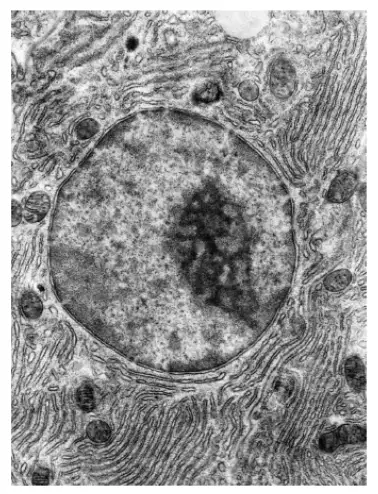
The nucleus of a cell from the pancreas is surrounded by endoplasmic reticulum.
What describes this nucleus?
It is composed of highly folded internal membranes and a liquid matrix.
It contains ribosomes and is the main site of protein synthesis in a cell.
It contains membrane-bound organelles.
It contains chromatin and is surrounded by a double membrane.
How does the endosymbiotic theory explain the origin of mitochondria in eukaryotes?
Autotrophic eukaryotes fused with photosynthetic bacteria.
Small aerobic bacteria survived inside anaerobic prokaryotes.
Anaerobic prokaryotes were engulfed by small aerobic bacteria.
Invaginations occurred in large prokaryotes to increase surface area for gas exchange.
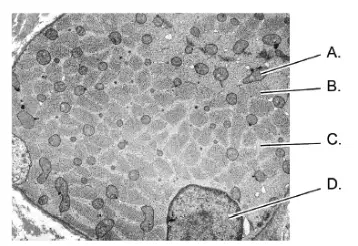
The electron micrograph shows the transverse section of a skeletal muscle fibre. Where is the specialized endoplasmic reticulum (sarcoplasmic reticulum) likely to be found?
A.
B.
C.
D.
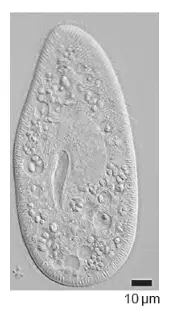
The image shows a single Paramecium with food vacuoles that contain ingested cells of the unicellular green alga Chlorella.
What can be deduced about Paramecium?
It is an autotroph.
It cannot perform all of the functions of life.
It carries out heterotrophic nutrition.
It is a prokaryote.
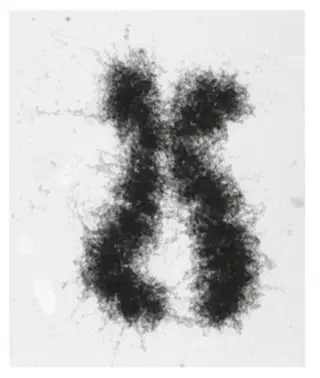
This micrograph is from a dividing cell.
What is shown in this image?
Two condensed chromosomes consisting of four chromatids
A chromosome from a cell in telophase of mitosis
A chromosome from a cell in G1 of interphase
A chromosome from a cell in metaphase
How is a prokaryotic cell different from a eukaryotic cell?
Eukaryotic cells are compartmentalized, whereas prokaryotic cells are not.
Prokaryotic cells do not contain ribosomes, whereas eukaryotic cells do.
Eukaryotic cells contain DNA, whereas prokaryotic cells do not.
Prokaryotic cells have a cell wall, whereas eukaryotic cells do not.
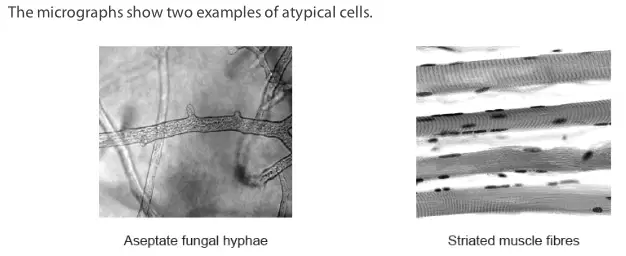
Which feature shared by both types of cells makes them atypical?
Both have cell walls.
Both have several nuclei.
Both lack membrane-bound organelles.
Both are divided into compartments.
What is evidence for the endosymbiotic theory in eukaryotic cells?
Mitochondrion with DNA
Golgi complex in cytoplasm
Single nuclear membrane
Ribosomes in cytoplasm
What is evidence for the endosymbiotic theory?
Eukaryote mitochondria contain DNA.
Prokaryotes evolved before eukaryotes.
Unicellular organisms exist as both prokaryotes and eukaryotes.
Prokaryote cells have no double membranes.
What is a difference between eukaryotic and prokaryotic cells?
Cell walls are found only in prokaryotes.
Naked DNA with histones is found only in prokaryotes.
Compartmentalization is found only in eukaryotes.
Cilia and flagella are found only in prokaryotes.
What cell component is found in eukaryotic cells but not in prokaryotic cells?
Mitochondria for respiration
DNA containing genetic information
Ribosomes for protein synthesis
Cell wall to maintain shape
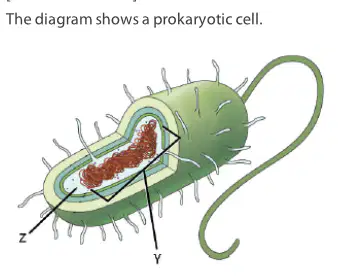
What are the structures labelled Y and Z?
A. Y - Nucleus Z - 70S ribosome
B. Y - Nucleoid Z - 80S ribosome
C. Y -Nucleus Z -80S ribosome
D. Y -Nucleoid Z -70S ribosome
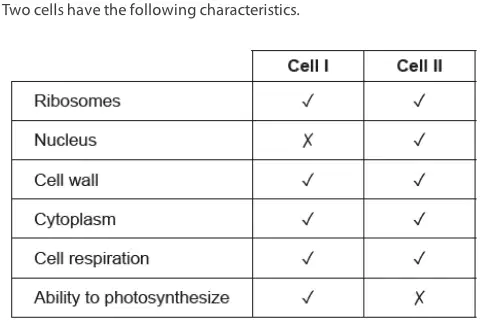
Which deduction is supported by this information?
Both cells are from plants.
Cell I is more complex than cell II.
Cell II is an animal cell.
Cell I is prokaryotic.
A cell contains chloroplasts, plasma membrane and 80S ribosomes. What type of cell could it be?
Bryophyte
Lymphocyte
Prokaryote
Neuron
Which cell component arose first during the formation of the earliest cells?
Chloroplast
Plasma membrane
Mitochondria
Cell wall
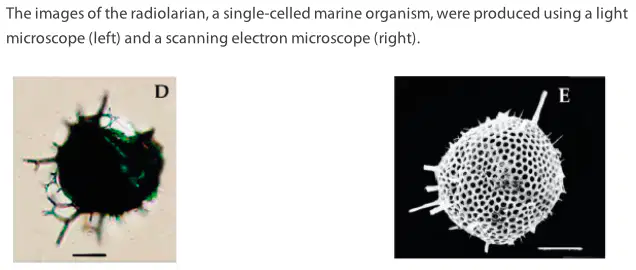
What is a reason for the difference in quality of these images?
Light cannot pass through the specimen.
Higher magnification can be achieved with the electron microscope.
The resolution of the electron microscope is higher.
Samples are stained with methylene blue when viewed with the light microscope.
How do both mitochondria and chloroplasts provide evidence for the endosymbiotic theory?
They have double membranes.
They have 80S ribosomes similar to prokaryotes.
They contain the same DNA as the nucleus of the cell.
They exist together in eukaryote cells for their mutual benefit.
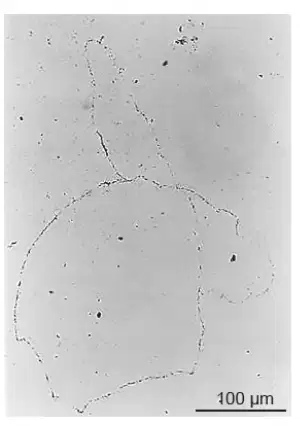
John Cairns used the technique of autoradiography to produce photographs of DNA from the bacterium E. coli. Which conclusion was drawn from his experiments?
The DNA in all organisms is circular.
DNA in E. coli naturally contains thymidine.
DNA replication is conservative.
The DNA in E. coli is 900 μm in length.
Which statement is evidence for the endosymbiotic theory?
Chloroplasts contain 70S ribosomes.
Protein synthesis occurs in the cytoplasm.
Organic molecules can be synthesised abiotically.
RNA is self-replicating.
What do chloroplasts and mitochondria have in common?
Both are found in the cells of Filicinophyta.
Both contain grana.
Both occur in all eukaryotic cells.
Both are found in a Paramecium.
What feature of eukaryotic chromosomes distinguishes them from the chromosomes of prokaryotes?
Histone proteins
Circular DNA
Double-stranded DNA molecules
Multiple genes along the length of each chromosome
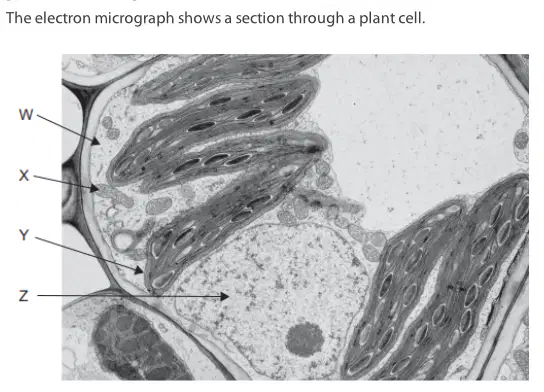
In which structure(s) is the genome of the cell contained?
Z only
X, Y and Z only
W and X only
X and Y only
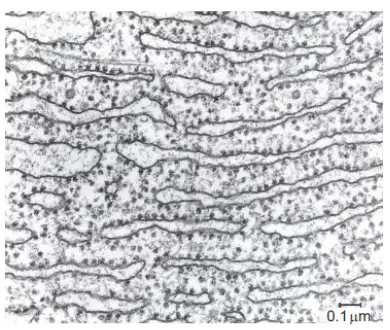
What function is performed by the part of the cell shown in the electron micrograph?
Locomotion
Synthesis of proteins
Movement of chromosomes
Breakdown of cellular organelles
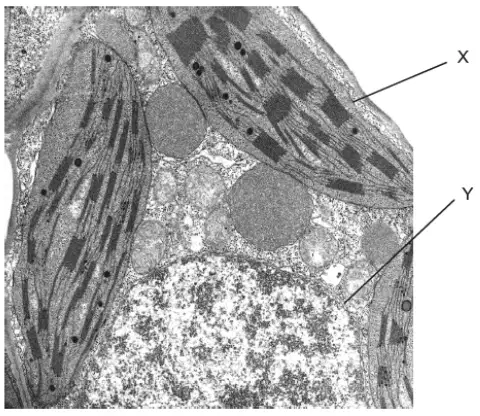
The electron micrograph shows a section through a cell.
Which feature of the cell in the micrograph is consistent with the endosymbiotic theory?
X has a single membrane.
Y has a double membrane.
X contains 70S ribosomes.
Y contains 80S ribosomes.
Chlorella and Paramecium are both unicellular eukaryotic organisms living in freshwater. Chlorella is photosynthetic and has a cell wall. Which organelle will be found in Paramecium but not in Chlorella?
A. Chloroplast
B. Contractile vacuole
C. Rough endoplasmic reticulum
D. Mitochondrion
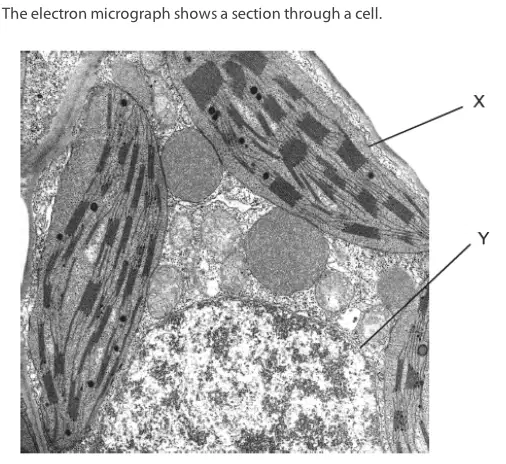
What is the name of the cell component labelled Y?
Golgi apparatus
Nucleus
Cytoplasm
Vacuole
Which statement provides evidence for endosymbiosis?
Early prokaryotes contributed to a large increase in oxygen in the atmosphere.
Eukaryotic mitochondria and chloroplasts have their own circular DNA.
Certain groups of ancient prokaryotes developed mechanisms to carry out aerobic respiration.
Experiments by Miller and Urey produced simple organic molecules in abiotic conditions.
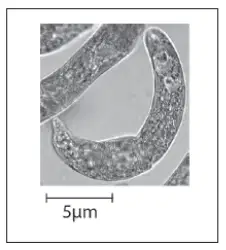
The electron micrograph shows a thin section through a plant mesophyll cell.
What is the magnification of the image?
× 75
× 300
× 3000
× 7500
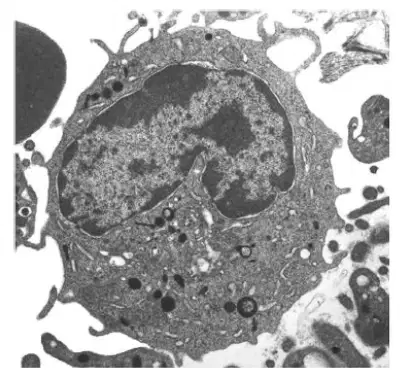
The image shows a phagocytic cell as seen with a transmission electron microscope.
Which features can be found both within this cell and in a photosynthetic bacterium?
A. Chloroplasts
B. Multiple nuclei
C. 70S ribosomes
D. Lysosomes
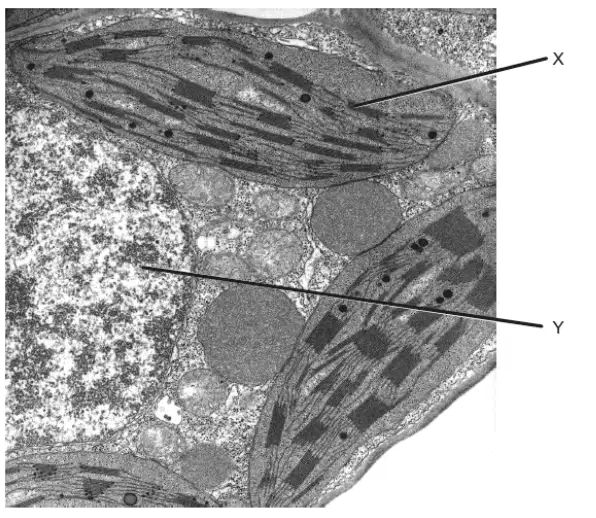
The image shows an electron micrograph of part of a cell. Which features do the two structures labelled X and Y have in common?
They are surrounded by a double membrane.
They contain 70S ribosomes.
They contain naked DNA.
They are only found in leaf cells.
Which structures are found only in prokaryotic cells?
Ribosomes
Pili
Cell walls
Flagella
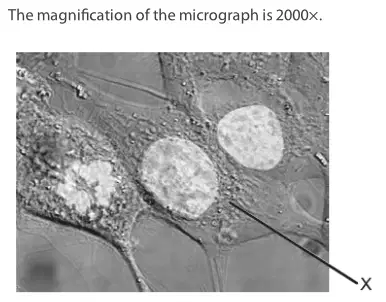
What is the maximum diameter of the nucleus in the cell labelled X?
10 μm
10 nm
20 μm
20 nm

What is the most likely composition of the structure labelled X?
Membrane derived from the host cell
Viral DNA
Viral cell walls
Viral enzymes
What allows to conclude that viruses might have evolved from cells?
I. Some viruses and eukaryotic cells have enzymes to synthesize DNA from RNA.
II. Some viruses have an envelope made of phospholipids, same as cell membranes.
III. Some viruses have similar genetic material to parasitic bacteria.
I and II only
I and III only
II and III only
I, II and III
What is a difference between the lytic and the lysogenic cycle of the bacteriophage lambda?
Only in the lytic cycle is lambda DNA inserted into the host DNA.
Only in the lysogenic cycle is the host metabolism used to replicate.
Only in the lytic cycle is the host metabolism used to replicate.
Only in the lysogenic cycle is lambda DNA inserted into the host DNA.
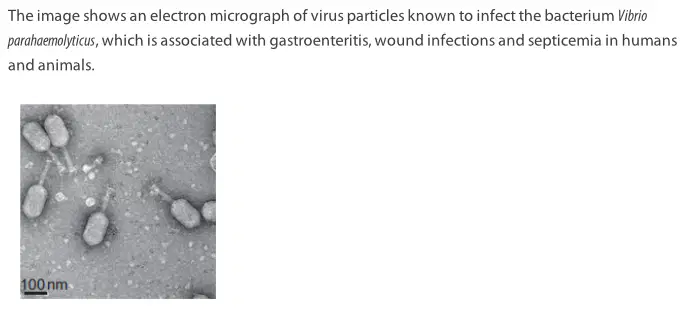
What does a virus have in common with a living cell?
70S ribosomes
Genetic material
Reproduction by binary fission
Anaerobic respiration

