
 Worksheets
Cells Review A&P
Total questions: 81
Worksheet time: 54mins
Which of these is specific to eukaryotic cells?
DNA inside a nucleus
Ribosomes
Circular DNA
Phospholipid cell membrane
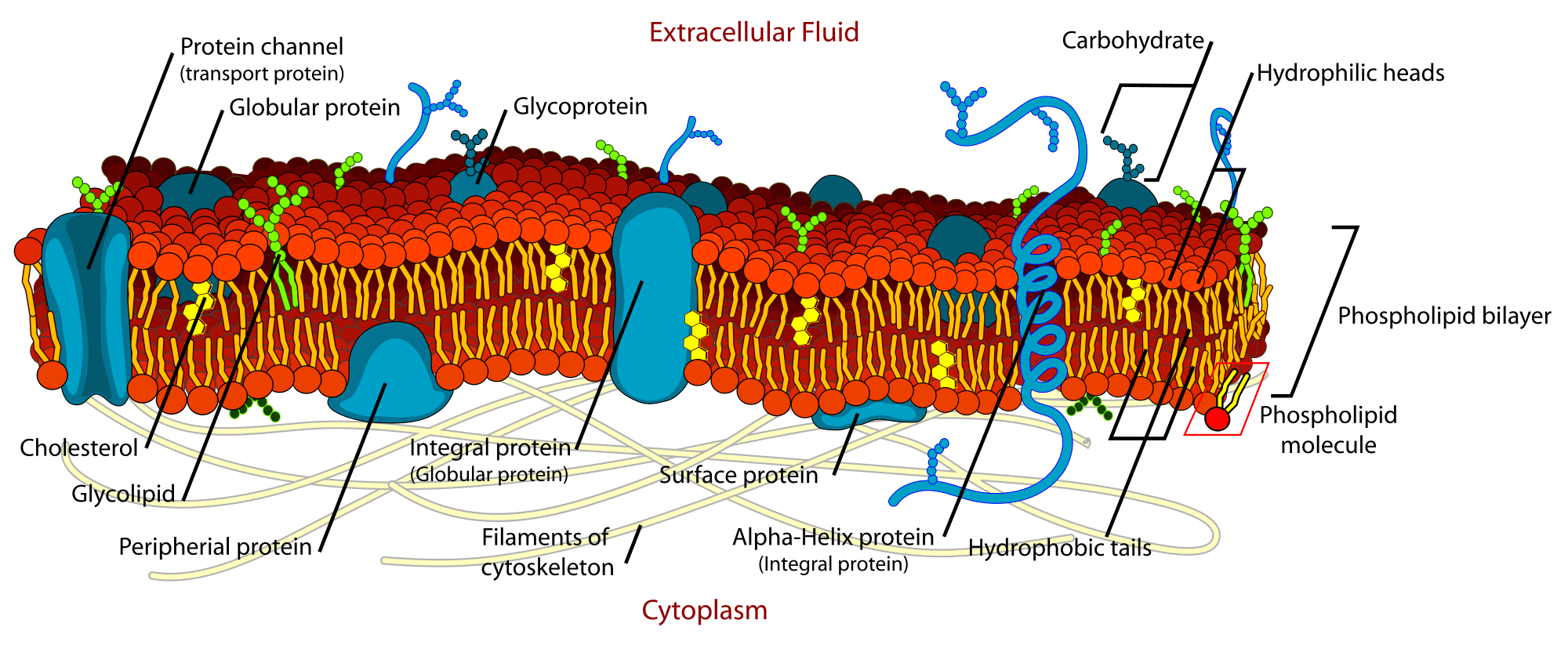
The cell membrane is made up of
chromosomes
carbohydrates
phospholipid bilayer
endoplasmic reticulum
Which sequence represents the levels or organization from smallest to most complex?
organism--> organelle--> organ
cell-->tissue-->organ
organ system-->tissue-->organism
tissues-->organelle-->organ
The most basic, functional level of organization
organs
cells
tissues
organism
Which of these is not found in ALL cells?
Mitochondria
Ribosomes
Genetic material
Cell membrane
Cytoplasm
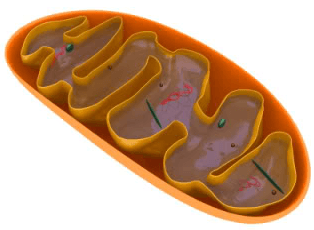
Organelle that provides ATP (energy) from carbohydrates
Ribosomes
Mitochondria
Endoplasmic reticulum
Chloroplast


active transport

Everything living is made up of at least one cell. Cells are the lowest level of structure of living things that can still perform all the activities (metabolism). True or false?
True
False
Animal Cells contain..
Cytoskeleton, centrioles, peroxisome, mitochondrion, ribosomes, rough ER, nucleus, smooth ER, golgi apparatus, lysosome, plasma membrane
golgi apparatus, lysosome, plasma membrane


Cancer is a result of-
uncontrolled cell growth
genetics
viral infection
Damaged cells

An exact copy of a cell/organism is produced...
Mitosis
Meiosis
2 daughter cells produced
Mitosis
Meiosis
Both MItosis and Meiosis
Purpose: growth and repair
Mitosis
Meiosis
Both MItosis and Meiosis
What are the three stages of interphase?
Prophase, metaphase, telophase
G1, S, and G2
G2, S, and G3
Prophase, G1, and S
What is the purpose of the cell cycle checkpoints?
To repair damaged cells before they enter cell division.
To remove damaged cells from an organism.

Which phase of the cell cycle is represented in the diagram?
Anaphase
Cytokinesis
Telophase
Metaphase


Which phase of the cell cycle is represented in the diagram?
Cytokinesis
Anaphase
Telophase
Prophase

Which is NOT a normal reason for apoptosis?
Destroy old or worn out cells
Destroy damaged or dangerous cells
Encourage division of cancer cells
Break down unwanted tissue in embryos

Which letter represents G1?
E
A
B
G

Which letter represents S phase?
J
I
D
C

Which letter represents G2?
D
B
I
E

Which letter represents interphase?
C
A
I
J
What term is used to describe the fact that the cell membrane allows some substances to pass through while blocking others from entering the cell?
homeostasis
diffusion
phagocytosis
semi-permeable
What is the function of the Golgi Apparatus?
Makes ATP
Synthesis proteins
Packages proteins
Stores genetic information

Which organelle produces proteins in the cell?
Ribosome
Nucleus
Cell wall
Plasma membrane
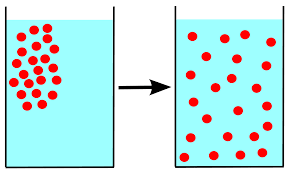
The picture below is an example of _________________.
osmosis
isotonic
diffusion
active transport
Diffusion is the movement of particles from an area of _____ concentration to an area of ______ concentration
High, Low
Low, High
Low, Low
High, High


Tay Sachs, when do symptoms start to appear?
What is Primary Ciliary Dyskinesia?
malformed cilia
under-functioning mitochondria
malformed cells
creating to much mucus
What is situs inversus?
missing body organs
body organs are inverted
extra body organs
organs bathed in fluids

From our recent lab, what cells are shown?
heart
liver
muscle
mouth

Which structures are visible?
nothing is visible
Nucleus, cell membrane, cytoplasm
Nucleolus, ribosomes, cell membrane
nucleus, cytoplasm and mitichondria
Why do cells replicate? (Choose all that apply)
Growth of an organism
Replace old cells
Repair damaged cells
To make a new organism

Why are cells so darn small?
So they can fit into tiny spaces.
Because diffusion is more efficient across small distances.
Because they're so cute when they're small!
Because diffusion is more efficient across big spaces.
An organism has 23 chromosomes in each of its somatic (body cells). At the end of mitosis, each daughter cells will have exactly:
46 chromosomes
11.5 chromosomes
23 chromosomes
2.3 chromosomes
What is the purpose of the villi? (select all that apply)
increase the surface area
chemically break down food
absorb nutrients into the bloodstream
mechanically break down food
The cause of cervical cancer is unknown.
False
maybe
True, Almost all cases of cervical cancer are caused by high-risk types of HPV
Cervical cancer can almost always be prevented. The key is early detection.
True
False
Lysosomes are found in Eukaryotes only. They ____.
Carries out chemical reactions and transports materials
Excretes stuff in and out using transport membranes called vesicles
Sorts, packages, and modifies proteins to be sent in or out of the cell
Contain enzymes which digest waste materials
Golgi Apparatus (Golgi Bodies) are found in Eukaryotes only. They _____.
a. Sorts, packages, and modifies proteins to be sent in or out of the cell
b. Excretes products in and out using transport membranes called vesicles
a and b
a only
Cytoskeleton are found only in Eukaryotes. They
provide internal support structure
are made of protein fibers
a and b
b only
Centrioles are found only in animal cells. They ____.
Help with cell division
make the ribosomes
carry out chemical reactions and transports materials
are used for locamotion
Before any medical treatment or procedure, a doctor must outline to the patient what the treatment/procedure is and then ask their permission to take part. Which ethical guideline is this?
informed consent
protection of participants
deception
confidentiality
A scientist created the first immortal human cell line with a tissue sample from Henrietta Lacks.
True
False

What is a mutation?
A mistake in DNA which can lead to cancer
A complete copy of DNA
A change in DNA which doesn't cause an issue
A mistake in your body that is caught and removed
HeLa cells were special because they were the first known cells that could
live outside the human body.
conduct electricity.
clone sheep cells.
none of these.
What is the surface area to volume ratio and why is it important in cell size limitations?
The surface area to volume ratio is the ratio of the cell's weight to its density, and it is important in cell size limitations because it affects the cell's ability to store energy.
The surface area to volume ratio is the ratio of the cell's perimeter to its area, and it is important in cell size limitations because it affects the cell's ability to reproduce.
The surface area to volume ratio is the ratio of the cell's width to its length, and it is important in cell size limitations because it affects the cell's color.
The surface area to volume ratio is the ratio of the cell's surface area to its volume, and it is important in cell size limitations because it affects the cell's ability to exchange materials with the environment.
Explain the concept of surface area to volume ratio in relation to cell size limitations.
There is no relationship between surface area to volume ratio and cell size limitations
The surface area to volume ratio decreases as the cell size increases, leading to limitations in the exchange of materials with the environment.
The surface area to volume ratio remains constant regardless of cell size
The surface area to volume ratio increases as the cell size increases, allowing for more efficient exchange of materials

Which of the following is least efficient?
A
B
C
D

