
NEW
Font size
 Worksheets
AP Biology Workshop Quiz
Total questions: 55
Worksheet time: 28mins
Why is cell communication important in biological systems?
It allows cells to coordinate and regulate activities
It helps cells to divide uncontrollably
It prevents cells from interacting with their environment
It causes cells to lose their function
What is a signal transduction pathway?
A series of steps by which a signal is converted into a cellular response
A method for cells to divide
A way for cells to produce energy
A process for cells to eliminate waste
How do cells respond to external signals?
By regulating cellular activities
By ignoring the signals
By stopping all cellular processes
By destroying themselves
A cell is deprived of oxygen. Predict how this will affect the processes of glycolysis, the Krebs cycle, and the electron transport chain. How might the cell adapt to this condition?
Glycolysis will continue, the Krebs cycle and electron transport chain will stop, and the cell may switch to fermentation.
All three processes will continue as normal.
Glycolysis, Krebs cycle, and electron transport chain will all speed up.
The cell will immediately die without any adaptation.
What happens to the electron transport chain in the absence of oxygen?
It operates normally
It speeds up
It cannot operate
It produces more ATP
Why does the Krebs cycle slow or stop when oxygen is not available?
Due to excess ATP production
Due to a lack of NADPH and FADH₂ regeneration
Due to increased glycolysis
Due to high oxygen concentration
How does glycolysis continue in the absence of oxygen?
By oxidative phosphorylation
By fermentation to regenerate NAD⁺
By stopping completely
By increasing FADH₂ production
What is the result of limited ATP production when oxygen is absent?
ATP is produced aerobically
ATP production stops completely
ATP is produced anaerobically
ATP production increases
What is the definition of cell communication?
The process by which cells divide and multiply
The process by which cells detect and respond to signals in their environment
The process by which cells produce energy
The process by which cells absorb nutrients
Cell communication is important for which of the following?
Immune responses
Photosynthesis
respiration
Evaporation
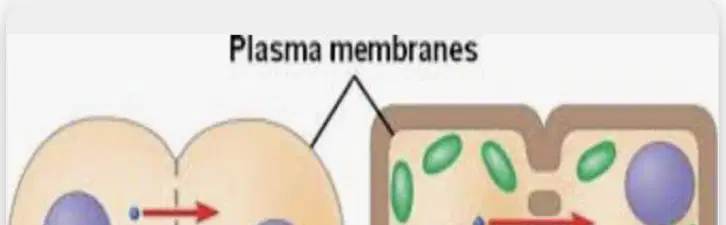
What is the main function of direct contact cell signaling, such as gap junctions and plasmodesmata?
It allows for rapid, direct communication between adjacent cells by creating channels for ions and small molecules to pass through their cytoplasms.
It enables cells to divide rapidly.
It helps cells to move independently.
It prevents any communication between cells.
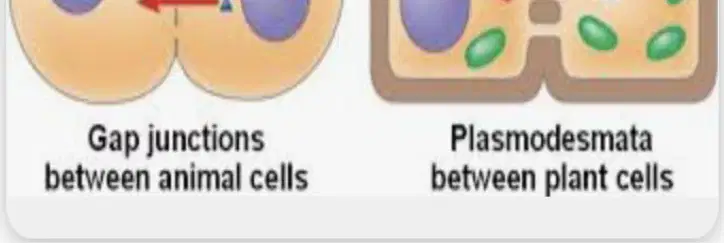
Which structures are examples of direct contact cell signaling in animal and plant cells, respectively?
Gap junctions in animal cells and plasmodesmata in plant cells
Tight junctions in animal cells and chloroplasts in plant cells
Desmosomes in animal cells and mitochondria in plant cells
Synapses in animal cells and vacuoles in plant cells
What types of molecules typically pass through the channels created by direct contact cell signaling?
Ions and small molecules
Large proteins and DNA
Lipids and carbohydrates
Organelles and ribosomes
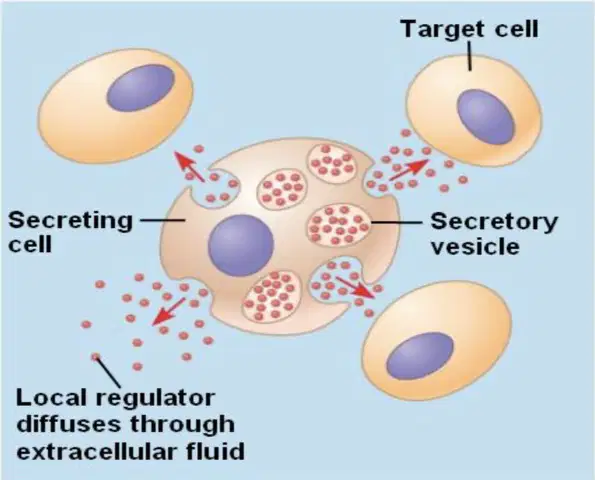
Which of the following is an example of local cell signaling?
Paracrine signaling
Endocrine signaling
Autocrine signaling
Direct contact signaling
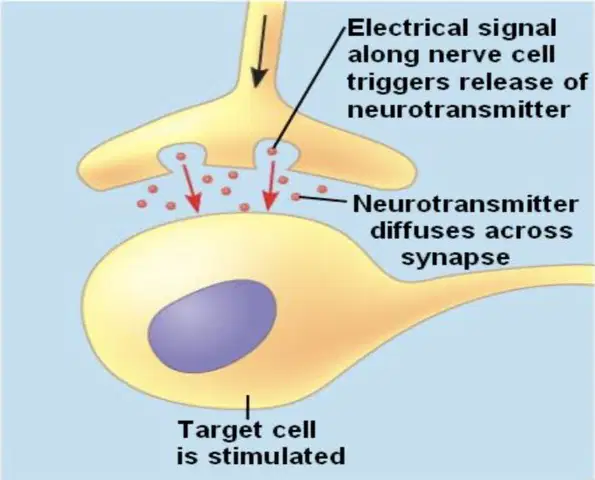
In synaptic signaling, what triggers the release of neurotransmitters?
Electrical signal along nerve cell
Hormone release in the bloodstream
Direct cell-to-cell contact
Diffusion of local regulators
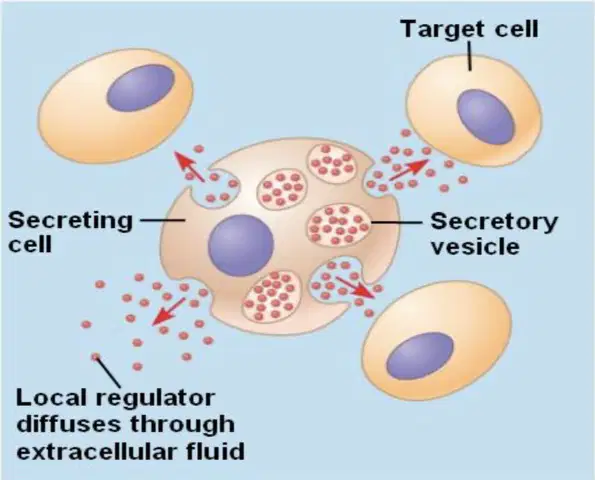
During paracrine signaling, what diffuses through the extracellular fluid to reach the target cell?
Local regulator
Neurotransmitter
Hormone
Enzyme
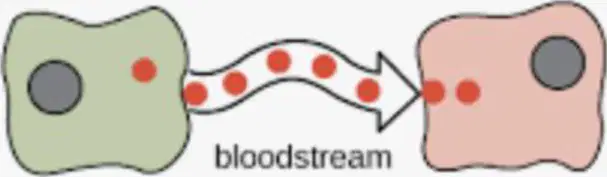
What is an example of long-distance cell signaling?
Endocrine/hormonal signaling
Synaptic signaling
Paracrine signaling
Autocrine signaling
How do hormones released in long-distance signaling travel to their target cells?
Through the bloodstream
Through direct cell-to-cell contact
Through nerve impulses
Through diffusion in the extracellular fluid only
Which of the following processes is regulated by hormones in long-distance signaling?
Growth, metabolism, and homeostasis
Muscle contraction only
DNA replication only
Protein synthesis only
Compared to local signaling, how is the response triggered by long-distance signaling?
Generally slower but has a widespread effect
Faster and more localized
Instantaneous and limited to one cell
Does not trigger any response
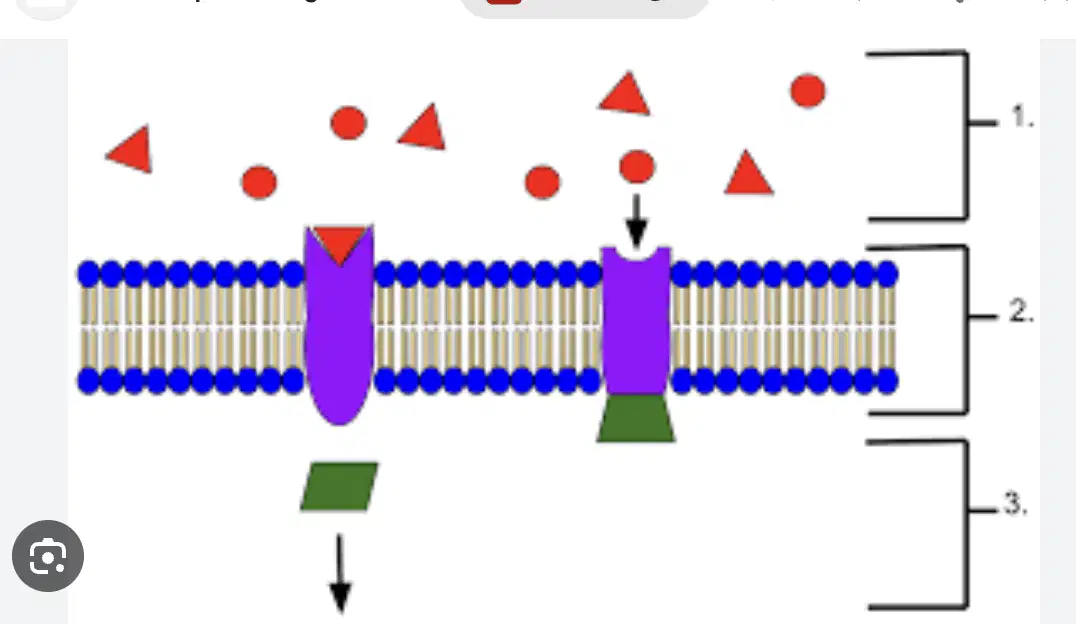
What is the role of a receptor protein in cell signaling?
It binds to signaling molecules on the cell surface or inside the cell.
It produces energy for the cell.
It breaks down waste products.
It synthesizes proteins.
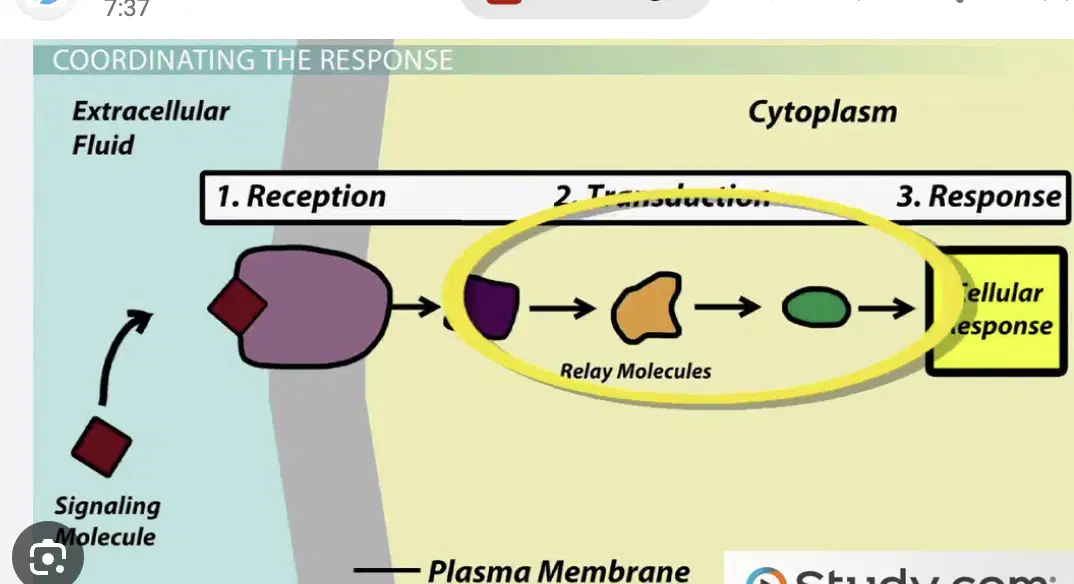
Which term describes the process that occurs after a signaling molecule binds to a receptor and leads to a cellular response?
Transduction pathway
Photosynthesis
Cellular respiration
Protein synthesis
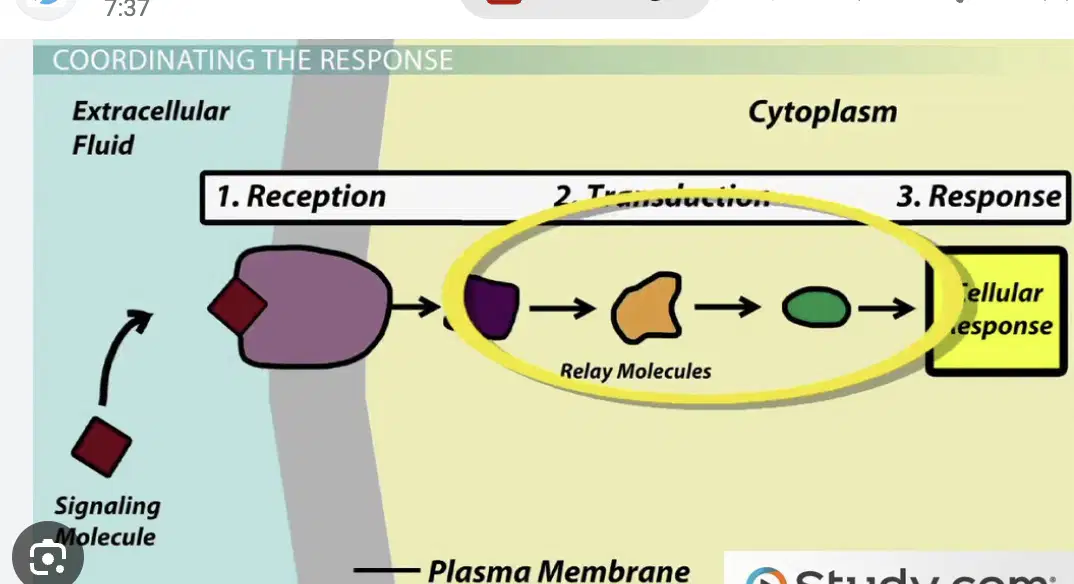
What is the final outcome of a cell signaling pathway?
Cellular response
DNA replication
Cell division
Protein folding
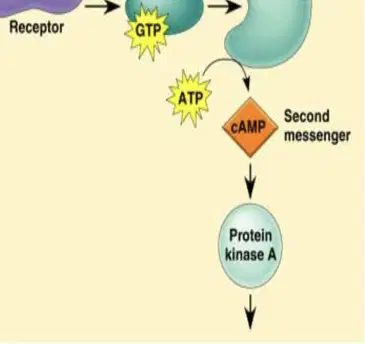
A small, nonprotein, water-soluble molecule or ion, such as calcium ion or cyclic AMP, that relays a signal to a cell's interior in response to a signal received by a signal receptor protein is called a:
Epinephrine (adrenaline)
cyclic AMP (cAMP)
adrenal glands
second messenger

What is the role of a receptor in cell signaling?
To bind signal molecules and initiate a cellular response
To produce energy for the cell
To transport nutrients across the membrane
To synthesize proteins

Where are signal molecules located before they bind to a receptor in cell signaling?
In the extracellular fluid
Inside the nucleus
In the mitochondria
In the cytoplasm

What is the name of the process that occurs after a signal molecule binds to a receptor on the plasma membrane?
Signal transduction pathway
Photosynthesis
Cellular respiration
Protein synthesis

Which cellular structure does a signal molecule interact with to initiate cell signaling?
Plasma membrane receptor
Ribosome
Golgi apparatus
Lysosome
What is the process of converting a signal from outside the cell into a functional response inside the cell called?
Signal transduction
Photosynthesis
Cellular respiration
Diffusion
Why is signal transduction important in cells?
It amplifies and regulates cellular responses
It produces energy for the cell
It helps in cell division
It transports nutrients across the membrane
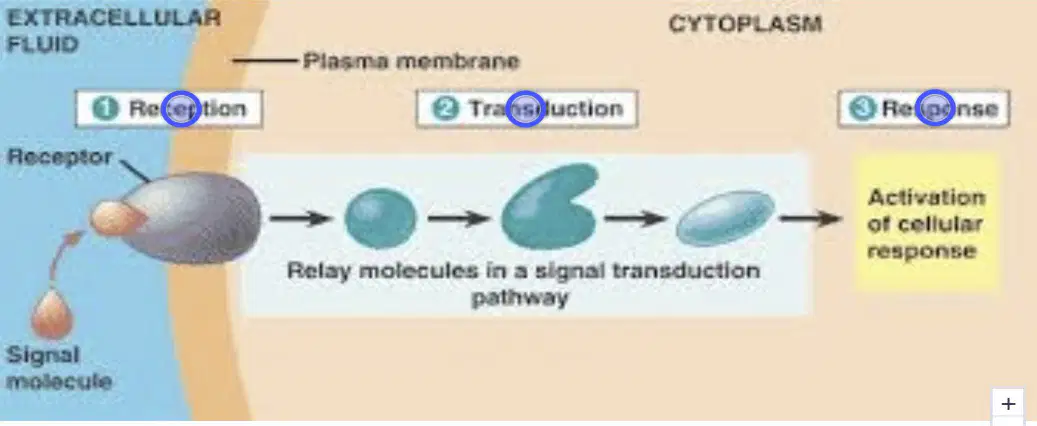
Which of the following is NOT a step in the signal transduction pathway as shown in the diagram?
Reception
Transduction
Response
Photosynthesis
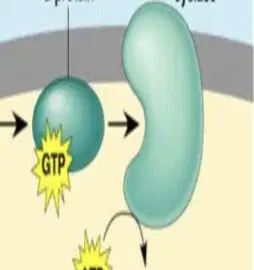
An enzyme that converts ATP to cyclic AMP in response to a signal.
protein phosphatases
adenylyl cyclase
Glycogen Phosphorylase
protein kinase
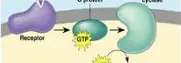
What is the function of the enzyme adenyl cyclase?
It converts ATP to cyclic AMP in response to a signal.
It converts cyclic AMP to ATP in response to a signal.
It converts glucose to ATP in response to a signal.
It converts ATP to glucose in response to a signal.
What is the definition of "conformation" in the context of protein molecules?
The specific three-dimensional shape of a protein molecule
Regulate protein synthesis by turning on/off genes in the nucleus
The receptor protein converts the signal to a form that can cause a chemical response
Transduced signal triggers a specific short/long term cellular response
What is a second messenger in cell signaling?
A small, nonprotein, water-soluble molecule or ion that relays a signal to a cell's interior in response to a signal received by a signal receptor protein.
A large protein that directly binds to DNA to regulate gene expression.
A lipid molecule that forms the cell membrane.
An enzyme that breaks down ATP in the cytoplasm.
Which of the following is an example of a second messenger?
Calcium ion
DNA polymerase
Phospholipid
Hemoglobin
What is the role of a second messenger in cellular communication?
To relay a signal to a cell's interior after a signal is received by a receptor protein
To synthesize proteins in the ribosome
To transport oxygen in the blood
To store genetic information
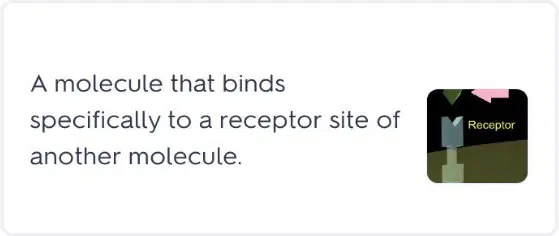
What is a ligand?
A molecule that binds specifically to a receptor site of another molecule.
An enzyme that converts ATP to cyclic AMP in response to a signal.
An enzyme that transfers phosphate groups from ATP to a protein, thus phosphorylating the protein.
An enzyme that breaks down glycogen by catalyzing hydrolysis of the α-glycosidic linkages between the glucose residues.
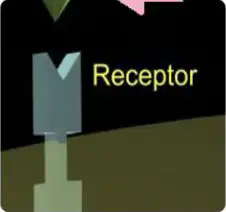
What is a ligand?
A molecule that binds specifically to a receptor site of another molecule.
A molecule that breaks down other molecules.
A molecule that transports oxygen in the blood.
A molecule that stores genetic information.
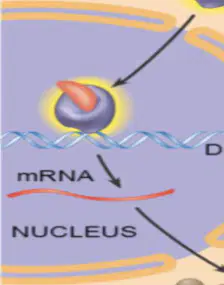
Which of the following is found in the cytoplasm or nucleus of target cells?
transduction (cell signaling)
Science Practice Skill 1.A
intracellular receptor proteins
3 stages of cell communication

Where are intracellular receptor proteins typically found in target cells?
In the cytoplasm or nucleus
On the cell membrane
In the mitochondria
In the Golgi apparatus
What is the main function of intracellular receptor proteins?
To bind signaling molecules inside the cell
To transport ions across the membrane
To break down cellular waste
To produce energy for the cell
What is signal transduction?
The process of converting a signal from outside the cell into a functional response inside the cell
The process of cell division
The movement of molecules across the cell membrane
The breakdown of cellular waste
Why is signal transduction important in cells?
It amplifies and regulates cellular responses
It helps in cell movement
It produces energy for the cell
It stores genetic information
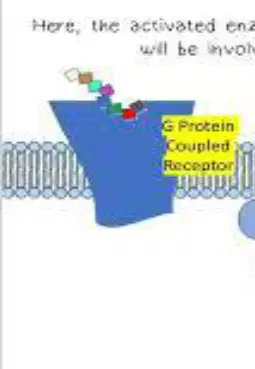
Which of the following is NOT a function of signal transduction?
Amplifying cellular responses
Regulating cellular responses
Converting external signals into functional responses
Producing oxygen in the cell
What does the transduction stage of signal transduction refer to?
Relay of the signal via a series of molecular events
Ligand binding to receptor
Cellular changes such as gene expression
Protein synthesis
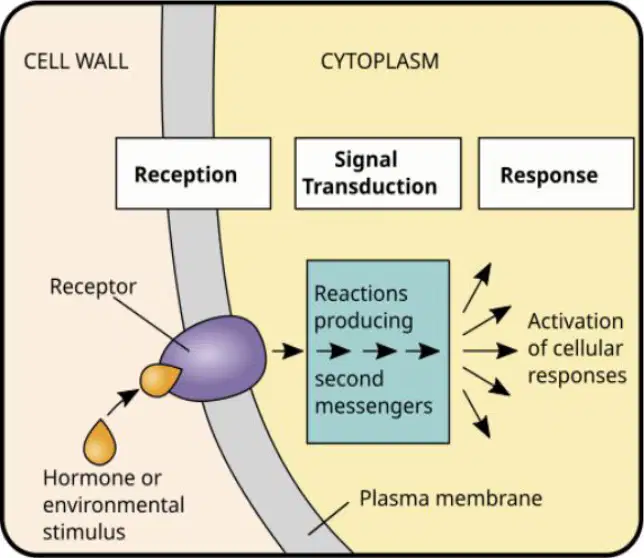
Which of the following is the correct order of steps in signal transduction?
Reception → Signal Transduction → Response
Response → Signal Transduction → Reception
Signal Transduction → Reception → Response
Reception → Response → Signal Transduction
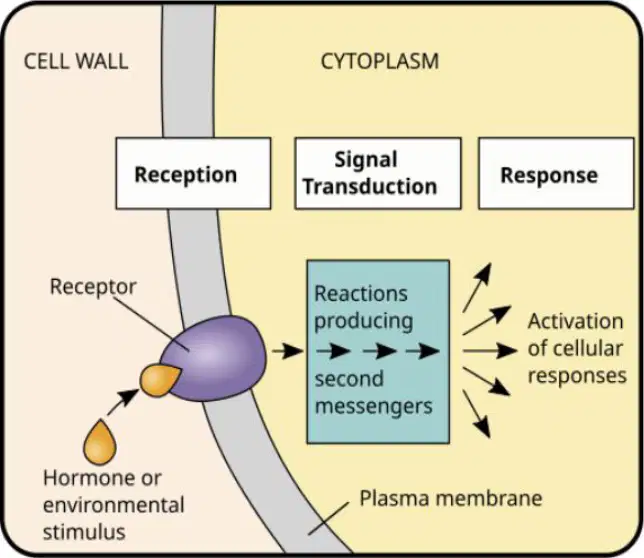
What is the role of a receptor in signal transduction?
To receive a hormone or environmental stimulus
To produce energy for the cell
To transport nutrients across the membrane
To synthesize proteins
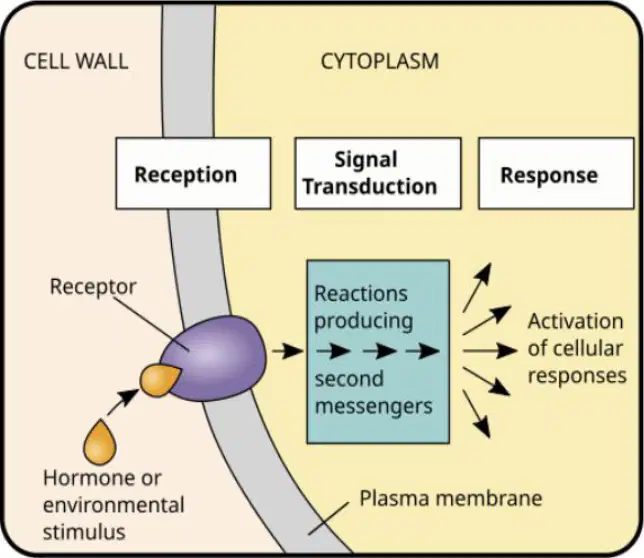
What is produced during the signal transduction step?
Second messengers
DNA
Ribosomes
Oxygen
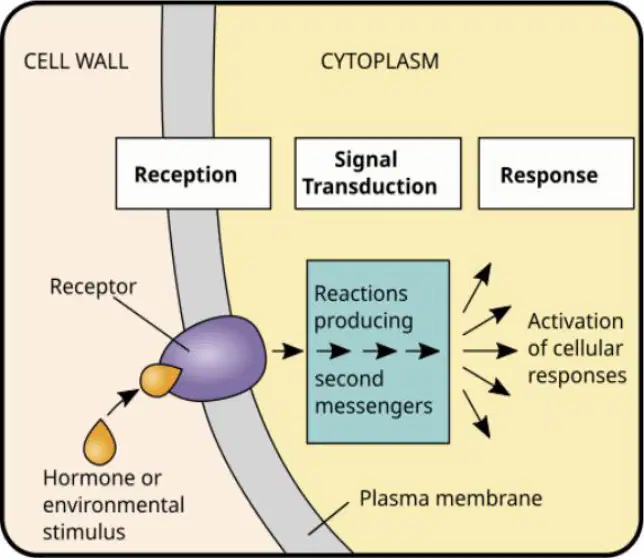
What is the final outcome of the signal transduction pathway?
Activation of cellular responses
Cell division
Protein synthesis
Cell death
Which of the following is NOT a type of receptor listed in the material?
G Protein-Coupled Receptors (GPCRs)
Receptor Tyrosine Kinases (RTKs)
Ion Channel Receptors
Enzyme-Linked Receptors
What does RTK stand for in the context of receptor types?
Receptor Threonine Kinases
Receptor Tyrosine Kinases
Receptor Tryptophan Kinases
Receptor Thymine Kinases
Which type of receptor is abbreviated as GPCR?
G Protein-Coupled Receptors
Growth Protein-Cellular Receptors
Glycoprotein-Cellular Receptors
Glucose Protein-Coupled Receptors
Which type of receptor is located inside the cell?
Ion Channel Receptors
Intracellular Receptors
Receptor Tyrosine Kinases
G Protein-Coupled Receptors

What can happen to a cell if it does not receive the necessary signals?
It will survive
It will grow and divide
It will differentiate
It will undergo apoptosis

