
 Worksheets
Allergies: Initial & Subsequent Exposure
Total questions: 81
Worksheet time: 41mins
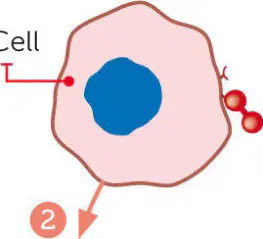
Which event occurs first during initial allergen exposure in IgE-mediated allergy?
Mast cell degranulation releasing histamine
Recruitment of eosinophils to inflamed tissue
Cross-linking of IgE on mast cell surface
B cell activation by allergen binding
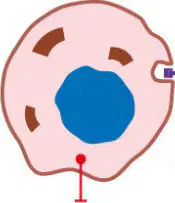
During sensitization, which cell type produces IgE that later binds mast cell receptors?
Epithelial barrier keratinocytes
Circulating neutrophil granulocytes
Naive T helper cells only
Plasma cells derived from B cells
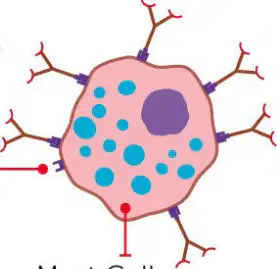
Which steps together define mast cell sensitization prior to symptoms?
Allergen cross-linking surface-bound IgE
IgE production by plasma cells
Immediate histamine granule release
IgE binding to mast cell Fc receptors
B cell clonal deletion in lymph nodes
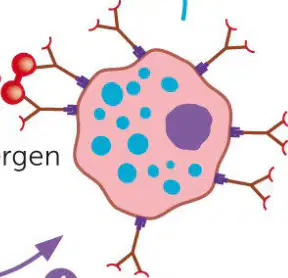
What specifically triggers the allergic reaction on subsequent exposure?
IgE dissociates from mast cells spontaneously
Allergen directly activates histamine genes
Allergen cross-links mast cell–bound IgE
B cells phagocytose the allergen rapidly
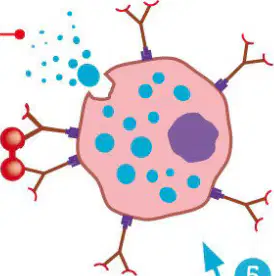
Which mediator released from mast cells drives many immediate symptoms such as vasodilation and itching?
Histamine and related chemicals
Interleukin-2 exclusively
Complement C9 membrane attack
Thrombin from coagulation
Which immune pathway most commonly links allergens and helminth parasites through a shared mechanism?
TH17 polarization with IL-17 secretion
Treg expansion with IL-10 dominance
TH1 polarization with IFN-γ release
TH2 polarization with IL-4 production
During the primary response to a new allergen, which sequence best describes events leading to mast cell arming?
Allergen uptake, TH2 help, IgE class switching, FcεRI loading
Allergen uptake, TH1 help, IgG1 switching, FcγR loading
Allergen neutralization, complement lysis, FcαR loading
Allergen opsonization, NK activation, FcγRIII loading
Which effector cells are principal in the TH2-driven secondary response against parasites and allergens?
Basophils via IL-4 and histamine release
Mast cells via IgE-mediated degranulation
Neutrophils via NET formation
Eosinophils via cytotoxic granule release
Which order of antibody appearance best reflects isotype switching during secondary exposure to an allergen?
IgD first, then IgA dominant
IgM first, then IgG/IgE rapidly
IgE first, then delayed IgM
IgA first, then IgM later
Match each hypersensitivity type with its defining mechanism.
Type IV: T cell–mediated delayed response
Type III: Immune complex deposition with inflammation
Type II: Antibody against cell-surface antigens
Type I: IgE-mediated mast cell activation
Why is epinephrine first-line therapy in anaphylaxis?
It reverses airway edema and vasodilation
It neutralizes circulating IgE antibodies
It blocks complement-mediated cytolysis
It eliminates allergen-specific memory B cells
Which strategies correctly link allergy detection or treatment to the underlying immune mechanism?
Skin-prick testing detects mast cell-mediated wheal
Antihistamines block H1 receptors on targets
Complement inhibitors reduce Type I reactions
Allergen immunotherapy promotes Treg and IgG4
Which best defines an allergen in the context of immune recognition?
A harmless antigen that elicits an immune response
A self-antigen ignored by immune tolerance
A pathogen-derived antigen causing acute infection
A vaccine component inducing protective immunity
What key task must the immune system perform to function effectively regarding antigens?
Produce antibodies against all antigens
Convert non-self into self antigens
Eliminate all non-self antigens
Differentiate self from non-self antigens
Hypersensitivity reactions most commonly occur during which exposure pattern to an allergen?
Exclusively with injected allergens
Only after massive single-dose exposure
Upon subsequent exposures after priming
During the first lifetime exposure only
Select all statements that describe the primary immune response to an allergen and its consequence.
Primes the host for a secondary response
Eliminates all tolerance to self-antigens
Generates memory cells specific to the allergen
Prevents any future reaction to that allergen
Which scenario exemplifies a hypersensitivity reaction?
Cytotoxic response against replicating virus
Phagocytosis of invasive bacteria by macrophages
Immune attack against harmless pollen proteins
Tolerance toward intestinal self-antigens
Who are described as atopic individuals?
Patients with chronic autoimmune diseases
Newborns with immature thymic selection
Individuals predisposed to developing allergies
People lacking any memory B cells
Which statement best explains why hypersensitivity reactions exist in humans?
They evolved to neutralize toxins from plants
They are by-products of mechanisms against parasites
They primarily defend against common respiratory viruses
They arose to enhance tolerance to commensal microbes
Allergy prevalence is highest in which setting, and for what primary reason described here?
Industrialized countries due to reduced pathogen encounters
Desert regions due to frequent dust inhalation
Rural tropical regions due to chronic helminth exposure
Arctic communities due to vitamin D deficiency
Which mechanisms are central to immediate allergic responses discussed in this module?
Cytotoxic CD8 T cell perforin release
IgE antibodies with mast cell degranulation
IgA mucosal secretion and neutrophil traps
IgM complement activation on endotoxin
Select the factors that the hygiene hypothesis lists as reducing early-life microbial exposure.
Personal hygiene behaviors
Protective immunizations
Food and water sanitization
Antibiotic treatments
Urban air pollution control
According to the hygiene hypothesis, what is a downstream effect when parasites are largely absent from human hosts?
Th1 pathways permanently shut down in adults
IgE pathways redirect toward harmless antigens
Innate barriers replace adaptive responses entirely
B cell development ceases after adolescence
Which statement captures a core tenet regarding antibiotics in the hygiene hypothesis?
Antibiotics increase helminth exposure in early life
Antibiotics strengthen immune education by prolonging infections
Antibiotics select resistant bacteria and reduce immune discrimination
Antibiotics prevent allergies by boosting IgE regulation
A public health team aims to test the hygiene hypothesis. Which comparison best isolates the proposed effect?
Compare allergy rates before and after vitamin supplementation
Compare allergy rates in children with versus without early helminth exposure
Compare adult smokers with nonsmokers for eczema risk
Compare athletes with sedentary adults for asthma control
Which parasite group most commonly impacts human health and often involves skin or mucosal tissues?
Protozoa like Plasmodium species
Helminth worms infecting epithelial barriers
Fungi causing superficial mycoses
Bacteria forming biofilm communities
Which scenario best favors a dominant TH2 adaptive immune response?
Intracellular microbes much smaller than immune cells
Large extracellular helminths exceeding cell size
Viruses replicating inside host nuclei
Small bacteria readily phagocytosed by neutrophils
Select the innate immune components that directly detect parasite surface antigens and initiate downstream responses.
Toll‑like receptors on macrophages
B cell receptors on plasma cells
NOD‑like receptors on dendritic cells
Pattern recognition on epithelial cells
Cytotoxic T cell TCRs
A patient with a helminth infection shows increased activity of macrophages and dendritic cells. Which roles align with early innate responses to parasite antigens?
Macrophages clear antigens and mediate inflammation
Dendritic cells release perforin to lyse parasites
Macrophages present lipid antigens to NK cells
Macrophages induce TH1 polarization against worms
Dendritic cells endocytose antigens and activate T cells
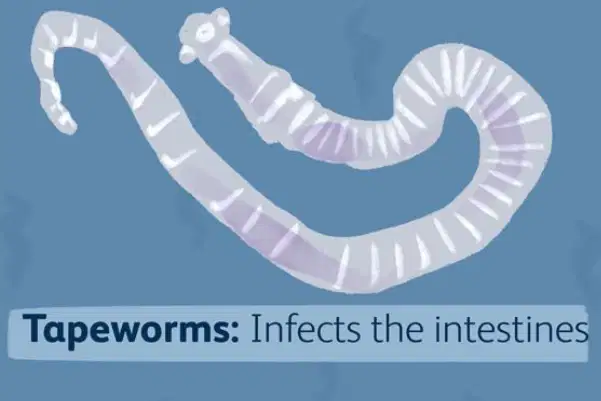
Which helminth group is shown as flat, segmented organisms and typically localizes to the intestines?
Flukes inhabit bile ducts and liver
Thorny-headed worms rarely infect humans
Roundworms infect multiple body sites
Tapeworms infect the intestines
From the helminth categories illustrated, which are correctly paired with their typical sites or host range? Select all that apply.
Flukes — bile ducts, liver, or blood
Roundworms — strictly intestinal lumen only
Thorny-headed worms — mainly animals, rare human infections
Tapeworms — primarily infect the intestines
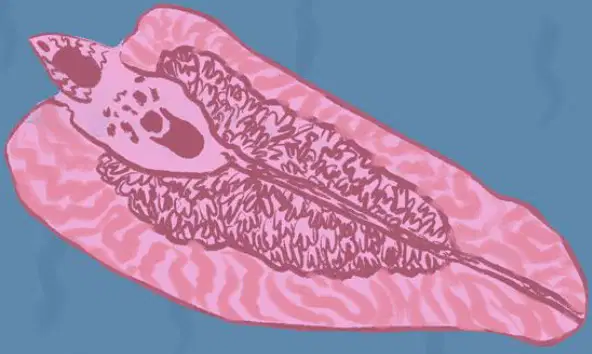
A patient presents with biliary obstruction after freshwater exposure. Based on the diagrammed types, which helminth category best fits this presentation?
Thorny-headed worms mainly animal
Roundworms causing systemic migration
Tapeworms confined to the intestines
Flukes infecting bile ducts or liver
Which epithelial cell type in the intestinal lining is linked in the diagram to sensing helminth products and releasing IL-25, IL-33, and TSLP?
Paneth cell releasing defensins
Goblet cell secreting mucins
Enterocyte absorbing nutrients
Tuft cell sensing helminths
According to the immune pathway shown, which downstream cell types are directly activated by epithelial-derived IL-25, IL-33, and TSLP? Select all that apply.
Eosinophils involved in parasite killing
Basophils participating in type 2 immunity
ILC2 driving early cytokine responses
Naive CD4+ T cells in lymph nodes
In the pathway, dendritic cells exposed to helminth antigens most directly contribute to which event?
Direct eosinophil degranulation locally
Immediate mucin secretion by goblet cells
Activation of Th2 cells via presentation
ILC2 activation by epithelial cytokines
Which cytokine profile depicted is most associated with goblet cell hyperplasia and mucus production during helminth infection?
IL-1 and TNF from macrophages
IL-4, IL-5, IL-9, IL-13 from Th2
IL-17A from Th17 cells
IFN-γ from Th1 lymphocytes
Place the following steps in the most logical order for the depicted type 2 response: 1) Th2 cytokines act on goblet cells, 2) Dendritic cells migrate to lymph node, 3) Tuft cells release IL-25/IL-33/TSLP, 4) Naive CD4+ T cells differentiate into Th2.
4 → 3 → 2 → 1
1 → 3 → 2 → 4
2 → 3 → 1 → 4
3 → 2 → 4 → 1
Which event directly triggers degranulation of eosinophils, basophils, and mast cells during parasite responses?
IgE binding to FcεRI on their surface
IgG binding to FcγRIII on neutrophils
Complement C3b opsonizing parasite membranes
TLR4 sensing bacterial lipopolysaccharide
Eosinophils are best characterized by which feature in antiparasite defense?
Cytoplasmic granules with toxic alkaline proteins
Exclusive residence in lymph nodes and spleen
High circulating frequency exceeding neutrophils
Primary role as antigen-presenting cells to T cells
Which eosinophil product is correctly matched to its physiological effect?
Major basic protein kills parasites and triggers histamine release
Eosinophil peroxidase remodels connective tissue matrix
Eosinophil-derived neurotoxin degrades RNA with antiviral effects
CXCL8 directly causes smooth muscle contraction
Which set lists mediators commonly released by activated eosinophils?
Leukotrienes C4/D4/E4 and prostaglandins
IL-3, IL-5, and GM-CSF
Histamine and heparin as dominant granules
Platelet-activating factor and CXCL8
Which statement about basophils is most accurate?
They primarily phagocytose bacteria like macrophages
They lack FcεRI and cannot bind IgE antibodies
They are abundant granulocytes similar to neutrophils
They are rare in blood, under one percent of leukocytes
Basophils contribute to type 2 immunity through which mechanism?
Producing large stores of tryptase unique to mucosal mast cells
Acting as memory-like cells by retaining antigen-bound IgE
Expressing CD40L to help B cells class-switch to IgE
Releasing mainly histamine and heparin that mediate inflammation
Which comparison between mucosal and connective tissue mast cells is correct?
Mucosal mast cells uniquely store histamine and heparin
Mucosal mast cells contain tryptase, connective tissue cells contain chymase
Both types lack proteases in their granules
Connective tissue mast cells preferentially store tryptase only
Which mast cell mediator class is correctly paired with a characteristic effect?
CCL3 suppresses monocyte and neutrophil recruitment
Histamine and heparin increase vascular permeability and contraction
TNF-α promotes inflammation and activates endothelium
Leukotrienes C4/D4/E4 cause mucus secretion and contraction
Which cytokines promote eosinophil production and activation during parasite responses?
IL-1β and IL-6 from macrophages
IL-12 and IFN-γ from NK cells
TGF-β and IL-10 from Tregs
IL-3, IL-5, and GM-CSF from mast cells
Which statement best distinguishes eosinophils from basophils in tissues?
Both are abundant in blood exceeding ten percent
Eosinophils cannot release lipid mediators upon activation
Eosinophils are mainly tissue residents; basophils are mostly circulating
Basophils act as dominant professional phagocytes
IgE-mediated activation of which cell type most directly amplifies TH2 responses through IL-4 and IL-13 release?
Dendritic cells releasing IL-12 and IL-27
NK cells releasing IFN-γ and TNF-β
Neutrophils releasing IL-8 and IL-1β
Mast cells releasing IL-4 and IL-13
Platelet-activating factor released in antiparasite reactions has which combined effects?
Inhibits eosinophil activation in bone marrow
Directly remodels connective tissue matrix
Amplifies production of lipid mediators
Attracts and activates neutrophils and platelets
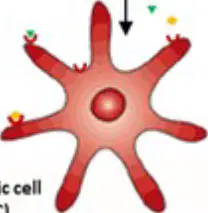
Which cytokine most directly drives Th2 differentiation from Th0 in helminth responses depicted in the diagram?
IFN-γ signaling from NK cells
IL-12 signaling from APCs
IL-4 signaling from APCs
TGF-β signaling from macrophages
In the helminth response pathway shown, which cell type is primarily responsible for triggering eosinophilia?
Treg cells producing IL-10
Th1 cells producing IFN-γ
Neutrophils releasing IL-8
Th2 cells producing IL-5
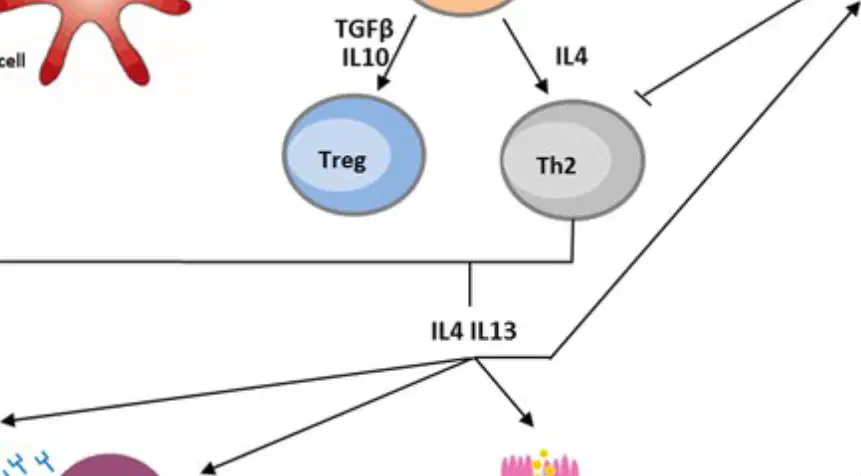
According to the diagram, which combination of cytokines promotes Treg development from Th0 cells?
IL-12 with IFN-γ
TGF-β with IL-10
IL-6 with IL-21
IL-4 with IL-5
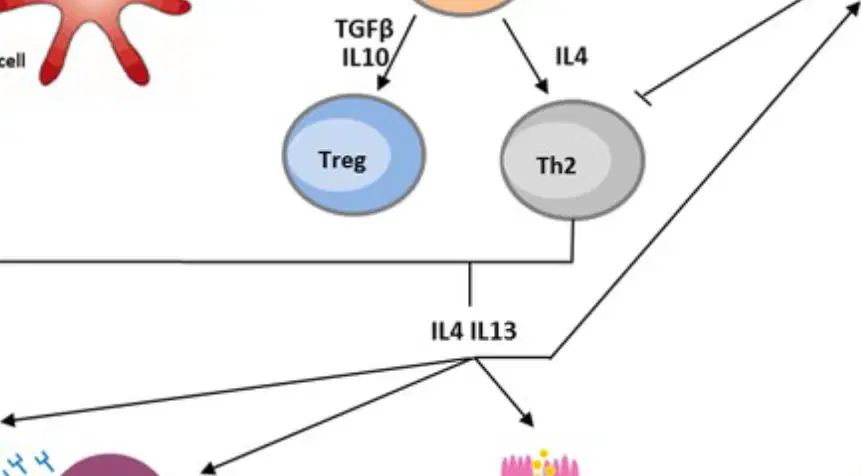
Which downstream tissue effect is linked to IL-4/IL-13 acting on epithelial and goblet cells?
Decreased smooth muscle tone
Increased permeability
Reduced IgE class switching
Increased mucus production
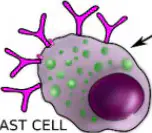
In the immediate phase of an allergic reaction shown, which sequence best describes events leading to symptoms?
Complement C3a activates basophils first
IgE coats mast cells then degranulation
Neutrophils release tryptase before IgE
IgG binds eosinophils then degranulation

Which mediator pair depicted is most characteristic of mast cell degranulation in the immediate phase?
Histamine release
Tryptase release
IL-12 secretion
IFN-γ secretion

During the late phase in the diagram, which regulatory pathway reduces inflammation?
Eosinophils driving IgE production
IL-4 inducing mast cell tryptase
Th1 secreting IFN-γ to neutrophils
AAM inducing IL-10 in B cells

Which isotype shows the highest affinity for antigen according to the isotype switching sequence shown?
IgG4 highest affinity
IgE highest affinity
IgM highest affinity
IgG3 highest affinity
Which feature best characterizes Type I hypersensitivity?
IgE on mast cells triggers degranulation
Immune complexes deposit in capillary walls
IgG binds drug-coated host cell surfaces
CD8 T cells mediate cytotoxic apoptosis
A patient develops urticaria minutes after a peanut exposure. Which mechanism is most consistent?
Delayed CD4 T cell activation peaks after two days
Circulating IgG immune complexes lodge in glomeruli
IgM fixes complement on red blood cell membrane
Allergen cross-links IgE causing mediator release
Which pair correctly matches hypersensitivity type with a classic trigger?
Type IV — passive transfer of maternal IgE
Type II — penicillin-modified red blood cells
Type I — contact with nickel-plated jewelry
Type III — immediate anaphylaxis to shellfish
Select all processes primarily mediated by antibodies rather than T cells.
Type III immune-complex deposition in glomeruli
Type IV delayed reactions to poison ivy oils
Type II cytotoxic reactions to drug-coated cells
Type I immediate reactions to pollen exposure
In Type II hypersensitivity, what event most directly leads to host cell injury?
Immune deviation toward regulatory T cell profiles
Granuloma formation led by TH1 helper subsets
Histamine release from basophils into circulation
Complement activation and phagocytosis of self cells
Small immune complexes that persist in circulation are most likely to cause which outcome?
Complement activation with inflammatory tissue damage
Rapid degranulation of mast cells causing anaphylaxis
Immediate cytolysis by natural killer cell perforin
Neutralization of antigen with no local pathology
Which statements about Type IV hypersensitivity are accurate?
It results from IgE cross-linking on mast cell surfaces
Clinical manifestations typically peak after 48 hours
Nickel-modified self proteins can trigger cytotoxicity
It is mediated by T lymphocytes, not antibodies
A camper develops an itchy vesicular rash two days after brushing against poison ivy. Which immune pathway best explains this?
Large immune complexes are cleared rapidly by the spleen
Preformed IgE causes immediate systemic anaphylactic shock
IgG coats epidermal cells leading to complement-mediated lysis
Haptenated self proteins presented on MHC I activate Tc cells
In the Type I panel, cross-linking of IgE bound to FcεRI on a mast cell leads primarily to which immediate outcome shown?
Degranulation with mediator release
Complement C3b deposition
Neutrophil extracellular traps
Cytotoxic T cell apoptosis
Which scenario best matches the Type II mechanism illustrated, where penicillin induces a new epitope on host cells?
Allergen cross-links IgE on mast cells
Nickel ions activate Th1 memory cells
Soluble immune complexes deposit in joints
Drug modifies cell surface proteins
In the Type III panel, what key pathogenic event is emphasized by the accumulation of blue and yellow antibodies and complement near the vessel wall?
Th2-driven eosinophil activation
Immediate mast cell degranulation
Immune complex deposition with inflammation
Direct NK-cell mediated cytolysis
Which cells are central effectors in the Type IV pathway shown following a nickel-containing body piercing?
Activated macrophages
CD4 T helper cells
CD8 cytotoxic T cells
Mast cells with IgE
Match each hypersensitivity type to its hallmark immunologic feature depicted.
Type III — Cell surface receptor blockade by IgA
Type I — IgE-mediated mast cell activation
Type II — T cell delayed granulomatous response
Type IV — Immune complex deposition in vessels
A patient receives infused mouse antibodies and develops vasculitis days later. Which mechanism best explains this reaction as depicted?
Type I immediate hypersensitivity
Type III immune complex disease
Type II antibody-dependent cytotoxicity
Type IV contact dermatitis pathway
Which event defines sensitization to an inhaled allergen such as pollen?
Neutrophils phagocytose trapped pollen grains
Naive B cells class switch to IgG3 antibodies
Eosinophils release granule proteins into airway
Mast cells bind allergen-specific IgE on FcεRI
A patient experiences sneezing and rhinorrhea minutes after breathing pollen. What hypersensitivity type best explains this immediate rhinitis?
Type IV hypersensitivity via Th1 cells
Type III hypersensitivity with immune complexes
Type II hypersensitivity mediated by IgG
Type I hypersensitivity mediated by IgE
Place the early steps of the primary response to inhaled pollen in the correct order.
Mast cell degranulation, TFH2 activation, allergen extraction
TFH2 activation, allergen extraction, B-cell IgE secretion
B-cell IgE secretion, allergen extraction, TFH2 activation
Allergen extraction, TFH2 activation, B-cell IgE secretion
Which T-cell subset drives class switching to IgE in response to pollen?
Regulatory T cells expressing FoxP3
Cytotoxic CD8 T lymphocytes
Th17 cells secreting IL-17A
TFH2 cells producing IL-4 cytokine
During the primary response to allergens, what is the main purpose of IgE bound to mast cell FcεRI receptors?
Neutralize pollen enzymes within airway mucus
Facilitate opsonization for macrophage phagocytosis
Arm mast cells for rapid activation on re-exposure
Promote complement fixation and pathogen lysis
Which combination of mediators most directly explains acute allergic rhinitis signs such as congestion and sneezing?
Leukotrienes contracting airway smooth muscle
Histamine increasing vascular permeability
Eosinophil granule proteins damaging tissue
Cytotoxic granzyme-induced epithelial apoptosis
Chronic allergic inflammation in the airway is most strongly sustained by which factors?
Immune complex deposition in arterioles
Cytokines and eosinophil-derived products
Antibody-dependent cellular cytotoxicity
Complement C3a and bacterial endotoxin
Which statement best distinguishes the primary from the secondary response to an inhaled allergen?
Primary recruits eosinophils to tissue; secondary activates TFH2 cells
Primary causes mast cell degranulation; secondary builds IgE repertoire
Primary arms effector cells with IgE; secondary triggers degranulation
Primary depends on memory IgG antibodies; secondary generates naive B cells
A person with seasonal rhinitis inhales pollen for the first time in months. Which immediate cellular event initiates their symptoms?
Migration of eosinophils from bone marrow
Cross-linking of IgE on mast cells by allergen
Isotype switching of B cells to produce IgE
Activation of naive TFH2 cells by dendritic cells
Which environmental trigger is the most common cause of immediate allergic rhinitis in the population?
Cat dander exposure in households
Peanut proteins in processed foods
Bee venom from occasional stings
Pollen inhalation during seasonal exposure

