
 Worksheets
Fall 25 Semester Exam Complete Review
Total questions: 65
Worksheet time: 18hrs 16mins
Match the following
Microbiome
all microorganisms in an environment
Bacteria
tiny organisms; made of a single cell
Antibiotics
medicines that kill microorganisms
Microorganism
an organism that is too small to be seen
Scale
the relative size of things
Many organisms are _____________—so small that they cannot be seen with the naked eye.
microscopic
microbiome
cells
bacteria
All living things are made of __________.
microorganisms
microbiome
cells
scale
Even though they are both too small to see,
cells are much bigger than molecules.
cells are much smaller than molecules.
molecules are much bigger than cells.
atoms are much bigger than molecules.
The human body provides an environment (_______________) for bacteria to survive.
food and space
only space
oxygen and food
space and oxygen
A healthy _______________ has various _________ types of bacteria.
microorganism; helpful
microbiome; harmful
microbiome; helpful
microorganism; harmful
A(n) ___________________ bacteria in the human microbiome can make a person sick.
infection of helpful
full gut microbiome of healthy
infection of harmful
empty gut microbiome with no
Antibiotics reduce the number of _______________ bacteria in the microbiome.
harmful
helpful
helpful and harmful
True or False: Patient 23 was able to eliminate only the C. jejuni bacteria and no other types of bacteria by taking an antibiotic.
True
False
True or False: Antibiotics can distinguish between harmful and helpful bacteria.
True
False
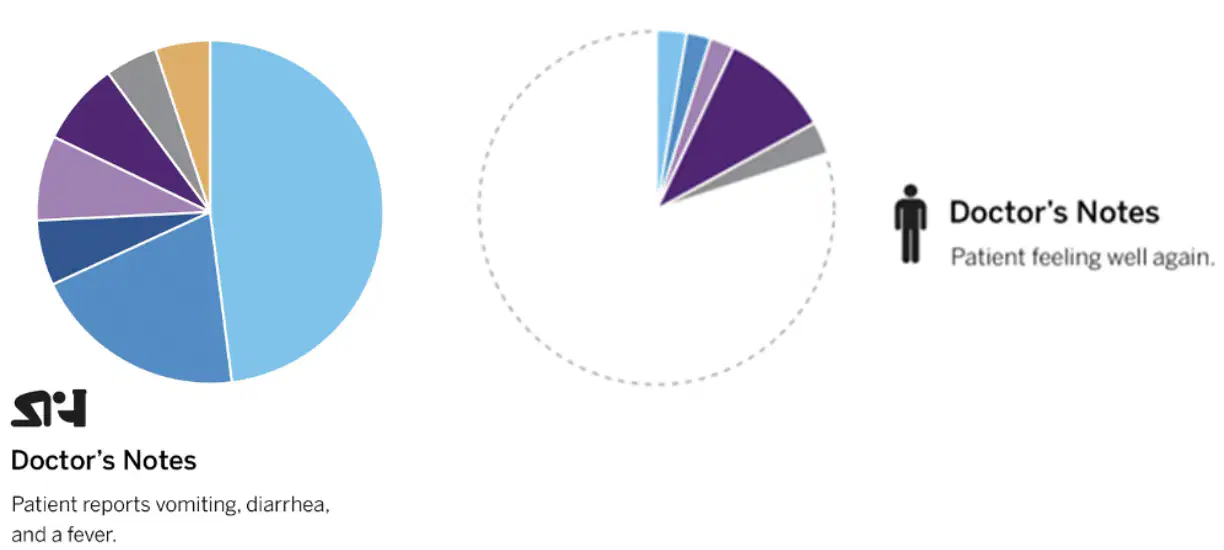
The pie charts show a patient’s gut microbiome from two different weeks. Which of the following best explains what happened between the first and second tests?
1. What treatment was he most likely given? (a)
2. Explain HOW you know. (b)
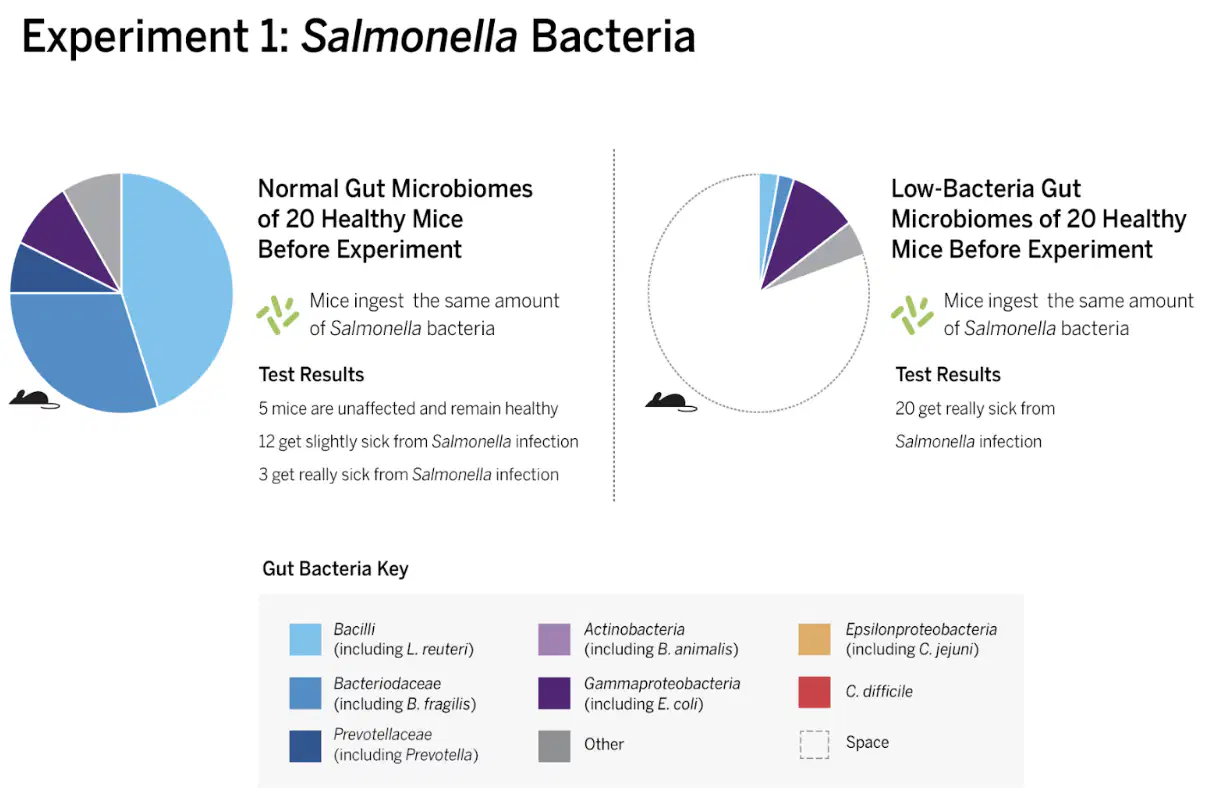
Why were the low-bacteria mice in the experiment more likely to get the Salmonella bacterial infection?
The low-bacteria mice had (a) which made it so (b) bacteria had (c) available to them in the mice gut microbiomes.

Using evidence from the pie charts, explain why Patient 23 felt better in week 9.
1. Mention what treatment he most likely received: (a) .
2. Explain how that treatment made Patient 23 feel better: The treatment helped by (b)
True or False: Cells come in different sizes and shapes
True
False
True or False: All organisms are made of many cells
True
False
The human microbiome is described as...
All the microorganisms living in and on the human body
Disgusting, gross, skibidi, -5,000,000 aura
All the microorganisms only living on the human body
All the microorganisms only living in the human body
molecules that are the building blocks of proteins
amino acids
glucose
oxygen
insulin
the body’s use of molecules for energy and growth.
microbiome
metabolism
respiration
mitochondria
a chemical reaction that releases energy using glucose and oxygen.
circulation
digestion
cellular respiration
photosynthesis
Which of the following correctly lists the three molecules our cells receive in order to work properly?
amino acids, starch, protein
starch, protein, oxygen
glucose, amino acids, starch
glucose, oxygen, amino acids
Select the two molecules that are reactants responsible for producing energy through cellular respiration.
glucose and amino acids
amino acids and oxygen
glucose and oxygen
starch and amino acids
Cells can grow and repair themselves by combining ________________ molecules to form larger _______________ molecules.
amino acid; protein
protein; starch
glucose; protein
protein; amino acid
Cell growth and repair requires _________________ release from cellular respiration.
energy
oxygen
carbon dioxide
glucose
An ocean scientist named Briley plans to spend several days underwater in a submarine. Doctors on land will monitor her body to make sure she is healthy during her trip. What is one way doctors will be able to tell whether her body is healthy enough to do all her tasks while she is in the submarine?
The doctors could see if her cells are getting several different types of food molecules.
The doctors could see if she is getting plenty of sleep so her body can make enough energy.
The doctors could see if her cells are getting the molecules they need from food and air.
The doctors could see if her lung cells have molecules from food, and her stomach cells have molecules from air.
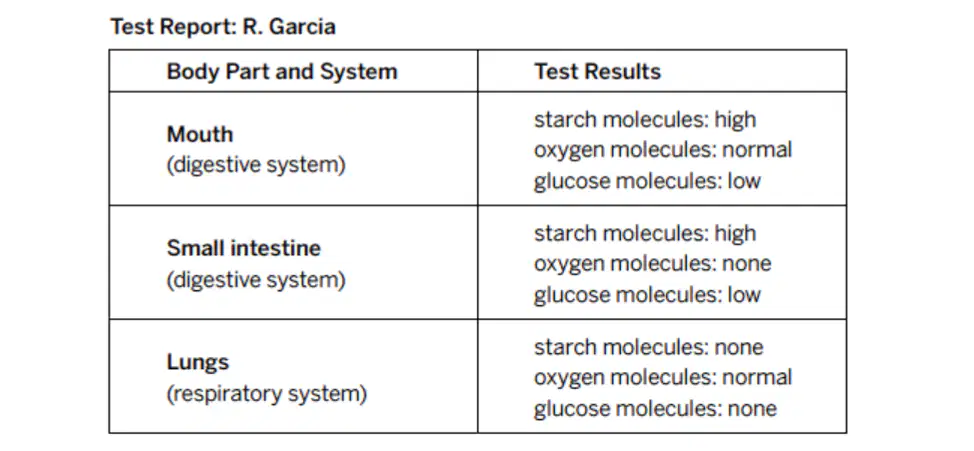
The test report above shows the level of molecules in different parts of the patient's body. How would you expect this patient to do on an exercise test?
Well; his body is working properly.
Poorly; his digestive system is not combining glucose molecules together for the cells to use.
Poorly; his digestive system is not breaking down molecules from food into glucose.
Poorly; his respiratory system is not breaking down oxygen molecules into glucose.
Asthma is a condition in which it can be very hard for a person to breathe in enough air. Would it also be difficult for someone with asthma to exercise?
No, as long as the person is getting enough sleep, he will make enough energy to exercise.
No, as long as the person’s cells are getting different types of molecules from food, he can still exercise.
No, the person’s cells may not have everything they need, but his body can still exercise normally.
Yes, it will be difficult for a person with asthma to exercise because his cells need molecules from air.
Jaxston ate a meal of oats before seeing his doctor. Oats are made of mostly starch molecules. He feels tired, so his doctor gave him a test and found that Jaxston’s cells contained glucose molecules, but they did not contain enough oxygen molecules. Does this explain why he feels tired?
Yes, his digestive system is breaking down starch molecules, but his respiratory system may not be working properly.
No, something else must be wrong because his cells have all the molecules they need.
Yes, his respiratory system is working, but his digestive system is not getting energy from combining glucose molecules.
Yes, his digestive system is working, but his respiratory system is not breaking down oxygen, so his body stopped making energy.
The ________________________ of a protein molecule depends on its ________________________ and how it interacts with other protein molecules.
structure; function
function; structure
shape; structure
function; job
Differences in the ________________________ of protein molecules affect how they connect to other protein molecules. This can result in different ________________.
structure; proteins
function; features
structure; traits
function; traits
Each person in Carlee's family has the same traits. There are no differences in traits between parents and offspring or among siblings.
true
false
A gene is...
an instruction for making a protein molecule
how something works
a type of molecule that genes and chromosomes are made of
having gene versions that are the same
Having gene versions that are different is
heterozygous
homozygous
Genes are located in the ____________ of the cell.
ribosomes
mitochondria
nucleus
golgi body
To have a certain trait, you need to have those proteins—and to make those proteins, you need to have the ____________ that give your cells the __________________ for making them.
features; instructions
instructions; genes
genes; instructions
traits; proteins
Two sparrow birds have different proteins in their cells that influence feather color. They come from different sets of parents. What can be inferred about their feather color?
They will have different feather colors because their proteins for feather color are different, leading them to connect in different ways.
They will have the same feather color since even with different proteins for feather color, the proteins might connect in the same way.
They will have different feather colors because offspring from different parents will always have different feather colors.
They will have the same feather color since all sparrow birds have the same feather color.
Davis says that ribosomes have something to do with proteins. Which of the following correctly describes the function of a ribosome?
makes proteins from the instructions carried by genes
makes genes from the instructions carried by glucose
carries energy from the instructions carried by genes
carries instructions for making genes
There are two genes that decide each of your traits, and those two genes are always exactly alike.
True
False
Three tigers have different parents. They all have the same PROTEINS for the stripe pattern. What can you say about the tigers' stripe patterns?
They will have the same stripe patterns since all tigers have the same stripe pattern
They will have the same stripe patterns since their proteins for stripe patterns are the same so the proteins will connect in the same way.
They will have different stripe patterns because even with the same proteins for stripe pattern, the protein can connect in different ways.
They will have different stripe patterns since only offspring from the same parents have the same strip patterns.
Two rabbits have different parents. One rabbit has ears that flop over, and the other rabbit has ears that stand straight up. Why do the rabbits have ears with different shapes?
The rabbits have different versions of the gene for ear shape. The genes are only standing straight up in the cells of one rabbit’s ears.
The rabbits have different versions of the gene for ear shape, which instruct for different proteins that connect in different ways to make different ear shapes.
Each rabbit has a different ear shape because offspring from different parents will have different ear shapes.
Each rabbit has a different ear shape because they have different versions of the gene for ear shape that connect together to make different ear shapes.
The body cells of scorpions have proteins that connect together. In one scorpion, the structure of the proteins in the body cells changed, but the amount of that type of protein in the cell stayed the same. What happened to the function of that type of protein?
The changed protein connects differently, but its function doesn’t change.
The changed protein connects differently, so its function changes.
The changed protein connects in the same way, but its function changes.
The amount of that type of protein stayed the same, so its function doesn’t change.
Which of the following is the best definition for a mutation?
a random trait on an organism
a random change to a gene
a random protein
a totally planned change to a gene
Choose the term that matches the following definition: a specific characteristic of an individual organism
trait
feature
gene
protein molecule
Choose the term that matches the following definition: a characteristic that all members of a species have
trait
feature
gene
protein molecule
Blonde hair, blue eyes, and long nose are examples of
traits
features
genes
protein molecules
Hair color, eye color, and nose length are examples of
traits
features
genes
protein molecules
Each person in a family has the same traits. There are no differences in traits between parents and offspring or among siblings.
true
false

This cat has black fur. This is an example of a:
Feature
Trait
Variation
Gene
The allele that is always expressed if it is present; represented by a capital letter.
Dominant
Recessive
Genotype
Phenotype
The allele that only shows up as the phenotype if it is homozygous; represented by a lowercase letter.
Dominant
Recessive
Genotype
Phenotype
The alleles for a particular feature
Dominant
Recessive
Genotype
Phenotype
The trait that is expressed/seen based on the genotype
Dominant
Recessive
Genotype
Phenotype
Select all that apply: Examples where the dominant allele would show as the trait for the phenotype.
Dd
dd
DD
ee
Ee
Select all that apply: Examples of heterozygous genotypes
gg
Dd
HH
Hh
bb
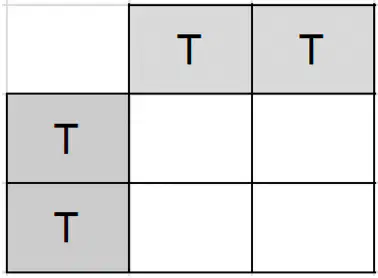
What is the percent of potential offspring that would be homozygous?
100%
50%
75%
25%
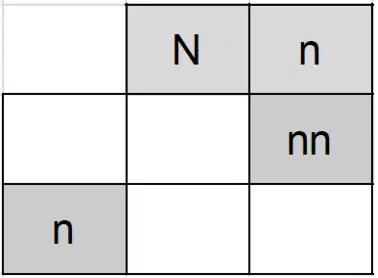
If mom is heterozygous in the Punnett square, what must dad have been?
Heterozygous
Homozygous dominant
Homozygous recessive
Not enough information
In mice, gray (G) is dominant over white (g). Cross a homozygous gray female with a heterozygous male.
What is the probability of getting homozygous mice offspring?
25%
50%
75%
100%
The Dad bunny’s genes are homozygous dominant for ear position and the Mom bunny’s genes are homozygous recessive for ear position. (2 points)
E = straight up ears
e = floppy ears
ee
EE
Mom's Phenotype
floppy ears
Dad's Phenotype
straight up ears
Brown eyes in humans are dominant to blue eyes. There is a 50% chance that Jessica and Brendan have a baby with blue eyes. (2 points)
What are the possible parent genotypes in this scenario?
Ee and Ee
EE and ee
ee and ee
Ee and ee
How many parents does asexual reproduction involve?
One
Two
Three
Four
Which type of reproduction requires more time?
Sexual reproduction
Asexual reproduction
What is one advantage of sexual reproduction?
One parent
Greater genetic diversity
Faster
The offspring from asexually reproduced organisms are?
Different than their parents
Like a combination from both parents
Identical to parents
A different species
Organisms reproduced through sexual reproduction will have a genetic makeup that is
Identical to their parents
Genetically different than their parents
a combination of both parents
Which type of reproduction leads to organisms that are better able to adapt to changes in the environment?
Sexual reproduction
Asexual reproduction
How many parents does sexual reproduction involve?
One
Two
Three
Four

