
 Worksheets
Cycling Safety Tips Quiz
Total questions: 22
Worksheet time: 11mins
What is one important safety tip to follow while cycling to ensure personal safety?
Ignore your surroundings and focus only on cycling speed.
Always carry a mobile phone with emergency numbers.
Cycle on dangerous paths to test your skills.
Avoid cycling with other people.
What should you do if you believe a cycle path or road is dangerous?
Continue cycling on the same path to save time.
Take a different route to minimise the risk.
Stop cycling altogether.
Ignore the danger and cycle faster.
Why is it recommended to cycle with other people or in places where there are other people around?
To increase the risk of accidents.
To ensure safety and have support in case of emergencies.
To compete with others for speed.
To avoid learning the route.
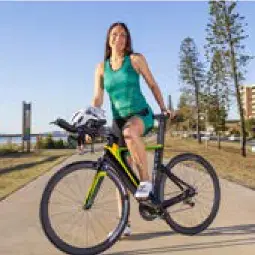
What should you watch out for while cycling near parked cars?
Drivers and passengers opening their doors into your path.
Cars speeding past you.
Cyclists overtaking you.
Pedestrians crossing the road.
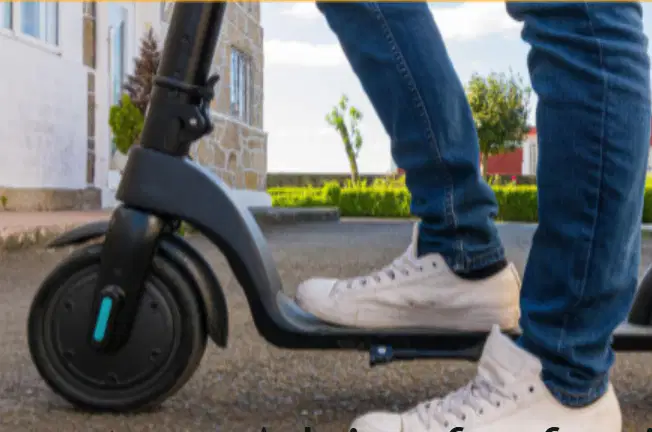
What powers an e-scooter?
Gasoline
Solar energy
Rechargeable battery
Wind energy
Where is it illegal to ride a privately owned e-scooter in NSW?
On private property
On roads and road-related areas, including footpaths and cycle paths
In designated e-scooter trial areas
In parks
What is the minimum age for a child to hire and ride a shared e-scooter in a trial area in NSW?
12 years
14 years
16 years
18 years
Where are hired shared scheme e-scooters allowed to be used in NSW trial areas?
On private property
On roads and road-related areas in designated trial areas
On all roads in NSW
In parks and recreational areas
What is the restriction for privately owned e-scooters in NSW trial areas?
They can be ridden anywhere
They are only allowed on private property
They can be used in parks
They can be used on roads in trial areas
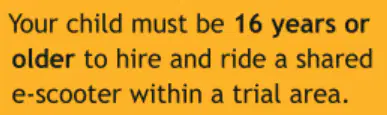
What is the minimum age required for a child to hire and ride a shared e-scooter within a trial area?
14 years
15 years
16 years
18 years
What is the maximum speed allowed for riding a shared e-scooter on shared paths in a trial area?
5 km/h
10 km/h
15 km/h
20 km/h
Which of the following is a safety requirement for riding a shared e-scooter in a trial area?
Carrying passengers
Using a mobile phone while riding
Wearing an approved helmet
Riding on unselected roads
Why is it recommended for riders to wear brightly colored clothing while riding a shared e-scooter?
To look stylish
To be easily seen by other road users
To follow fashion trends
To match the e-scooter color
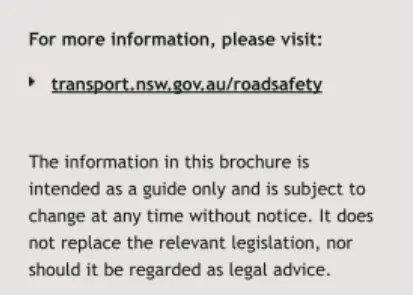
Which website can be visited for more information about e-scooter safety in trial areas?
transport.nsw.gov.au/roadsafety
e-scooterinfo.com
safetyfirst.com.au
nswtransport.com
What is the primary function of the motor in an electric bike?
To recharge the battery
To provide additional power to the pedals
To reduce carbon emissions
To assist with braking
What is the typical range of battery life for an electric bike per charge, depending on the model?
10km to 50km
25km to 150km
50km to 200km
100km to 300km
Which feature of some electric bikes allows the motor to engage only when the rider pedals?
Throttle
Pedal-assist
Battery
Motor
Why are electric bikes considered eco-friendly?
They use solar power to operate
They offer an environmentally friendly alternative to cars for short commutes
They do not require any maintenance
They are made entirely from recycled materials
What makes electric bikes cost-effective compared to cars or public transportation?
They require no fuel and have lower maintenance costs
They are faster than cars
They are made from cheaper materials
They do not require a license to operate
How do electric bikes benefit riders in terms of health?
They eliminate the need for physical activity
They provide assistance while allowing riders to exercise by pedalling
They include built-in fitness tracking systems
They reduce the risk of injury during cycling
In cities with heavy traffic, why are electric bikes considered efficient for commuting?
They are faster than cars or public transport for short- to medium-distance commutes
They can be used on highways
They require no parking space
They are exempt from traffic rules
What makes electric bikes versatile for riders?
They can only be used on city streets
They can be used on various terrains, from city streets to off-road trails
They are designed for professional cyclists only
They are limited to recreational use

