
 Worksheets
Midterm Quiz 2025
Total questions: 100
Worksheet time: 47hrs 30mins

How did the collapse of the Western Roman Empire affect Western Europe?
Western Europe's traders became wealthy.
Western Europe supported classical learning.
Western Europe fell into disorder as invaders swept in.
The people of Western Europe moved to cities.

What is another name for the Eastern Roman Empire after the fall of the Western Roman Empire?
Ostrogoth Empire
Orthodox Empire
Justinian Empire
Byzantine Empire
Constantinople

Which letter marks the location of Constantinople, which was renamed Istanbul in the 1930s?
A
B
C
D
E

Which Germanic tribe conquered Gaul and most of Western Europe? They were the most successful of the 'barbarian invaders'.
Lombards
Vandals
Franks
Magyars
Visigoths

The Western Roman Empire fell in ____, marking the beginning of the Middle Ages.
509 BCE
44 BCE
180 CE
476 CE
669 CE
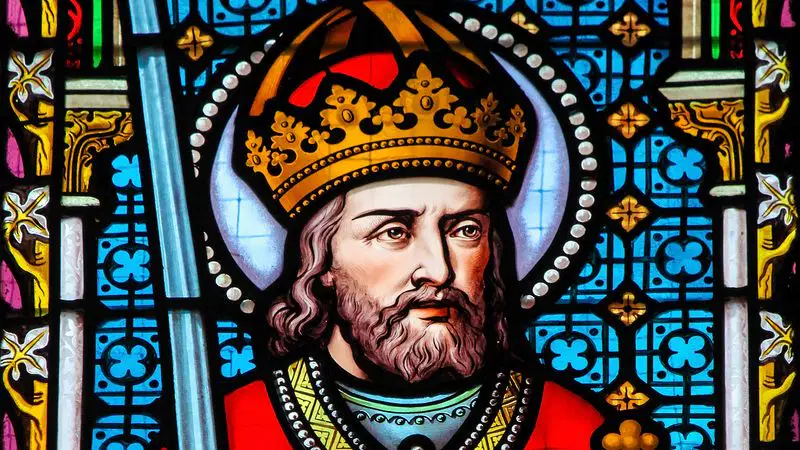
Charlemagne briefly united Western Europe when he formed an empire that reached across parts of Italy, Germany, and _____.
Scandinavia
Ireland
Spain
France
Russia

Constantinople was conquered by the ____ in 1453. A new military invention, bombard cannons, was used to overcome the Theodosian Walls, which had protected the city for centuries.
Vandals
Magyars
Ottoman Empire
Visigoths
Vikings

___ was the ruler of the Huns at the height of their power from 434 to 453 C.E. The fear he inspired earned him the title "Scourge of God".
Charlemagne
Genghis Khan
Attila
Cyrus the Great
Clovis I
(a) marked the beginning of the Middle Ages in Europe in 476 C.E.
Fall of Rome
Renaissance
Industrial Revolution
World War I

During the Middle Ages, the relationship between lord and vassal involved an exchange of pledges, known as the feudal contract. The more powerful lord would grant his vassal a ____, or estate. In addition to the land, this included the peasants who worked the land and any settlements located within it.
manor
kingdom
fief
duchy
province

A vassal who pledged loyalty to several lords could have serious problems if these lords quarreled with each other. This would create a conflict of interest. To solve this problem, a vassal usually had a ____ ____ to whom he owed his first loyalty.
liege lord
noble patron
landowner
feudal lord
king's advisor

Most of the peasants who lived on a manor during the Middle Ages were ____. They were bound to the land. They could not be bought or sold. Still, they were not free. They could not leave the manor without the lord's permission.
serfs
landowners
merchants
slaves
freemen
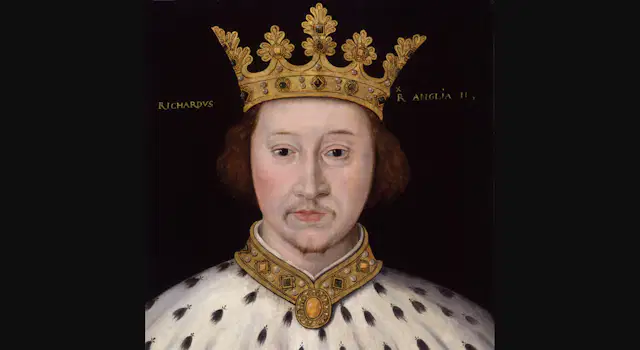
The monarchs of Europe ruled under the concept of _____, which meant that people should obey and serve them because they were God's heavenly representatives on earth.
Divine Right of Kings
Absolute Monarchy
Social Contract Theory
Constitutional Rule
Rule of Law
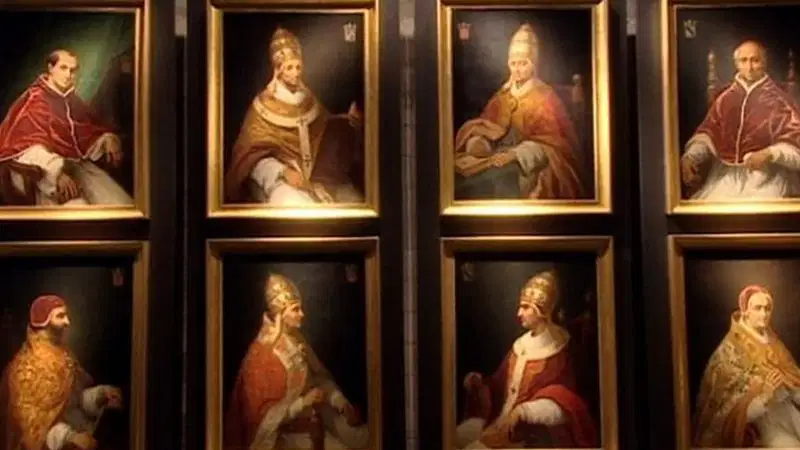
Which statement best describes the role of the popes in the Middle Ages?
They opposed mixing spiritual and secular duties.
They were secular leaders who also claimed spiritual power.
They were spiritual leaders who also exercised secular power.
They always opposed reform of the Church or its policies.
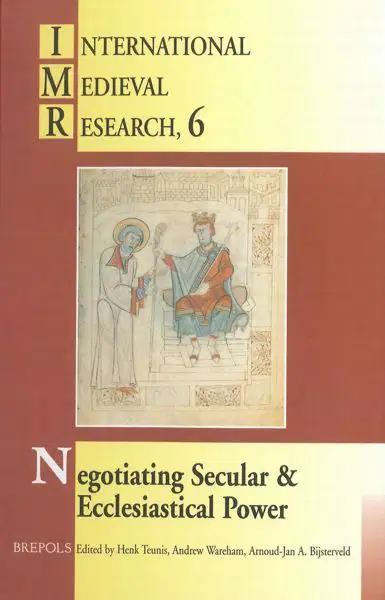
How did the Church gain secular power?
Monks forced large numbers of people to convert through fear of punishment.
Canon law established secular courts under the control of the Church.
The Church issued interdicts, laws passed by the Church regardless of secular law.
The Church’s power to deny the sacraments gave it power over Christians.

Priests celebrated Mass and administered ______, the sacred rites of the Church. Medieval Christians, like many Christians today, believed these rites were needed to achieve salvation, or deliverance from sin.
prayers
indulgences
ceremonies
sacraments
rituals

During the Middle Ages, the Christian Church split into eastern and western churches. The western half of the church became known as the ____. It grew stronger and wealthier during the Middle Ages.
Lutheran Church
Protestant Church
Roman Catholic Church
Anglican Church
Eastern Orthodox Church

The Church developed its own body of laws, known as ____ , with its own courts. These laws were based on religious teachings and governed many aspects of life, from the behavior of the clergy to morals, marriages, and wills.
Civil Law
Common Law
Natural Law
Statutory Law
Canon Law

Anyone who disobeyed the Church faced a range of penalties. The most severe and terrifying penalty was ______, which, theoretically, cut people off from the Church, its sacraments, and the possibility of everlasting salvation.
absolution
penance
excommunication
crucifixion
purgatory
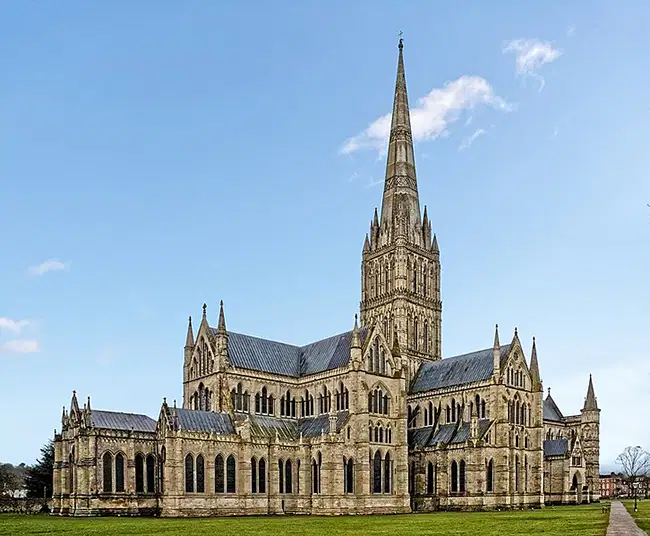
A powerful noble or king who opposed the Church could face the ____. This was an order excluding an entire town, region, or kingdom from receiving sacraments and a Christian burial. Even the strongest ruler was likely to give in rather than face this, which might cause revolts by the people under his rule.
interdict
censure
excommunication
penance
absolution

One of the criticisms of the medieval Catholic Church was its practice of selling _____ for profit. These were based on Church teaching that when a person dies, their soul is sent to purgatory, where they are punished for the sins committed while alive before being allowed to enter heaven. Supposedly, one could reduce the amount of time he or she would have to spend in purgatory by purchasing these.
prayers
tithes
relics
indulgences
sacraments

Differences in how Christianity was practiced in the West under the leadership of the Pope in Rome and in the East under the leadership of the Byzantine emperor and the Patriarch in Constantinople contributed to the _____ _____ of 1054 C.E.
Eastern Reformation
Great Schism
Council of Nicaea
Western Crusade
Papal Inquisition

Medieval peasants grew barley, oats, cabbages, potatoes, and tomatoes.
True
False
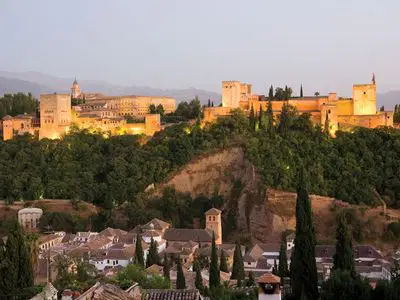
______ refers to the campaign by European Christians in the 1400s to drive the Muslims from present-day Spain.
Antioch
Hanseatic League
The People's Crusade
Conquistadora
Reconquista

What was the result of Isabella’s efforts to bring religious unity to Spain?
Jews and Muslims were forced to leave Spain.
Spain became a more tolerant country.
Isabella became less powerful.
The people rebelled against the Church.

________ was led by 'Peter the Hermit'. This crusade included the migration of up to 100,000 people. These 'Crusaders' were mostly unskilled fighters and included women and children.
This crusader 'army' massacred Jews in the Rhineland. They were later ambushed and annihilated by the Turks after leaving Byzantine territory in 1096 CE.
(This question is from the Google Slides.)
The First Crusade
The Second Crusade
The Third Crusade
The Fourth Crusade
The Peoples' Crusade

The use of money (coins) undermined ______. By 1300 C.E., most peasants in Western Europe were either tenant farmers, who paid rent for their land, or hired farm laborers.
the feudal system
the traditional barter system
local trade agreements
land ownership rights
agricultural innovations

In medieval towns, the middle class gained economic and political power. First, merchants and artisans formed associations called _____. These associations dominated town life, passing laws and levying taxes.
guilds
societies
unions
congregations
associations

Muslims, Christians, and Jews lived in relative peace on the Iberian Peninsula while under Muslim rule. That tolerance ended under Queen Isabella's rule. Isabella, with the support of the Church, implemented the _____, which required Muslims and Jews to accept baptism as Christians or go into exile.
Spanish Civil War
Reconquista
Treaty of Tordesillas
Inquisition
Crusades

This celestial event occurred in 1066. It was believed to be a good omen by the Normans, foreshadowing their successful invasion of England, resulting in the battle cry, “A New Star, A New King!”
Lyrids Meteor Shower
Halley's Comet
Mercury at Greatest Western Elongation
Total Solar Eclipse
Dan's Shooting Star

The Anglo-Saxon army under King Harold Godwinson defeated the Norman army under Duke William at the Battle of Hastings in 1066.
True
False

The extortion payment that was paid by the Anglo-Saxons to the Vikings so that they would not attack their community was called ___________
Danegeld
Saxon Tribute
Penance
Simony
The hide

The language spoken by this group evolved into the English language we speak today.
Anglo-Saxons
Normans
Celtics
Franks
Jutes

Henry II, a Norman ruler of England, established the use of juries to investigate and determine guilt in legal cases. The ____ jury is used to determine whether an individual should be investigated or charged with a crime.
Royal
Preliminary
Oversight
Trial (Petite)
Grand
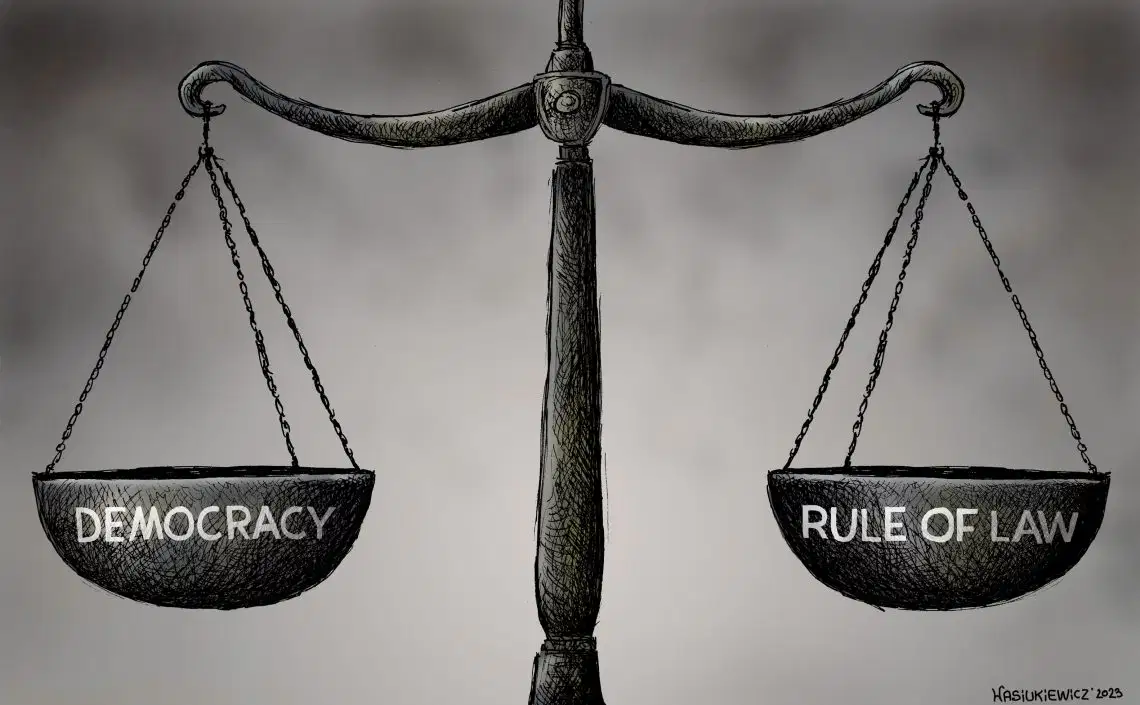
____ refers to the belief that the law should be applied to all people equally, regardless of social status, wealth, ethnicity, race, religion, or sexual preference. It was a demand that King Richard was forced to agree to when he signed the Magna Carta.
Rule of law
Liberty
Democracy
The Social Contract
Right of Habeas Corpus
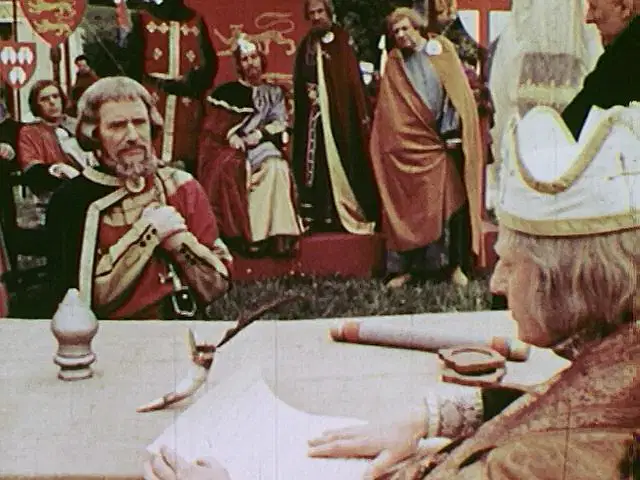
The basis for this was established in 1215 via the Magna Carta (charter). Today, it ensures that U.S. citizens who are arrested for a crime are guaranteed a hearing soon after their arrest, generally within 1 to 2 days, to determine if the arrest was legally justified.
Immunity
Judicial Precedent
Liberty
Right of Habeas Corpus
Rule of Law
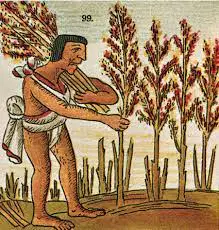
Which of the following was NOT domesticated by Mesoamerican farmers?
Maize
Beans
Squash
Bananas
Avocados
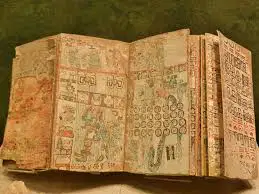
What is one reason why only a few Maya books on bark paper remain?
The bark paper developed by the Maya did not hold up well over time, and eventually disintegrated.
Maya priests destroyed the books when the Spanish conquerors arrived, out of fear that their beliefs would be stolen.
Archaeologists researching the Maya did not realize the significance of the books, and they were not properly cataloged for future generations.
Spanish conquerors burned most of the books because they were not written by Christians.

According to the textbook, when did humans first migrate to the Americas?
During the last ice age, 12,000 to 10,000 years ago
During the second-to-last ice age, 15,000 to 25,000 years ago
During the last ice age, 17,500 to 24,000 years ago
After the last ice age, 8,000 to 4,500 years ago

____ is the oldest known Mesoamerican civilization, existing from roughly 1200 to 400 BCE.
Aztecs
Inca
Maya
Olmecs
Zapotecs
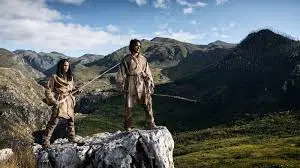
It is believed that the first people who arrived in the Americas came from _____.
China to Central America.
Siberia, across a land bridge to Alaska.
Europe to the coast of Eastern Canada.
Africa, across a land bridge to South America.
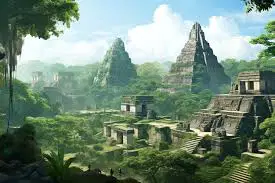
The ____ civilization was located in the rainforests of Mexico and Central America.
Aztec
Maya
Oaxaca
Inca
Zapotecs

Tenochtitlan was the capital of which empire?
Maya
Aztec
Olmec
Spanish
Toltec

There are only five civilizations recognized for independently developing an alphabet. They are the Phoenicians, Sumerians, Egyptians, Chinese, and ____.
Aztecs
Mayans
Incas
Olmecs
Toltecs
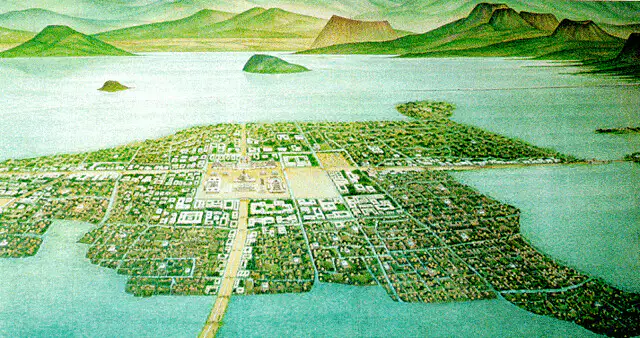
___ was the capital city of the Aztec Empire, established in 1325 CE. Mexico City was built over the ruins of this city.
Cholula
Matacapan
Tenochtitlán
Tikal
Tula
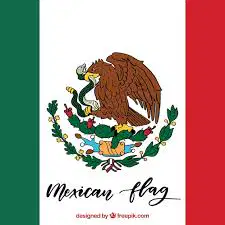
The image of an eagle sitting on a cactus and eating a snake, as seen on the Mexican flag, honors which ancient Mesoamerican civilization?
Aztec
Olmec
Maya
Toltec
Zapotec
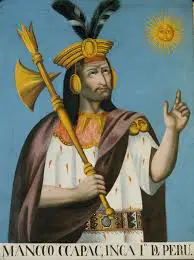
What was the title of the Inca emperor?

Which color represents the location of the Inca civilization?
blue
red
gray
green
purple
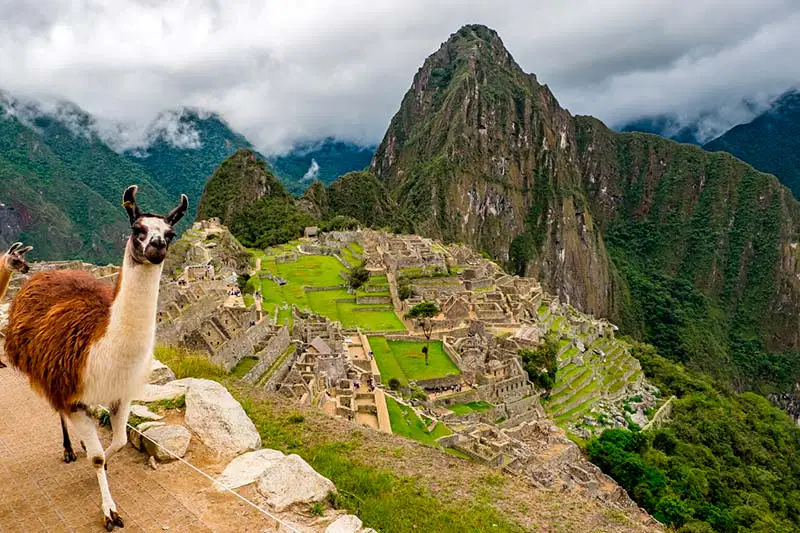
The ____ civilization is known for its impressive road systems, terrace farming, Machu Picchu, and suspension bridges.
Maya
Inca
Aztec
Moche
Nazca
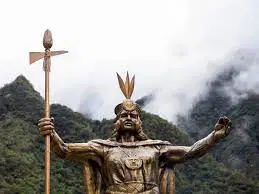
______ was a famous Inca warrior (1438-1471) who expanded the empire from Peru to Ecuador. He was the first Sapa Inca.
Manco Capac
Atahualpa
Pachacuti
Huayna Capac
Mr. Evans
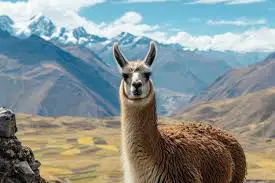
This mountain range runs the length of South America and is where the Inca dwelled. It is the longest mountain range in the world.
Himalayas
Rocky Mountains
Appalachian Mountains
Andes
Sierra Nevada
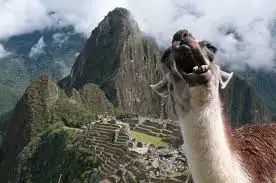
____ is an ancient city located in the mountains of Peru. It is believed to have been built as an estate for the first Sapa Inca. It is located about 50 miles northwest of modern-day Cusco. It is featured in the photo.
Machu Picchu
Sacsayhuamán
Titicaca
Nazcalia
Lima
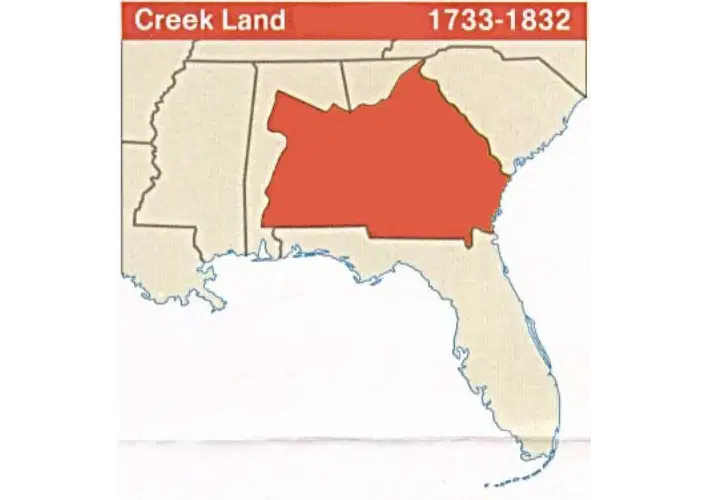
The origins of the Seminoles begin in territory that is now the states of Georgia and Alabama during the 18th century. This region was home to a confederacy of indigenous communities known today as the Muskogee speaking ______ people. (2:10 to 2:30)
Iroquois
Cherokee
Choctaw
Sioux
Creek
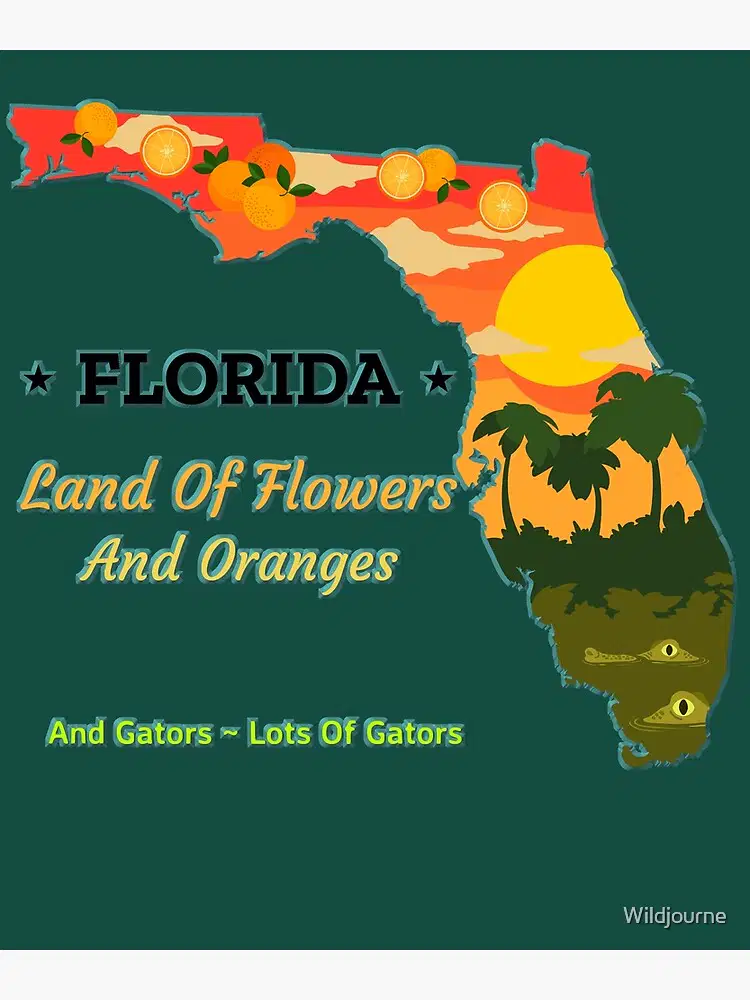
Spain sold Florida (the land of flowers) to the United States for _____ In 1819.
100 million pounds
5 million dollars
300 million dollars
2 trillion pesos
500 million pesos

The ___ ___ were easily the dominant Indian confederacy in the northeast and northwest areas of America.
Algonquin Union
Pueblo Coalition
Cherokee League
Iroquois Confederacy
Sioux Alliance

With the coming of the French and Indian War in 1755, both France and England worked to gain the Iroquois as their allies. Ultimately, the Six Nations fought on the side of the ______, significantly aiding them in achieving victory.
Dutch
Spanish
British
Portuguese
French
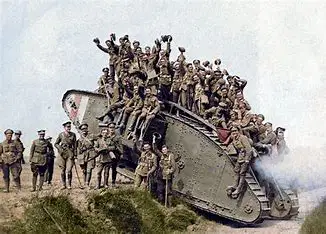
World War 1 took place from _____
1914-1918
1875-1879
1940-1945
1952-1956
1889-1912

The German Empire was established in the year _____
1165
1871
188
2003
1751
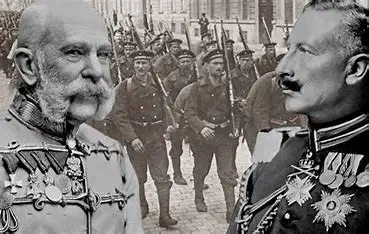
WWI began one month after:
Serbia tried to take more of Austria-Hungary's land.
Serbia annexing Bosnia-Croatia
Archduke Ferdinand and his wife were killed.
The Lusitania was sunk.
The assassination of Czar Nicholas II
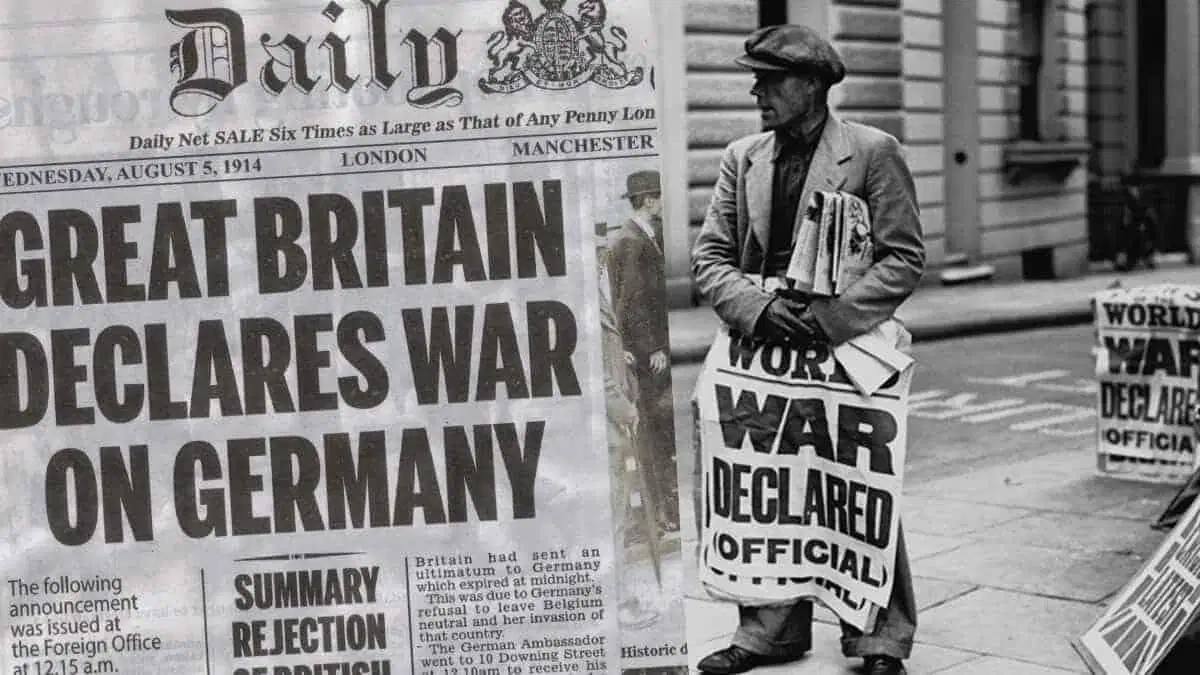
What was the main reason that Britain entered the war?
because it was an ally of France
because Germany invaded neutral Belgium
because it supported Slavic nationalism
because Archduke Francis Ferdinand was assassinated
because it wanted regime change for the Austrian-Hungarian empire
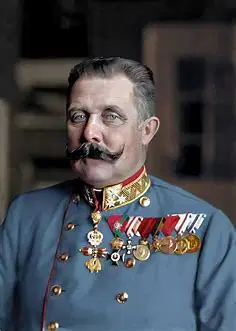
Archduke Franz Ferdinand was a member of the Hapsburg dynasty. He was the heir to which throne?
German
Balkans
Austria-Hungary
Serbian
Prussian
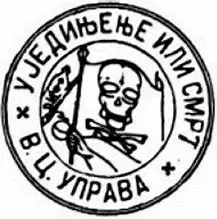
____ is the name of the Serbian nationalist terrorist organization that was responsible for the assassination of the Archduke of the Austrian-Hungarian Empire and his wife Sophia. This hit was carried out by 18 year old Gavrilo Princip.
Red Skull
Black Hand
Arakan Army
Blue Shield
al-Qaeda
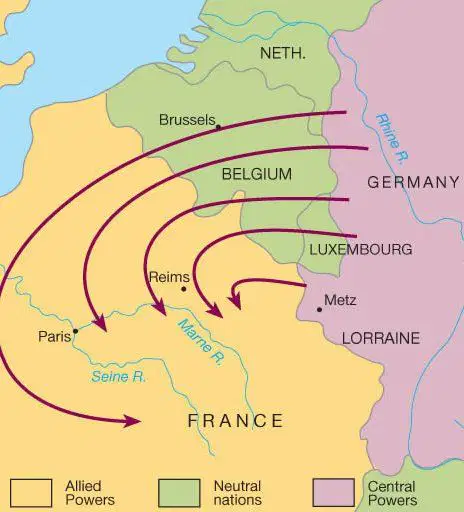
Germany’s invasion plan involved going through the country of ________ to attack France instead of attacking France directly at their border with Germany, which was more heavily defended.
Netherlands
Belgium
Luxembourg
Switzerland
Finland

_____ sponsored a powerful form of nationalism called Pan -Slavism, which emphasized a shared common nationality. As the largest Slavic country, it felt that it had a duty to defend all Slavs, including those who were in the country of Serbia.
Austria-Hungary
Czechoslovakia
Germany

The nation of _____ was a member of Bismarck's Triple Alliance, but chose to remain neutral at the beginning of World War I. Then, this nation switched sides and joined the 'Great War' on the side of the Allies a year later in 1915.
Britain
Austria-Hungary
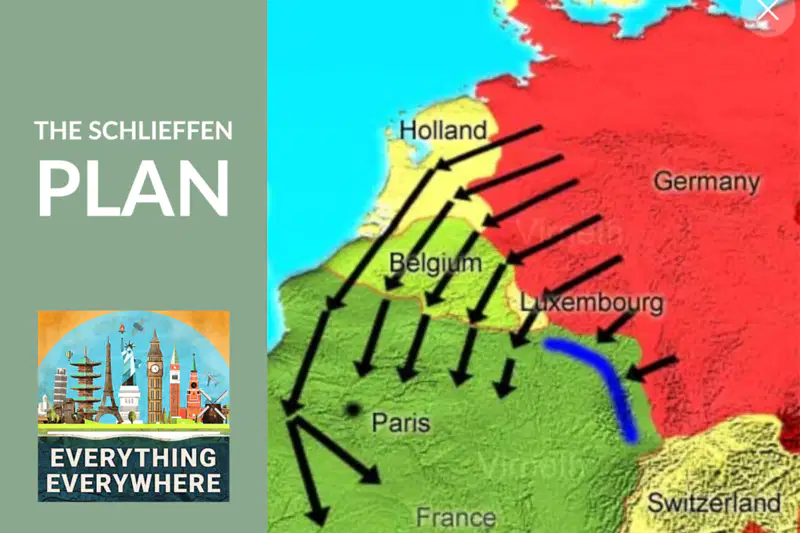
To ensure a swift victory, the German plan required their armies to march through neutral Belgium and then swing south behind French lines. The invasion of neutral Belgium outraged ______, which then declared war on Germany.
The United States
Britain
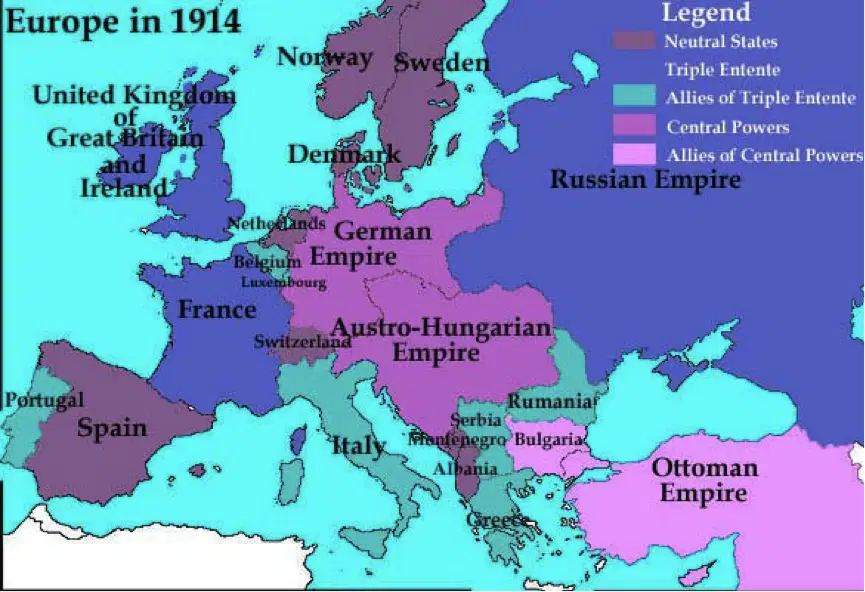
The Central Powers consisted of the formal wartime coalition of Germany, Austria-Hungry, _____, and Bulgaria (1915).
The Allied Powers of WWI were the British Empire, France, and Russia. This coalition was later joined by Italy, Japan, and _____.
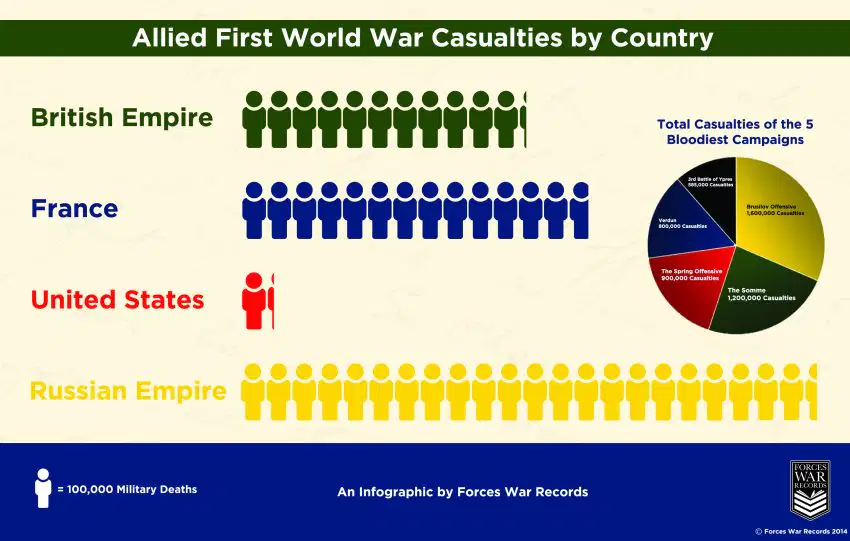
World War I resulted in approximately ______ million dead and 25 million wounded. It contributed to the Russian civil war and set the conditions for World War II.
17
1.5
30
3

The ______ Front was characterized by hundreds of miles of trench warfare and little movement.
Western
Eastern
Northern
Southern
Southwestern
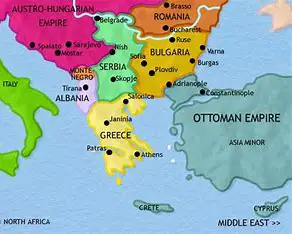
Which area was called the "powder keg" of Europe and was the place where World War I began?
Balkans
Gallipoli
Western Front
Ottoman Empire
The Somme
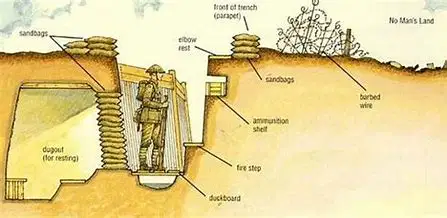
Roughly how long did trenches span along the Western Front?
A few miles
Hundreds of miles
There barely were trenches
Hundred of thousands of miles
8 miles
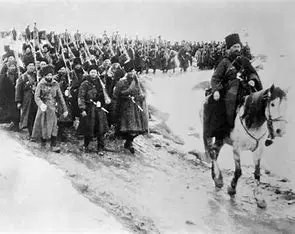
_____ fought against Germany and Austria-Hungary on the Eastern Front?
The British Empire
Estonia
The Russian Empire
The French Empire
The Italian Empire
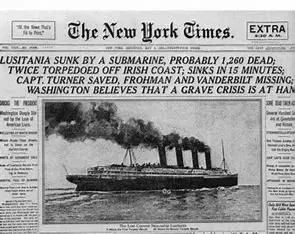
The United States entered into World War I during ______.
1914
1917
1918
1920
1922

The area between the German trenches and the Allied trenches was called _____
Dead Zone
Nowhere Land
No Man's Land
Default Zone
Neverland
Which weapon forced soldiers into the trenches


Which weapon was used mostly by the Germans
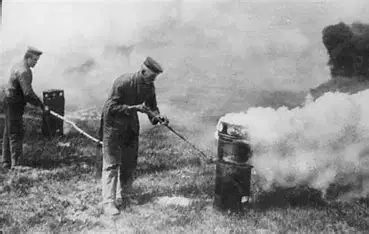
Which weapon was responsible for the most causalities during WWI?
Airplanes
Submarines
Poison Gas
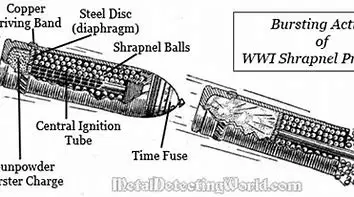
Shrapnel from Artillery
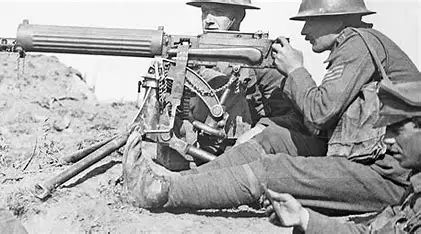
Machine Guns
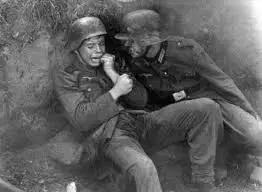
Many of the combat veterans of WWI suffered from _____ as a result of the stresses and trauma of combat; a condition referred to today as post-traumatic stress disorder (PTSD).
battle fatigue
war anxiety
combat stress syndrome
shell shock
attention deficit disorder

The first successful poison gas attack during war was carried out by the Germans against the British in 1915 at the battle of Ypres., resulting in about 1,100 men being killed and more than 7,000 injured. ______ is the type of gas that was used in this attack.
Chlorine gas
Carbon Monoxide gas
Phosgene gas
Mustard gas
Hydrogen gas
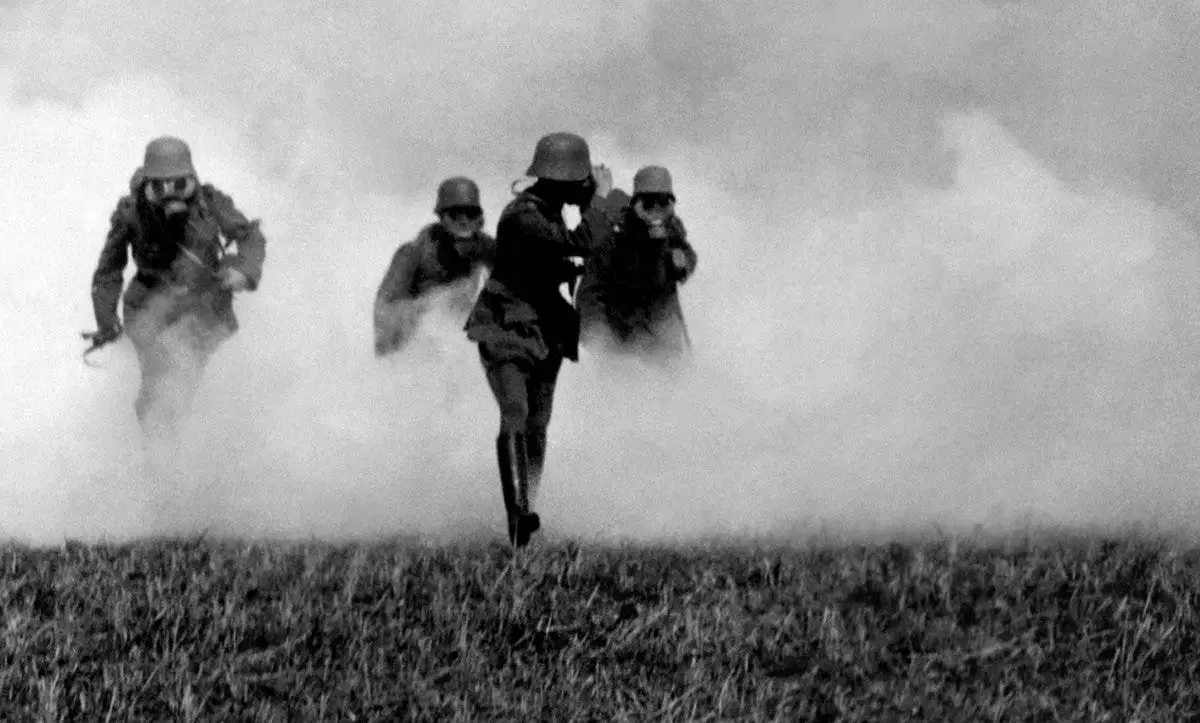
_____ is a colorless gas that takes time to kill. Victims don’t know they’ve been exposed until days after inhaling it. It was first used by Germans, but the Allies made it their primary chemical weapon later in the war
Mustard gas
Chlorine
Phosgene
Sarin
Carbon Monoxide

_____ blisters and burns the skin on contact. Even if soldiers wore gas masks to protect their lungs, it would seep into their woolen uniforms and even burn through the soles of their boots. A young Adolph Hitler was injured by this at the battle of Ypres.
Mustard gas
Carbon Monoxide
Phosgene
Chlorine gas

____ invented planes for the Germans during WWI. He invented a mechanism that allowed machine guns to be mounted on the front of an aircraft behind the propeller, revolutionizing air combat. After the Great War, he moved to the United States and created the first aircraft to fly to Antarctica and the first plane to be flown around the world by a woman.
Ferdinand von Zeppelin
Igor Sikorsky
Charles Lindbergh
Hugo Junkers
Anthony Fokker
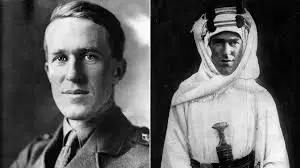
____ instigated Arab leaders in the Middle East to rebel against their Ottoman rulers. These rebellions resulted in large areas of land being taken over by Arab nationalists, including the city of Bagdad
Mustafa Kemal Atatürk
T.E. Lawrence
Czar, Nicholas II
Abdulaziz Ibn Saud
Kaiser, WIlliam II

An Allied offensive at the ______ River was even more costly than the battle for Verdun. This resulted in nearly 60,000 British soldiers killed in a single day, the first day of the battle. More than one million soldiers were killed over the course of the 5 month long battle. The battle ended without either side winning an advantage.
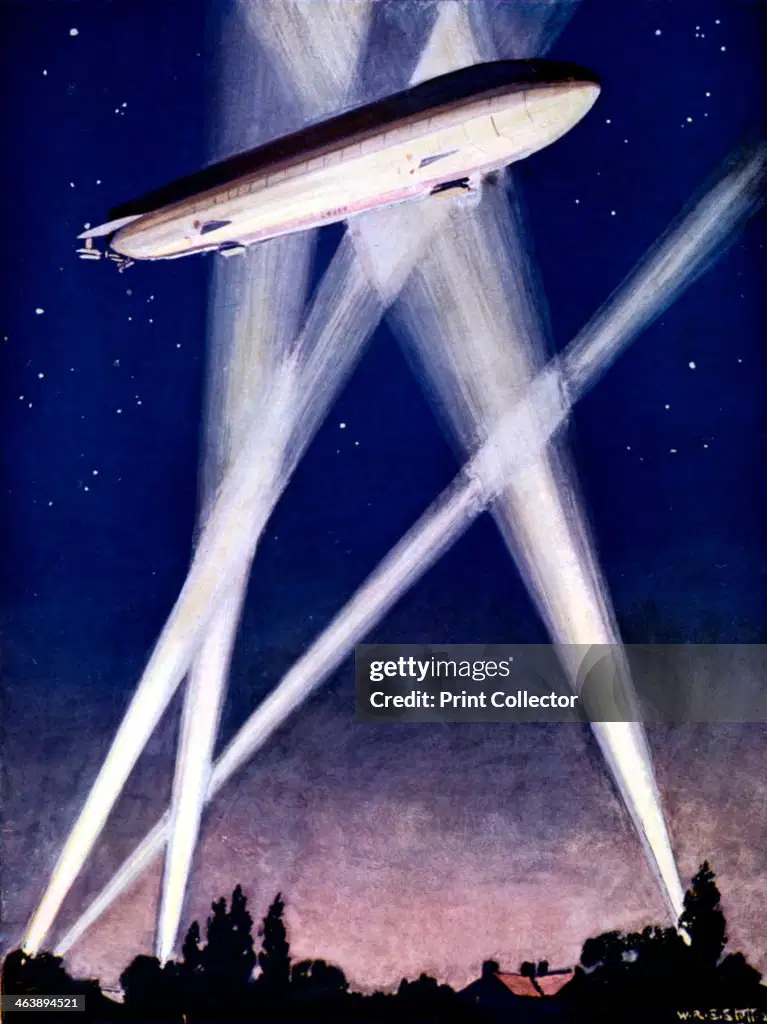
In 1915, Germany used ______, large gas filled piloted balloons, to bomb the English coast.
Fokker planes
ziggurats
tankers
strikers
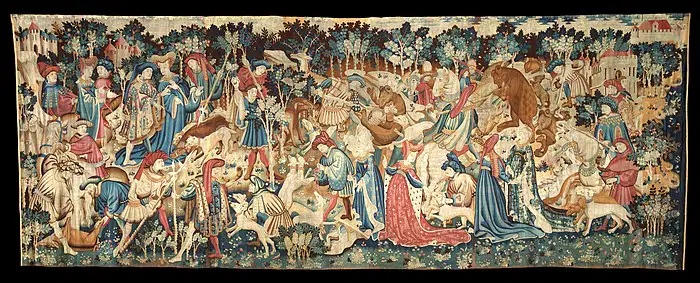
What did tapestries and stained glass windows have in common?
Both were used to decorate the homes of peasants.
Both told important stories to an illiterate audience.
Both reflected Greek and Roman learning.
Both showed the central role of Christianity in European culture.
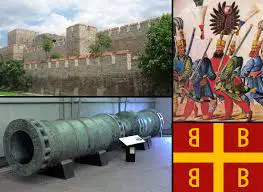
What effect did the weakening of the Byzantine Empire have on knowledge and learning in Western Europe?
The scholars who fled Constantinople destroyed their manuscripts so that the Muslims would not capture them.
The scholars who fled Constantinople brought with them knowledge that helped trigger the Renaissance.
The weakening of the Byzantine Empire led to the spread of the Greek language in Western Europe.
Influenced by Byzantine historians, scholars in the West began to write about their own times.
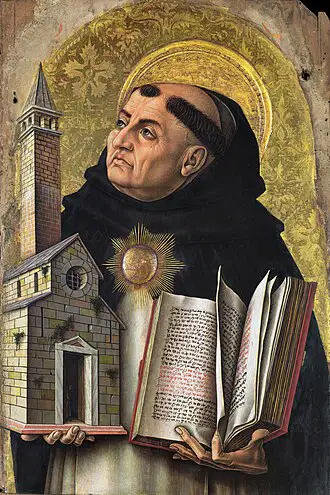
______ refers to the use of logic and reason, as clarified by ancient Greek philosophers like Plato and Aristotle, to support Christian religious beliefs.
Secularism
Romanesque
Scholasticism
Vernacularism
Socialism
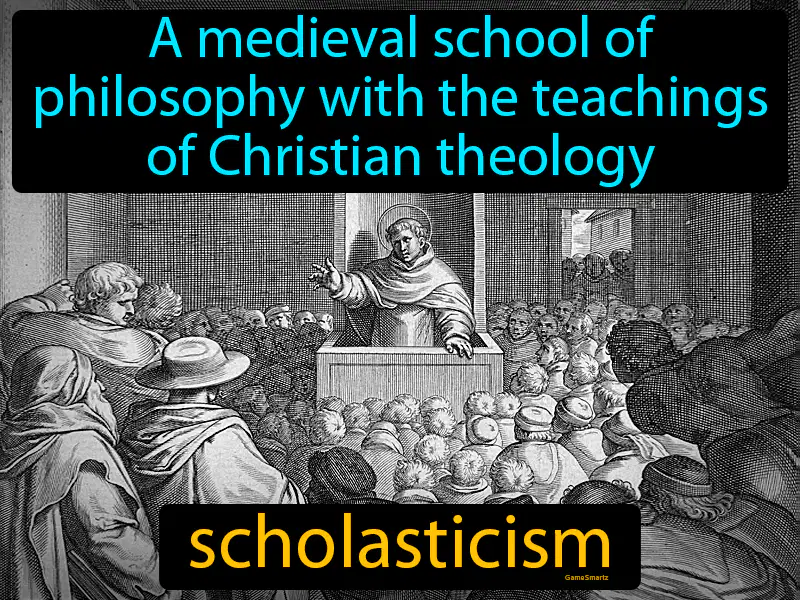
____ was a scholastic philosopher and writer who argued that people are not obliged to obey unjust laws or the rulers who enact them. His ideas influenced later generations of philosophers and revolutionaries like Thomas Jefferson.
Dante Alighieri
Christine de Pisan
Geoffrey Chaucer
Thomas Aquinas
William of Ockham
Europeans adopted the ______ numbers during the Middle Ages for mathematics as a more efficient alternative to the cumbersome numerical system they used for centuries.
Anglo-Saxon
Hindu-Arabic
Persian
Roman
French
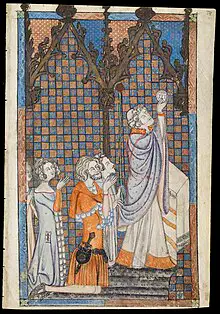
If you were a medieval European, you would be expected to regularly attend Church services. The services you attended would be provided in the language of ______
English
French
Latin
Italian
The local language
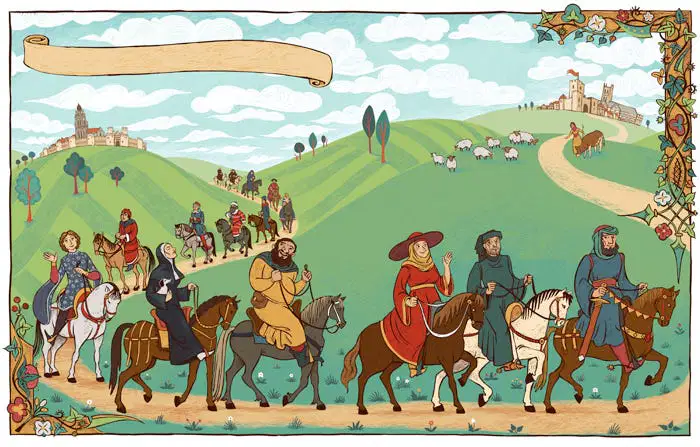
___ is the title of the literary work that describes medieval life from the perspective of people from different walks of life (including a knight, peasant, merchant, miller, monk, and nun, for example) while they participate in a pilgrimage to the tomb of Archbishop Thomas Becket, martyr and saint of the Roman Catholic Church.
The Canterbury Tales
The Divine Comedy
The Confessions
The Song of Roland
The Summa Theologica
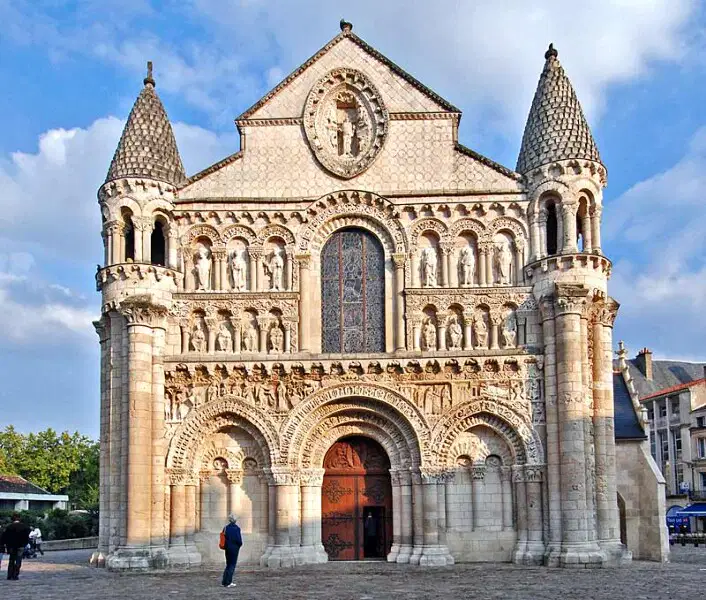
The image of the Notre Dame Cathedral in Pointers, France exemplifies the architectural style _______.
Gothic
Art-Deco
Hellenistic
Romanesque
Victorian
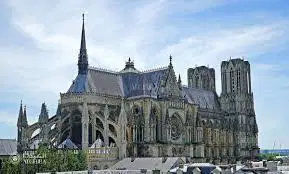
Which architectural style is characterized by pointed arches, ribbed vaults, and flying buttresses?
Romanesque
Gothic
Baroque
Renaissance
Victorian
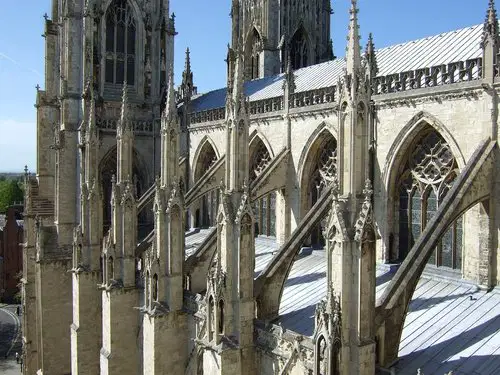
The image shows ______. These external stone supports allowed the construction of medieval cathedrals that reached incredible heights with thinner walls and large stained glass windows.
flying buttresses
keystone
supports
columns
skylights

The image of the Cathedral of Saint Peter located in Beauvais, France is an example of the _____ architectural style.
Gothic
Hellenistic
Romanesque
Victorian
Persian
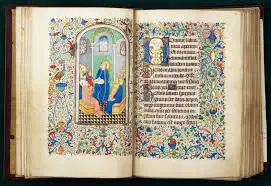
____ refers to the artwork that decorated books and manuscripts copied by hand in the Middle Ages, created by monks, nuns, and other skilled artisans.
expressionism
iconography
illumination
impressionism
vernacularism

What was the main purpose of stained glass windows in medieval cathedrals?
Provide insulation
Depict biblical stories and educate the illiterate
Enhance structural integrity
Reduce construction costs
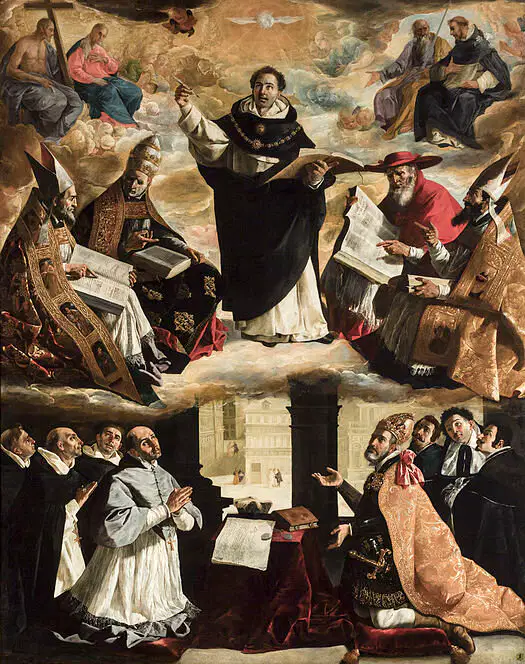
Which medieval philosopher is known for his work 'Summa Theologica', which sought to reconcile Christian faith with logic and reason? This scholastic theologian held a doctorate in theology. The Summa Theologica was an instructional guide, presenting the reasoning for Christian faith (God, Creation, Purpose of Man, Christ, the Sacraments, and God again)
Thomas Aquinas
William of Ockham
Geoffrey Chaucer
Dante Alighieri
Martin Luther

