
 Worksheets
H&S - 8. Safe Use of Hazardous Substances
Total questions: 22
Worksheet time: 11mins
The COSHH regulations deal with:
The safe use of tools and equipment
The safe use of lifting equipment
The safe use of hazardous substances
Safe working at height
Which of these statements about asbestos is true?
Brown asbestos is safe but blue asbestos is a hazard to health
White asbestos is safe to use
All types of asbestos are safe to handle
All types of asbestos are a hazard to health
If you think you have found some asbestos, the first thing you should do is:
Stop work and warn others
Take a sample to your supervisor
Put the bits in a bin and carry on with your work
Find the first aider
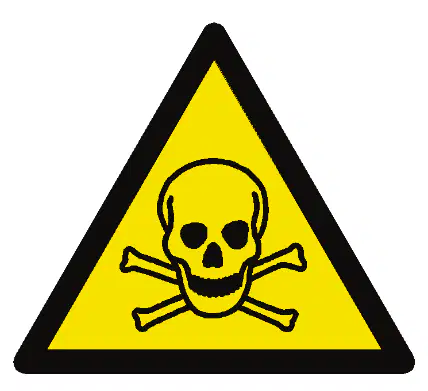
This symbol tells you a substance is:
Harmful
Toxic
Corrosive
An irritant
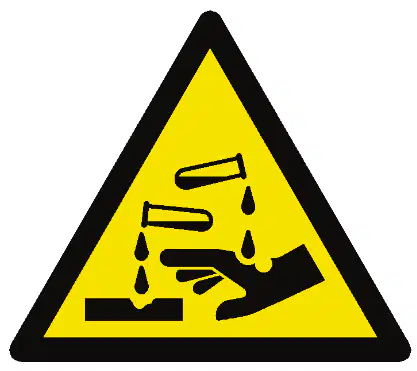
This symbol tells you that a substance is:
Harmful
Toxic
Corrosive
An irritant
Which symbol means corrosive substance?

A
A

B
B

C
C

D
D
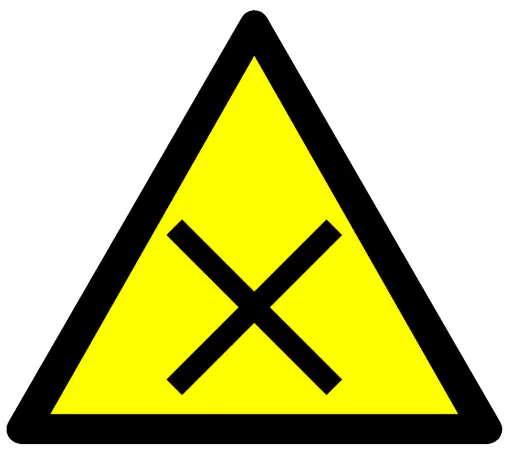
If a substance has this symbol, why must you take care? Give two answers.
It can catch fire easily
It can irritate your skin
It can harm your health
It can kill you
It can burn your skin
You have to use a harmful substance. What must your supervisor do?
Let you get on without giving any instructions
Make sure that someone is working close to you
Watch while you use the substance
Tell you what is in the COSHH assessment
Which symbol means toxic substance?

A
A

B
B

C
C

D
D
Which symbol means harmful substance?

A
A

B
B

C
C

D
D
You find a bottle of chemicals. The bottle does not have a label. What is the first thing you should do?
Smell the chemical to see what it is
Put it in a bin to get rid of it
Put it somewhere safe then report it
Taste the chemical to see what it is
How can you tell if a product is hazardous?
By a symbol on the container label
By the shape of the container
It will always be in a black container
It will always be in a cardboard box
Which of these does not cause skin problems?
Asbestos
Bitumens
Epoxy resins
Solvents
Which of these will give you health and safety information about a hazardous substance?
The site diary
The delivery note
The COSHH assessment
The accident book
You need to use a hazardous substance. Who should explain the COSHH assessment before you start?
A Health and Safety Executive inspector
The site first aider
Your supervisor
The site security people
A COSHH assessment tells you how:
To lift heavy loads and how to protect yourself
To work safely in confined spaces
A substance might harm you and how to protect yourself
Noise levels are assessed and how to protect your hearing
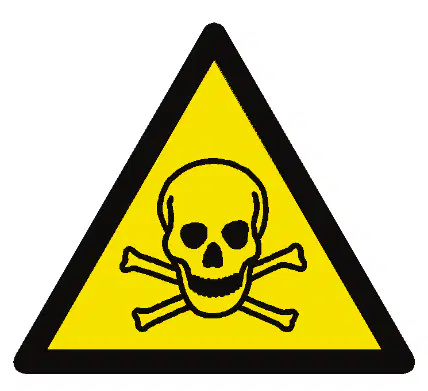
If a substance has this symbol, you must take care because it can:
Burn your skin
Kill you
Catch fire easily
Irritate your skin
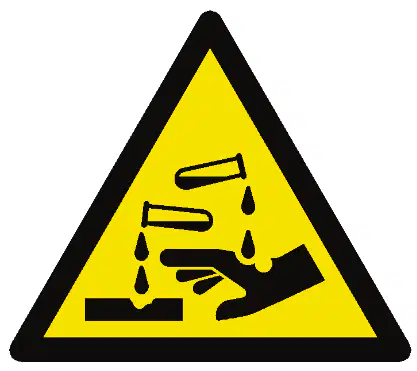
If a substance has this symbol, you must take care because it can:
Kill you
Cause a mild skin rash
Burn your skin
Catch fire easily
If you breathe in asbestos dust, it can cause:
Aching muscles
Influenza ('flu)
Lung disease
Painful joints
The safest way to use a hazardous substance is to:
Get on with the job as quickly as possible
Read your employer's health and safety policy
Read the COSHH assessment and follow the instructions
Ask someone who has already used it
You are on site. You need to throw away some waste liquid that has oil in it. What should you do?
Pour it down a drain outside
Pour it onto the ground and let it soak away
Use it to start a fire
Find out how you should get rid of it
How should you get rid of hazardous waste?
Put it in any skip on site
In accordance with the site rules
Bury it on site
Take it to the nearest local authority waste tip

