
 Worksheets
6TH GRADE HEALTH SEM 1 SMC
Total questions: 20
Worksheet time: 10mins
Wellness is an active process of making choices toward improving health.
True
False
A risk factor is something that increases the chance of illness or injury.
True
False
Reflexes allow the body to respond before the brain has time to think.
True
False
Eustress is negative stress that makes a person feel overwhelmed.
True
False
Websites ending in .gov, .edu, or .org are usually more reliable than those ending in .com.
True
False
Which of the following is an example of preventive healthcare?
Taking antibiotics for strep throat
Getting an annual physical exam
Resting after you get sick
Taking cold medicine to feel better
Which of the following is a protective factor?
Staying up very late
Smoking with friends
Having friends who don't drink or smoke
Living in the country, hours away from the nearest hospital
SELF is a strategy used to help manage stress. What does the “L” stand for?
Learn
Leisure
Light
Logic
Which of the following describes direct peer influence?
Feeling pressure to fit in
Watching others and copying them
Friends asking you to skip class
Wanting shoes because others have them
Preventive healthcare helps people stay healthy by:
treating diseases only after symptoms appear
avoiding medical professionals altogether
catching problems early and preventing illness
Relying on home remedies instead of going to doctors
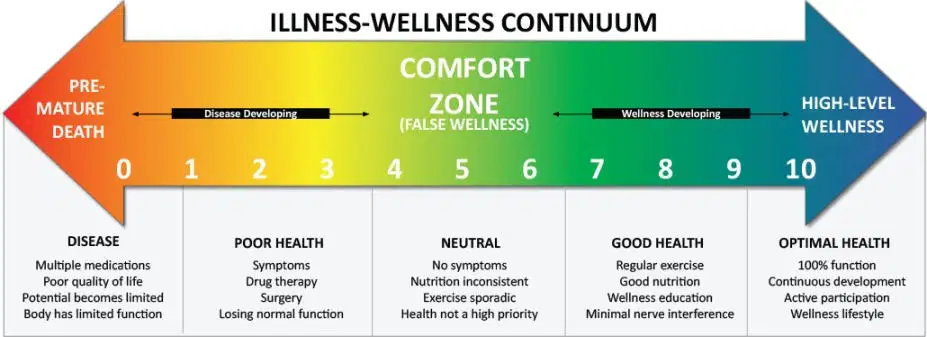
A person with good habits but some stress would most likely fall:
at the extreme illness end of the spectrum
somewhere in the middle of the health spectrum
at the highest point of wellness
in a place that never changes
A reflex is a fast, automatic response that:
uses only the brain
protects the body from danger
takes a long time to happen
is controlled by the endocrine system
Which of the following is a risk factor that could harm a person’s health?
Safe housing
Eating balanced meals
Skipping sleep regularly
Talking to a trusted adult
Which of the following are examples of positive peer influence?
A friend inviting you to join a club
Peers pressuring you to skip class
Seeing others work quietly, so you do the same
Friends encouraging you to make fun of someone
Walking in the park with your parents
Which choices below help reduce stress and support healthy SELF habits?
Getting enough sleep
Doing something fun you enjoy
Eating nutritious foods
Ignoring your responsibilities
Arguing with your friends
Health is defined as complete physical, mental/emotional, and ________ well being.
intellectual
occupational
social
environmental
The health spectrum ranges from _______ to ________.
illness to wellness
stress to relaxation
low energy to high energy
childhood to adulthood
Stress chemicals like adrenaline cause your muscles to tighten and your heart to...
slow down
beat faster
stop briefly
weaken
A tissue is a group of connected cells that have similar...
color
size
function
shape
Which step in Stop–Think–Act asks you to consider possible consequences?
Stop
Think
Act
React

